This Native Michigan Shrub Feeds Cecropia Moth Caterpillars And Anchors A Fall Border
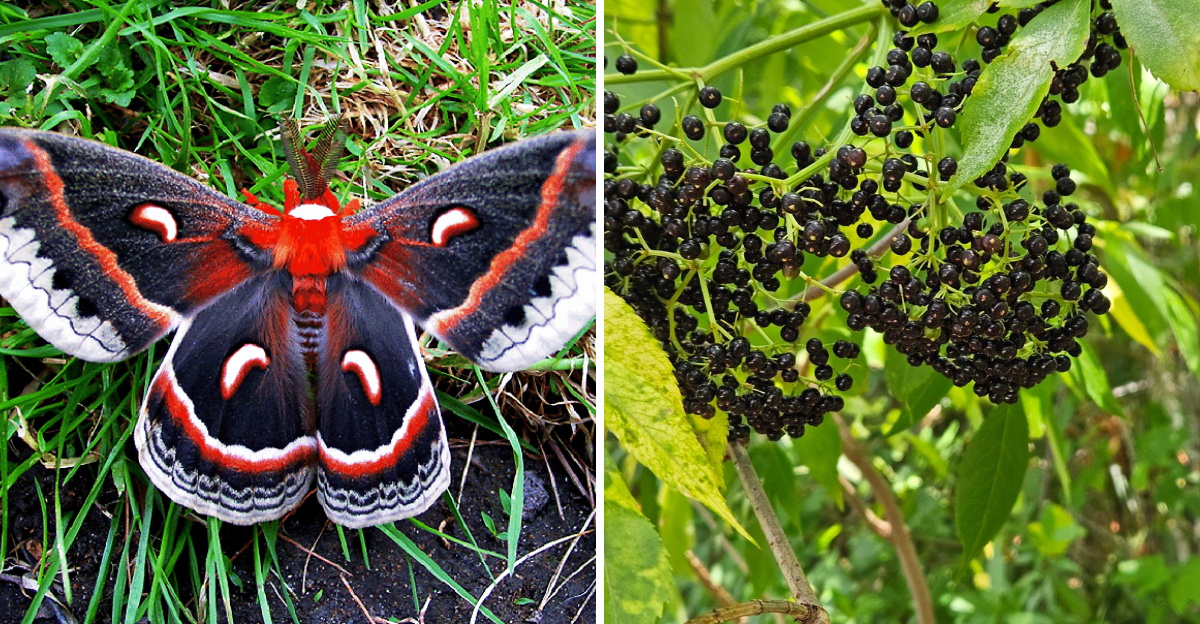
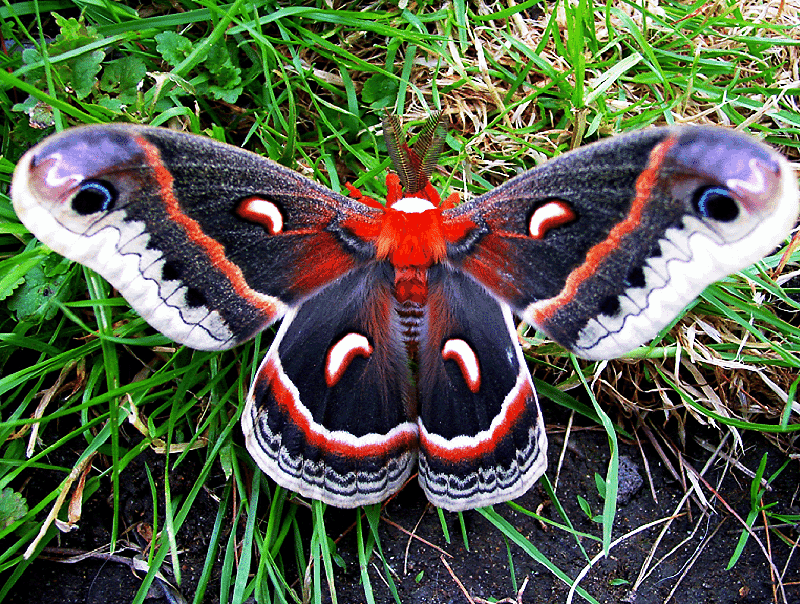
Something with a six-inch wingspan may already be living in your neighborhood. You have probably never seen it. Most people haven’t.
The adult stage lasts about two weeks, flies only at night, and does not eat at all. It emerges, mates, lays eggs, and finishes.
That short window is why almost nobody in Michigan realizes North America’s largest native moth might be nearby.
The caterpillar stage tells a different story. Chunky, blue-green, studded with colored knobs, and impossible to mistake for anything else once you spot one.
It needs specific leaves to reach that size.
One native shrub can supply them, and it happens to be the same plant that anchors a fall border, feeds pollinators in June, and hands songbirds a fruit crop in September.
Most gardeners plant it for the berries and never learn what else shows up.
So which Michigan native does all that at once, and where should it go?
Keep reading.
1. Grow Elderberry For Native Caterpillar Support
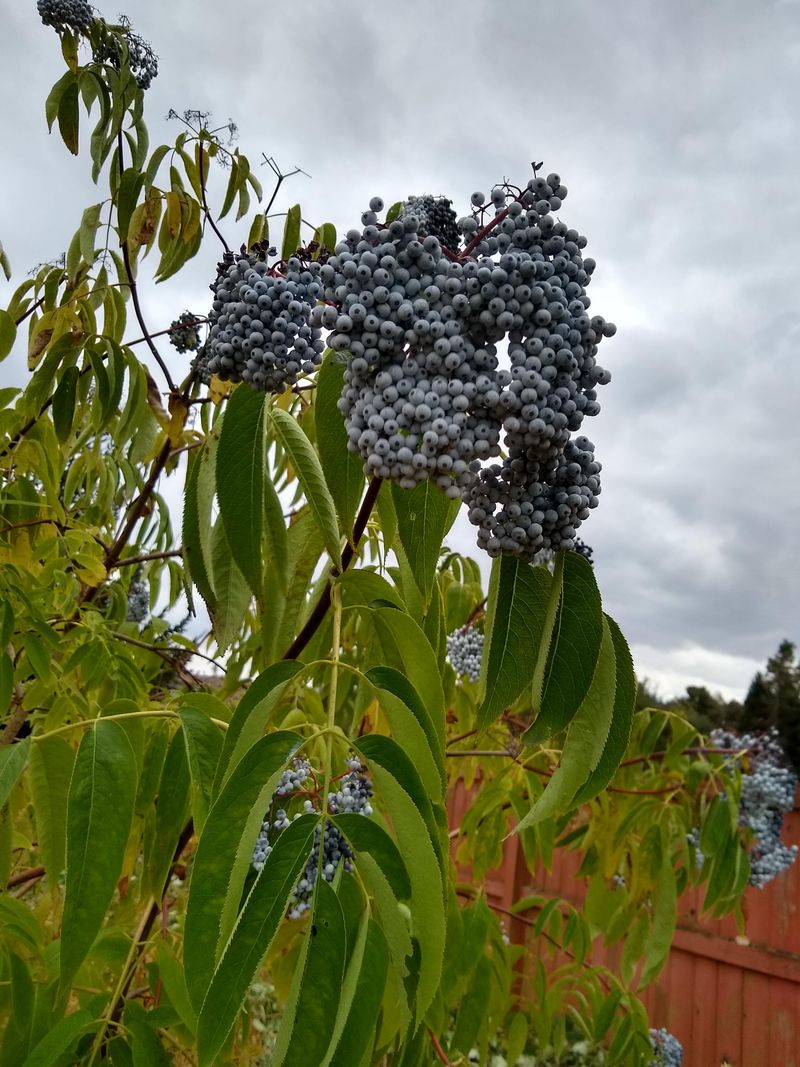
Some shrubs do quiet work in the background, and elderberry belongs in that category.
Its foliage can host cecropia moth caterpillars, the substantial larval stage of North America’s largest native moth. A border with elderberry participates in a food web rather than just filling space.
Cecropia caterpillars use a range of host plants. Cherry, maple, birch, and elderberry all appear on the list, so elderberry is one option among several rather than the only choice.
That distinction matters when setting expectations. Planting elderberry improves the odds without guaranteeing a caterpillar arrives.
Broader value comes with the shrub anyway. Insects using the plant feed birds, frogs, and other backyard predators later in the season.
Space requirements stay reasonable. A sunny or lightly shaded corner with moist soil gives the shrub what it needs.
Skipping broad spectrum insect sprays nearby helps considerably. Products that clear caterpillars also clear the ones you hoped to attract.
Cecropia populations face pressure from habitat loss and from an introduced parasitoid fly used in past gypsy moth control programs. Host plants alone will not reverse that, though they contribute.
Kids tend to find the caterpillars genuinely fascinating. Few garden plants double as a science lesson without any effort from the adults involved.
2. Use Elderberry To Build A Better Fall Border
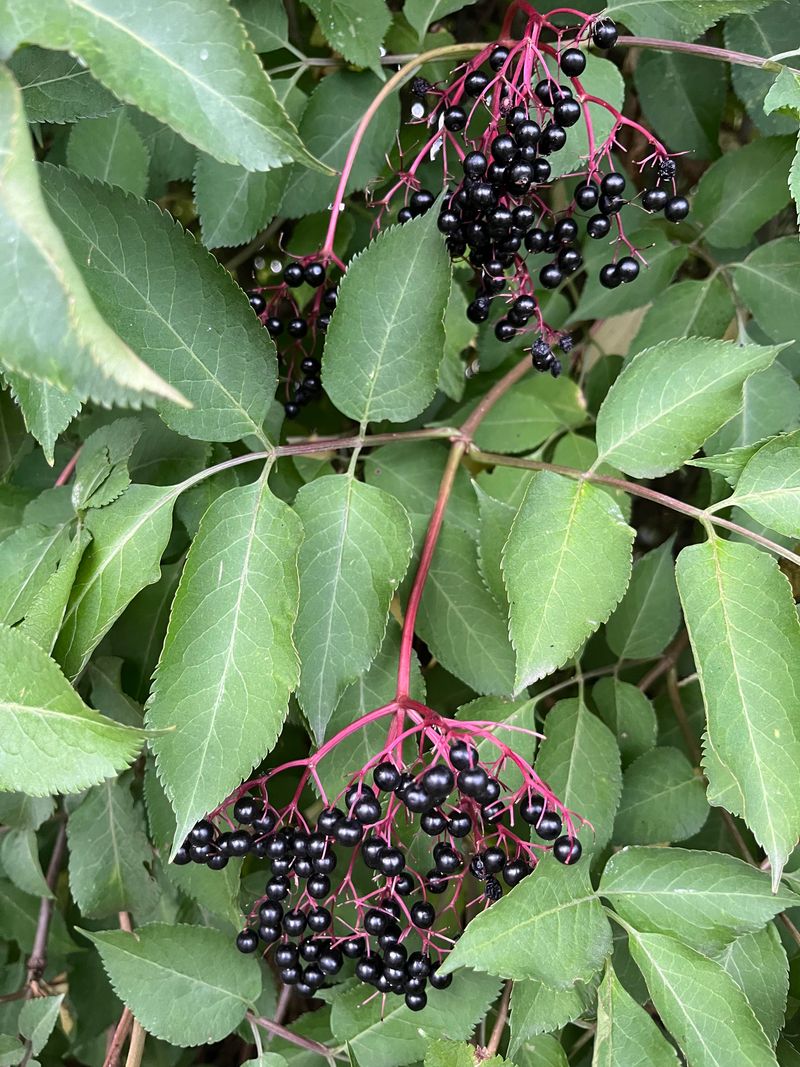
A fall border needs structure, and elderberry provides it without looking rigid.
Arching canes, broad compound leaves, and a generous outline add weight to the back or middle of a bed. Shorter perennials benefit from a taller partner behind them.
By late summer the shrub reaches its best form. Flowers have finished, berries darken, and the plant takes on a settled fullness.
That fullness bridges a gap gardeners often struggle with. Bright fall bloomers and fading grasses both look better with something substantial behind them.
Placement deserves real attention. American elderberry commonly reaches six to twelve feet tall and wide, depending on soil, moisture, and how you prune.
Fence lines, rain garden edges, and naturalized borders all suit it. Cramming it into a tight foundation bed leads to annual wrestling matches.
Your Michigan Garden Changes Every Week. Your Plan Should Too.
Gardening in Michigan changes quickly throughout the season. Every Friday you’ll receive a simple weekly plan showing exactly what to plant, prune, fertilize, harvest, and protect so you never miss the right timing.
Deciduous habit adds seasonal change rather than removing interest. Fresh spring growth, summer fullness, fall berries, then bare branch structure through winter.
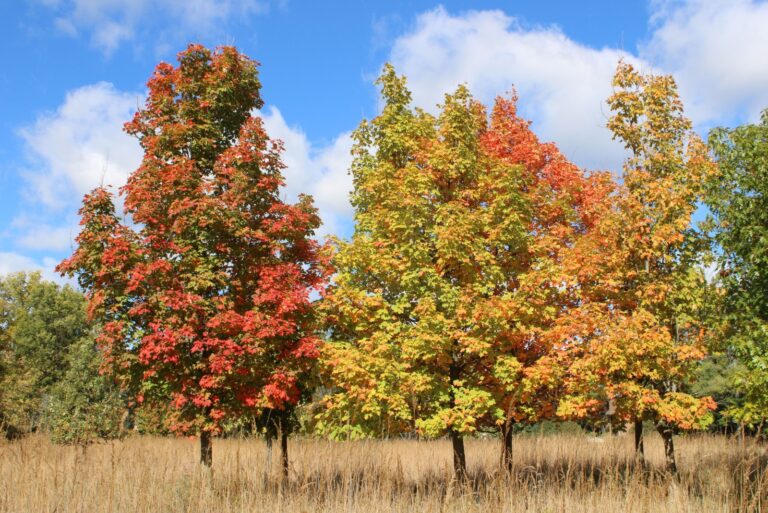
Fall color runs modest, typically yellowing rather than dramatic. Worth knowing if you’re planning a border around autumn foliage.
Suckering means the footprint expands over years. Plan for the mature spread rather than the size in the pot.
Generous and grounded beats fussy and clipped in most Michigan borders. Elderberry has never once been accused of looking clipped.
3. Enjoy Summer Flowers And Fall Berries
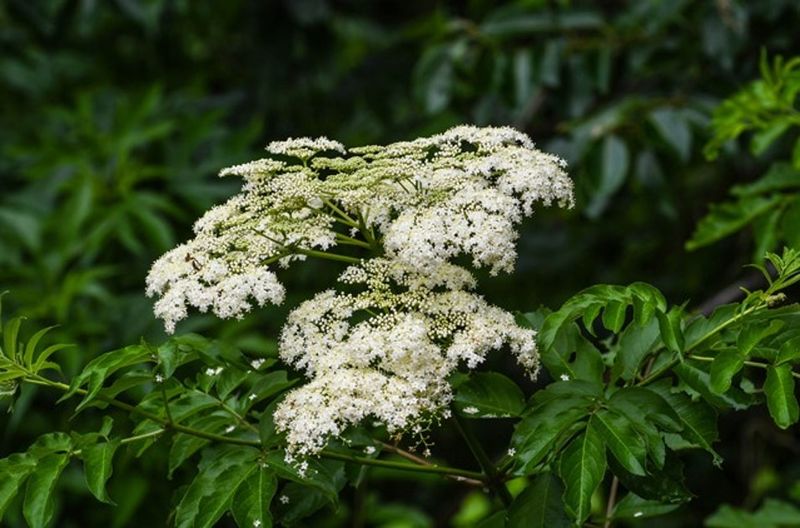
Few shrubs put on a friendlier early summer show than elderberry.
Flat clusters of small white flowers appear to float above the foliage. Bees and other pollinators work them steadily.
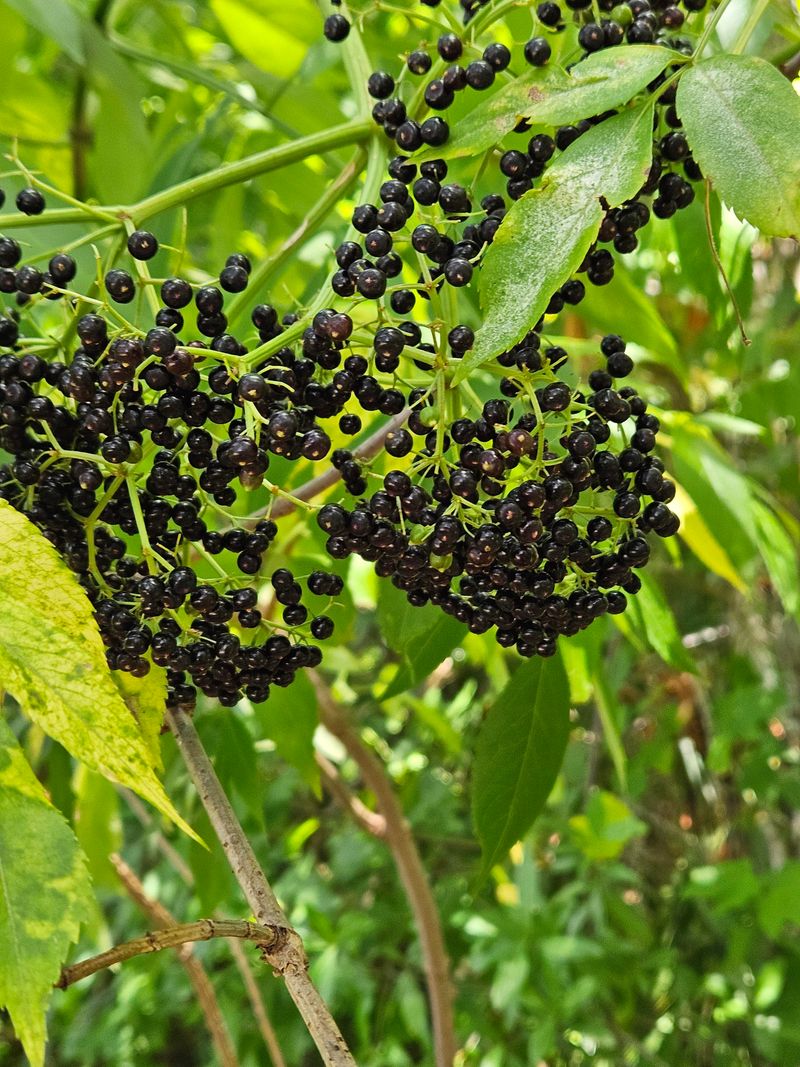
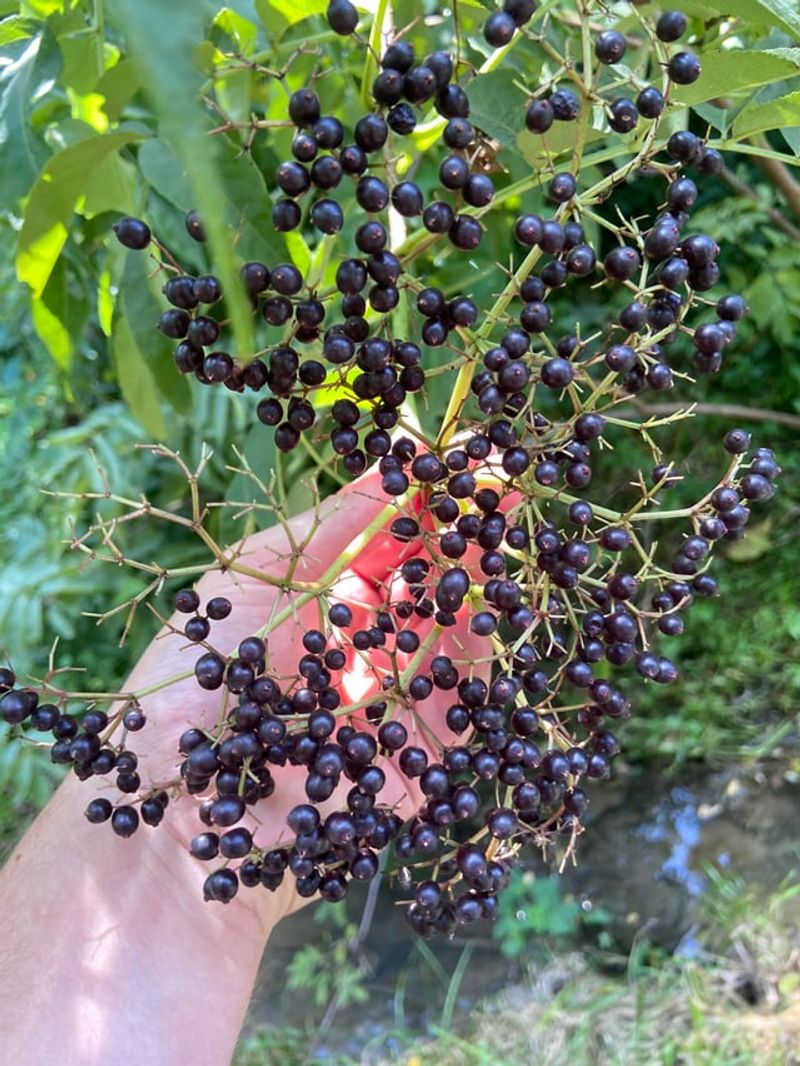
Those blooms develop into drooping clusters of dark purple black fruit when pollination goes well. Color arrives exactly when many garden flowers wind down.
Songbirds notice quickly. Robins, catbirds, and cedar waxwings all use elderberry fruit.
Planting more than one shrub tends to improve results. Elderberry is partly self fertile, though cross pollination between different plants or selections often increases fruit set.
Heavy shearing works against berry production. Flowering happens on wood from the previous season in most cases, so cutting everything back removes the crop.
A note for anyone eyeing the fruit for jelly. Ripe cooked berries are used in preserves and syrups, while raw berries, leaves, stems, and roots contain compounds that can cause nausea and should not be eaten uncooked.
Red elderberry is a different species with different considerations. Identification matters before harvesting anything.
Birds usually claim the crop quickly. Netting helps if you want a share.
Flowers feed insects, berries feed birds, and the stems hold the border together after both are gone. That is reasonable value from one plant.
4. Give Elderberry Moist Soil And Room To Spread
Elderberry would ask for water before anything else.
Naturally a plant of moist ground, it performs best where soil stays evenly damp. Low areas, rain gardens, and downspout beds all work if drainage prevents standing water.
Site matching does most of the work. Full sun typically brings the heaviest flowering and fruiting, while part shade suits hotter or drier locations.
Compost before planting helps lean soil. Mulch afterward holds moisture and keeps shallow roots from drying out.
Spacing needs planning from the start. Elderberry spreads by suckers and widens over time, which makes tight foundation beds a poor match.
Set shrubs several feet from walkways and give neighboring perennials breathing room. The whole border stays calmer that way.
Suckers can be managed if the spread bothers you. Cutting or pulling them annually keeps the clump contained.
First year watering matters most. Deep soaking during dry stretches lets roots establish properly.
After establishment the plant is generally undemanding on a suitable site. Dry sandy ground is the main exception, where it tends to struggle.
Choosing the right spot beats constant intervention later. Elderberry rewards a good decision made once far more than it rewards attention paid weekly.
5. Prune Elderberry For Better Structure
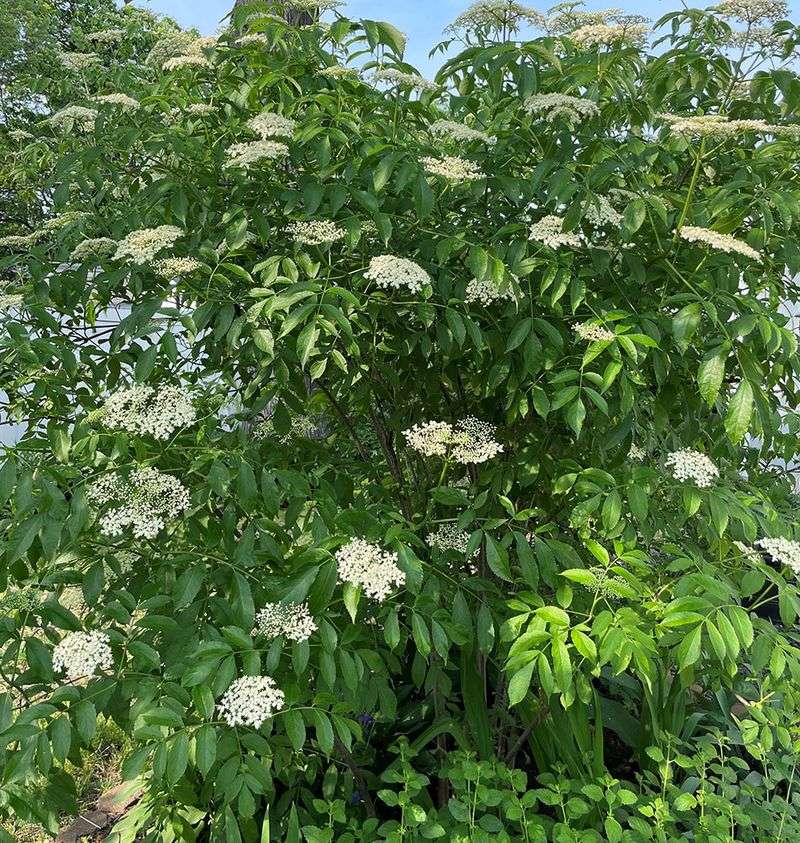
Pruning elderberry is about helping it age well rather than making it tidy.
Growth comes fast, and older canes lose productivity over time. Selective cutting keeps the plant vigorous and manageable.
Late winter or very early spring works best, before new growth obscures the framework. You can see what you’re doing.
Start with weak, broken, and crowded stems removed at the base. Then take out a portion of the oldest canes to encourage fresh shoots.
Annual renewal beats total removal. Keeping a mix of young, middle aged, and older stems preserves the natural form while the plant refreshes itself.
Removing roughly a third of the oldest canes in stages is a common approach. The shrub stays full rather than leaving an obvious gap.
Harder cutting reduces size, with a trade attached. Removing too much flowering wood costs you that season’s berries.
Some growers coppice elderberry hard for foliage or vigor, accepting reduced fruit. Depends on what you want from the plant.
Clean sharp tools and occasional steps back to check the outline both help. Pruning by feel produces odd results.
Renewal pruning serves both appearance and wildlife value, since flowers, fruit, and new growth all depend on healthy structure. The shrub does not object to the help.
6. Pair Elderberry With Other Michigan Natives
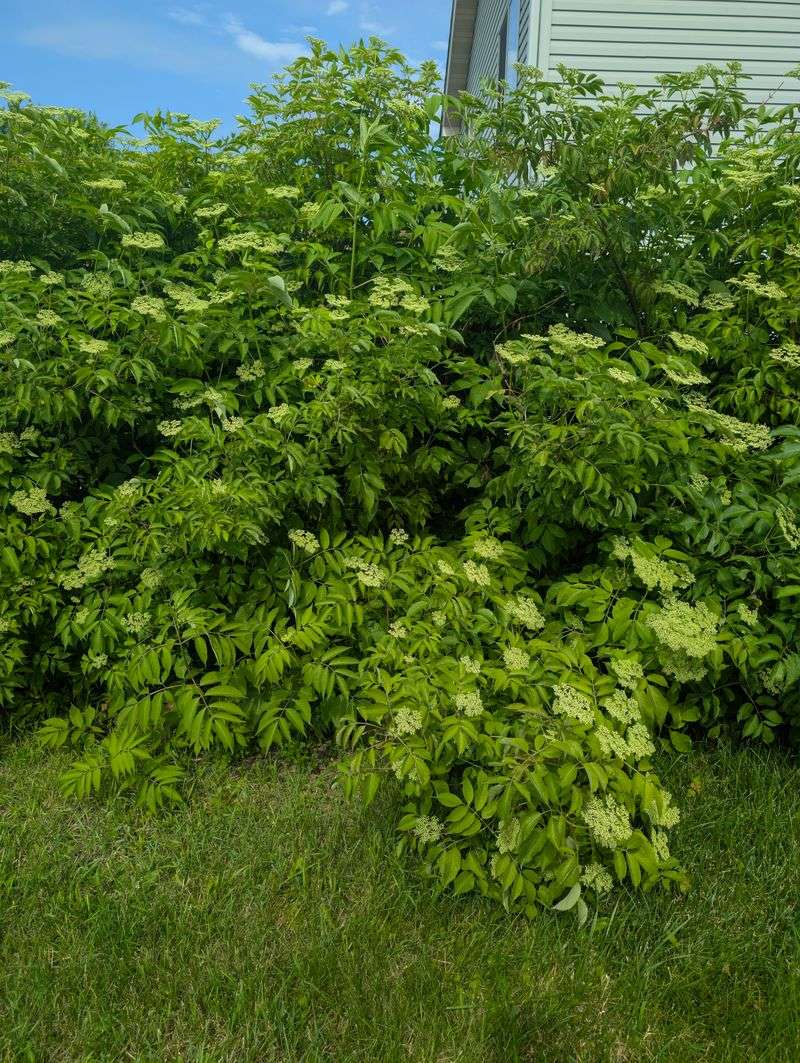
A native shrub works harder with the right neighbors.
Elderberry provides the tall leafy layer while lower plants fill ground with color, roots, and shelter. The result reads as a small plant community rather than one isolated specimen.
Moist soil opens good options. Joe-pye weed, blue flag iris, swamp milkweed, and cardinal flower all suit those conditions and are native to Michigan.
Average garden beds work with different partners. Asters, goldenrods, and native grasses extend the season around the shrub.
Shrub companions matter too. Buttonbush handles wetter spots, ninebark adds texture, and winterberry continues the berry theme into winter.
Ferns and sedges underneath soften the base. Bare ground under a shrub looks unfinished and offers wildlife less.
Think in layers when planning. Tall shrubs at the back, mounded perennials in front, spreading plants near the edge.
That structure looks natural, shades the soil, and gives birds and insects more of the bed to use.
Water needs should group together. Pairing a moisture loving elderberry with drought adapted plants rarely satisfies either one.
Woven into a native mix, the border gains texture and activity. Michigan has a distinct plant palette, and using it gives a yard a sense of place that imported ornamentals cannot borrow.
7. Avoid Treating Elderberry Like A Perfect Hedge
Plenty of gardeners learn this one the hard way.
Elderberry has no interest in being a stiff formal hedge. Growth runs loose and fast, with arching stems and new shoots appearing where they please.
That habit is not a defect. In the right setting it’s exactly what makes the shrub appealing.
Informal borders, wildlife gardens, cottage plantings, and property edges all suit it. A softer outline reads as inviting rather than unkempt in those contexts.
Shearing it flat means more work for worse results. Heavy trimming removes flower buds, reduces fruit, and destroys the branch pattern that gives the plant presence.
Guided freedom describes a better approach. Edit the shrub without forcing a shape it resists.
Pruning still controls size, removes worn stems, and opens the center. It just stops short of geometry.
For a crisp screen beside a walkway, pick a different shrub. Plenty of options handle formal shaping willingly.
For movement, flowers, fruit, and wildlife activity in a relaxed border, elderberry delivers considerably more satisfaction.
Meeting its character halfway makes everything easier. Some plants negotiate, and this one has been holding the same position for a very long time.
8. Turn One Shrub Into A Backyard Wildlife Station
A single elderberry can change the feel of a yard faster than most people expect.
What begins as one shrub becomes a perch, a hiding place, a fruit source, and a host plant.
Bees work the flowers in June. Birds take the berries in late summer. Caterpillars use the leaves when timing lines up.
Dense stems provide cover, and the root system helps hold soil on slopes and stream banks.
Planted near other natives, elderberry connects resources rather than offering one brief seasonal benefit. Continuity matters more than any single feature.
That connection carries weight in neighborhoods where habitat exists in fragments. A yard supporting insects, fruit eating birds, and pollinators functions as a stepping stone between larger patches.
Even a modest border becomes more active with one well chosen planting.
Placement affects how much you enjoy it. Somewhere visible from a window or a regular path means you actually notice what shows up.
Realistic timelines help too. Elderberry establishes quickly, often flowering within a couple of years, so the wait stays short.
That is solid return from one native shrub. Gardens can decorate a property, or they can hand a few thousand living things a reason to visit, and elderberry makes the second option surprisingly easy.