September Is A Prime Window To Plant Trees Before Illinois Winter
Cold mornings are hiding a secret from you. Illinois soil holds warmth long after the air cools.
Underground, tree roots race against a closing window. Temperatures keep falling while the ground below stays warm.
That mismatch creates conditions no other season offers you. Planting now lets roots settle before winter locks everything.
Weeks like these matter more than most homeowners realize. Wait too long, and frozen soil closes every option.
Frost across Illinois arrives faster than most people expect. Spring planting sounds appealing, but the season stays unpredictable. Mud, chaos, and rushed decisions follow gardeners who wait.
Act now, because next summer’s growth depends on this. Nutrients settle deeper when roots have time to spread. Nothing about this window returns next year.
Everything you plant now compounds by next spring. You hold more influence over your yard than you think. Skip this window, and you will regret it by June.
Warm Soil And Cool Air, The Combo Roots Love
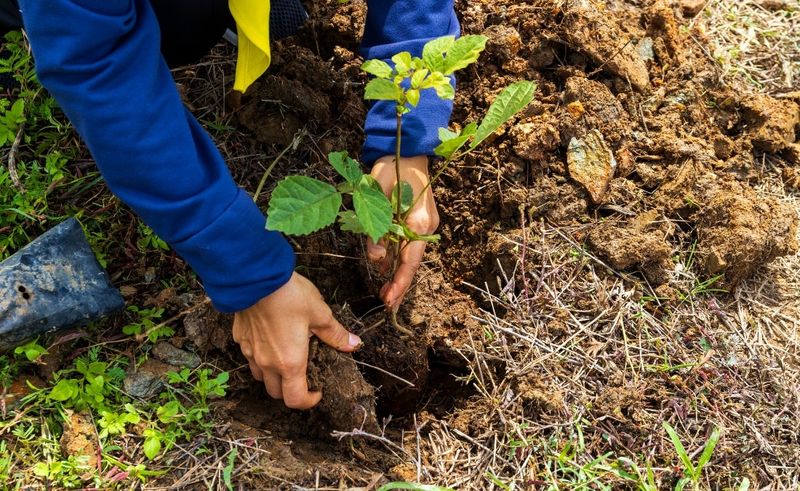
Here is the trick most people miss: roots and leaves want totally different weather. Leaves prefer mild temperatures, while roots keep growing as long as the soil stays above roughly 45 degrees.
In September across Illinois, the ground is still holding onto summer heat while the air has cooled off. That mismatch is exactly what a newly planted tree wants.
Cooler air means the tree loses less water through its leaves. Less water loss means less wilting, less shock, and less begging you for the hose three times a day.
Meanwhile, underground, the soil is warm and workable. Roots push outward into that soil for weeks, sometimes right into November, long after the top of the tree looks like it has clocked out for the season.
Come next June, when the first real heat wave rolls across the state, that tree has a head start. It already has anchor roots reaching past the edges of the planting hole, which is where drought trouble usually begins.
Spring planting sounds romantic, but Illinois springs are unpredictable. One week the yard is a swamp, the next week it hits 88 degrees and a brand new tree is scrambling.
September gives you a steadier ride. Rain tends to be more reliable, weeds slow down, and the whole job feels less rushed.
Think of it as installing the plumbing before the house needs water. The visible growth waits until spring, but the important work happens now, quietly, under your feet.
The Six-Week Countdown Before Hard Frost

Timing is the whole game, and Illinois hands you a clear window. Most of the state sees its first hard frost somewhere between early October up north and late October or early November down south.
Roots need roughly six weeks of workable soil to settle in before the ground stiffens up. Count backward from your local frost window and September lands right in the sweet spot.
Chicago-area gardeners generally do best aiming for the first three weeks of the month. Folks near Springfield or Champaign get a little more breathing room, and southern Illinois can stretch into mid October without much worry.
Your Illinois Garden Changes Every Week. Your Plan Should Too.
Gardening in Illinois changes quickly throughout the season. Every Friday you’ll receive a simple weekly plan showing exactly what to plant, prune, fertilize, harvest, and protect so you never miss the right timing.
Waiting until late October often leaves trees poorly established. A tree planted into cold, tightening soil sits there doing almost nothing, then faces winter wind with no anchor.
There is another reason to move now: nurseries. Garden centers across Illinois start clearing inventory in September, which means real discounts on healthy stock they would rather not store all winter.
Ask staff which trees arrived recently versus which have baked in a black pot since May. Fresher stock, better roots, easier recovery.
Mark your planting date on a calendar and treat it like a dentist appointment. Vague plans turn into November regret surprisingly fast.
One helpful habit: check the ten-day forecast before you dig. A stretch of cool, damp days beats a random 85 degree spike, and Illinois still throws those at us well into the month. Plan the date, buy the tree, get it in the ground.
Which Trees Actually Handle Fall Planting
Not every tree is thrilled about an autumn move. Some species root out fast in cool soil, while others prefer to be planted when they are waking up in spring.
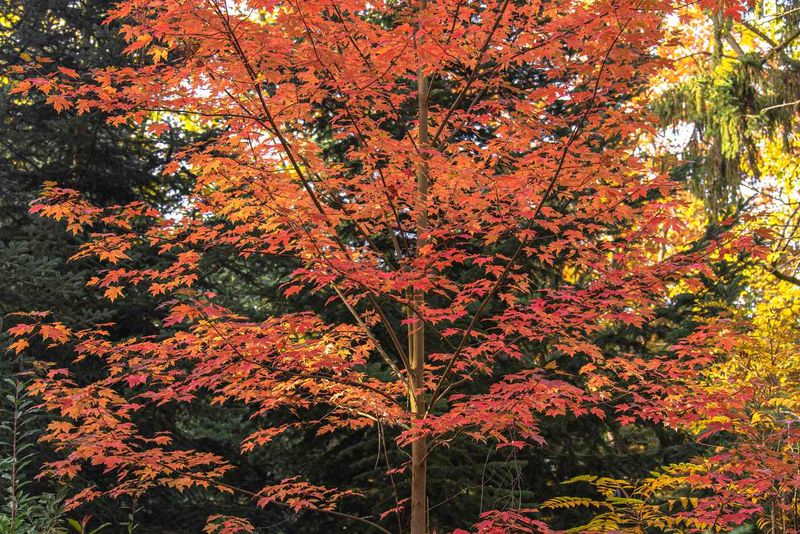
Strong September choices for Illinois yards include maples, lindens, hackberry, ginkgo, elm cultivars, honeylocust, crabapple, and most spruce and pine. These push roots readily and shrug off the change in scenery.
Oaks are worth a note. Bur oak and swamp white oak can go in now if they are container grown or properly balled, though many arborists still lean toward spring for bare-root oaks.
Species that tend to sulk after fall planting include birch, magnolia, dogwood, tulip tree, sweetgum, willow, and hawthorn. Their root systems are slower to establish and winter can be rough on them.
Fruit trees are a mixed bag. Apples and pears often do fine, while peaches and cherries are happier waiting for April in northern counties.
Container-grown stock is your safest bet this time of year because the roots stay largely undisturbed during planting. Balled and burlapped works well too, especially for larger evergreens.
Skip bare-root trees entirely until spring. Those need the long, damp stretch of March and April to recover.
Fun bit of local history: bur oaks in old Illinois prairie groves survived regular grass fires thanks to thick, corky bark.
Plant one and you are continuing a story that started long before the state had roads. Choose the right species and September does most of the work for you.
Digging The Hole Wide, Not Deep
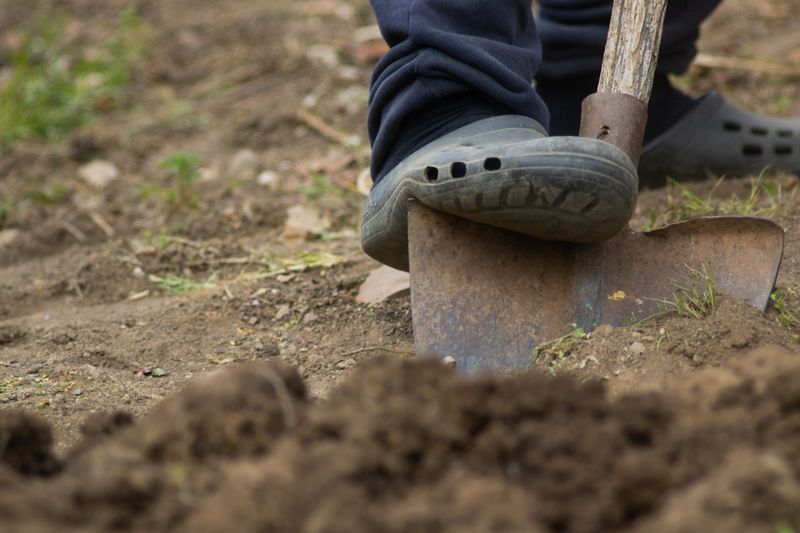
Many struggling young trees in Illinois were set back by how they were planted, and the hole is almost always the culprit. People dig a narrow pit, drop the root ball in too deep, and pack heavy clay around it.
Go wide instead. Aim for a hole two to three times the width of the root ball but no deeper than the root ball itself.
Roots spread sideways far more than down, especially in Illinois clay. A wide, shallow, saucer-shaped hole gives them loosened soil to travel through instead of a slick clay wall to circle around.
Before you set the tree, find the root flare. That is where the trunk widens and the first big roots branch out, and it belongs at or slightly above ground level.
Nursery pots often bury the flare under two or three inches of extra media. Scrape that away so you know where the real top of the roots sits.
Backfill with the same soil you dug out. Fancy potting mix in the hole creates a contained pocket roots don’t grow beyond.
Slice through any roots circling the outside of the root ball. Four vertical cuts with a clean knife encourages them to head outward. Water as you backfill to settle air pockets, then step lightly around the edge. No stomping.
Get the depth right and you have solved the single biggest reason young trees underperform in Midwestern yards.
Watering Rules Change In Autumn
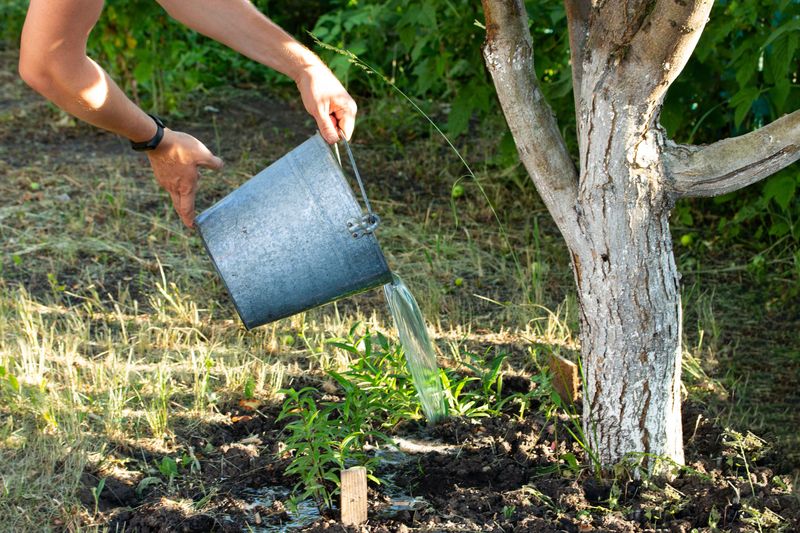
A common assumption trips up new tree owners: cooler weather means the tree stops needing water. Not so, and September through November is when steady moisture matters most.
Fresh roots have almost no reach yet. Everything they drink comes from the small volume of soil right around the root ball.
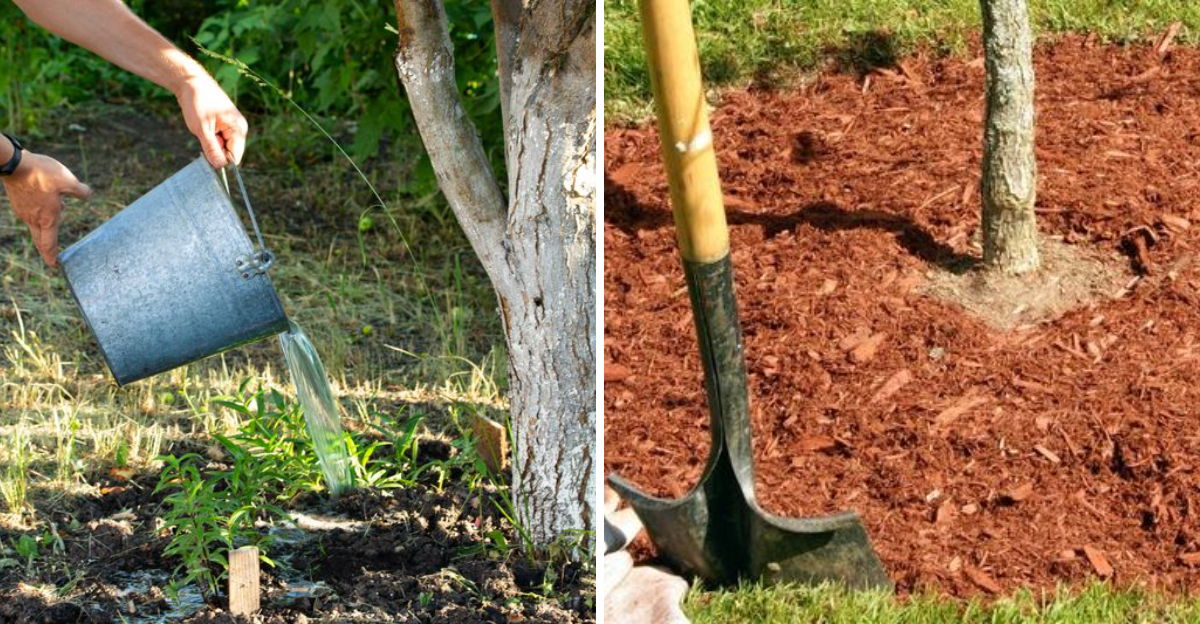
Plan on about ten to fifteen gallons per week for a typical young tree, delivered slowly. A hose trickling at the base for twenty minutes beats a fast blast that runs across the lawn.
Illinois autumn rain helps, but it is uneven. Stick a screwdriver into the soil near the root ball, and if it slides in easily you are fine, if it fights back, water.
Slow-release watering bags are genuinely useful here, especially for busy households. Fill it once or twice a week and forget about it.
Keep going until the ground freezes, usually late November or early December depending on where you live. That final deep soak before freeze-up is one of the most valuable things you can do.
Evergreens especially benefit. They lose moisture through their needles all winter, and dry roots plus January wind produces the brown winter scorching common on stressed spruces.
Ease off if you get a soggy week. Constantly saturated clay stresses roots just as badly as drought does.
Balance is the goal: moist, not swampy, right through the first freeze. Then you can finally put the hose away.
Mulch Like A Doughnut, Not A Volcano
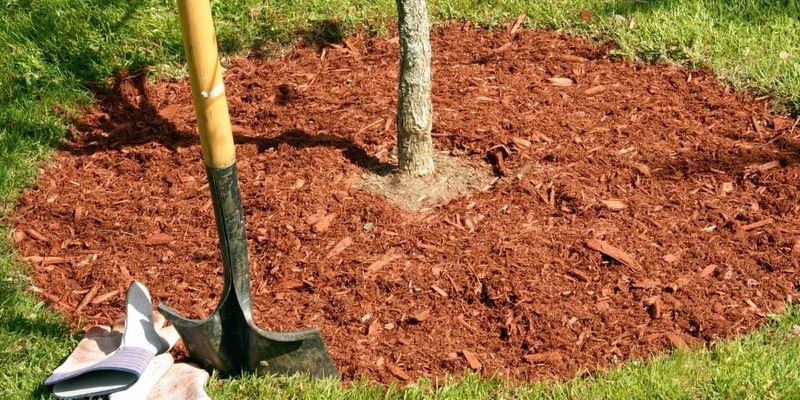
Drive through any Illinois subdivision and you will spot them: trees buried in cone-shaped mulch piles halfway up the trunk. Landscapers call these mulch volcanoes, and they cause slow, quiet trouble.
Bark against constant moisture softens and invites decay. Mice and voles also love tunneling through that pile and chewing bark under the snow all winter.
Shape your mulch like a doughnut instead. Spread two to three inches of shredded hardwood in a ring that reaches out three feet from the trunk, and keep a clear gap of two or three inches around the bark itself.
Done right, mulch is a workhorse. It holds soil moisture, blocks weeds and grass competition, and steadies soil temperature as Illinois flips between 60 degree afternoons and 25 degree nights.
That temperature buffering matters more than people realize. Freeze-thaw cycles can heave a new root ball right out of position, and a good mulch layer softens those swings.
Skip landscape fabric under the mulch. It clogs, sheds water sideways, and makes future root growth harder.
Rock mulch is another pass for young trees. It radiates heat in summer and offers none of the organic matter that shredded bark slowly contributes.
Refresh the ring each spring rather than piling new on top of old. Depth creeps up fast otherwise.
One flat, tidy doughnut of mulch will do more for your tree over the next decade than almost anything else you can buy at the garden center.