What’s Behind The Woolly Bear Caterpillars Crossing Minnesota Yards This Fall
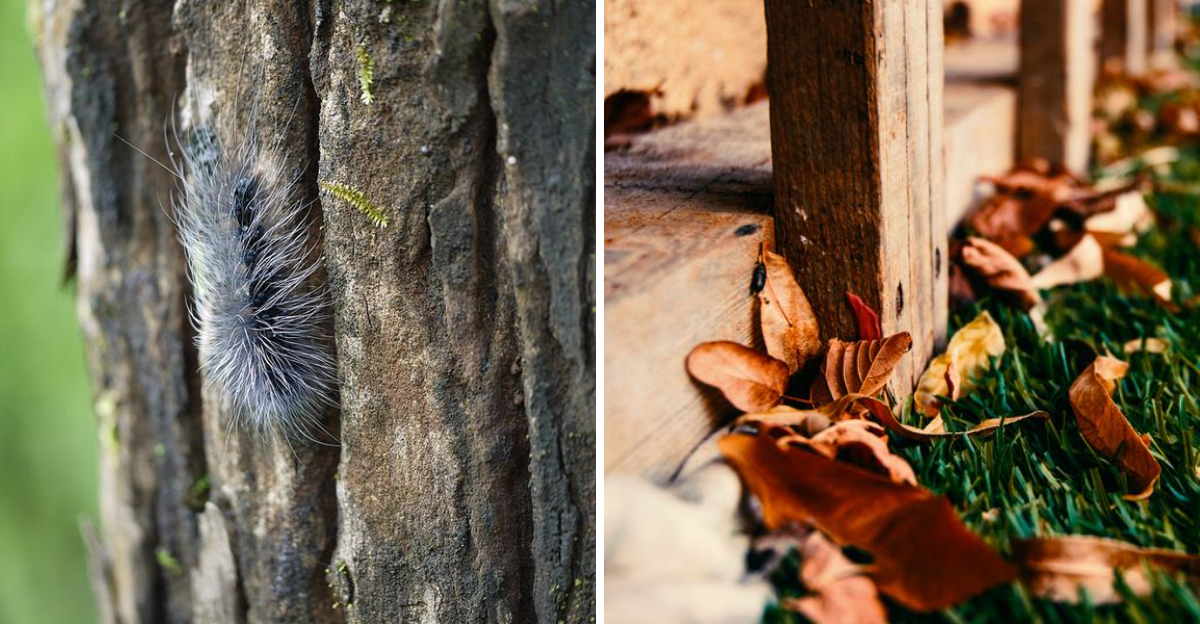
You notice it early, a fuzzy shape crawling steadily across cold concrete. Minnesota yards near you fill with travelers once nights turn brisk. If you live here, you already recognize this scene.
Kids near you scoop these travelers onto sticks for clues. Folklore tells you their bands predict a stark cold snap. Science offers you a sharper story than any old legend.
Shorter daylight flips a switch inside the creature you watch. Cooling soil sends you a signal louder than any forecast.
Instinct pulls them toward safe shelter before frost locks your ground. Winter in Minnesota demands exact timing from you, not luck.
Each quiet yard you own becomes a highway for racing creatures. Raking, mowing, and tidying all shift once you grasp why.
This tiny parade means far more to you than casual glances allow. What drives this crossing will change how you see your own yard for good.
The Autumn March Has A Destination
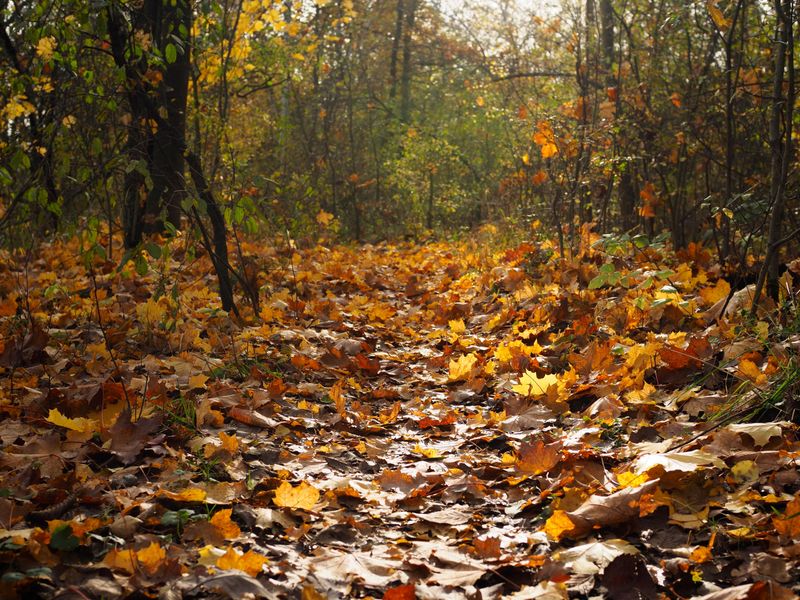
Those caterpillars are not lost. Each one is on a house-hunting trip, searching for a snug spot to spend the winter.
Woolly bears are the larvae of the Isabella tiger moth, and unlike many insects, they pass the cold months as caterpillars rather than eggs or cocoons.
That means they need shelter, and the open lawn will not cut it. They want leaf litter, loose bark, a gap under a log, or the space beneath a woodpile.
Driveways, sidewalks, and roads sit right between where they were feeding and where they want to hide. Crossing hard surfaces is simply the shortest route, which is why you notice them there instead of in the grass.
Warm pavement also gives them a quick energy boost on chilly mornings, so they can cover ground faster. A woolly bear can cover a surprising distance in a day, which is a marathon for something the length of your thumb.
You will see the heaviest traffic in September and early October across central and southern Minnesota. Once temperatures drop steadily into the colder range typical of late fall, the wandering slows way down.
If you find one on a busy sidewalk, a gentle nudge with a leaf toward the nearest garden bed helps. No need to relocate it far, since the caterpillar already knows the neighborhood better than you might expect.
Meet The Moth Hiding Inside That Fuzz
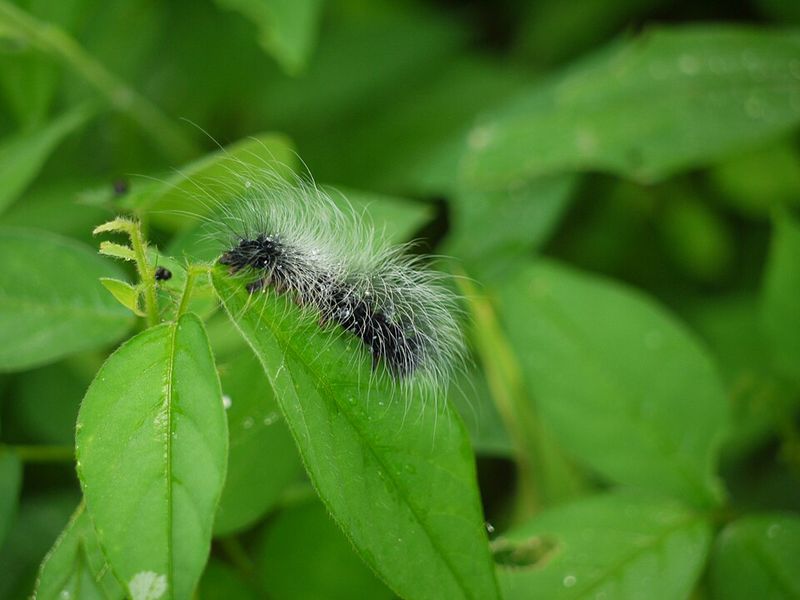
One detail surprises most people: that bristly caterpillar becomes a soft, butter-yellow moth with faint dark speckles.
The Isabella tiger moth is not flashy. Adults have a wingspan around two inches and often go unnoticed as they flutter near porch lights in late spring and early summer.
The life cycle runs like this. Moths lay clusters of eggs in spring, the caterpillars hatch and feed through summer, and by fall they stop eating and start wandering.
After overwintering, they wake in April or May, eat briefly, then spin a fuzzy cocoon using their own bristles mixed with silk.
Your Minnesota Garden Changes Every Week. Your Plan Should Too.
Gardening in Minnesota changes quickly throughout the season. Every Friday you’ll receive a simple weekly plan showing exactly what to plant, prune, fertilize, harvest, and protect so you never miss the right timing.
In some warmer years, a partial second generation may occur in parts of Minnesota, though the species is typically single-brooded this far north, and it’s the late-summer generation that walks across your yard.
Knowing the adult stage changes how you see the caterpillar. It is not a garden invader taking up residence, it is a temporary guest working through a schedule that has run for thousands of years.
Fun bit of trivia: the cocoon incorporates those stiff hairs, giving it a scratchy, felted look that blends into bark and debris.
Because the moth stage is short and harmless, there is no reason to treat woolly bears as a pest problem.
They do not chew on shrubs, siding, or vegetable crops in any meaningful way, and their numbers rise and fall naturally with weather and predators from one year to the next.
Those Orange And Black Bands Are Not A Forecast
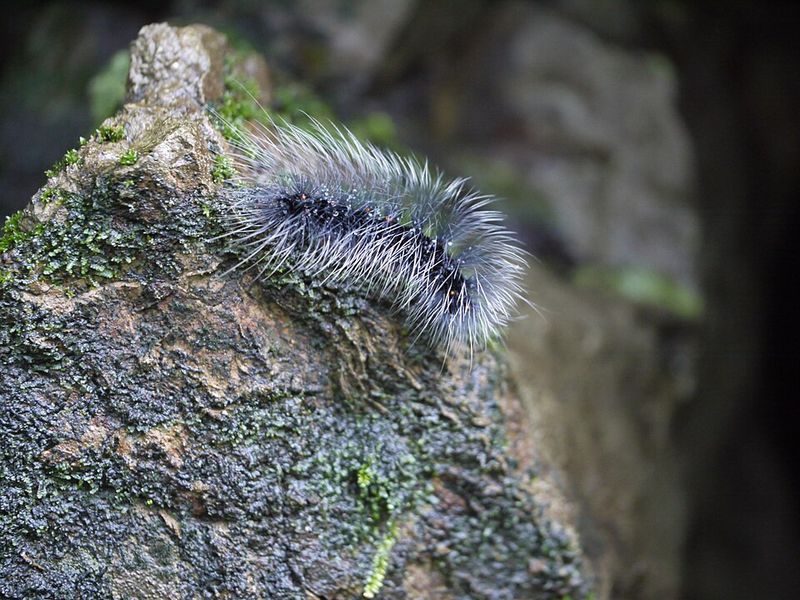
This folk belief has circulated for generations: a wide rust-colored band means a mild winter, a narrow one means you should buy extra firewood.
It is a charming piece of folklore, popularized in the 1940s by a curator at the American Museum of Natural History who collected caterpillars in New York each fall. The story caught on and has stuck around ever since.
What the bands actually reveal is age and growing conditions. Woolly bears molt six times, and with each molt the middle rusty section usually widens while the black ends shrink.
A caterpillar that hatched early and had plenty of food and warm weather will look more orange. One that hatched late, or grew during a cool, dry stretch, keeps more black. So the stripes describe the summer that just happened, not the winter ahead.
Moisture matters too. In wetter years, food plants stay lush longer, caterpillars grow faster, and the orange band tends to spread.
Try this with kids in the yard: collect observations from five or six caterpillars on the same afternoon and compare. You will likely see a real range of patterns within a few square yards, which makes the forecasting idea fall apart in a fun, hands-on way.
Record the date, the location, and a quick sketch. It turns a driveway sighting into a backyard science project that requires no special equipment.
A Freeze-Tolerant Body Built For Minnesota
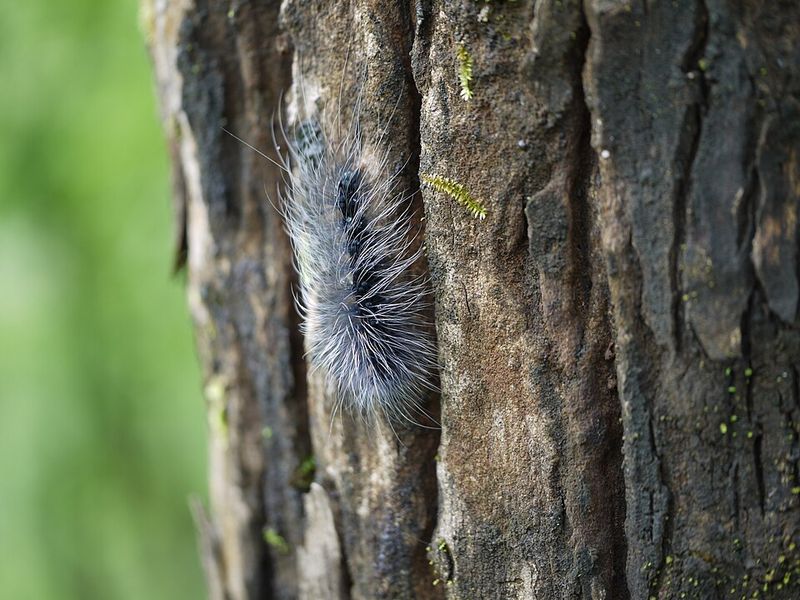
Cold does not bother these caterpillars the way it bothers us. Woolly bears handle winter by letting parts of their body freeze, then thawing out in spring like nothing happened.
Their trick involves producing glycerol, a natural antifreeze compound that protects cells while ice forms in the spaces between them. Related Arctic species survive temperatures far below anything Minnesota throws at them.
That is why the shelter search matters so much. A caterpillar tucked under a thick layer of leaves and eventual snowpack sits in a stable, insulated pocket instead of riding out wild swings in the open.
Snow cover is a real advantage here. A steady blanket keeps ground temperatures fairly even, and bare-ground winters with repeated thaw and refreeze cycles are harder on overwintering insects than deep cold is.
The curling reflex you see when you pick one up serves double duty. Rolling into a tight coil protects the soft belly from predators and reduces moisture loss, and they do the same thing while dormant.
Come April, the caterpillar unrolls, warms in the sun, nibbles a bit of fresh growth, and gets on with pupating.
If you happen to uncover one while cleaning up a flower bed in March, simply cover it back up with leaves. It is likely fine, just interrupted, and rebuilding that insulation gives it the best shot at finishing the journey it started last September.
What Woolly Bears Eat Before Settling In For Winter
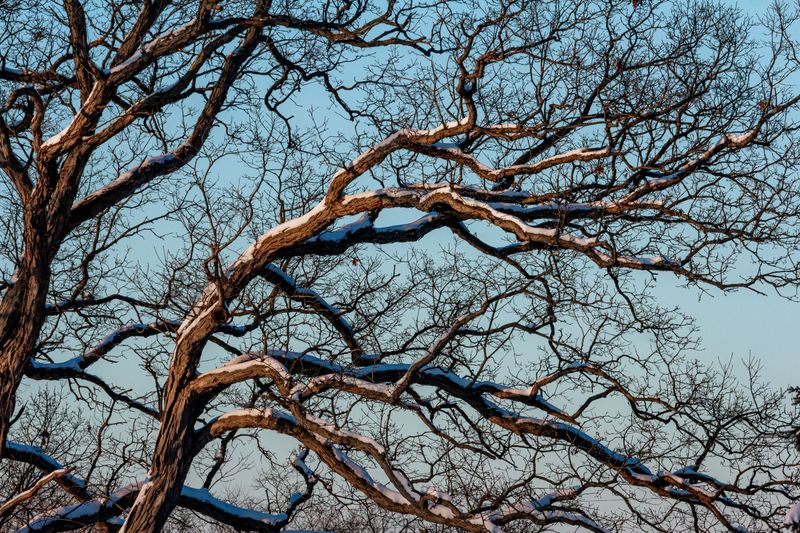
Picky eaters they are not. Woolly bears graze on a long menu of low-growing plants, which is exactly why they show up in ordinary yards.
Favorites include dandelion, plantain, clover, violets, nettles, lamb’s quarters, and various grasses. They will also sample aster, birch, maple, and elm leaves when those are handy.
Notice what is missing from that list: tomatoes, peppers, beans, and most flowering ornamentals. Gardeners rarely report damage, because the caterpillars prefer weedy greens over the plants people fuss over.
By early September, feeding tapers off. The caterpillar has stored enough fat to fuel months of dormancy plus a short spring meal, so wandering replaces eating as the main activity.
Those bristles, called setae, are not stingers and contain no venom. Some people with sensitive skin get a mild itch after handling one, so a quick hand wash afterward is a smart habit, especially for kids.
Birds mostly leave them alone since the hairs make for an unpleasant mouthful, though skunks, shrews, and some beetles are less fussy.
If you want to watch one up close, keep it briefly in a ventilated jar with a fresh dandelion leaf and a damp paper towel, then release it the same day near a leafy area.
Long-term captivity often stresses the caterpillar, and the yard offers everything it actually requires to finish its season.
Yard Habits That Give Them A Fair Shot
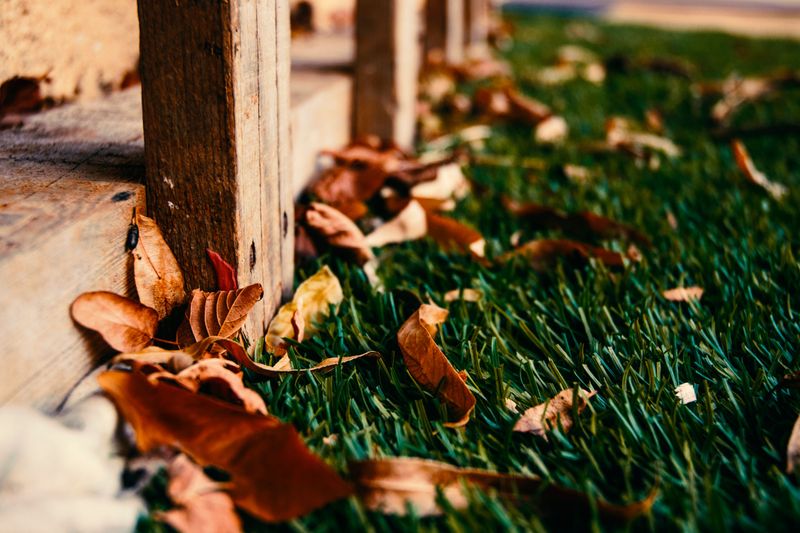
Small changes to your fall routine make a big difference for the wanderers, and honestly, they save you work too.
Leaving a layer of leaves under shrubs and along fence lines creates instant winter housing. You do not have to skip cleanup entirely, just designate a few messy corners and rake into those spots instead of hauling every bag to the curb.
Timing helps as well. Mowing with a slightly raised deck height gives caterpillars room underneath and reduces accidental run-ins.
Hold off on shredding leaf piles until late spring if you can, since chopping in October scatters whatever settled in.
Brush piles, stacked firewood, and untrimmed perennial stems all serve as shelter, and the same features support native bees, fireflies, and songbird food supplies.
Skip broad-spectrum insecticide applications on the lawn in September. Woolly bears are not causing damage, and treatments aimed at them tend to affect beneficial insects far more.
For families, September is prime time to turn the driveway into a classroom. Count crossings over a week, note the weather, and see how the traffic changes as nights cool.
By the time snow arrives, your slightly untidy garden beds will be quietly full of sleeping guests, ready to emerge as pale moths once the maples leaf out again next spring.