Wisconsin gardeners swear by these tough perennials that survive brutal winters
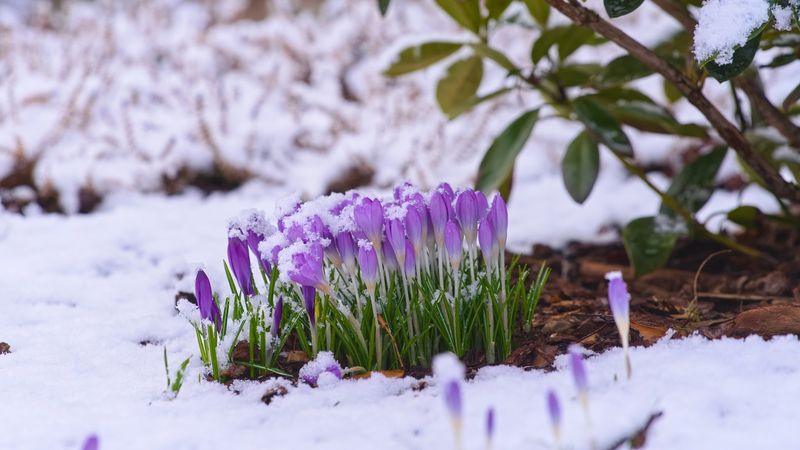
Wisconsin winters can plunge to 30 or 40 degrees below zero, and not every plant can shrug that off and come back swinging in spring. The good news is that plenty of perennials actually thrive in this kind of cold, rewarding gardeners with color year after year with very little fuss.
Sitting mostly in USDA Hardiness Zones 3b through 6a, the state calls for plants that handle both bitter cold and warm, humid summers. Here are eight tough favorites that seasoned local gardeners plant with confidence, plus a few tips to help them settle in for the long haul.
1. Peony (Paeonia spp.)
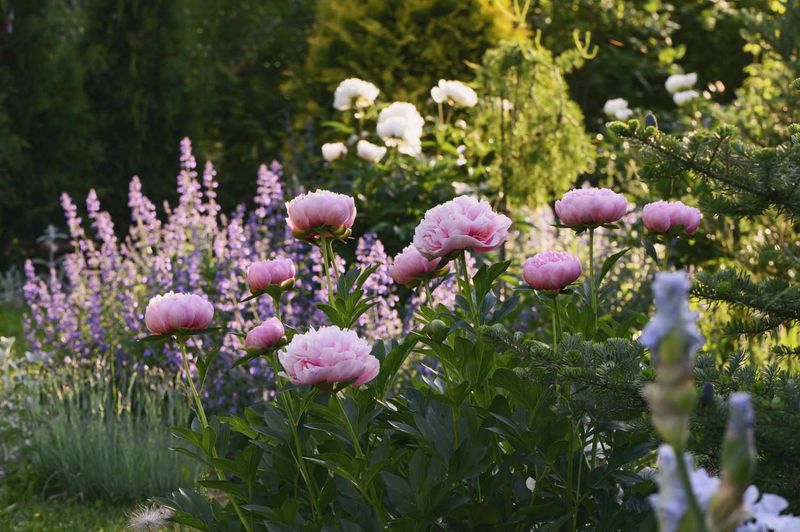
Some plants outlive the people who plant them, and the peony is one of them. A well-sited clump can keep blooming for 50 to over 100 years, which makes it something of a family heirloom in many Wisconsin yards.
Cold is no trouble here. Certain peonies tolerate temperatures as low as around -40 degrees F, and they actually need a stretch of cold, roughly six weeks below 40 degrees, to trigger the next season’s flowers.
For herbaceous types, cut stems back to two or three inches after the first hard frost or once the foliage yellows, and toss the clippings to reduce fungal problems. Tree peonies keep their woody stems all winter, so leave those be.
Give them full sun to partial shade, ideally with morning light, and well-drained soil with a neutral to slightly alkaline pH. Those heavy blooms tend to flop, so hoop supports or stakes can help them stand tall.
2. Siberian Iris (Iris sibirica)
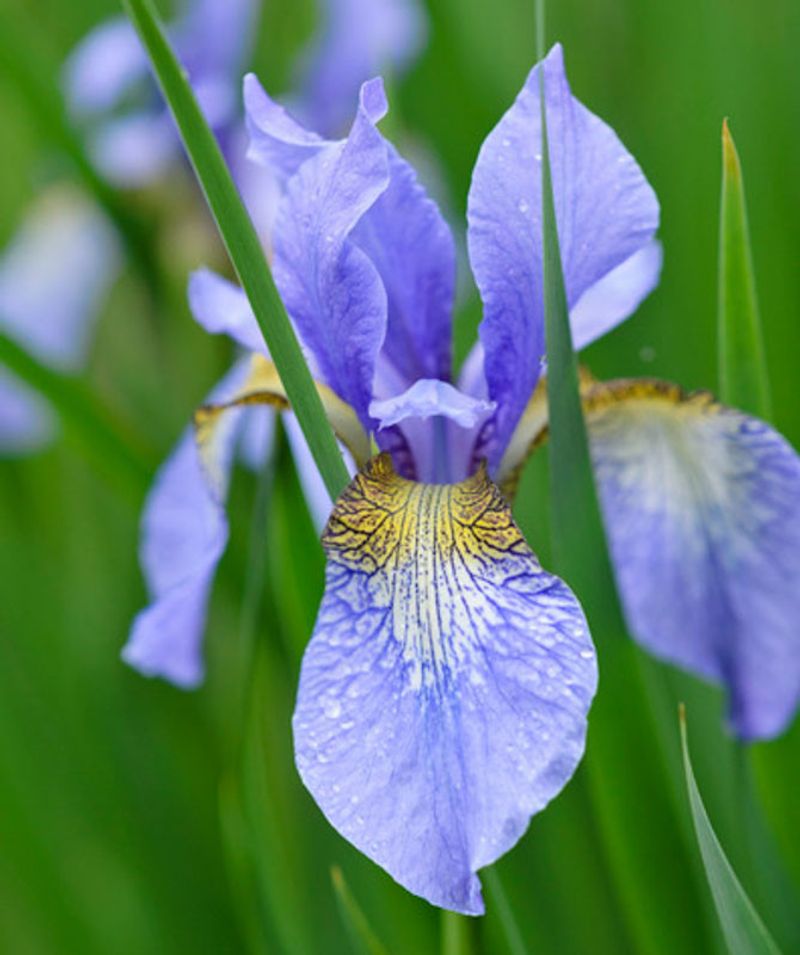
Elegant and understated, the Siberian iris trades the fussiness of bearded irises for genuine grit. Its slim, grass-like leaves add graceful texture long after the violet, blue, white, or yellow flowers fade.
Hardiness runs deep with this one, down to Zone 3 and temperatures near -40 degrees F. It also tends to shrug off deer and rabbits, which is a welcome bonus in rural and suburban gardens alike.
Come late fall, a generous six to eight inch layer of shredded bark, compost, leaves, or straw over the crown offers solid insulation. A deep watering before the ground freezes can boost cold tolerance, and old foliage can come off after a light frost.
Plant it in loose, well-draining soil enriched with organic compost. It handles a range of pH but leans slightly acidic, and it wants at least six hours of sun, though a little afternoon shade helps in hot spots.
3. Coral Bells (Heuchera spp.)
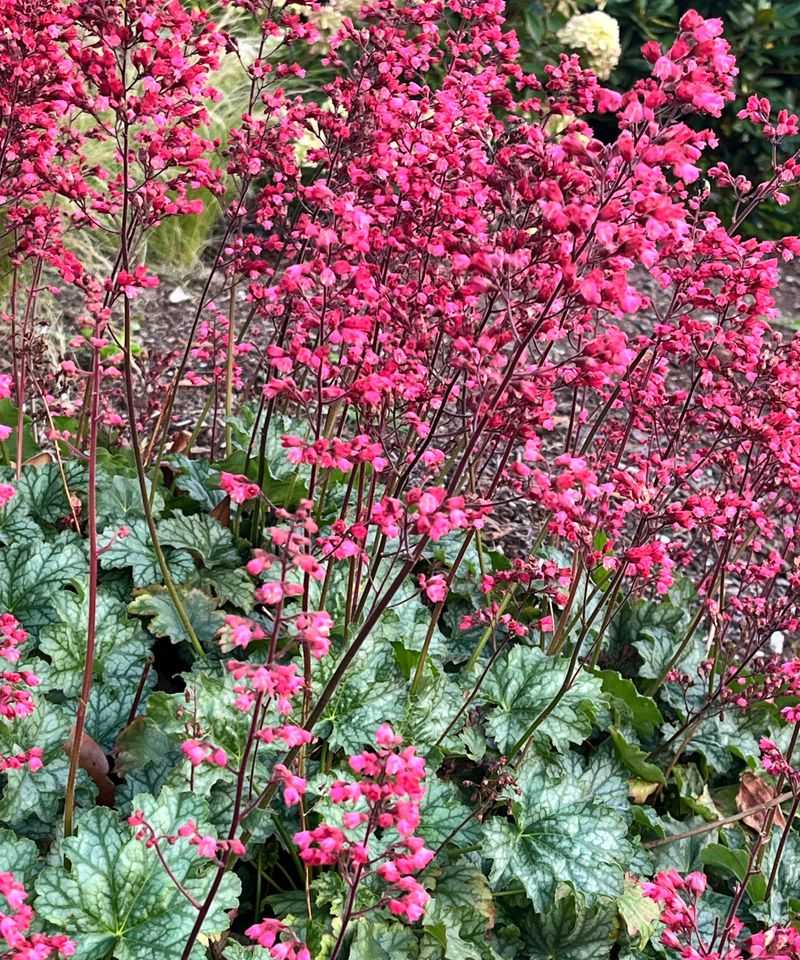
If you want a plant that earns its keep with leaves alone, coral bells deliver. The ruffled foliage comes in an almost absurd range of colors, from lime green to caramel to deep burgundy, and it brightens shady corners where many perennials sulk.
In early summer, airy spikes of tiny bell-shaped flowers rise above the mound. Cultivars of Heuchera sanguinea are especially recommended for Zone 3, standing up to very cold winters.
One thing to watch for is frost heave, where repeated freezing and thawing shoves the plant’s crown out of the soil. A protective layer of mulch goes a long way toward keeping roots settled where they belong.
Your Wisconsin Garden Changes Every Week. Your Plan Should Too.
Gardening in Wisconsin changes quickly throughout the season. Every Friday you’ll receive a simple weekly plan showing exactly what to plant, prune, fertilize, harvest, and protect so you never miss the right timing.
Their shade tolerance makes them wonderfully flexible, tucking neatly beneath taller plants or lining a woodland path.
4. Creeping Phlox (Phlox subulata)
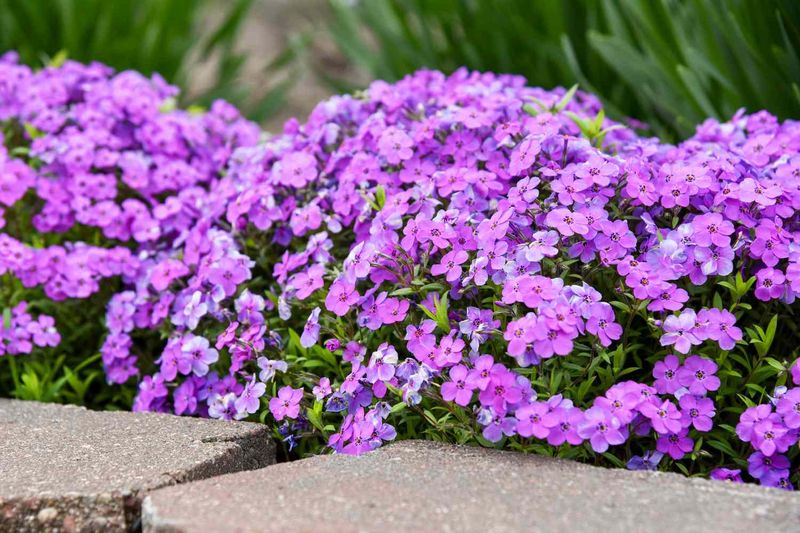
Picture a slope draped in a blanket of pink, blue, or purple flowers so dense you can barely see the ground. That’s creeping phlox in mid to late spring, and it’s a spring showstopper across Zones 3 to 8.
Beyond the color, this mat-forming perennial pulls double duty. Its spreading habit smothers weeds and helps hold soil in place on gentle slopes, while the fine, needle-like foliage stays green for much of the year.
Winter care is refreshingly simple, since the roots ride out freezing temperatures deep in the soil. Natural snow cover acts like a cozy quilt, and a light layer of shredded bark mulch in late fall adds a bit more protection to the crowns.
Give it full sun to partial shade and well-draining soil that’s slightly acidic to neutral. Shearing the flowered stems back by about a third right after bloom keeps growth dense and may coax a lighter second show.
5. Bleeding Heart (Dicentra spectabilis)
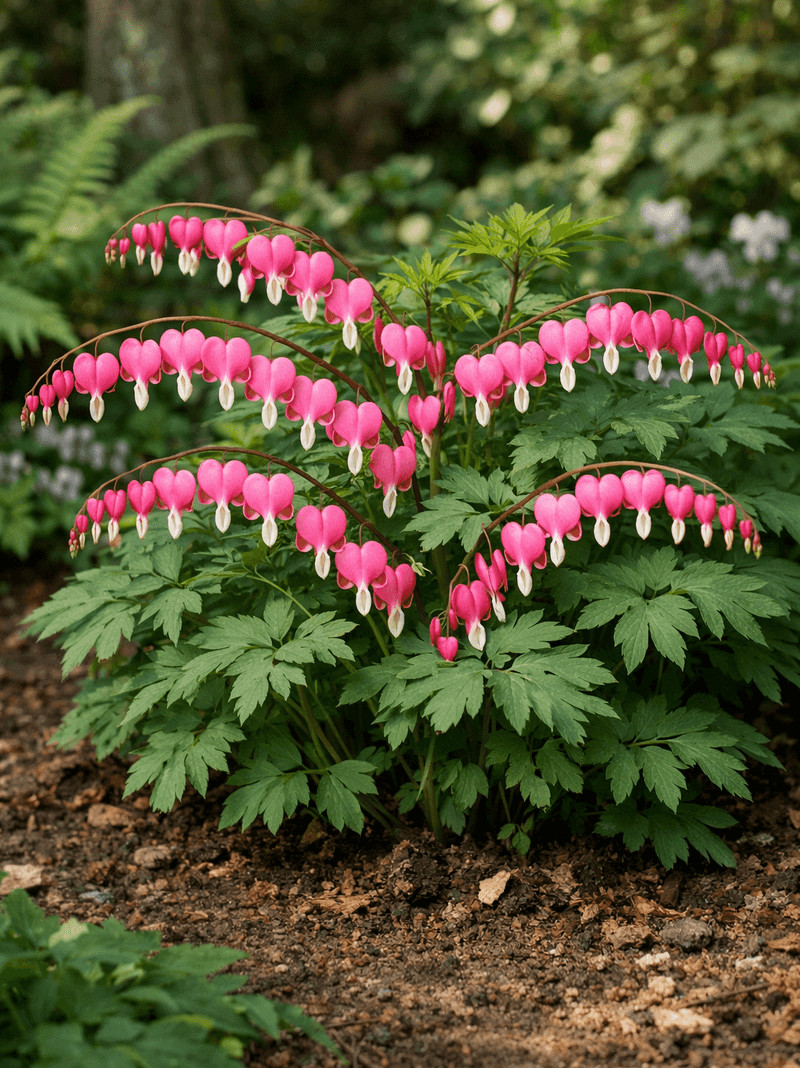
Few flowers stop visitors in their tracks quite like bleeding heart, with its arching stems strung with dangling, heart-shaped blooms in pink, red, or white. It’s an old-fashioned charmer that feels right at home in a shady Wisconsin border.
Hardy to Zone 3, it comes back reliably thanks to cold-tolerant roots, and deer and rabbits tend to leave it alone. Don’t be alarmed when the foliage fades in summer’s heat; the plant is simply going dormant early and resting up.
Once the leaves yellow in late summer or fall, stems can be trimmed to two or three inches, then topped with a good layer of mulch to steady soil temperatures around the roots. Resist heavy autumn pruning, since that can strip away growth that shields the crown.
It thrives in light shade with rich, well-draining, slightly acidic soil. Keep watering deeply until temperatures settle below 40 degrees.
6. Coreopsis (Tickseed) (Coreopsis spp.)
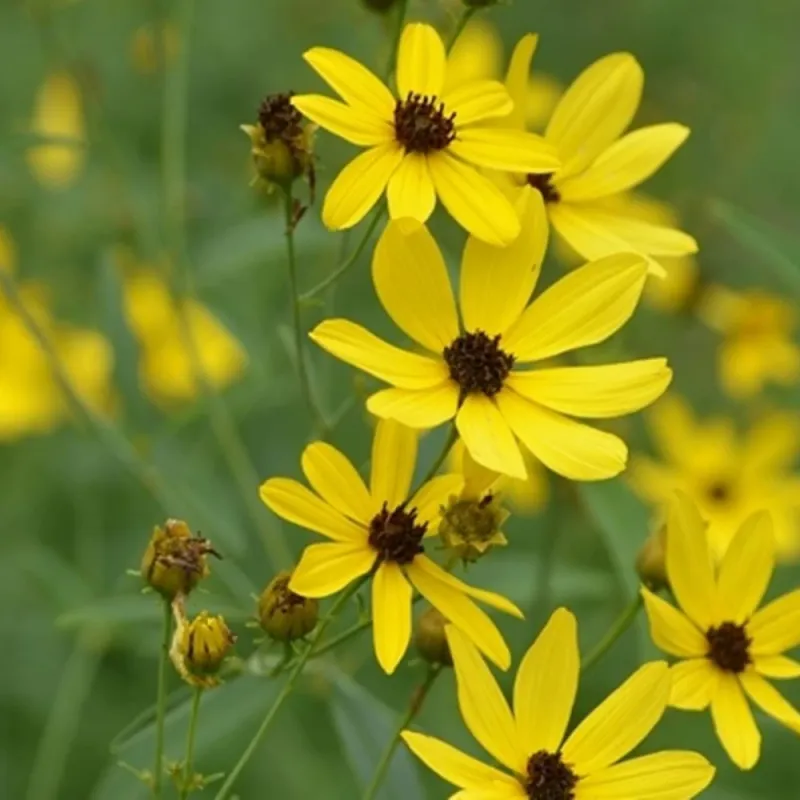
Sunny, cheerful, and tough enough to shrug off dry spells, coreopsis is the kind of plant that keeps blooming long after others call it quits. The wispy, fern-like foliage and bright daisy-like flowers bring an easygoing, meadow feel to the garden.
A quick word of caution for colder corners of the state: some varieties can be short-lived in Zones 3 to 5, so choosing proven performers matters. Selections like ‘Star Cluster’ have shown dependable hardiness in Zones 5 to 6, tolerating temperatures down to about -20 degrees F without extra fuss.
A three to four inch layer of organic mulch such as chopped leaves, bark chips, or straw helps insulate the roots, with a couple more inches useful where the ground freezes for months. Deep watering until the first hard freeze gives roots a better shot at surviving.
Leaving stems standing offers natural insulation, though you can tidy them to four to six inches if you prefer. It likes average, well-draining soil that isn’t overly rich.
7. Black-Eyed Susan (Rudbeckia hirta)
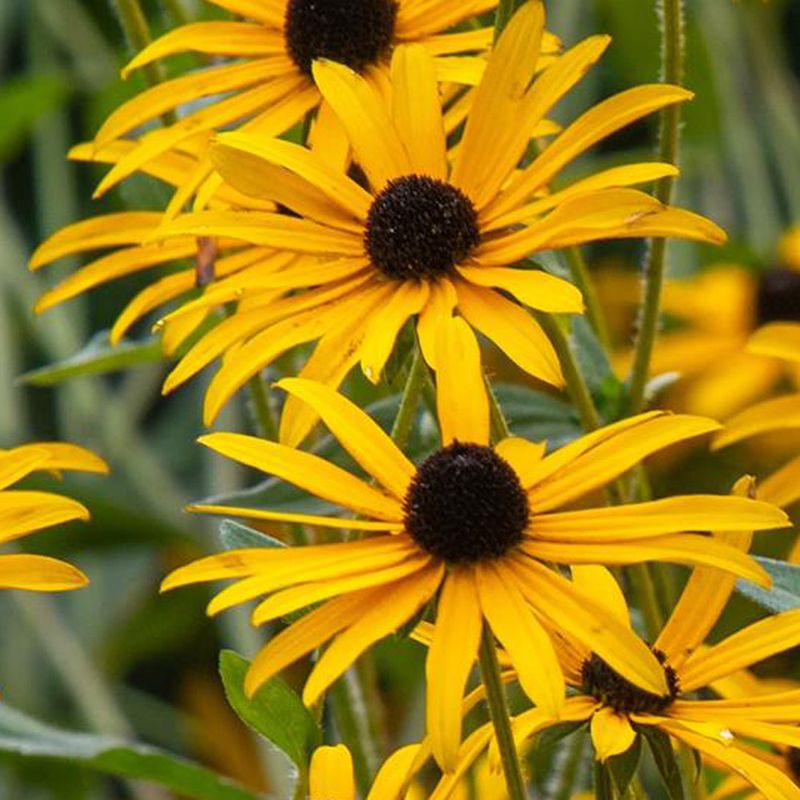
Golden petals circling a dark chocolate center, blooming from July right up until the first hard frost, black-eyed Susan is practically the poster child for easy summer color. Pollinators adore it, and the plant asks for very little in return.
Its roots go dormant through the cold months and pop back up reliably in spring. Leaving the spent top growth standing over winter does double duty, since the seed heads feed hungry birds while the old stems insulate the crown below.
Cut that old growth back in late winter or early spring as new shoots appear. A thick layer of compost or shredded leaves around the base after the first hard frost protects roots and holds moisture.
Good drainage is the real key, since standing water in winter causes far more grief than the cold ever will.
8. Pasque Flower (Pulsatilla spp.)
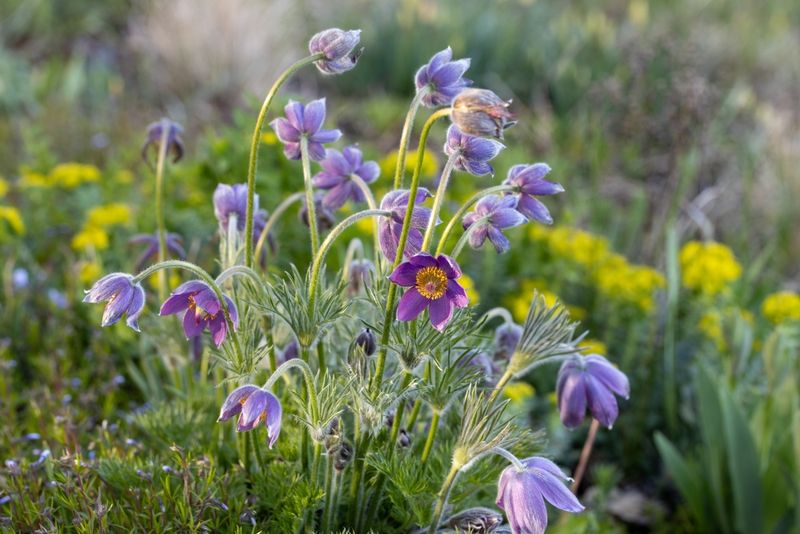
While most of the garden is still snoozing under snow, the pasque flower is already showing off. This Wisconsin native often blooms before the last snow even melts, unfurling soft lavender-blue to violet-purple bells on fuzzy, silvery-haired stems.
Cold suits it just fine, with many types happy in Zone 4 and arctic forms surviving Zones 1 to 3. Like several plants on this list, it depends on a proper cold dormancy to flower well come spring.
Hold off on pruning after it dies back, since the leftover plant material shields the crown and discourages premature growth; clear it away in spring as new shoots emerge. A two to five inch mulch layer applied before the first frost steadies soil temperature and eases those damaging freeze-thaw swings.
Plant it in full sun with well-drained soil, and once it’s established, leave it undisturbed. Its deep roots resent being moved, so pick the spot carefully the first time.