Top Pennsylvania Flowers To Grow From Seed
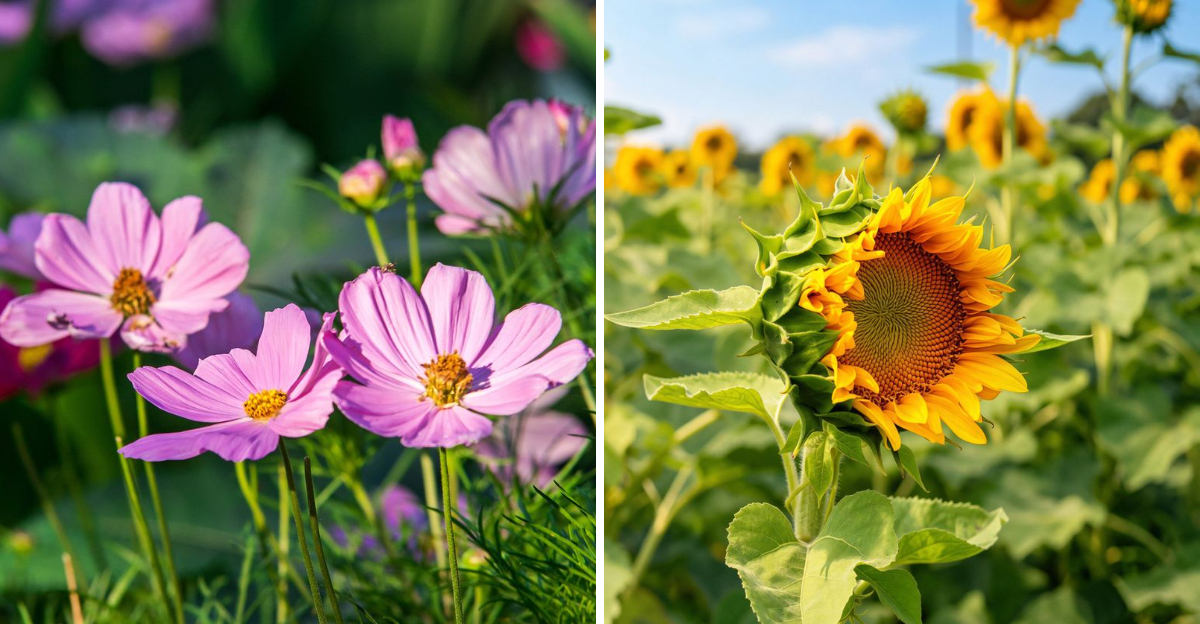
There is something magical about tucking a tiny speck into the soil and waiting. A few weeks later, color spills across your yard like paint from a knocked-over can.
Pennsylvania gardens have their own rhythm, shaped by chilly springs, unpredictable frosts, and warm buzzing summers that arrive just when you’ve stopped expecting them.
The right seeds thrive here without much fuss, working with the season rather than fighting it.
Growing from seed also saves real money and opens up a world of unusual varieties that nurseries rarely stock and catalogs rarely advertise.
Plus, watching those first sprouts push up through the soil feels like a small daily victory that never quite gets old no matter how many seasons you’ve been doing it.
So grab a trowel and a little patience. These seven flowers are ready to reward Pennsylvania gardeners with blooms that are genuinely worth bragging about.
1. Black-Eyed Susan
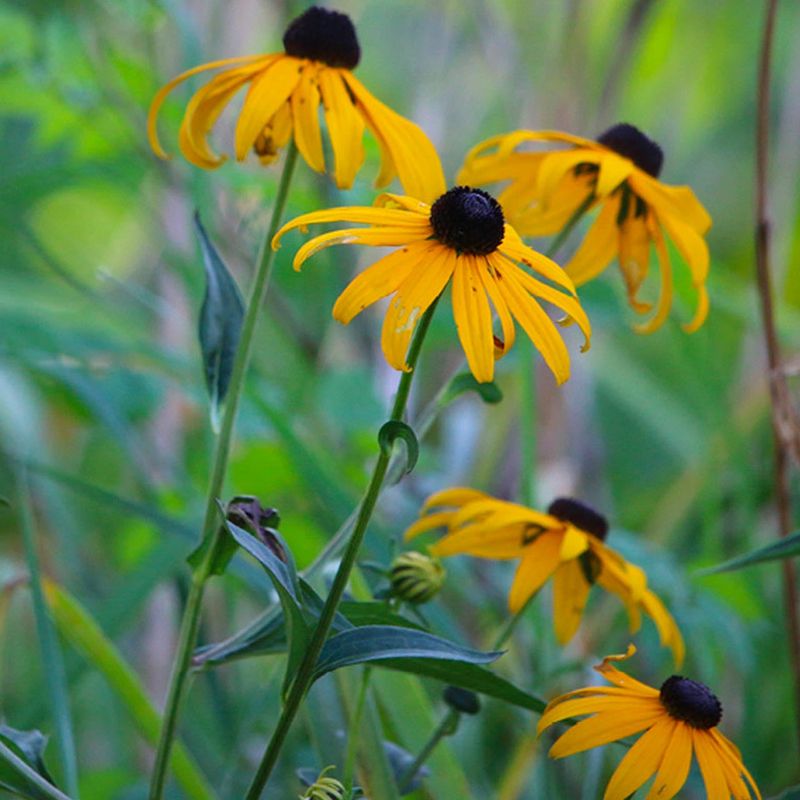
Picture a cheerful crowd of golden petals nodding along a fence line, and you have pictured the Black-Eyed Susan in full swing. Native to Pennsylvania meadows, this flower feels right at home in our rolling hills and open backyards.
Seeds germinate best when scattered in early spring after the last frost, or even sown in fall for a natural cold treatment. Press them lightly into the soil since they need a bit of light to wake up. Full sun and well-drained ground are their favorite combination.
Once established, the plants shrug off heat and dry spells like champions. That toughness makes them a smart pick for gardeners who forget to water now and then.
The daisy-shaped blooms glow from midsummer straight into autumn, giving your yard a long stretch of warm color. Bees, butterflies, and finches all flock to them, so your garden becomes a busy little wildlife hub.
Fun fact: the Black-Eyed Susan is the state flower of nearby Maryland, but Pennsylvania fields are just as full of them. They reseed themselves each year, meaning one packet can bring you blooms for many seasons.
Deadheading spent flowers keeps new buds forming, though leaving some seed heads standing feeds hungry birds in winter. Space plants about a foot apart so air moves freely between them.
For beginners, few flowers offer this much reward for so little effort. Plant them once, and they may reward you with sunny faces year after year, spreading a little joy across your corner of Pennsylvania.
2. Zinnia
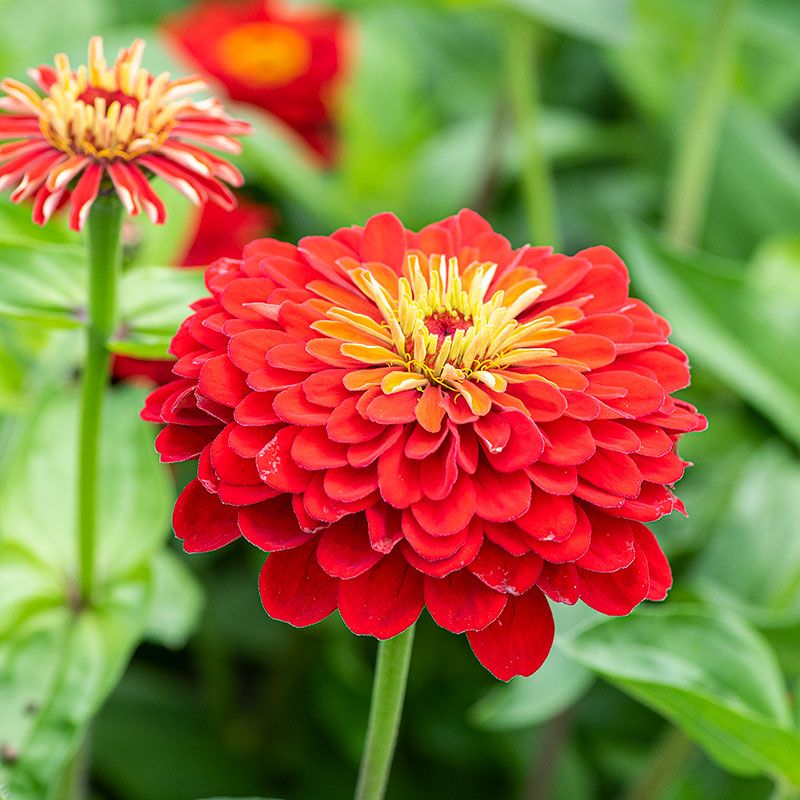
If flowers had personalities, the zinnia would be the loud, fun friend who shows up in every color imaginable. These blooms bring a carnival of pink, orange, red, and yellow to any Pennsylvania garden bed.
Zinnias adore warmth, so wait until the soil has warmed in late spring before sowing. Drop the seeds right where you want them to grow, since they dislike being transplanted. Within a week or so, tiny green sprouts appear like clockwork.
They ask for little more than sunshine and occasional watering at the base to keep their leaves dry. Wet foliage can invite powdery mildew, so morning watering works best.
Your Pennsylvania Garden Changes Every Week. Your Plan Should Too.
Gardening in Pennsylvania changes quickly throughout the season. Every Friday you’ll receive a simple weekly plan showing exactly what to plant, prune, fertilize, harvest, and protect so you never miss the right timing.
What makes zinnias extra special is how they thrive in the heat of a Pennsylvania July when other flowers droop. The more you cut them for bouquets, the more they produce, which is a happy trade for anyone who loves fresh blooms indoors.
Butterflies treat a patch of zinnias like an all-you-can-sip buffet. Plant a row near your vegetable garden and watch the pollinators arrive in droves, helping your tomatoes and squash along the way.
They come in heights from tiny border varieties to towering giants over three feet tall. Mixing sizes creates a layered, painterly effect that photographs beautifully.
Did you know zinnias are named after a German botanist, Johann Zinn? Their easygoing personality and quick payoff make them a favorite for kids planting their very first garden.
Keep sowing every few weeks, and you can enjoy continuous color right up until the first crisp fall frost arrives.
3. Cosmos
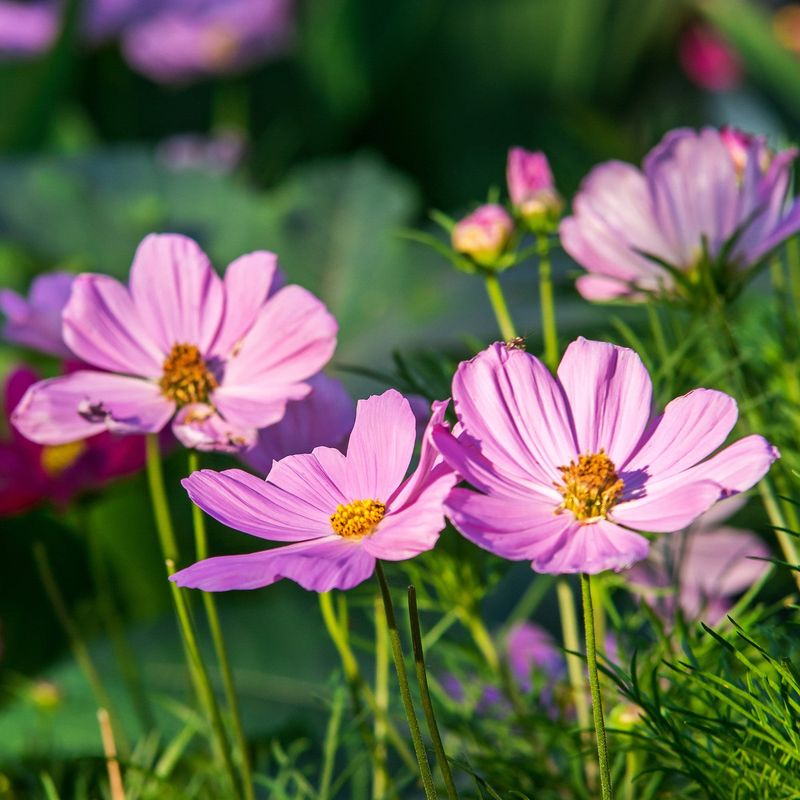
Cosmos have a dreamy, wildflower quality, with airy petals that seem to float above lacy green leaves. A breeze through a patch of them looks like a slow-motion dance.
These flowers practically grow themselves, which is why lazy gardeners secretly love them. Scatter the seeds over loose soil after the last spring frost, rake them in lightly, and let nature take the wheel.
Cosmos actually prefer poor soil, so skip the fertilizer. Rich ground pushes them to grow tall and floppy with fewer flowers, so a little neglect keeps them blooming their best.
Full sun in a Pennsylvania yard suits them perfectly, and they tolerate dry conditions once their roots settle in. Taller types may lean, so plant them in clusters where they can support one another.
The blooms arrive in soft shades of pink, white, and magenta, opening in waves from summer into fall. Snip a handful for a vase and they hold up nicely on a kitchen table.
Pollinators of every kind swing by, and you might spot hummingbirds checking out the taller stems. Leaving a few flowers to form seeds lets the plants reseed, so next year they return like old friends.
Here is a neat tidbit: the name cosmos comes from a Greek word meaning harmony or order, chosen for the flower’s evenly spaced petals. That balance gives the blooms their tidy, pinwheel charm.
For a cottage-garden feel with almost no work, cosmos deliver season after season. They reward Pennsylvania growers with grace, movement, and a soft splash of color that never feels overdone.
4. Sunflower
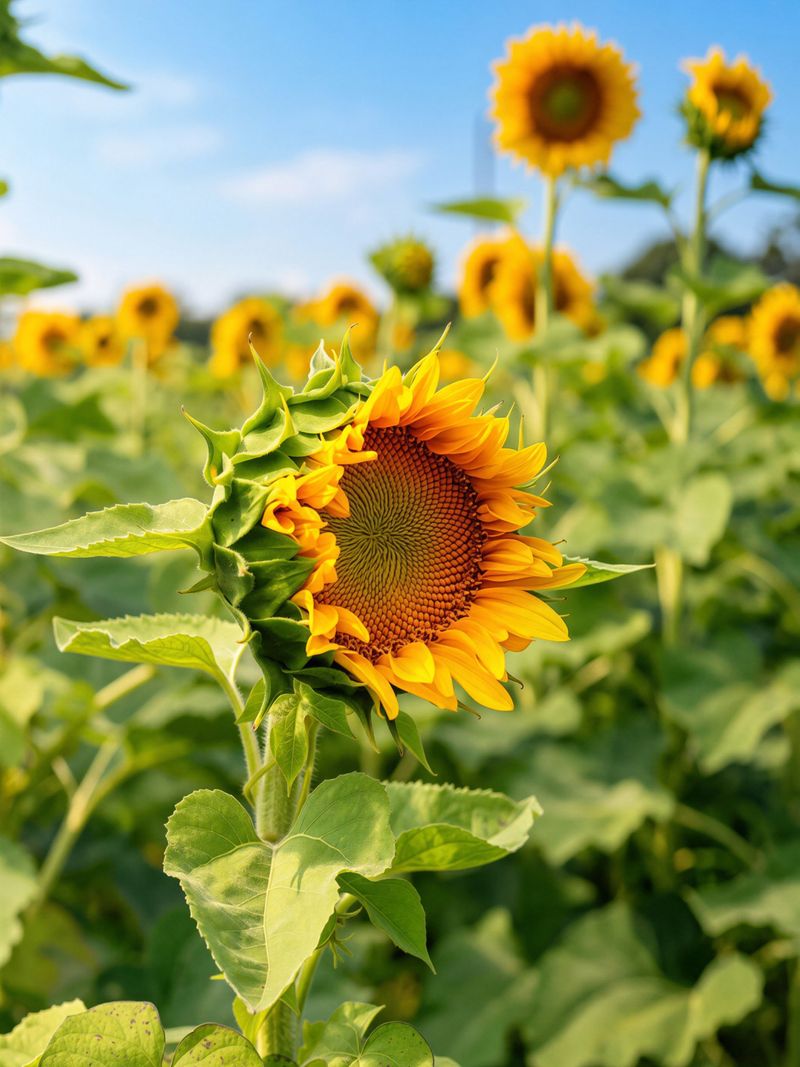
Few sights beat a row of sunflowers standing tall like friendly giants, their big faces tracking the sun across a Pennsylvania sky. Kids and adults alike can’t help but grin at them.
Sunflowers are wonderfully forgiving for beginners. Poke a seed about an inch deep into warm spring soil, give it sun, and step back while it does its thing.
They range from cheerful three-foot varieties to towering monsters that stretch past ten feet. Pick your type based on how much drama you want in your garden.
Full sun is a must, and a sheltered spot near a fence helps the tall ones stand firm against summer storms. Water deeply while they are young, then they handle dry spells with ease.
As the season winds down, the flower heads fill with seeds that draw in chickadees, finches, and curious squirrels. You can also harvest and roast some for yourself if you beat the birds to them.
Sunflowers even help the soil. Their deep roots pull up nutrients, and gardeners sometimes plant them to clean and loosen tough ground.
A fun bit of history: sunflowers were grown by Native Americans thousands of years ago for food, oil, and dye long before they became garden stars. That heritage makes each bloom feel a little more meaningful.
Plant a few extra seeds along a wall, and you’ll have a living privacy screen by midsummer. Between the golden color, the buzzing bees, and the seed-snacking birds, sunflowers turn any Pennsylvania yard into a lively, sunny gathering place.
5. Purple Coneflower
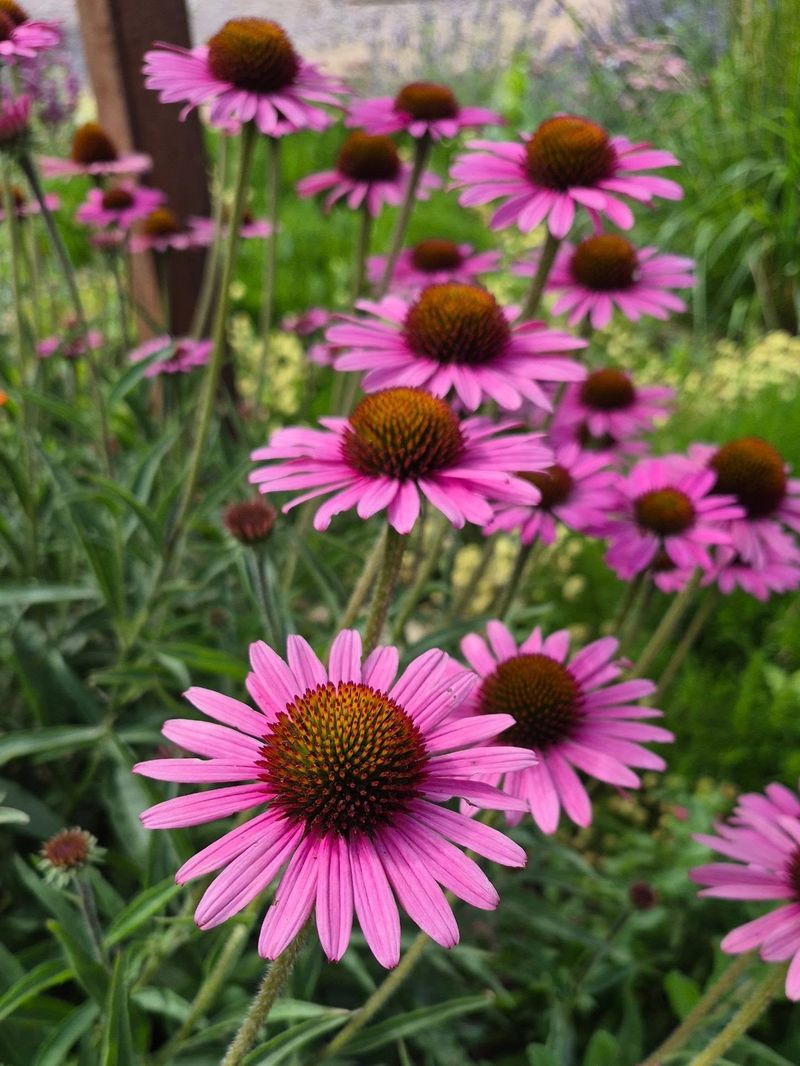
With their swept-back petals and spiky copper centers, purple coneflowers look like tiny badminton birdies planted in the ground. They bring a bold, native beauty to Pennsylvania gardens.
Better known as Echinacea, this perennial comes back year after year once you get it going. Sowing seeds in fall or starting them indoors in late winter gives them the cold spell they need to sprout well.
They love full sun but tolerate a bit of afternoon shade, and they aren’t picky about soil as long as it drains. Once their roots dig in, they laugh off drought and summer heat.
The rosy-purple blooms open in summer and keep going for weeks, standing tall on sturdy stems. Butterflies land on the flat centers to sip, making the plants feel alive with fluttering visitors.
Beyond looks, Echinacea has a long history as an herbal remedy used to support the body during cold season. Many folks still brew the roots into tea today.
Leave the seed heads standing through winter and goldfinches will thank you by perching to snack. The dried cones also add texture to a snowy garden when everything else has faded.
Coneflowers pair beautifully with black-eyed Susans and ornamental grasses for a prairie-style planting. Space them about eighteen inches apart to give each plant room to bush out.
Because they are native, they support local bees and birds better than many fancy hybrids. Plant purple coneflowers once, and you gain a dependable, low-maintenance friend that returns to greet you every single Pennsylvania summer.
6. Marigold
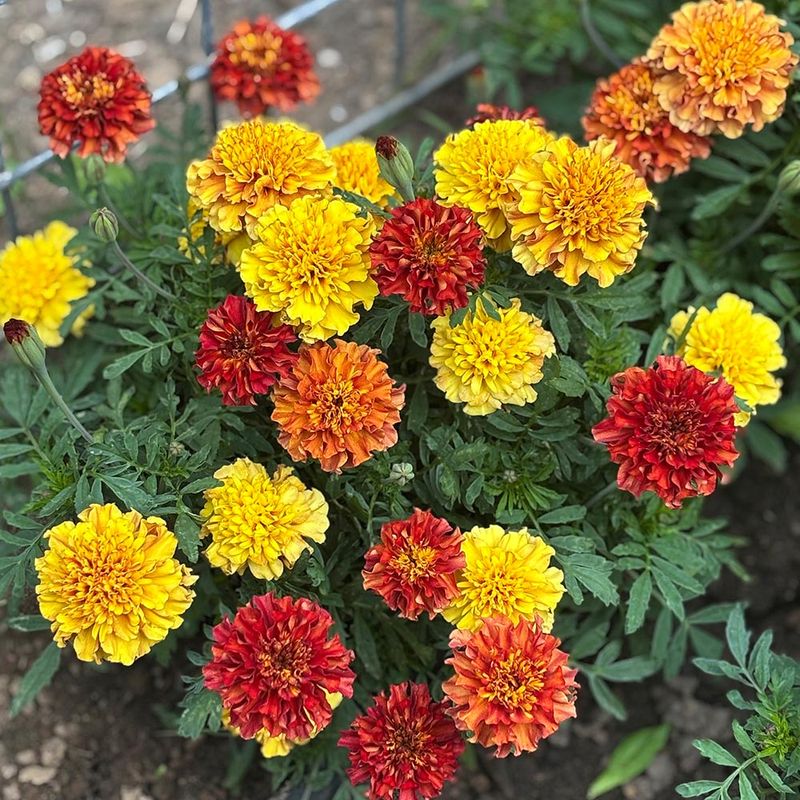
Marigolds are the hardworking multitaskers of the flower world, offering fiery color while quietly protecting the plants around them. Their peppery scent is one you’ll remember.
These flowers sprout fast and forgive beginner mistakes, making them a classroom and backyard favorite. Sow the flat seeds after the frost passes, barely covering them, and expect green shoots within days.
Marigolds thrive in full sun and average soil, blooming nonstop from early summer until frost nips the air. Pinch off faded flowers and the plants push out even more buds.
Gardeners often tuck them among tomatoes and peppers because their smell helps confuse certain garden pests. Some varieties even discourage tiny root-attacking worms in the soil below.
The blooms come in warm shades of gold, orange, and rusty red, ranging from small button types to fluffy pom-poms. Mix a few kinds together for a rich, layered border.
They handle Pennsylvania’s hot, humid stretches without complaint, staying cheerful when other flowers wilt. A quick drink during dry weeks keeps them looking fresh.
Here is something neat: marigolds have long been used in festivals and celebrations around the world, valued for both their color and their fragrance. That cultural staying power shows how beloved they truly are.
Because they are so dependable, marigolds are perfect for teaching kids the joy of growing something from scratch. Plant a border of them along a walkway and enjoy a glowing ribbon of color all season.
Save a few dried seed heads at the end of the year, and you’ll have next spring’s garden ready to go for free.
7. Bachelor’s Button
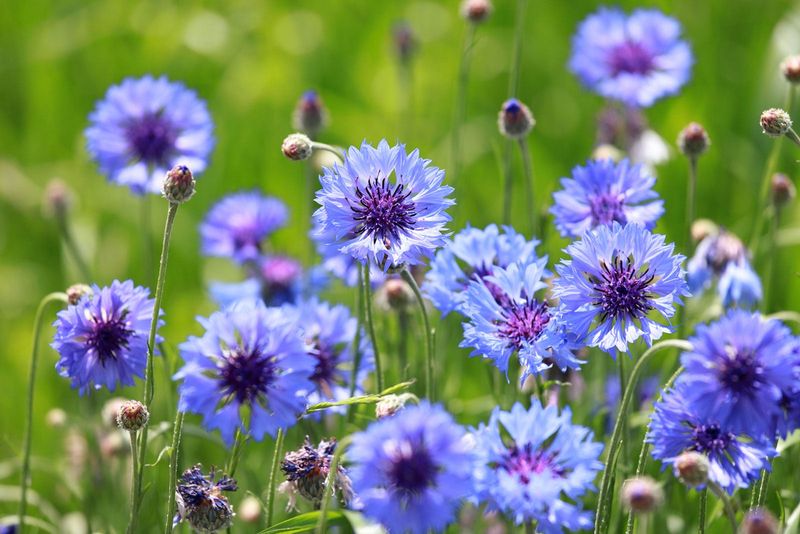
That electric blue is hard to find in the flower world, and the bachelor’s button owns it proudly. Also called cornflower, this old-fashioned bloom brings a splash of true blue that stops people in their tracks.
These flowers are cool-weather champs, so sow the seeds in early spring or even late fall in Pennsylvania. They germinate happily in chilly soil, giving you a head start before the heat arrives.
Scatter seeds over loose ground and cover them lightly, since they like a touch of darkness to sprout. Thin the seedlings a bit so each plant has room to breathe.
Full sun keeps them blooming strong, and they tolerate poor soil without any complaints. A slender, wiry stem holds each frilly blossom, swaying gently in the breeze.
Beyond blue, you can find them in pink, white, and deep maroon, though the classic sky-blue steals the show. The flowers are edible too, adding a pop of color to salads and cakes.
Pollinators adore them, and the blooms make charming additions to fresh bouquets that last surprisingly long in a vase. Cutting them often encourages the plant to keep producing.
A bit of trivia: the name bachelor’s button comes from an old tradition of young men wearing the flower to signal they were courting someone. Romantic history for such a humble bloom.
They reseed readily, so a single planting can return on its own each spring. For a meadow feel or a splash of cottage-garden charm, cornflowers give Pennsylvania growers reliable color with barely any effort at all.