The Most Underrated Pennsylvania Native Ground Cover That Helps Deter Slugs From Garden Borders
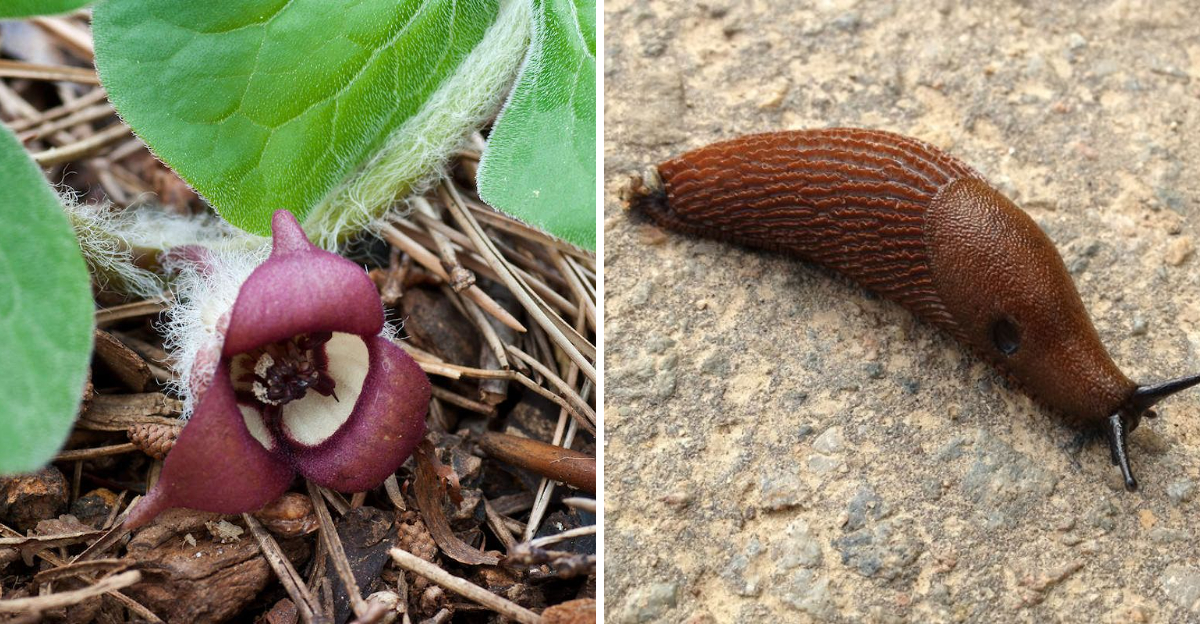
Slugs along garden borders are one of those problems that seem small until you see the damage. Chewed leaves, slime trails across your favorite plants, and seedlings that disappear overnight.
Pennsylvania’s damp, humid summers create exactly the kind of environment slugs love, and once they find your garden borders, they tend to stick around. Most people reach for traps or pellets.
But there’s a native ground cover that handles this more naturally. This underrated plant has quietly earned a reputation for making garden borders far less appealing to slugs.
It spreads beautifully along edges, fills in bare soil, and creates a texture and environment that slugs generally avoid rather than seek out.
Most gardeners have never considered it for slug control, growing it purely for how it looks instead. Here’s the ground cover that could finally give your garden borders some real protection.
Meet Wild Ginger
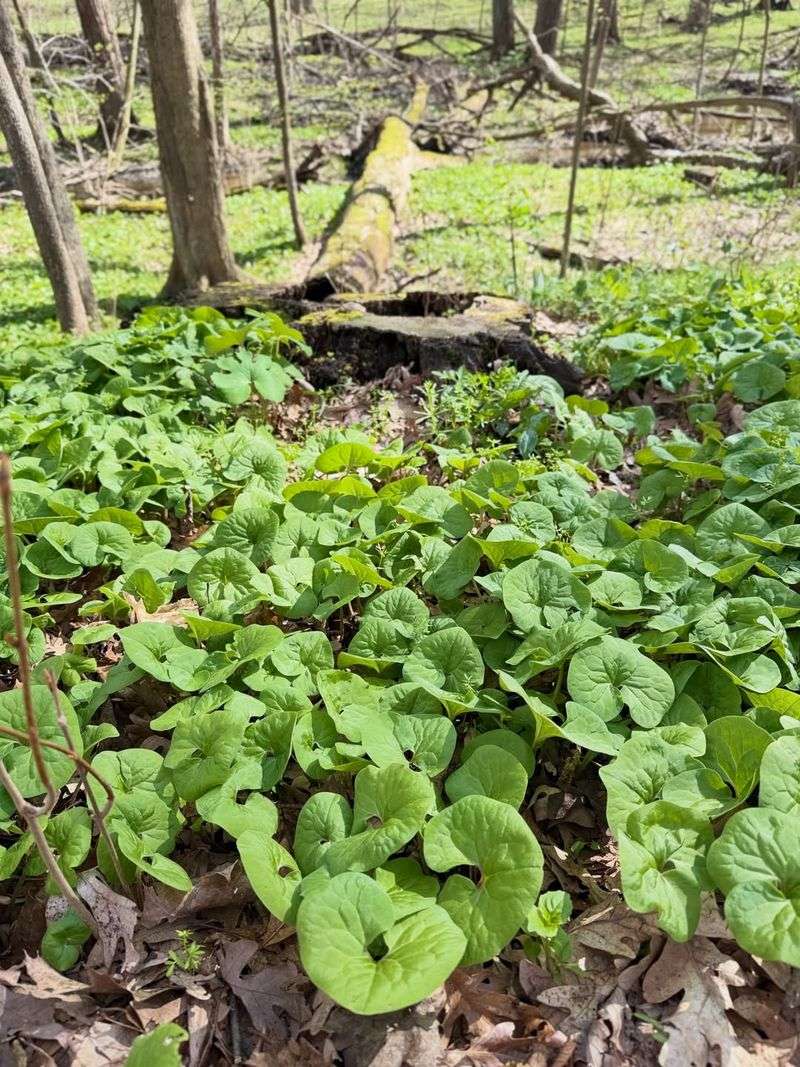
Hidden beneath the canopy of Pennsylvania woodlands, there is a quiet little plant that has been doing an amazing job for centuries without getting much credit.
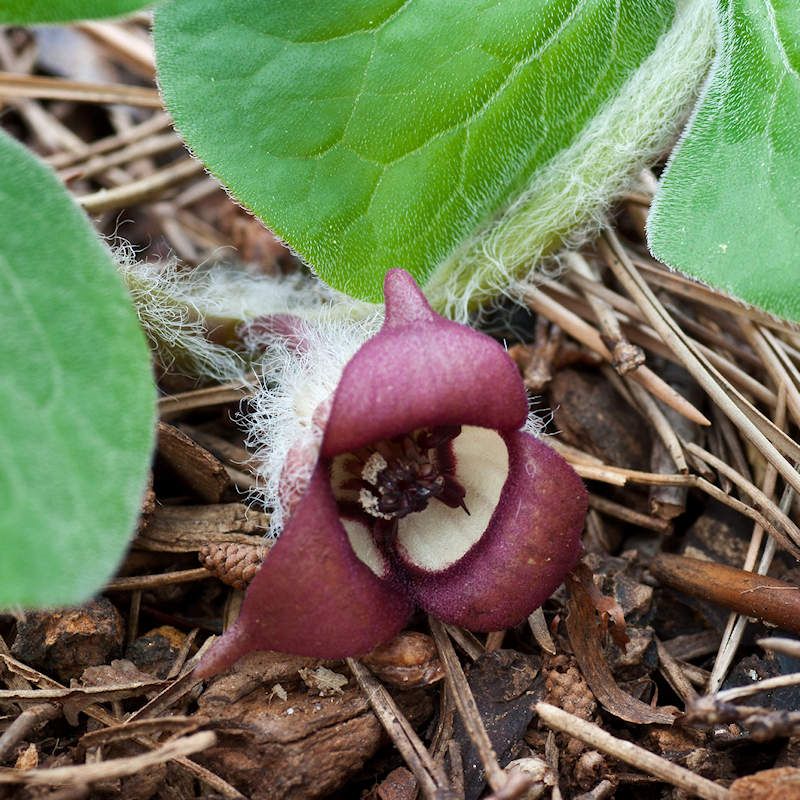
Asarum canadense, commonly called Wild Ginger, is a low-growing native ground cover that hugs the forest floor with its wide, heart-shaped leaves.
It does not grow tall, but it grows wide, and that is exactly what makes it so useful in garden borders.
Wild Ginger is not related to the ginger you cook with, but its roots do carry a mild, spicy scent similar to culinary ginger. Native Americans once used it for food and medicine, which shows just how resourceful this plant really is.
It has been part of Pennsylvania’s natural landscape for thousands of years, quietly thriving in shaded, moist woodland areas.
For gardeners, Wild Ginger brings a lot to the table. Its leaves are large, lush, and rich green, giving any shaded border a clean and polished look.
The plant spreads slowly but steadily through underground rhizomes, forming a dense mat over time. That mat is what makes it so effective at keeping slugs away from your garden edges.
You might not find Wild Ginger at every garden center, but specialty native plant nurseries in Pennsylvania often carry it. It is worth seeking out.
Once you plant it, it basically takes care of itself, asking for very little in return. For gardeners who want a natural, low-effort way to protect their borders while adding real beauty, Wild Ginger is a smart and rewarding choice.
Dense Foliage Deterrent
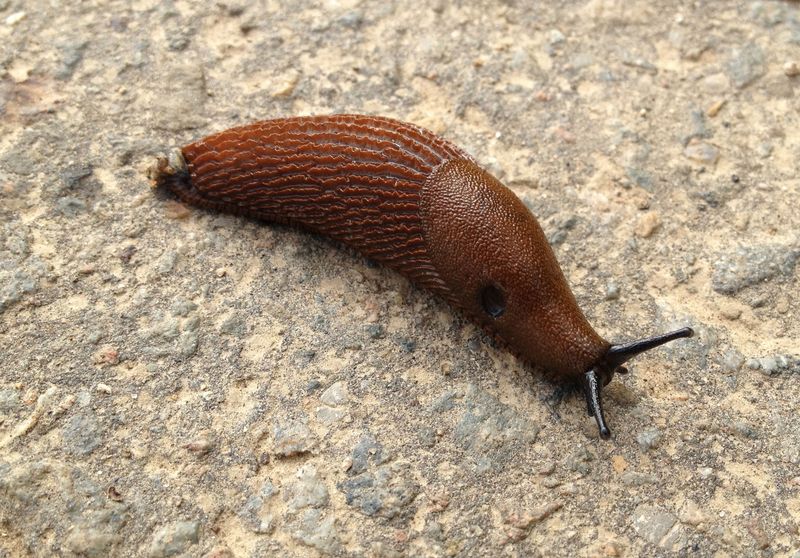
Slugs are not fans of dry, rough, or crowded conditions. They need moisture to move around, and they love bare, open soil where they can slide right up to your plants and start feeding.
Wild Ginger shuts that party down fast. Its thick, overlapping leaves create a dense mat that shades the soil beneath, keeping it drier and less inviting for slugs looking for an easy meal.
When the soil under a ground cover stays shaded, it does not hold as much surface moisture. Slugs rely on that surface moisture to travel, so a dry-ish top layer makes it genuinely hard for them to get where they want to go.
Your Pennsylvania Garden Changes Every Week. Your Plan Should Too.
Gardening in Pennsylvania changes quickly throughout the season. Every Friday you’ll receive a simple weekly plan showing exactly what to plant, prune, fertilize, harvest, and protect so you never miss the right timing.
Wild Ginger does this naturally without any sprays, chemicals, or special tools. You just plant it and let it do its thing.
Along garden borders, slugs often use the edges as entry points to reach your hostas, lettuce, or other tender plants. Wild Ginger planted along those edges acts like a living fence.
The dense mat makes crossing into the bed a tough job for any slug. Combined with the plant’s slightly rough leaf texture, it creates conditions that slugs simply prefer to avoid.
Beyond pest control, the thick foliage also blocks weed seeds from reaching the soil, which means less weeding for you. Fewer weeds and fewer slugs from one plant is a pretty great deal.
Gardeners who have added Wild Ginger to their borders often say it changed how they manage their beds. It handles the hard work quietly and consistently, season after season, without needing much from you at all.
Shade Adaptation
Most gardeners know the struggle of finding plants that actually thrive in deep shade. Grass gives up.
Many flowers refuse to bloom. Bare soil takes over, and suddenly your shaded border looks sad and patchy.
Wild Ginger was practically built for exactly those tough, low-light spots. It thrives in partial to full shade, making it one of the most reliable plants you can choose for under trees or along the north side of a fence.
In Pennsylvania, many yards include mature trees that cast heavy shade for most of the day. Those areas can feel impossible to plant.
Wild Ginger not only survives there, it actually prefers it. Direct sun can scorch its leaves, so the shadier the spot, the happier the plant tends to be.
It fills in those awkward gaps where other ground covers simply refuse to grow. Woodland-style gardens are especially popular in Pennsylvania because they mimic the natural landscape of the region. Wild Ginger fits right into that style.
Paired with native ferns, mosses, or shade-tolerant perennials, it creates a layered, natural look that feels lush without requiring constant upkeep. The plant handles the shading naturally and spreads gradually to fill empty spaces over time.
Another bonus is that Wild Ginger stays green through much of the year in Pennsylvania, giving your shaded borders texture and color even when other plants have gone dormant.
For gardeners frustrated by patchy, hard-to-fill shade spots, this native plant offers a dependable and attractive answer.
Plant it once, give it a little time to settle in, and it will reward you with years of lush, green coverage.
Low-Maintenance Growth
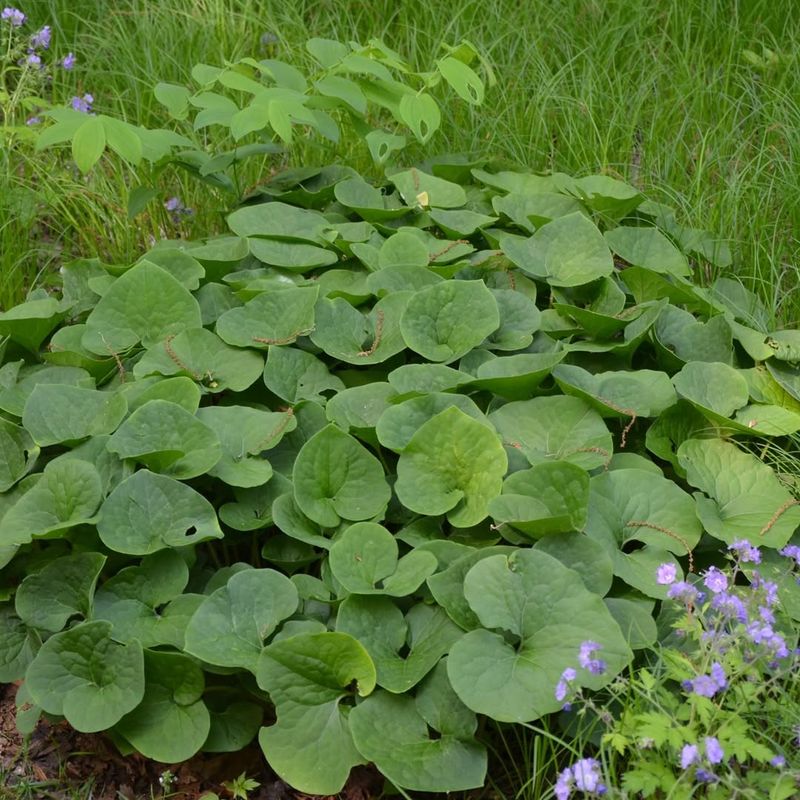
Imagine a plant that asks almost nothing from you but gives back so much. That is Wild Ginger in a nutshell.
Once it is established in your garden, it needs very little watering, no mowing, and almost no fertilizing. For busy gardeners or those who just want a beautiful border without a lot of fuss, Wild Ginger is practically a dream come true.
During the first season, you will want to water it regularly to help it settle in and develop its root system. After that, it becomes surprisingly self-sufficient.
Pennsylvania’s natural rainfall is usually enough to keep it healthy. Even during drier stretches, Wild Ginger handles mild drought better than many other shade-loving plants, bouncing back quickly once rain returns.
One of the best things about Wild Ginger is that it maintains its good looks year-round without any help from you. The leaves stay green and full through spring, summer, and into fall.
In milder Pennsylvania winters, some leaves may persist even longer. You do not need to cut it back, rake it out, or reshape it. It just keeps growing at its own steady pace.
The plant spreads slowly through underground rhizomes, filling in gaps naturally over several seasons. You never have to worry about it taking over aggressively or crowding out plants you actually want to keep.
That slow, controlled spread makes it easy to manage without much effort. For gardeners who want structure and texture along their borders without constant attention, Wild Ginger delivers exactly that.
It is reliable, tidy, and genuinely one of the easiest native plants to maintain in a Pennsylvania garden.
Soil Stabilization And Erosion Control
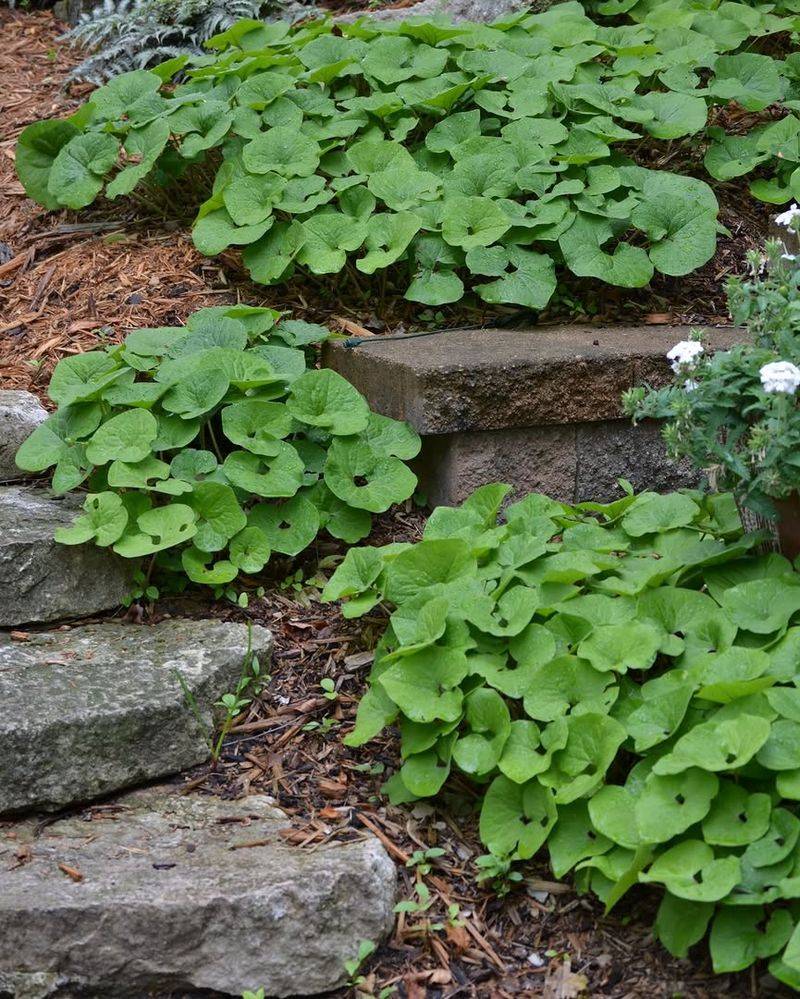
Slopes and border edges can be tricky spots in any garden. Rain washes soil away, roots get exposed, and bare patches show up where you least want them.
Wild Ginger tackles this problem from underground. Its fibrous root system spreads through the soil and grabs hold of it, anchoring the ground against rain runoff and preventing erosion in shaded garden areas.
Pennsylvania gardens often include sloped terrain, especially in yards near wooded areas or hillsides. Planting Wild Ginger on those slopes gives you a natural erosion-control solution that also looks great.
As the plant spreads and fills in over time, the roots form a web beneath the surface that holds the soil in place even during heavy rainstorms. You get stability and beauty at the same time.
Beyond just holding soil in place, Wild Ginger also improves soil structure over time. As its leaves break down naturally, they add organic matter to the ground beneath the plant.
That organic matter improves drainage, supports healthy microbes, and makes the soil easier for other plants nearby to grow in. It is a slow process, but the long-term benefits for your garden are real and meaningful.
For gardeners dealing with bare, eroding borders or trouble spots on slopes, Wild Ginger is a practical and attractive fix.
It does not need any special soil preparation to get started, though it does prefer well-drained, slightly moist, and humus-rich conditions typical of Pennsylvania woodlands.
Plant it where erosion is a problem, give it a season or two to establish, and watch it quietly transform a frustrating garden challenge into a lush, stable, and slug-resistant border.
Companion Planting Tips
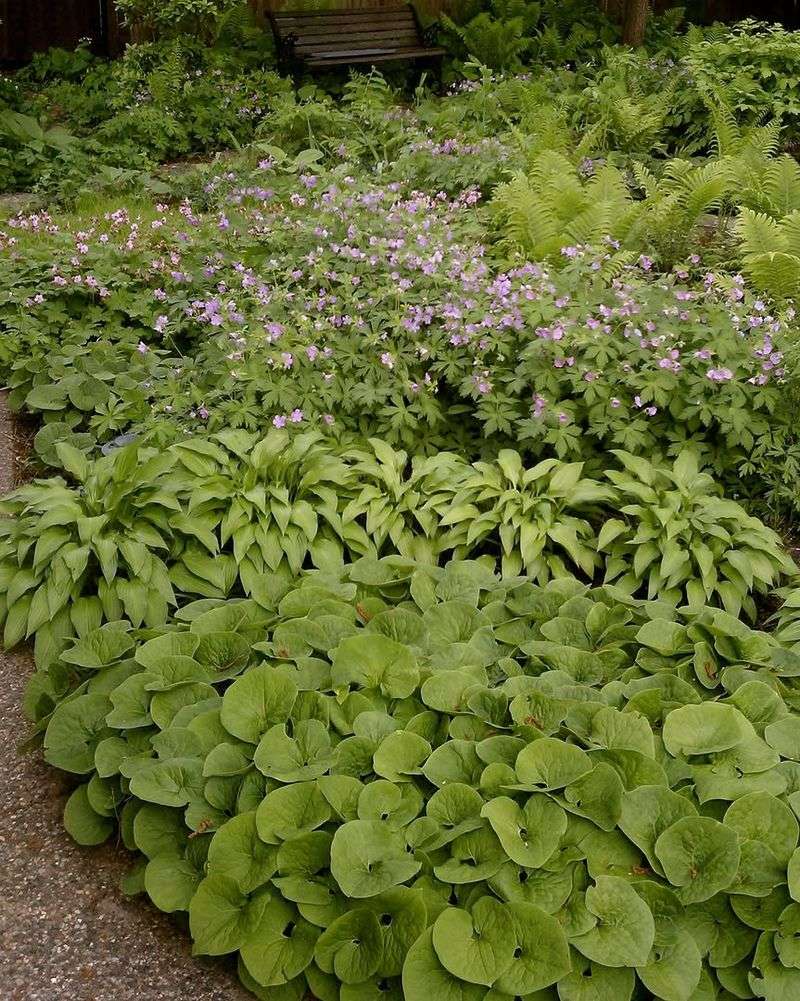
Planting Wild Ginger on its own is already a great move, but pairing it with the right companions takes your garden border to a whole new level.
Some of the best plants to grow alongside Wild Ginger in a Pennsylvania garden include Pennsylvania Sedge, Foamflower, and native ferns.
Together, these plants create a layered, dense ground cover that leaves almost no room for slugs to move through or hide in.
Pennsylvania Sedge is a fine-textured, shade-tolerant grass-like plant that fills in the gaps between Wild Ginger clumps beautifully. It stays low and tidy, adding a different texture that contrasts nicely with the bold, wide leaves of Wild Ginger.
Foamflower brings delicate white blooms in spring, adding seasonal color while also contributing to that dense, slug-unfriendly layer at ground level. Native ferns add height and a graceful, arching form that completes the woodland look.
When planting these combinations, spacing matters. Plant Wild Ginger about 12 inches apart to allow it to spread and eventually close the gaps between plants.
Foamflower and Sedge can be tucked into those gaps to speed up full coverage. The goal is to have no bare soil visible, because bare soil is where slugs and weeds thrive. A fully covered border gives pests nowhere comfortable to settle.
Rotating these companion plants around your garden borders also creates a more natural, varied appearance that looks intentional and beautiful.
Each plant supports the others by sharing the work of covering the ground, holding the soil, and making the environment less welcoming to moisture-loving pests.
Together, they form a team that keeps your Pennsylvania garden borders healthier, prettier, and far more slug-resistant throughout the entire growing season.