What Pennsylvania Hostas Need In September Before They Disappear For Winter
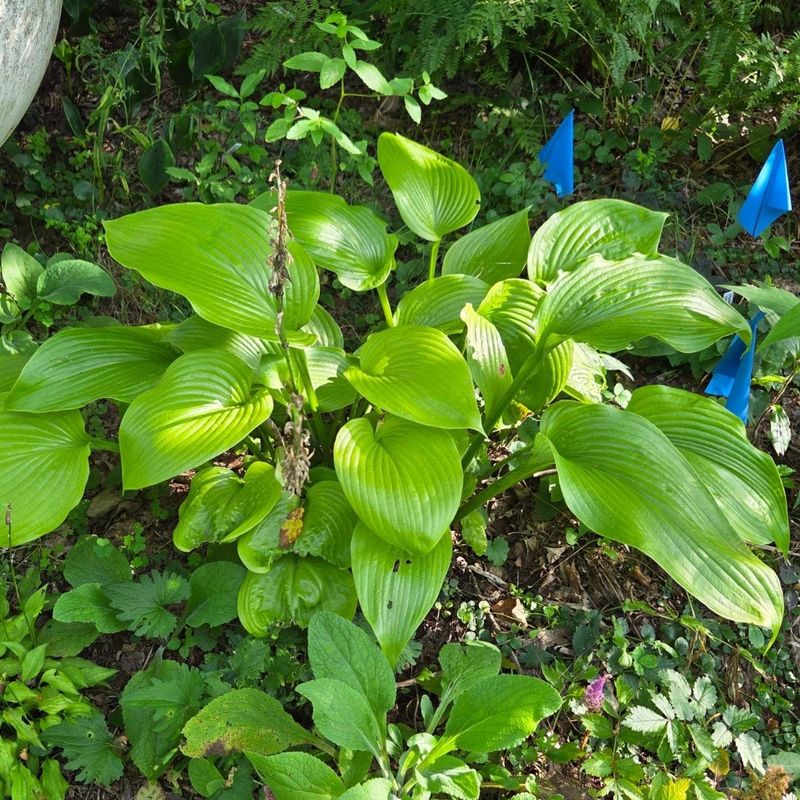
Hostas are one of Pennsylvania’s most reliable garden plants, and most gardeners treat them as a set it and forget it situation once the growing season winds down.
They come back every year, they fill in beautifully, and the assumption is that whatever happens to them in fall doesn’t matter much because they’ll return in spring regardless. That assumption is mostly right. But mostly right leaves something on the table.
What you do for your hostas in September directly affects how well they come back next spring.
The care hostas receive before they disappear for winter influences everything from the speed and fullness of their spring emergence to the vigor of their summer performance the following year.
A few simple steps taken now, before the foliage collapses and the opportunity passes, set hostas up for a noticeably stronger season ahead.
1. Your Hosta Needs A Deep, Slow Drink Of Water
Pennsylvanians often assume the cooler weather means their plants stop needing moisture. That thinking can leave roots thirsty just when they need water most.
Even as leaves begin to fade, the roots keep storing energy for spring. Steady moisture in September helps them pack away the nutrients they will use later.
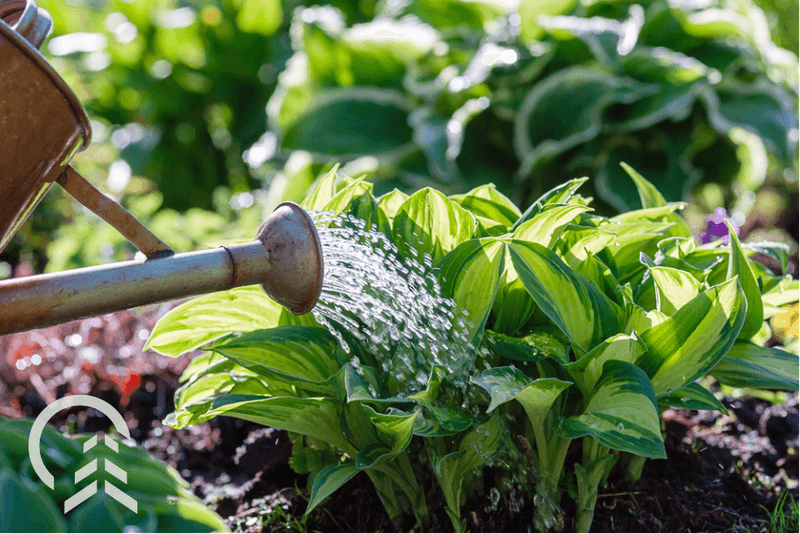
Aim to give your hostas about an inch of water each week. If the rain does not cover it, add the rest with a hose or watering can.
Water the base of the plant rather than the leaves. Wet foliage in cool weather can invite fungus, and nobody wants spotty leaves.
Try watering early in the day so the ground has time to soak it up. Morning sessions also let any splashed leaves dry before evening.
Pennsylvania falls can swing between soggy and dry within a single week. Stick your finger two inches into the soil to check before you reach for the hose.
If the dirt feels damp, you can wait another day or two. If it feels dry and crumbly, it is time for a slow, deep soak.
Deep watering encourages roots to grow downward where they stay protected. Shallow sprinkles only wet the surface and leave roots vulnerable.
A layer of mulch can help hold that moisture in the soil longer. Just keep it a couple inches away from the plant crown.
Keep this routine going until the ground begins to freeze. Once frost sets in for good, your hostas will finally clock out for the season.
2. Skip Feeding Hostas Now
Here is a twist that surprises a lot of new gardeners. September is the month to put the fertilizer bag away, not pull it out.
Feeding your plants now sends the wrong message to their roots. Fresh nutrients tell them to grow tender new leaves right before cold weather arrives.
Those soft new shoots have no time to toughen up. When frost hits, they get damaged and waste the plant’s stored energy.
The last feeding of the year should happen in early summer, around June or July. After that, your plants prefer to coast toward their rest.
Your Pennsylvania Garden Changes Every Week. Your Plan Should Too.
Gardening in Pennsylvania changes quickly throughout the season. Every Friday you’ll receive a simple weekly plan showing exactly what to plant, prune, fertilize, harvest, and protect so you never miss the right timing.
Think of it like eating a huge meal right before bedtime. It leaves everyone restless when they should be settling down.
If you fed your hostas earlier in the Pennsylvania season, they already have what they need. The roots have been quietly banking energy for months.
Instead of fertilizer, focus on healthy soil for the long run. A thin layer of compost in fall breaks down slowly and gently feeds next spring.
Compost works with the natural rhythm rather than forcing a growth spurt. It also improves how well your soil holds water and air.
Spread a light inch of finished compost around the base. Avoid piling it against the crown where it could trap too much moisture.
By holding off on the plant food now, you help your greenery settle in calmly. Come spring, those roots will burst out strong and ready. Sometimes the kindest thing you can do is simply leave well enough alone.
3. Slug Patrol Before The Frost
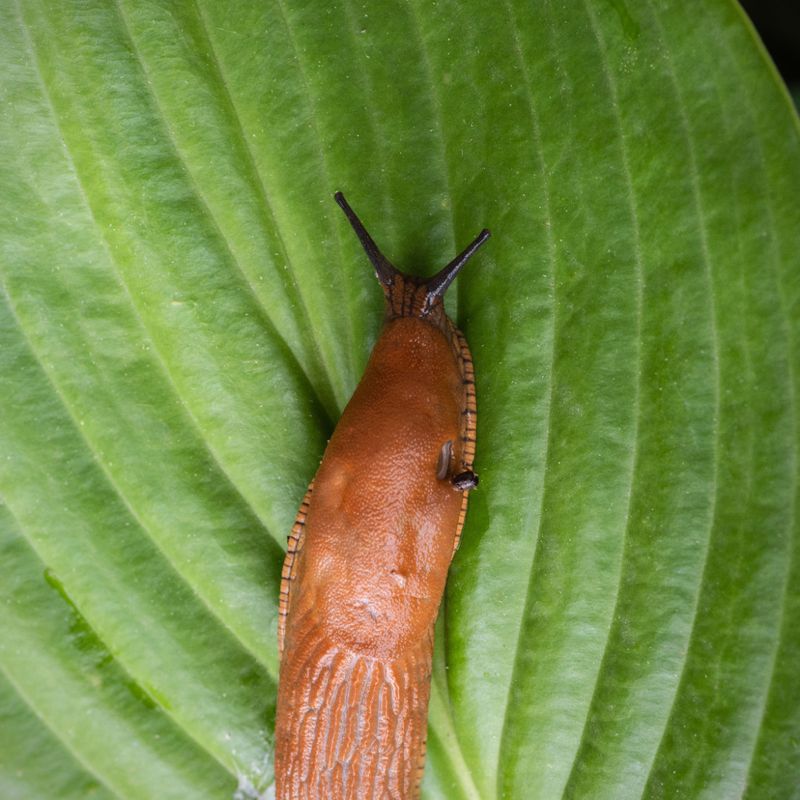
If your leaves look like someone used them for target practice, you have company. Those ragged holes are calling cards left by hungry, slimy visitors.
These slippery pests love the cool, damp conditions that Pennsylvania autumn delivers. They feast at night and hide under leaves and mulch by day.
September is a smart time to knock down their numbers before they lay eggs. Fewer eggs now means far fewer chewers next spring.
Head out at dusk with a flashlight and hand-pick any you find. Drop them into a bucket of soapy water to end their buffet.
You can also sink a shallow dish of beer into the soil nearby. The pests are drawn to it, crawl in, and cannot climb back out.
Sprinkling crushed eggshells or diatomaceous earth around plants helps too. The gritty texture makes crossing uncomfortable for soft-bodied crawlers.
Try to clear away any soggy debris and low, damp hiding spots. Removing their daytime shelter makes your garden much less inviting.
Copper tape around raised beds or pots gives them a mild shock. Most will turn around rather than crawl across it.
Water in the morning instead of the evening whenever you can. Dry nighttime soil makes it harder for slugs to move around freely.
Keep checking every few days as the month goes on. A little consistency now saves you a lot of frustration later.
Winning this battle before dormancy means your plants store energy instead of patching holes. Your spring self will send a thank-you note.
4. Trimming Away The Tired Leaves
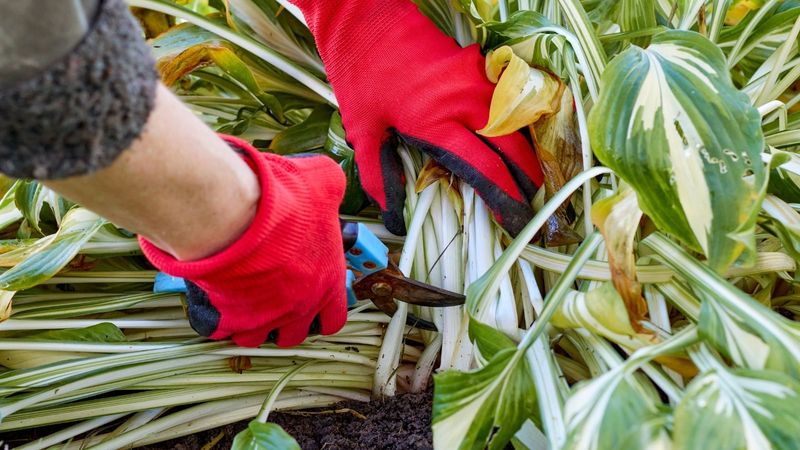
There comes a point when the leaves start yellowing and flopping over. That sagging, tired look is your plant’s way of waving goodbye for the year.
You do not have to rush to cut everything back the moment leaves droop. Green leaves are still feeding the roots, so let them finish the job.
Wait until the foliage has fully turned yellow or brown and gone limp. At that stage, the plant has already pulled its energy back down below.
Grab a clean pair of scissors or garden shears for the task. Snip the leaves off about an inch or two above the soil line.
Cutting back the spent foliage in fall does more than just tidy up. It removes hiding spots where pests and eggs like to spend winter.
Old leaves left lying around can also trap moisture against the crown. That dampness sometimes leads to rot or fuzzy fungus problems.
Toss the healthy trimmings into your compost pile if you like. Just skip composting any leaves that look diseased or heavily chewed.
Some Pennsylvania gardeners prefer to leave the foliage until spring for insulation. Both approaches work, so pick whatever fits your style and schedule.
If you do cut now, mark where each plant sits with a small tag. Bare soil in spring can trick you into digging in the wrong spot.
Clean your tools with a little rubbing alcohol between plants. That quick wipe stops you from spreading trouble around the garden. A neat fall trim sets the stage for a fresh, crowded flush of leaves next spring.
5. A Cozy Blanket Of Mulch
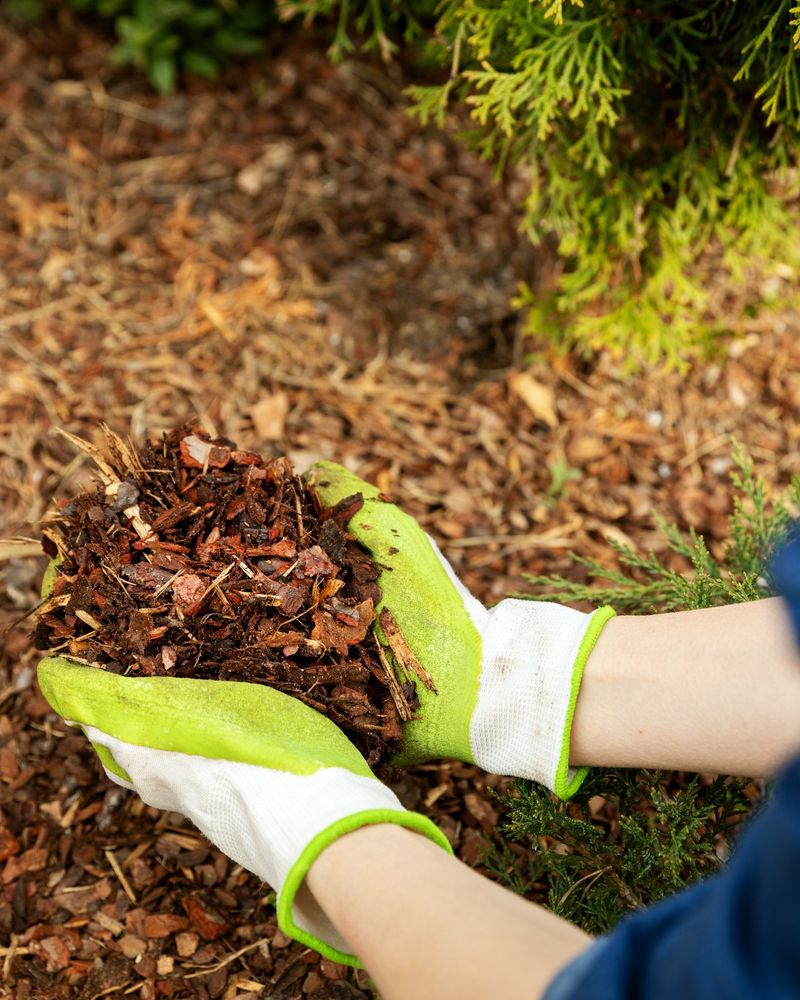
Picture tucking a warm quilt around someone before a chilly night. That is basically what a fresh layer of mulch does for your resting plants.
Pennsylvania winters bring freezing and thawing cycles that push soil around. This heaving can shove roots and crowns right up out of the ground.
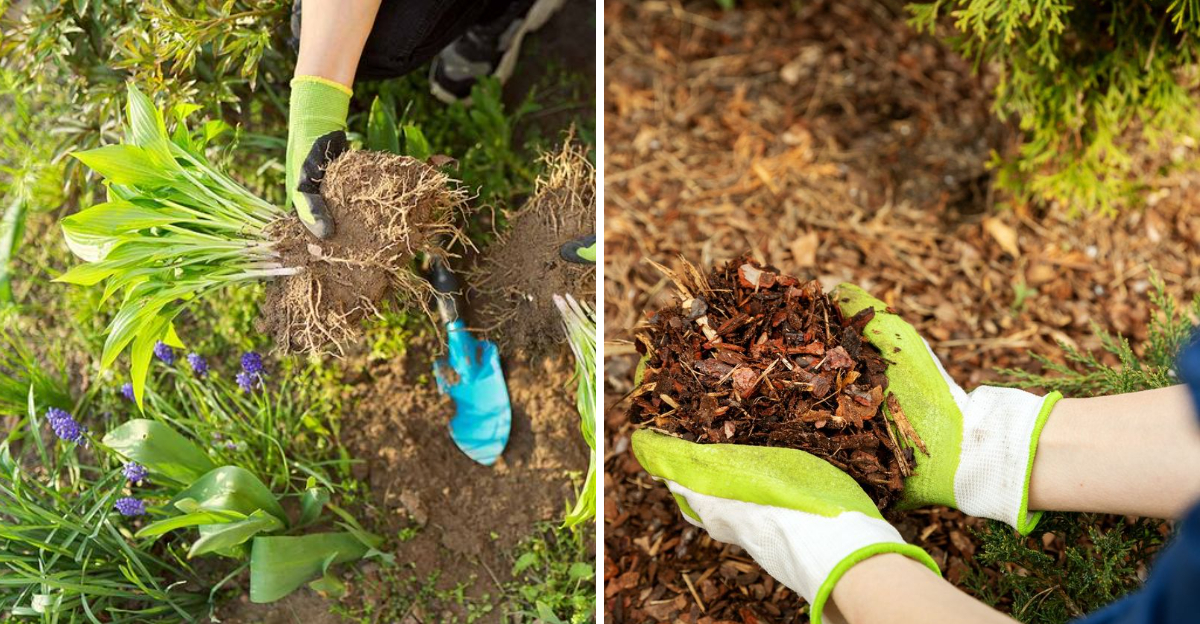
A two to three inch layer of mulch keeps the soil temperature steadier. Steady soil means roots stay put instead of getting jostled loose.
Shredded bark, leaf mold, or straw all make excellent choices. Whatever you pick, spread it evenly around the plant’s base.
Leave a small gap right around the crown of the plant. Piling mulch directly on top can trap moisture and cause soft, mushy spots.
Wait until the ground has cooled before laying it down thick. Mulching too early can keep the soil warm and delay dormancy.
Late September into October is usually the sweet spot in our region. The air is cool, but the ground has not frozen solid yet.
Mulch also does double duty by smothering weeds that sneak up early. Fewer weeds in spring means less work for you later.
As the mulch slowly breaks down, it feeds the soil with organic matter. Your dirt gets richer and holds moisture better each passing year.
Fallen autumn leaves can serve as free mulch if you shred them first. Whole leaves tend to mat down and block air from reaching the soil. Give your hostas this simple cover, and they will ride out the cold in comfort.
6. Dividing Crowded Clumps
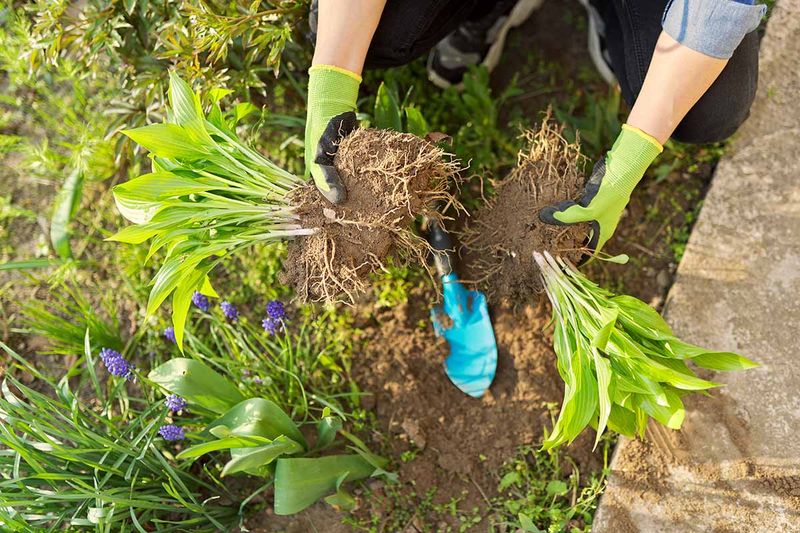
Ever notice a clump so packed that the center looks bare and thin? That crowded crowd is your plant’s polite hint that it needs more elbow room.
September gives you a friendly window to divide those overgrown clumps. The cooler air is gentle on the roots as they settle into new spots.
Start by watering the plant well a day before you dig. Moist soil makes lifting the whole clump much easier on your back.
Slide a sharp spade around the plant and lift the root ball out. Shake off the loose dirt so you can see what you are working with.
Use a clean knife or spade to slice the clump into sections. Each piece should have a few healthy shoots and a good chunk of roots.
Replant the divisions at the same depth they grew before. Setting them too deep can smother the crown and cause trouble.
Space the new pieces out with room to spread over coming years. They may look small now, but they fill in surprisingly fast.
Water each division right after planting to settle the soil. Add a light mulch layer to help them stay snug through the cold.
Dividing every few years keeps your Pennsylvania hostas vigorous and full-looking. It also gives you free plants to share or plant elsewhere.
Try to finish dividing at least a month before hard frost arrives. That gap lets fresh roots grab hold of their new home. One afternoon of splitting today turns into a lush, generous display down the road.
7. Clearing Fallen Debris Around The Crown
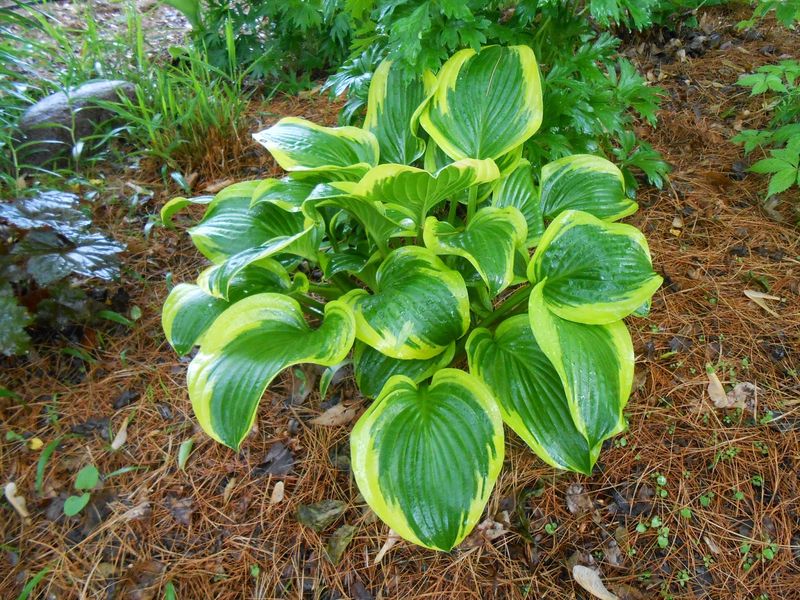
Autumn loves to scatter leaves and bits of stuff all over your beds. It looks charming, but too much clutter can cause quiet headaches.
Wet, matted leaves piled on the crown hold moisture in the wrong place. That dampness can lead to rot, mold, and other unwelcome guests.
Take a few minutes to gently rake away debris sitting right on top. You want the crown to breathe rather than sit under a soggy heap.
Pay special attention to any leaves your hostas dropped themselves. Old foliage can carry fungus spores that overwinter and return in spring.
Clearing this material also removes cozy hideouts for pests and their eggs. Fewer hiding spots now means fewer surprises when the weather warms.
Toss clean debris into the compost, but bag up anything that looks diseased. Sick leaves in the compost can spread problems around later.
Do not strip the bed totally bare, though, since some cover helps. A thin scatter of leaves elsewhere feeds the soil as it breaks down.
The goal is simply an open, tidy space right around each crown. Think of it as giving your hosta a little breathing room.
Check the area again after big storms knock down fresh piles. A quick sweep every week or so keeps things under control.
Good airflow around the base lowers the chance of winter rot for good. Healthy crowns are the launchpad for next year’s leaves.
A clean bed heading into dormancy makes your whole Pennsylvania garden easier to wake up in spring.