Why You Should Stop Fertilizing Your Pennsylvania Crape Myrtle In September
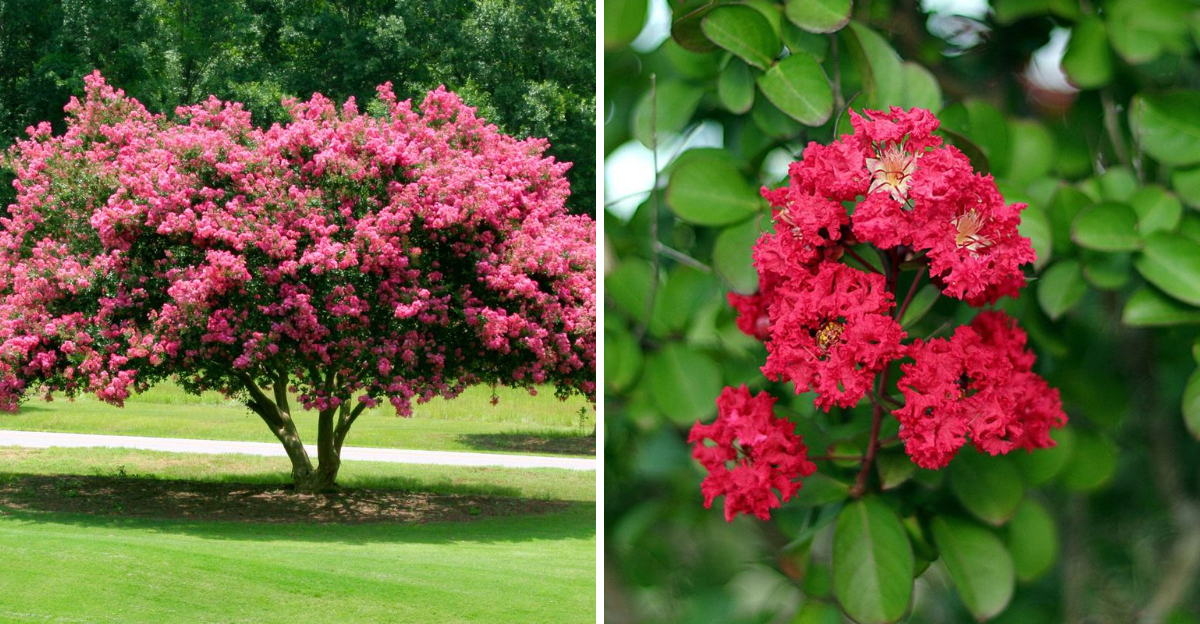
Crape myrtles in Pennsylvania are already working harder than they would anywhere further south. The winters here push these trees right to the edge of their cold hardiness every single year.
That makes late summer and fall decisions more important than most homeowners realize. Fertilizing in September is one decision that consistently causes real damage.
It doesn’t look harmful in the moment. The tree responds, new growth appears, and everything seems fine on the surface. But that late season growth is soft and immature. It hasn’t had time to harden.
When Pennsylvania temperatures drop, that new growth is the first thing to suffer, and the setback can take the whole following season to recover from.
In a climate where crape myrtles are already working with a narrow margin, this is a mistake worth avoiding.
Here’s exactly why September fertilizing is the wrong move for Pennsylvania crape myrtles and what to do instead.
1. New Growth Gets Caught Off Guard
Picture a plant that suddenly gets a burst of energy right before the weather turns chilly. That is basically what happens when you feed your crape myrtle in September.
Fertilizer, especially the kind rich in nitrogen, tells the plant to push out fresh shoots and leaves. This tender new growth is soft, green, and full of water, which makes it very sensitive to cold snaps.
Pennsylvania weather in fall can be unpredictable, swinging from warm afternoons to frosty mornings within a week. Those baby shoots simply do not have time to toughen up before the first frost sneaks in.
When cold air hits soft growth, the stems can turn brown and mushy, wasting all the energy your plant just spent. Instead of helping, you accidentally set your shrub back.
A healthier approach is to let your crape myrtle slow down naturally as daylight shrinks. Plants have their own internal clock, and September is when they begin preparing for rest.
Think of it like giving a child a giant sugary snack right before bedtime. The sudden energy does not match what the body actually needs at that hour.
By skipping the September feeding, you allow existing growth to mature and harden off properly. Mature wood handles winter far better than fresh green tips.
If you really want to help, focus your fertilizing efforts in spring instead. That timing matches the plant’s natural push for growth.
Your crape myrtle will reward your patience with stronger stems and a tidier shape. Sometimes the best garden move is simply stepping back.
2. Roots Need Their Rest Time

Underneath the soil, your crape myrtle is quietly getting ready for a long nap. September is when the roots start shifting from active growing to storing up for winter.
When you add fertilizer during this window, you interrupt that natural slowdown. The plant gets confused and tries to keep working when it should be winding down.
Roots play a huge role in helping a shrub survive cold months. They hold onto stored sugars and nutrients that keep the plant alive until spring returns.
Your Pennsylvania Garden Changes Every Week. Your Plan Should Too.
Gardening in Pennsylvania changes quickly throughout the season. Every Friday you’ll receive a simple weekly plan showing exactly what to plant, prune, fertilize, harvest, and protect so you never miss the right timing.
Feeding late can pull that stored energy toward pointless top growth instead of letting it settle safely underground. That leaves the whole plant weaker heading into the harshest season.
In Pennsylvania, the ground can freeze solid for weeks at a time. A crape myrtle with well-rested roots handles that freeze far more gracefully.
Rest also lets beneficial soil life around the roots do their own quiet work. Fungi and microbes team up with roots to move nutrients, and they slow down in fall too.
By respecting this rhythm, you support a partnership that has kept plants thriving for ages. Nature already built a schedule, and it works well.
A good habit is to water deeply before the ground freezes rather than feeding. Moisture in the soil protects roots better than a nutrient boost ever could.
Come spring, those rested roots wake up hungry and ready to grow strong. That is the moment your fertilizer truly earns its keep. Give the underground part of your plant the calm autumn it craves.
3. Frost Can Undo Your Hard Work
Few things sting a gardener more than watching a shrub suffer after weeks of care. Late fertilizing raises that exact risk when frost arrives early.
Pennsylvania often sees its first frost sometime in October, though it can pop up sooner in cooler areas. That tight timeline gives fresh growth almost no chance to prepare.
Fertilizer wakes up the plant and encourages soft tissue that frost damages easily. The result is browned tips and stressed branches right when you hoped for beauty.
Stress from frost also weakens a plant’s defenses. A shrub busy repairing frost injury has less energy to fight off pests or disease later.
Skipping the feeding lets your crape myrtle enter its natural hardening stage. During this time, plants build up sugars in their cells that act almost like antifreeze.
That built-in protection only develops when the plant is allowed to slow gradually. Rushing it with nutrients throws the whole process off balance.
Imagine putting on a heavy coat slowly versus being shoved outside in shorts. The gradual approach keeps the plant comfortable and ready.
If frost is in the forecast and you have a young shrub, a light cover cloth helps more than any fertilizer. Physical protection beats chemical encouragement in autumn.
By trusting the season, you let your crape myrtle toughen its stems and lock in resources. Those hardened branches shrug off cold mornings that would harm tender ones.
Your patience now means a fuller, healthier plant when warm weather circles back around next year.
4. You Save Money And Effort
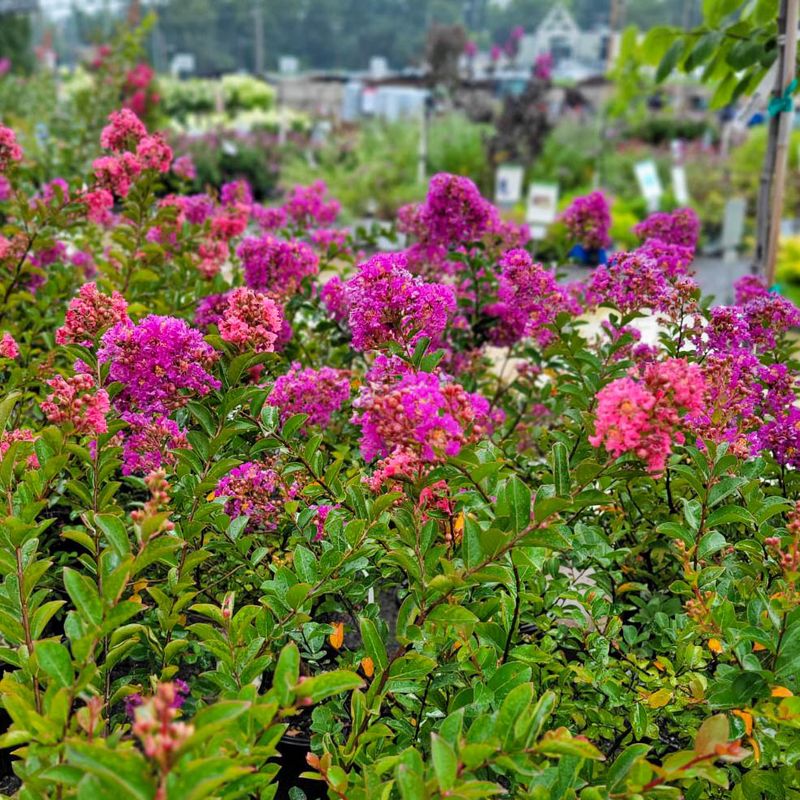
Here is a bonus nobody talks about enough, your wallet gets a little break too. Fertilizer costs money, and using it at the wrong time wastes both cash and energy.
When you feed a crape myrtle in September, much of that product simply washes away or triggers growth the plant cannot use. You end up paying for a result that works against you.
Fall rains in Pennsylvania can be heavy, and they carry unused nutrients out of the soil quickly. That means the fertilizer often leaves before your plant benefits at all.
Those runaway nutrients can drift into nearby streams and ponds, causing problems for local water. Skipping the late feeding is a friendly choice for your whole neighborhood.
Beyond money, think about your own time and back. Hauling bags, measuring, and spreading fertilizer takes effort you could save for spring.
Autumn already brings plenty of yard chores like raking and cleanup. Removing one unnecessary task lightens your load during a busy season.
A smarter plan is to keep your fertilizer stored somewhere cool and dry until spring. Most products last just fine over the winter months.
When the growing season returns, that same bag will actually push healthy, welcome growth. You get more value from the very same purchase.
Frugal gardening and healthy gardening often go hand in hand. Feeding at the right moment stretches your resources further.
By waiting, you protect your budget, your time, and your local waterways all at once. That is a win worth celebrating in the garden.
5. Blooms Are Already Done For The Year
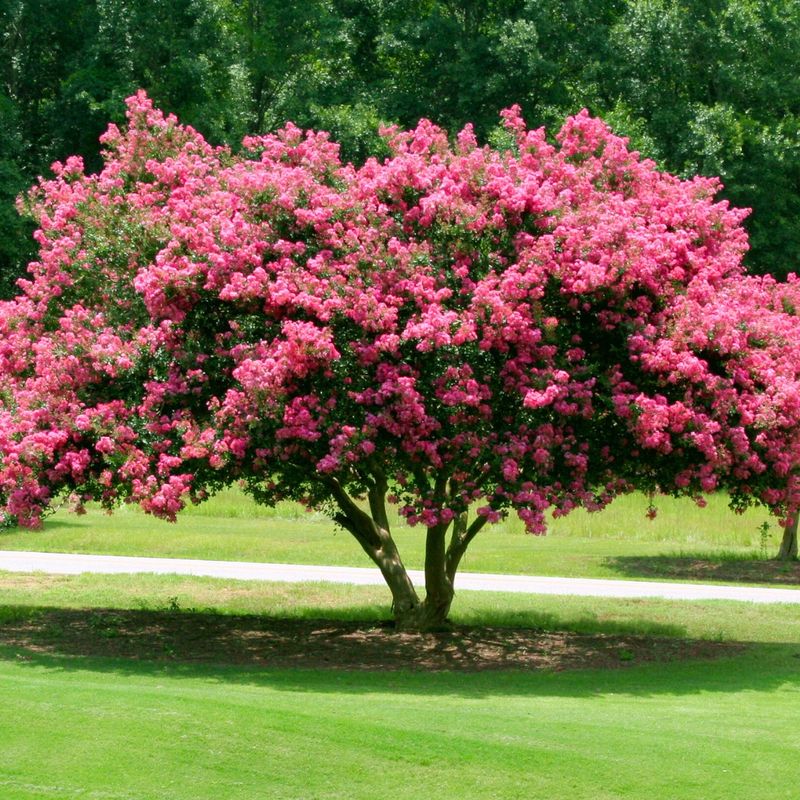
By the time September rolls around, your crape myrtle has usually finished its big flower show. Those gorgeous summer blooms have faded and started turning into seed pods.
Fertilizing to chase more flowers at this point simply does not work. The plant has moved past its blooming phase and into wind-down mode.
Crape myrtles set their flowers on new wood that grew earlier in the warm season. Feeding now cannot magically create a fresh round of blossoms before winter.
Instead of flowers, extra nutrients push out leafy growth that offers little reward. You spend effort for a result that misses the mark entirely.
Understanding a plant’s schedule helps you work with it rather than against it. Every shrub has a rhythm of growing, blooming, and resting.
The faded flower clusters and seed pods actually add a nice texture to the autumn garden. Many gardeners leave them for winter interest and for birds to enjoy.
If you crave more blooms next year, the real secret is proper spring feeding and good pruning. That combination sets the stage for a spectacular summer display.
A light trim of spent blooms during the growing season can encourage repeat flowering, but fall is not the time. In September, the plant simply wants to coast toward dormancy.
Accepting that the flower season has closed lets you relax and appreciate what already happened. Your shrub did its job beautifully.
Save your energy and your fertilizer for the moment when it can actually spark new blooms. Timing turns effort into gorgeous color.
6. Pests And Disease Love Fresh Growth
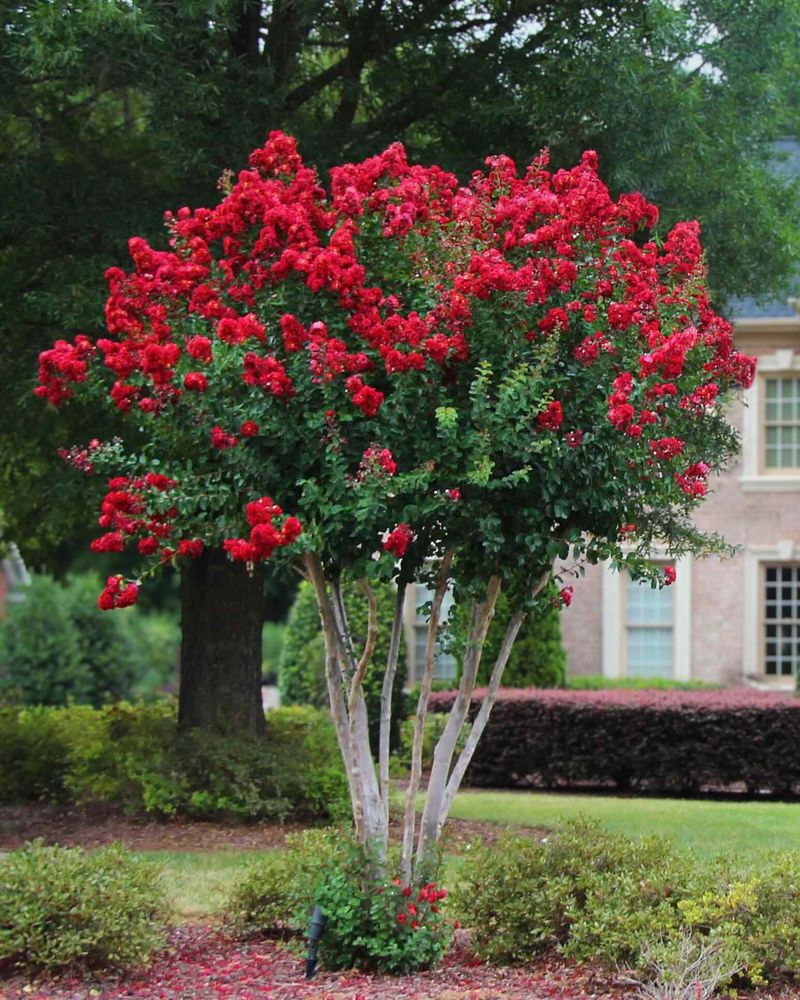
Bugs and fungus have a sneaky habit of targeting the softest parts of a plant. Fresh growth triggered by late fertilizer is basically an open invitation.
Aphids, for example, adore tender new shoots because they are easy to pierce and full of sap. A September feeding can serve up a buffet right before winter.
Powdery mildew, a common crape myrtle troublemaker, also thrives on lush new leaves. Cooler nights and damp fall air make conditions even friendlier for it.
When a plant is busy fighting pests and disease, it has less strength for surviving cold. That double stress can leave a shrub looking rough by spring.
Skipping late fertilizer keeps your crape myrtle from producing that vulnerable soft tissue. Mature, hardened growth is far less appealing to hungry insects.
Healthy timing acts like a quiet form of pest control. You reduce problems simply by not creating the conditions bugs love.
Fewer pests in fall also means fewer eggs and spores hanging around to cause trouble next season. A little restraint now pays off later.
If you already spot aphids or mildew, a gentle blast of water or a mild insecticidal soap can help. Skip the feeding and let the plant recover.
Keeping the area around your shrub clean of fallen leaves also cuts down on hiding spots for trouble. Good garden habits stack up.
By avoiding that September nutrient boost, you help your crape myrtle stay tough and less tasty to unwanted visitors. A calm plant is a protected plant.
7. It Keeps Your Plant On Nature’s Schedule
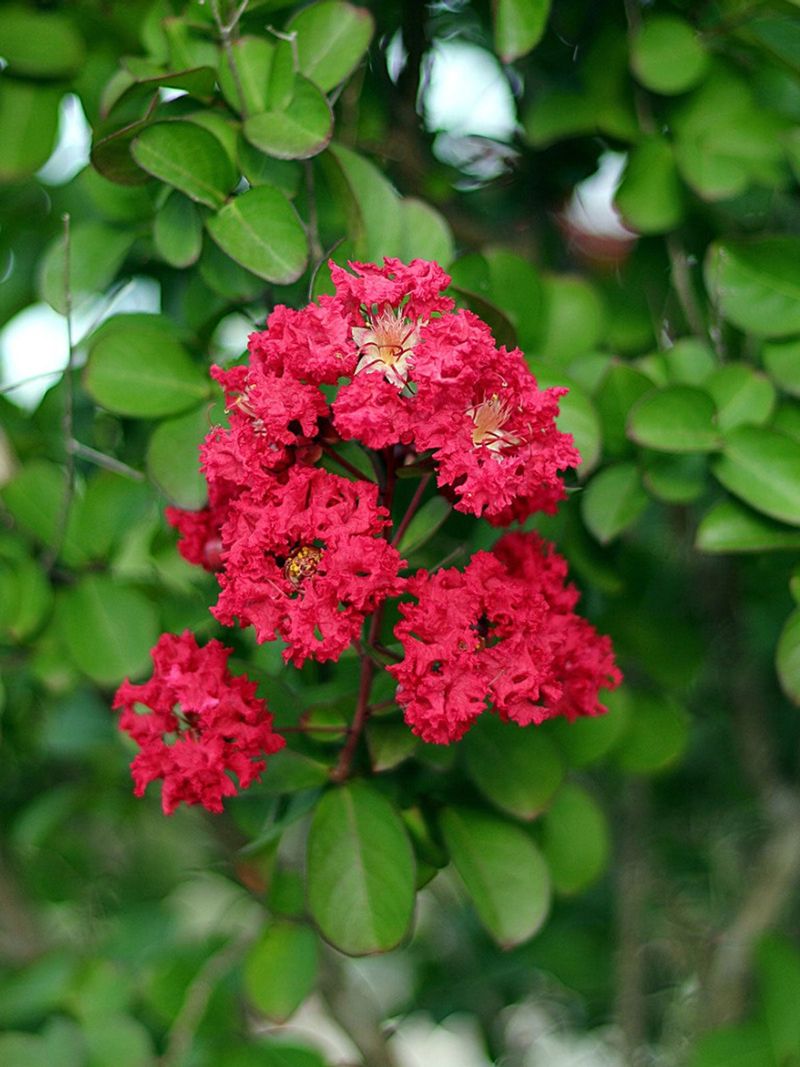
Every plant carries an inner calendar shaped by countless seasons. Following that natural schedule is one of the kindest things you can do for your crape myrtle.
As days grow shorter in September, the plant reads those signals and begins slowing down. Adding fertilizer sends a mixed message that confuses this graceful process.
Imagine trying to fall asleep while someone keeps flipping the lights on. That is the kind of disruption late feeding creates for a plant preparing to rest.
When you let the seasons guide your care, your shrub develops stronger, more predictable habits. It leafs out, blooms, and rests in a healthy rhythm year after year.
Plants that stay in sync with nature tend to handle stress better overall. They bounce back faster from tough winters and dry spells.
Working with the calendar also makes gardening simpler for you. There is comfort in knowing spring is for feeding and fall is for winding down.
Pennsylvania’s four distinct seasons give clear cues if you watch for them. Cooler nights and turning leaves are your reminder to put the fertilizer away.
This approach connects you more deeply to your garden and its changing moods. You start noticing subtle shifts and enjoying each phase.
Over time, respecting these cycles builds a landscape that feels balanced and self-sufficient. Less fuss, more beauty.
Trusting nature’s timing turns you into a wiser, more relaxed gardener. Your crape myrtle settles into fall exactly as it should.
Let the season lead, and your shrub will thank you with years of steady, dependable growth.