These Texas Perennials Bloom Multiple Times A Year
Most perennials give you one good show and then spend the rest of the season looking decorative at best. These Texas perennials have different plans.
They bloom in spring, recover, and come back swinging in fall with a second flush that makes them worth every inch of garden space they occupy. Some even manage a third round if conditions cooperate.
In a Texas climate that tests most plants through brutal summers and unpredictable winters, finding perennials that perform more than once a year is genuinely valuable.
They do more work, deliver more color across more of the calendar, and justify their space in the garden in a way that single season bloomers simply cannot.
The best part is that several of these multi season performers are native or well adapted to Texas conditions, meaning they handle the heat, the drought, and the unpredictability without demanding much in return.
Here are the Texas perennials that bloom multiple times a year and why each one earns a permanent spot in your garden.
1. Autumn Sage
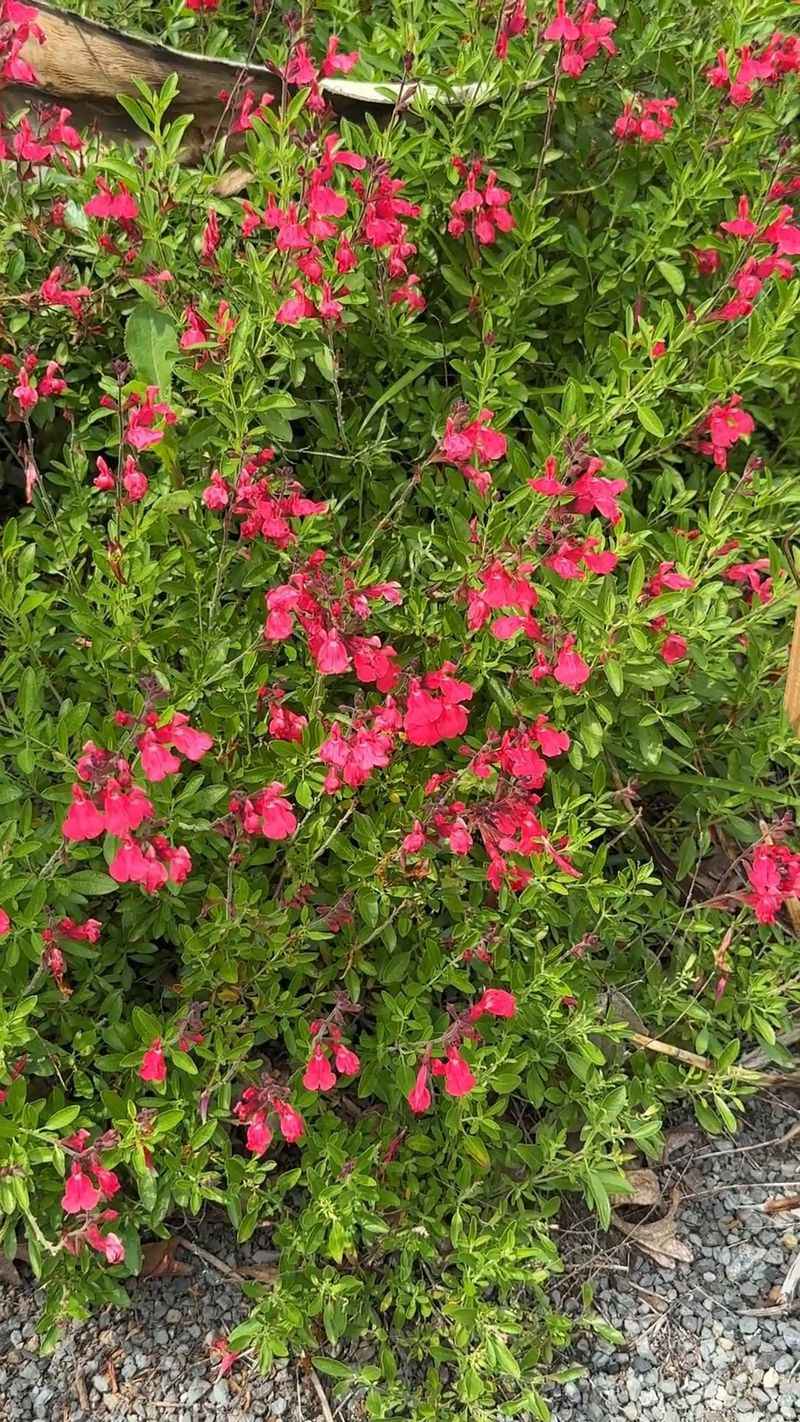
Hummingbirds seem to have a special crush on this little shrub. Autumn sage produces small tube-shaped flowers in red, pink, coral, or white, and it keeps pumping them out from spring all the way through fall.
Native to the rocky hills of Texas, New Mexico and Mexico, this plant is built for tough conditions. It laughs at heat and needs very little water once it settles into your yard. Poor soil does not bother it, which makes it a great pick for first-time gardeners.
You can help it bloom even more by trimming it back after the flowers fade. A light shearing in midsummer encourages a fresh burst of color for the cooler months. Give it full sun and well-drained soil, and it will thank you with wave after wave of flowers.
Autumn sage stays fairly compact, usually reaching two to three feet tall and wide. That size makes it perfect for borders, containers, or mixing into a wildflower bed. Bees and butterflies visit right alongside the hummingbirds.
One handy trait is how forgiving this plant is. If you forget to water it during a busy week, it usually bounces back without a fuss. It also resists most pests and diseases that trouble fussier flowers.
Fun fact: despite its name, autumn sage actually blooms across many months, not just in fall. Early gardeners named it for its strong autumn show, but you get color long before the leaves start turning.
For steady Texas color that fits almost any yard, autumn sage earns its spot as a reliable, cheerful performer year after year.
2. Texas Lantana
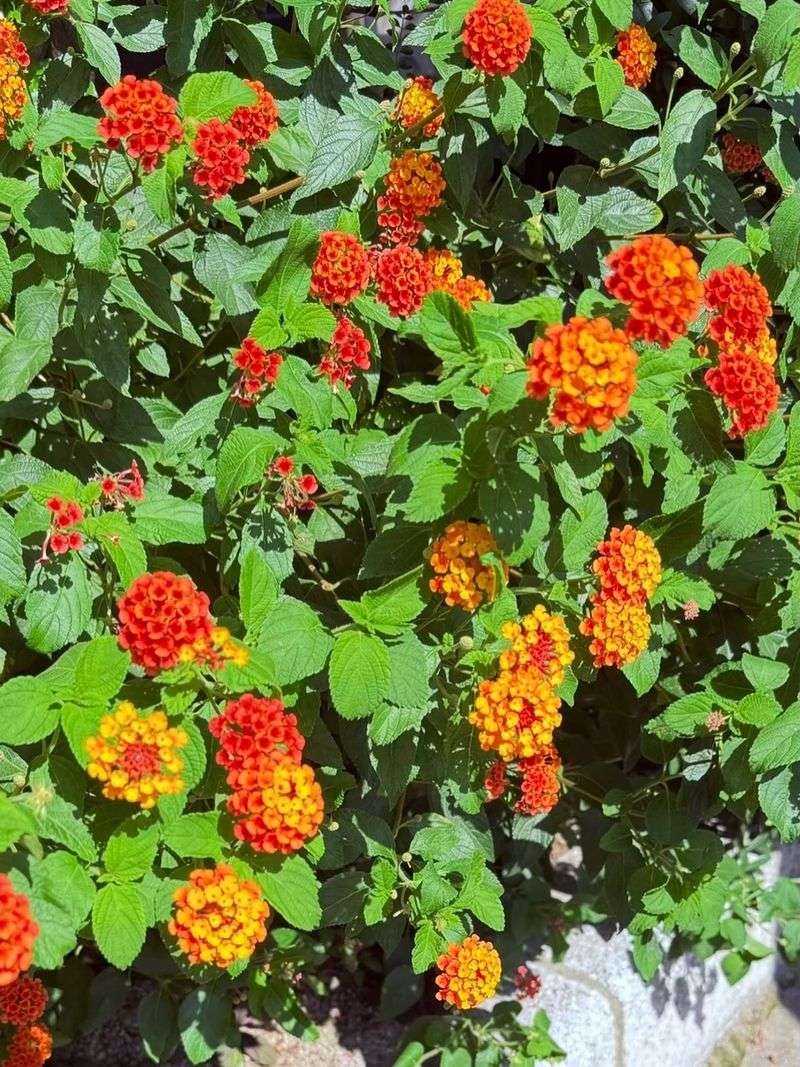
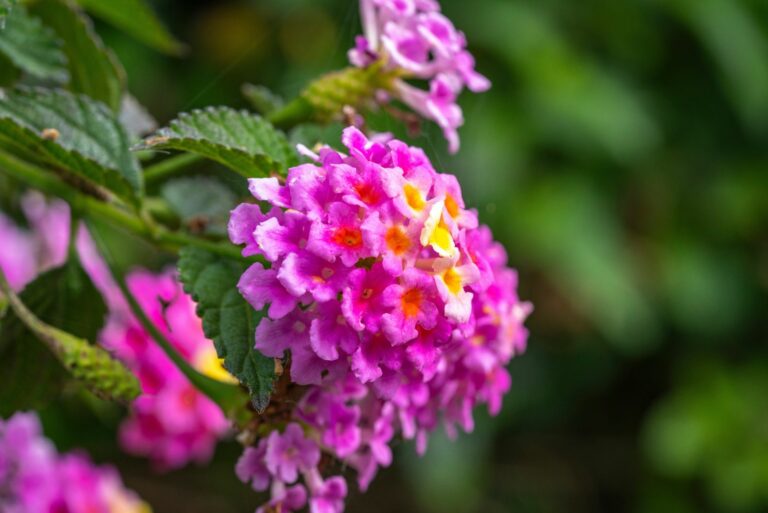
If butterflies had a favorite restaurant, Texas lantana would be at the top of their list. This tough native bursts with clusters of orange and yellow flowers that seem to glow in the summer sun.
Heat and drought barely slow it down. In fact, lantana often looks its best when the weather turns brutally hot and other plants start to droop. That makes it a lifesaver for those long Texas summers.
Your Texas Garden Changes Every Week. Your Plan Should Too.
Gardening in Texas changes quickly throughout the season. Every Friday you’ll receive a simple weekly plan showing exactly what to plant, prune, fertilize, harvest, and protect so you never miss the right timing.
Blooming stretches from late spring through fall, giving you months of nonstop color. The flowers slowly change shades as they mature, so a single cluster might show several colors at once. Pollinators find it hard to resist.
Give lantana a sunny spot with room to spread. It can grow into a mounding shrub several feet across, so plant it where it has space to stretch out. Well-drained soil keeps it happiest.
Care could not be simpler. Water it now and then while it gets established, then mostly leave it alone. A quick trim keeps it tidy and pushes out more blooms.
Keep in mind that lantana berries are not for snacking, so plant it away from areas where curious pets or little ones might nibble. Aside from that, it is a fuss-free winner.
Texas gardeners love how lantana attracts monarchs, swallowtails, and busy bees all season long. It turns an ordinary flower bed into a living, moving picture.
For nonstop warm-toned color that thrives in the toughest heat, Texas lantana proves that native plants often outperform fancier imports. Plant one and watch the wings arrive.
3. Blackfoot Daisy
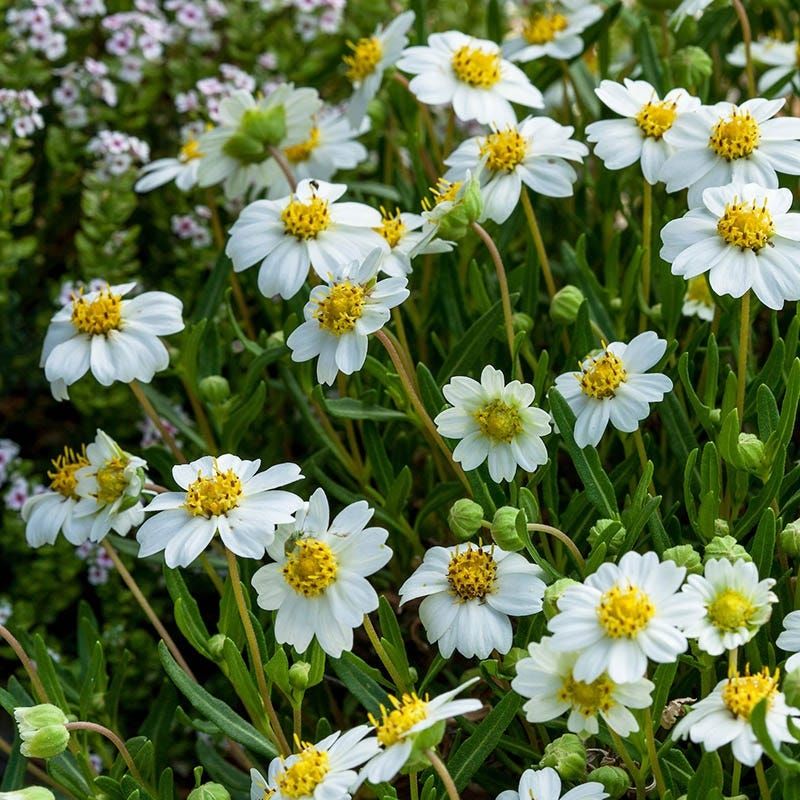
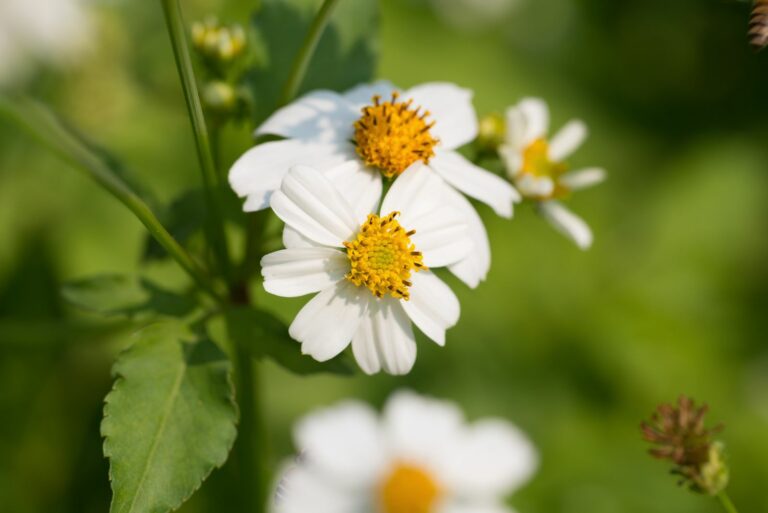
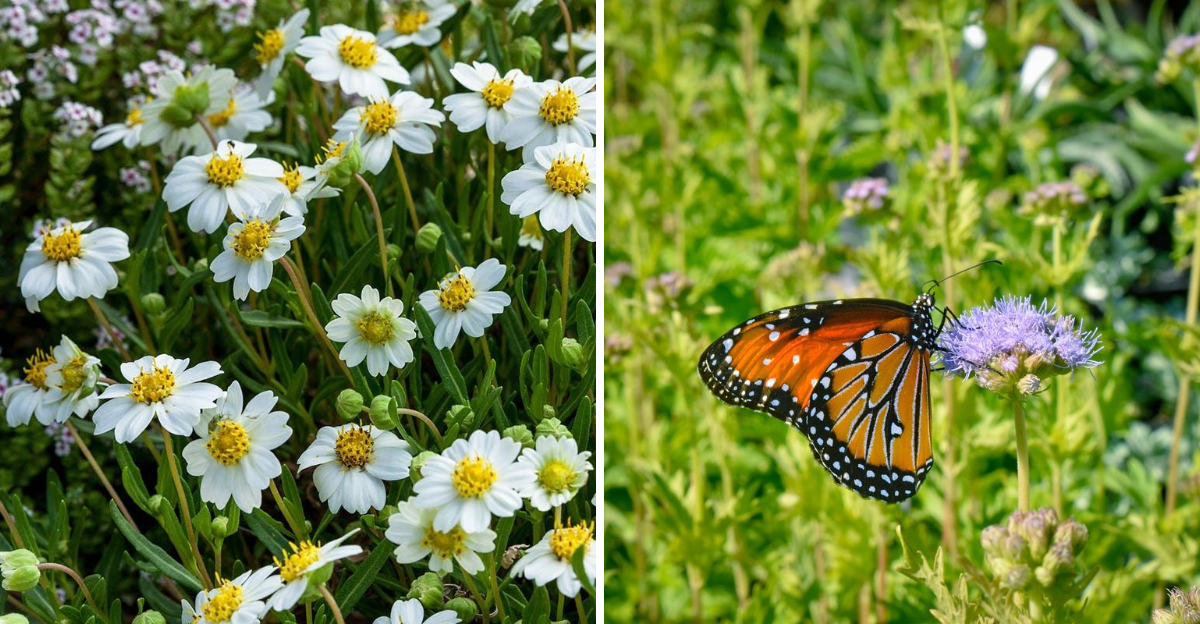
Picture a tidy little mound covered in cheerful white daisies, and you have got the blackfoot daisy. This low-growing native stays neat and blooms almost the entire year in warm Texas climates.
Each flower has bright white petals around a sunny yellow center. On warm days, the blooms give off a faint honey scent that bees find irresistible. It usually has a long bloom period, but winter flowering depends heavily on location.
What makes it so tough is its love of dry, rocky ground. Too much water actually harms it, so this is one plant you can happily ignore. It thrives in poor soil where fancier flowers would give up.
Blackfoot daisy stays small, usually under a foot tall, spreading into a gentle cushion. That makes it perfect for edging paths, filling rock gardens, or tucking between stepping stones.
Full sun is a must. The more sunlight it gets, the more flowers it produces. In shady spots it grows leggy and blooms poorly, so give it the brightest corner of your yard.
Because it is native to Texas and the Southwest, this daisy already knows how to handle local weather swings. Hot afternoons and dry stretches are no problem for this easygoing plant.
A light trim now and then keeps the mound looking full and encourages even more flowers. Otherwise, it asks almost nothing from you.
Texas ardeners who want steady, low-effort color often reach for blackfoot daisy first. It rewards a little neglect with buckets of tiny white blooms, making it one of the most dependable perennials in the whole state.
4. Rock Rose
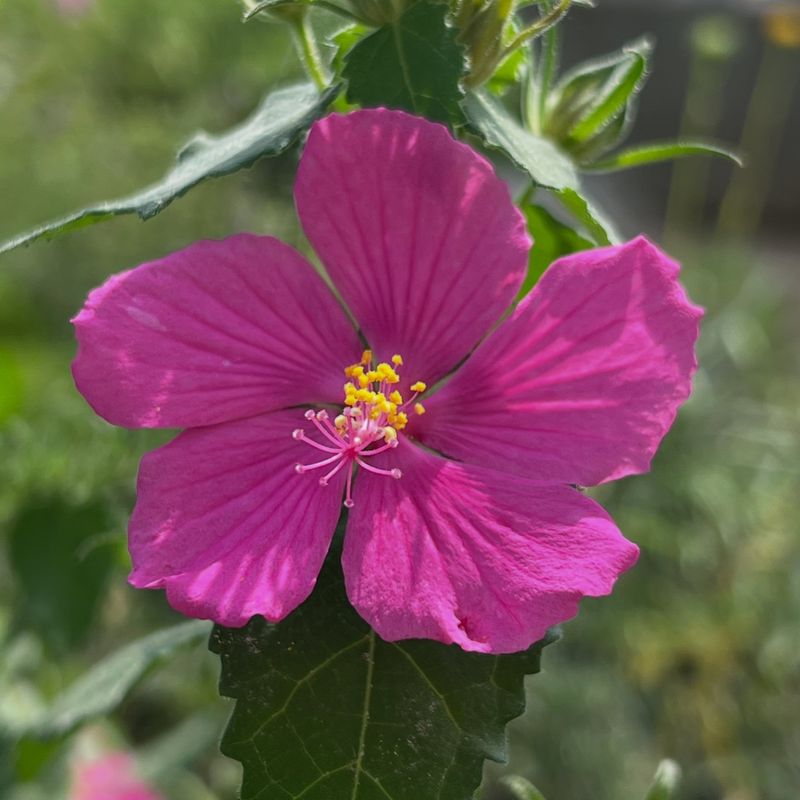
Delicate pink flowers that look like tiny hibiscus blossoms make rock rose a charmer in any garden. Each bloom opens fresh in the morning and closes by afternoon, but the plant keeps making new ones day after day.
This Texas native flowers from spring straight through fall. The soft pink color adds a gentle touch to beds filled with bolder reds and oranges. Bees and small butterflies love the steady supply of blossoms.
Rock rose handles heat and drought with ease. Once its roots take hold, it needs little water and does not mind poor, rocky soil. That toughness hides behind its dainty appearance.
The plant grows into a loose, airy shrub two to four feet tall. It can look a bit wild if left alone, so a trim keeps it bushier and covered with more flowers. Some gardeners cut it back hard in late winter for a fresh start.
Sunlight brings out the best blooming, though rock rose tolerates a bit of afternoon shade in the hottest areas. Just give it good drainage and it will settle in quickly.
Here is a neat surprise: rock rose reseeds itself gently, so you may find new little plants popping up nearby. These volunteers are easy to move or share with friends.
Because it stays productive through the worst of summer, rock rose fills the gap when many flowers fade. Its quiet beauty and reliable blooming make it a favorite for cottage-style Texas gardens.
For soft color and easy care, this native shrub deserves a spot in your flower bed year after year.
5. Gregg’s Mistflower
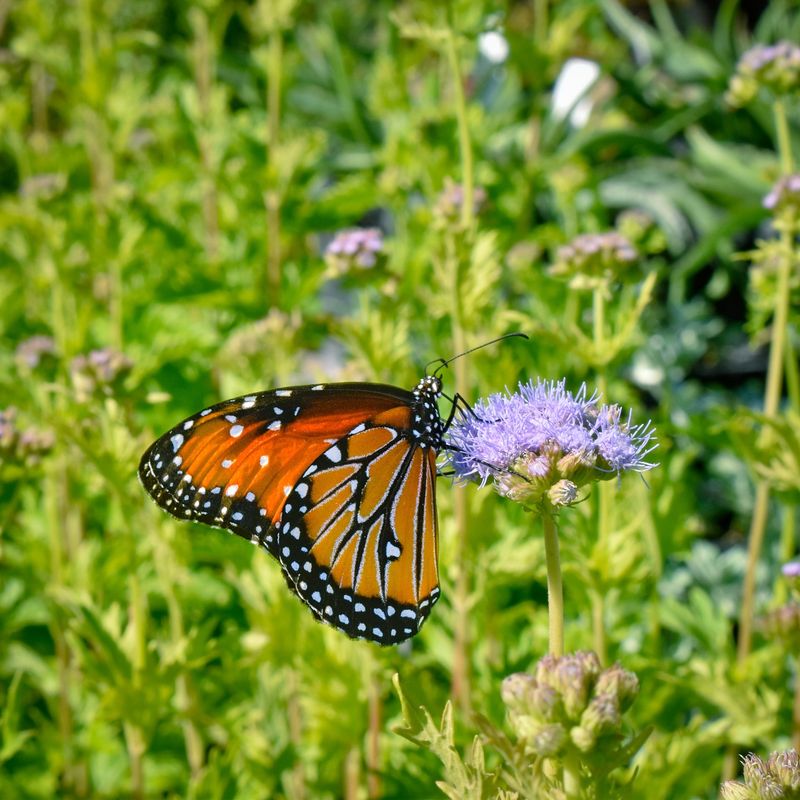
Watch a patch of Gregg’s mistflower in bloom and you might see it covered head to toe in butterflies. Queen and monarch butterflies find these fuzzy blue-purple flowers absolutely magnetic.
The blooms look like soft powder puffs and appear in big clusters from spring through fall. Their unusual color stands out among the reds and yellows common in Texas gardens. Few plants pull in pollinators the way this one does.
Gregg’s mistflower spreads by underground roots, forming a low carpet about one to two feet tall. That spreading habit fills empty spaces fast, though you may need to pull back the edges to keep it in bounds.
Heat and dry spells barely faze it. Native to Texas and northern Mexico, it is used to rough conditions and asks for little water once established.
Full sun to part shade both work fine. To keep the flower show going, a light trim after a bloom cycle encourages fresh buds. Otherwise, this plant mostly takes care of itself.
Texas gardeners often plant it specifically to create a butterfly hotspot. During fall migration, the flowers can look like they are alive with fluttering wings, which is a sight worth planting for.
It pairs beautifully with orange lantana or yellow daisies, since the cool purple blooms make warm colors pop even more. Together they turn a plain bed into a pollinator paradise.
If you want to bring more butterflies to your yard while enjoying months of soft blue color, Gregg’s mistflower is one of the best choices in the entire Texas plant lineup.
6. Turk’s Cap
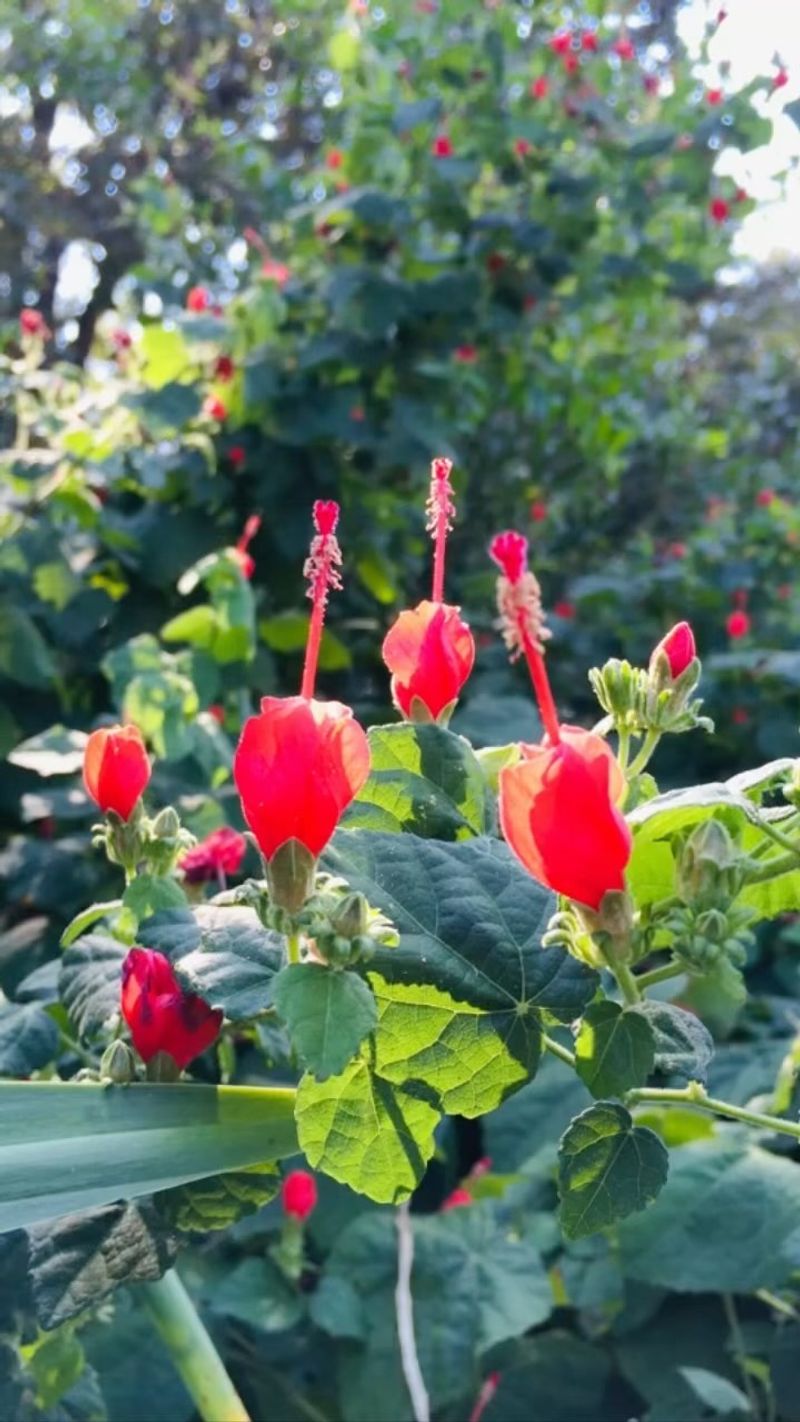
Shady corners often frustrate Texas gardeners, but Turk’s cap turns those tricky spots into bright displays. Its quirky red flowers look like little turbans that never fully open, which gives the plant its fun name.
Blooming runs from late spring through fall, and sometimes even later in mild areas. Hummingbirds zip between the swirled red blossoms, and butterflies stop by too.
Later, small red fruits appear that birds enjoy. What sets Turk’s cap apart is its love of shade. While most bloomers demand full sun, this native happily flowers under trees and along shady fences.
It also grows fine in sunnier spots if you water a bit more. The plant forms a large, leafy shrub that can reach several feet tall and wide. Its big soft leaves add a lush, tropical feel to the garden even between blooms.
Drought does not scare it, and cold winters simply send it back to the roots before it returns in spring. This makes it a dependable comeback plant year after year.
Care is refreshingly relaxed. Cut it back in late winter, give it occasional water, and let it do its thing. It rarely suffers from pests.
Here is a tasty tidbit: the red fruits are edible and taste a little like apple, and both the flowers and fruit have long been used in teas and jellies.
For a shady bed that still bursts with color and wildlife, Turk’s cap solves a common Texas problem with style. It proves that shade gardens can be just as lively as sunny ones.
7. Four-Nerve Daisy
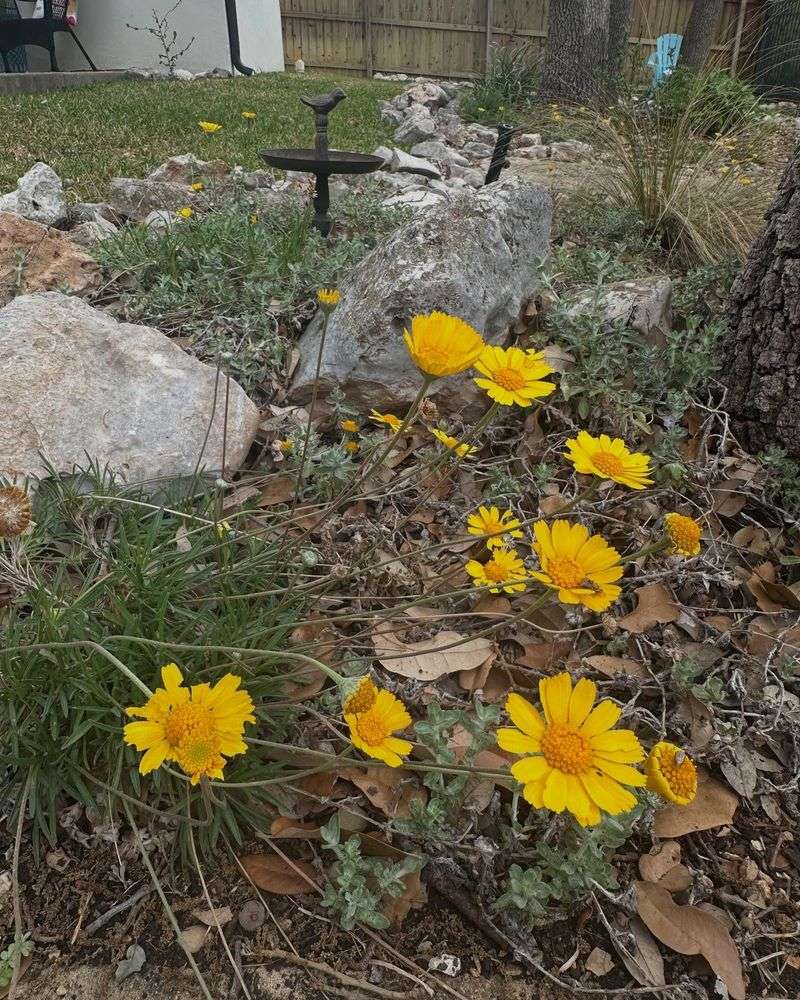
Some plants seem to bloom no matter what the calendar says, and four-nerve daisy is one of them. This cheerful little native can flower nearly every month of the year in warmer parts of Texas.
Bright yellow blooms sit atop thin, wiry stems that rise above a tuft of silvery green leaves. The flowers sway in the breeze and add a bright pop wherever they grow. Bees visit them eagerly.
Toughness is this plant’s middle name. It grows naturally on dry, rocky hillsides, so heat, drought, and poor soil do not slow it down. Overwatering is the single most important thing to avoid.
It stays compact, forming a neat little clump under a foot tall. That small size makes it ideal for rock gardens, borders, or containers where you want steady color without much bulk.
Full sun brings out the most flowers. Plant it in the brightest spot you have, give it good drainage, and it will reward you with blooms for months on end.
Snipping off faded flowers keeps the plant looking fresh and encourages even more buds. It is a quick chore that pays off with extra color.
Because it is so drought-friendly, four-nerve daisy fits perfectly into water-wise landscapes. Gardeners trying to save water while keeping their yards colorful often lean on this reliable bloomer. This stunning plant delivers a long, generous flowering season.
For nonstop yellow cheer with almost no effort, four-nerve daisy rounds out this list as a small but mighty Texas favorite that keeps giving all year.