Why Waiting One More Week Could Affect Your Connecticut Garlic Harvest
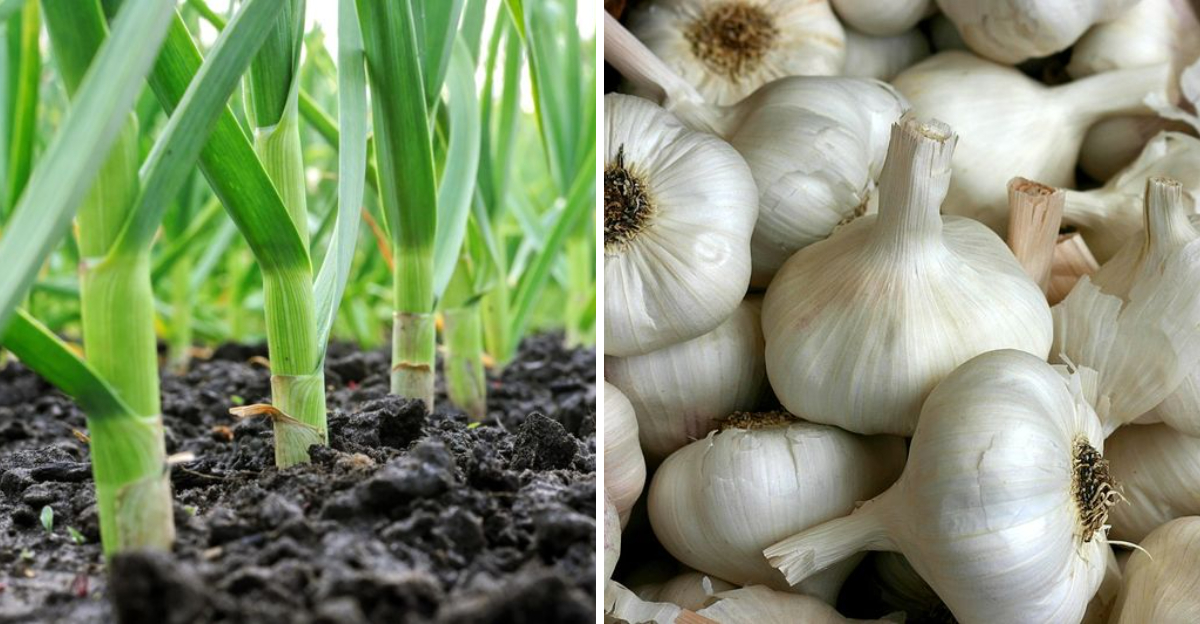
Your garlic is approaching its harvest window right now. Garlic bulbs are moving toward a decision point. Connecticut heat speeds that process faster than you expect.
You planted those small cloves back in autumn, trusting the bitter cold completely. Winter tested them, and they made it through without complaint. Now warmth pushes each bulb toward its final growth stage.
Timing now decides whether you harvest treasure or something disappointing. Wait a week too long and wrappers split apart.
Pull too soon and cloves stay small, mild, and unfinished. Every Connecticut garden faces this identical narrow window.
Signs appear long before real trouble reaches your entire crop. Leaves yellow, stems soften, and bulbs demand your attention. Knowing exactly when to dig separates success from complete, total letdown.
Delays can affect bulb quality once that narrow window starts closing. Your harvest timing matters more than most gardeners realize.
1. The Scapes Are Telling You Something Right Now
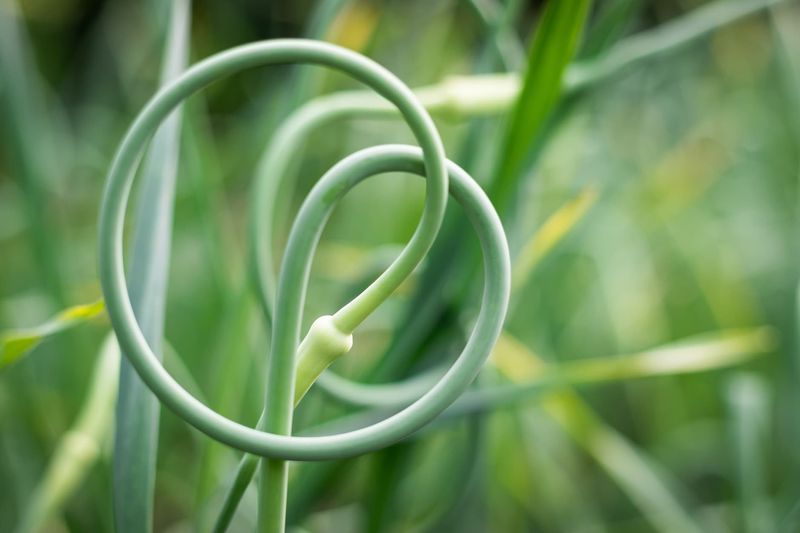
Those curly green shoots twisting up from your hardneck garlic plants are not just pretty garden decorations. They are scapes, and they are one of nature’s clearest countdown timers for harvest season.
When scapes make a full curl, your garlic is roughly two to three weeks from being ready to pull. Most Connecticut growers clip scapes early to redirect the plant’s energy into bulb development. That is a smart move.
But the moment those scapes appear, you should also start marking your calendar and watching the lower leaves closely.
Each leaf on a garlic plant corresponds to one wrapper layer around the bulb. As lower leaves turn yellow and dry out, those wrappers are breaking down underground.
Waiting too long after scapes curl means you may lose the protective outer layers that keep bulbs fresh in storage.
Scapes also taste amazing sauteed or blended into pesto, so harvesting them early is a two-for-one win. You get a delicious early-summer treat and give your bulbs a better shot at reaching their full size.
Pay attention to what your plants are showing you right now, because this signal does not last long.
Connecticut summers can turn hot and humid quickly, especially in July. That warmth speeds up the process considerably.
If you see scapes and do nothing, the harvest window narrows faster than you might expect in our regional climate.
2. Counting Leaves The Right Way Improves Harvest Accuracy
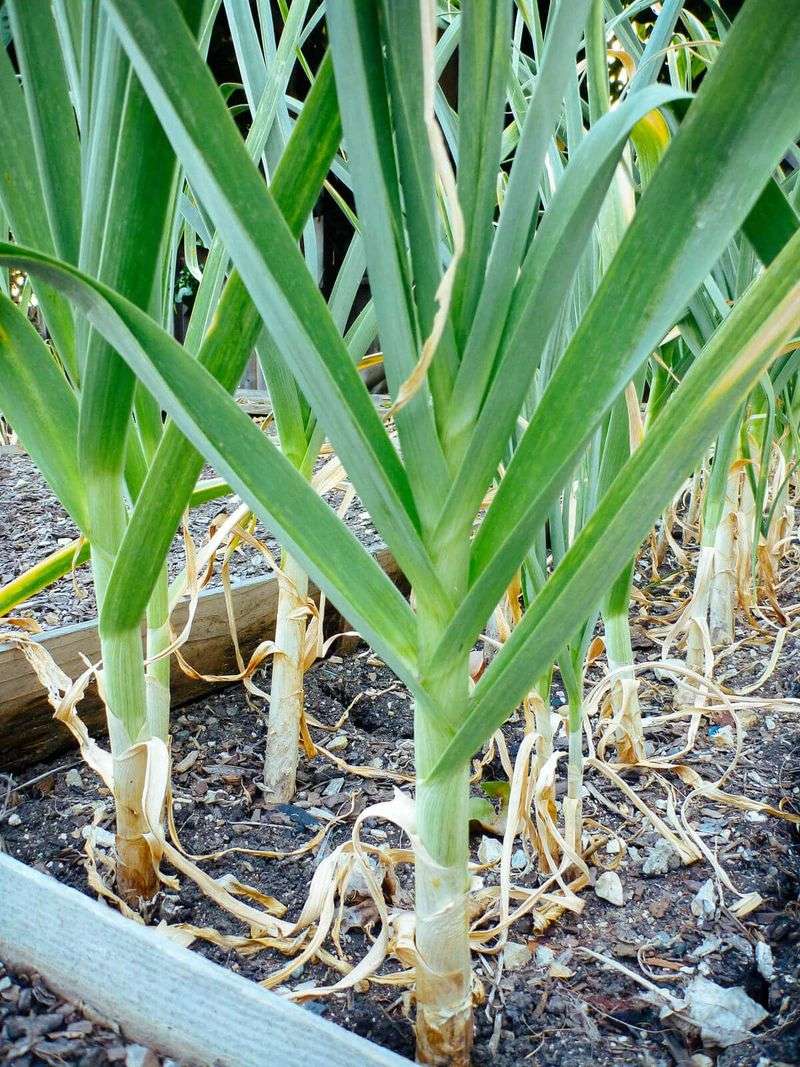
Here is a trick that experienced garlic growers swear by, and it is simpler than most people think. Count the green leaves still standing on your garlic plant. Each green leaf represents one intact papery wrapper still hugging your bulb underground.
You want to harvest when you have roughly five to six green leaves remaining on hardneck varieties. That gives your bulb enough protective layers to cure properly and store well through fall and winter.
Pull too early and the bulb is underdeveloped. Wait too long and those wrappers disintegrate, leaving your garlic exposed and prone to mold.
In Connecticut, most hardneck varieties hit this sweet spot somewhere between late June and mid-July, depending on when you planted and how the winter played out. A mild winter or early spring warmth can push that window up by a week or more.
Your Connecticut Garden Changes Every Week. Your Plan Should Too.
Gardening in Connecticut changes quickly throughout the season. Every Friday you’ll receive a simple weekly plan showing exactly what to plant, prune, fertilize, harvest, and protect so you never miss the right timing.
Walk your rows every few days once you notice the lower two or three leaves turning brown and papery. That color change is your signal to start checking soil moisture and preparing your harvest tools.
Do not wait for a full half of the plant to go yellow before acting. Garlic does not send you a text message when it is ready. It sends you leaves.
Learning to read them accurately is the single best skill you can develop as a Connecticut garlic grower, and it costs you nothing but a few minutes of observation each week during peak season.
3. Connecticut’s July Humidity Is Not Your Bulb’s Friend
Connecticut summers have a reputation for being sticky, and that humidity is genuinely rough on garlic left in the ground past its prime.
Once the soil stays consistently warm and moist, conditions underground become a playground for fungal issues and soft rot. A bulb that looked perfect one week can turn mushy the next.
Botrytis and white rot are two of the more common problems Connecticut growers encounter when harvest gets delayed.
These pathogens thrive in warm, wet conditions, and they spread fast once they get a foothold in your bed. You may not see any warning signs above ground until it is too late to save the bulbs.
Raised beds with good drainage help, but they are not foolproof during a wet July. Even well-amended soil holds enough moisture to cause problems when temperatures climb and humidity lingers for days at a time.
The safest strategy is to get your bulbs out of the ground before the heat really sets in. Timing your harvest before a stretch of dry, sunny days also makes the curing process much smoother.
Freshly pulled garlic needs airflow and low humidity to develop that firm, papery skin we all want. Starting the cure during a humid week just adds another layer of challenge to an already time-sensitive process.
Think of July humidity as a ticking clock running parallel to the one your plants are already showing you. When both clocks align against you, the harvest window shrinks fast in our corner of New England.
4. Soil Temperature Underground Matters More Than The Air Above
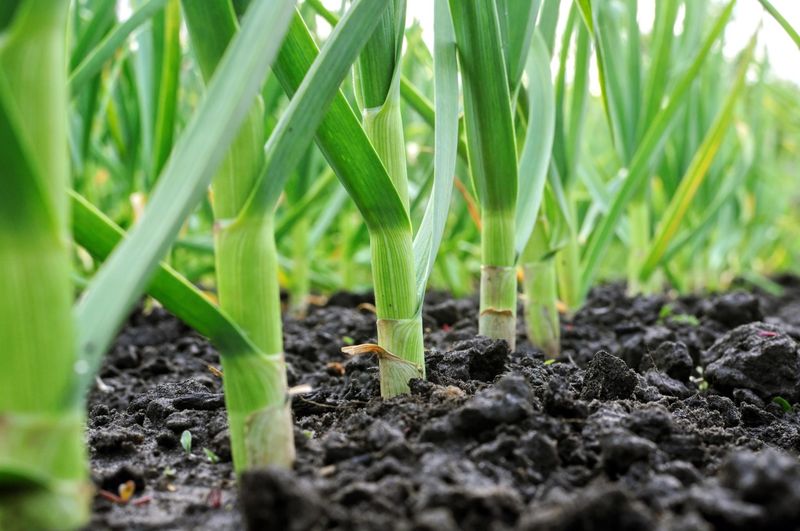
Most gardeners check the weather app and assume they know what is happening in their garden. But the real story for garlic is unfolding about six inches below the surface, where soil temperature tells a much more accurate tale.
Once soil stays consistently warm through peak summer heat, garlic bulbs are more likely to lose their protective wrappers.
Connecticut soil can warm up surprisingly fast in June and July, especially in raised beds or dark-mulched rows that absorb heat efficiently.
A week of temperatures in the upper 80s above ground can translate to soil temps well above the comfort zone for stored garlic. Once soil temperatures rise significantly, bulb quality can drop quickly.
Investing in a simple soil thermometer is one of the smartest moves a garlic grower can make. Check the temperature at planting depth every few days once you are approaching your expected harvest window.
That data gives you a concrete reason to act rather than guessing based on calendar dates alone.
Garlic grown in Connecticut’s river valley areas or low-lying spots may warm up faster than gardens on hillsides with better air circulation. Your neighbor’s harvest timing might not match yours at all, even if you planted the same variety on the same day last fall.
Knowing your soil temperature also helps you plan curing conditions. Pulling bulbs when the soil is very warm means they need immediate shade and airflow to stop the internal breakdown process. A soil thermometer pays for itself the first season you use it.
5. Splitting Bulbs Are A Sign You Already Waited Too Long
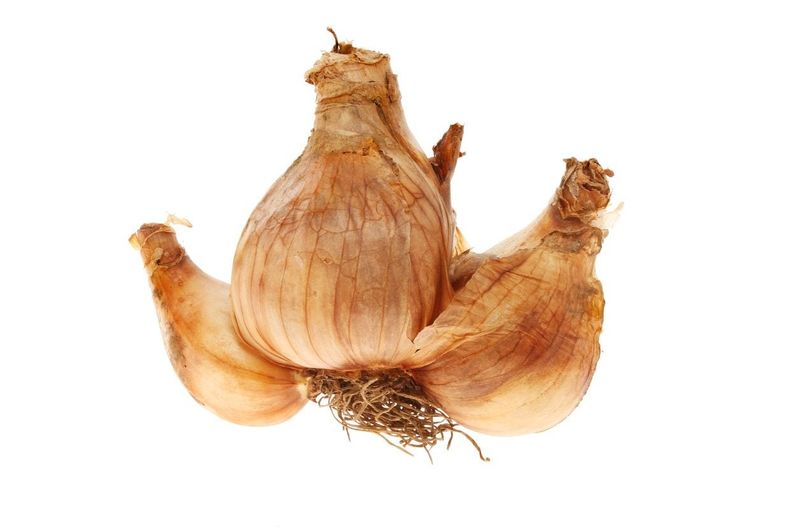
Pull back the soil around a few of your garlic plants and take a peek at what is happening. If you see cloves pushing through the outer skin or the bulb looking like it is trying to escape its own wrapper, that is a sign the harvest window has passed.
Splitting happens when the plant keeps growing after the bulb has reached its maximum size. Once cloves split through the outer layers, each clove is essentially exposed to soil, moisture, and pathogens.
The bulb loses its ability to store well, and the cloves themselves may begin to develop their own roots, pulling energy away from the tissue you actually want to eat. A split bulb is not a total loss, but its quality and storage life are reduced.
Checking a few plants early, before you do a full harvest, is always a wise strategy. Pull two or three bulbs from different spots in your row and examine them closely. If any are splitting, harvest everything that same day rather than delaying any further.
Variety matters here too. Softneck varieties tend to hold together a bit longer than hardnecks, which is part of why they dominate commercial storage operations.
But in Connecticut gardens, most growers favor hardneck types like Rocambole or Purple Stripe, which are more sensitive to timing and more prone to splitting when left in warm ground. A split bulb is a clear signal that harvest is already overdue. Pay attention to it.
6. Curing Takes Time You Have To Plan For
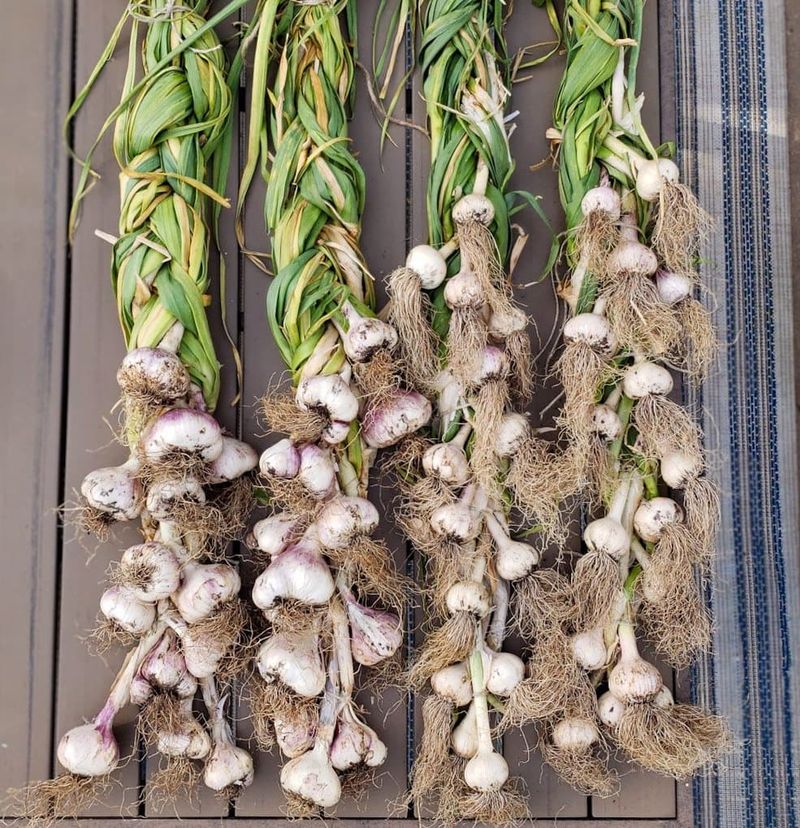
Harvesting garlic is only the beginning of the process. What happens in the weeks after pulling is just as important as the timing of the pull itself.
Curing is the drying period that allows garlic to develop its firm, papery skin and reach the flavor complexity that makes homegrown garlic so much better than store-bought.
In Connecticut, most growers cure their garlic for three to four weeks in a shaded, well-ventilated space. A barn, garage, or covered porch with good airflow works well.
The goal is warm temperatures, low humidity, and consistent air movement across the bulbs as they dry down.
If you wait too long to harvest and then hit a stretch of humid July weather during your cure, you are stacking problems on top of each other.
Garlic that enters the cure with compromised wrappers is far more likely to develop mold during that three-to-four-week window. The cure cannot fully compensate for a delayed or poorly timed harvest.
Bundling garlic in small groups of eight to ten plants and hanging them upside down is a classic and effective method.
Some growers lay them flat on mesh screens to maximize airflow around each bulb. Either approach works as long as the space stays dry and the air keeps moving.
Planning your harvest date backward from your ideal curing conditions gives you a realistic target. If you know August brings reliably dry weather in your area, aim to pull bulbs in late June or early July so the cure lines up with those better conditions.
7. Variety Timing Differences Require Extra Attention From Connecticut Growers
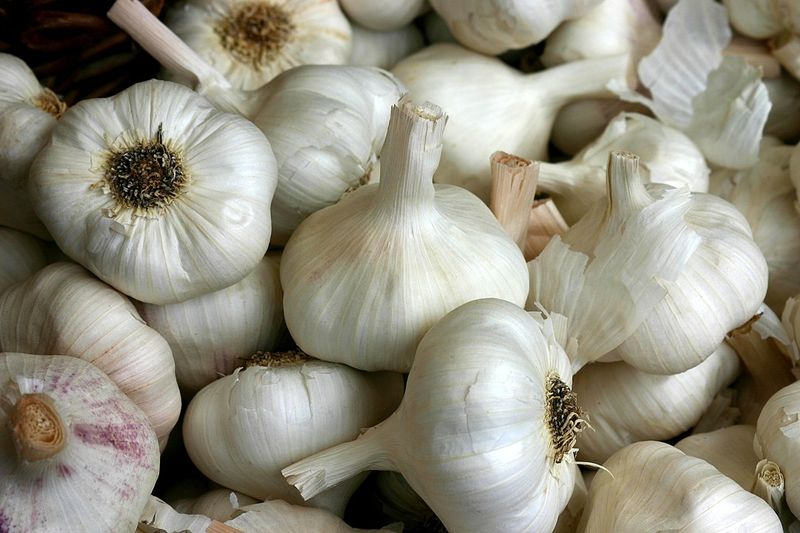
Not all garlic is on the same schedule, and mixing varieties in one garden bed without tracking them separately can lead to inconsistent harvest timing.
Rocambole types, beloved by Connecticut growers for their rich flavor, tend to be ready a week or two earlier than Purple Stripe or Porcelain varieties. That gap matters more than most people realize.
Planting multiple varieties is a smart move for flavor diversity and harvest spread, but it requires you to label your rows carefully and monitor each type independently.
A Rocambole left in the ground while you wait for your Porcelain to finish can go from perfect to over-ripe in the span of a single warm week.
Keep a simple garden journal with planting dates, variety names, and notes on when scapes appeared.
Cross-referencing those notes with your leaf count observations gives you a surprisingly accurate harvest prediction for each variety. It sounds like extra work, but it takes less than five minutes per week during the growing season.
Local seed garlic suppliers in Connecticut often post harvest timing guides based on regional planting dates and recent weather patterns. Checking in with those resources in late spring gives you a useful baseline to compare against what you are seeing in your own rows.
Regional garlic festivals and grower groups are also excellent sources of real-time advice from people who grow in similar soil and climate conditions in Connecticut.
8. A Curious Native Plant Worth Knowing
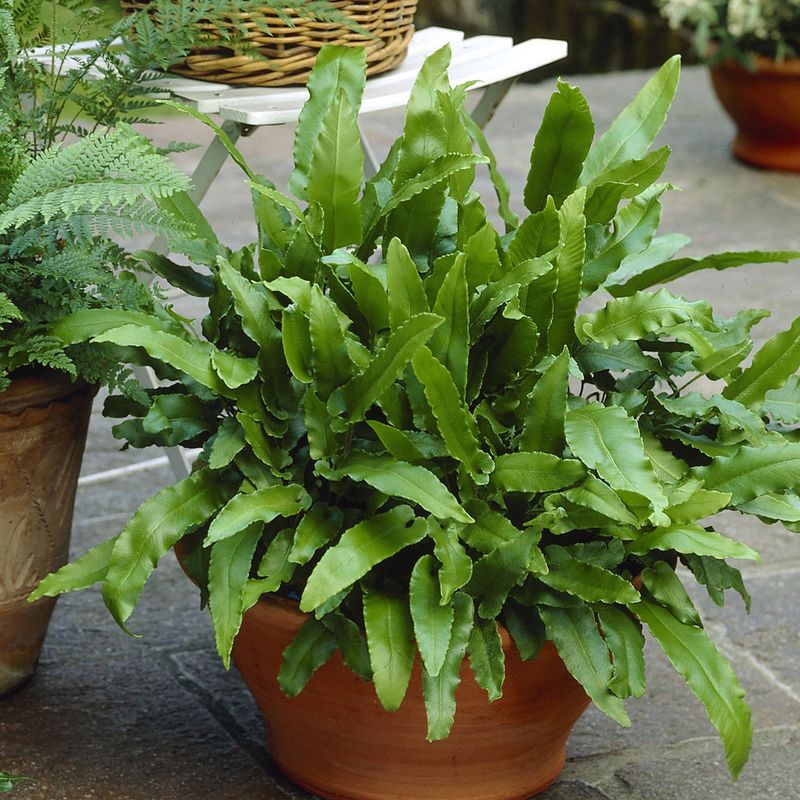
You might be wondering what a fern has to do with your garlic harvest, and that is a fair question. The American Hart’s-Tongue Fern is a rare native fern found in scattered pockets of the northeastern United States, including parts of Connecticut.
This fern thrives in the same shaded, well-drained spaces that make ideal garlic curing locations. Hart’s-Tongue Fern is a striking plant with long, strap-shaped fronds that stay glossy and green through much of the year.
It loves the kind of humid woodland conditions that Connecticut naturally provides, particularly near limestone outcroppings or shaded stone walls.
Interestingly, those same shaded spots with good air movement are where many experienced growers hang their garlic bundles to cure.
Using native plants as environmental indicators is an old gardening practice that deserves a comeback. Hart’s-Tongue Fern in particular is a sensitive species that responds noticeably to changes in moisture, light, and air movement.
Paying attention to it costs nothing and adds a layer of ecological awareness to your garden management. Growing Hart’s-Tongue Fern alongside garlic is not a pairing anyone writes about often.
But in a Connecticut garden, both plants teach you to read your environment more carefully, and that skill benefits every crop you grow.