What It Means When Your Connecticut Garden’s Chipmunk Disappears
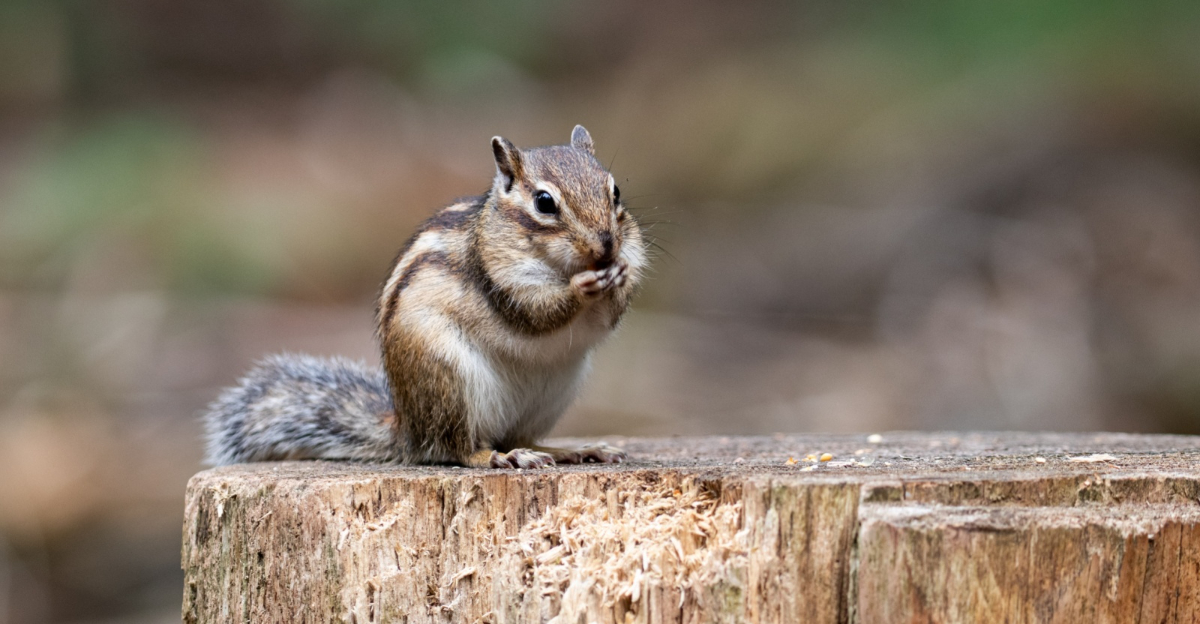
Silence where your chipmunk once scratched now feels wrong. Your Connecticut garden hasn’t given you a single clue.
Empty ground can mean hibernation, or it threatens you. Predators move through Connecticut yards faster than you realize.
Weather shifts alone can push your chipmunk underground fast. Disease, drought, and construction noise often threaten you nearby.
Timing matters more than your instinct tells you now. October departures feel different to you than summer disappearances.
Territory disputes push weaker chipmunks toward ground you rarely see. Cats, hawks, and foxes hunt near you effectively.
Neighbors nearby report disappearances after construction shook your street. Soil moisture swings alone can push chipmunks from your beds.
Every missing chipmunk tells you a story worth decoding. Guessing wastes time you cannot afford to lose right now.
Patterns exist, and spotting them gives you real clarity. Answers exist, and you deserve to know exactly what happened here.
Why Chipmunks Matter To Your Garden Ecosystem
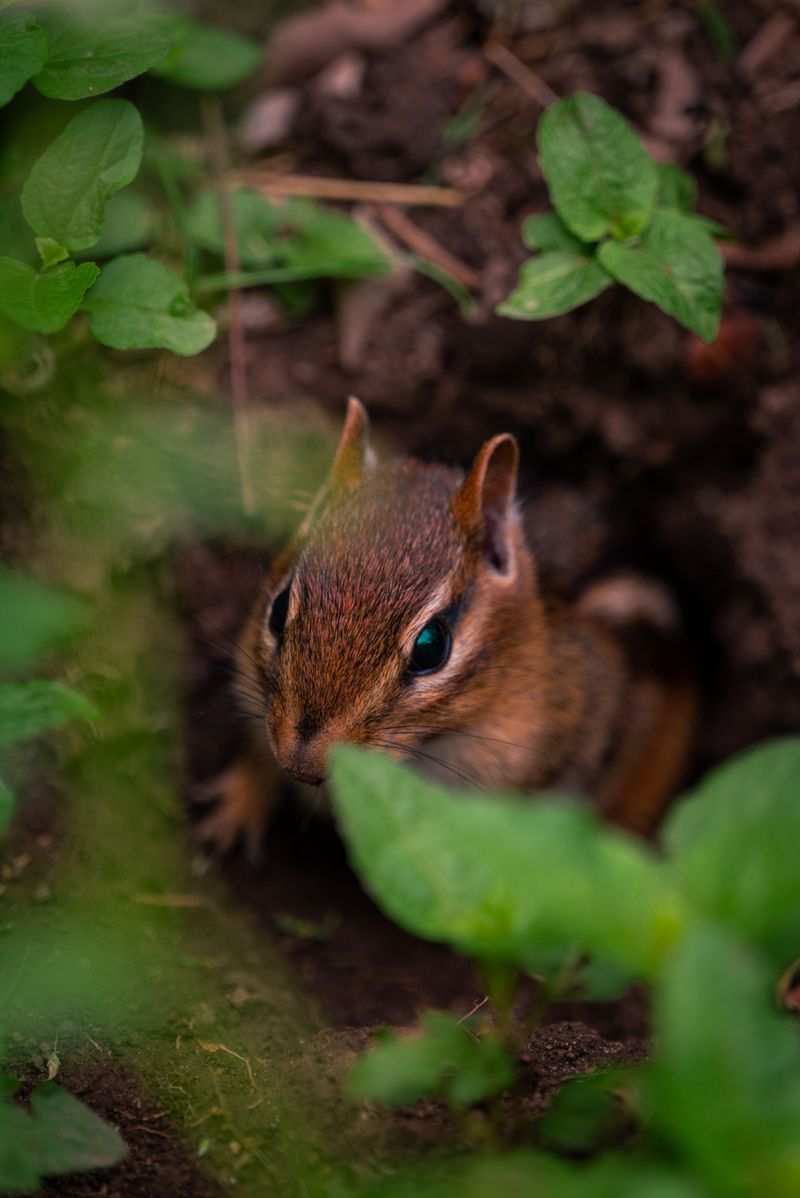
Your garden is basically a tiny economy, and chipmunks are the workers keeping it running. When your Connecticut garden chipmunk disappears, the whole system feels the ripple.
Chipmunks spread seeds as they cache food and forget where they buried it. That accidental planting helps wildflowers, shrubs, and native plants sprout across your yard.
They also loosen soil as they dig, which improves drainage and aeration. Roots grow better in loosened ground, and beneficial insects find it easier to tunnel through.
Chipmunks eat insect larvae, including some garden pests you would rather not see. Fewer chipmunks can mean more grubs and beetles surviving underground through winter.
Fungi also get a boost from chipmunks, since they carry spores on their fur and in their droppings. Mycorrhizal networks, which help trees share nutrients, partially depend on this kind of animal transport.
Predators like hawks, foxes, and snakes target chipmunks effectively. When chipmunks vanish, those hunters shift their focus to other garden creatures you might prefer to protect.
Birdwatchers in New England have noticed that hawk activity near feeders drops when chipmunk populations thin out. The whole food web adjusts, sometimes in ways that surprise even experienced gardeners.
Respecting chipmunks as ecosystem contributors changes how you see their absence. That empty stone wall is not just quiet; it is a signal worth reading carefully.
Natural Seasonal Behavior And Hibernation Patterns
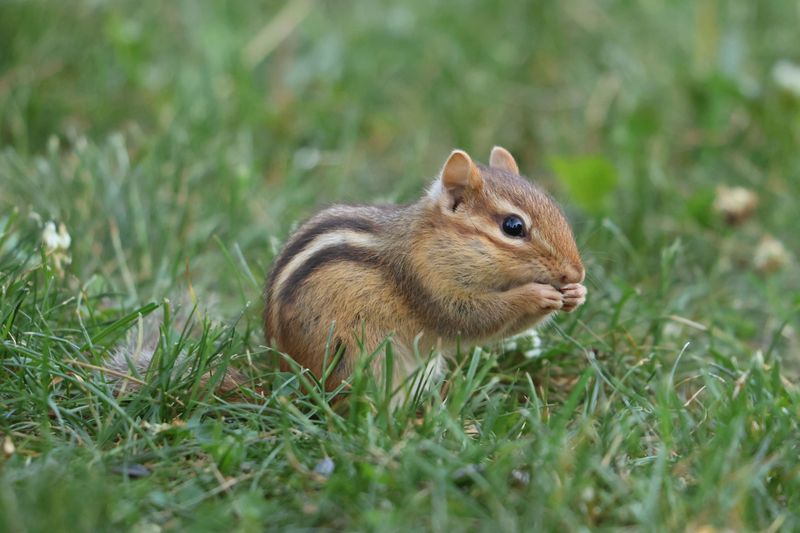
Chipmunks do not truly hibernate the way bears do, but they come close enough to fool most gardeners. Around October, eastern chipmunks retreat underground and spend months in a torpor-like state.
During this time, they wake occasionally to nibble from their food cache but rarely surface. If your chipmunk vanished in late fall, seasonal torpor is the most likely explanation.
The trigger is falling temperature and shorter daylight hours. Once conditions drop below a certain threshold, the chipmunk simply heads underground and stays there.
They typically emerge in late February or early March in southern New England. Colder areas near the Berkshires may not see chipmunks resurface until later in spring, depending on snowpack and ground temperature.
Your Connecticut Garden Changes Every Week. Your Plan Should Too.
Gardening in Connecticut changes quickly throughout the season. Every Friday you’ll receive a simple weekly plan showing exactly what to plant, prune, fertilize, harvest, and protect so you never miss the right timing.
Young chipmunks born in late summer sometimes disappear before older ones do. They spend extra time stocking their burrows because they have had less time to prepare than adults.
A chipmunk may also go semi-dormant during a sudden cold snap even in early fall. Gardeners sometimes mistake this brief disappearance for something more serious when it is just a weather response.
Checking your calendar before panicking is always a smart first move. If it is between October and March, the answer is probably seasonal biology, not a problem.
Patience pays off here, because that familiar chitter-chatter will likely return with the crocuses. Your Connecticut garden chipmunk is probably just waiting out the cold in a cozy underground chamber.
Predators That May Be Reducing Chipmunk Activity
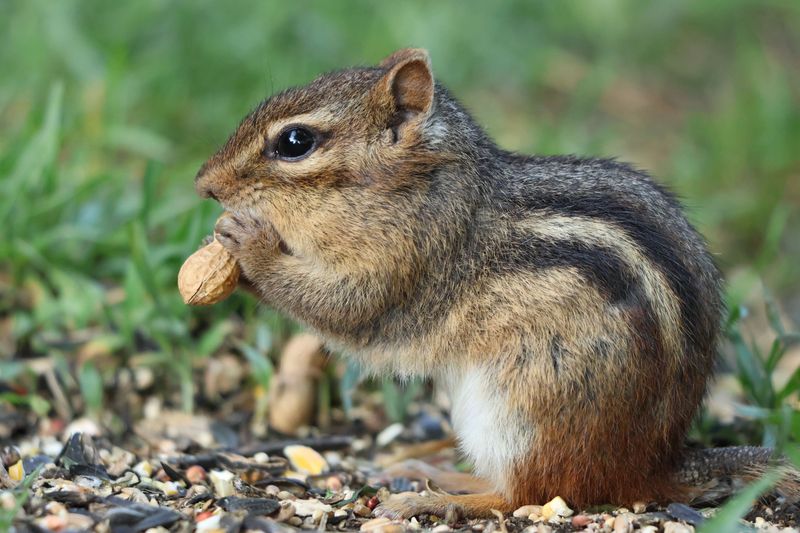
Predator pressure is one of the fastest ways chipmunk activity can drop in a yard. Hawks, foxes, domestic cats, and weasels all target chipmunks effectively.
Red-tailed hawks and Cooper’s hawks are common in Connecticut and patrol suburban yards regularly. A single hunting hawk circling overhead can keep chipmunks underground for days at a time.
Outdoor cats are a major factor that many gardeners overlook. Some studies suggest free-roaming cats may remove significant numbers of small mammals from North American ecosystems each year.
Fox populations in some suburban New England areas have grown in recent decades, though numbers vary by region. A resident fox family near your yard can suppress chipmunk populations noticeably within one season.
Weasels and mink, though less common, are bold enough to follow chipmunks into their burrows. A weasel moving through a neighborhood can clear out multiple burrows in a short stretch of time.
Snakes like the eastern ratsnake also raid chipmunk tunnels, especially in late summer. Gardeners in wooded areas near rocky outcroppings should expect occasional snake-related disappearances.
The good news is that predator pressure is usually temporary. Once a hawk moves on or a fox shifts territory, chipmunks tend to reappear within a week or two.
Watch for feathers, fur, or half-eaten seeds near your stone walls as clues. Those small signs can tell you a great deal about what is happening in your garden’s food chain.
Habitat Changes Driving Chipmunks Away
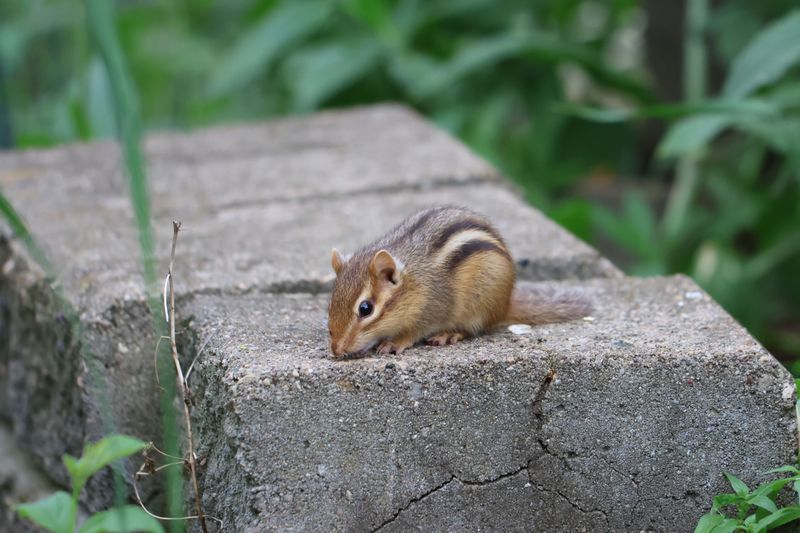
Chipmunks are creatures of habit, and they stick to spots that feel safe and familiar. When the landscape changes, they often relocate without giving you any notice.
Removing a brush pile, stone wall, or dense shrub can remove the shelter chipmunks depend on. Even well-intentioned garden cleanups can make a yard feel exposed and unsafe to a small rodent.
Construction nearby is another major disruptor. Vibrations from heavy machinery, new fencing, or ground disturbance can stress chipmunks enough to push them into neighboring properties.
Tree removal changes everything for a chipmunk. Fallen logs and root systems serve as natural burrow anchors, and losing even one mature tree can shift where chipmunks feel comfortable living.
New hardscaping like patios or retaining walls can block traditional chipmunk corridors. These animals follow consistent travel paths, and a concrete barrier can redirect or end those routes entirely.
Lawn chemical treatments, particularly broad-spectrum pesticides, affect the insect populations chipmunks rely on for protein. A yard with fewer insects offers less food, which makes it less attractive as a home base.
Mulch type and depth also matter more than most gardeners realize. Thick rubber mulch or deep bark layers can block burrow access and make digging difficult or impossible.
Restoring habitat is often as simple as leaving a brush pile in a corner. Small structural changes can bring chipmunks back surprisingly fast once they sense the space is safe again.
Food Source Shifts In Late Summer And Fall
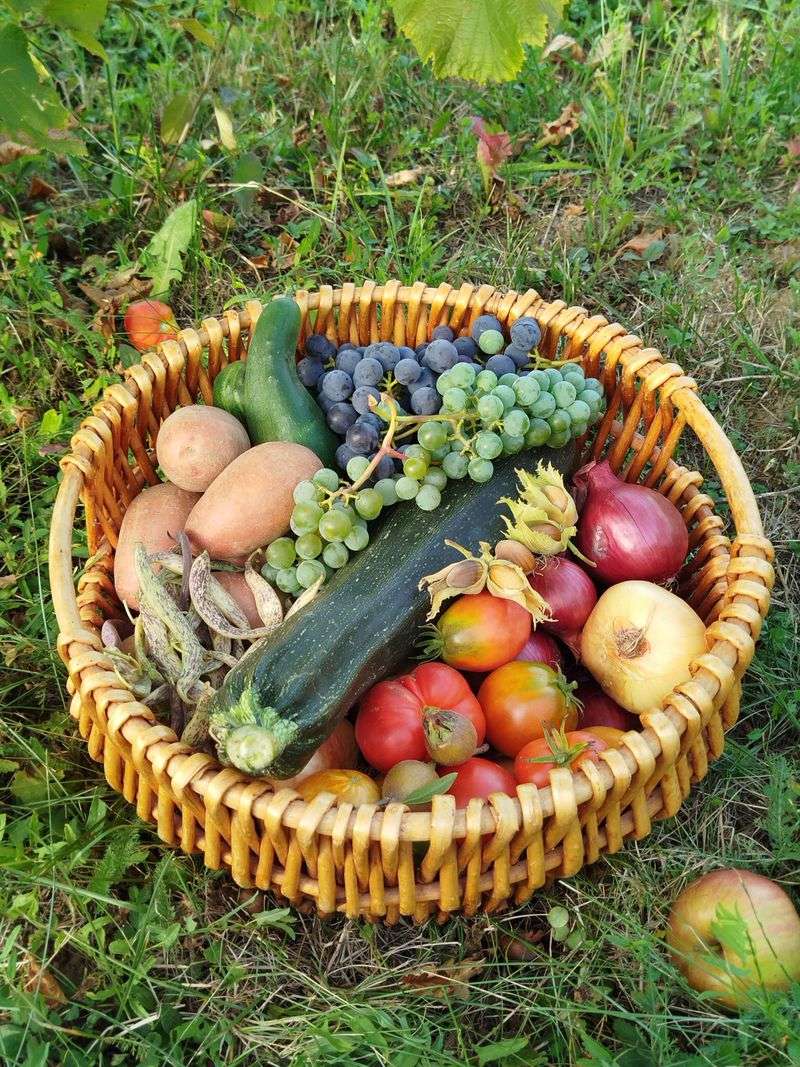
Late summer marks a period of intense foraging, and chipmunk behavior shifts noticeably during this season. They spend nearly every waking hour collecting and caching food before temperatures drop.
This intense foraging phase can make chipmunks seem more active in some yards and completely absent from others. If your yard lacks mast-producing trees like oaks or hickories, chipmunks may simply move toward better food sources.
Acorn crops vary wildly from year to year in New England. A poor mast year means chipmunks travel farther from their burrows to find enough food, and some may not return to your specific garden.
Berries, seeds, and fungi are all on the fall chipmunk menu. Gardens with native plantings tend to hold chipmunks longer because they offer a more diverse and reliable food spread.
Bird feeders can create an interesting dynamic during this period. Chipmunks that relied on sunflower seeds from your feeder all summer may avoid the area if you stop filling it in September.
Native grasses going to seed attract chipmunks in surprising numbers. Gardeners who plant little bluestem or switchgrass often notice more chipmunk activity right through mid-October.
Timing your feeder refills and planting native food sources can help anchor chipmunks to your yard longer. Food is the most powerful tool you have for influencing where they choose to spend their time.
A yard that feeds chipmunks well through fall is a yard they remember when spring returns. That loyalty is worth cultivating.
How To Tell If It’s Temporary Or A Bigger Problem
Not every chipmunk disappearance means something is wrong, but some absences deserve a closer look. Knowing the difference saves you from unnecessary worry or from ignoring a real issue.
Start by checking the season and recent weather. A disappearance in October or November is almost certainly seasonal, while one in June or July warrants more investigation.
Look for burrow entrances near your foundation, stone walls, or garden beds. An active burrow will have a clean, open hole with fresh soil scattered nearby from recent digging activity.
A sealed or collapsed burrow entrance could mean the chipmunk was caught by a predator or relocated. Fresh claw marks or disturbance around the hole can sometimes confirm predator activity.
Listen for alarm calls from nearby chipmunks in adjacent yards. If you can still hear chattering from neighboring properties, the local population is likely intact and your yard may just be temporarily avoided.
Check your garden for changes you may have made recently. New chemicals, removed plants, or altered water features can all affect whether a chipmunk feels comfortable returning.
A prolonged absence spanning multiple weeks during warm weather is worth monitoring. Set up a simple trail camera near the old burrow entrance to check for any nighttime or early morning visits.
Most disappearances resolve themselves within a few weeks when the cause is environmental. Trusting the process while staying observant puts you in the best position to help your garden bounce back.