That Blue-Tailed Lizard In Your Georgia Yard Is Actually Doing You A Favor
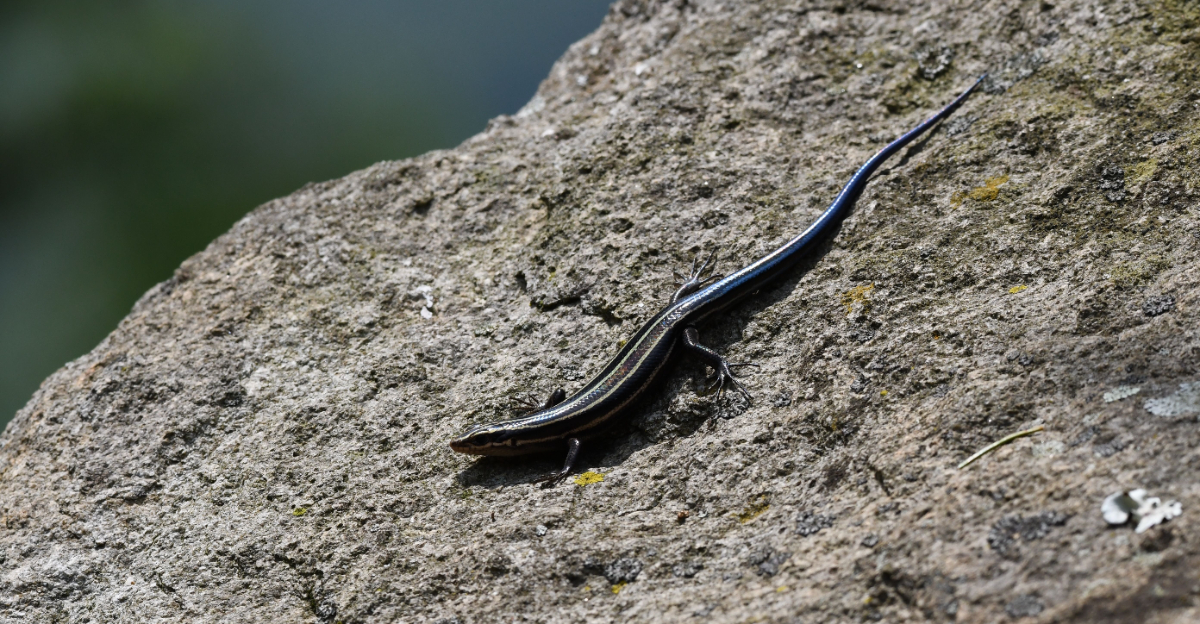
That flash of bright blue near your porch can make you stop and look twice. Once you spot it again, you may realize a small lizard has been quietly hunting around your Georgia yard.
Young five-lined skinks often have vivid blue tails, making them easy to notice as they move through sheltered areas. Their feeding habits make those visits worth welcoming.
These quick reptiles eat insects and other small invertebrates they find while searching through leaf litter and garden spaces. That means they can play a useful role around your landscape.
Give them room rather than disturbing their hiding places.
Logs, rocks, and natural ground cover can provide the shelter they use between hunting trips.
That blue-tailed visitor may be helping your yard more than you realize.
1. Meet The Flash Of Blue Darting Across Your Deck
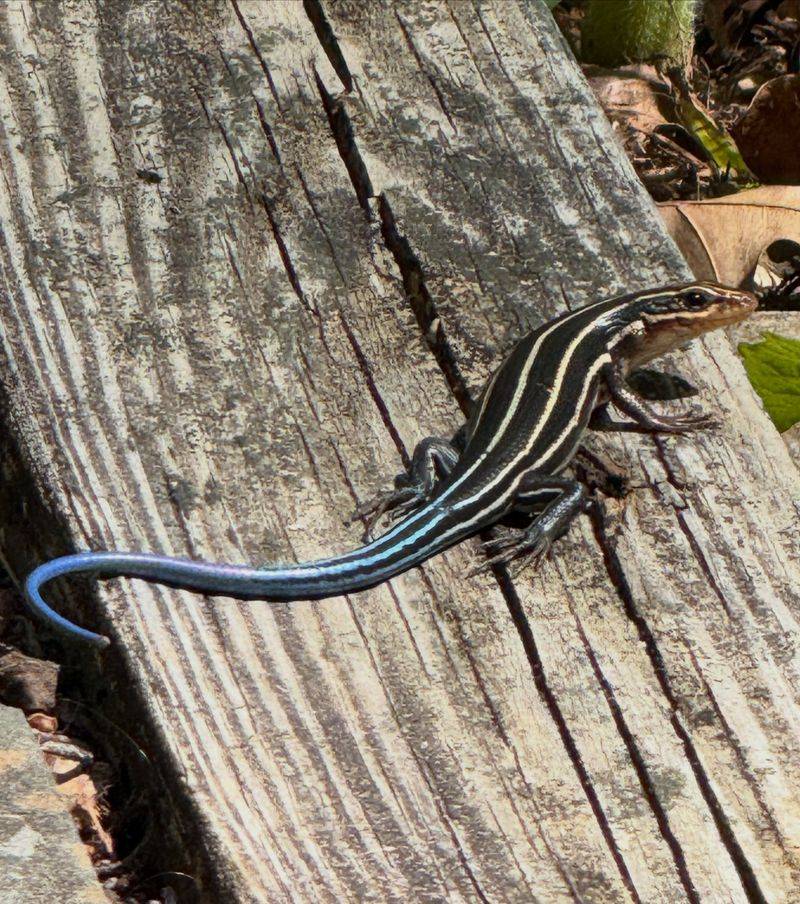
A flicker of turquoise slips between the deck boards, and by the time you turn your head, the visitor has vanished.
Georgia is home to several skink species, and the ones sporting that bright tail are almost certainly juveniles.
Five-lined skinks, southeastern five-lined skinks, and broad-headed skinks all begin life with dark bodies, pale stripes, and a tail the color of pool water.
As they grow, the blue usually fades toward brown or gray and the stripes get harder to see. Adult males often develop a broad orange or reddish head in spring, which confuses plenty of homeowners.
Sorting out the three species takes a close look at the scales, so most folks simply say skink and move on. Broad-headed skinks grow the largest and are the ones you are most likely to spot climbing an oak trunk.
Sightings tend to happen on warm, sunny mornings, because skinks are active during daylight and depend on the sun to warm their bodies. Woodpiles, brick foundations, mulch beds, and shaded porch steps all make appealing hangouts.
Give it a week of paying attention and you will spot the same individuals patrolling the same corners of the yard.
That familiarity changes how you see them. They stop looking like random yard traffic and start looking like tiny residents with a job to do.
2. A Tiny Pest Patrol That Works For Free
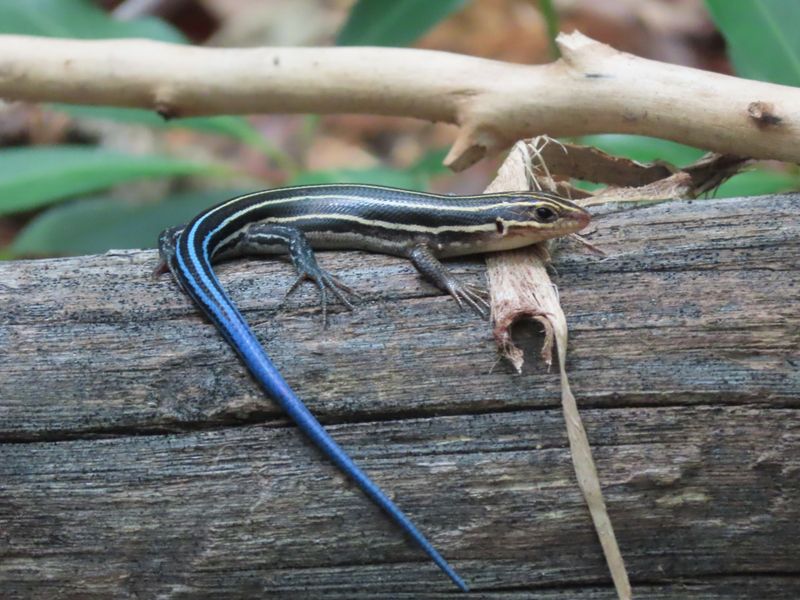
Think of skinks as a very small cleanup crew that clocks in without pay.
Their menu leans heavily on insects and other small invertebrates, including crickets, beetles, grasshoppers, spiders, and soft-bodied larvae. Roaches and snails show up on the list too, depending on what is available.
Because skinks hunt by sight and movement, they spend a lot of time poking through mulch, leaf litter, and cracks in stonework. Those are exactly the damp, shadowy spots where garden pests like to gather.
No single lizard is going to clear out an infestation, and it would be unfair to promise that. Still, a yard with a healthy skink population has an extra layer of natural pressure on bug numbers.
Multiply one skink by the handful that may be living around your foundation and the daily total adds up.
Your Georgia Garden Changes Every Week. Your Plan Should Too.
Gardening in Georgia changes quickly throughout the season. Every Friday you’ll receive a simple weekly plan showing exactly what to plant, prune, fertilize, harvest, and protect so you never miss the right timing.
There is a practical upside for gardeners here. Fewer chemical treatments often means more of these hunters sticking around, which supports the balance you were after in the first place.
If you have been swatting at crickets near the porch light every evening, a resident skink is quietly on your side.
Watch one work sometime. The stop-and-go stalking, the sudden lunge, the quick shake before swallowing – it is better entertainment than most things on television.
Bring a cup of coffee and take a seat on the steps.
3. Why That Tail Can Pop Off And Grow Back
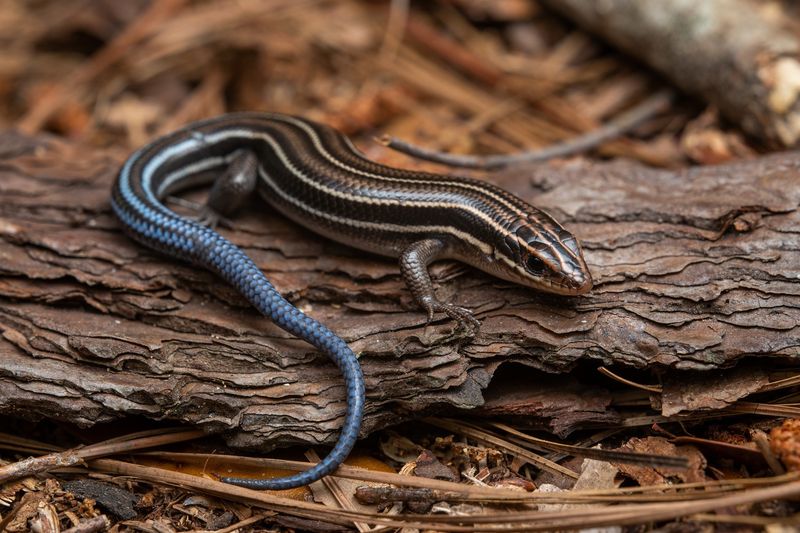
That blue tail is not just decoration, it is a survival strategy.
Predators such as birds and snakes tend to aim for the brightest, most eye-catching part of an animal. The tail draws that first strike away from the head and body.
Skinks can also drop the tail on purpose, a trick biologists call autotomy. The detached piece wriggles and twitches for a while, holding the predator’s attention while the lizard slips under a log.
It looks alarming the first time you see it, especially if a cat is involved. The lizard is not harmed the way you might assume, and the tail grows back over time.
The replacement is usually shorter, often duller in color, and built with cartilage instead of the original bone.
Losing a tail does cost the animal something, since tails store fat and help with balance. That is a good reason to resist grabbing one, even gently.
If you find a squirming tail on the patio with no lizard attached, you have witnessed a successful escape. Leave the tail alone and it will be tidied up by ants or other scavengers soon enough.
Kids find the whole thing fascinating, and it is a great backyard science lesson. Just steer them toward watching rather than catching.
A skink that keeps its tail is a skink better prepared for the rest of the season.
4. The Poison Rumor That Refuses To Retire
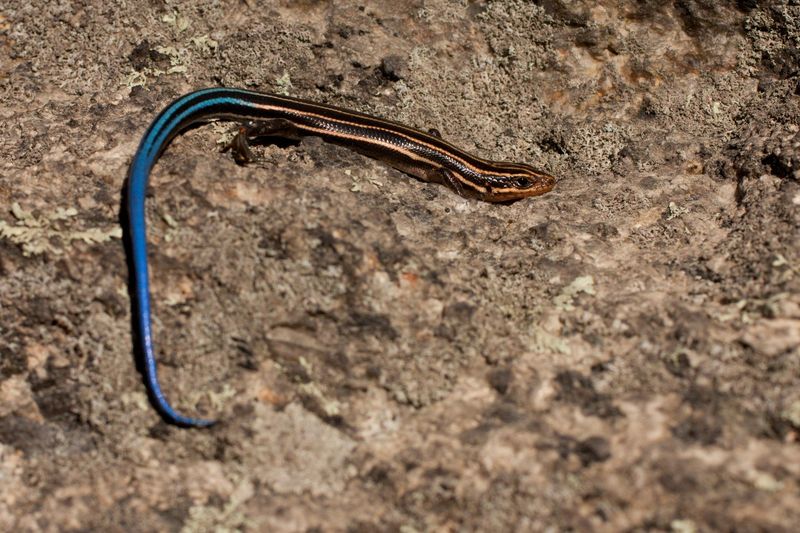
Somewhere along the way, blue-tailed lizards picked up a reputation they never earned.
Ask around in Georgia and someone will tell you the blue tail means poison. It does not.
Skinks in the Southeast are not venomous, and there is no toxin stored in that colorful tail. The bright color is a decoy aimed at predators, not a chemical warning.
Handled roughly, a large broad-headed skink might pinch with its jaws, and that is about the extent of the danger. The bite may startle you, though it rarely breaks skin.
Like most reptiles, skinks can carry salmonella bacteria on their skin. That is the real reason to wash your hands after any contact, and to keep hands away from your face in the meantime.
Cats and dogs sometimes chase them, which worries pet owners who have heard the poison story. If your pet swallows one and seems off afterward, call your veterinarian rather than relying on internet rumors.
Parasites, not venom, are the usual concern with any wild prey.
Setting the myth aside makes coexisting a lot easier. Instead of reaching for a broom when one darts across the patio, you can simply let it pass.
The lizard has no interest in you beyond making sure you are not something with an appetite. Give it space and it will go right back to hunting.
5. A Living Clue About Your Yard’s Health
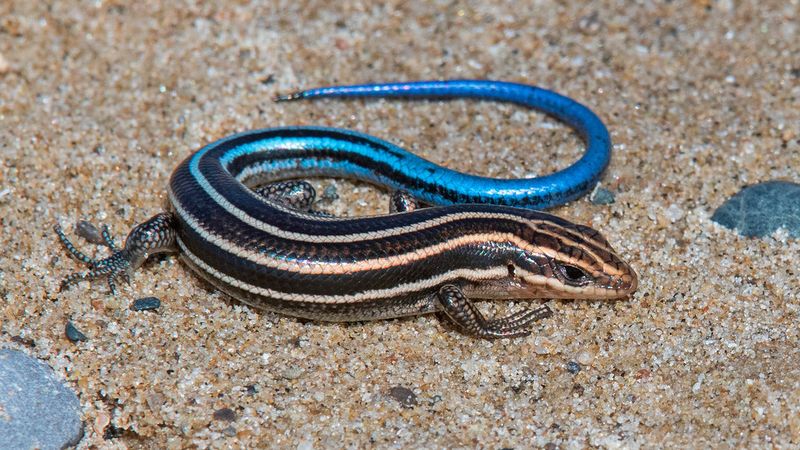
Backyard wildlife works like a chain, and skinks sit right in the middle of it.
They eat small invertebrates, and in turn they feed hawks, snakes, raccoons, opossums, and larger birds. Remove that middle link and the whole system gets thinner.
Their presence also says something useful about your property.
Skinks need cover, moisture, and a steady supply of bugs, so a yard that supports them generally has decent habitat structure. Heavy pesticide use tends to shrink the insect supply these lizards depend on.
Wide expanses of closely clipped turf with no logs, leaves, or stone offer very little for them.
Spotting several skinks over a summer suggests the ground layer of your landscape is doing its job. Not seeing any is not proof of a problem, since yards vary and shade, soil, and neighbors all play a part.
Even so, it is a hint worth noticing.
Gardeners who track birds already understand the idea. You measure success by who shows up, not just by what blooms.
Skinks are one more name on that guest list, and they are easier to spot than most reptiles because they move around in daylight.
A yard that hosts pollinators, songbirds, toads, and skinks together tends to be a more stable little ecosystem. Each one covers a job the others cannot.
6. Simple Ways To Make Skinks Feel At Home
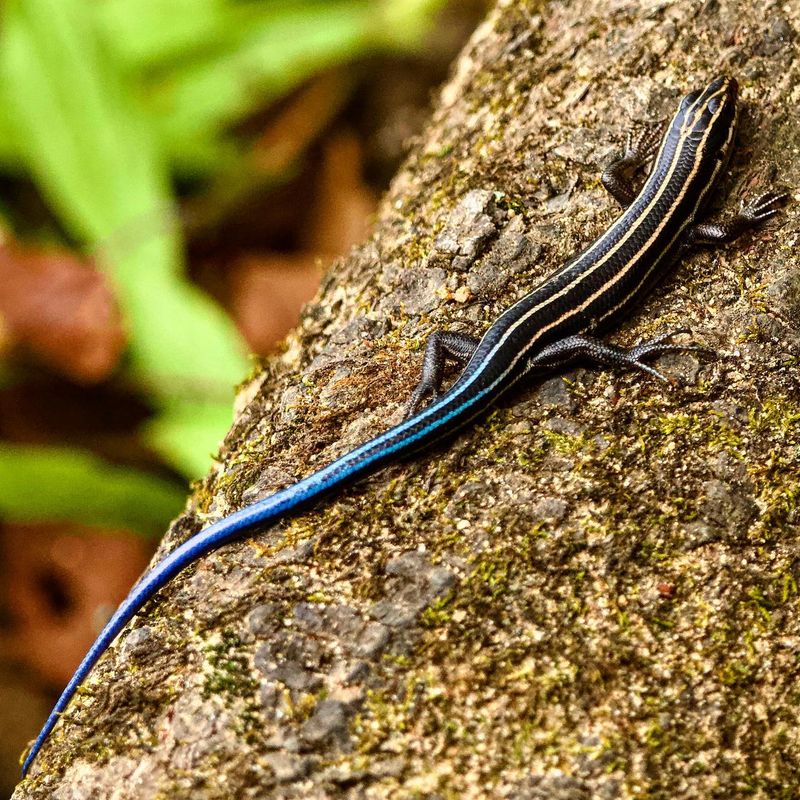
Rolling out the welcome mat for skinks costs almost nothing.
Start with cover, because these lizards want hiding places within a quick dash of open, sunny ground. A loose stack of firewood, a few flat stones, or a small brush pile in a back corner works well.
Leaf litter under shrubs is another easy win. Raking every leaf off the beds strips away the damp layer where their prey lives.
Leaving some litter in place supports the insects, which supports the lizards.
Go easy with broad-spectrum insecticides around foundations and patios. Cutting back on sprays keeps the food supply intact and reduces the chance of secondary exposure.
Shallow water helps during dry Georgia stretches. A saucer with a few pebbles gives small animals a place to drink without getting stuck.
Sun matters too, since skinks warm themselves before hunting. A stone or a section of retaining wall that catches morning light gives them a spot to get going.
Free-roaming cats are the biggest obstacle in most neighborhoods. Keeping a cat indoors protects skinks along with the songbirds you already enjoy watching.
None of this requires a redesign of your landscape. One woodpile, one unraked bed, and a lighter hand with sprays can shift the odds in their favor.
Skinks find good habitat on their own, so your job is mostly to leave a few messy corners alone.
7. House Guests, Curious Pets, And Winter Vanishing Acts
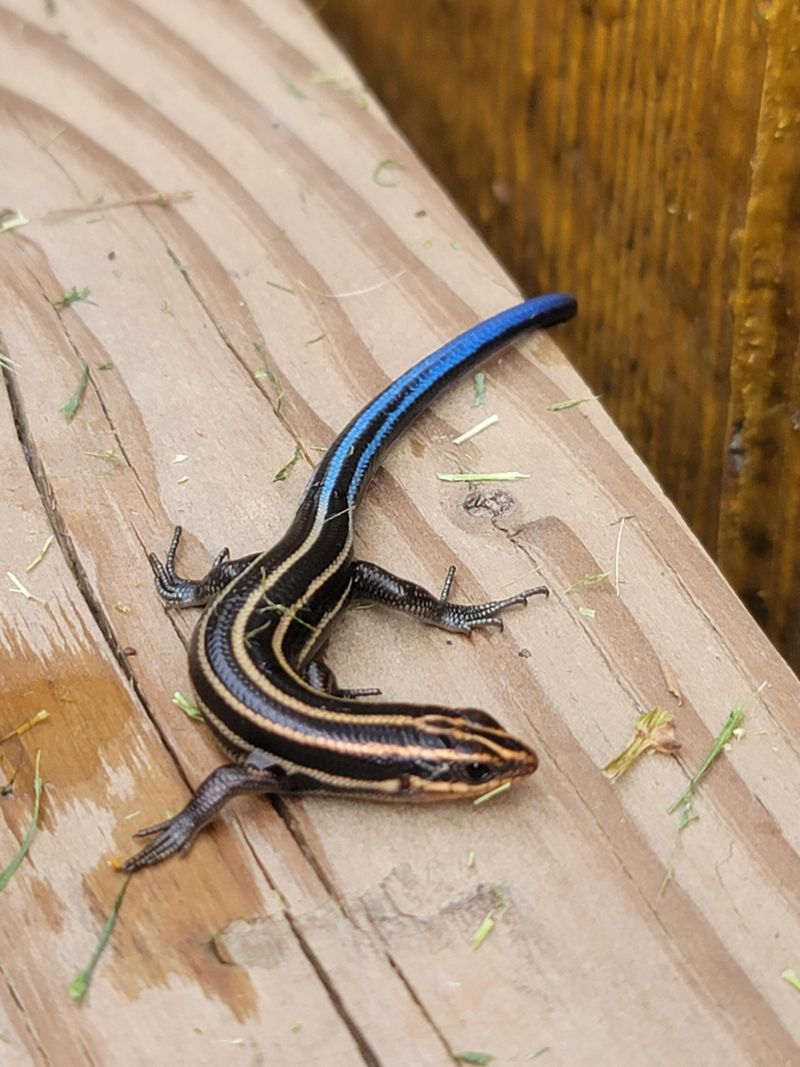
Every so often a skink wanders through an open door and ends up behind the couch.
Panic is not required. The lizard wants out as much as you want it out, and it has no interest in setting up shop in your kitchen.
Open a door to the outside, dim the lights in the room, and gently encourage it toward the exit with a broom held low. A large plastic container and a piece of stiff paper also work for a calm capture and release near shrubs.
Grabbing by the tail is the one move to avoid, for reasons already covered.
Outdoors, teach kids the watch-do-not-chase rule. A skink that feels safe will hunt in the open, which makes for much better viewing than a stressed one wedged under a step.
Hands get washed after any contact, which is simply good practice with wildlife.
Sealing gaps around doors and crawl space vents keeps indoor visits rare. Same goes for weather stripping that has seen better days.
Around the garden, expect to see them most from spring through early fall. When the weather cools, skinks retreat under logs, rocks, and loose soil and stay out of sight until things warm up.
Their disappearance in winter is normal and not a sign that something went wrong.
Come the first warm stretch of spring, watch the sunny side of the woodpile.