How To Stop Lavender From Getting Too Woody In Georgia Gardens
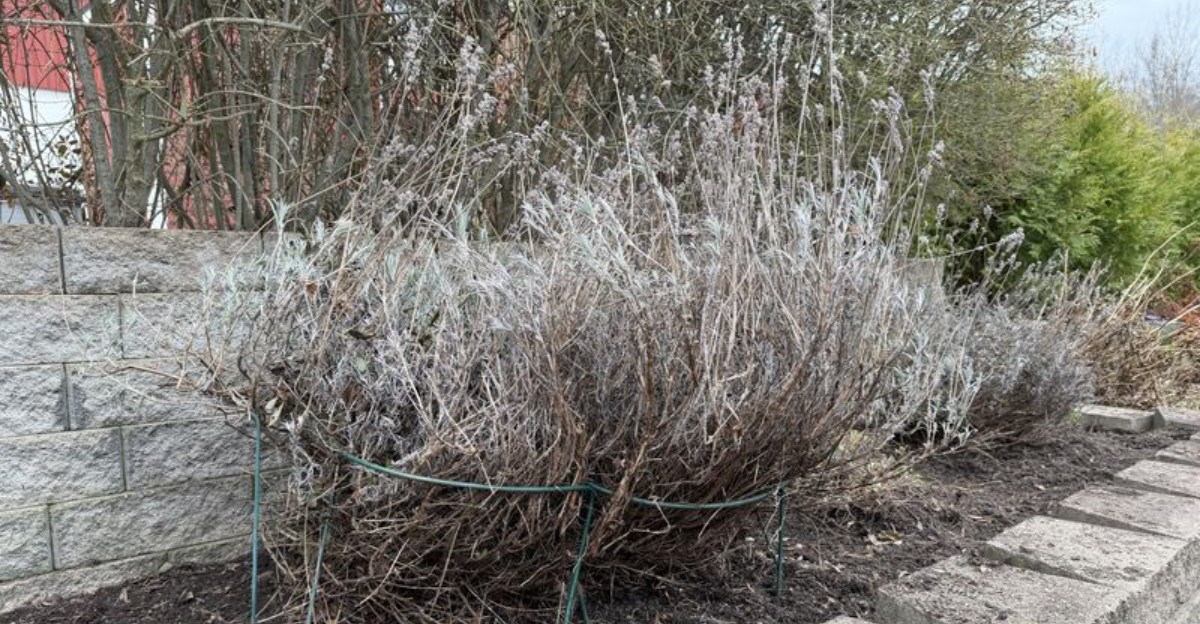
Lavender plants that looked tidy their first summer often turn into sprawling clumps with bare, gray centers a few years later. New growth keeps moving outward, while the middle looks more like dry sticks than foliage.
Some woodiness is normal, since lavender is a small shrub, not a soft perennial.
Problems start when old stems take over and leave little room for fresh shoots.
Pruning plays the biggest role, but how and when you cut matters as much as whether you cut at all. Stems cut back into bare wood often fail to resprout, which surprises plenty of gardeners.
Heavy clay and humid summers in much of Georgia can also shorten a plant’s life and hasten that woody look.
Run your hand along a few stems and note where green growth stops and bare wood begins.
1. Woody Stems Are A Natural Part Of Lavender Getting Older
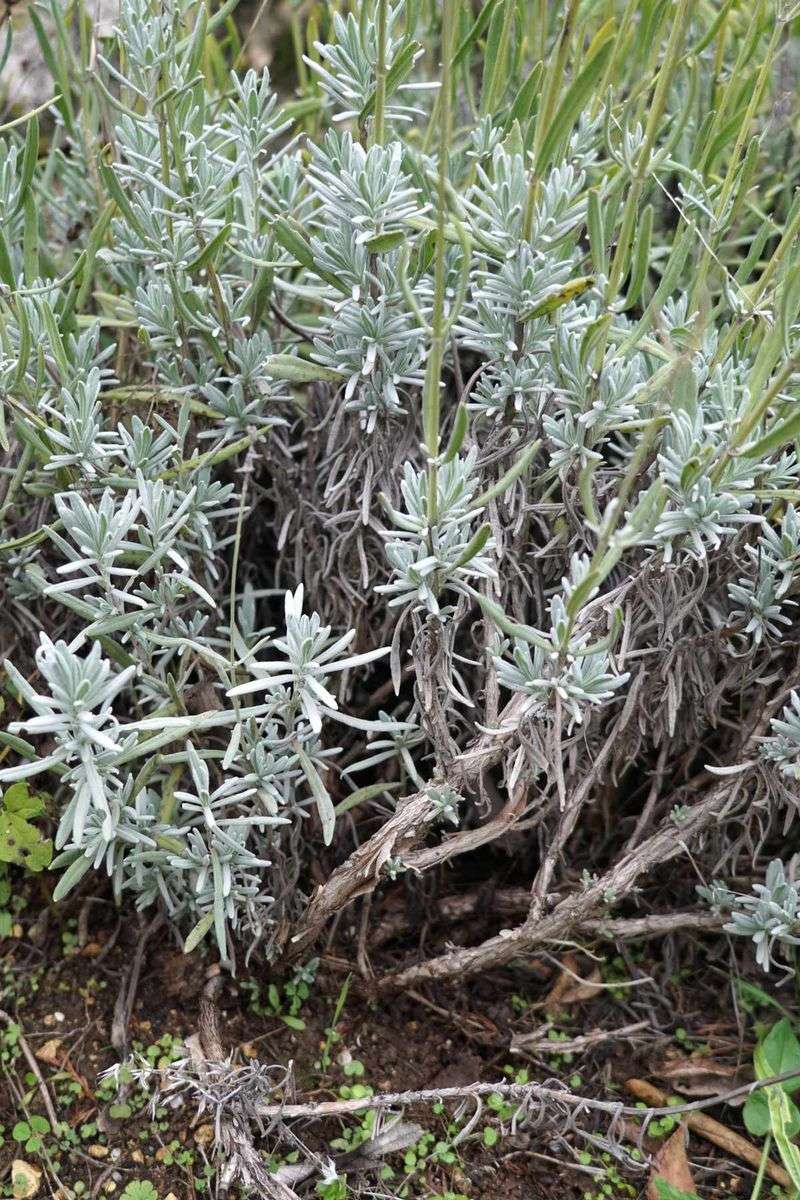
Woody lavender is not a sign that you failed as a gardener. Lavender is a small shrub, and shrubs build tough, bark-covered stems as they age.
Each year, the lower parts of the stems harden and lose their soft green look.
New leaves and flowers grow mostly near the tips, so the base can end up looking bare. Over a few seasons, a once tidy mound may start to sprawl open in the middle.
How fast that happens depends on the variety, the soil, and how the plant is cared for.
In Georgia, extra stress can speed up the change. Hot, humid summers and wet clay soil can weaken lavender, and stressed plants often look leggy sooner.
English types and hybrids like lavandin all get woody with time, though some stay neater than others.
Knowing this helps set realistic goals. You cannot stop a lavender plant from aging, but you can slow the woody look and keep it attractive longer.
Most lavender plants have a limited useful life in the garden, often several years rather than decades.
Good drainage, full sun, and steady pruning tend to stretch that time out. A plant that grows in raised beds or gritty soil usually holds its shape better than one sitting in soggy ground.
Once you accept woodiness as normal, your focus can shift to management instead of worry.
2. Pruning Every Year Keeps Plants Compact And Full
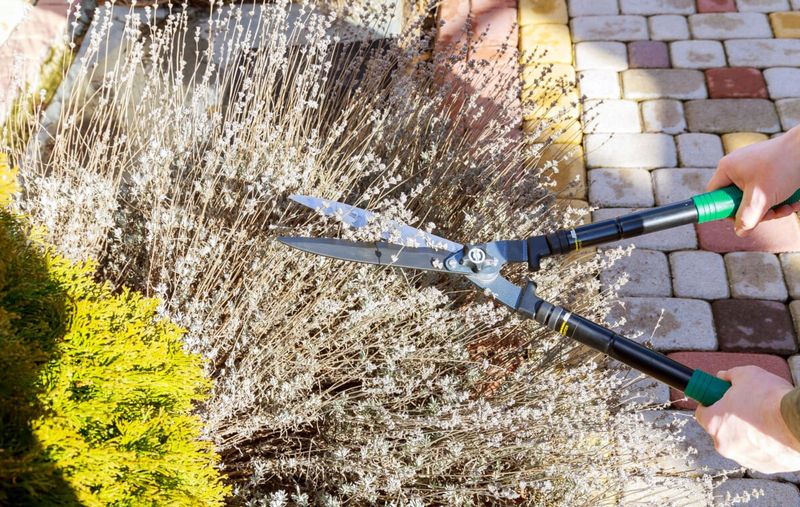
Skip a year of trimming, and your lavender will tell on you. Stems stretch longer, flowers sit higher, and the bare wood underneath grows more visible.
Yearly pruning is the main tool for slowing that process.
When you cut back the soft green stems, the plant tends to push out new shoots lower down. Over time, that branching creates a denser, rounder mound instead of a loose sprawl.
Light, regular cuts usually work better than rare, heavy ones.
Think of it like a haircut schedule. A small trim each year keeps the shape in check, while waiting several years often leaves you with a plant too woody to save.
Gardeners in Georgia may notice that a compact plant also handles summer humidity a bit better.
Your Georgia Garden Changes Every Week. Your Plan Should Too.
Gardening in Georgia changes quickly throughout the season. Every Friday you’ll receive a simple weekly plan showing exactly what to plant, prune, fertilize, harvest, and protect so you never miss the right timing.
Tighter growth with good spacing lets air move around the plant. Open, floppy stems can trap moisture near the center, which may add to disease trouble in damp weather.
Results do depend on the variety and growing conditions.
A young plant pruned from its first or second year usually responds best. Older plants that were never trimmed may improve only a little, since they have less soft growth to work with.
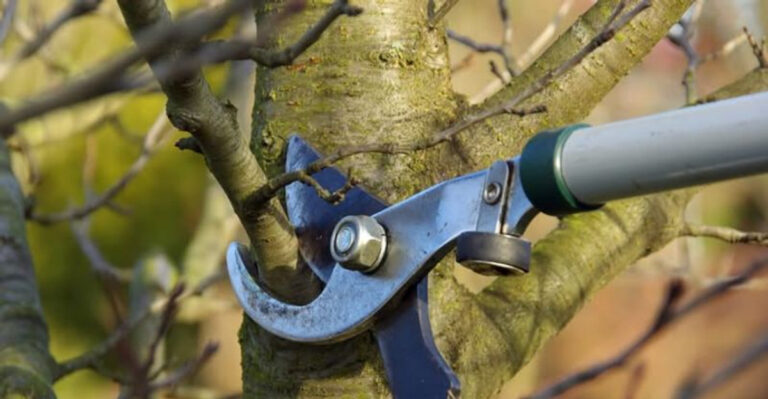
Clean, sharp bypass pruners or shears make the job easier and leave neater cuts.
Start early, keep it steady, and the payoff builds year after year.
3. Bare Old Wood Often Won’t Sprout New Growth After Cutting
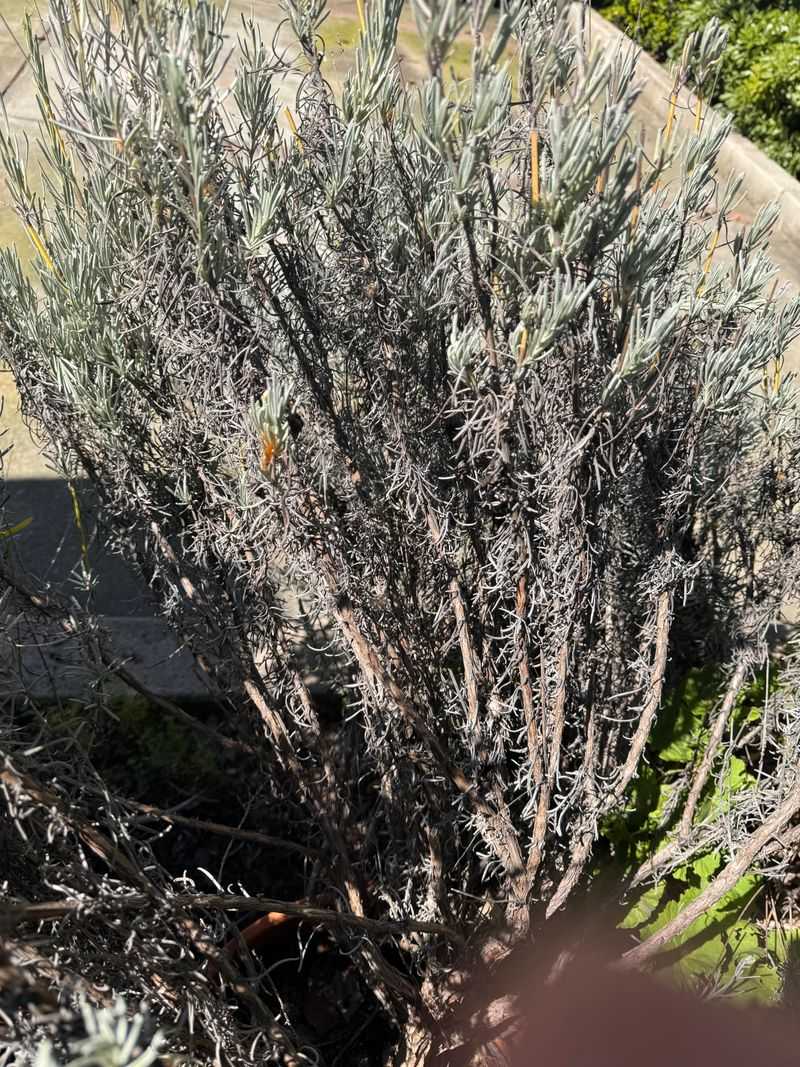
Here is the hard truth about lavender. Unlike many shrubs, it often does not regrow well from old, leafless wood.
Cut a stem down to bare gray bark, and you may be left with a stub that stays empty.
Some plants occasionally push a few buds from older wood, especially when they are young and vigorous. Still, gardeners should not count on it, since results are unreliable.
That is why a hard cutback can backfire.
A shrub like a boxwood might bounce back from a severe trim, but lavender tends to react differently. Removing all the leafy growth can leave the plant struggling or even failing to recover.
Look closely before you cut.
Healthy stems usually show small leaves or tiny green buds along the lower parts. Those spots are your safe zone, because they are where fresh shoots are most likely to form.
Across Georgia, gardeners sometimes inherit overgrown lavender from a previous homeowner.
If that sounds familiar, go slowly. Shape what you can using the green growth, and accept that a very woody plant may never look full again.
Sometimes the smartest choice is replacing it rather than forcing a rescue that will not work.
4. Trim Above The Woody Base Without Removing All Green Growth
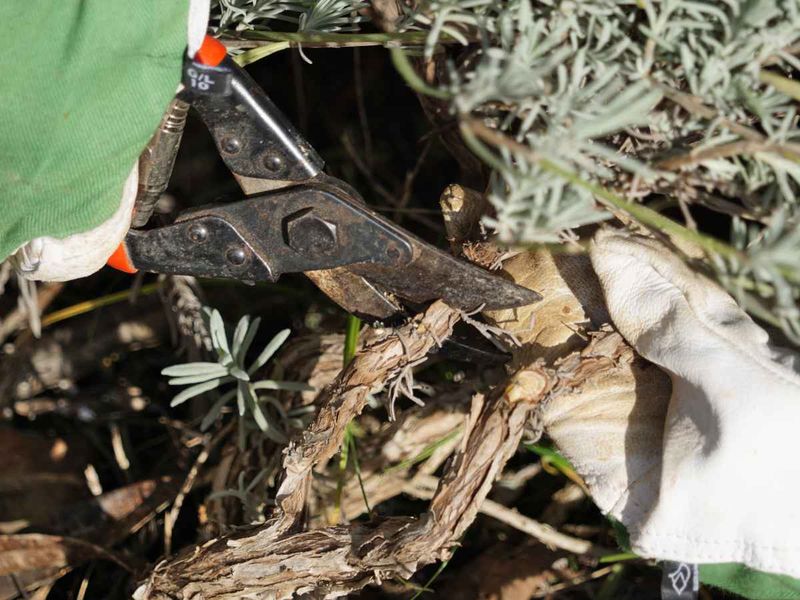
Where you cut matters more than how much you cut. Aim for the green, leafy part of each stem, a little above where the bark turns woody.
A common guideline is to remove roughly one third of the plant’s growth.
Leave a few sets of leaves on every stem you trim. Those leaves feed the plant and give new shoots a place to start.
Shaping the plant into a soft dome or mound works well for most types.
Hold a handful of stems together and cut across them evenly. Working around the plant this way keeps the shape balanced and saves time.
Need a quick check while you work?
Glance down at each cut and confirm that some green remains below it. If you see only gray bark, you have gone too far on that stem.
Gardeners in Georgia with large lavandin plants may find them bigger and faster growing than English lavender.
Those hybrids can usually take a slightly firmer trim of their green growth. Even so, the same rule applies, so stay above the woody base.
Remove broken or clearly lifeless stems at the same time, cutting them back to healthy tissue.
Steady, careful cuts lead to a tidy plant without risking the stems you want to keep.
5. Spring And Right After Flowering Are The Main Times To Prune
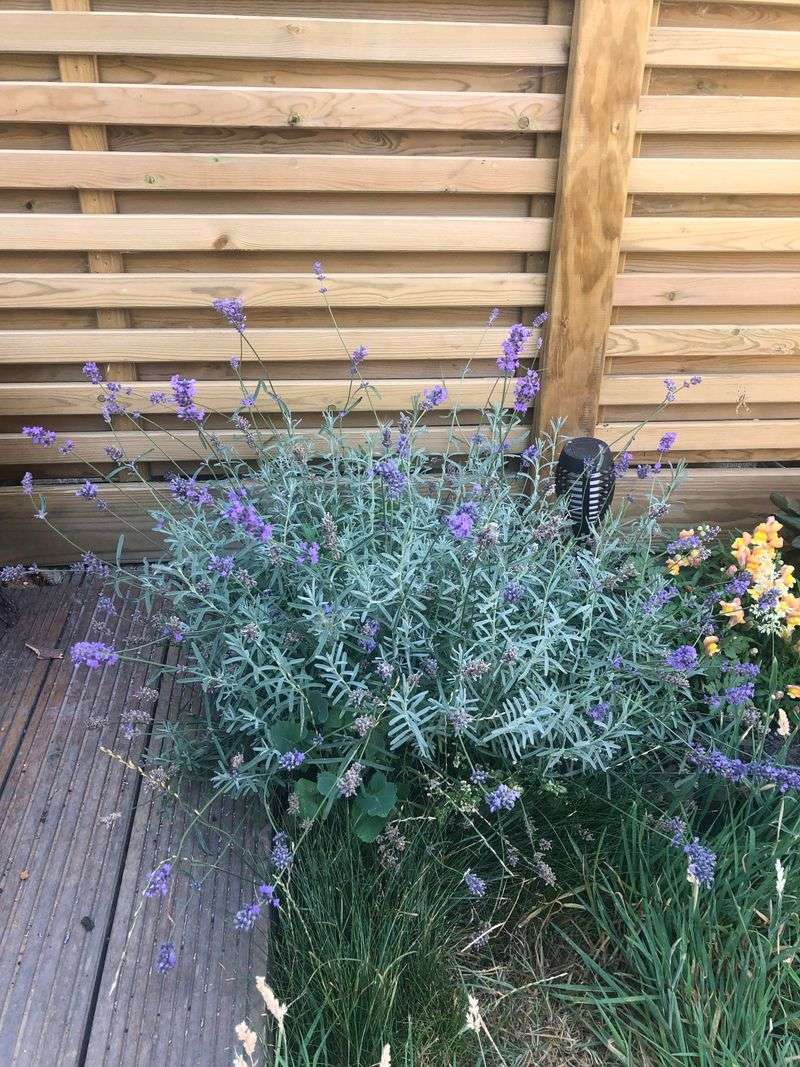
Timing can make or break a good trim. Most lavender care guides point to two main windows each year.
The first comes in spring, once new green growth begins to show.
Waiting for those fresh shoots helps you see which stems are healthy. It also lowers the chance of cold weather hurting tender growth right after you cut.
In Georgia, spring arrives at different times depending on where you live.
Coastal and southern gardens usually wake up earlier than the north Georgia mountains. Let your own plants guide you rather than a fixed date on the calendar.
The second window opens right after the main bloom fades.
Snipping off spent flower stalks and a bit of foliage tidies the plant. Some varieties may also put out a smaller second round of flowers afterward, though that depends on the type and the season.
A light trim after flowering also helps the plant keep its shape heading into the hottest months.
Avoid heavy cutting during long stretches of extreme heat or drought. Plants already under stress may recover more slowly from a big trim.
Keep notes on when your lavender blooms each year, since that record makes planning future pruning much easier.
6. Stopping Pruning Several Weeks Before Frost Reduces Winter Damage
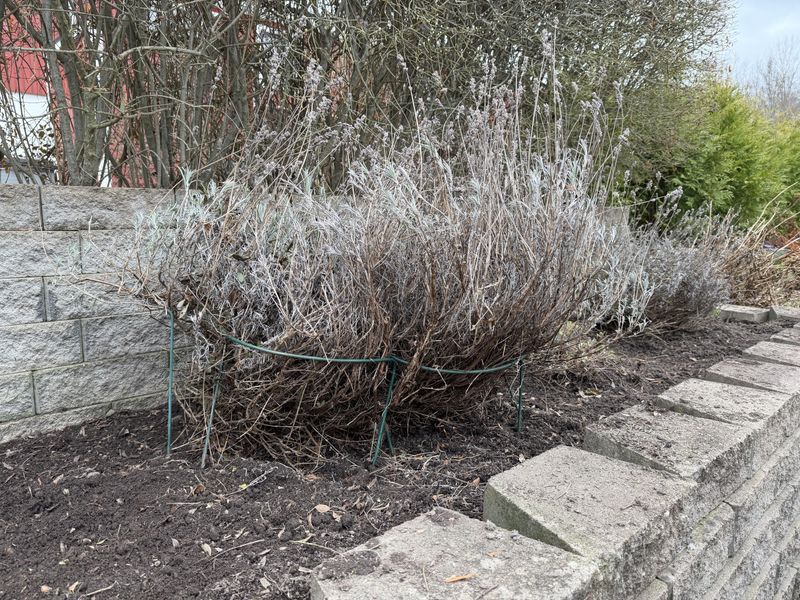
Late-season trimming can backfire. Cutting lavender in fall may push out soft new shoots that have little time to toughen up.
That tender growth is more likely to be hurt when the first frost arrives.
Most gardeners stop pruning several weeks before their area’s usual first frost. Giving the plant that quiet period lets stems harden off naturally.
Frost timing varies a lot across Georgia, so local knowledge helps here.
Mountain areas in the north often see frost much earlier than gardens near the coast. Your county Extension office can share typical frost dates for your area.
Small cleanups are usually fine.
Removing a broken branch or a stray flower stalk will not cause much trouble. The concern is mainly with larger cuts that spark a flush of fresh leaves late in the year.
Leaving the foliage in place over winter may also offer some protection to the plant’s crown. Then, once spring growth appears, you can do your main shaping.
Winter damage depends on more than pruning alone.
Wet, poorly drained soil in cold months can harm lavender roots, sometimes more than the cold itself. Pairing good drainage with careful fall timing gives your plants a better shot at coming through winter in solid shape.
7. Rooting Cuttings Lets You Replace Aging Plants Over Time
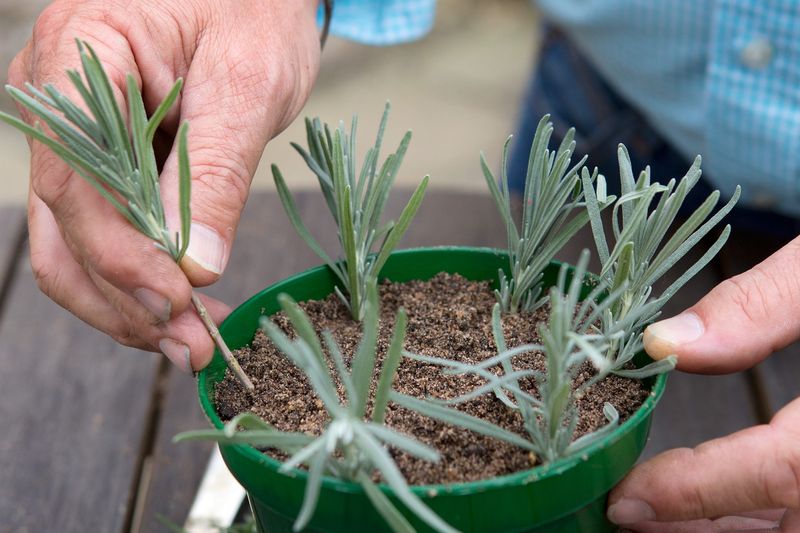
Think of your old lavender as a parent plant. Even when it looks tired, its fresh shoots can become the next generation.
Taking cuttings is a simple, low-cost way to keep lavender in your garden for years.
Choose healthy, non-flowering shoots a few inches long. Strip the lower leaves, then set the stems into a gritty, well-drained mix.
Keep the mix lightly moist but not soggy, since lavender cuttings can rot in wet conditions.
Bright, indirect light suits them while roots form. Rooting often takes a few weeks, though timing varies with temperature and the variety.
Some cuttings will not root, and that is normal.
Starting several at once improves your odds. Rooting hormone may help, but many gardeners succeed without it.
Gardeners across Georgia often find spring or early summer shoots root fairly well, though success varies by year and variety.
Once the young plants show steady new growth, move them to bigger pots or a sunny garden spot with good drainage. Raised beds can help in areas with heavy clay.
Plan to swap out the oldest, woodiest plants every several years.
That steady rotation keeps your beds full and fragrant, and you save money on new nursery plants. Note that some patented varieties restrict propagation for sale, so check the plant tag.