Garden Tasks Michigan Gardeners Should Tackle This September
September in Michigan has a particular kind of energy that serious gardeners learn to recognize fast.
The mornings are crisp, the afternoons are still warm enough to work comfortably, and there is just enough urgency in the air to make every hour in the garden feel like it counts.
This is not the wind-down month most people assume it is. It is one of the most productive months on the gardening calendar, and the choices made right now have a direct impact on how well plants handle winter and how strong the garden comes back in spring.
Planting, harvesting, dividing, protecting, and preparing all belong in September, and the gardeners who treat this month seriously tend to spend the following April feeling very glad they did.
1. Plant Cool-Season Vegetables For A Fall Harvest
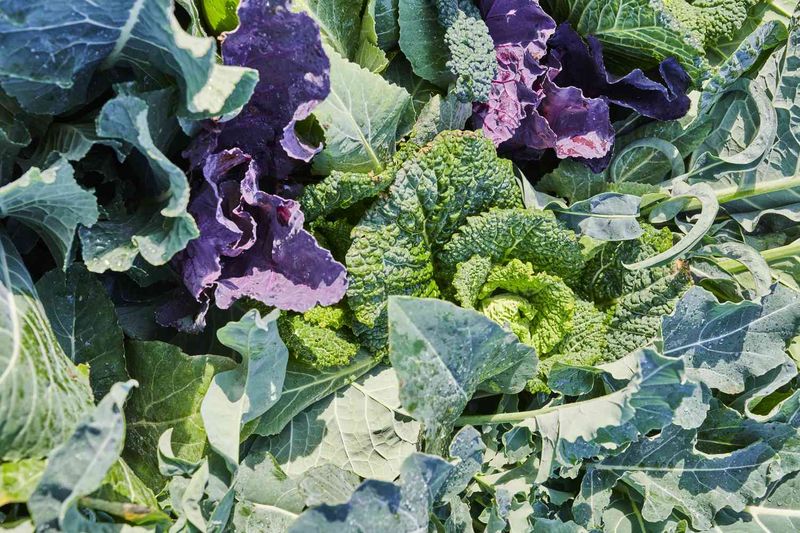
Many gardeners can extend the season into fall with a second round of cool-season crops, although planting time depends on location and the first expected frost. Fast-maturing vegetables thrive in the cooler weather that settles across the state this month.
Cool temperatures can improve the flavor and texture of some leafy greens, and light frost is tolerated by several cool-season crops.
Since the first frost often arrives in late September or October depending on your region, choose fast-maturing varieties with enough time to reach harvest before your local frost arrives.
Gardeners in the northern part of the state should lean toward the quickest options because their season shortens sooner.
Loosen your soil, mix in a little compost, and water the seeds well after planting. Michigan State University Extension suggests keeping the soil consistently moist until seedlings appear, which usually takes about a week in warm September soil.
A helpful trick is planting near a fence or wall that holds daytime heat, giving your crops a bit of extra protection as nights cool. Row covers also stretch your harvest by trapping warmth.
Many gardeners are surprised at how tender and flavorful fall greens become. The slower growth in cooler temperatures means less bitterness and crisper leaves.
Give these cool-weather crops a try and fresh salads can stay on the table long after the summer tomatoes have finished producing across Michigan.
2. Divide And Replant Overgrown Perennials
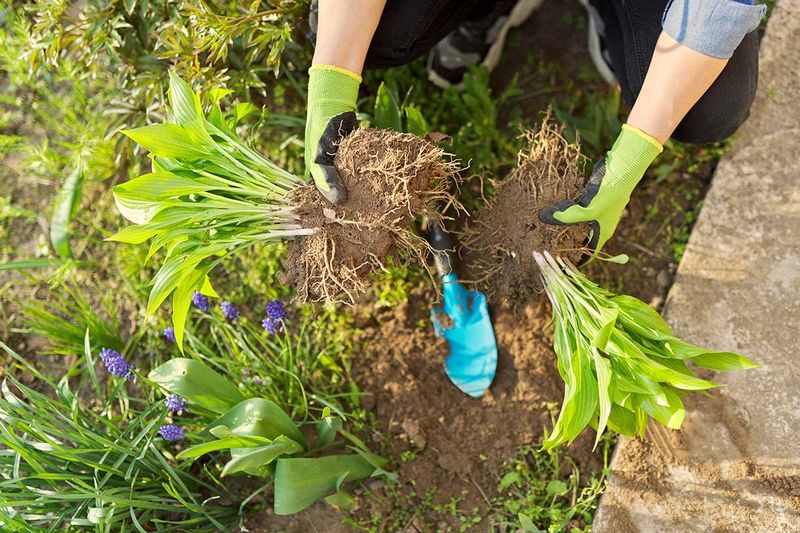
Ever notice how some of your flowers seem crowded, floppy, or bloom less than they used to?
That is your cue that they need dividing, and early fall can be a good time to divide many perennials, especially those that have finished flowering and still have time to establish roots.
Cooler temperatures and steadier rainfall help transplanted roots settle in before the ground freezes. Hostas, daylilies, coneflowers, and ornamental grasses all respond well to being split this time of year.
Dig up the entire clump, then gently pull or cut it into smaller sections, making sure each piece has healthy roots and a few shoots. Replant them right away at the same depth they were growing before, and water thoroughly.
Michigan State University Extension recommends dividing perennials at least four to six weeks before the ground hardens, giving roots time to establish. In northern parts of the state, aim for early September rather than the end of the month.
Your Michigan Garden Changes Every Week. Your Plan Should Too.
Gardening in Michigan changes quickly throughout the season. Every Friday you’ll receive a simple weekly plan showing exactly what to plant, prune, fertilize, harvest, and protect so you never miss the right timing.
Not only does dividing rejuvenate tired plants, it also gives you free plants to spread around the yard or share with neighbors. Who does not love a garden bargain?
Add a layer of mulch after replanting to hold moisture and steady the soil temperature. With a little effort now, perennials across Michigan will return stronger, fuller, and more colorful when spring rolls back around.
3. Plant Spring-Flowering Bulbs Before The Ground Freezes
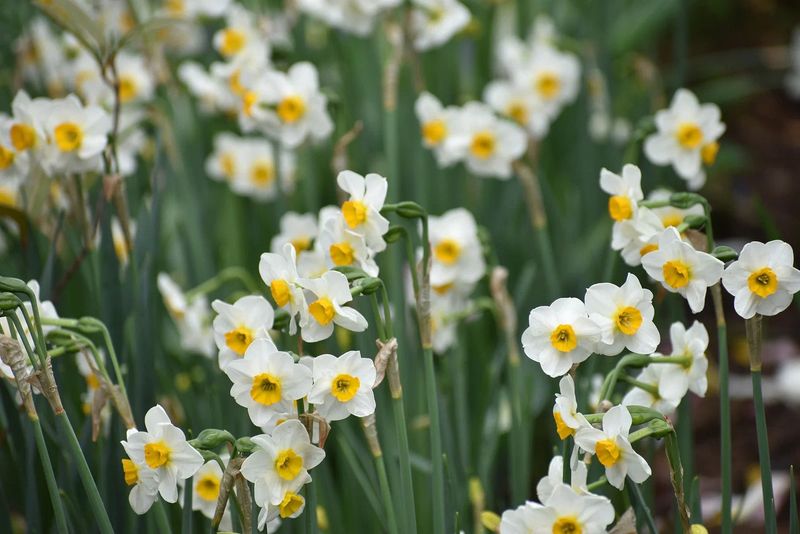
If you want a burst of color to greet you next spring, September is when the magic begins. Tulips, daffodils, crocuses, and hyacinths all need to be tucked into the ground during fall so they can chill through winter and bloom on schedule.
The cold winters here actually work in your favor, since these bulbs require a long cold period to flower properly.
Plant them once soil temperatures cool but before the ground freezes solid, usually from early fall through late fall depending on the bulb type, soil conditions, and your location in the state.
A good rule is planting each bulb about two to three times as deep as it is tall, pointy side up. Michigan State University Extension notes that well-drained soil matters, because soggy spots can cause bulbs to rot over winter.
Daffodils are a smart pick for gardens plagued by hungry deer and squirrels, since critters tend to avoid them. Tulips, sadly, are a favorite snack, so protect those with wire or repellents.
Cluster bulbs in groups rather than single rows for a fuller, more natural look. Water them once after planting to help roots begin growing.
Come April, when much of Michigan still feels gray, those cheerful blooms will remind you that all that autumn digging was absolutely worth it.
4. Overseed And Feed Your Lawn For A Thick Spring Return
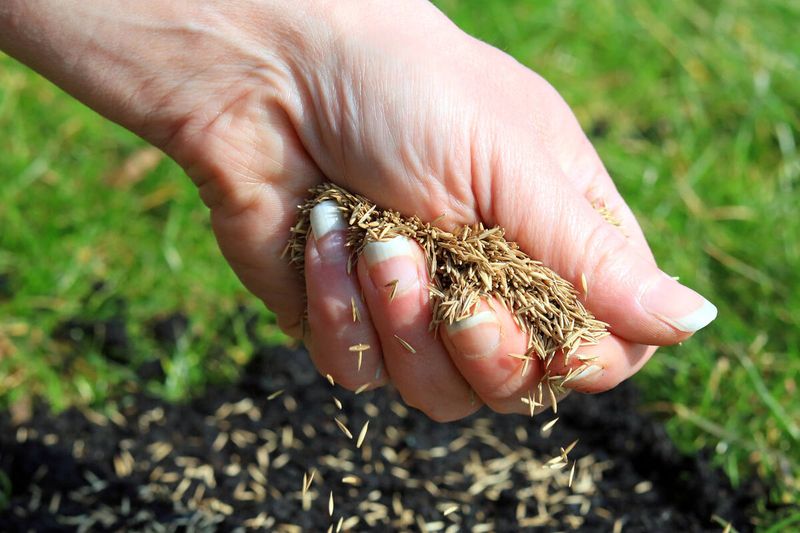
Lawns take a beating over summer, and by September many yards look thin, patchy, or worn out. Good news: fall is the very best time to fix that.
Cool-season grasses like Kentucky bluegrass and fescue, which dominate Michigan lawns, do most of their growing in the milder weather of early autumn. Overseeding now lets new grass root deeply before winter arrives across the state.
Start by raking away thatch and loosening bare patches. Spread quality seed evenly, then water lightly every day until it sprouts.
Michigan State University Extension recommends early fall as the sweet spot, since warm soil and cooler air create ideal conditions for germination.
Feeding matters too. A fall fertilizer application helps strengthen roots and stores energy for spring green-up.
Choose a product suited to Michigan lawns and apply it according to the label, avoiding heavy amounts that can wash into local waterways.
One common mistake I see is people mowing too short in fall. Keeping your grass around three inches tall helps it stay healthy and shade out weeds.
Keep the freshly seeded areas moist, and hold off on heavy foot traffic while the new blades settle in. By the time snow melts next year, you’ll be walking on a fuller, greener lawn that practically takes care of itself.
5. Harvest And Cure Winter Squash And Pumpkins
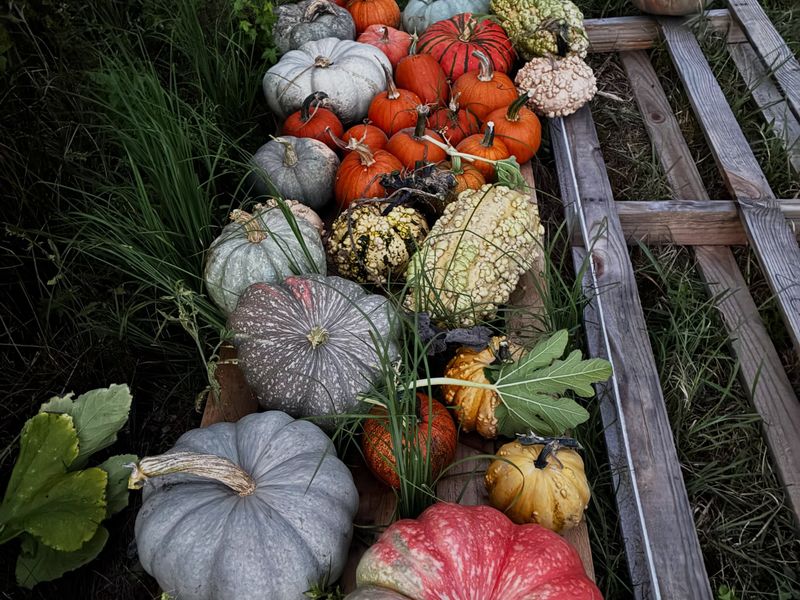
There is something deeply satisfying about hauling in a wheelbarrow of pumpkins and squash on a cool September morning.
This is prime harvest season for those hearty vine crops that fueled all summer long, and timing the harvest right makes a real difference in how long they keep.
Winter squash and pumpkins are ready when their skins turn dull and hard and a fingernail cannot easily pierce them. Aim to harvest before the first hard frost, which can strike suddenly, especially in the northern reaches of the state.
Cut each fruit from the vine with a few inches of stem attached, since a broken stem invites rot. Handle them gently, because bruises shorten storage life considerably.
Curing is the secret step many people skip. Michigan State University Extension suggests letting squash sit in a warm, dry spot for about ten days to toughen the skin.
After curing, store them somewhere cool and dry, ideally between 50 and 55 degrees.
Butternut, acorn, and Hubbard varieties all keep beautifully through winter when cured properly, giving you homegrown flavor for months on end.
Pumpkins meant for carving can wait a little longer, but eating varieties reward early attention.
Enjoy the fruits of your labor and there will be plenty of squash soups and roasted pumpkin seeds to carry the garden’s bounty deep into the chilly Michigan season.
6. Start A Compost Pile With Fallen Leaves
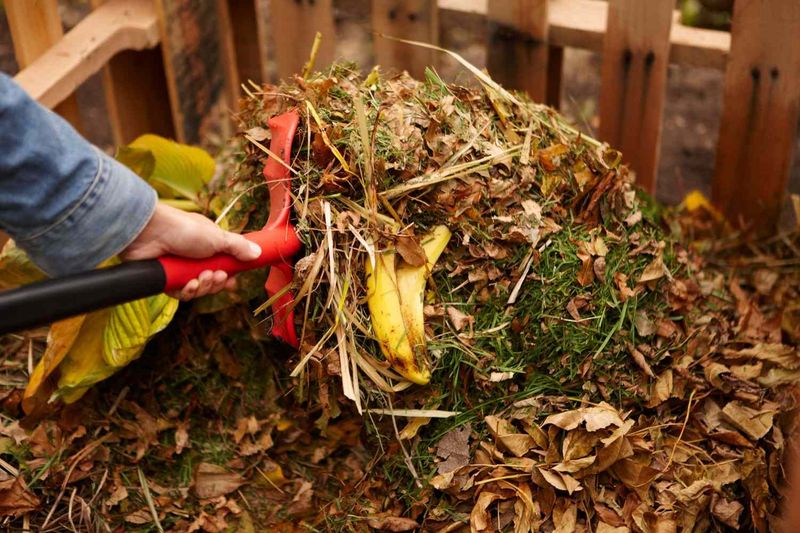
Fall foliage is one of the season’s great pleasures, and by mid-September leaves begin drifting down in earnest across the state.
Instead of bagging them for the curb, turning all that free material into rich compost is one of the smartest moves a gardener can make this time of year.
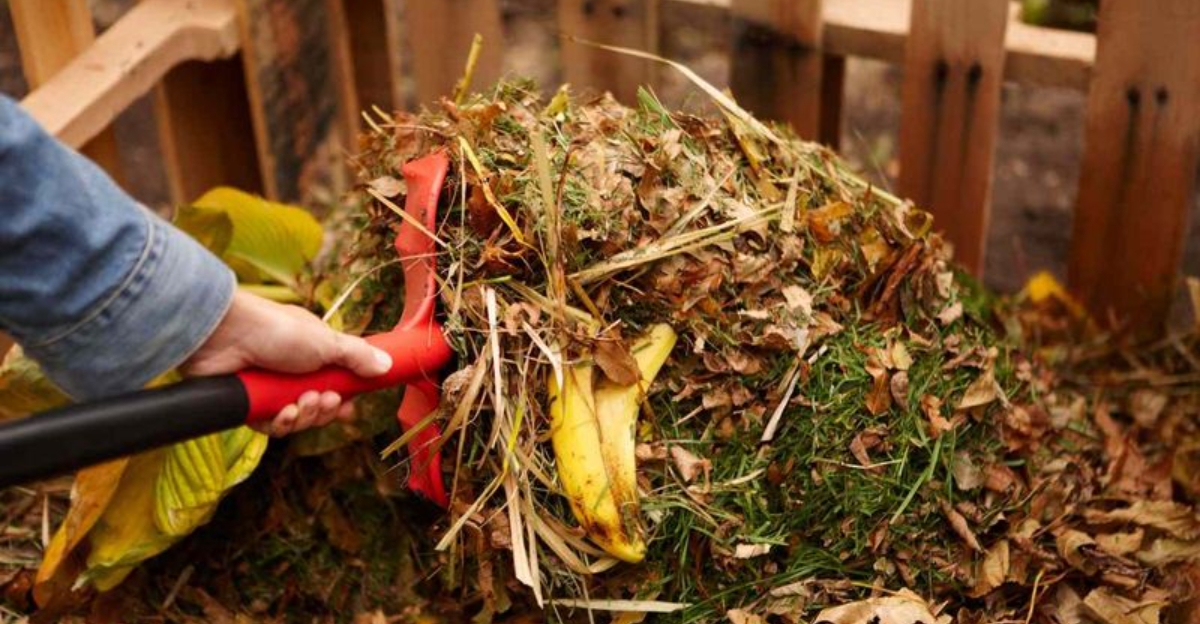
Fallen leaves are packed with carbon, which balances the nitrogen from grass clippings and kitchen scraps. Layering these together in a bin or pile creates the perfect recipe for dark, crumbly compost that feeds garden beds for free.
Shredding leaves with a mower first helps them break down faster, since whole leaves tend to mat together and slow the process. Keep the pile damp like a wrung-out sponge and turn it every couple of weeks to add air.
Michigan State University Extension points out that composting reduces landfill waste while improving soil structure and moisture retention. Given the clay-heavy soils found in many parts of the state, that extra organic matter makes a real difference.
A quick tip: avoid adding meat, dairy, or struggling plants, which attract pests and cause odors. Stick to leaves, veggie scraps, and yard trimmings.
By next spring, that humble pile of autumn leaves transforms into black gold ready to spread on garden beds. It is one of the simplest and most rewarding habits a Michigan gardener can build, and the soil will show the difference for years to come.
7. Plant New Trees And Shrubs While Soil Stays Warm
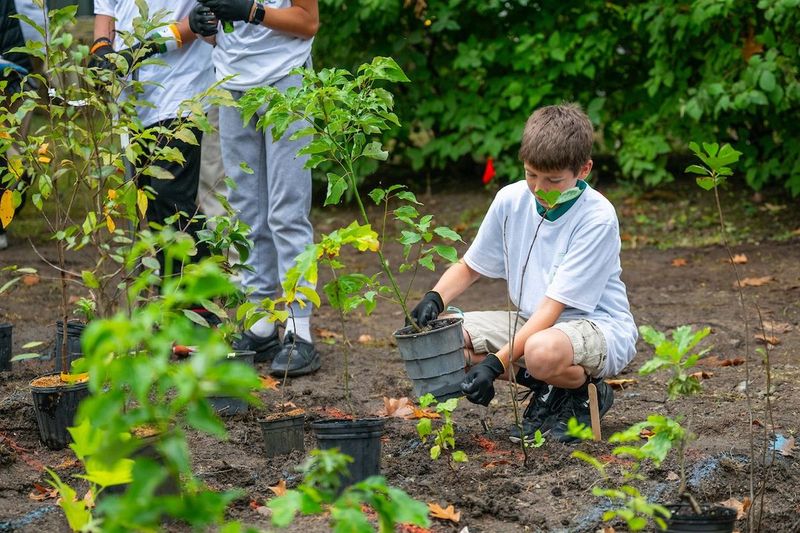
Fall might seem like an odd time to add trees and shrubs, but it is actually one of the best planting windows the season offers. The soil stays warm from summer while the air cools down, creating ideal conditions for roots to spread without heat stress.
During fall, many woody plants naturally shift more energy toward root development as above-ground growth slows. That head start means stronger, more established plants when the growing season resumes next year.
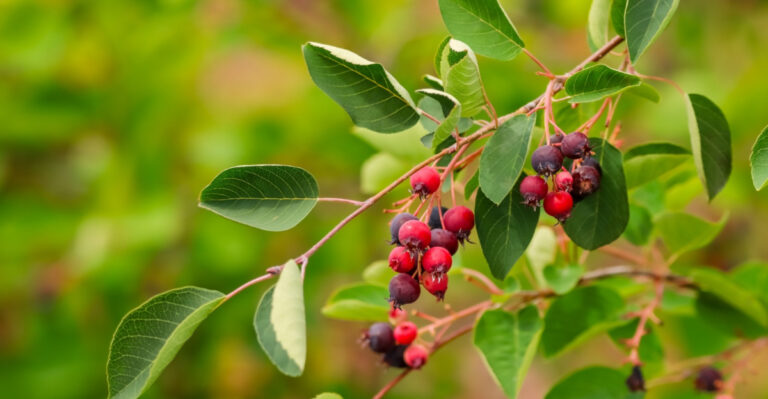
Choose hardy species suited to your zone, since the state spans several climate zones from the milder southern counties to the frosty Upper Peninsula. Native options like serviceberry, red maple, and ninebark tend to handle local conditions gracefully.
Dig a hole twice as wide as the root ball but no deeper, then set the plant so the top of the roots sits level with the ground. Michigan State University Extension advises against planting too deep, a common mistake that stresses new trees.
Water deeply after planting and keep the soil moist through fall, especially during dry spells. A ring of mulch, kept a few inches from the trunk, holds moisture and moderates soil temperature.
Aim to plant at least a month before the ground freezes so roots can settle in. Do it right and that new tree or shrub will flourish in the landscape for decades to come.
8. Clean Up And Watch For Garden Pests And Diseases
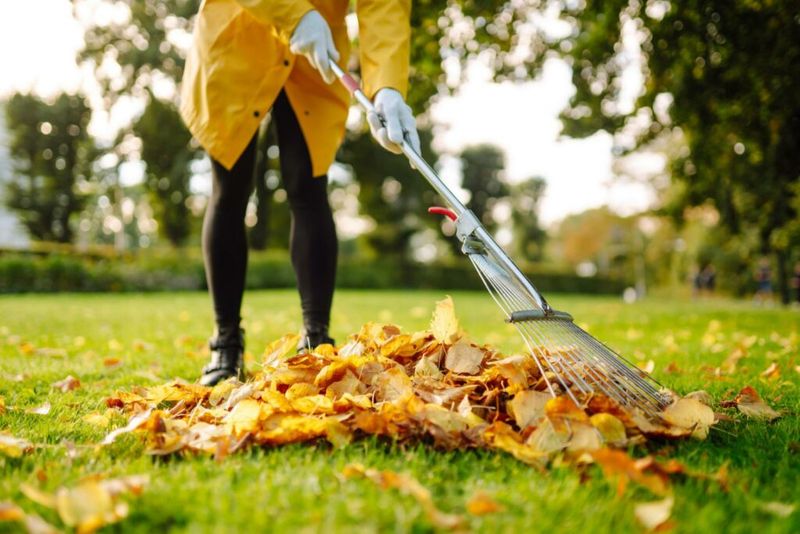
As summer winds down, September is the perfect moment to walk the garden with a careful eye. Many pests and diseases overwinter in old plant material, waiting to cause trouble again next season.
Pull out finished vegetable plants, especially any showing spots, mildew, or insect damage. Removing this debris now reduces the hiding spots that pests use to survive winter and reappear in spring.
Powdery mildew loves the cool, damp nights common in autumn, coating leaves in a whitish film. Squash bugs and cabbage worms also linger late in the season, so check the undersides of leaves where they tend to gather.
Michigan State University Extension advises against composting struggling or diseased material, since backyard piles rarely get hot enough to break down the pathogens. Bag those problem plants and dispose of them separately instead.
Fallen fruit from apple and other trees should be gathered too, as it can harbor insects and fungal problems that carry over into the following season.
A little detective work goes a long way. Look for chewed leaves, sticky residue, or wilting that does not match the weather.
Cleaning up thoroughly in fall means far fewer headaches when gardens wake up next year. Think of it as tidying the kitchen before bed, a small chore now that saves a much bigger mess later on.
9. Bring Tender Houseplants And Herbs Indoors
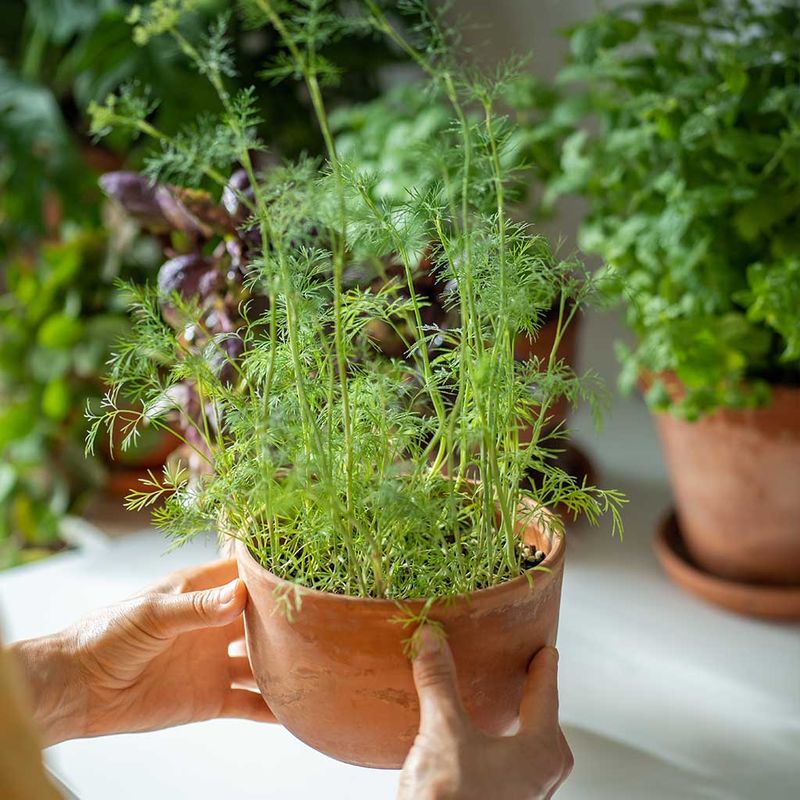
Those potted plants that soaked up summer sun on the patio will not survive the coming cold. September is the time to plan their return trip indoors before nighttime temperatures dip too low.
Tropical houseplants, geraniums, and tender herbs like basil and rosemary should come inside once nights approach the mid-40s.
Temperatures can drop quickly in September, particularly in the northern part of the state, so keeping an eye on the forecast is worth the habit.
Before hauling anything inside, inspect each plant closely for hitchhiking bugs. Spraying the leaves and checking under pots helps prevent an indoor pest invasion.
Michigan State University Extension recommends gradually adjusting plants to lower indoor light over a week or two to reduce shock.
Herbs make wonderful windowsill companions, giving you fresh flavors all winter when the garden is buried under snow. A sunny south-facing window works best.
Cuttings of favorite annuals can also be rooted indoors, stretching the garden’s life without buying new plants next spring. It feels a little like magic watching them grow on the kitchen counter.
Cut back on fertilizer once plants move inside, since they grow slower in winter’s dimmer light. Water less often too, because indoor plants dry out more slowly.
With a little care, these green companions will happily wait out the long cold season right beside you.
10. Test Your Soil And Add Amendments Now
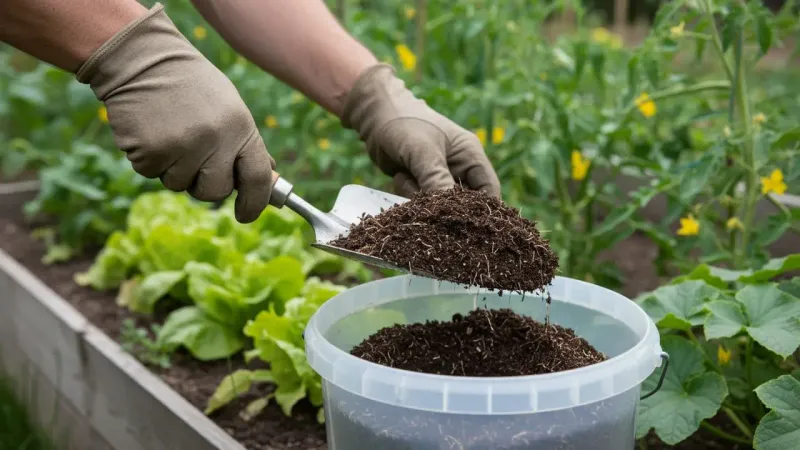
Here is a task plenty of gardeners overlook, yet it quietly shapes everything that grows. Testing your soil in September gives you time to fix problems before the busy spring planting rush arrives.
A soil test reveals your pH level and which nutrients might be lacking. Soils across the state vary widely, from sandy stretches near the lakes to heavy clay inland, so guessing rarely works well.
Michigan State University Extension offers affordable soil testing kits, and their reports tell you exactly what to add. Adding lime to raise pH or sulfur to lower it takes months to fully work, which is why fall timing makes so much sense.
Once you know what your soil needs, mix in compost, aged manure, or the recommended amendments and let winter do the blending for you. By spring, everything has settled and balanced naturally.
Many struggling gardens simply suffer from the wrong pH, locking nutrients away from plant roots even when fertilizer is present. Fixing that one detail changes everything.
Grab a trowel, collect samples from several spots, and mix them together for an accurate reading. It is a small step that pays off in bigger harvests and healthier flowers season after season.
Treat your soil well this autumn and next year’s garden will reward that effort with stronger growth and far fewer frustrating surprises along the way.