What Florida Tomatoes Need Right Now To Fruit By November
Two Florida gardeners plant tomatoes the same week. One ends up with a jungle. Green, gorgeous, six feet tall, and light on fruit. The other fills baskets by November.
Same soil. Same seed rack. Same weather. So what tends to separate the two?
Usually a handful of small choices made during these last warm weeks, and most of them cost very little.
Fall hands Florida an odd advantage. Gardens up north wind down while plants down here get a second season and a real shot at holiday tomatoes.
There’s a catch. The window is narrow, and a few missteps now can quietly shrink the harvest later.
Some of what helps sounds obvious. Other parts feel almost backwards, including one case where adding less of something often produces more fruit.
Most gardeners never learn which choices carry the weight and which ones are just garden folklore passed around for decades.
Want to know which is which before November arrives? Keep reading.
1. Heat-Tolerant Varieties That Actually Set Fruit
Variety choice does a lot of quiet work in a Florida fall garden.
Many tomatoes struggle to set fruit when nights stay in the mid 70s or warmer. Pollen viability drops in that range, and humidity plus daytime highs add to the pressure.
Heat tolerant types handle those conditions better. Florida 91, Solar Fire, Heatmaster, Tropic, and Everglades cherry all have decent reputations for fall planting here.
Everglades deserves a note of its own. It’s a wild type tomato from the same species group as many cultivated tomatoes, naturalized in parts of Florida, and it produces marble sized fruit by the hundreds.
Cherry and grape types often finish faster than large slicers. Many land around 50 to 65 days, while big beefsteaks can ask for 75 to 90 or more.
Determinate plants suit late plantings well. They grow to a limited size and concentrate their harvest over a shorter stretch instead of trickling fruit out for months.
Giant beefsteaks belong to gardeners who started in August. They usually want more time and cooler weather than October provides.
Here’s the math that keeps everyone honest. Check the days to maturity on the tag, count backward from your target harvest date, then pad by roughly two weeks, since shorter fall daylight tends to slow ripening more than gardeners expect.
Pick a variety built for this weather and half the battle happens before planting day.
2. Steady Water, Not Flood-Then-Drought
Sandy Florida soil drains like a colander. Water given at breakfast can be mostly gone by dinner.
Tomatoes rarely enjoy that roller coaster. Cracked skins and flowers dropping before they set often trace back to uneven moisture.
Blossom end rot fits here too, though the mechanism is worth understanding. Erratic watering interferes with calcium moving into developing fruit, so it isn’t a simple case of soil running short on calcium.
Deep, consistent moisture at the root zone helps on all fronts. Several thorough sessions a week generally beat a quick daily splash that only wets the top inch.
Your Florida Garden Changes Every Week. Your Plan Should Too.
Gardening in Florida changes quickly throughout the season. Every Friday you’ll receive a simple weekly plan showing exactly what to plant, prune, fertilize, harvest, and protect so you never miss the right timing.
Frequency shifts with conditions. Established beds may do fine on two or three waterings a week, while containers and extreme heat can call for daily attention.
The finger test settles most debates before you reach for the hose. Push two inches down, and damp means wait while dry and crumbly means water slowly until moisture reaches six to eight inches.
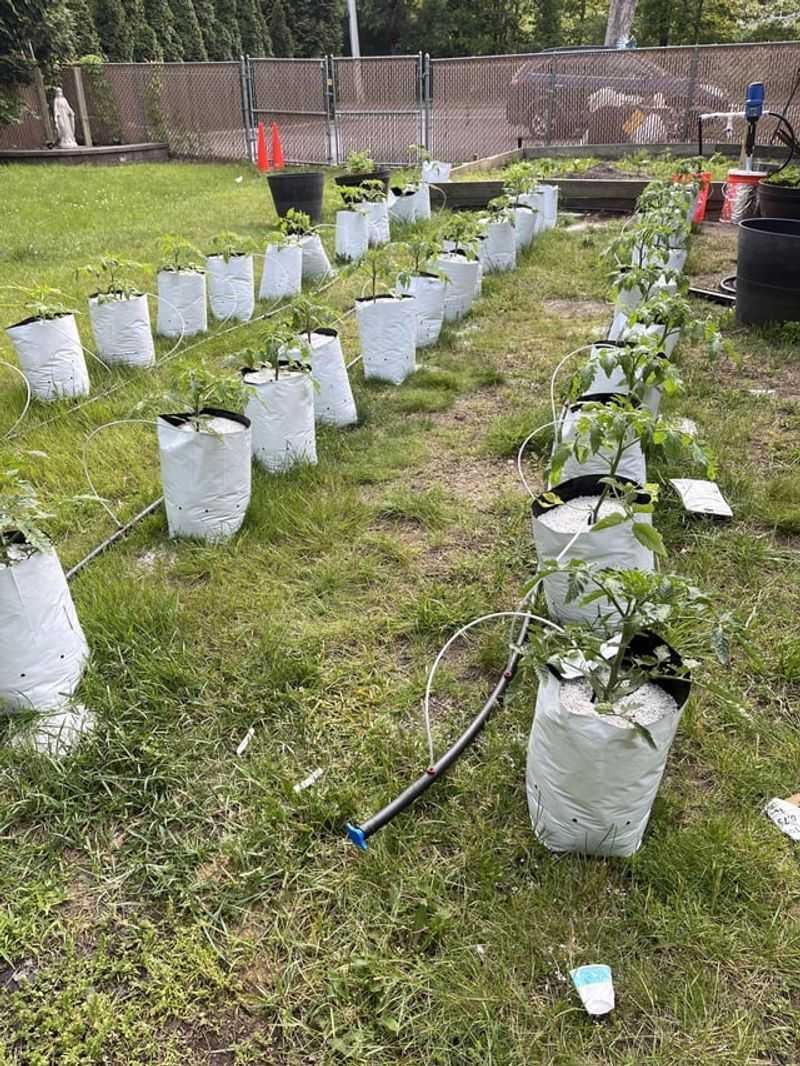
Container growers should stay especially alert. Pots in October sun can dry completely by afternoon, and a wilted plant may drop flowers within a day or two.
Morning watering fits the season well. Plants get moisture before heat peaks, and splashed foliage dries fast.
Leaf behavior offers clues too. Midday curling that recovers by evening often means thirst, while leaves staying limp overnight can point toward root trouble.
Steady water now shows up as smooth, heavy fruit later. Routine beats rescue every time.
3. Feeding With Less Nitrogen, More Potassium
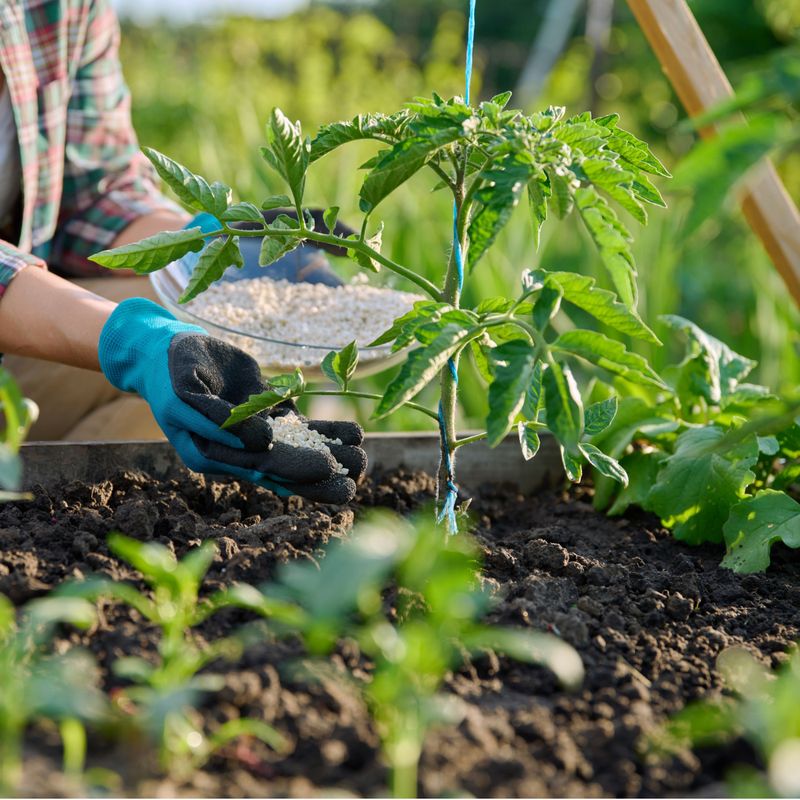
Ever grown a tomato plant taller than yourself with barely three tomatoes on it? Excess nitrogen is one common explanation.
It isn’t the only one. Heat, poor pollination, low sunlight, variety choice, and general plant stress all reduce fruit set as well.
Still, heavy nitrogen pushes leafy growth at a moment when flowers matter more. Lush green looks like success while the plant invests elsewhere.
Once buds appear, shift toward a fertilizer with higher middle and last numbers. Something like 5-10-15 or a labeled tomato and vegetable blend covers it.
Potassium supports water regulation, fruit development, and general plant metabolism. Adding more than the plant needs won’t manufacture sweeter tomatoes, so aim for adequate rather than generous.
Florida sand holds nutrients poorly, which favors light and frequent feeding. Every two to three weeks works better than one heavy dose in September.
Calcium gets talked about constantly in tomato circles. Amendments like dolomite or gypsum help mainly when soil calcium actually runs low, and consistent moisture remains the more reliable defense against blossom end rot.
Liquid feeds such as fish emulsion or seaweed extract act quickly when plants look pale. Use them alongside a slower granular product.
Fresh manure has no place in the bed this late. Nitrogen release runs uneven and can trigger another leafy growth spurt.
Yellowing between veins on lower leaves may indicate magnesium shortage, though Epsom salt only helps when magnesium is genuinely short. Confirm first, then treat.
4. Pruning And Sturdy Support Before Plants Sprawl
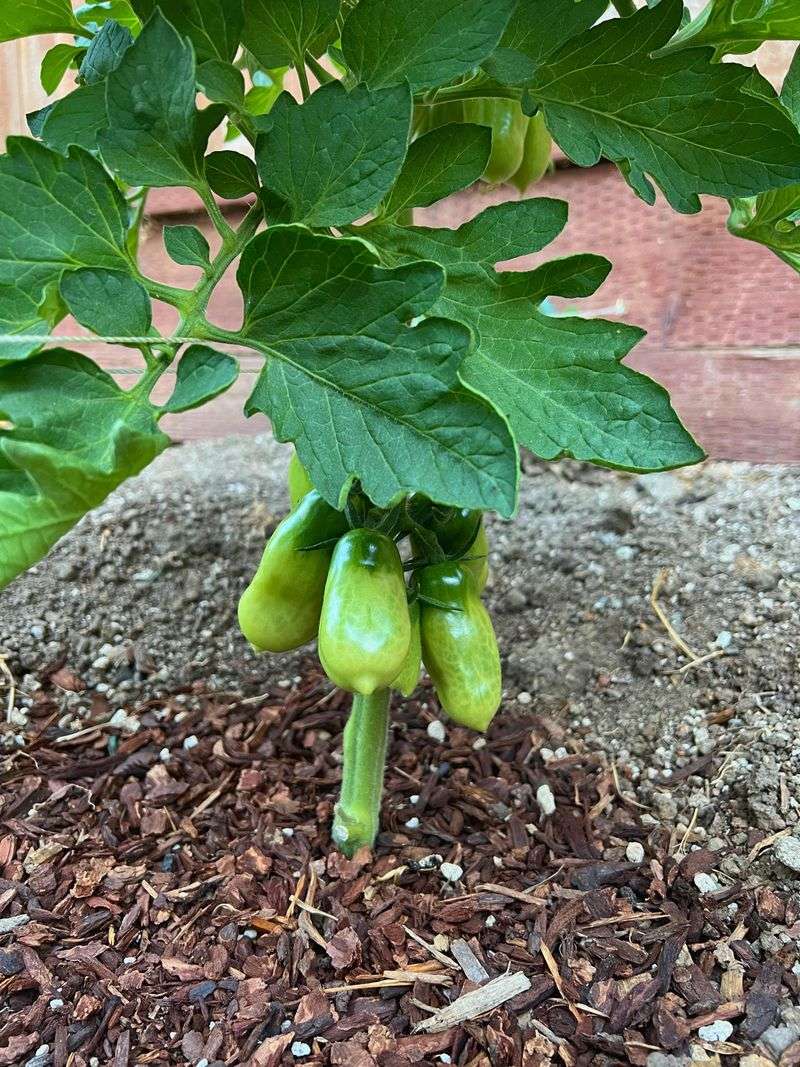
A tomato sprawled across damp Florida ground is basically hosting an open house for fungus.
Plants lifted off the soil and open to airflow face less disease pressure. The upgrade costs almost nothing beyond an afternoon of effort.
Set stakes, cages, or a Florida weave line while plants stay small. A five foot vine wrestled into a cage later means snapped stems and lost flowers.
Strip the lowest leaves so nothing brushes soil. Splashing rain carries spores upward, and that bare eight inches of stem works like a firebreak.
Indeterminate types benefit from regular sucker removal. Pinching those shoots at leaf joints improves airflow and keeps the plant manageable, which matters more than any sugar redirection story you may have heard.
Determinate varieties want the opposite treatment. Beyond the bottom leaves, leave them alone, since heavy pruning removes flower clusters and can cut into yield.
Around mid to late October, topping the main stem starts making sense. Removing the growing tip encourages the plant to finish existing fruit rather than start what cannot ripen.
Soft ties matter more than people assume. Old T-shirt strips or garden velcro flex as stems thicken, while wire cuts straight in during warm weather.
Better airflow also lowers humidity sitting around the foliage. That single change quietly reduces the fungal problems Florida gardeners fight all season.
Give the plant structure and it stops behaving like a shrub with commitment issues.
5. Winning The Battle Against Fall Pests
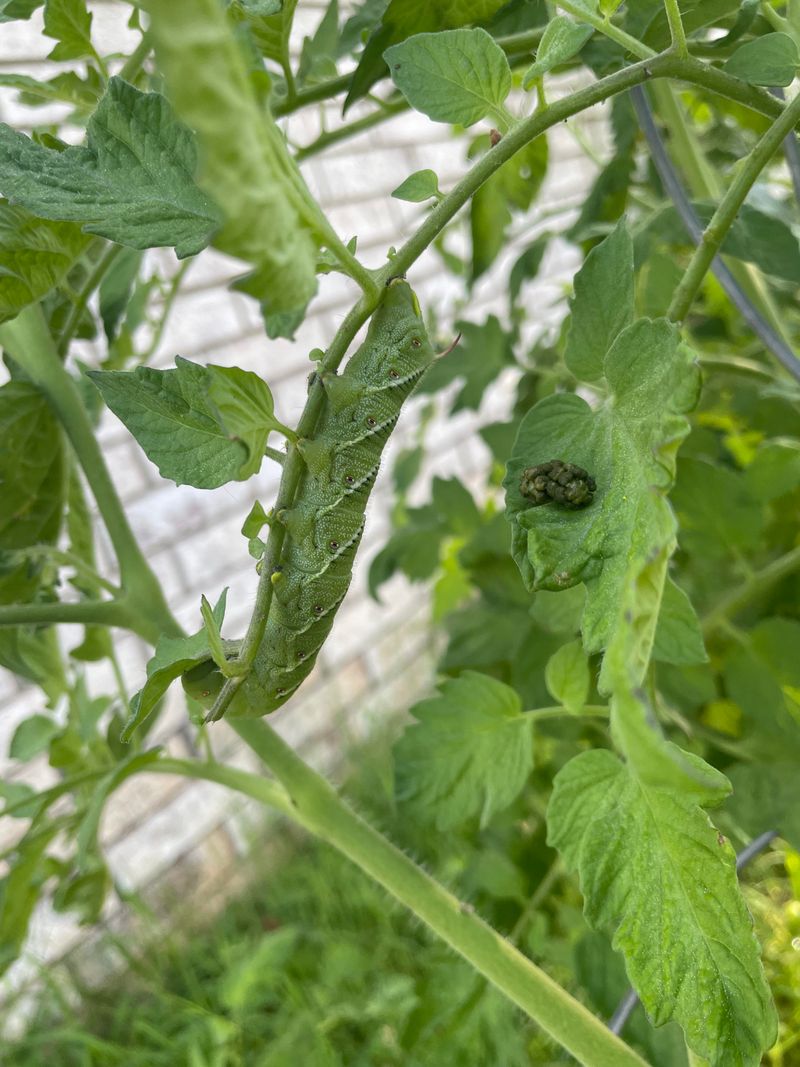
Florida’s warm fall reads like a resort brochure for insects. Whiteflies, hornworms, leaf miners, stink bugs, and spider mites all arrive expecting dinner.
Whiteflies bring the biggest concern because they spread tomato yellow leaf curl virus. Infected plants rarely produce well afterward, which puts most of the value in prevention.
Flip leaves over twice a week and study the undersides. Tiny white specks, sticky residue, or fine webbing serve as early alerts.
Insecticidal soap and horticultural oil work on soft bodied pests when coverage reaches those undersides. Evening application keeps sun from burning treated foliage.
Hornworms sound intimidating and act anything but. They’re large, slow, and one morning hand pick can spare half a plant.
Reflective silver mulch throws off whiteflies and aphids by disrupting how they navigate toward plants. Many Florida commercial growers use it for that reason, so the trick has real mileage behind it.
Floating row cover protects young transplants nicely. Pull it back once flowers open.
Recruiting help pays off too. Alyssum, dill, and marigolds bring in ladybugs and parasitic wasps, which tend to reduce pest pressure rather than clear a garden entirely.
Most of that beneficial activity happens during daylight, so don’t expect an overnight cleanup crew.
Stay ahead of the crowd and plants usually keep their leaves through harvest. Bugs may still visit, but they’ll find the buffet reasonably well defended.
6. Mulch That Cools Roots And Blocks Disease
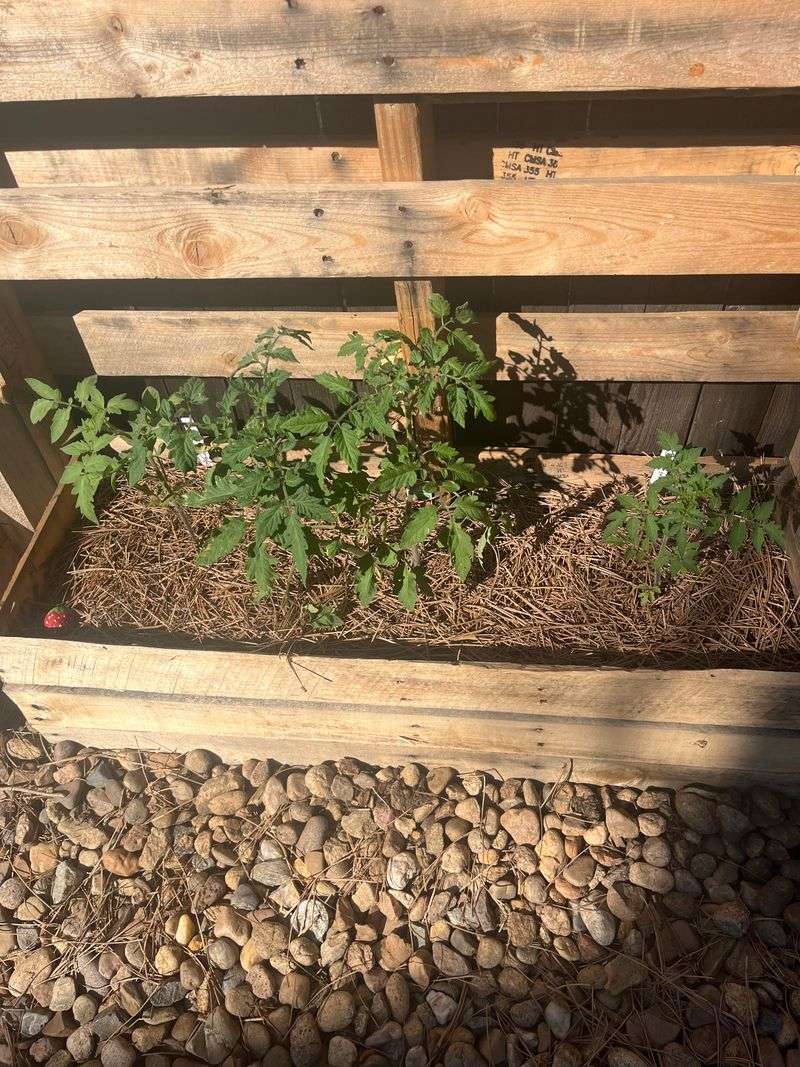
Bare soil in Florida heats up fast, sometimes past 100 degrees near the surface. Roots slow down at those temperatures, and stressed plants tend to drop blossoms.
Two to three inches of mulch addresses several problems at once. Soil stays cooler, moisture lasts longer, weeds struggle, and rain stops splashing soil borne fungus onto lower leaves.
Pine straw, wheat straw, chopped leaves, and untreated grass clippings all do the job. Pine straw is easy to find statewide and lets water pass through without matting down.
Leave a couple of inches of clear space right at the stem. Mulch packed against the trunk traps moisture and invites stem rot.
Black plastic dominates commercial fields for good reasons, including soil warming and weed suppression. For Florida fall heat, white or reflective plastic often serves better.
Refresh the layer mid season, since organic material breaks down quickly in humid heat. A thin, patchy covering does little beyond decoration.
A bonus arrives at harvest time. Fruit hanging low rests on clean mulch instead of wet dirt, so it stays tidier and holds up longer.
Watering chores shrink noticeably too, which matters when afternoon storms turn unpredictable and you’re out there hand watering pots and beds.
One afternoon with a bale of straw buys an easier season. Not bad for a job that takes less time than a grocery run.
7. Helping Flowers Turn Into Actual Tomatoes
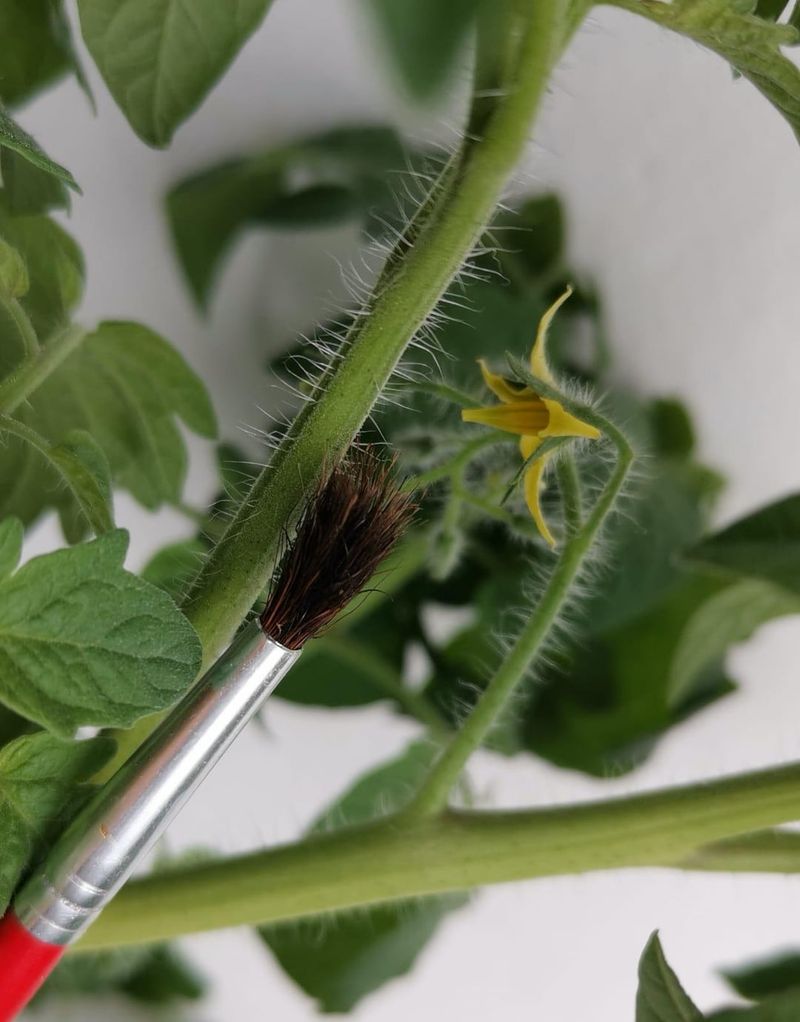
Flowers are only a promise. Pollination decides how much of that promise gets kept.
Tomatoes self pollinate, so fruit can form without a single insect visit. Pollen sits inside the anthers, though, and it needs movement to shake loose.
Wind usually handles that outdoors. Still, humid mornings sometimes leave pollen sitting exactly where it started.
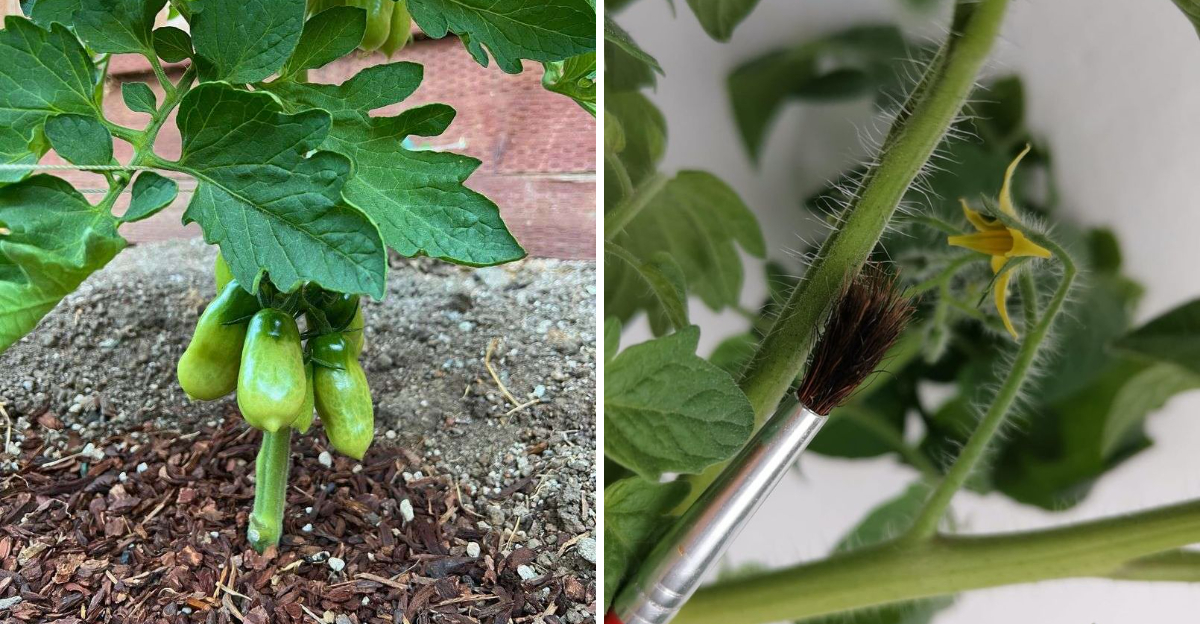
A gentle shake of each flowering branch helps in those conditions. Tapping the stake works too, and morning is a reasonable time since temperatures and humidity are generally lower.
An electric toothbrush held against the stem behind a cluster does the job even better. Two seconds per cluster, then move along, and yes, the neighbors may raise an eyebrow.
Bees add real value here through buzz pollination. Bumblebees in particular vibrate flowers efficiently, which often improves fruit set.
Temperature carries serious weight. Fruit set commonly stalls when days push past 92 or nights hold above 75, so early October plantings may wait for the first cool front.
Shade cloth around 30 percent can lower leaf temperature during a late heat wave. Remove it once nights settle into the 60s.
Skip insecticides during morning bloom hours, since some products harm beneficial insects or make flowers less appealing to them.
Count roughly six to eight weeks from set fruit to ripe fruit. Buzz the blossoms now, and future you gets bragging rights at dinner.
8. Sunlight Is The Ingredient Almost Nobody Can Fake
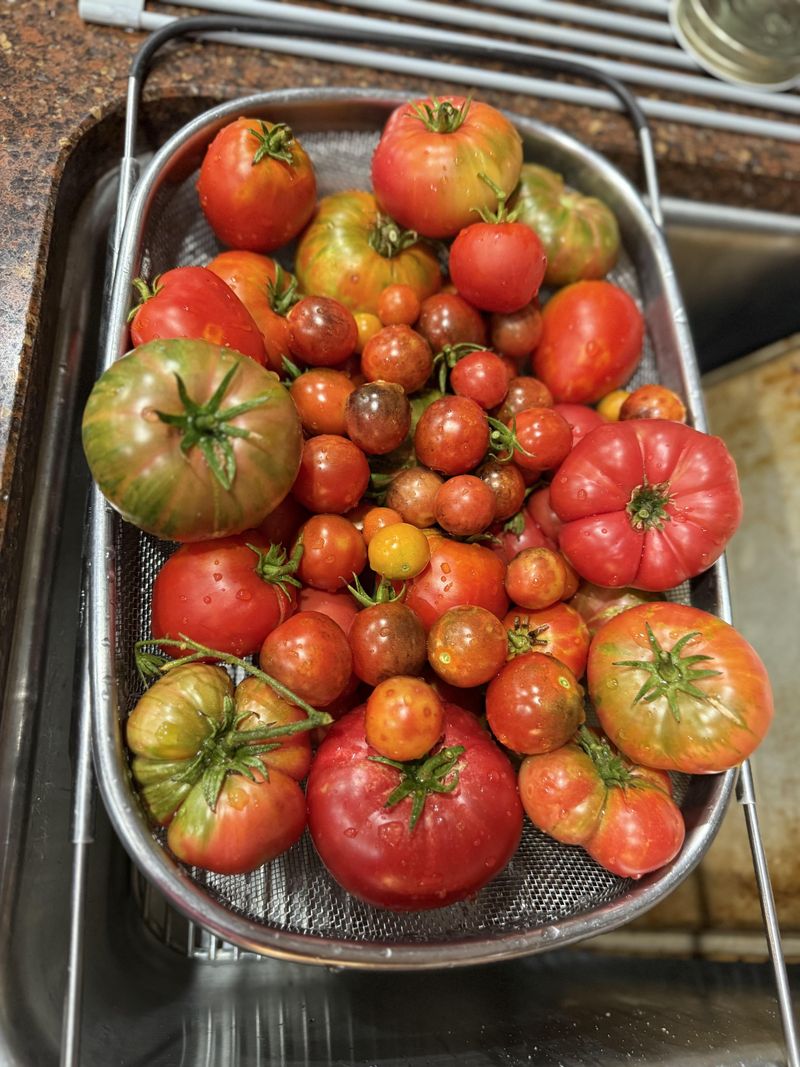
Almost every fall, someone blames the soil when the real issue is shade.
Tomatoes want roughly six to eight hours of direct sun daily, and more usually helps in fall. Less light means fewer flowers and slower ripening no matter how good the fertilizer program looks.
Autumn quietly changes the math. The sun tracks lower across the sky, so shadows from fences, houses, and oaks stretch farther than they did in June.
That spot which baked all summer may now sit in shade by two in the afternoon. Worth walking the garden and checking before plants settle in.
Container growers have an advantage here. Pots on casters or a simple plant dolly can chase the light as the season shifts.
Shorter days also slow ripening, which is why padding your harvest math matters. Fruit that would color up in a week during July may take closer to two weeks in November.
Morning sun tends to be the most valuable stretch. Leaves dry early, which cuts fungal pressure, and plants get productive hours before afternoon heat builds.
Reflected light helps in tight spaces too. A light colored wall or fence behind a bed bounces extra brightness onto the plants at no cost.
Prune nearby shrubs and limbs if they’ve crept over the bed. A little overhead trimming now can add an hour of daily sun through harvest.
Sun is the one input no product replaces. Give the plants a bright address, and everything else on this list works harder for you.