Garden Habits That Attract Powdery Mildew To Georgia Flower Beds
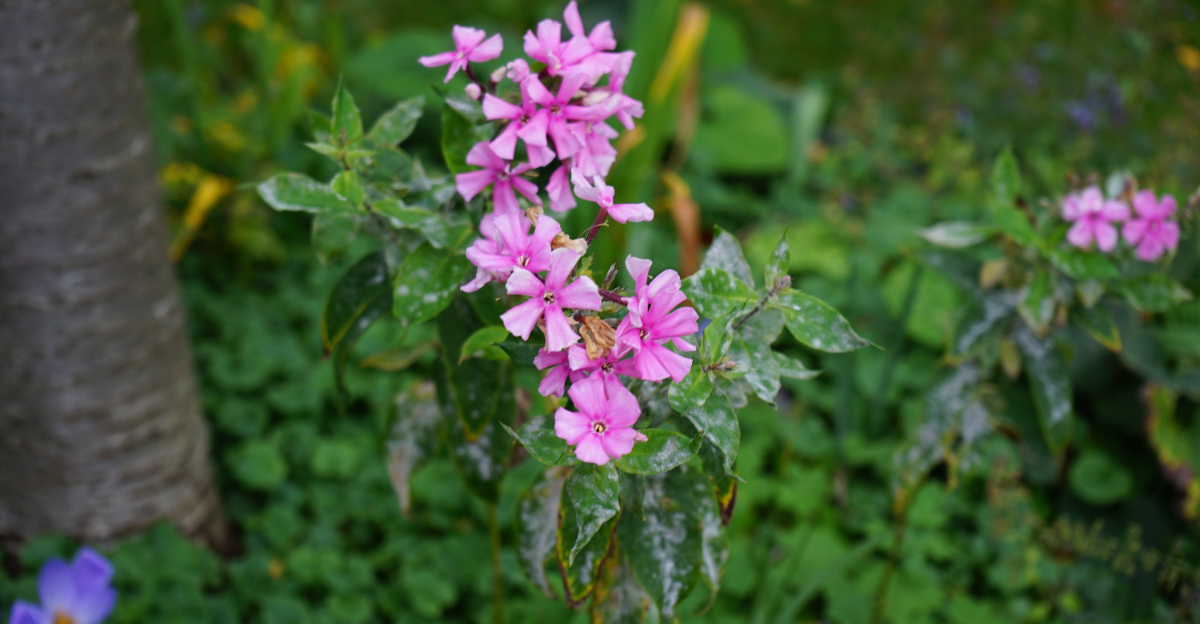
Georgia summers have a personality. The air turns thick, the mornings drip, and every leaf in the yard seems to sweat.
Somewhere in that soupy warmth, a quiet visitor settles in. It doesn’t chew holes or leave tracks, so most gardeners miss it until the damage shows.
Your own gardening routine may be rolling out the welcome mat. Small choices about watering, spacing, and pruning add up fast in humid Southern beds.
Habits can change, and beds can bounce back. Below are eight everyday practices worth rethinking before the next muggy stretch settles over your garden.
1. Watering Late In The Evening
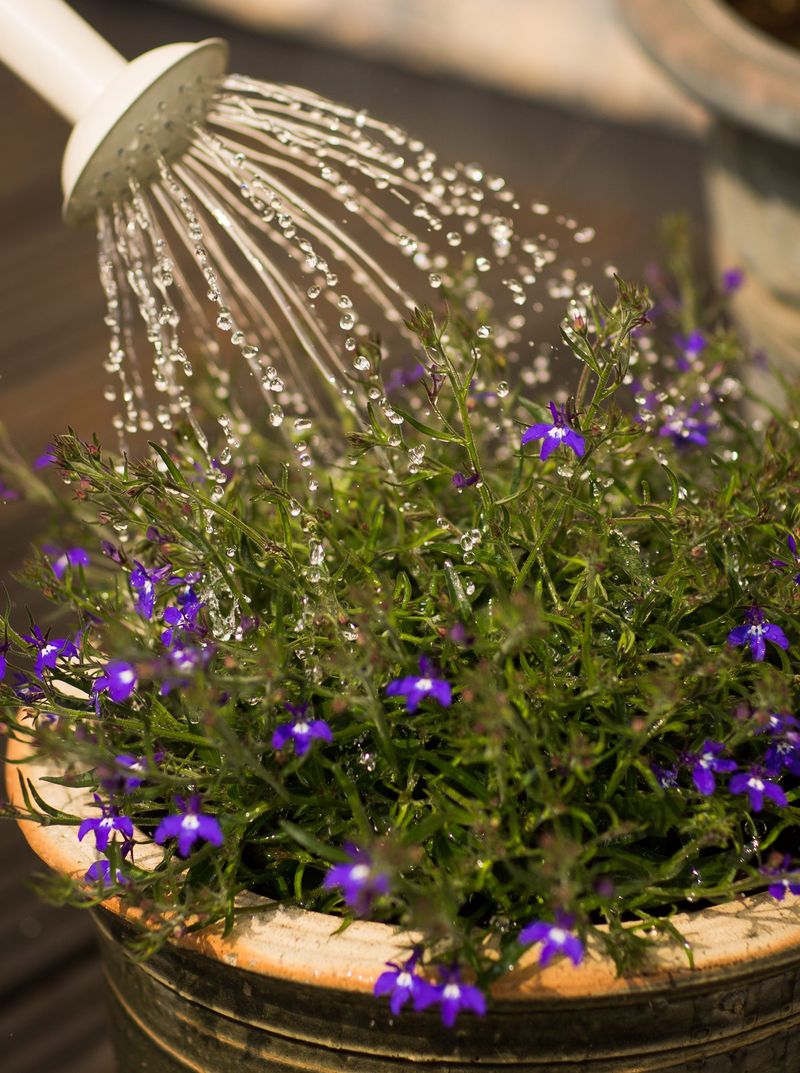
Evening watering feels peaceful, especially after a scorching Georgia afternoon. The trouble is what happens after sunset, when temperatures drop and moisture lingers on foliage for hours.
Powdery mildew doesn’t need a wet leaf to take hold. It favors warm days, humid nights, and still air instead.
Even so, splashing water in the evening can spread existing spores. Overnight moisture also invites other fungal problems.
Shifting your schedule makes a real difference. Watering between 6 a.m. and 9 a.m. lets the sun and morning breeze dry leaves within an hour or two.
Aim the water at the soil rather than the plant. Soaker hoses and drip lines placed at the base of phlox, bee balm, and zinnias deliver moisture to roots while keeping foliage dry.
If you rely on a sprinkler system, check the timer settings. Many Georgia irrigation systems come preset for overnight cycles, which suits lawns but works against flower beds.
Deep, less frequent watering also helps. Soaking the root zone twice a week beats a light daily sprinkle, since shallow watering keeps the top layer of soil and the lowest leaves constantly humid.
Watch your mulch line too. Thick mulch piled against stems traps moisture right where the lower leaves sit.
One small note from experience: gardeners who switch to morning watering often report fewer leaf spots overall, not just less mildew. Drier evening foliage discourages several fungal troubles at once, which makes the habit doubly worthwhile.
2. Crowding Plants Too Closely Together
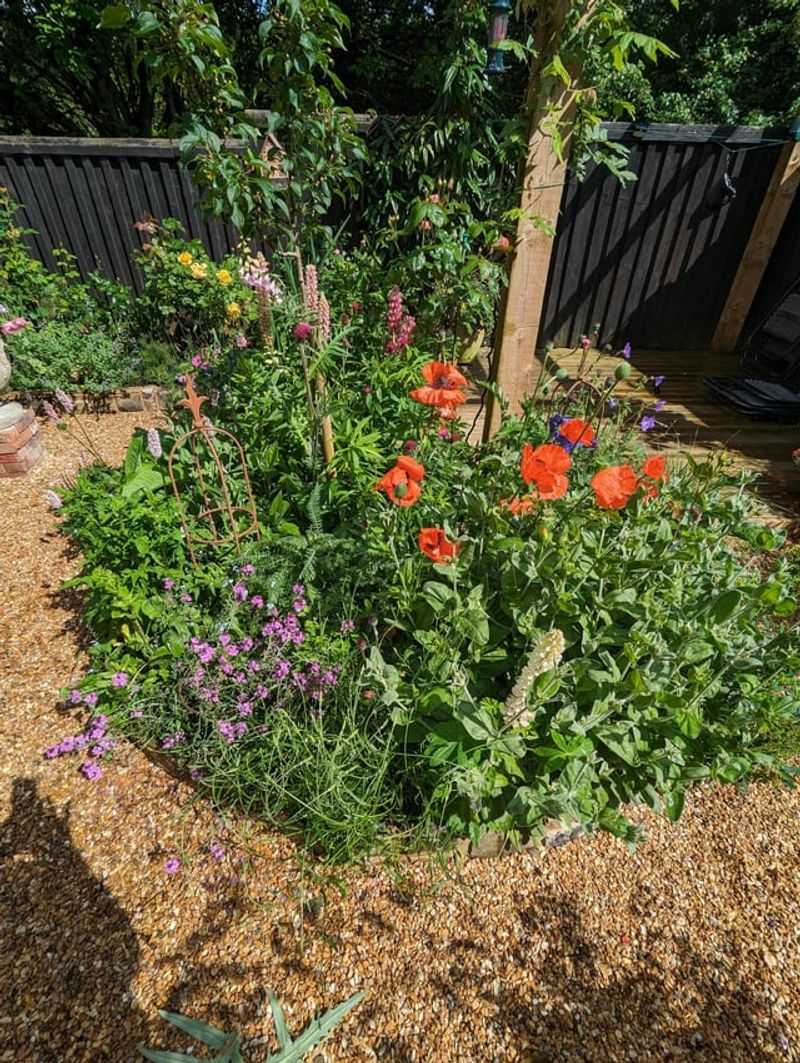
Nursery tags say twelve inches apart, but that lonely-looking spring bed tempts almost everyone to squeeze in extras. By July those tidy gaps vanish, and so does the airflow.
Powdery mildew thrives where air sits still. Tightly packed stems create a pocket of trapped humidity, and in Georgia’s climate that pocket can stay muggy for days.
Spacing is really about breathing room. When a breeze can pass between plants, leaf surfaces dry faster and spores struggle to take hold.
Follow the mature width listed on the plant label, not the size of the seedling in your hand. A garden phlox that spreads three feet needs that room by August, even if it looks silly in April.
Fill the temporary gaps with shallow-rooted annuals you plan to pull, or use a layer of mulch. Both options keep the bed looking finished without permanent competition.
Existing beds can be rescued. Dividing overgrown clumps of coneflower, aster, or monarda in early spring or fall opens up the planting and gives you free plants for elsewhere.
Your Georgia Garden Changes Every Week. Your Plan Should Too.
Gardening in Georgia changes quickly throughout the season. Every Friday you’ll receive a simple weekly plan showing exactly what to plant, prune, fertilize, harvest, and protect so you never miss the right timing.
Thinning helps too. Removing a few interior stems from a dense clump improves circulation without changing the shape much.
Consider your fence lines and walls as well. Beds tucked against solid structures get less cross-breeze, so plants there deserve even wider spacing than the tag suggests.
A slightly airier bed may look sparse for a season, and then it looks healthy for many more.
3. Overfeeding Beds With Nitrogen Fertilizer
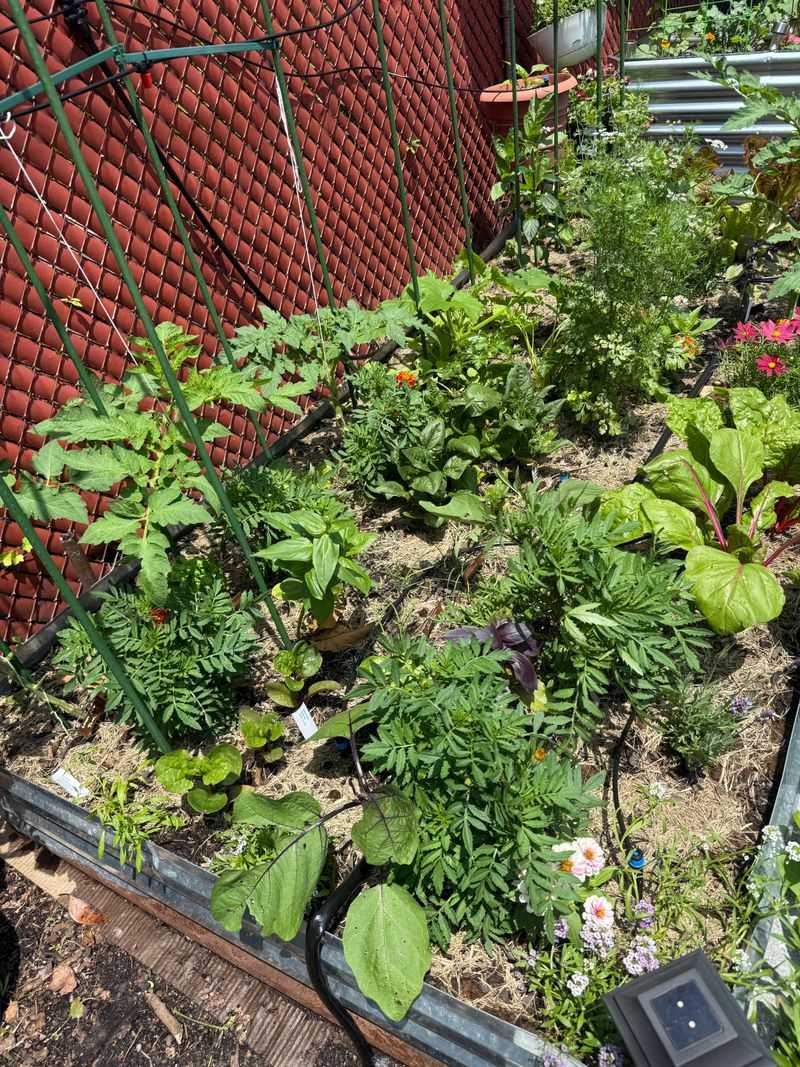
There’s a certain pride in fast, leafy growth. Pour on the nitrogen and plants shoot up green and glossy, which feels like success.
Those tender new leaves happen to be exactly what powdery mildew prefers. Soft, thin-walled foliage offers easier entry than mature, sturdy growth.
Too much nitrogen also pushes plants to produce a thick canopy of shoots. More leaves in the same space means more shade, more trapped humidity, and slower drying after rain.
A soil test through your county extension office takes the guesswork out. Many Georgia beds already hold plenty of nutrients, and the test shows what is genuinely missing.
Slow-release or organic options work more gently. Compost, aged manure, and slow-release granular blends feed steadily instead of triggering a growth spurt.
Timing matters as well. Heavy feeding in mid to late summer produces fresh growth right when heat and humidity peak, which is the worst possible combination.
Watch for warning signs. Floppy stems, unusually large dark leaves, and few flowers usually mean nitrogen is running high.
Balanced feeding also strengthens plants in ways you cannot see. Adequate potassium and calcium build tougher cell walls, giving foliage better natural resistance.
Lawn fertilizer drift is a sneaky culprit too. Granules that bounce into adjacent flower beds deliver a nitrogen dose nobody planned, so sweep spills back onto the grass.
Feed with restraint, and your plants trade a little speed for a lot more toughness.
4. Leaving Infected Debris On The Ground
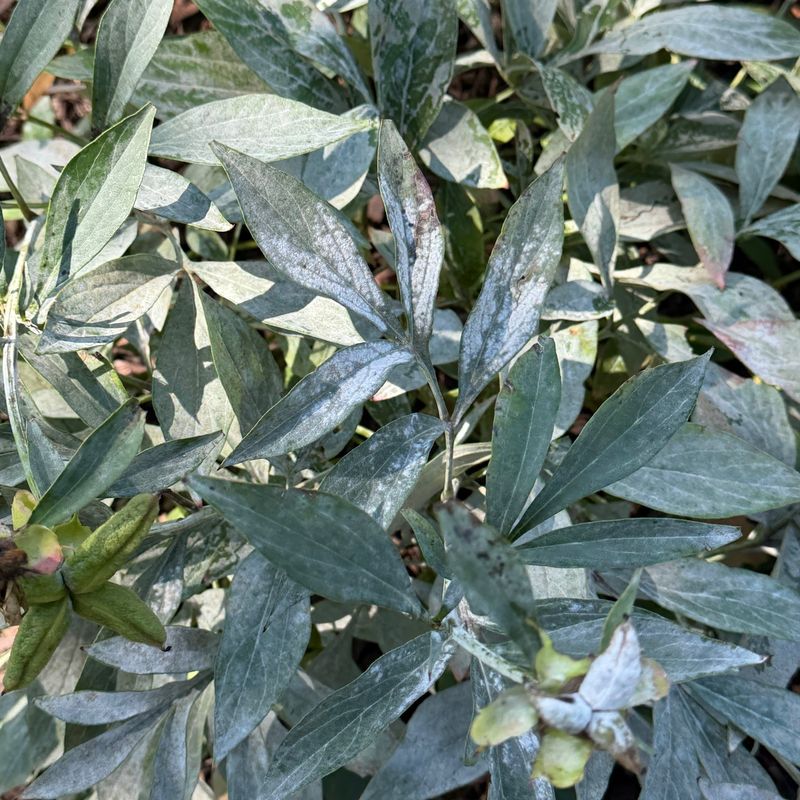
End-of-season cleanup ranks somewhere below fun for most gardeners. Leaves get raked into a corner, mildewed stems stay standing, and everyone moves on to hot cocoa season.
Those leftovers act as a storage unit for spores. Powdery mildew can overwinter in fallen leaves and on dormant buds, then reappear the moment spring warmth arrives.
Georgia’s mild winters make the problem worse. Without long, deep freezes, fungal structures survive comfortably from one year to the next.
Cleanup pays off quickly. Cutting back affected perennials after frost and clearing the surrounding debris removes a huge share of next year’s starting spores.
Skip the compost pile for infected material. Home piles rarely get hot enough to break down fungal spores, so bag that debris or take it to municipal disposal.
Mid-season tidying helps too. Picking off spotted lower leaves during summer slows the spread upward through the plant.
Tools deserve attention. Wiping pruners with a disinfecting solution between plants keeps you from carrying spores across the bed.
Fresh mulch in early spring adds another layer of protection. A two-inch topping buries any remaining bits and blocks spores from splashing back onto new growth.
Watch nearby weeds as well. Chickweed and other volunteers can host mildew quietly, then pass it along to your zinnias.
Think of autumn cleanup as prepaying for an easier July. Half an hour with a rake in November saves a summer of spotted leaves.
5. Planting Susceptible Varieties By Default
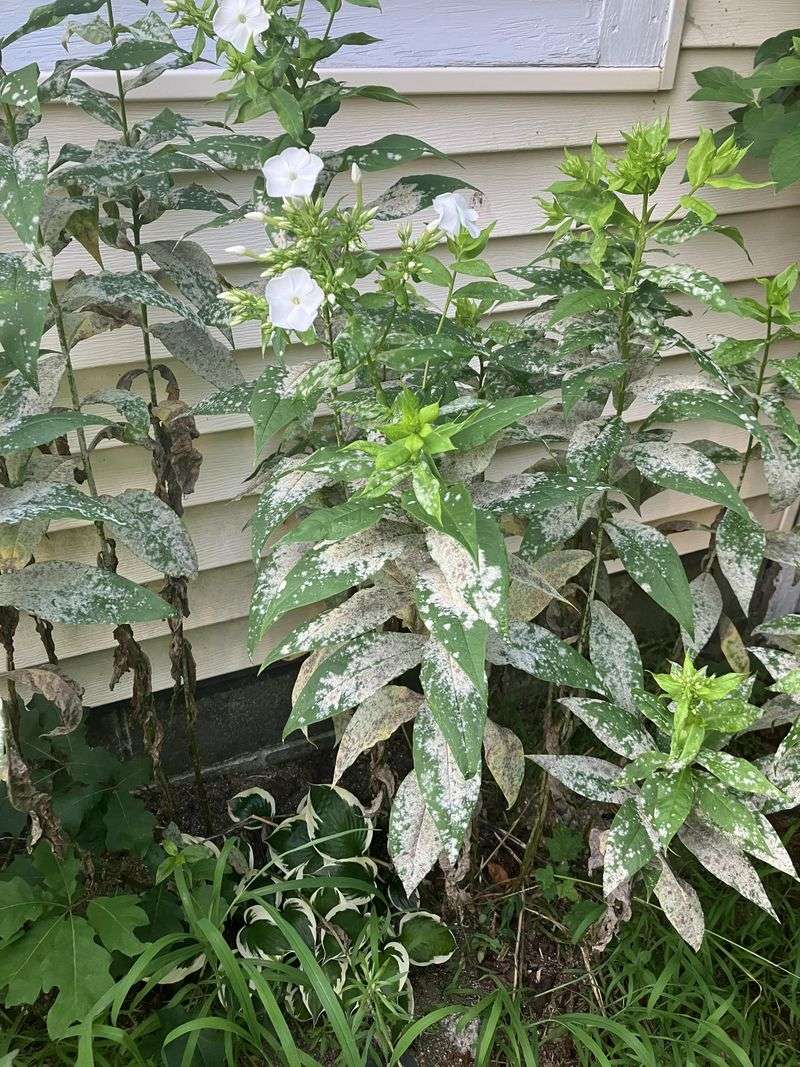
Grocery-store plant racks have a way of making decisions for us. You grab the prettiest zinnia, take it home, and inherit whatever weaknesses came with it.
Some classic Southern favorites carry a strong tendency toward powdery mildew. Old-fashioned garden phlox, bee balm, common lilac, and standard zinnias top that list.
Breeders have been busy, though. Resistant cultivars now exist for nearly every mildew-prone favorite, and they perform beautifully in Georgia heat.
Look for phlox varieties such as David, Jeana, or Robert Poore. All three hold clean foliage through humid stretches far better than older strains.
Bee balm fans can choose Jacob Cline or Raspberry Wine. For zinnias, the Profusion and Zahara series shrug off humidity that flattens taller cutting types.
Reading tags becomes a small superpower. Words like mildew resistant, disease resistant, or improved foliage signal that someone did the hard breeding work for you.
Your county extension office publishes regional recommendations too. Those lists reflect what actually thrives from the mountains near Blue Ridge down to the coastal plain.
Diversity offers extra insurance. Mixing several species and cultivars means one troubled plant does not set off a chain reaction across the whole bed.
Fun bit of trivia: the popular Jeana phlox was discovered growing wild along a Tennessee river by a gardener named Jeana Prewitt. Nature handled the breeding, and pollinators love it.
6. Tucking Sun Lovers Into Shady Spots
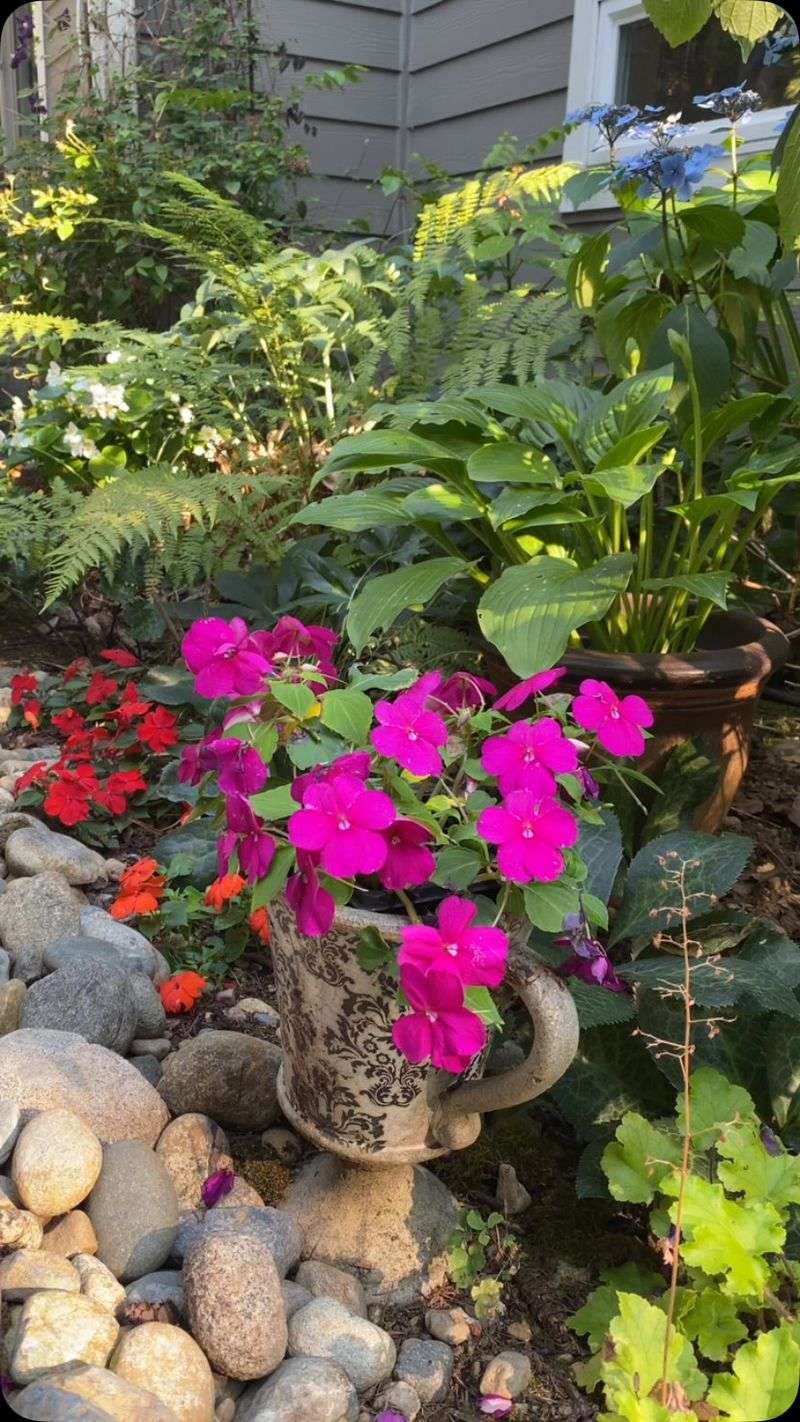
Georgia yards come with generous tree canopies, and that shade is a blessing on a 95-degree day. Sun-loving flowers see it differently.
Plants placed in too little light grow stretched and weak. Thin stems and pale leaves offer less resistance when spores arrive.
Shade also slows evaporation. Dew that would burn off by 8 a.m. in full sun can hang around until noon beneath an oak.
Track your light before planting. Check a spot at 9 a.m., noon, and 4 p.m. across a few days to see what it truly receives.
Match the plant to the reality, not the wish. Zinnias, coneflowers, and salvia want six or more hours of direct sun to stay dense and sturdy.
Shady beds still have great options. Hellebores, ferns, hostas, and heuchera handle low light without the same struggle, though airflow still matters for them.
Selective limbing up can help. Removing a few low branches from a nearby tree brightens the bed and lets breezes move through.
Morning sun deserves special mention. Eastern exposure dries dew early, which is arguably more valuable than blazing afternoon light.
Container gardening offers flexibility too. Pots let you chase the sun and rotate plants as tree canopies fill in each spring.
Shade-grown sun lovers rarely announce their unhappiness loudly. They simply lean, thin out, and become easy targets by midsummer.
7. Skipping Pruning And Thinning Chores

Pruning intimidates a lot of people. Cutting off healthy-looking stems feels backward, so the shears stay in the shed and the plant keeps thickening.
Inside that dense mass, conditions turn ideal for mildew. Interior leaves stay shaded, damp, and still, which is basically a spa day for fungal spores.
Strategic thinning fixes it. Removing roughly a quarter of the stems from a crowded clump opens channels for air to move through the center.
Spring is prime time for the job. Thinning young shoots of phlox or monarda when they reach six inches tall produces sturdier remaining stems and better flowers.
Cut at the base rather than the tip. Snipping tops encourages bushy regrowth, which defeats the purpose entirely.
Summer touch-ups help as well. Clipping away lower leaves that touch mulch or soil reduces splash-borne spores reaching the plant.
Nearby shrubs matter too. An overgrown loropetalum or azalea leaning into a flower bed blocks airflow just as effectively as a wall.
Keep blades clean. A quick wipe with an isopropyl solution between plants prevents your helpful pruning session from becoming a spore delivery route.
Removing spent blooms counts as maintenance too. It keeps plants tidy, encourages new flowers, and gives you a regular excuse to inspect foliage closely.
Gardeners who thin regularly often say their beds look more intentional. Fewer stems, better spacing, healthier leaves, and a lot less white dust in August.
8. Ignoring The First Faint White Patches
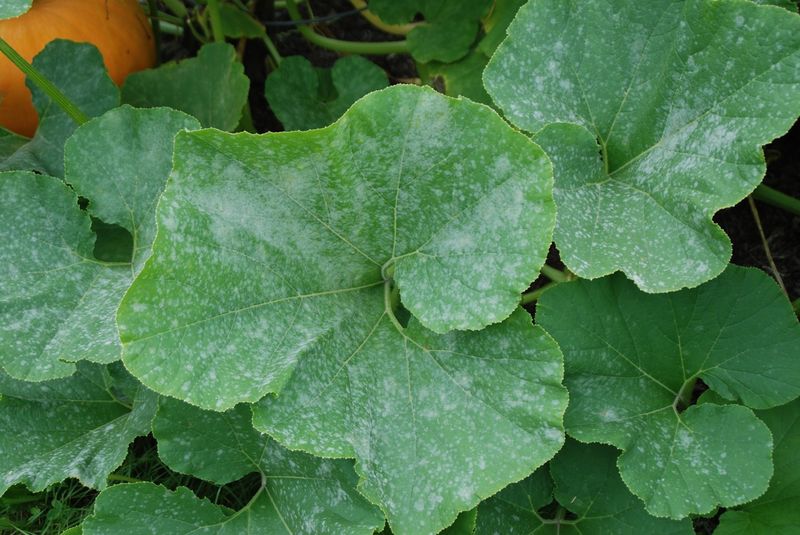
Powdery mildew starts subtly. A few pale, dusty spots on a lower leaf look like sprinkled flour or a smudge of dry dirt.
Most gardeners walk right past them. Two weeks later, half the plant wears a gray coat and the leaves begin curling.
Early action changes the outcome dramatically. A small patch is a manageable problem, while a coated plant becomes a spore factory feeding the whole bed.
Build inspection into your routine. Walking the beds with morning coffee twice a week catches trouble while it’s still tiny.
Check the undersides and lower interior leaves. Mildew usually begins in the shaded, humid zone near the base rather than at the showy top.
Pluck affected leaves immediately and bag them. Do not shake the plant, since jostling releases spores into the air.
Gentle sprays work best at this stage. Horticultural oil, neem, potassium bicarbonate, or a diluted milk solution can slow spread on lightly affected plants.
Apply treatments during cooler morning hours. Oils on hot Georgia afternoons can scorch leaves, trading one problem for another.
Repeat applications every seven to fourteen days while humidity stays high. Consistency beats strength with mildew management.
Keep simple notes too. Recording which plants show symptoms first, and when, helps you plan smarter spacing and variety choices next season.
A little attention in June often means your zinnias still look presentable when September finally cools things down.