Many Georgia Christmas Cactus Plants Bloom On A Different Holiday’s Schedule
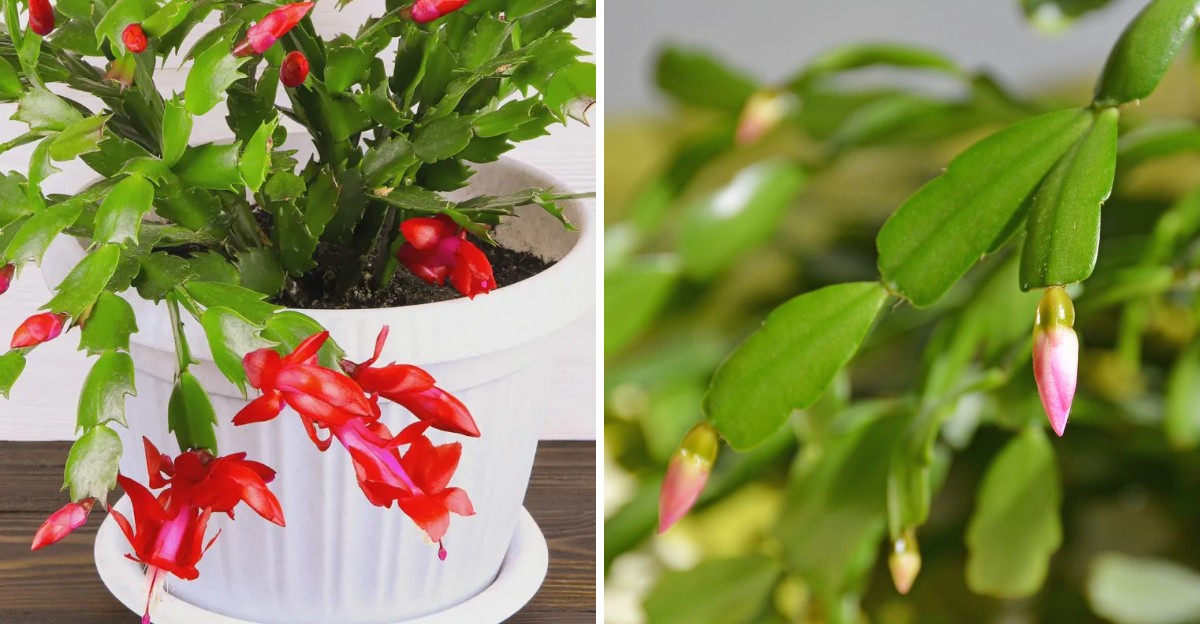
Flower buds forming on a Christmas cactus in early November can seem ahead of schedule, especially if you expected blooms near the holidays.
Many plants sold under that name are actually a close cousin that naturally blooms several weeks earlier in the season.
In Georgia homes, those plants often open right around Thanksgiving instead of late December, which surprises plenty of owners.
The two types look nearly identical at a glance, which is why the mix-up is so common. Differences in the leaf edges can help tell them apart.
Knowing which one you have explains a lot about when your blooms appear each year.
Run a finger along the edge of a leaf segment and notice its shape. Pointed teeth or smooth, rounded edges each point to a different holiday.
1. Late November Flowers Often Surprise Owners Expecting December Color
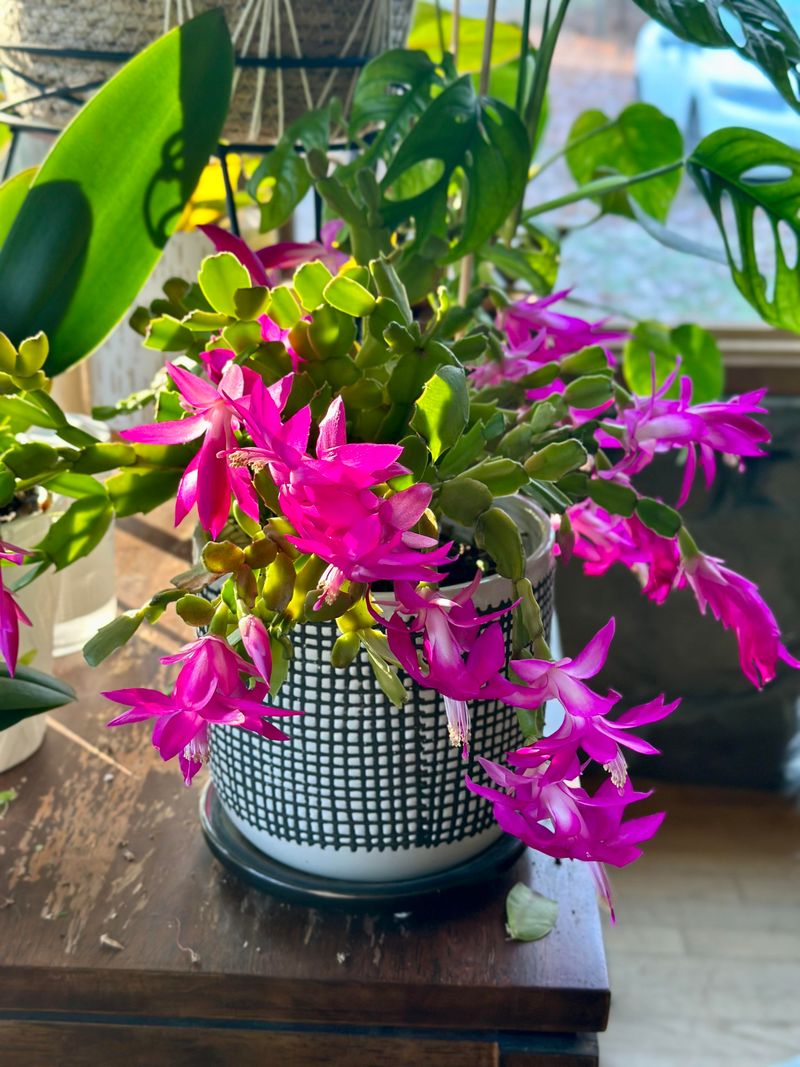
Surprise blooms in November can make a new owner wonder if something went wrong. Nothing is wrong at all, because your plant is likely doing exactly what it was bred to do.
Most plants labeled as Christmas cactus in stores are actually Thanksgiving cactus, known by the botanical name Schlumbergera truncata.
Its natural flowering window often falls in November, which lines up with the Thanksgiving holiday. Depending on light and temperature indoors, some plants open buds a bit earlier or later than that.
Retail tags tend to use the more familiar Christmas name since shoppers recognize it. That habit has spread so widely that the two plants are mixed up in many homes.
Owners in Georgia who buy a plant in fall and see flowers right away are usually holding the Thanksgiving type.
Bloom timing is not a fixed date, though. A plant kept in a warm, brightly lit room in the evening may hold its buds longer or flower unevenly.
Enjoy the early color rather than trying to force it later. Pushing the plant to wait often leads to bud drop instead of a delayed show.
Keep the soil lightly moist while flowers are open and avoid moving the pot around too much.
Once the last bloom fades, a short rest with less water helps the plant recover before spring growth begins.
2. Sharp Claw Like Teeth Line The Edges Of Each Stem Segment
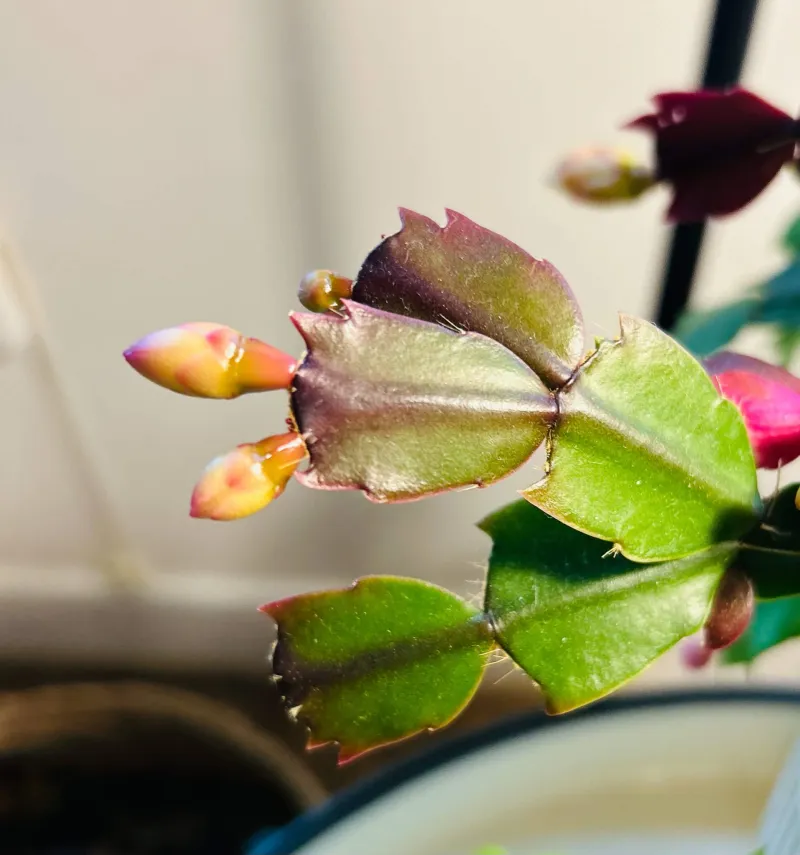
Run a finger along a stem and you might feel little points. Those pointed edges are the fastest clue that you own a Thanksgiving cactus.
Each flat stem segment, sometimes called a cladode, has two to four sharp, curved projections on its sides.
Gardeners often compare the shape to a crab claw. That is why some people call this plant crab cactus, a nickname you may hear at Georgia plant swaps.
Look at the tip of each segment as well, where the points tend to angle upward slightly.
These teeth are not true spines and will not hurt you. They are just part of how the stem grows, so you can handle the plant without gloves.
Check a few segments instead of just one before deciding. Young or damaged pieces sometimes look less pointed, which can make identification tricky.
Your Georgia Garden Changes Every Week. Your Plan Should Too.
Gardening in Georgia changes quickly throughout the season. Every Friday you’ll receive a simple weekly plan showing exactly what to plant, prune, fertilize, harvest, and protect so you never miss the right timing.
Hybrids also exist, and some show features from both parents. In those cases, the leaf shape may land somewhere in the middle.
A clear photo of the stem edges is helpful if you want a second opinion from a local Extension office or garden club.
Once you spot the claw shape, you will start seeing it on plants in stores, offices, and friends’ kitchens almost everywhere.
3. True Christmas Cactus Has Smooth Rounded Scallops Instead
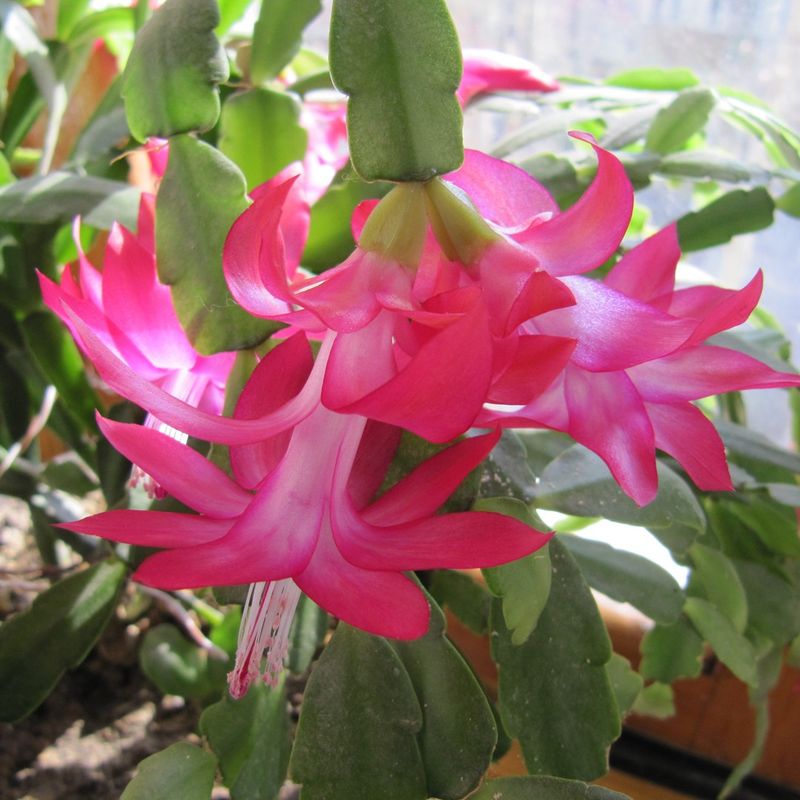
Smooth edges tell a different story. A true Christmas cactus, Schlumbergera x buckleyi, has stem segments with gentle, rounded scallops and no sharp points.
Picture a soft wavy line instead of a row of little hooks, and you have the right image in mind.
Older plants passed down through families are often the true Christmas type. Some of these heirlooms have lived for decades in the same household.
In many Georgia homes, a plant that came from a parent or grandparent may be the one that flowers closer to December.
Finding a true Christmas cactus for sale can take some effort. Garden centers stock it less often, so cuttings from friends are a common way to get one.
Rooting a cutting is fairly simple. Twist off a section of two or three segments, let it dry for a day or so, then set it in slightly moist potting mix.
Stems tend to hang down more as the plant matures, giving it a draping shape that suits hanging baskets.
Compare your plant side by side with a toothed one if you can. Seeing both together makes the scalloped edge much easier to recognize from then on.
4. Flower Posture And Pollen Color Help Tell Them Apart
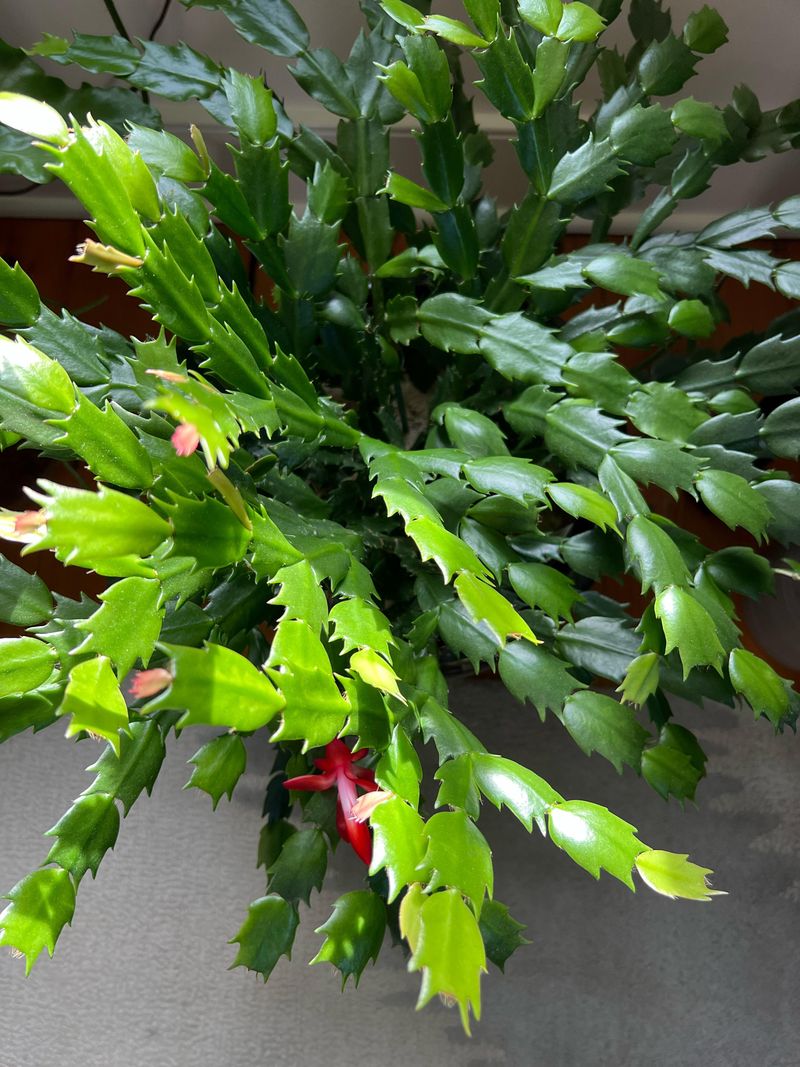
Watch how the blooms hang. Thanksgiving cactus flowers usually stick out sideways, close to level with the stem, while Christmas cactus flowers tend to droop downward.
That angle is easy to notice from across the room once you know to look for it.
Pollen offers another clue, though you will need to get close. Thanksgiving types generally carry yellow pollen on their anthers, and true Christmas types usually show pink to brownish pollen.
A small magnifying glass makes checking pollen easier, especially on smaller flowers.
Neither feature is perfect on its own. Hybrids and certain cultivars can blur these lines, so it helps to combine flower traits with the stem shape.
Flower color will not settle the question. Both plants come in shades such as red, pink, white, and purple, so a red bloom could belong to either one.
Gardeners around Georgia who enjoy keeping records might snap a photo of each plant in bloom.
Notes on bloom date, pollen color, and flower angle can help you identify new cuttings or explain the difference to curious visitors. Over a few seasons, those records also show how your growing conditions affect timing.
5. A Third Cousin Called Easter Cactus Blooms In Spring
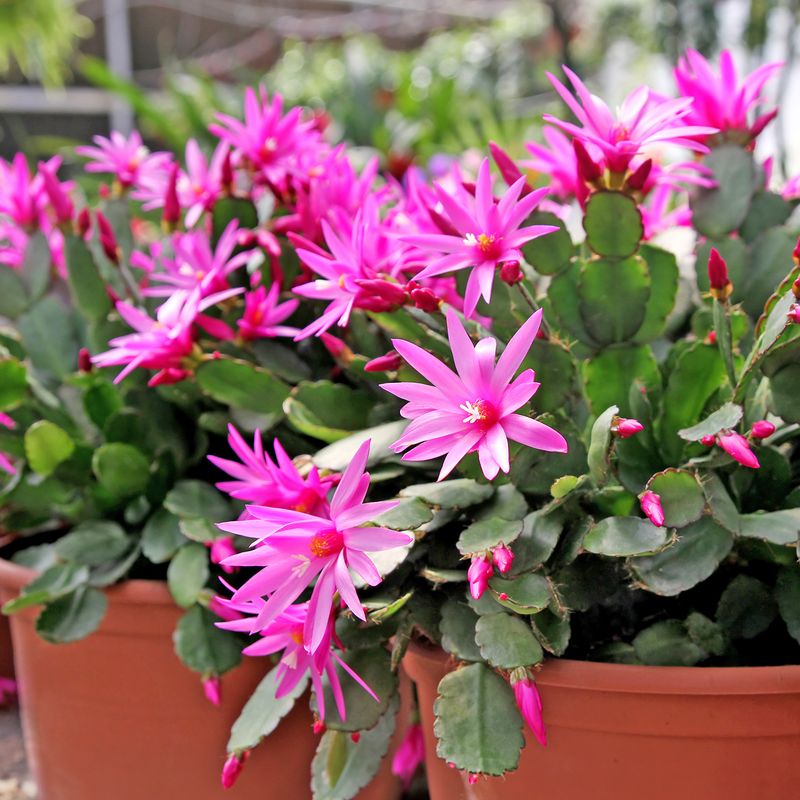
Spring brings its own holiday cactus. Easter cactus, usually sold as Rhipsalidopsis gaertneri or listed under Hatiora, flowers around late winter into spring.
Its blooms look different from the other two, opening into flat, star-shaped flowers instead of long tubular ones.
Stem segments also differ. Easter cactus has rounded edges with small bristly hairs at the tips, rather than claws or soft scallops.
Care needs are a bit different too, so treating it exactly like a Thanksgiving cactus may not give the best results.
Easter cactus generally needs a cool rest period over winter to set buds well. Without that rest, flowering may be sparse or skipped.
Overwatering is a common problem with this plant, so let the top of the soil dry somewhat between waterings.
Gardeners in Georgia sometimes move potted plants to a shaded porch once spring nights stay mild. Bright, direct afternoon sun can scorch the stems, so filtered light works better outdoors.
Bring it back inside before cold fall nights arrive, since it is not hardy outdoors through winter in most of the state.
Owning all three types can give you color in fall, early winter, and spring from just a few pots.
6. Growers Often Sell Thanksgiving Types Because They Flower Earlier
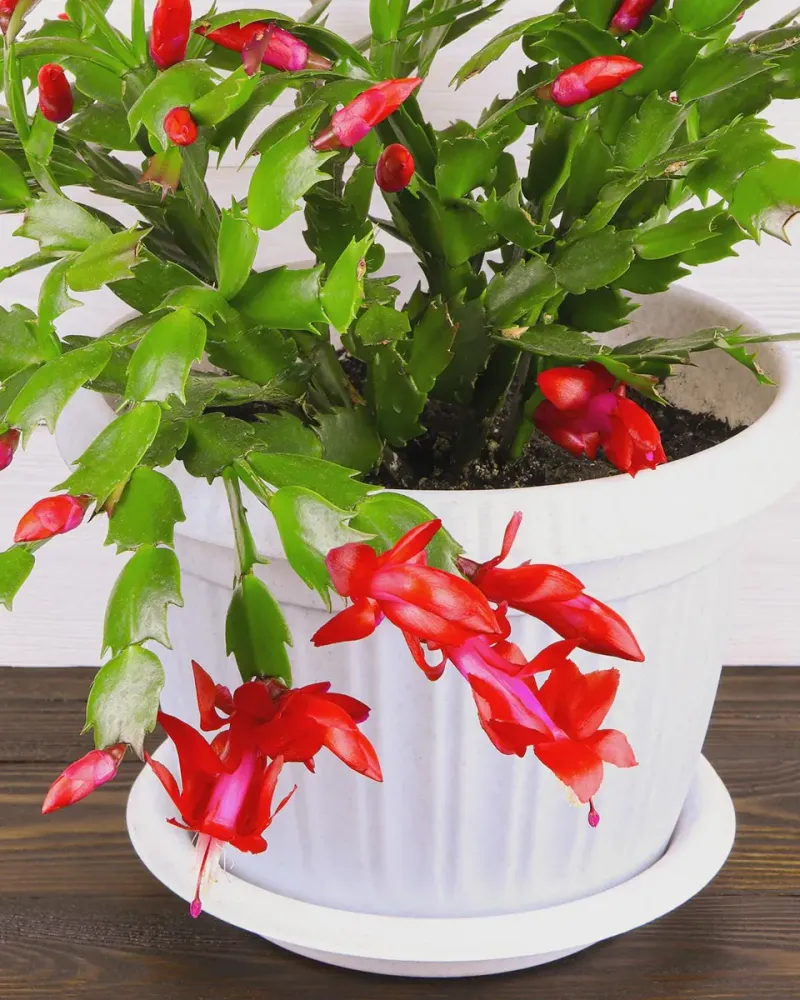
Timing drives the market. Commercial growers favor Thanksgiving cactus partly because it tends to bud and bloom early enough to ship before the holiday rush.
Plants that show buds or open flowers in November catch shoppers’ eyes on store shelves.
Breeding has also produced many Thanksgiving cultivars in a wide range of colors. That variety gives stores lots of options to offer from one plant group.
Nurseries can manage light and temperature in greenhouses to help schedule flowering, which keeps supply steady.
Labels usually say Christmas cactus anyway because the name is familiar and sells well. Some tags say holiday cactus, which is a more accurate catch-all term.
Shoppers in Georgia who want a true Christmas cactus might need to ask a local nursery or look for cuttings from experienced growers.
Watch for buds when buying. Plants moved from a greenhouse to a store and then your home face several changes, and some bud drop can happen along the way.
Choose a plant with plenty of firm buds rather than one in full flower, so more blooms open at your place.
Place it in bright, indirect light away from heat vents. Steady conditions give those buds the best chance to finish opening.
7. Both Respond To Cool Nights And Long Darkness In Fall
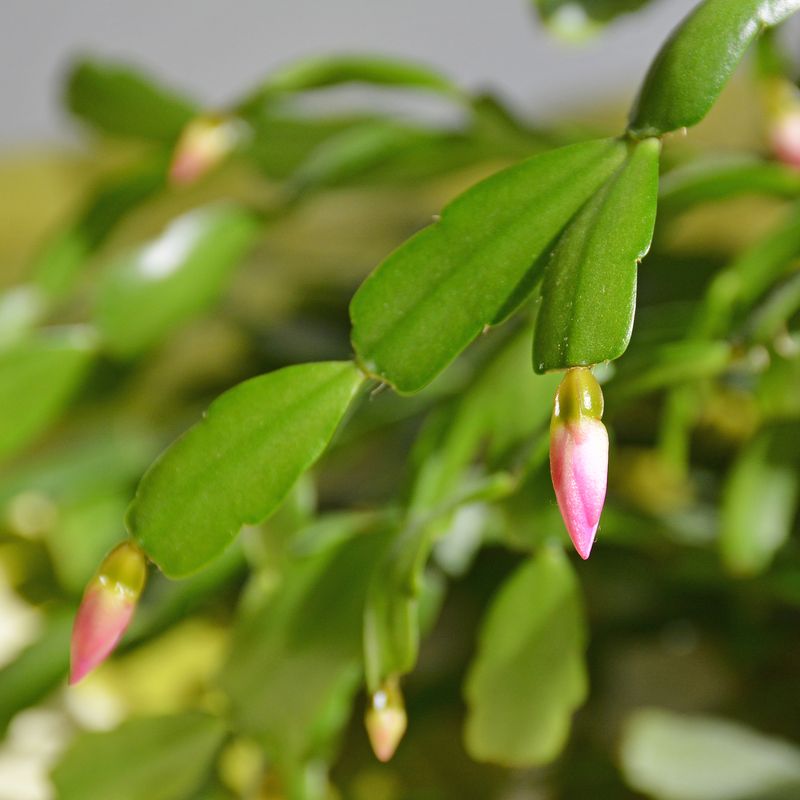
Darkness is the secret ingredient. Both Thanksgiving and Christmas cactus set flower buds when fall brings longer nights and cooler temperatures.
Extension sources commonly suggest about six weeks of long, uninterrupted nights to encourage buds.
Cool nighttime temperatures can also trigger budding, even with less strict darkness. Many gardeners use either method, or a mix of both, depending on where the plant sits.
In Georgia, some owners leave pots on a shaded porch in early fall to catch those cooler nights naturally.
Watch the forecast closely, though. Frost can damage these tropical plants, so bring them in before freezing weather, which arrives sooner in north Georgia than along the coast.
Indoors, a spare room that stays dark at night works well. Even a lamp switched on for a short time in the evening may delay budding.
Water a bit less during this period, but avoid letting the soil turn bone dry for long.
Results vary with each home, the plant’s age, and how much light reaches it. If buds do not form one year, adjusting the location next fall often helps.
Once buds appear, keep the plant in one spot and avoid sudden temperature swings.