Why Oregon Hydrangea Flowers Fade Green Instead Of Staying Colorful
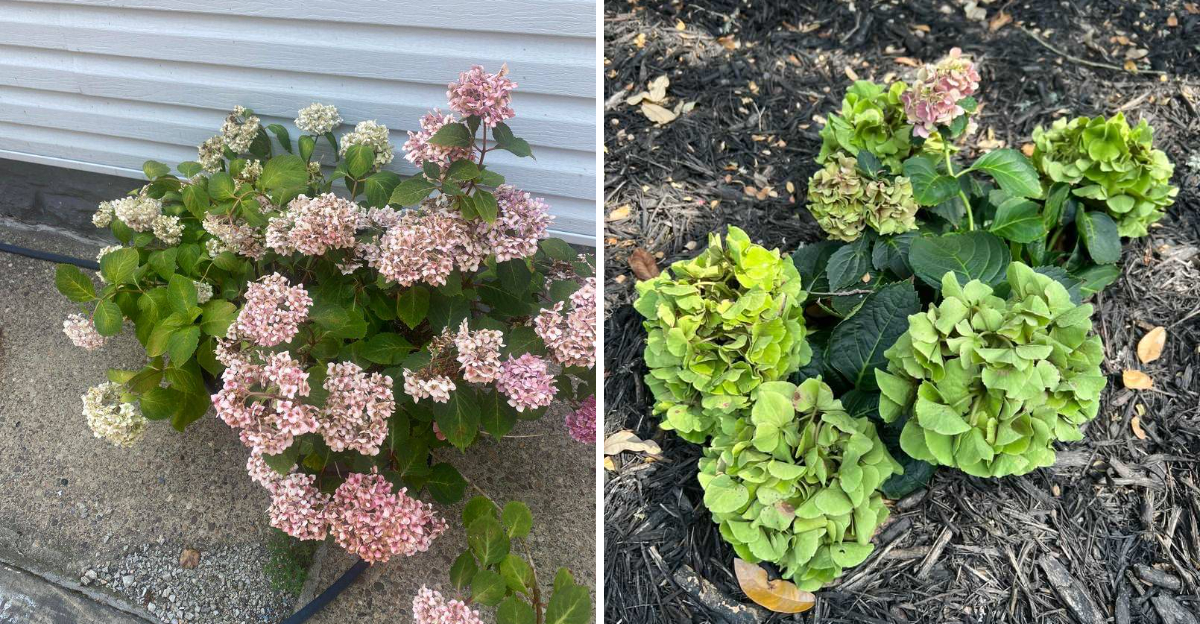
That blue puff by your porch was spectacular in June.
Now the edges have gone a dusty green, and the green keeps spreading inward.
Something feels wrong. The internet says check your soil pH. Someone at the garden center mentioned fertilizer.
Both suggestions are almost certainly a waste of your afternoon.
Here’s the part almost nobody explains. Those colorful hydrangea flowers are not actually flowers in the way you’d assume, and once you know what they really are, the greening makes perfect sense.
The plant is doing exactly what it’s built to do on the schedule it’s always followed.
There is a version of this that signals real trouble though, and it looks different in ways you can spot in about ten seconds.
Telling them apart saves money, saves the plant from unnecessary treatment, and saves you from chasing a fix that does not exist.
There’s also a way to stretch the colorful window considerably longer, which has nothing to do with soil chemistry.
Curious what’s actually happening in those blooms?
1. Understand Why Hydrangea Blooms Turn Green
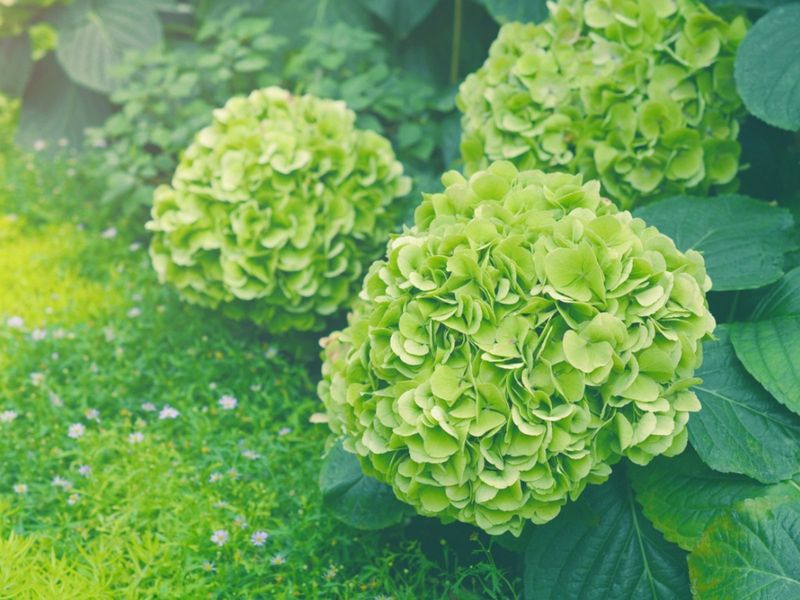
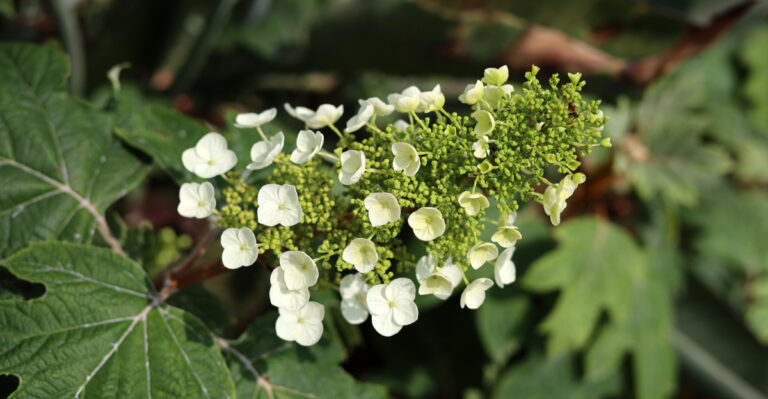
Those colorful hydrangea petals are not petals at all.
They’re modified leaf-like structures called sepals, and that detail explains most of the greening you’re seeing.
Newly opened blooms carry pigments called anthocyanins, which produce the blue, pink, or purple color. As the flower head ages, those pigments break down and fade.
Chlorophyll is what remains, the same green pigment coloring ordinary leaves.
Sepals contain chlorophyll throughout their life. It simply sits masked beneath the showier pigments while those pigments last.
That’s why late summer hydrangeas across Oregon show green-tinged or fully green heads. The plant is not sick and needs no special treatment.
The actual reproductive flowers are much smaller and easy to overlook. On mophead types they hide in the center of the cluster, while lacecaps display them openly in the middle ring.
Recognizing all this early keeps you from reaching for products that cannot help.
Many gardeners cut these green-aged blooms for dried arrangements, since they hold their shape well at this stage.
The greening you might have read as a flaw turns into flowers that last long after the bright season ends.
2. Adjust Light Conditions For Better Color
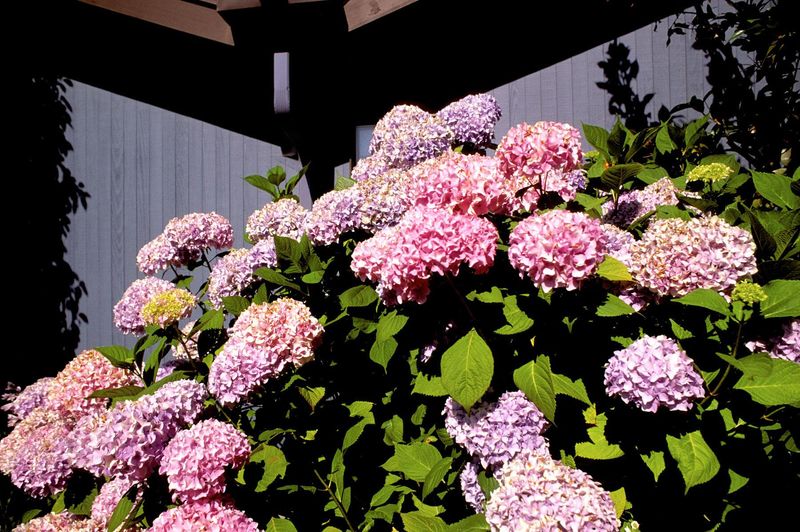
Planting location affects bloom quality more than most people expect, and light is the biggest piece.
Harsh afternoon sun during Oregon’s dry summer stretches can bleach or scorch flowers and push them past peak early.
Colors fade faster, and sepals may crisp before reaching their natural greening stage.
Morning sun with afternoon protection is the general recommendation for bigleaf hydrangeas. A spot catching gentle early light and resting in dappled shade later keeps blooms fresher longer.
Deep shade creates its own problems. Plants in dark corners produce fewer flowers, since some light is needed to fuel blooming.
The middle ground is the target. East-facing house walls, tree canopy edges, and fence lines blocking midday heat all work well.
Your Oregon Garden Changes Every Week. Your Plan Should Too.
Gardening in Oregon changes quickly throughout the season. Every Friday you’ll receive a simple weekly plan showing exactly what to plant, prune, fertilize, harvest, and protect so you never miss the right timing.
Regional differences matter in Oregon. Coastal gardens tolerate more sun given cooler summers, while the Willamette Valley and areas east of the Cascades need more shade protection.
Established plants in a rough spot can get temporary shade cloth during heat waves.
Container hydrangeas can simply move to a cooler location during hot weeks.
Light management does not prevent natural greening. It does keep blooms vibrant considerably longer.
3. Check Soil Factors That Affect Blooms
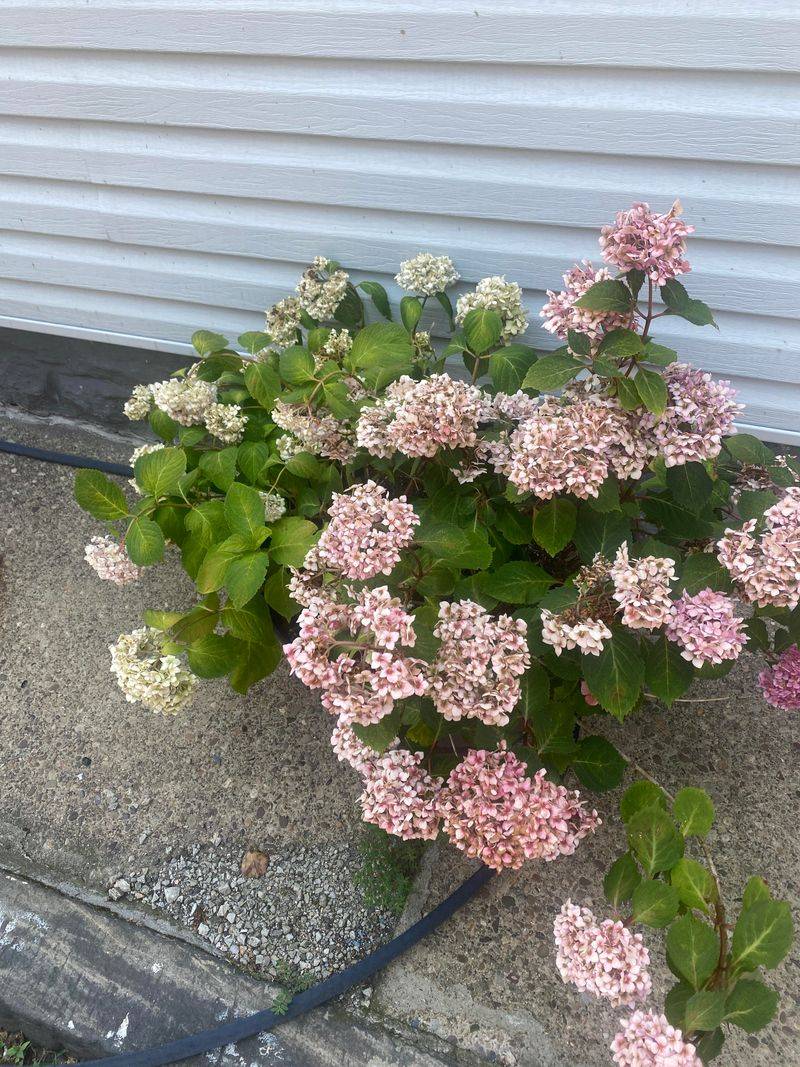
Soil takes the blame for nearly every hydrangea question, so worth separating what it does from what it doesn’t.
In bigleaf hydrangeas, soil pH and aluminum availability shift flower color between blue and pink.
Acidic soil with available aluminum tends to produce blue blooms while more alkaline soil often gives pink. Aluminum is the actual mechanism, and pH simply controls whether the plant can absorb it.
Here’s the point most gardeners miss. Soil pH controls the blue-versus-pink question and has nothing to do with the natural greening of aging blooms.
No amount of pH adjusting keeps an old flower from drifting green late in the season.
Applying fertilizer or acidifiers to fix greening is wasted effort, and over-treating soil can stress roots.
If you genuinely want to nudge color while blooms are young, a soil test comes first. Testing tells you actual pH before you add anything.
Timing matters for color changes too. Adjustments take months to show effect, so fall or early spring applications influence next season rather than the current one.
Not all hydrangeas respond to pH at all. Panicle and smooth hydrangeas keep their colors regardless of soil chemistry.
Knowing that distinction saves money and protects the plant.
4. Recognize Normal Aging In Hydrangea Flowers
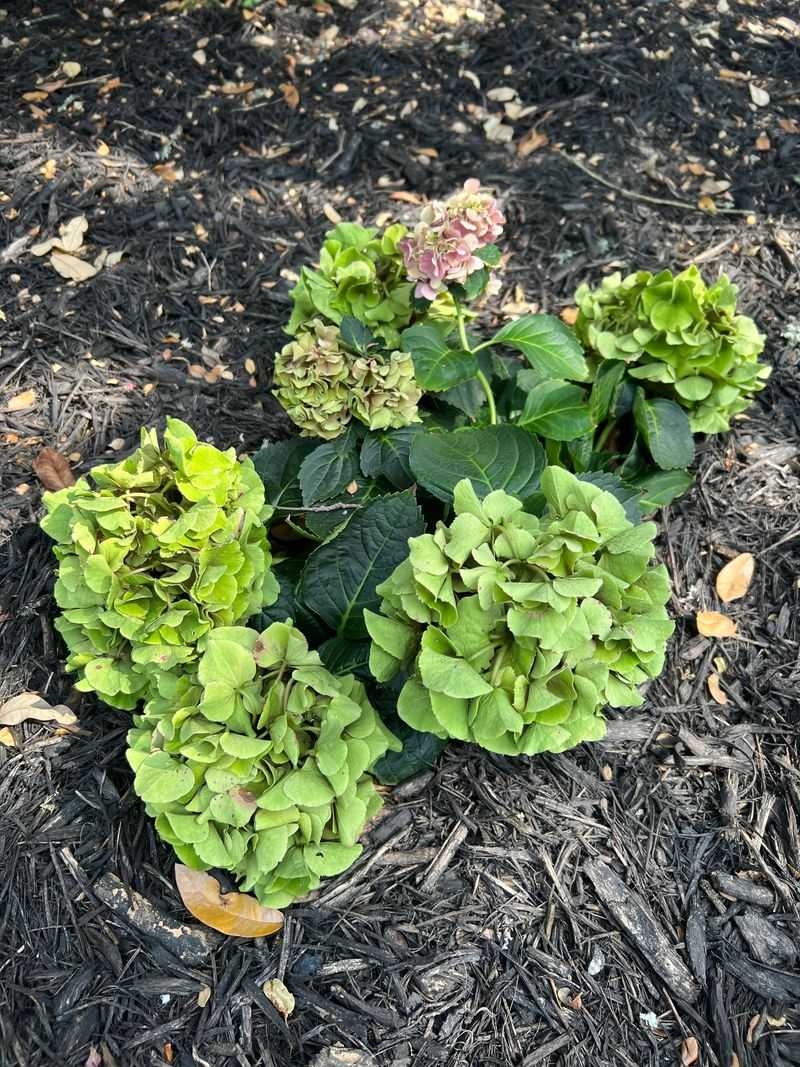
Distinguishing graceful aging from genuine struggle sounds tricky and comes down to a few clear signals.
Normal end-of-season greening happens gradually and evenly. The whole head shifts toward green, the tissue stays firm, and foliage on the plant stays healthy.
Real problems look different. Brown crispy edges, mushy spots, or blooms that collapse quickly point toward heat scorch, drought, or disease.
Yellowing leaves paired with wilting suggests root or watering trouble rather than bloom maturity.
Spots or fuzzy growth on flowers can indicate botrytis, which thrives in Oregon’s damp conditions and often appears during cool wet stretches.
Timing gives you a useful check. Greening in late July through September on older blooms is almost certainly age.
A brand new bloom discoloring in early summer deserves a closer look.
Wilting during a hot afternoon that recovers by evening is also normal for hydrangeas, since their large thin leaves lose water fast. Foliage still limp the next morning means something else.
Feel the plant, check the leaves, and note where you are in the season.
When everything else looks healthy and only older flowers are shifting, the plant is on schedule.
5. Avoid Stress That Changes Flower Appearance
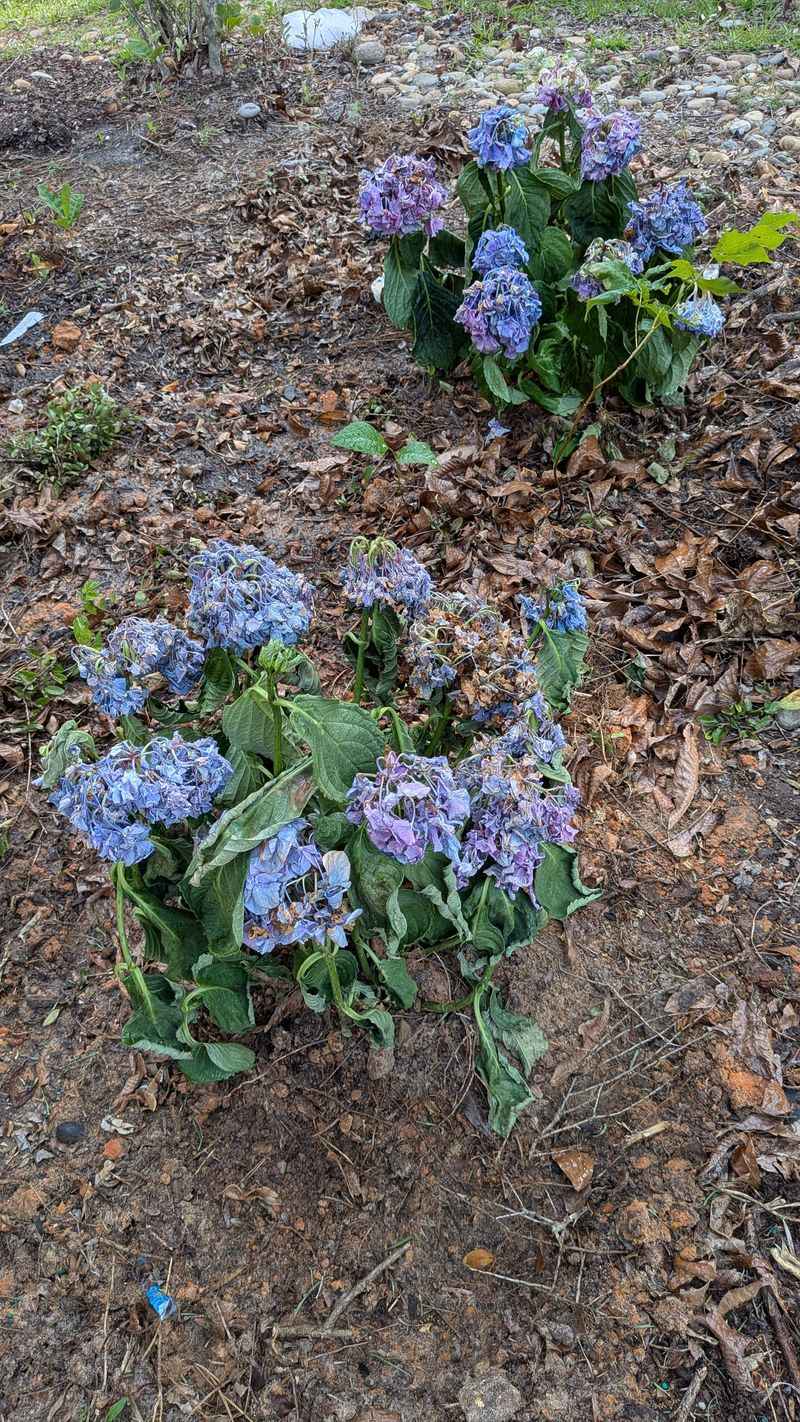
A stressed hydrangea signals clearly through flowers and foliage.
Drought is the common Oregon culprit, since summers here can run weeks without meaningful rain.
Thirsty roots produce blooms that wilt, fade early, or brown at the edges well before natural aging would arrive.
Heat stress works similarly. Water evaporates quickly during hot spells, and hydrangeas lose moisture fast through their large thin leaves.
Flowers in blazing afternoon sun can scorch and lose color within days.
Root stress completes the trio. Poorly draining soil, compacted ground, and recent transplanting all limit water uptake even when moisture is present.
Consistency is most of the fix. Deep regular watering during dry stretches keeps roots supplied and blooms firmer.
Morning watering gives the plant a head start before heat builds.
Mulch around the base, kept a few inches from the stems, holds moisture and moderates root temperature.
Oregon’s dry-summer wet-winter pattern makes that mulch layer particularly useful.
Reducing stress does not prevent normal greening. It does prevent the premature fading that cuts the color show short, and unstressed plants simply look better longer.
6. Feed Hydrangeas At The Right Time
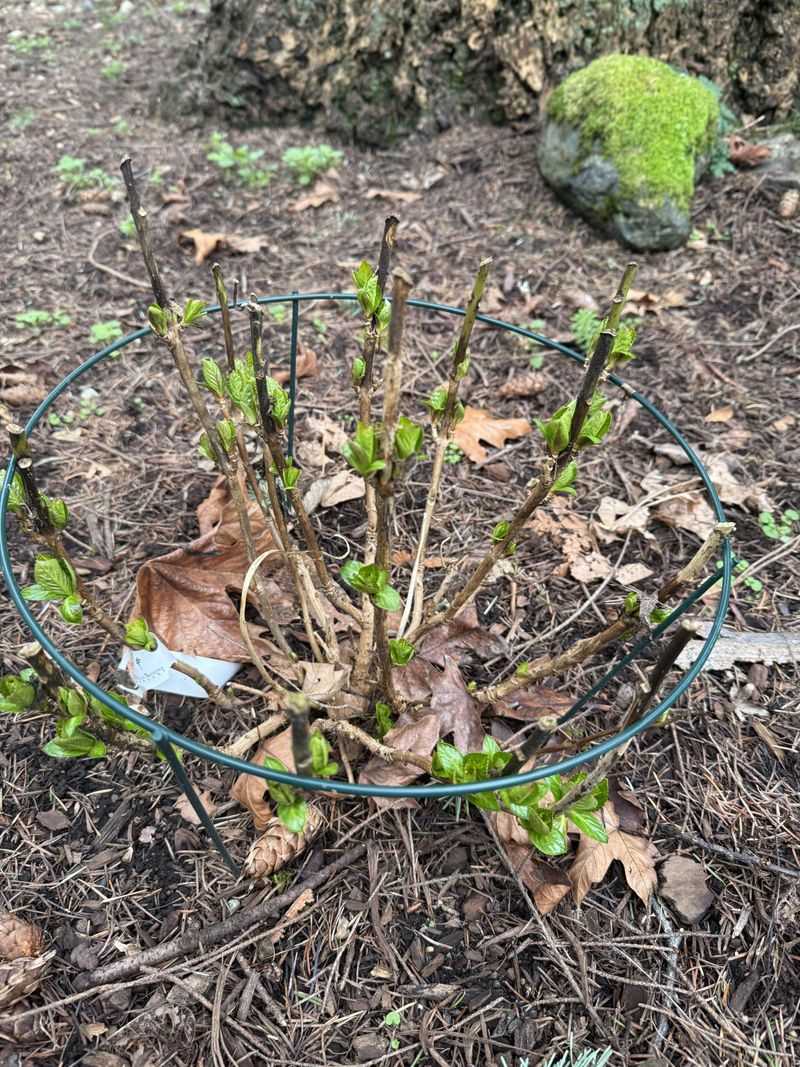
Feeding a hydrangea works like snacking. Timing and portion matter more than volume.
Spring feeding as new growth begins is the standard recommendation. That timing supplies nutrients while the plant builds leaves and prepares to bloom.
A light application of balanced slow-release fertilizer handles it. No specialty product is required for a healthy plant.
Timing carries a real warning. Late-season feeding, particularly with high nitrogen, pushes tender growth that fall and winter cold can damage.
Late nitrogen may also favor foliage over flowers.
Bud timing explains part of that. Bigleaf hydrangeas set next year’s flower buds during late summer and fall, so pushing growth then works against the following season.
Over-fertilizing carries risks too. Excess can burn roots, weaken the plant, and reduce blooming rather than improve it.
Here’s the reality check. No feeding schedule prevents natural greening of aging blooms.
Fertilizer supports plant health and flower production without freezing color in place.
Do the spring job well, then let the season run its course rather than chasing a fix that doesn’t exist.
7. Choose Varieties With Longer Color Display
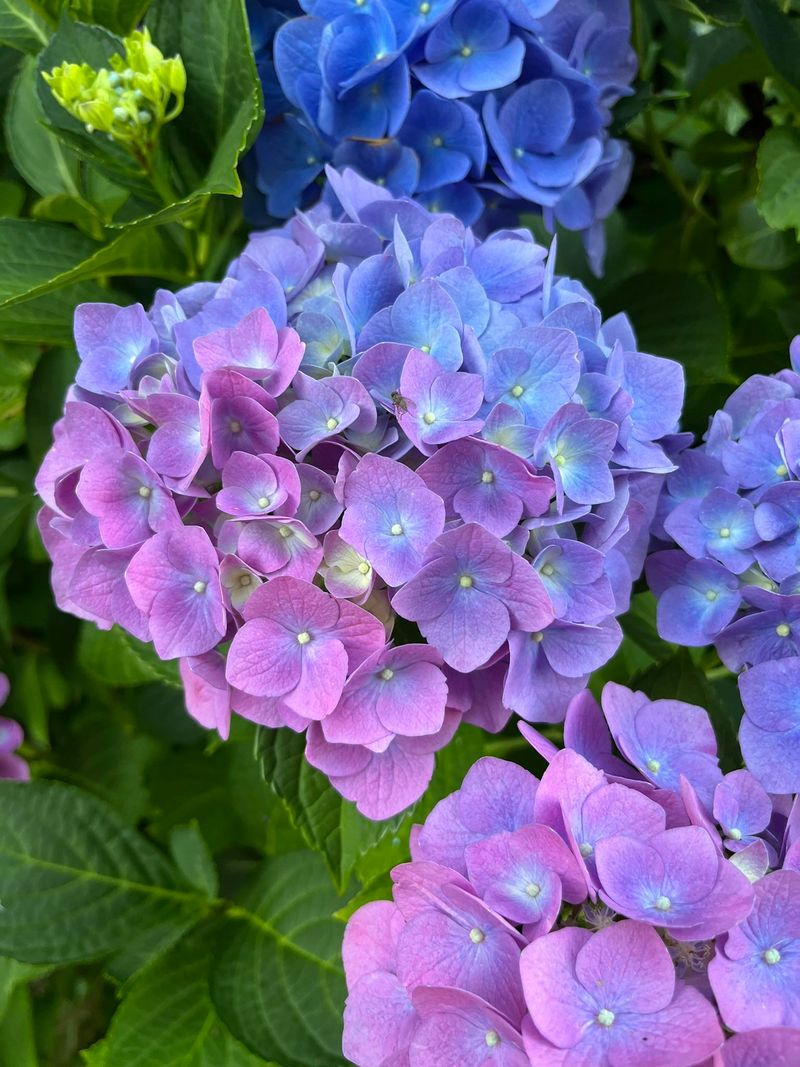
Not every hydrangea holds color the same way, and selection at purchase spares a lot of later wondering.
Some cultivars are bred for long-lasting blooms and rebloom across the season.
Reblooming bigleaf types keep producing fresh flowers, so newer heads carry color while older ones green.
Rebloom performance varies with climate though, and cool Pacific Northwest summers can limit how much a second flush actually delivers.
Panicle hydrangeas deserve serious attention in Oregon. Cone-shaped blooms often open creamy white and shift toward pink or rose as they age, which reads as a color journey rather than a fade.
They also tolerate more sun than bigleaf types, which widens where you can plant them.
Smooth hydrangeas age toward soft green tones that many gardeners prefer for cutting and drying.
Bloom wood matters for reliability too. Panicle and smooth hydrangeas flower on new growth, so a hard winter or late frost rarely costs you a season.
Bigleaf types mostly bloom on old wood, which is why some Oregon gardens see years with heavy foliage and few flowers.
Ask about bloom length and aging behavior when shopping, and check tags for Pacific Northwest performance.
Every hydrangea eventually ages. Choosing well simply stretches the window and makes the aging stage something worth watching.
8. Prune At The Right Time Or Lose Next Year’s Color
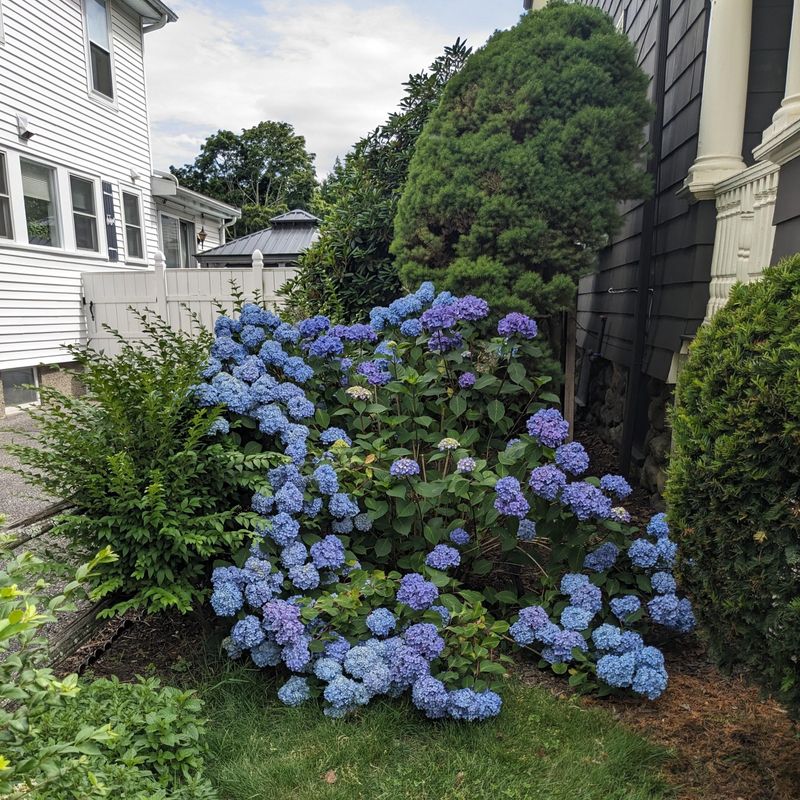
Pruning causes more missing hydrangea flowers in Oregon than any weather event.
The reason comes down to which wood carries the buds.
Bigleaf and oakleaf hydrangeas mostly bloom on old wood, meaning stems formed the previous season. Cutting those back in fall or spring removes the flower buds before they open.
That single mistake explains most cases of a healthy plant producing nothing but leaves.
The safe approach for these types is pruning right after flowering finishes, or simply removing dead wood and leaving the rest alone.
Dead stems are easy to identify once growth begins. Scratch the bark, and brown dry tissue means the stem is finished while green underneath means it’s alive.
Panicle and smooth hydrangeas work the opposite way. They bloom on new growth, so late winter or early spring pruning encourages stronger stems and larger flower heads.
Smooth hydrangeas in particular benefit from harder cutting, since floppy stems are their main weakness.
Spent flower heads can stay on through winter without harm. Many gardeners leave them for interest and cut them off in spring.
Timing beats technique here. Get the wood type right, and hydrangeas need remarkably little pruning otherwise.
9. Use Faded Blooms Instead Of Fighting Them
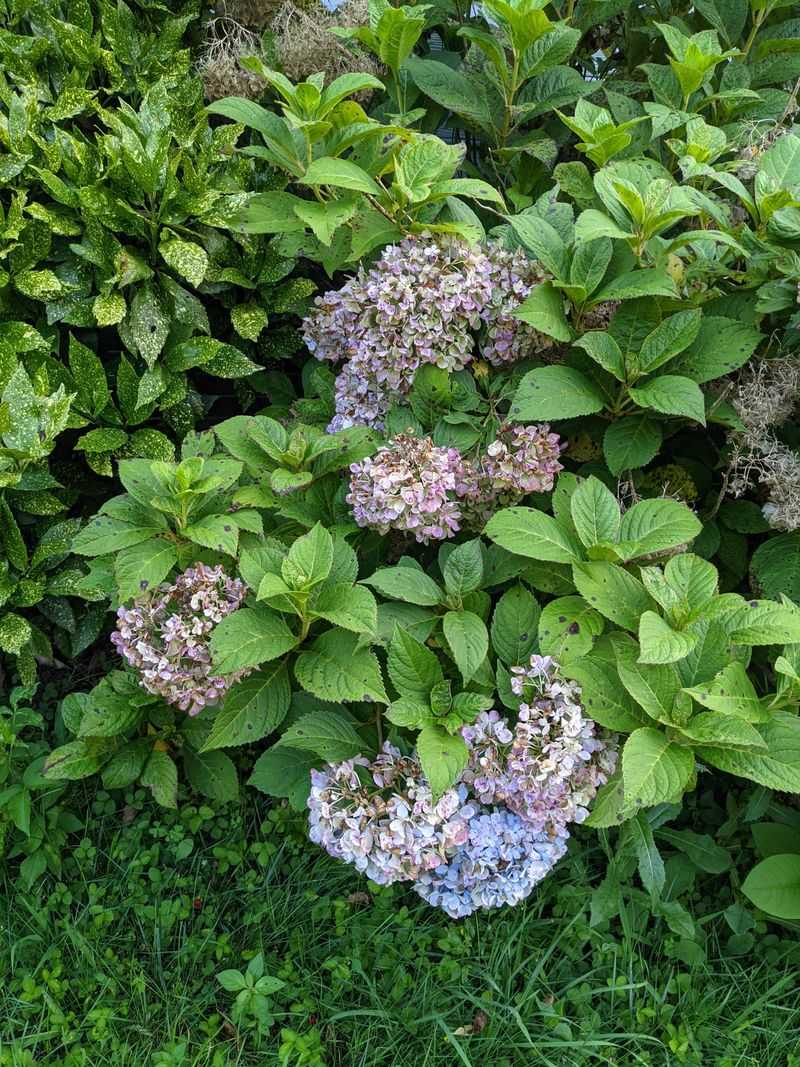
Green-aged hydrangea heads happen to be the best cutting material the plant produces all year.
Fresh blue and pink blooms wilt fast in a vase, since they carry high water content and thin sepal tissue.
Later-season heads dry far better. The sepals have toughened, water content has dropped, and shape holds well without much intervention.
Timing the cut is the main skill. Blooms that feel slightly papery rather than soft are ready, and mid to late summer usually hits that window in Oregon.
Air drying works simply. Strip the leaves, bundle a few stems, and hang them upside down somewhere dark with decent air movement.
A vase with an inch of water also works, letting the stems drink and then dry gradually as the water disappears.
Direct sun fades dried heads quickly, so a shaded spot preserves color longer.
Panicle types dry particularly well and often keep their pink tones. Smooth hydrangeas hold their soft green reliably.
Silica gel gives brighter results for anyone wanting more color retention, though air drying handles most needs.
Cutting also has a practical upside. Removing spent heads tidies the shrub without touching the buds that matter for next season, provided you cut only the flower stem.
Green blooms cost nothing and last for months indoors, which turns the aging stage into the most useful part of the season.