9 Michigan Perennials To Divide In September
That bed you photographed in June looks nothing like it did.
Plants leaning into each other. Fewer flowers than last year. A patch in the middle that has simply given up.
Nothing has gone wrong exactly. The garden just outgrew its own arrangement.
Here’s the part mant Michigan gardeners never take advantage of: there’s a narrow window right now where the soil still holds summer warmth while the air has cooled off.
Roots move in those conditions. Top growth mostly doesn’t.
That combination is why September divisions establish so much better than spring ones, and the window closes when the ground gets cold.
Better yet, the job produces free plants. One crowded clump becomes three or four, which is a return on effort that gardening rarely offers.
The catch is that every plant has its own rules. Depth, timing, and how much abuse each one tolerates all vary considerably.
One of them will refuse to bloom for years if you plant it an inch too deep.
Curious which of yours needs the shovel this month?
1. Divide Peonies With Careful Timing
Peonies reward patience like few other plants and punish impatience just as reliably.
Early September through early October is the Michigan window, since these spring bloomers store energy for next year during autumn.
Start by cutting foliage back to a few inches, then dig around the entire clump.
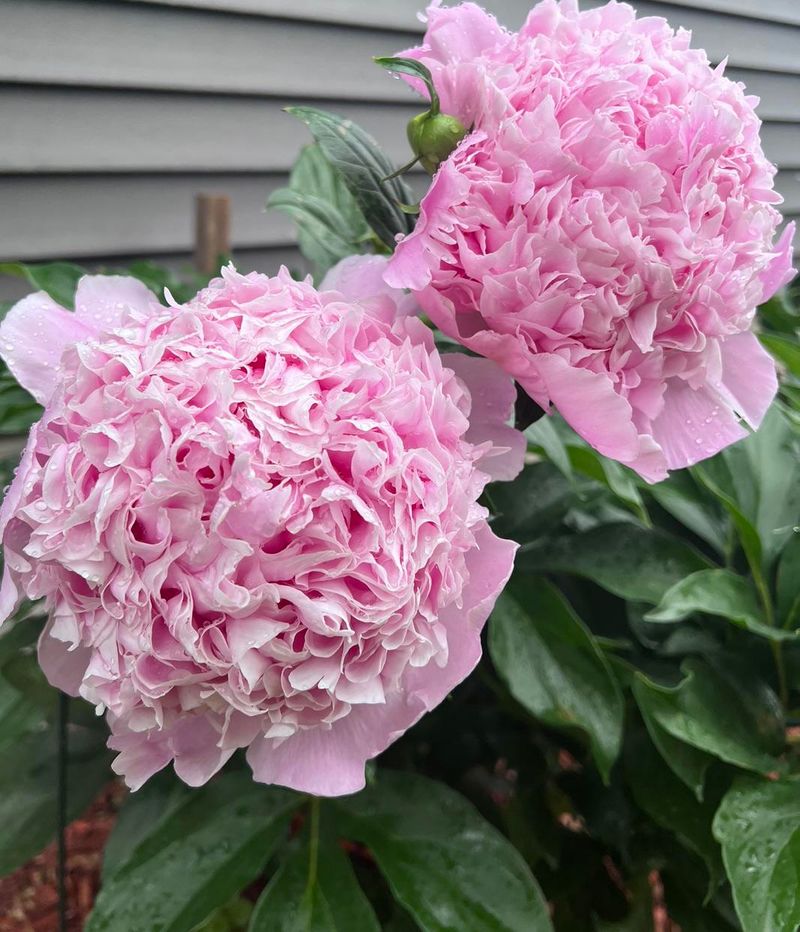
Lift the whole root mass and rinse off soil so the pink or red buds, called eyes, become visible.
Each division should carry three to five eyes and a solid piece of healthy root. A clean sharp knife separates sections without crushing tissue.
Here’s where gardeners go wrong most often. Plant the eyes no deeper than one to two inches below the soil surface.
Buried too deep, a peony may produce foliage for years without ever flowering. Shallow planting is the whole secret.
Water divisions well and add light mulch once the ground cools.
Expectations deserve managing. Peonies resent being moved and often skip blooming the first spring, sometimes the second.
By the third year they generally come back stronger than before.
Peonies rarely need dividing unless genuinely overcrowded or you want more plants, so there should be a real reason before you dig.
2. Split Hostas Into Healthy New Clumps
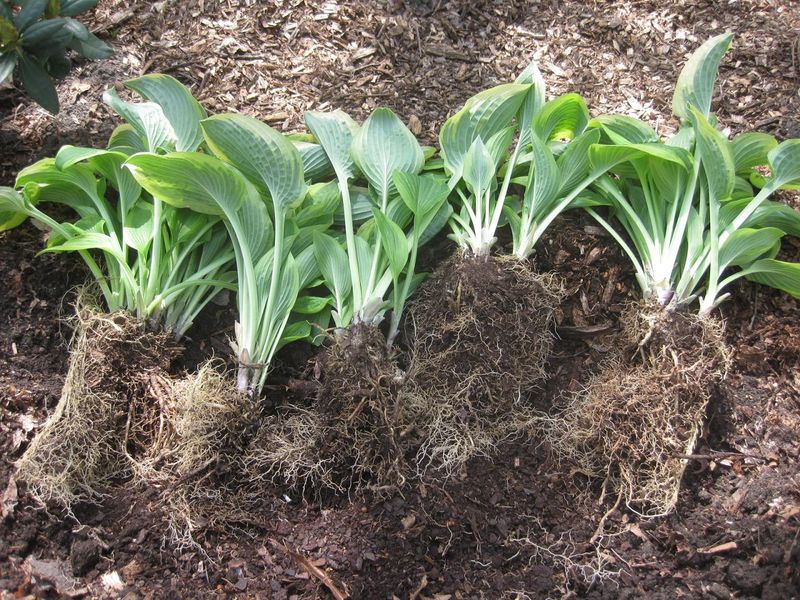
These shade lovers divide well in September in Michigan, giving roots several weeks to establish before the ground freezes.
The signal is a clump with a bare center and healthy growth only around the edges. That donut shape means overcrowding.
Water the plant a day before digging so roots are hydrated and pull apart more cleanly.
Slide a sharp spade around the clump and lift the whole thing.
Smaller clumps separate by hand. Larger tougher ones may need a spade or two garden forks pushed back to back.
Each division should have several leaves and a solid root portion. Larger divisions look better next spring than small slivers.
Trim damaged leaves and replant immediately at the original depth. Firm the soil gently and water deeply.
Your Michigan Garden Changes Every Week. Your Plan Should Too.
Gardening in Michigan changes quickly throughout the season. Every Friday you’ll receive a simple weekly plan showing exactly what to plant, prune, fertilize, harvest, and protect so you never miss the right timing.
Toughness is the appeal here. Even a small piece with a few roots usually develops into a full plant given time.
Keep divisions watered through fall, particularly if September turns dry.
Mulch holds moisture and protects those shallow roots through winter’s freeze thaw cycles.
Come spring, several plants occupy the space one crowded clump used to fill.
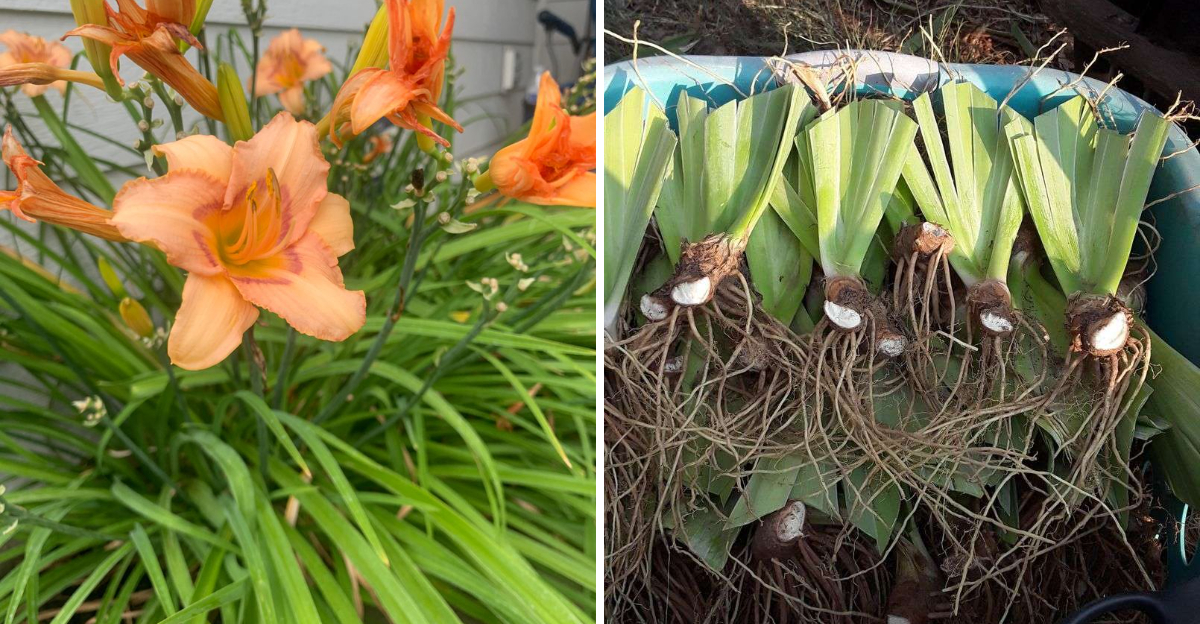
3. Separate Iris Rhizomes For Better Blooms
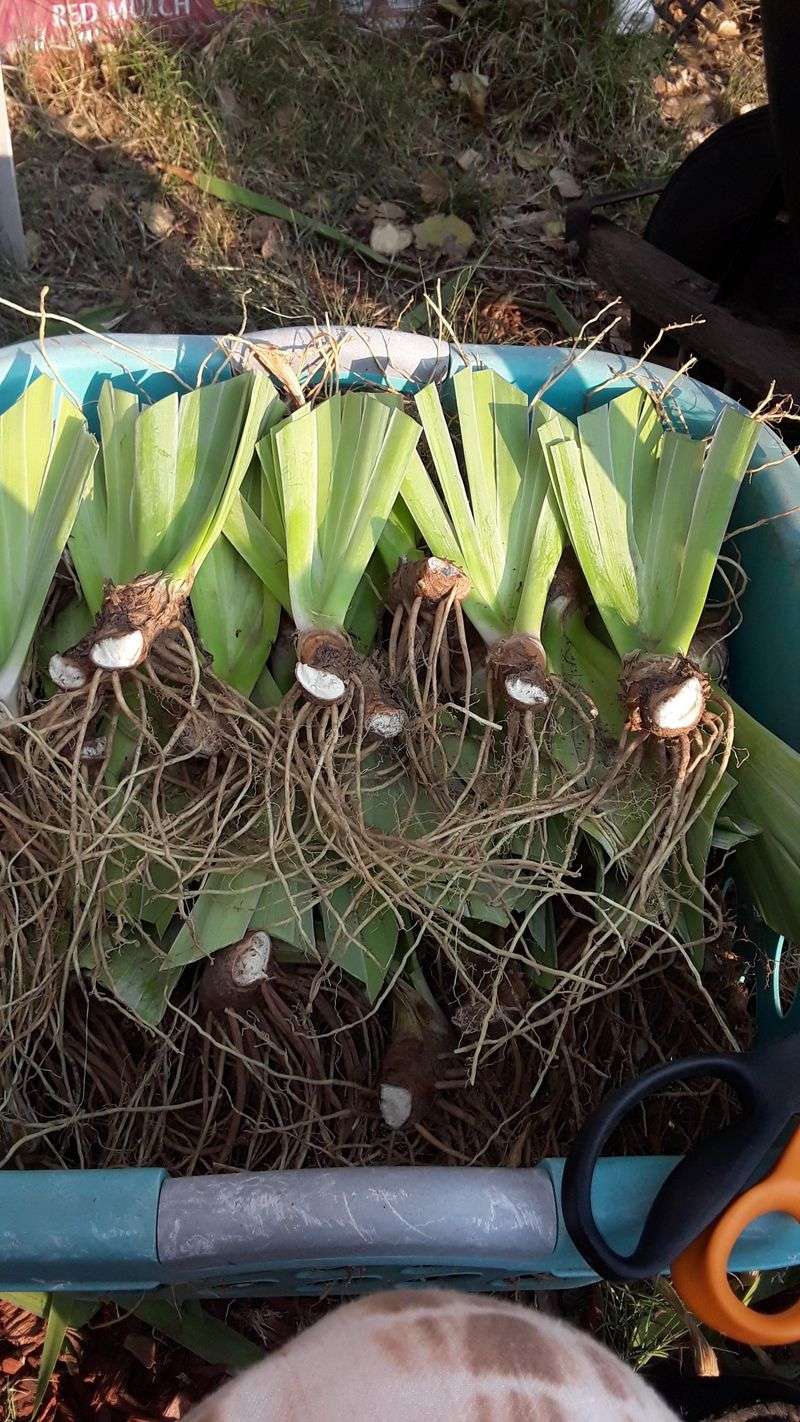
Bearded iris practically requests division, producing fewer flowers as rhizomes crowd together. Late summer into September works in Michigan, once the plants have finished their growing push.
Dig the clump and shake off soil to expose the thick horizontal rhizomes. Keep firm healthy pieces and discard anything soft, mushy, or foul smelling, since those may carry rot or iris borer.
Borer damage looks like tunneling through the rhizome, and finding it means checking every piece carefully.
Cut rhizomes into sections, each with one fan of leaves and some root attached. Trim leaves into a fan about six inches tall so divisions lose less water while rooting.
Now the biggest iris mistake: these do not get buried like bulbs.
The top of the rhizome should sit right at the soil surface, essentially exposed. Deep planting is the main reason iris produce leaves and refuse to bloom.
Spread roots out in the hole, cover them, and leave the rhizome top visible. Space divisions about a foot apart so air moves between them.
Water well after planting, then ease off, since iris dislike consistently wet soil.
4. Refresh Overgrown Daylily Plantings
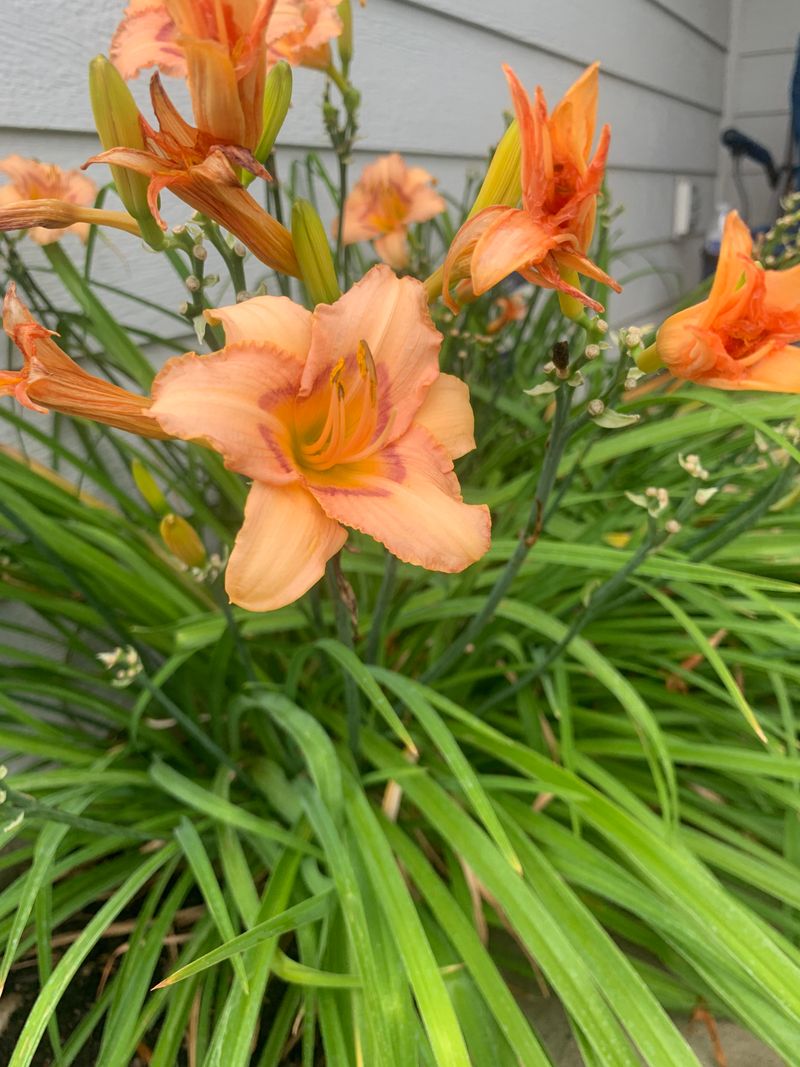
Daylilies are the workhorses that keep on giving, but even they slow down when packed too tightly. If your clump has grown into a giant mound with fewer flowers than before, that crowding is your cue.
September works well in Michigan because the cooler weather is gentle on transplanted roots. Aim to divide at least four to six weeks before the ground freezes hard.
Dig around the whole clump and lift it out, roots and all. Daylilies have tough, tangled roots, so you may need to pry the clump apart with two garden forks pushed back to back and pulled in opposite directions.
Break the mass into smaller fans, each with a few leaves and a good handful of roots. A sharp knife helps slice through the stubborn center.
Trim the foliage back to about six inches so the plant can focus energy on rooting rather than feeding leaves. Replant at the same depth they grew before.
Space the new divisions about eighteen inches apart to give them room to fill in. Water thoroughly and keep the soil moist while they settle.
Here is a cheerful bonus. Daylilies handle division so well that most bounce back and bloom the very next summer.
Add mulch after the first frost to protect roots through winter, and you will have many more of these easygoing bloomers next year.
5. Divide Bee Balm Before Winter Arrives
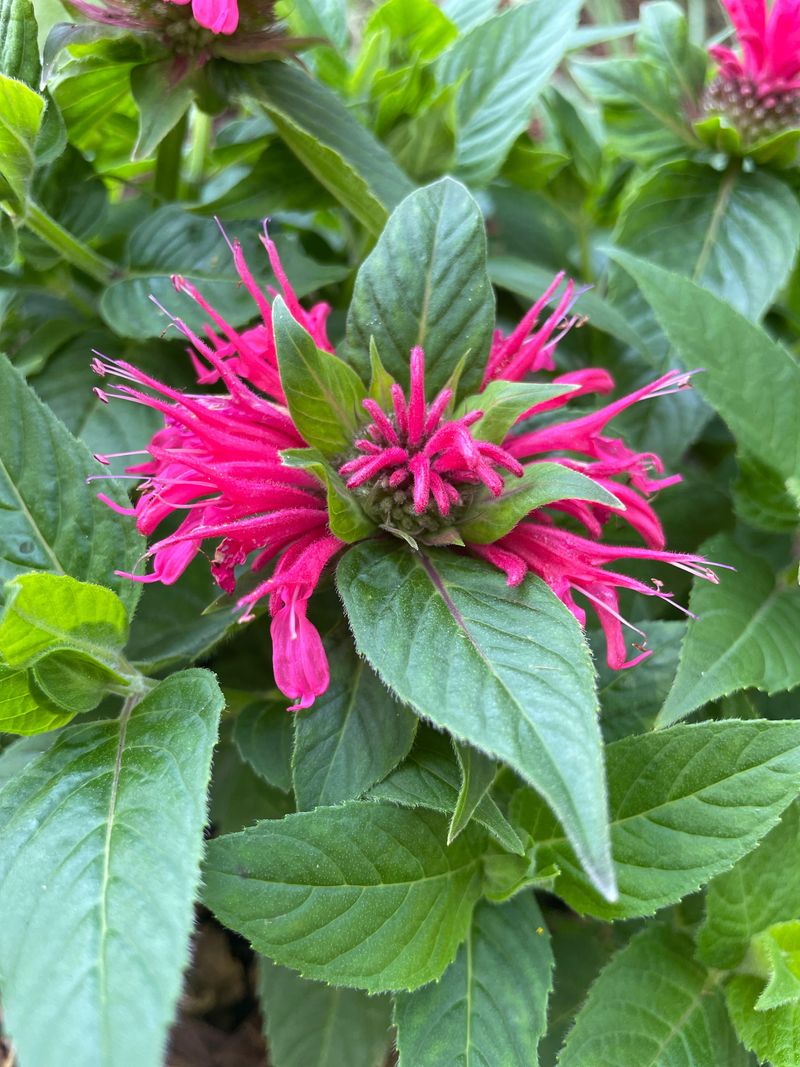
Monarda spreads by underground runners and can double its footprint in a season or two. That vigor means dividing every two or three years keeps it healthy and contained.
September in Michigan gives divisions time to root before cold weather.
Dig the clump and you’ll typically find a dead center with fresh growth crowding the edges. Discard the worn middle and keep the vigorous outer sections. Pull or cut the clump into pieces, each with roots and a few shoots.
Spacing matters more here than with anything else on this list. Bee balm is prone to powdery mildew, that dusty white coating appearing on crowded humid plantings.
Generous spacing plus a sunny location keeps foliage drier and cleaner. Water at the base rather than overhead for the same reason. Cut old stems back and water new divisions well after planting.
Mildew resistant cultivars help considerably too. Jacob Cline and Marshall’s Delight both perform better than older selections.
Light mulch after the ground cools protects roots. Regular division controls the spread and refreshes bloom production at the same time.
6. Replant Coneflowers For Stronger Growth
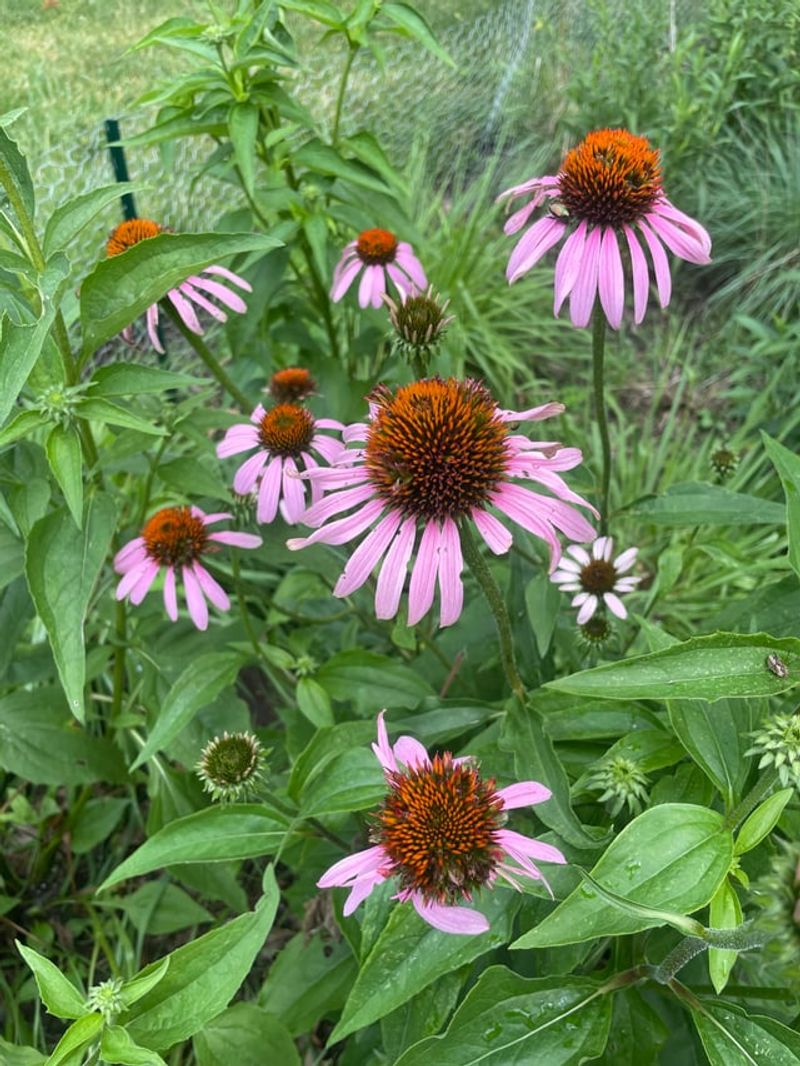
These appreciate a fresh start every few years. Shrinking blooms or a thinning center both suggest division would help.
Early September works in Michigan, though these natives also tolerate spring division well. The key is giving roots enough warm weeks to establish before frost.
Dig the whole plant and loosen soil around the roots carefully. Coneflowers develop a deep taproot-like system, so digging wide and deep avoids severing too much.
That root structure is also why coneflowers resent division more than fibrous rooted perennials do.
Separate the clump into sections, each with a healthy crown and attached roots. A sharp spade or knife makes clean cuts through thick crowns.
Replant at the original depth, spacing divisions a foot or more apart. Firm the soil and water well to settle everything.
Honest expectations help here. Coneflowers often sulk after division and may flower less the first summer while rebuilding roots.
Give them a full season and they generally rebound fuller and sturdier. Leave a few seed heads standing over winter for finches. Light mulch after the ground cools shields young roots.
7. Move Crowded Black-Eyed Susans
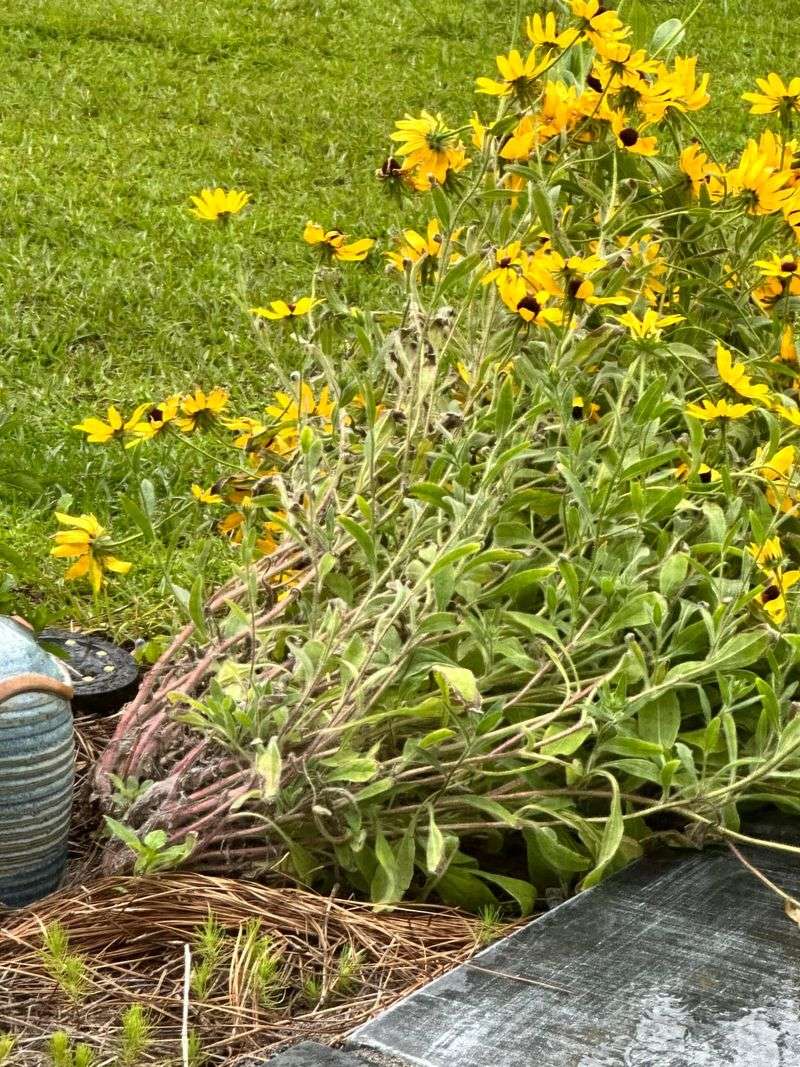
Black-eyed susans carry late summer and expand enthusiastically while doing it. Rudbeckia spreads by roots and self-seeds, so patches grow year over year.
After a few seasons the middle looks sparse while edges stay dense. That unevenness is the signal. September suits Rudbeckia in Michigan, giving divisions time to settle before winter.
A cool cloudy day helps, since transplants handle stress better out of direct sun. Dig around and lift the clump, then shake off loose soil.
Roots are shallow and fibrous, which makes this one of the easier plants to pull apart by hand.
Discard the tired center and keep vigorous outer growth. Each division should carry several shoots and a solid root ball.
Replant at the original depth, spacing twelve to eighteen inches apart so plants have room to fill out.
Water deeply right after planting. Dividing also controls where these grow, which is genuinely useful with a self-seeder.
Extra divisions go to neighbors or fill bare spots elsewhere. Keep soil moist through fall and mulch once temperatures drop.
8. Rejuvenate Tired Garden Phlox
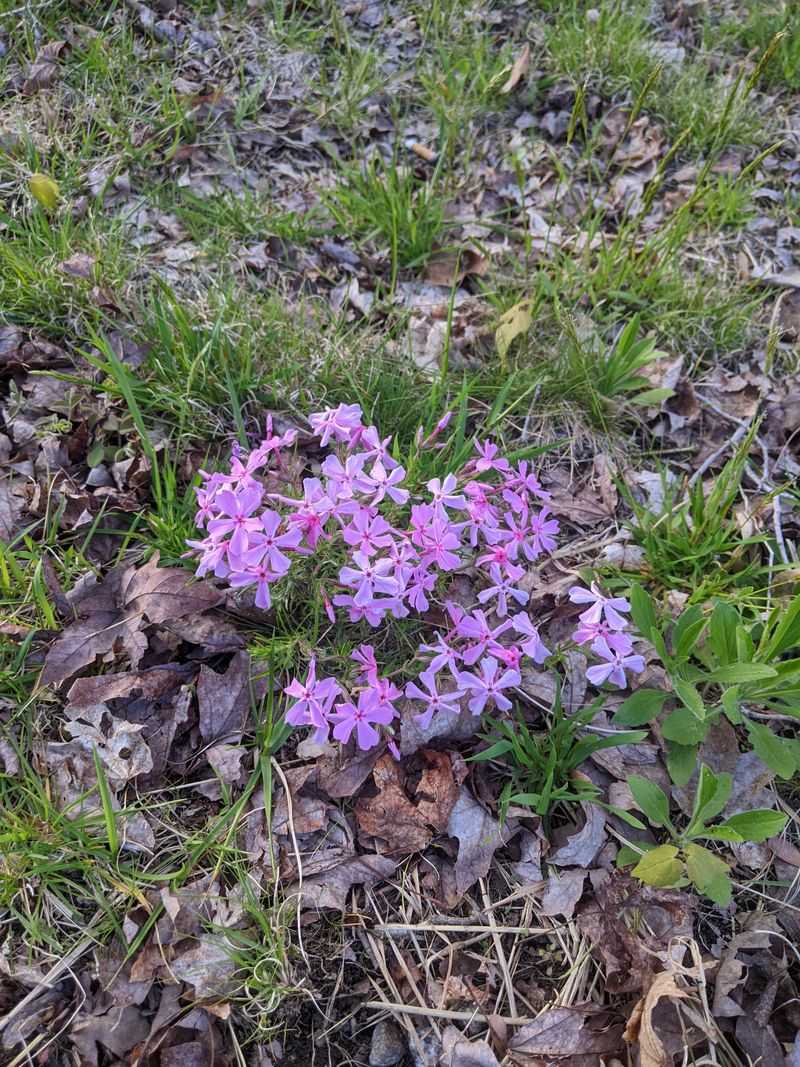
Garden phlox is the fragrant summer bloomer that quietly declines from the inside out. Clumps thicken over four or five years until the center produces almost nothing while outer stems carry the show.
Flower clusters shrink too, and mildew problems increase as stems crowd together. September works well in Michigan, once flowering has finished and the plant is winding down.
Cut stems back to about six inches before digging so you can see what you’re working with. Dig wide around the clump, since phlox develops a substantial fibrous root system.
Separate into sections with a sharp spade or knife, each carrying several shoots and a solid root portion. Discard the woody unproductive center entirely.
Replant at the original depth, spacing divisions eighteen to twenty four inches apart.
That spacing does real work here. Air movement between plants is the main defense against the powdery mildew phlox is known for.
Water at the base rather than overhead, and choose a sunny spot. Resistant cultivars like David and Jeana hold up considerably better in humid Michigan summers.
Water thoroughly after planting and keep soil moist while roots establish. Divisions usually bloom the following summer, often better than the crowded clump they came from.
9. Split Overgrown Sedum Clumps
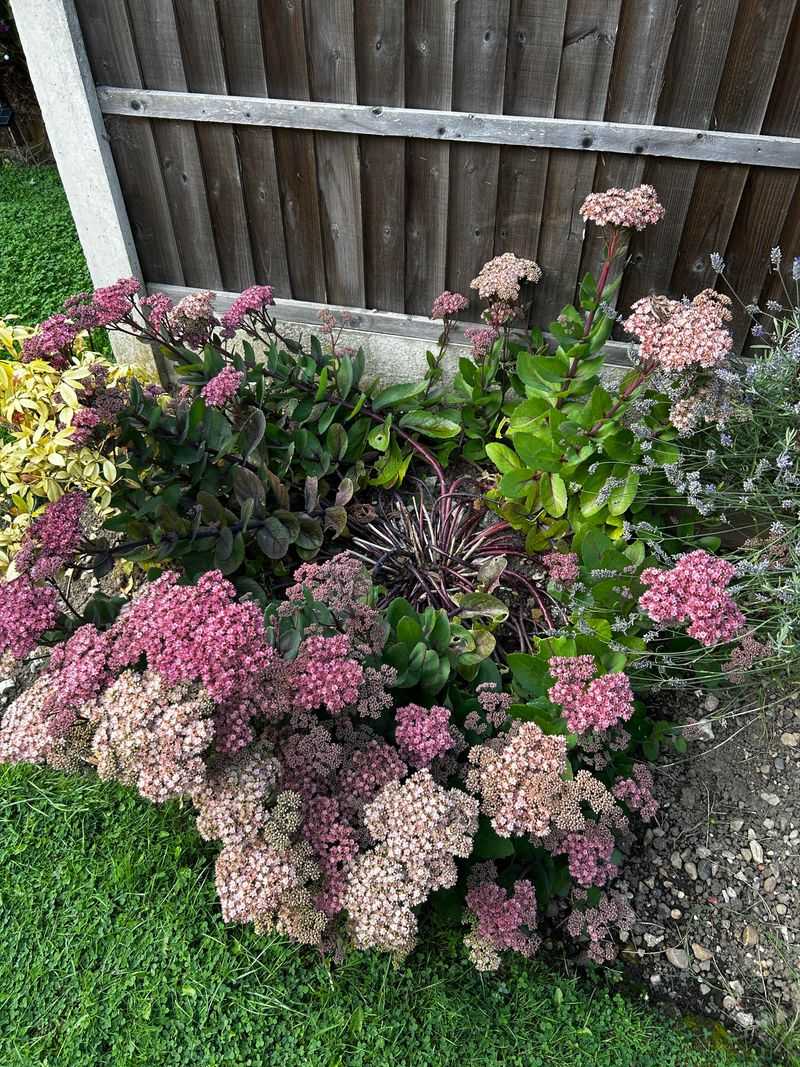
Upright sedum is the plant that flops when it gets crowded, and most people blame the weather instead.
Autumn Joy and similar tall varieties develop a hollow center over four or five years. Stems lean outward from that gap, and the whole clump splays open after a rain.
Fewer flower heads and thinner stems point the same direction.
September works in Michigan, though timing takes some thought since sedum blooms this late.
Waiting until flower heads fade is the better call, or dividing in early spring instead if you want this year’s display.
Dig around the clump and lift it out. Roots are shallow and fleshy, which makes this one of the easier jobs on the list.
Sections pull apart by hand fairly readily. A knife handles the woody center.
Each division needs a few shoots and a solid root portion, and the tired middle goes to the compost pile.
Replant at the original depth with twelve to eighteen inches between divisions.
Lean soil is the secret with sedum. Rich ground and fertilizer both produce the floppy growth that started this problem.
Water in well, then ease off, since these tolerate drought far better than wet feet.
Broken pieces root easily, so extras cost you nothing but a hole.