The Texas Garden Tasks To Tackle Up In September
That first hint of cooler air sneaks in near the end of a Texas summer, teasing gardeners with the promise of relief. The soil still holds a stubborn warmth, birds start returning to feeders, and something quietly shifts in the yard.
September is a sneaky season here, part sizzling summer and part hopeful autumn all rolled into one. It is the month when smart Texas gardeners get busy again, planting, trimming, and prepping for the cool weather ahead.
Skip these weeks and you might miss the best planting window of the whole year. Handle them well, and your garden rewards you with fall color, tasty harvests, and healthier plants down the road.
Grab your gloves and a tall glass of iced tea, because there is plenty to do. Here are the tasks worth adding to your September to-do list across the Lone Star State.
1. Plant Your Cool-Season Vegetables
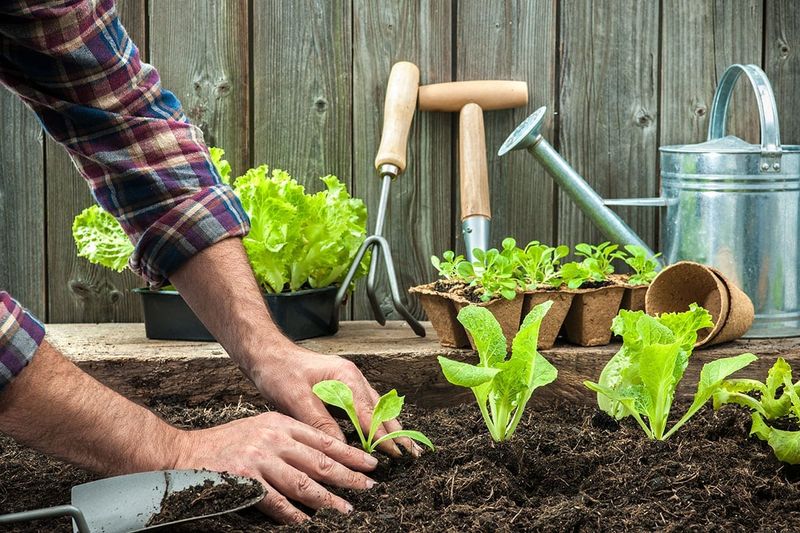
September is prime time to fill your garden with veggies that love mild weather. Warm soil plus cooler air makes seeds sprout fast and strong.
Across most of Texas, you can plant broccoli, cabbage, cauliflower, and Brussels sprouts now. Leafy greens like lettuce, spinach, kale, and Swiss chard also do well when the heat starts to ease.
Root crops are another smart pick this month. Carrots, beets, radishes, and turnips can go right into the ground from seed with good results.
Keep the soil moist while seeds germinate, since September afternoons can still turn toasty. A light layer of mulch helps hold that moisture where the roots need it.
If you live in South Texas, you have a longer window and can even squeeze in a quick round of green beans. Gardeners up in the Panhandle should plant early in the month to beat the first cool snap.
Starting transplants indoors or buying young plants from a nursery gives you a head start. That way, you harvest before winter weather arrives in northern parts of the state.
Space your plants according to the seed packet so air can move freely between them. Crowded beds tend to invite pests and fungal trouble later on.
Feed your seedlings with a balanced fertilizer once they have a few true leaves. Steady nutrition keeps them growing quickly through the shortening days.
A little planning now pays off with fresh salads and hearty greens through fall. Few things beat picking crisp lettuce from your own yard in November.
2. Refresh And Feed Your Lawn
Your lawn has survived months of brutal heat, and September is when it starts to breathe again. Cooler nights let grass build strength before winter arrives.
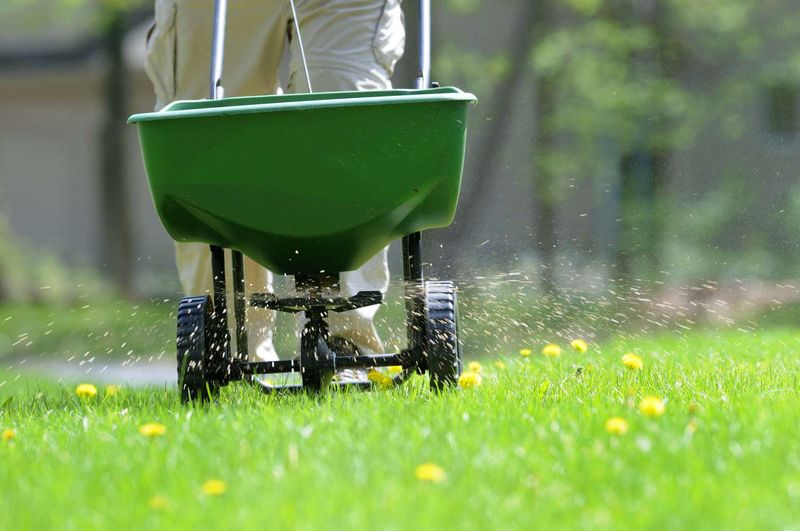
For warm-season grasses like Bermuda, St. Augustine, and zoysia, a fall feeding helps roots store energy. Choose a fertilizer with more potassium, which boosts cold hardiness.
Timing matters, so aim for early to mid-September in North Texas and slightly later farther south. Feeding too late can push tender growth that struggles in cold snaps.
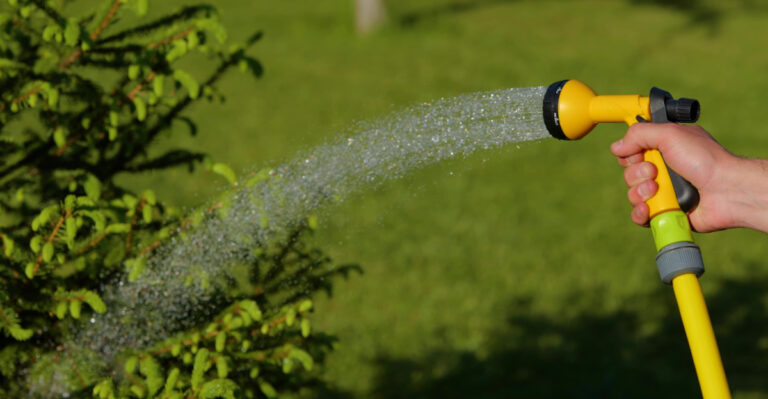
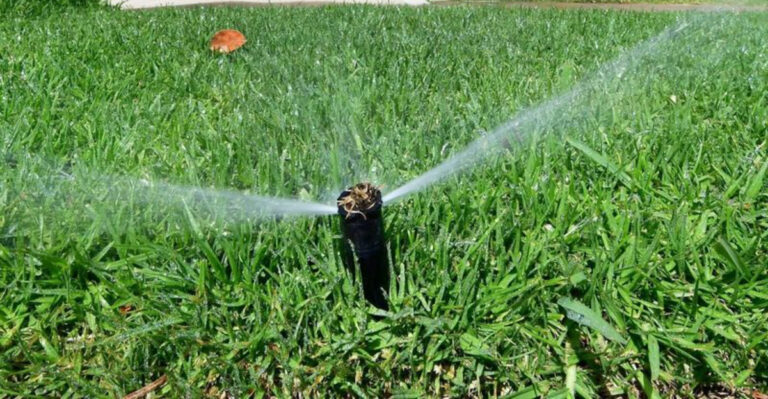
Water the fertilizer in thoroughly so it reaches the root zone. A deep soak beats frequent shallow sprinkles for building tough, resilient turf.
Your Texas Garden Changes Every Week. Your Plan Should Too.
Gardening in Texas changes quickly throughout the season. Every Friday you’ll receive a simple weekly plan showing exactly what to plant, prune, fertilize, harvest, and protect so you never miss the right timing.
September is also a fine time to overseed cool-season areas if you want winter color. Ryegrass gives many Texas yards a green look through the chilly months.
Before you seed or feed, mow at the proper height for your grass type. Cutting too short stresses the lawn and lets weeds sneak in.
Take a moment to check for bare or thin spots that appeared over summer. Loosening the soil there and adding seed helps the area fill back in.
Aerating compacted lawns lets air, water, and nutrients reach the roots more easily. Foot traffic and clay soils common in Texas often lead to compaction.
Keep your mower blade sharp so it slices cleanly instead of tearing. Ragged cuts stress the grass and slow its recovery.
A little care this month sets up a lush lawn for spring. Your future self will thank you when neighbors ask for tips.
3. Plant Trees And Shrubs Now
Here is a secret many new Texans learn the hard way: fall beats spring for planting trees and shrubs. September kicks off the ideal stretch for getting woody plants into the ground.
Cooler air means less stress on new plants, while the soil stays warm enough for roots to grow. Those roots keep developing quietly all winter long.
By the time spring heat returns, your tree or shrub has a strong foundation. That head start helps it handle next summer with far less watering.
Native and adapted choices work best across Texas. Consider live oak, Texas red oak, cedar elm, or shrubs like Texas sage and yaupon holly.
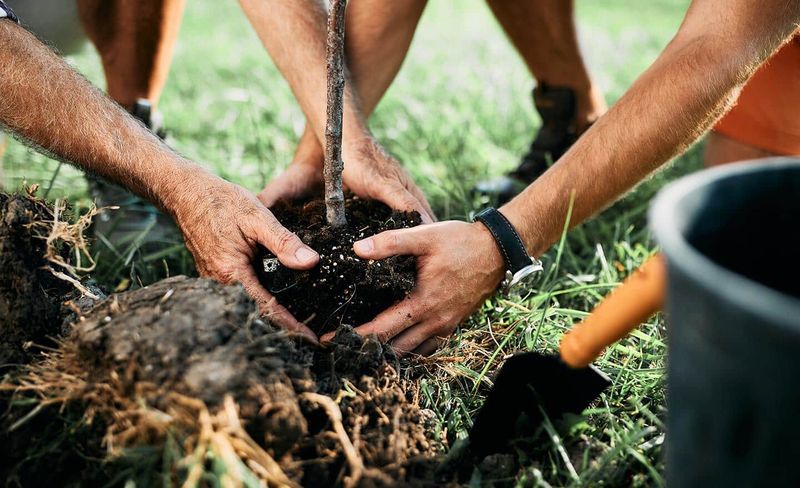
Dig a hole about two to three times as wide as the root ball but no deeper. Planting too deep is one of the most common mistakes people make.
Loosen the roots gently if they circle the pot, then backfill with the same native soil. Skip heavy amendments, since roots need to adapt to the yard.
Add a layer of mulch around the base, keeping it a few inches from the trunk. Mulch holds moisture and keeps weeds from crowding in.
Water deeply right after planting and check the soil regularly for the first months. New plants need steady moisture until roots spread out.
Staking is only needed for tall or top-heavy trees in windy spots. Most young trees grow sturdier when allowed to sway a bit. Plant now and watch your landscape fill in beautifully over the years ahead.
4. Set Out Fall Color With Cool-Season Flowers
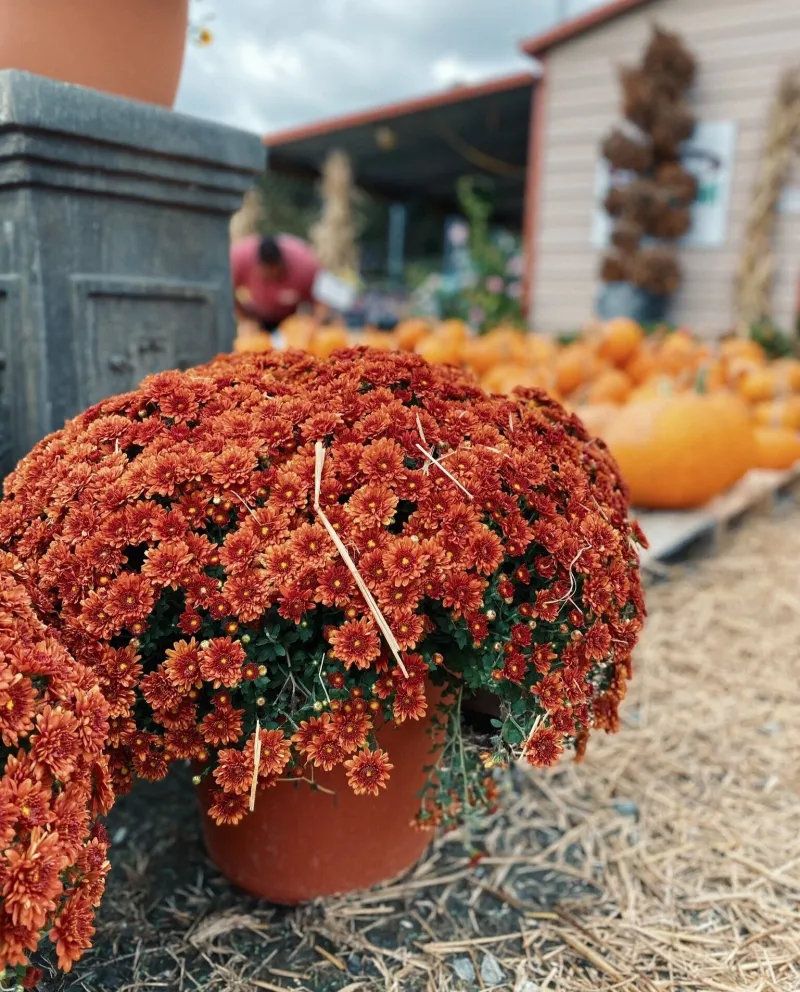
Nothing perks up a tired yard like a splash of fresh blooms after summer fades. September opens the door to some of the prettiest flowers Texas grows.
Once the worst heat backs off, you can start planting cool-season favorites. Pansies, violas, snapdragons, and dianthus all thrive as temperatures drop.
In warmer parts of the state, wait until late September or October for pansies. Planting them too early while it stays hot can leave them leggy and weak.
Chrysanthemums, often called mums, bring bold color right on cue this month. They fill pots and beds with warm reds, golds, and purples.
Snapdragons add height and charm, sending up tall spikes of blossoms. They handle cold snaps better than many gardeners expect.
Prepare your beds by loosening the soil and mixing in some compost. Rich, well-drained ground gives roots the best possible start.
Water new transplants well and keep the soil evenly moist as they settle in. A thin layer of mulch helps steady the temperature around the roots.
Pinching off spent blooms keeps plants tidy and encourages more flowers. This simple habit stretches your color show for months.
Group flowers by their sunlight needs so each one gets what it wants. Most cool-season bloomers enjoy full sun in fall and winter.
You can also tuck flowering plants into containers by the front door. A cheerful pot greets guests and brightens gray winter days.
With a little effort now, your garden stays lively long after the summer flowers have faded away.
5. Divide And Transplant Crowded Perennials
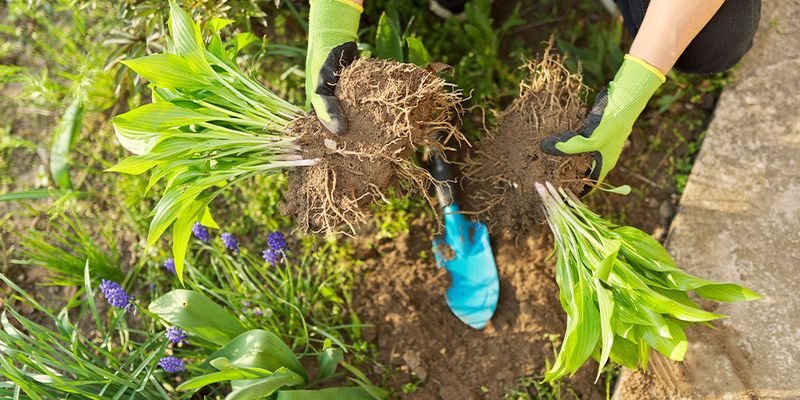
Some plants get a little too comfortable and start crowding their neighbors. September is a friendly time to split them up and share the wealth.
Perennials like daylilies, irises, and ornamental grasses often outgrow their space after a few seasons. Dividing them keeps each clump healthy and blooming.
Cooler weather this month lets divided plants recover without summer stress. Their roots settle into the ground before the coldest days arrive.
Start by watering the plant a day before you dig, which softens the soil. Moist ground makes lifting the clump far easier on your back.
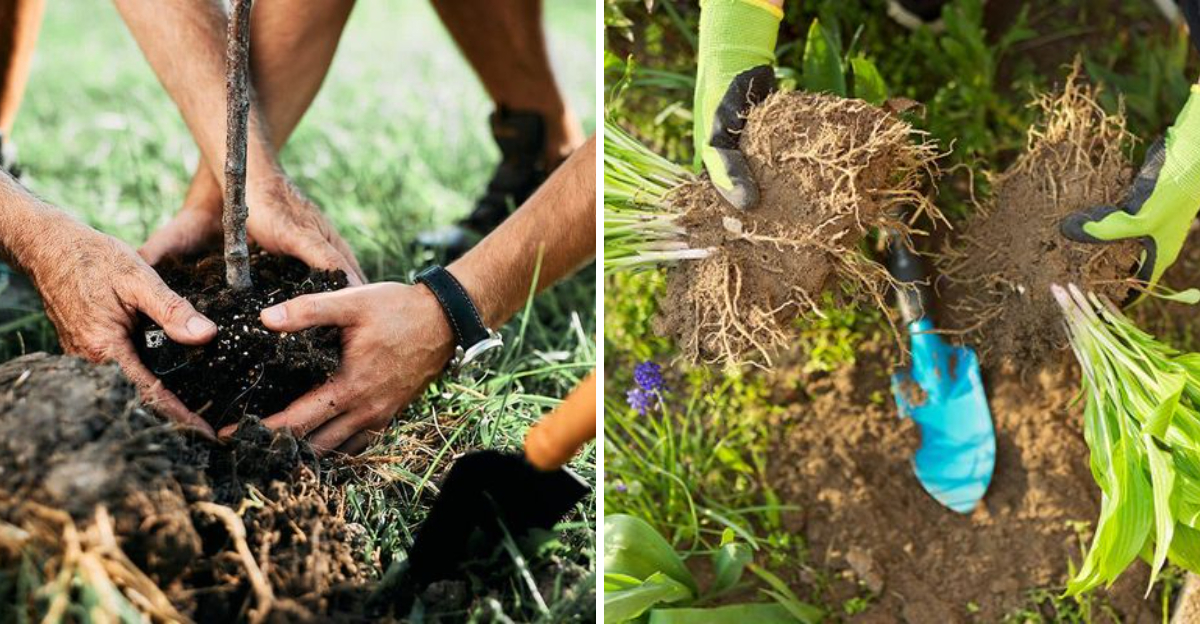
Use a sharp spade or garden fork to dig around the whole root mass. Lift it gently and shake off some of the loose dirt.
Split the clump into smaller sections, each with roots and a few healthy shoots. A clean cut helps the pieces bounce back quickly.
Replant the divisions at the same depth they grew before in fresh spots. Give them room so they have space to spread out again.
Water each new planting well and keep the soil moist for the coming weeks. Steady moisture helps the roots grab hold of their new home.
You can pass extra divisions along to friends or neighbors who garden. Swapping plants is a fun way to fill your yard for free.
Bearded irises especially love a September split across much of Texas. They reward you with stronger blooms the following spring. A little digging now means fuller, healthier flower beds for years to come.
6. Manage Pests And Watch For Trouble
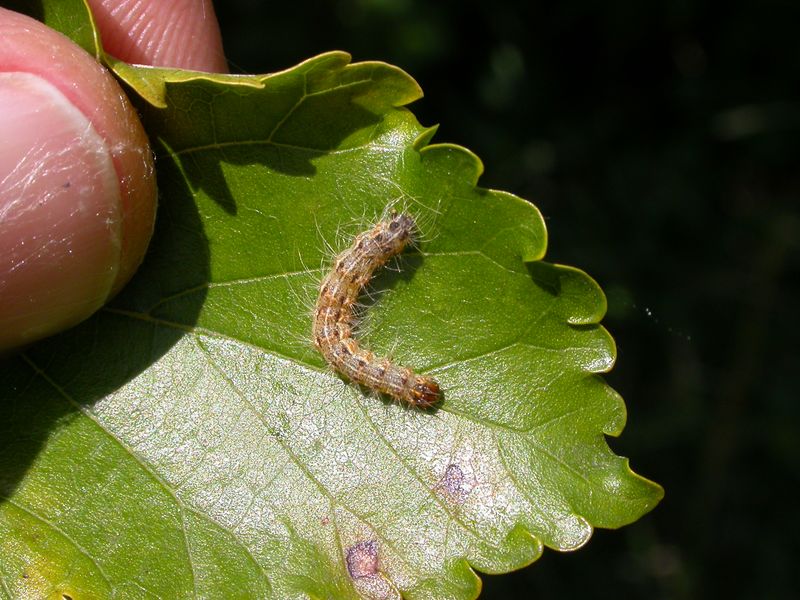
Just when you think summer bugs are packing up, September brings its own crowd of critters. A watchful eye now saves you headaches later.
Warm days still let pests like aphids, spider mites, and whiteflies stay active. Check the undersides of leaves where many like to hide.
Fall webworms often show up this month, spinning webs in trees like pecan and mulberry. Pruning out the affected branches usually handles the problem.
Grasshoppers can be a real nuisance in Texas gardens during late summer. Row covers protect tender vegetables while the plants are young.
Instead of reaching for harsh sprays first, try a strong blast of water. It knocks many soft-bodied insects right off your plants.
Insecticidal soap or neem oil offers a gentler option for stubborn pests. Follow the label and treat in the cool of the morning or evening.
Encourage helpful visitors like ladybugs, lacewings, and praying mantises. These natural allies feast on the bugs that trouble your plants.
Keep your garden tidy by clearing fallen leaves and old plant debris. Cleanup removes hiding spots where pests and disease like to linger.
Watch for early signs of fungal issues as fall moisture increases. Good airflow between plants goes a long way toward preventing spots and mildew.
Rotate where you plant vegetables each season to break pest cycles. Bugs that overwintered in one spot lose their easy target.
A few minutes of scouting each week keeps small problems from growing big. Your plants stay stronger heading into the cool season.
7. Adjust Watering For Changing Weather
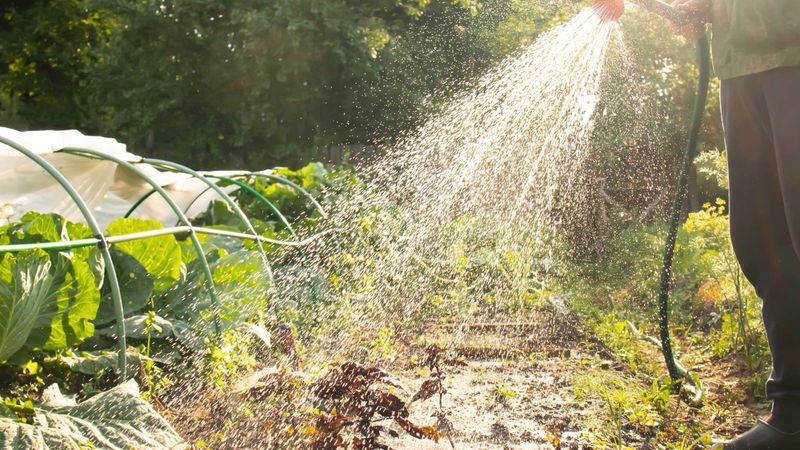
As the calendar flips to fall, your garden’s thirst starts to change. September is the month to rethink how and when you water.
Shorter days and cooler nights mean plants lose less moisture than in July. Watering on the same summer schedule can lead to soggy, unhappy roots.
Pay attention to how the soil feels a couple inches down before you water. If it is still damp, your plants can wait another day or two.
Deep, less frequent watering beats a quick daily sprinkle every time. Roots grow downward chasing moisture, which builds tougher plants.
Early morning is the best time to water across Texas. Leaves dry quickly in the sun, which lowers the chance of fungal problems.
Many cities in Texas still enforce watering restrictions in September. Check your local rules so you stay on the right side of the schedule.
A layer of mulch stretches every drop by slowing evaporation from the soil. Two to three inches works well around most plants and beds.
Drip irrigation and soaker hoses deliver water right to the roots. They waste far less than overhead sprinklers do on a breezy day.
New transplants and fall seedlings need closer attention while they establish. Keep their soil steadily moist without turning it into mud.
Group plants with similar water needs together to make life easier. That way you avoid drowning one plant while another stays dry.
Fine-tuning your watering now keeps the garden happy and your water bill friendly through autumn.