This Texas Border Plant Helps Keep Squirrels From Taking Over In Fall
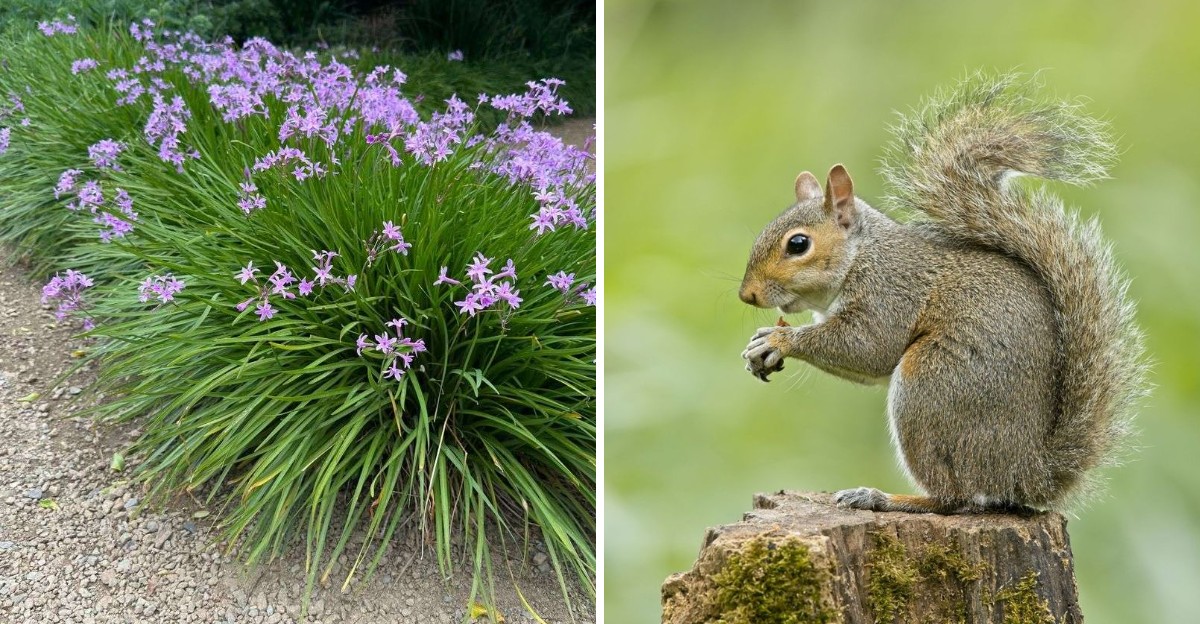
Squirrels in fall are a different kind of problem than squirrels in spring. As natural food sources peak, they become bolder, and more willing to raid garden beds, and newly planted bulbs with a frequency that most Texas homeowners find genuinely exhausting.
Most deterrent approaches require ongoing effort to stay effective. Cages, netting, sprays that wash away with the first rain. The cycle repeats and the squirrels adapt.
There is a Texas border plant that takes a quieter approach. It produces natural compounds that squirrels find consistently off putting.
When planted along garden borders and around containers, it creates an environment they tend to avoid rather than investigate.
It’s beautiful, drought tolerant, and asks very little in return for keeping squirrels at a distance.
The Scented Border Plant Squirrels Avoid
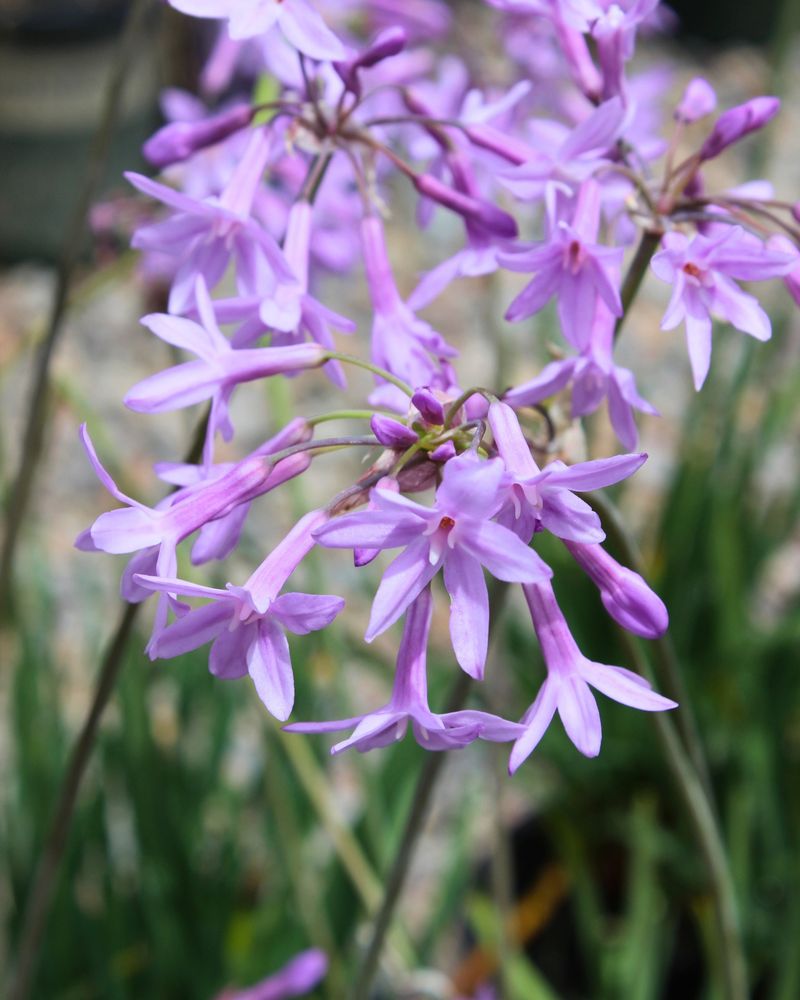
That charming plant is society garlic, and it has a secret up its sleeve. Its scientific name is Tulbaghia violacea, and it belongs to the same big plant family as onions and chives.
Society garlic grows in neat clumps rather than spreading all over the place. The leaves are long, thin, and flat, a lot like chunky blades of grass.
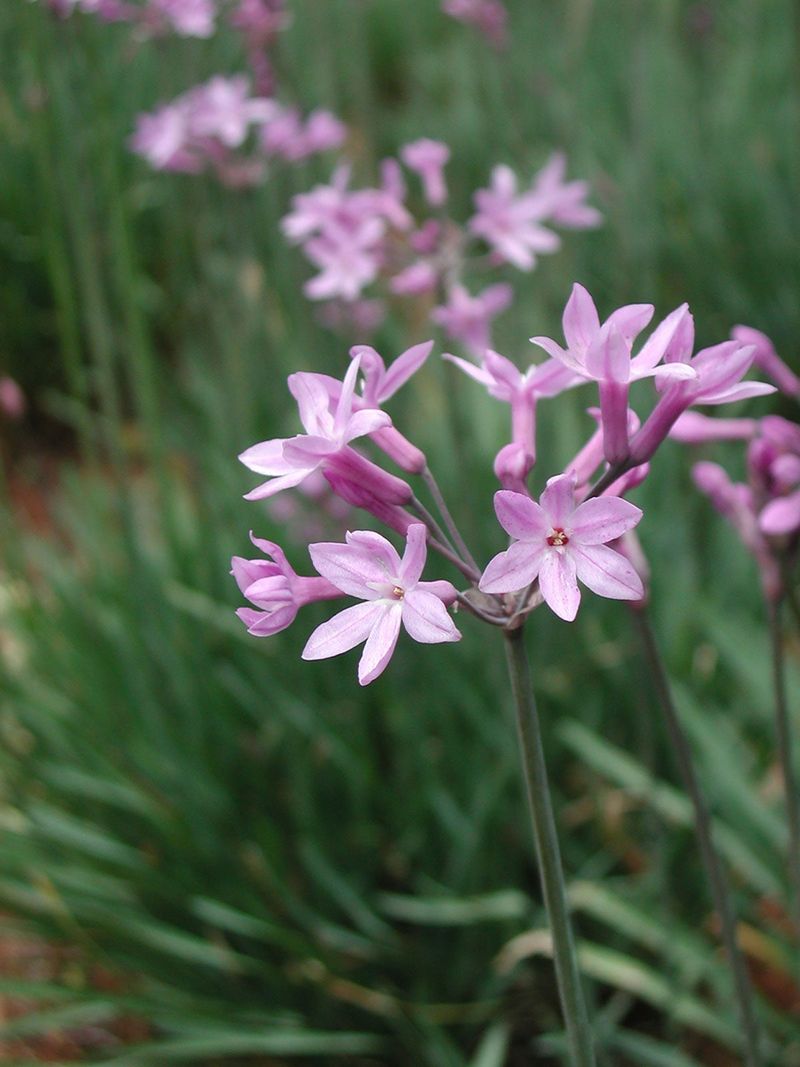
In summer, tall stems pop up with bunches of lavender-pink flowers shaped like tiny stars.
Fun fact time. The plant is not actually from Texas at all. It comes from South Africa, where summers are hot and rain can be scarce.
That background explains why it feels right at home in Texas yards. It shrugs off blazing sun and long dry spells that would leave softer plants looking tired and droopy.
Gardeners from Houston to San Antonio lean on it because it keeps going when the thermometer climbs past 100 degrees.
So why the funny name? One popular story says the leaves smell like garlic, but you can still enjoy them in polite company without leaving a stink on your breath.
Some people even snip the leaves to use like chives in cooking, though you should only eat plants you know are safe and grown without chemicals.
Before you buy, look for a variety that fits your style. The classic type has solid green leaves, while Silver Lace has creamy white stripes that brighten shady corners. Either one makes a friendly, low-fuss edging plant for almost any Texas bed.
Why Squirrels Tend To Avoid It
Brush your hand across a clump of society garlic and you will notice it right away. A sharp, oniony smell drifts up into the air. To you, it might just seem a little funny, but to a curious squirrel, it can be a real turnoff.
The smell comes from sulfur compounds hiding inside the leaves and roots. They are similar to the natural chemicals that make garlic and onions so strong. When leaves get bent, stepped on, or dug near, they release that scent.
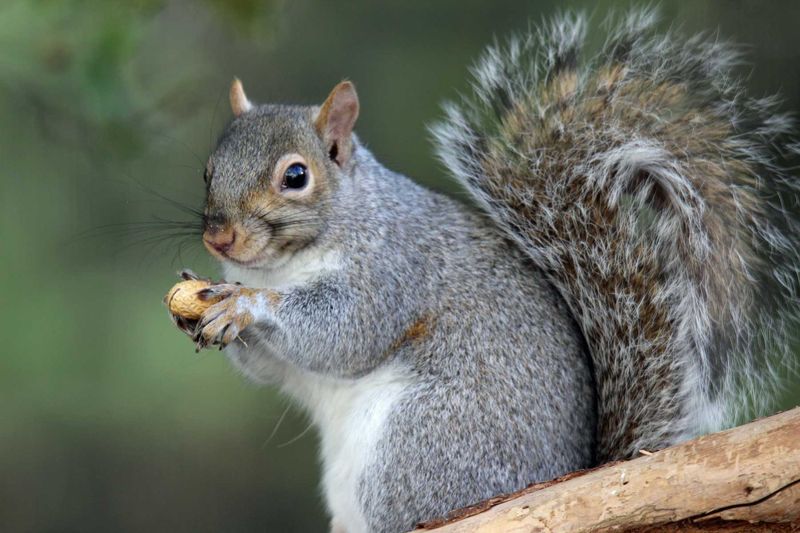
Squirrels depend on their noses for almost everything. They sniff out buried nuts, spot danger, and decide which spots feel safe for digging.
A patch that smells harsh and garlicky is simply less inviting than soft, sweet-smelling soil nearby.
Your Texas Garden Changes Every Week. Your Plan Should Too.
Gardening in Texas changes quickly throughout the season. Every Friday you’ll receive a simple weekly plan showing exactly what to plant, prune, fertilize, harvest, and protect so you never miss the right timing.
Many Texas gardeners say squirrels, rabbits, and even deer tend to skip over their society garlic.
Still, be honest with yourself about what to expect. A plant is not a magic force field, and a very hungry or bold squirrel may ignore the smell.
Think of society garlic as one layer in a bigger plan. Pair it with other simple tricks for better results. A few ideas work especially well together.
Lay chicken wire just under the mulch in beds where squirrels love to dig. Cover newly planted bulbs with a piece of hardware cloth until roots settle in. Pick up fallen nuts and birdseed so your yard is less of a buffet.
Stack these steps together and the scented border works even better. Squirrels learn your beds are more trouble than they are worth, so many move on.
Why Fall Is Peak Squirrel Season
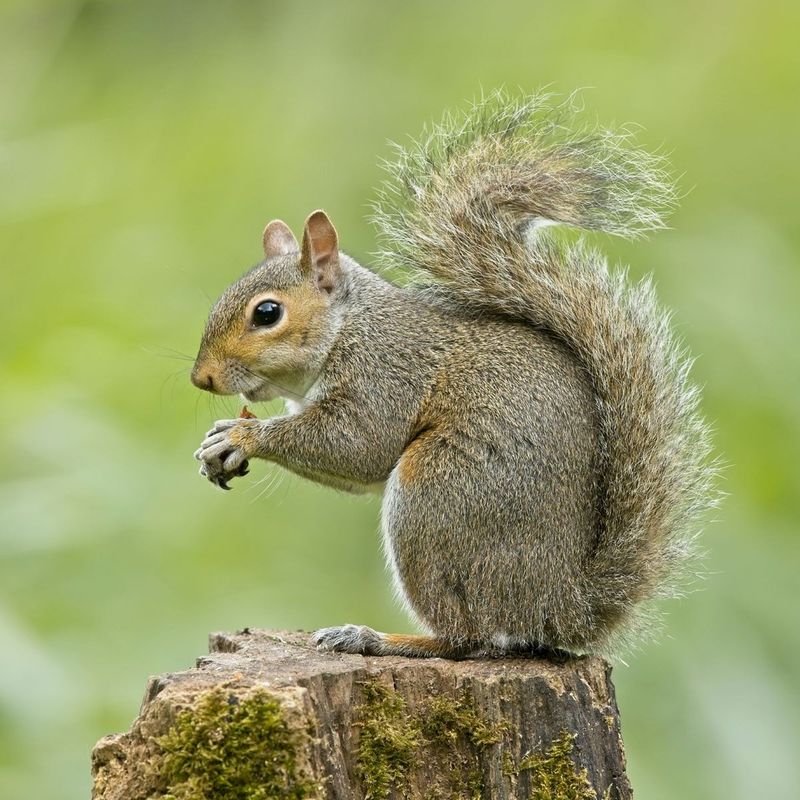
Ever watched a squirrel dash across your lawn with its cheeks stuffed full? In fall, these furry little workers go into overdrive. They have one big goal, and that goal is getting ready for winter.
Across Texas, oak and pecan trees drop loads of acorns and nuts once the weather cools. Squirrels gather as many as they can carry.
Instead of storing them all in one place, they bury them one at a time in hundreds of small holes.
Scientists call this habit scatter hoarding. A single gray squirrel can bury thousands of nuts in a season. Believe it or not, they forget where many of them are, which is how lots of new oak trees get planted.
That busy digging is great for forests but not so great for your flower beds. Soft, freshly worked soil is the easiest place to dig.
So when you plant pansies, tulip bulbs, or fall vegetables, squirrels see a perfect hiding spot for their snacks.
You might wake up to find little holes everywhere and seedlings tossed aside. Bulbs can be dug up and nibbled. Mulch may get flung onto sidewalks like confetti.
A scented border can help cut down on that mess. Planting society garlic along the edges of your beds creates a smelly line that many squirrels would rather not cross. It works a bit like a fence made of scent instead of wood.
For the best results, get your border in place before fall arrives. Late summer planting gives the clumps time to fill out and release plenty of scent. That way, it is ready and waiting when acorn season kicks off.
Blooms Through The Hot Months And Into Fall
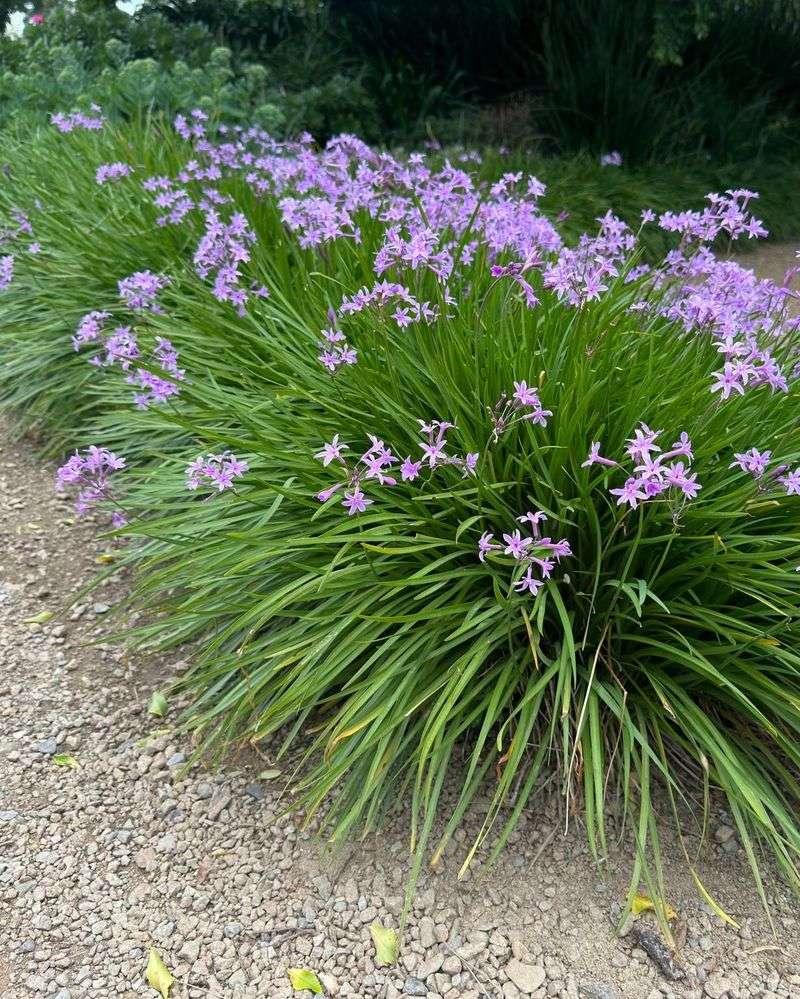
Here is a plant that refuses to quit when the Texas heat gets serious. By August, many gardens look tired and crispy.
Society garlic, on the other hand, keeps sending up fresh flowers like it never got the memo.
Its blooming season often starts in spring and keeps going in waves through summer and fall.
Each flower stem rises a foot or more above the leaves. At the top sits a round cluster of small, star-shaped blossoms in soft lavender-pink.
Those flowers do more than look pretty. Butterflies and bees visit them often, which gives your garden a lively, buzzing feel. Hummingbirds sometimes stop by for a quick sip too.
Want even more blooms? Snip off old flower stems once the blossoms fade. The plant then puts its energy into making new flowers instead of seeds.
Color is only half the story. The leaves are evergreen or semi-evergreen, which means they often stay green through mild winters. In much of South and Central Texas, your border may look neat all year long.
That steady look is a big deal for edging plants. A bed with bare, brown edges can look messy, even if the middle is full of life.
Society garlic frames everything with a clean green line, almost like a picture frame for your garden.
To keep things fresh, trim away any yellow or tattered leaves in late winter. New growth will fill in quickly once spring warms up.
A little tidy-up once a year is often all it takes to keep the border looking sharp from season to season.
Easy Growing Conditions
Good news for busy gardeners: society garlic is about as easygoing as plants get. You do not need a green thumb or fancy tools. A sunny spot and decent soil will take you most of the way.
Full sun is ideal, though the plant can handle part shade. In deep shade, it tends to flower less and may stretch out. Aim for at least six hours of sunlight a day if you want the most blooms.
Soil matters more than you might think. Society garlic hates sitting in soggy ground, which can cause the roots to rot. If you have heavy clay, mix in compost or plant in a raised bed so water drains away quickly.
Watering is simple too. Give new plants a good drink a couple of times a week for the first month or so. Once they are settled in, they usually need water only during long dry stretches.
Fertilizer is barely needed. A light sprinkle of slow-release plant food in spring is plenty. Too much can lead to lots of leaves and fewer flowers.
Cold weather is the one thing to keep an eye on. Society garlic is generally hardy across much of Texas, roughly USDA zones 7 through 10.
A hard freeze can turn the leaves brown and mushy, especially in North Texas and the Panhandle.
Do not panic if that happens. The roots are usually fine underground, and fresh leaves often pop back up in spring.
Cut the damaged foliage down to a few inches and add a layer of mulch to protect the crown during cold snaps.
How To Use It In Your Landscape
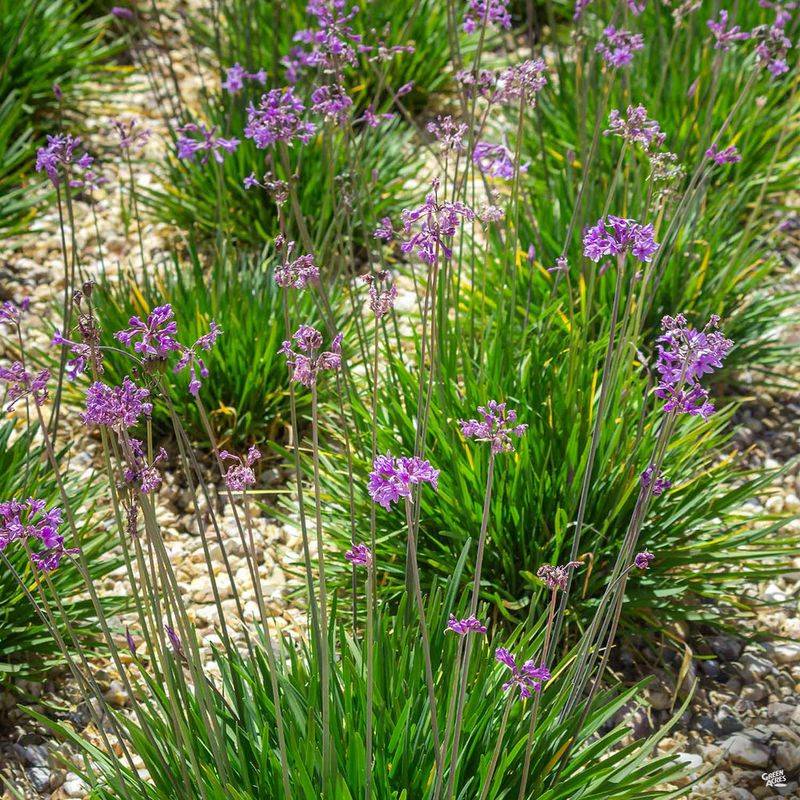
Imagine a garden path lined on both sides with soft green clumps and purple flower puffs. Not only does it look lovely, but it also sends a quiet warning to any squirrel sniffing around. That is the magic of using society garlic with a plan.
Start with the spots where digging drives you crazy. Bed edges, walkways, and the borders of vegetable gardens are great choices.
Rings of society garlic around bulb beds can also help protect tulips, crocus, and other tasty treats.
Spacing is easy to figure out. Clumps usually grow 1 to 2 feet tall and about as wide. Set plants roughly 12 inches apart so they knit together into a solid line within a season or two.
Keep in mind that the scent gets stronger when leaves are brushed. Planting along paths where people walk or where pets pass by helps release that smell often. Just avoid placing it right next to a patio seating area if the odor bothers you.
After a few years, your clumps may get crowded in the middle. That is actually a gift. Dig up a clump in early spring or fall, pull or slice it into smaller sections, and replant them to stretch your border for free.
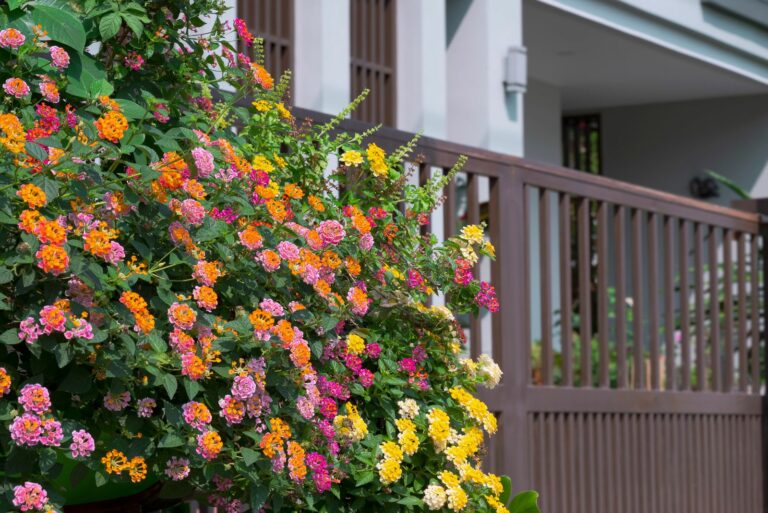
Society garlic also plays nicely with other plants. Try it in front of lantana, salvia, or rosemary for a tough, heat-loving combo. Its thin leaves contrast well with bolder foliage and add a nice texture.
With a little planning, one small pot can turn into yards of pretty, squirrel-discouraging edging. Your beds stay neater, your bulbs stay put, and you get flowers for months.