The One September Thing Pennsylvania Citrus Needs Before Fruit Sets
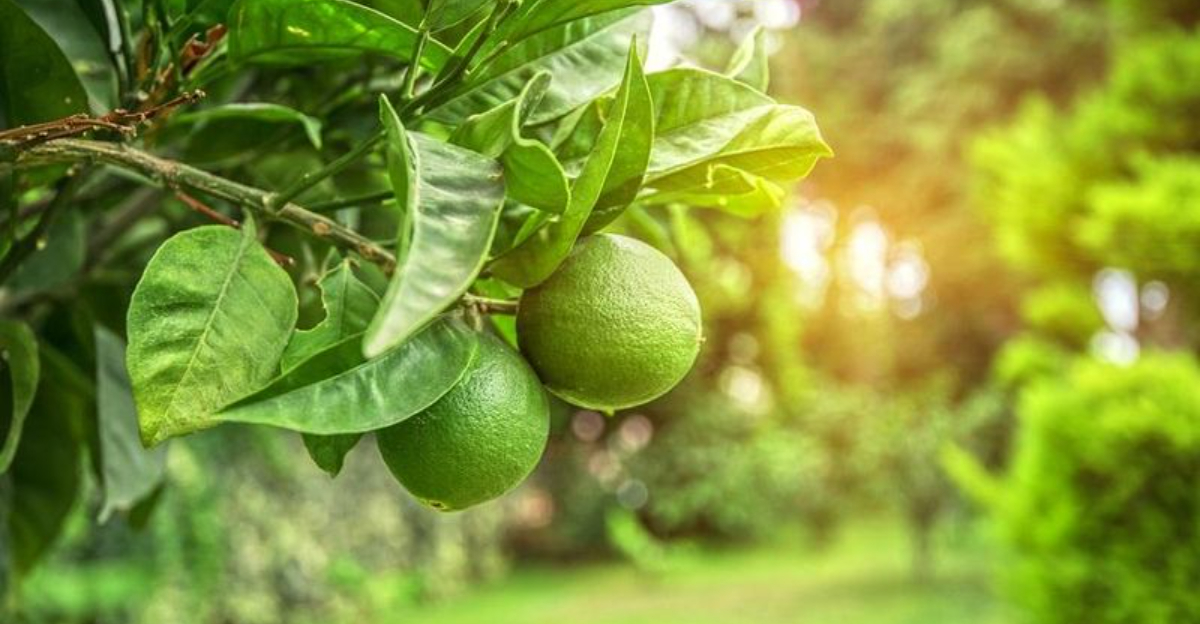
Growing citrus in Pennsylvania is a commitment made with eyes open. The climate is not forgiving, the margin for error is narrow, and September is the month where decisions made right now directly affect whether that patience actually produces fruit worth harvesting.
Most Pennsylvania citrus growers miss the one thing these trees genuinely need before fruit sets.
It doesn’t require expensive equipment or complicated intervention. But skipping it sends a citrus tree into one of its most vulnerable stages without the support it needs.
The consequences show up in the harvest in ways that are hard to recover from mid season.
Get it right and fruit set improves noticeably. Miss it and the tree delivers less than it could have with a little well timed attention.
Here’s exactly what your Pennsylvania citrus needs this September and why this brief window is the one that actually counts.
Protect Citrus From The Coming Cold

One of the most important September tasks for Pennsylvania citrus is preparing for colder temperatures. Frost can sneak in during clear, calm nights even while afternoons still feel like summer.
Citrus trees prefer temperatures above the low 40s, and dips near freezing can harm leaves, blossoms, and forming fruit. In most of Pennsylvania, the first light frost can show up between late September and mid October.
That timing matters because young fruit is still fragile and needs steady warmth to keep developing. A sudden chill can cause the tree to drop those tiny fruits before they have a chance to grow.
Start by watching your local nightly forecast closely once September begins. When lows are predicted below 50 degrees, it is smart to have a plan ready.
Moving containers closer to a warm south-facing wall can trap gentle heat during cool nights. You can also use a light fabric cover or an old sheet for surprise cold snaps.
Avoid plastic touching the leaves directly, since it can chill spots where it makes contact. A frame or stakes holding the cover away from foliage works much better.
For potted trees, remember that roots in containers get colder faster than roots in the ground. Grouping pots together helps them share warmth and stay more stable.
The goal is to keep your tree comfortable until you decide whether it moves indoors. Taking this step early protects the energy your plant is putting into fruit.
Think of cold protection as the foundation for every other September choice you make. Everything else builds on keeping your citrus warm enough to thrive.
Why Pennsylvania’s Fall Weather Can Threaten Citrus Fruit Development
Pennsylvania autumns are famous for their unpredictable mood swings. One day feels warm and bright, and the next brings a chilly, gray morning that makes you reach for a jacket.
Citrus plants do not enjoy that kind of drama. They come from warm climates where the weather stays fairly steady through their growing season.
When nights turn cold and days stay mild, the swing itself stresses the plant. Stress signals the tree to slow down and protect itself instead of feeding its fruit.
Your Pennsylvania Garden Changes Every Week. Your Plan Should Too.
Gardening in Pennsylvania changes quickly throughout the season. Every Friday you’ll receive a simple weekly plan showing exactly what to plant, prune, fertilize, harvest, and protect so you never miss the right timing.
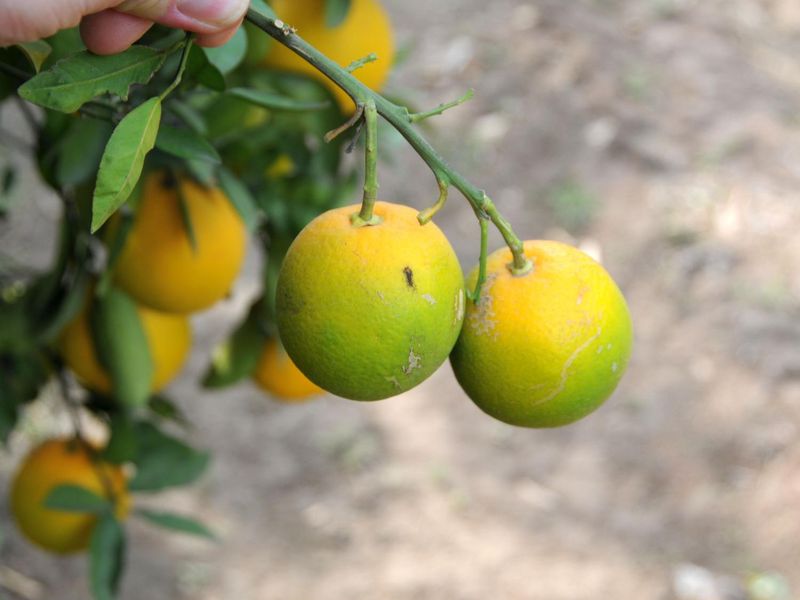
Those tiny fruits you are hoping for depend on a calm, warm environment to keep swelling. Sudden drops in temperature can cause the tree to shed blossoms and young fruit as a safety response.
New growth is especially tender in early fall. Fresh leaves and shoots have not toughened up, so a cold snap can leave them limp or discolored.
Flowers face similar risks, since blooms are delicate and easily harmed by chilly air. A blossom that gets nipped may not turn into fruit at all.
Wind adds another layer of trouble during Pennsylvania falls. Gusty, cool breezes dry out leaves and pull warmth away from the plant faster.
Understanding these threats helps you respond before real harm happens. When you know why your citrus reacts to cold, the protective steps make much more sense.
Watching for the first cool nights gives you a head start every year. The earlier you notice the shift, the more fruit you can help protect.
Your tree is not being fussy, it is simply built for a warmer home. Meeting it halfway keeps that fruit growing strong.
Check Citrus Trees For Pests Before Bringing Them Indoors
Before a single pot crosses your doorway, give your citrus a careful once-over. Bugs that live outside all summer love to hitch a ride into your warm, cozy home.
Common citrus visitors include aphids, spider mites, scale, and mealybugs. Indoors, without natural predators, small populations can multiply quickly during winter.
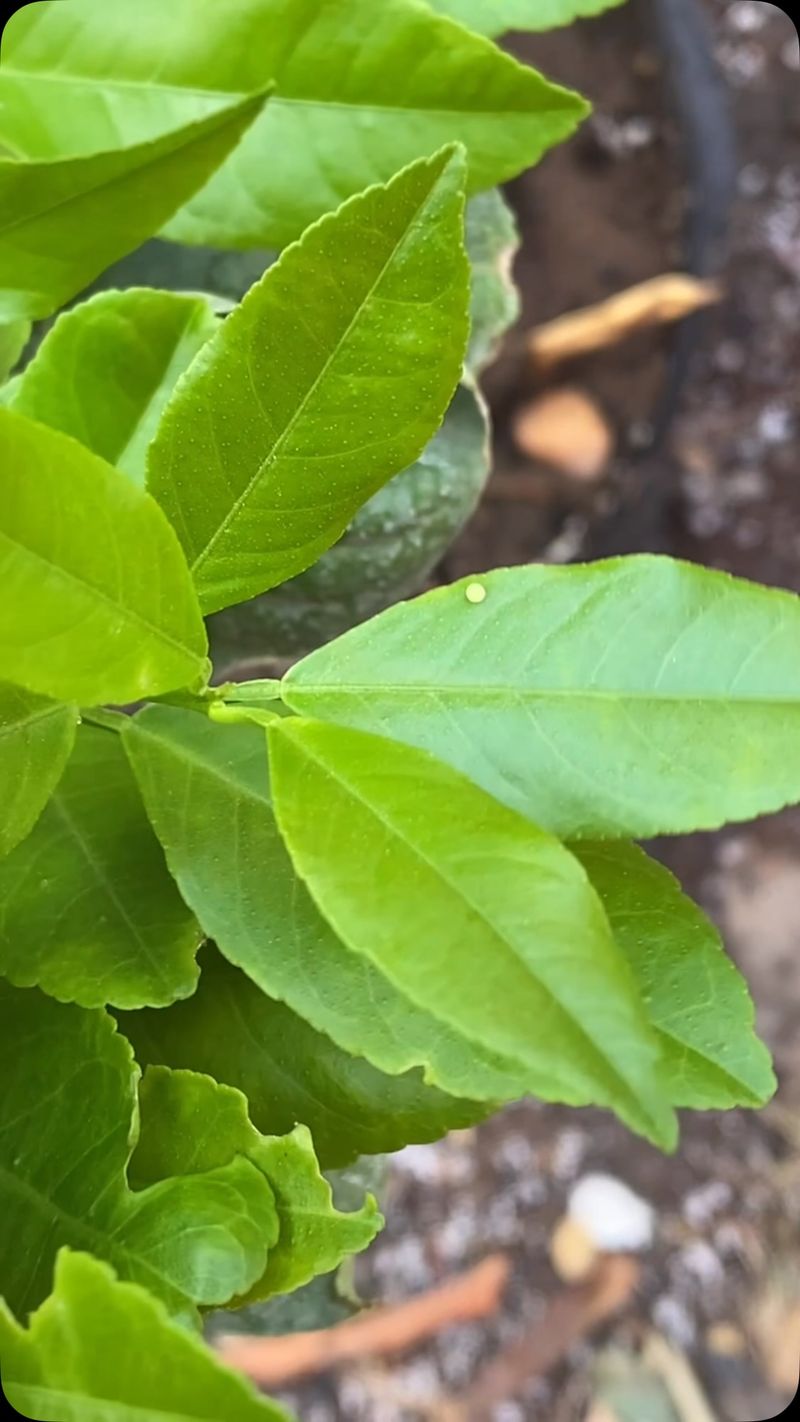
Start your inspection by flipping leaves over and checking the undersides. Many pests hide there, along the stems, and where leaves meet branches.
Look for sticky residue, tiny webs, or small bumps that do not brush off easily. These are clues that unwanted guests may be settling in.
Rinsing the whole plant with a firm spray of water knocks off many insects. A gentle shower for the leaves, top and bottom, makes a real difference.
For stubborn pests, insecticidal soap or a horticultural oil can help when used as the label directs. Test a small area first to be sure your tree tolerates it.
Do not forget the soil surface and the rim of the pot. Bugs and their eggs sometimes tuck themselves into those hidden spots.
Giving the plant a few days in a separate area before joining other houseplants is a smart move. That waiting period lets you catch anything you missed.
Bringing pests inside can spread trouble to every plant you own. A little effort now saves you a bigger cleanup later.
A clean start also means your citrus spends winter energy on staying healthy. It will not have to fight off hungry hitchhikers.
Think of this as a friendly bug check before the big move. Your whole plant family will thank you.
Adjust Watering And Feeding As Citrus Growth Slows
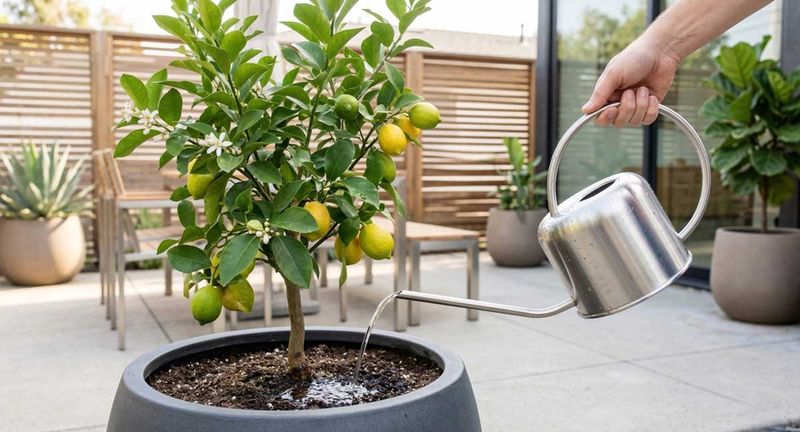
As the days shorten, your citrus naturally shifts into a slower gear. Its growth calms down, and its needs change right along with it.
During summer, thirsty trees drink up water quickly under strong sun. In fall, that same tree uses far less, so old watering habits can lead to soggy roots.
Overwatering is one of the most common fall mistakes. Roots sitting in constantly wet soil can rot and struggle to breathe.
A simple trick is to check the soil with your finger before watering. Poke down about an inch or two, and only water if it feels dry there.
When you do water, let the excess drain fully from the pot. Empty any saucer so the roots are not left standing in a puddle.
Feeding also deserves a rethink as growth slows. Pushing fertilizer now encourages tender new shoots that struggle in cooler conditions.
Most citrus growers ease off feeding in early fall and pause through the coldest months. Your tree is resting, not racing to grow.
Feeding a resting plant can build up unused nutrients in the soil. That buildup can harm roots instead of helping them.
If your tree looks pale, hold off on guessing and check light and water first. Nutrient issues often trace back to other care problems.
Matching your routine to the season keeps your citrus balanced and content. Less becomes more once autumn settles in.
Watch how your plant responds and adjust gently over the weeks. Small, thoughtful tweaks beat sudden big changes every time. This calmer care sets your tree up for a smooth winter indoors.
Give Indoor Citrus The Right Winter Conditions
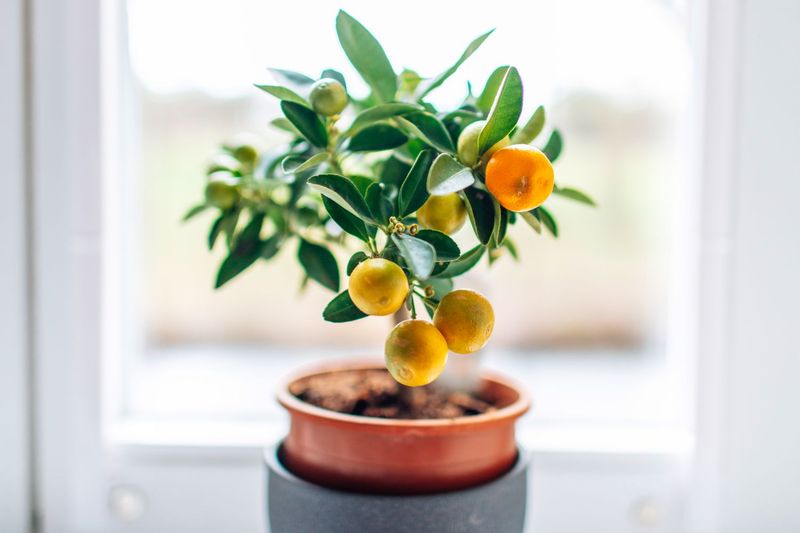
Once your citrus moves inside, it enters a whole new world. Indoor air and dim winter light feel very different from a sunny patio.
Light is the first thing to get right. Citrus loves bright spots, so a south-facing window usually offers the strongest natural sunshine.
If your home stays dim, a grow light can fill the gap nicely. Aim for several hours of good light each day to keep leaves happy.
Temperature matters just as much for comfort. Most citrus prefers daytime warmth in the 60s and cooler, steady nights around the 50s.
Keep your tree away from heating vents and drafty doors. Blasts of hot, dry air or sudden cold can both cause stress.
Indoor heat also dries out the air, which citrus dislikes. Boosting humidity helps the leaves stay firm and green.
A small humidifier near the plant works wonders in winter. You can also set the pot on a tray of pebbles with a little water below the base.
Airflow rounds out the recipe for a healthy indoor tree. Gently moving air lowers the chance of mold and keeps leaves fresh.
A slow-turning fan on the far side of the room is plenty. You want a light breeze, not a strong wind on the foliage.
Turning the pot every week or so helps the tree grow evenly. All sides get their fair share of that precious light.
Getting these basics right lets your citrus coast through winter comfortably. Come spring, it will be ready to burst back into growth. Comfort indoors truly protects the fruit you worked to keep.
September Citrus Checklist For Pennsylvania Gardeners
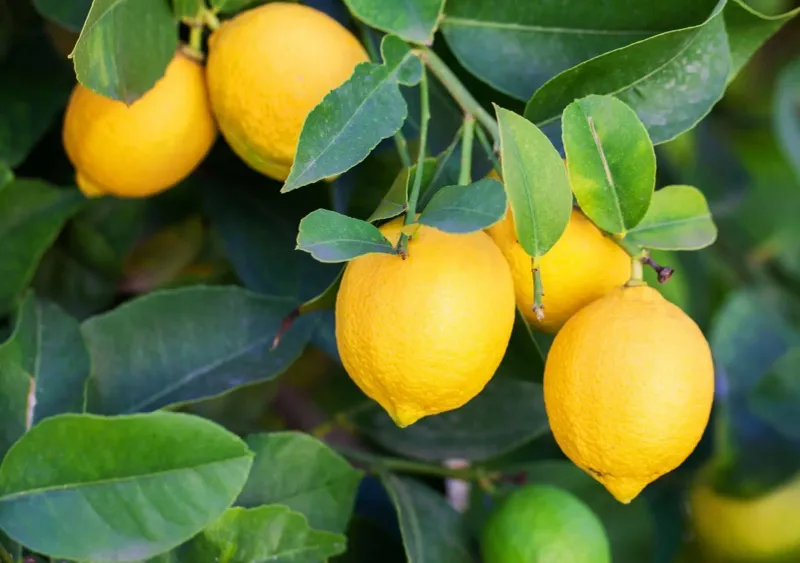
Pulling everything together makes September feel far less overwhelming. A simple checklist turns scattered tips into an easy routine you can follow.
Start by inspecting your plants closely. Check leaves, stems, and soil for any pests before those trees think about coming inside.
Next, keep an eye on the temperature. Watch nightly forecasts and get ready to act when lows dip toward 50 degrees.
Preparing your indoor space is another key move. Clear a bright, warm spot near a south-facing window before you need it in a hurry.
Adjusting your care habits comes next on the list. Ease back on watering and pause feeding as your tree’s growth naturally slows.
Protecting citrus from cold ties it all together. Have covers, wall spots, or an indoor plan ready before frost surprises you.
Doing these steps in order keeps the process smooth. Each task builds on the one before it, so nothing gets forgotten.
Try writing your own version and taping it near your gardening supplies. A visible reminder helps you stay on track through busy fall days.
Timing is your best friend in Pennsylvania. The first frost can land as early as late September in cooler areas, so acting sooner is wise.
Even a few minutes of attention each week adds up. Small, steady care beats a big last-minute scramble.
Your fruit-setting citrus depends on these gentle habits. Follow the checklist, and you give those little fruits a real chance to grow. By the time winter settles in, your tree will be safe, cozy, and ready to reward your effort.