8 Reasons To Plant Elderberry In Your Arizona Yard And How To Get One Started This Fall
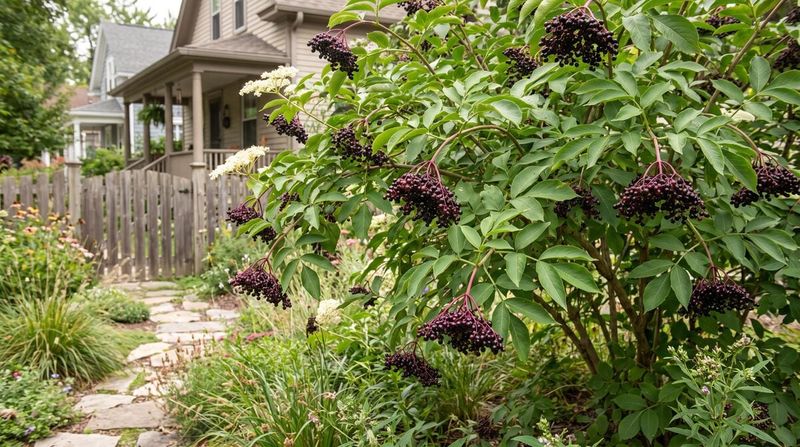
If you want a yard that works hard in the desert heat, elderberry deserves a spot on your list. The native Blue Elderberry can handle Arizona’s blazing summers, feed hungry birds and pollinators, and even give you berries for jam.
Fall is the perfect time to get one in the ground so its roots settle before summer returns. Here are eight solid reasons to plant one, plus a simple guide to getting started.
1. A True Arizona Native Plant For Your Yard
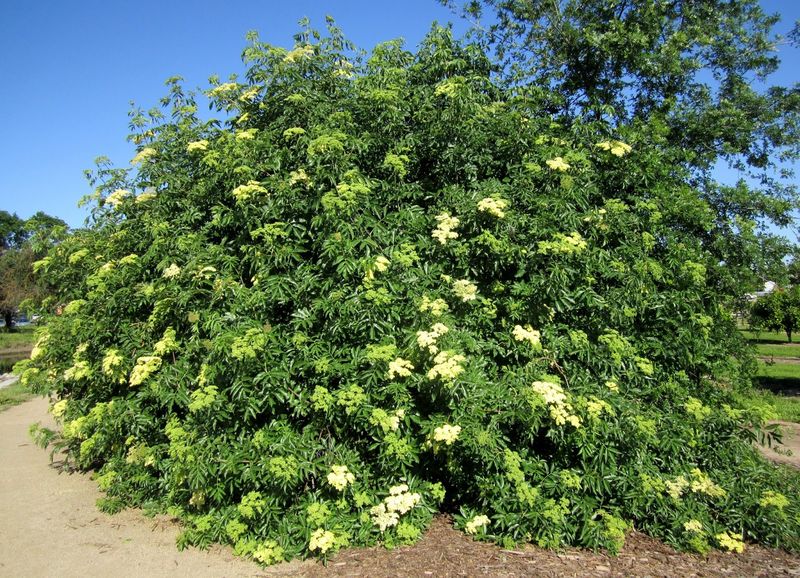
Blue Elderberry, known by botanists as Sambucus nigra ssp. cerulea or Sambucus mexicana, already calls the Southwest home. That means it grew up alongside our soils, our sunlight, and our wild seasons long before any of us moved in.
Choosing a plant that belongs here takes a lot of the guesswork out of gardening. Native species tend to shrug off the stresses that would flatten a fussy import, and they knit right into the local web of insects, birds, and other plants.
Planting native in Arizona is also a quiet way to support biodiversity in your own backyard. Every native shrub you add helps rebuild habitat that development often strips away, and elderberry pulls that weight while still looking good.
2. Attract Arizona Wildlife And Create Habitat
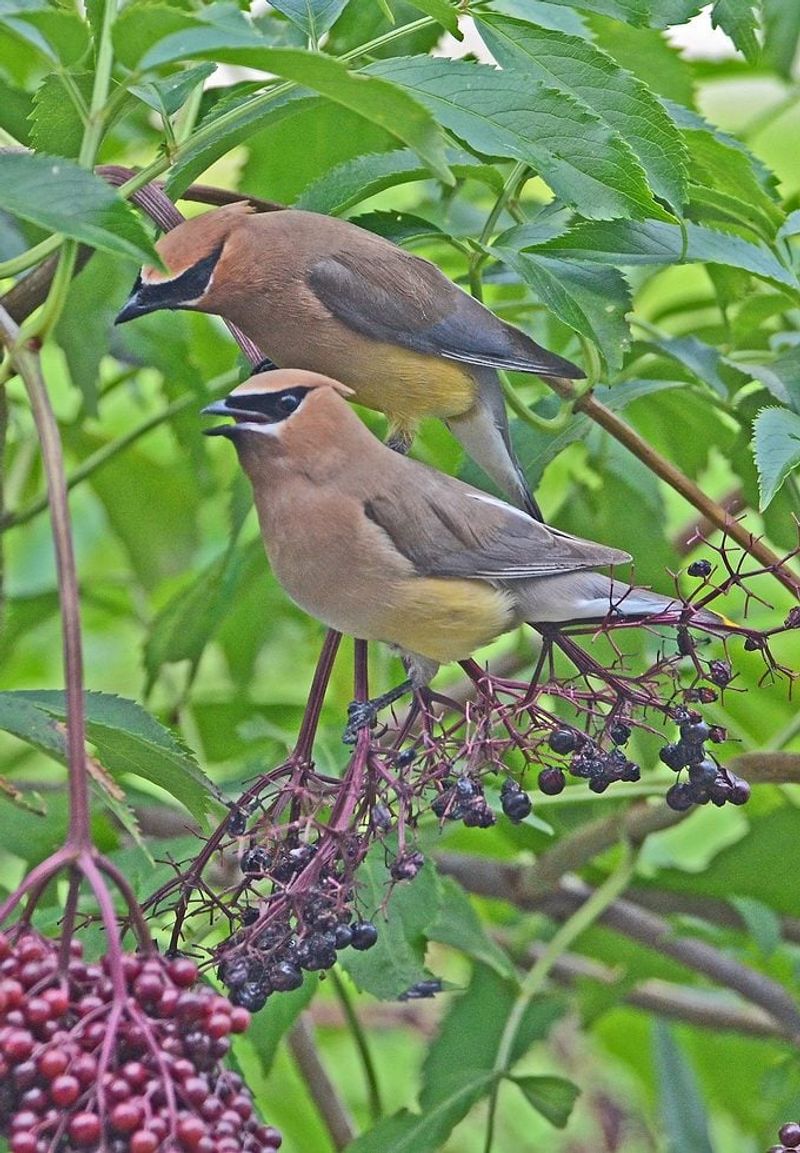
Picture a summer morning with bluebirds, woodpeckers, and quail all showing up for breakfast in one plant. Elderberry berries are a favorite meal for dozens of Arizona bird species, and even hummingbirds drop by for a visit.
Before the fruit ever forms, the flowers do their own kind of magic. Those fragrant, cream-colored blossoms pull in bees, butterflies, and hoverflies, turning your yard into a busy pollinator pit stop.
The dense foliage matters just as much as the food. Small birds use elderberry’s tangled branches for cover and nesting, so you get shelter and a snack bar rolled into one shrub.
For anyone who sees the yard as living habitat, that is a hard combination to beat.
3. Drought Tolerance For Water-Wise Arizona Landscapes
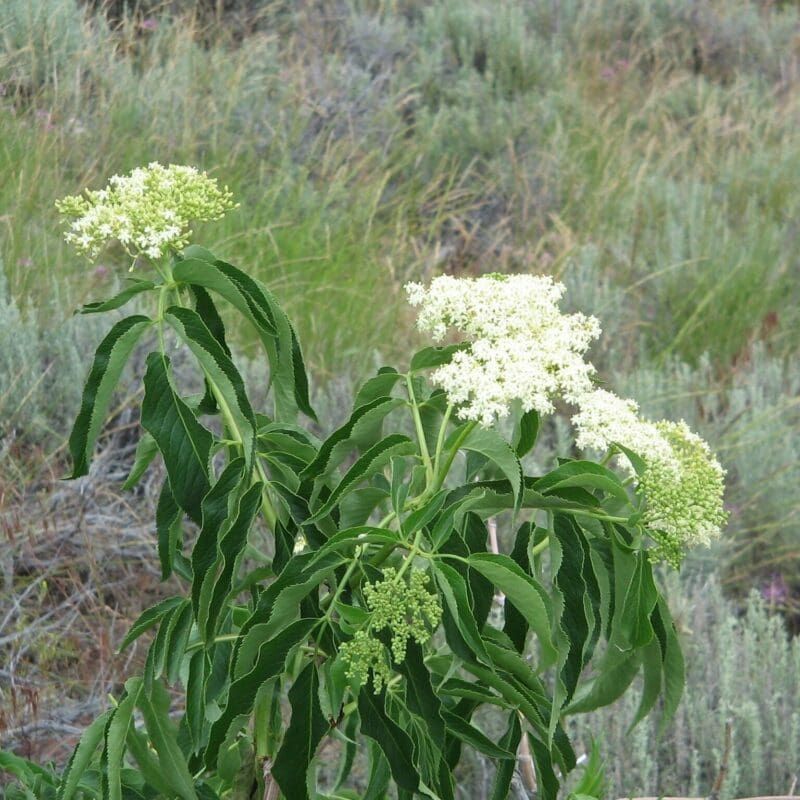
Water bills in the desert can sting, so a plant that learns to fend for itself is worth celebrating. Once its roots settle in, Mexican elderberry handles dry spells better than many people expect.
It still appreciates a drink during long stretches without rain, and it will perform best with a little supplemental water. The upside is that you are not chained to a daily hose routine just to keep it alive.
For homeowners trying to trim overall water use, elderberry fits neatly into a low-desert plan. Pair it with other drought-adapted plants and you build a yard that stays green without draining the meter every month.
4. Heat Tolerance Built For Arizona Summers
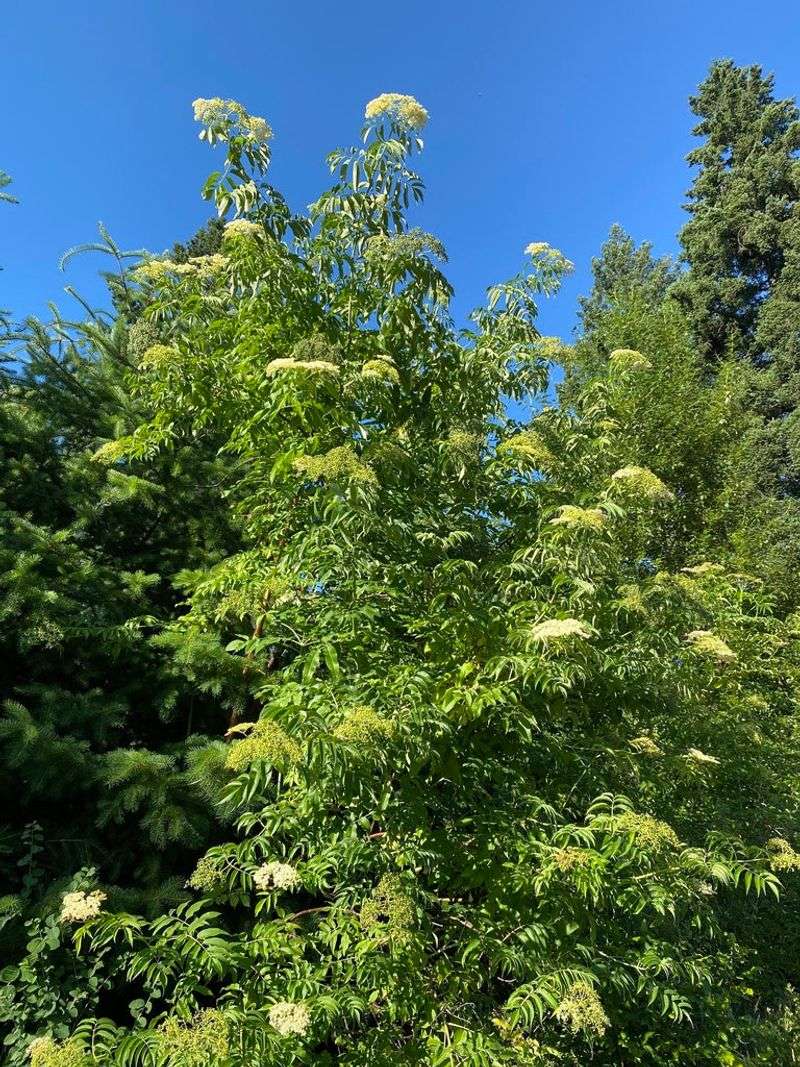
Most elderberry varieties would wilt at the thought of a 110-degree Phoenix afternoon, but Blue Elderberry is cut from tougher cloth. It handles our hot, dry summers far better than the temperate types you see in cooler-climate garden guides.
The Mexican elderberry in particular has adapted to arid living. When moisture and shade run short in the peak of summer, it can slip into a protective dormancy and simply wait out the worst of it.
Your Arizona Garden Changes Every Week. Your Plan Should Too.
Gardening in Arizona changes quickly throughout the season. Every Friday you’ll receive a simple weekly plan showing exactly what to plant, prune, fertilize, harvest, and protect so you never miss the right timing.
That built-in survival trick is a big deal in the low desert. A plant that knows how to conserve itself during a brutal July is one you can trust to bounce back when cooler weather returns.
5. Low Maintenance For Busy Arizona Homeowners
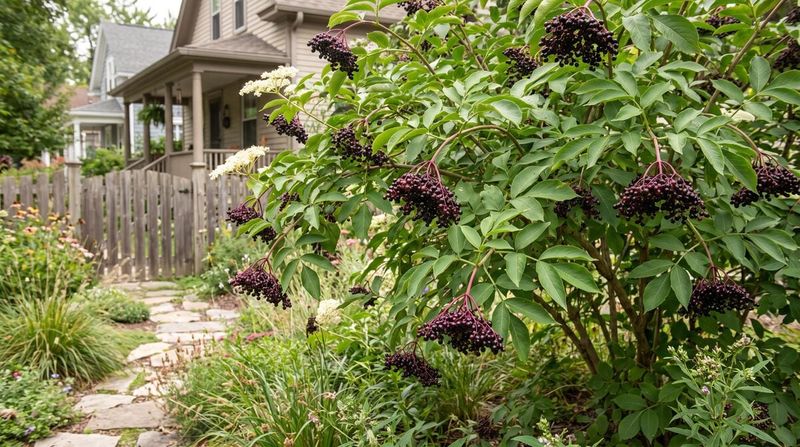
Good news for anyone who would rather enjoy their yard than fuss over it: established elderberry ranks among the lowest-maintenance productive fruit shrubs in all of North America. It asks for very little once it has settled in.
No constant spraying, no elaborate feeding schedule, no daily babysitting. A seasonal check, some water, and an occasional pruning are about all it needs to keep chugging along.
For families juggling work, kids, and everything else, that easy-care reputation is the whole point. You get flowers, berries, and wildlife without turning gardening into a second job.
6. Natural Pest Control Support In Arizona
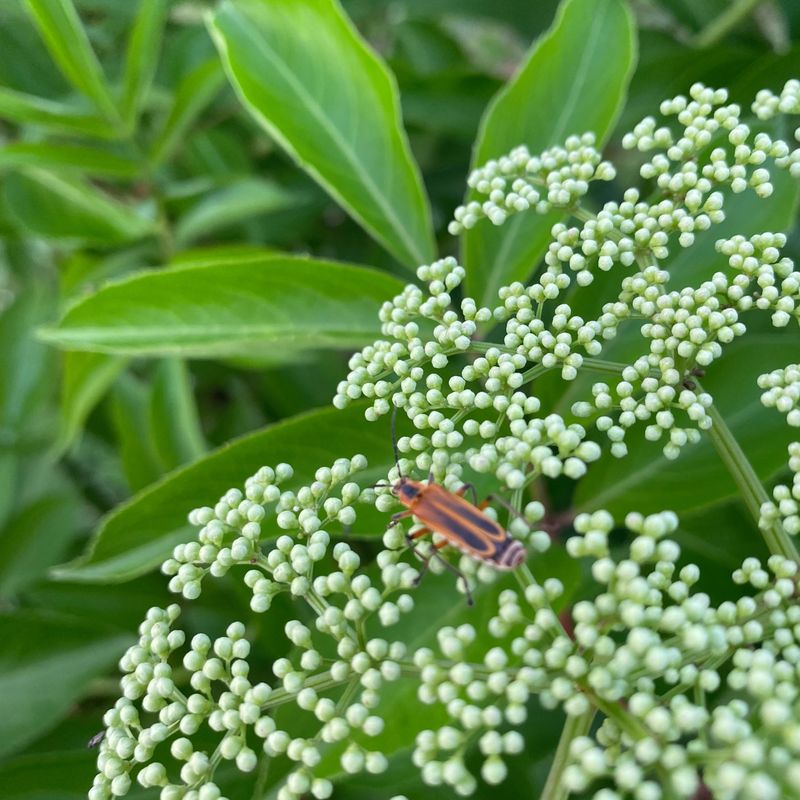
Here is a benefit you might not expect from a berry bush: it can quietly help keep pests in check. By drawing in beneficial insects and hungry insect-eating birds, elderberry turns your yard into a small ecosystem that polices itself.
More birds and predatory bugs mean fewer of the nuisances that bother us most. That balance may help reduce populations of common Arizona pests like mosquitoes and even make the yard less inviting to scorpions over time.
None of this is a guarantee, since pest activity depends on many factors. Still, building a diverse, wildlife-friendly yard tends to tilt the odds in your favor, and elderberry is a strong player in that effort.
7. Provides Welcome Shade In Arizona’s Intense Sun
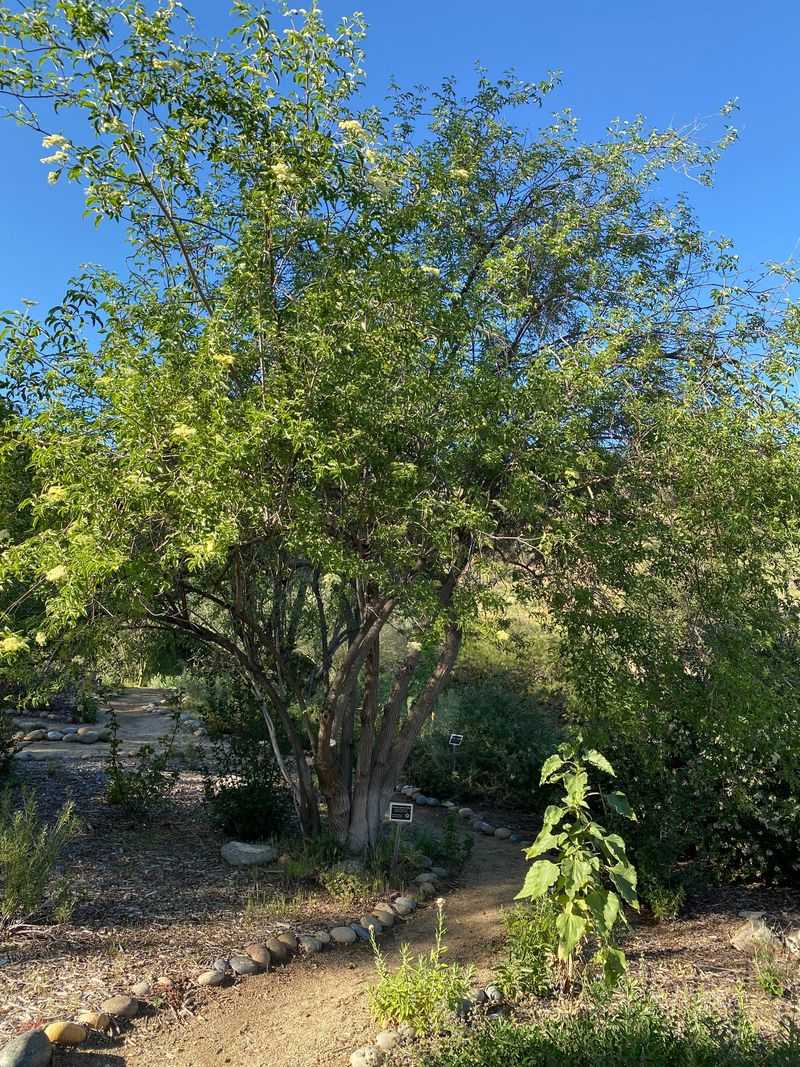
Grown out to its full potential, elderberry is more than a shrub. This fast grower can stretch anywhere from 10 to 30 feet tall, taking on the role of a small tree that throws real shade across a sun-baked yard.
Shade is currency in the low desert. A leafy elderberry can cool a corner of the patio, protect more delicate plants below it, and give birds a shady perch during the hottest part of the day.
Young plants actually enjoy a little shade themselves. During their first couple of years in the desert, dappled light helps them establish before they grow up to become shade-makers in their own right.
8. Edible And Medicinal Rewards For Arizona Residents
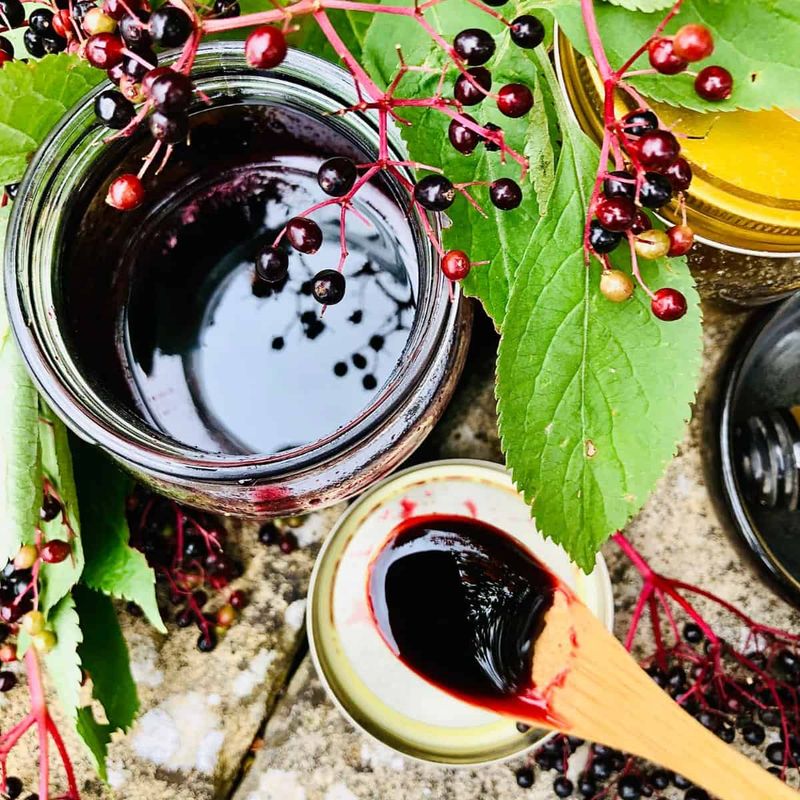
The payoff at harvest time is genuinely fun. Those dark blue-black berries, dusted with a powdery blue bloom, cook down beautifully into jams, pies, syrups, and even homemade wine, and the flowers are edible too.
Beyond flavor, elderberries carry a solid dose of vitamins and antioxidants. Many people reach for elderberry syrup during cold season for its potential immune-supporting perks.
One serious safety note before you snack: raw berries, leaves, stems, young buds, and roots can be toxic and must always be cooked before eating. Treat the plant with respect, cook your harvest, and you will enjoy the rewards without the risk.