What It Means When You See More Spiders Indoors This Time Of Year In Pennsylvania
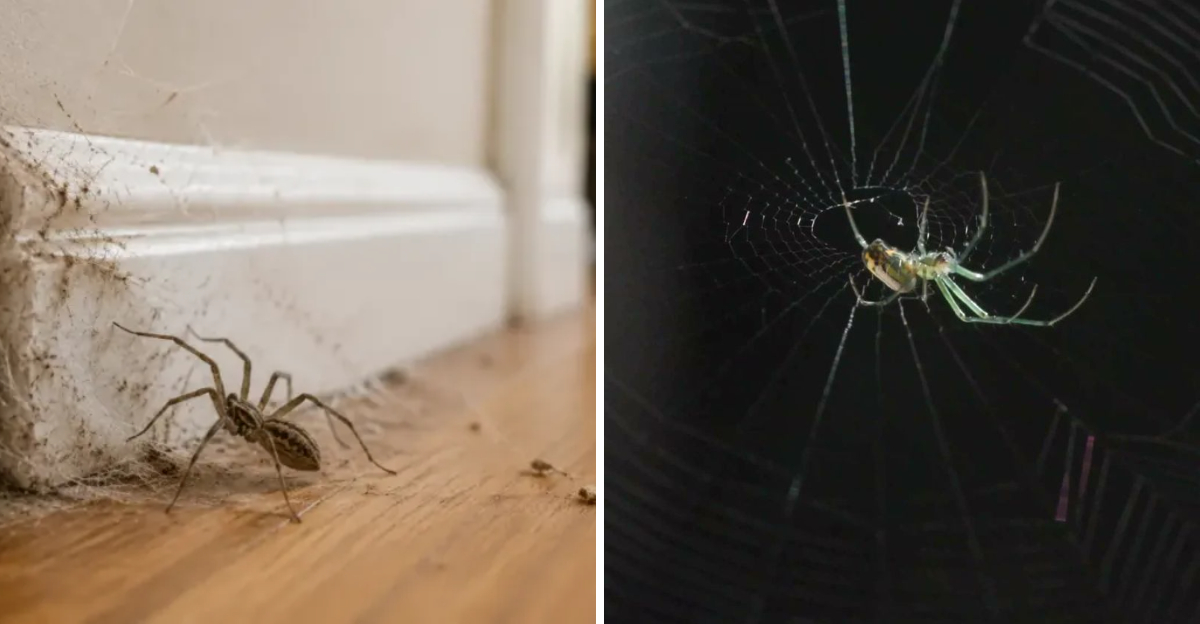
Every fall, Pennsylvania homeowners notice the same thing. Spiders that seemed content to stay outside all summer start appearing indoors with a frequency that feels new and slightly unsettling.
Corners that were clear in July have webs by September. And the question most people ask is the same. Why now?
The answer is more interesting than most people expect. It has less to do with spiders seeking warmth than with something happening in their biology and the landscape around your home at this specific point in the year.
Understanding what’s actually driving the indoor movement changes how you interpret what’s happening and what you can realistically do about it.
Spiders appearing indoors in fall is one of the most predictable wildlife patterns in Pennsylvania. And it carries information worth knowing.
1. Spiders Are Moving Indoors To Escape Changing Weather
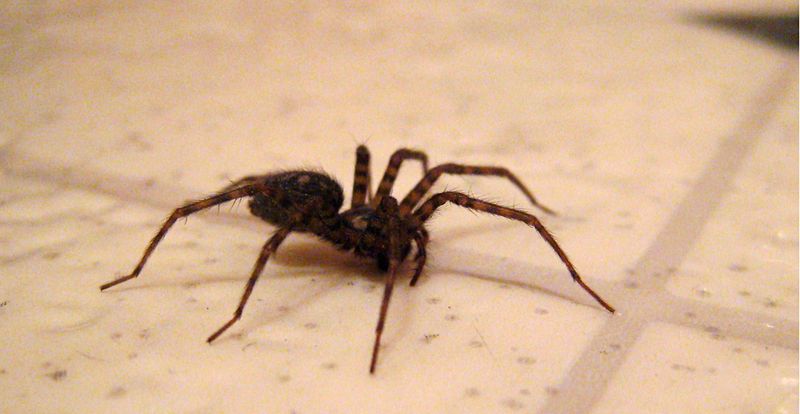
Picture a spider outside as the nights turn crisp and the mornings feel sharp against your skin. That chill is a signal to many of these creatures that comfort lies elsewhere.
As Pennsylvania temperatures drop through late summer and into fall, spiders search for spots that stay warmer and more stable. Your home, with its steady indoor climate, becomes a tempting refuge from the shifting weather outside.
They are not plotting to invade your space or ruin your evening. They simply follow instinct, moving toward shelter the way many creatures do when the seasons turn.
Warm air leaking from gaps, doors, and vents can guide them toward openings. Once they slip inside, they settle into quiet corners where the temperature feels just right.
This behavior happens across much of the state, from Philadelphia rowhomes to farmhouses in the countryside. It is one of the most common reasons folks notice more spiders during this stretch of the year.
Knowing this can ease some of the worry. Their arrival usually reflects the weather rather than any problem with your housekeeping.
If you want to reduce the traffic, keeping your home slightly less inviting near entry points helps. Weatherstripping and simple draft blockers make a noticeable difference.
You can also relocate a spider outdoors using a cup and a piece of paper. It is a gentle way to send it on its journey without harm.
Seeing them move in is really just nature responding to the calendar. Once you understand the pattern, those sightings feel far less alarming and much more predictable.
2. Your Home Offers The Shelter Spiders Need
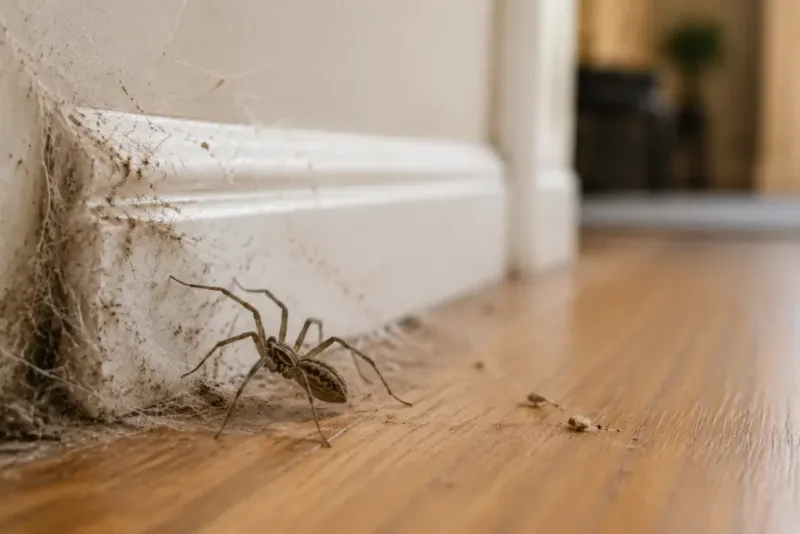
Think about the parts of your house you rarely visit, the shadowy corners and forgotten shelves. Those spots are exactly what a spider dreams about.
Basements, garages, attics, and storage rooms give these creatures the calm, undisturbed hideouts they prefer. Pennsylvania homes often have plenty of these quiet zones, especially in older houses with stone foundations.
Spiders like places where they can build webs without constant interruption. A stack of boxes or a cluttered shelf offers just the kind of privacy they enjoy.
Low foot traffic matters too. Rooms that people barely enter become peaceful retreats where a spider can hunt and rest for weeks.
Your Pennsylvania Garden Changes Every Week. Your Plan Should Too.
Gardening in Pennsylvania changes quickly throughout the season. Every Friday you’ll receive a simple weekly plan showing exactly what to plant, prune, fertilize, harvest, and protect so you never miss the right timing.
Moisture plays a role as well. Damp basements and cool crawlspaces attract the tiny insects spiders feed on, which makes those areas doubly appealing.
If you notice more webs in these spaces, it usually reflects the environment rather than a sudden surge in population. Your home simply checks the boxes for shelter.
Reducing clutter is one of the easiest ways to make these areas less cozy for them. Sealed plastic bins beat open cardboard boxes for storage.
Sweeping down old webs regularly signals that the spot is not as undisturbed as it seemed. Many spiders will move along to quieter ground.
Improving airflow and lowering dampness with a dehumidifier can also help. Drier corners tend to attract fewer of the insects that spiders chase.
None of this means your house is unusual or unclean. It simply has the features that make a good hideaway, which is common across the region and easy to adjust.
3. More Spiders May Mean More Insects Inside Too
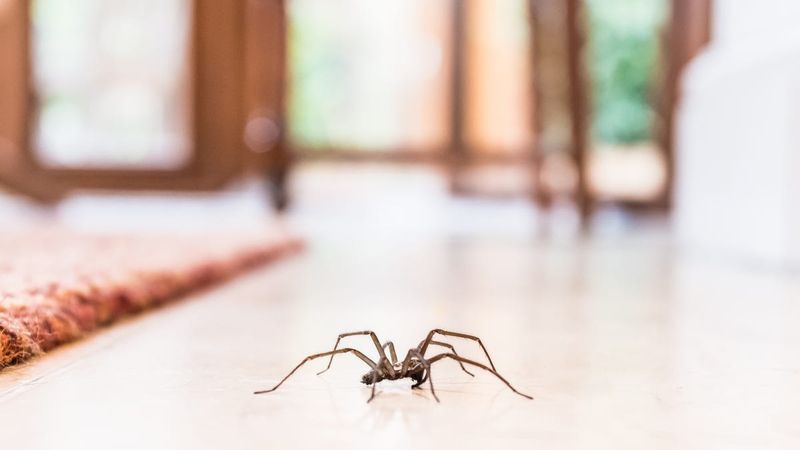
Here is a little secret about spiders that many people overlook. They rarely show up where there is nothing to eat.
These creatures are hunters, and they follow their food. If your home has an uptick in spiders, it often points to a supply of smaller insects nearby.
Gnats, flies, moths, and other tiny bugs can gather indoors as the seasons change. Spiders simply notice the buffet and settle in to take advantage of it.
In that sense, spiders act like a natural signal. Their presence can quietly hint that other insects have found their way into your space.
Around Pennsylvania, fall often brings insects indoors as they too seek warmth. Where those bugs go, spiders tend to follow close behind.
This connection can actually work in your favor. A spider tucked in a corner is busy trimming down the number of other pests you might otherwise deal with.
Still, if you would rather not host either group, the smart move is to reduce the insect supply. Fewer bugs mean fewer reasons for spiders to stick around.
Keeping food sealed and crumbs cleaned up helps limit what draws insects inside. Emptying trash often makes a difference too.
Fixing torn screens and switching outdoor lights to bulbs that attract fewer bugs can lower the insect traffic near your doors. That trims the food chain right at the source.
So when you spot extra webs, look at the bigger picture. The spiders may be telling you something useful about what else is sharing your home this season.
4. Fall Is A Common Time To Notice More Spiders
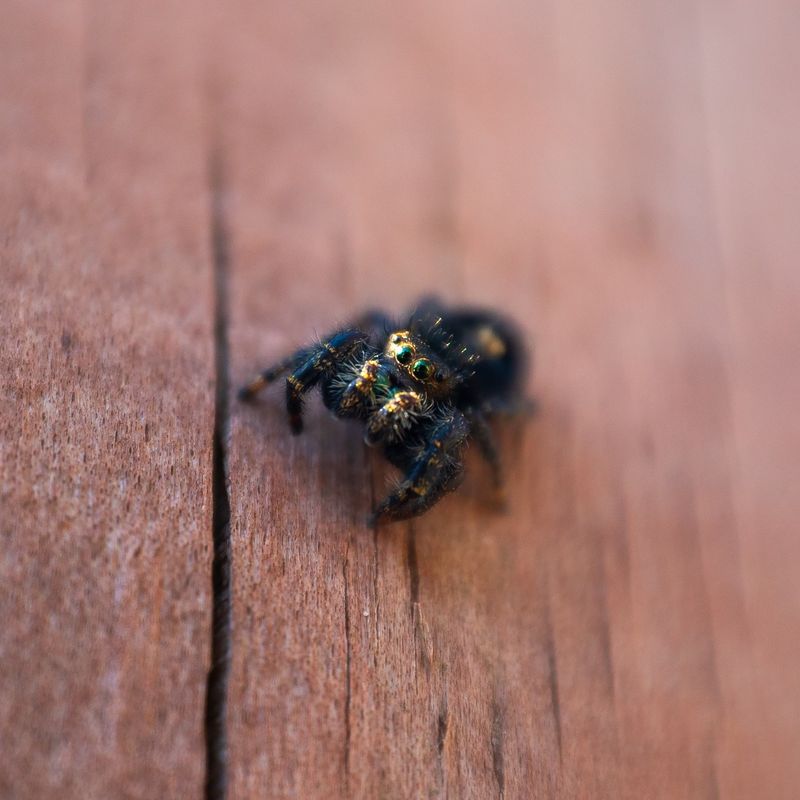
There is a reason autumn feels like peak spider season, and it is not your imagination. This stretch of the year genuinely brings more of them into view.
Many spiders that hatched in spring reach full size by late summer and fall. Bigger bodies simply catch your eye more easily than the tiny versions from months earlier.
Around this time, males often wander in search of mates. That extra roaming leads them across floors, walls, and ceilings where you are more likely to notice them.
In Pennsylvania, the cooling weather nudges this activity along. Spiders become busier and bolder as they follow their seasonal rhythms.
Species like the common house spider and various orb weavers tend to stand out during these weeks. Their larger webs stretch across porches, garages, and window frames.
So the jump in sightings often reflects timing rather than a true population boom. The spiders were around all along, just smaller and quieter.
Recognizing this can take the edge off the surprise. It is a normal chapter in the yearly cycle, not a sign that something has gone wrong.
If the extra activity bothers you, regular web removal helps keep things tidy. A long-handled duster reaches the high corners with ease.
Checking porch lights and doorways in the evening lets you spot wanderers before they slip inside. A quick sweep of the entryway goes a long way.
By the time colder weather truly settles in, much of this movement slows down. The season passes, and the parade of eight-legged visitors quiets on its own.
5. Your Yard Conditions May Be Bringing Them Closer
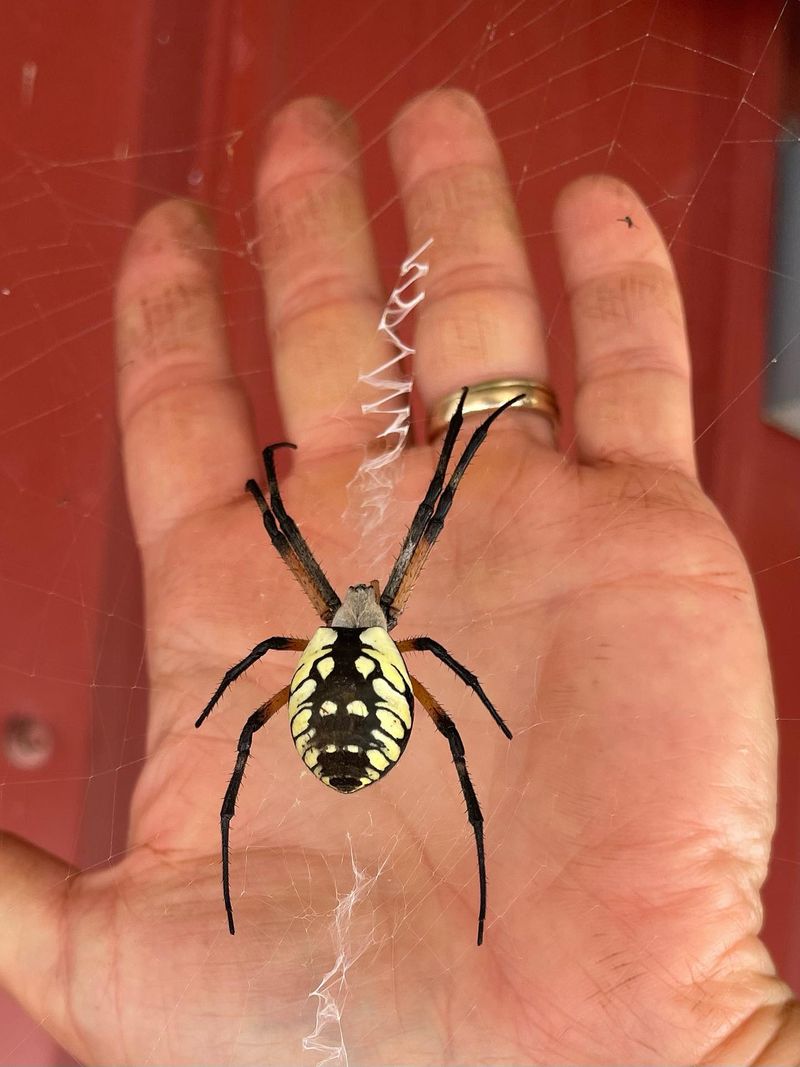
Step outside and glance around your yard for a moment. The clues to your indoor spider situation might be sitting right there in the open.
Leaf piles, stacked firewood, and garden debris create cozy shelters for spiders. These outdoor hideouts let their numbers grow just steps from your walls.
Dense shrubs and tall grass near the foundation act like a bridge. Spiders travel through this cover and end up right beside your doors and windows.
In Pennsylvania, raking season and firewood season overlap with the spider surge. That combination often places their favorite habitats close to the home.
Wood stacked against the house is a classic example. It offers warmth, hiding spots, and easy access to nearby entry points all at once.
Once spiders gather along the edges of your property, moving indoors becomes a short trip. Reducing that outdoor buildup helps break the pattern.
Try keeping firewood stacked well away from the walls and raised off the ground. That small change makes the pile less convenient as a launch pad.
Clearing leaf piles and trimming plants back from the foundation removes hiding spots too. A little breathing room around the house discourages them from lingering.
Managing garden debris in fall does double duty. It tidies your yard while cutting down the shelter spiders rely on before they head inside.
You do not need a spotless landscape to see results. Even modest cleanup near the foundation can lower how many spiders end up scratching at your door this season.
6. Most Indoor Spiders Are Not A Serious Threat
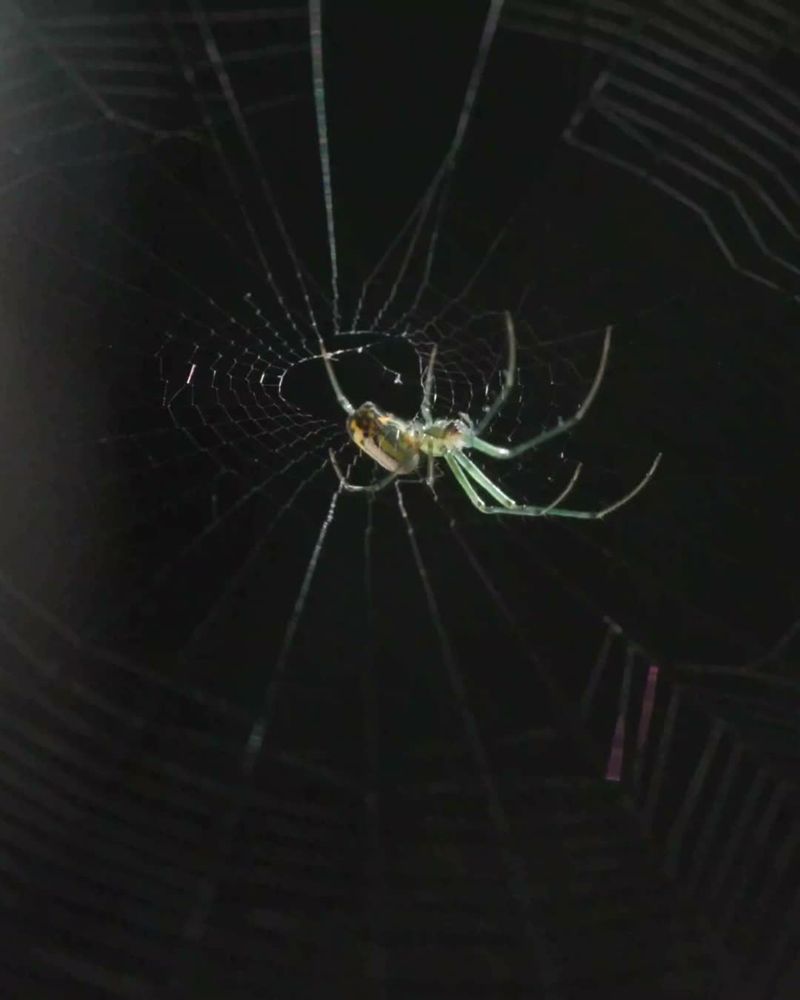
Let us clear up a worry that keeps plenty of people up at night. Spotting more spiders does not mean your home faces a scary invasion.
The vast majority of spiders found in Pennsylvania homes are harmless to people. Common house spiders and cellar spiders mostly want to be left alone.
These quiet residents actually earn their keep. By feeding on flies, mosquitoes, and other pests, they help keep the indoor bug count lower.
Pennsylvania does have a couple of spiders worth respecting, such as the occasional black widow or a rarely encountered brown recluse. Even so, running into them inside is uncommon.
Most of the spiders you notice are shy and prefer to avoid you entirely. They dash away long before you get close enough to bother them.
So a few extra webs are usually more of a nuisance than a danger. The fear they spark often outweighs any real risk they pose.
If you are unsure about a spider, a quick photo and a little research can settle your nerves. Local extension resources can help with identification.
For the harmless ones, a live-and-let-live approach saves you effort. A single house spider might quietly clear out several pests you would rather not meet.
When you would rather they not stay, gently relocating them outside works well. The cup-and-paper method keeps everyone safe.
Seeing more of them is rarely cause for panic. Understanding that most are helpful, timid neighbors can turn a jumpy reaction into a calmer, more informed response.
7. A Spider Increase Can Be A Reminder To Seal Entry Points
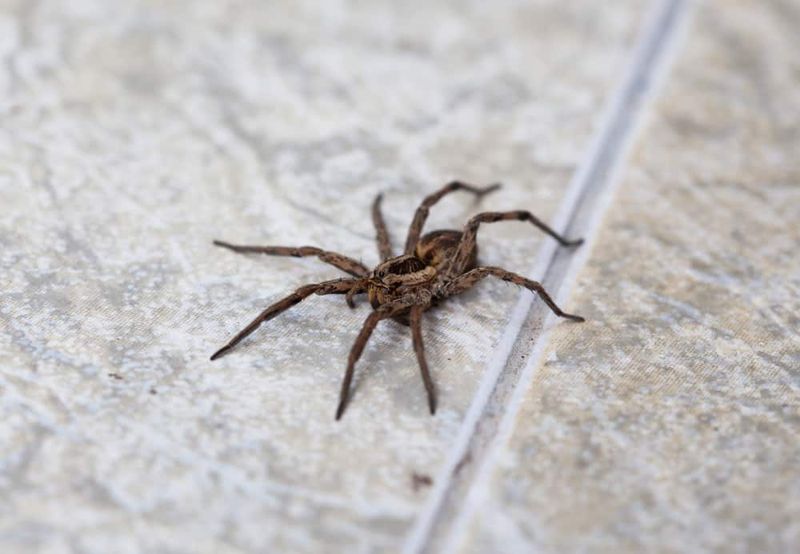
Think of a rise in spider sightings as a friendly nudge from your house. It is quietly pointing out where the outside is sneaking in.
Spiders and insects slip through tiny cracks, gaps, and openings you might not even notice. Following the trail of sightings often reveals these weak spots.
Check around windows and doors first, since those frames tend to develop gaps over time. Worn weatherstripping is a frequent culprit.
Torn screens act like open invitations, so patching or replacing them closes an easy route. Even a small tear can let plenty of visitors through.
Look at where pipes and cables enter the walls too. Those openings are often larger than needed and make simple pathways indoors.
In Pennsylvania, sealing up before winter offers a bonus. The same steps that block spiders also keep cold drafts and heating costs down.
Caulk works well for stationary cracks around trim and foundations. A tube and a steady hand can close dozens of little gaps in an afternoon.
Door sweeps handle the space beneath exterior doors, a spot bugs love to exploit. They are cheap and quick to install.
Walking the perimeter of your home with a flashlight helps you spot daylight leaking through gaps. Marking those spots makes the repair list clear.
Rather than seeing extra spiders as a problem, treat them as helpful information. Their presence highlights exactly where your home could use a little sealing.
Tackle a few openings each season and the results add up. Fewer entry points mean fewer eight-legged surprises waiting in your corners next year.