Why Michigan Petunias Develop A Sticky Coating Around Their Blooms
That sticky feeling on petunia stems and leaves isn’t a sign of a problem, it’s actually a built-in defense system.
Petunias are covered in tiny, hair-like structures called glandular trichomes, and these structures secrete a resin-like substance that gives the plant its signature stickiness. This coating serves a real purpose.
The sticky secretions produced by glandular trichomes can help defend petunias against some plant-feeding insects.
Far from being harmful, this sticky coating is one of the reasons petunias hold up so well through a full growing season. Here’s a closer look at why Michigan petunias develop this coating, and what it means for the health of the plant.
1. Petunias Are Naturally Sticky
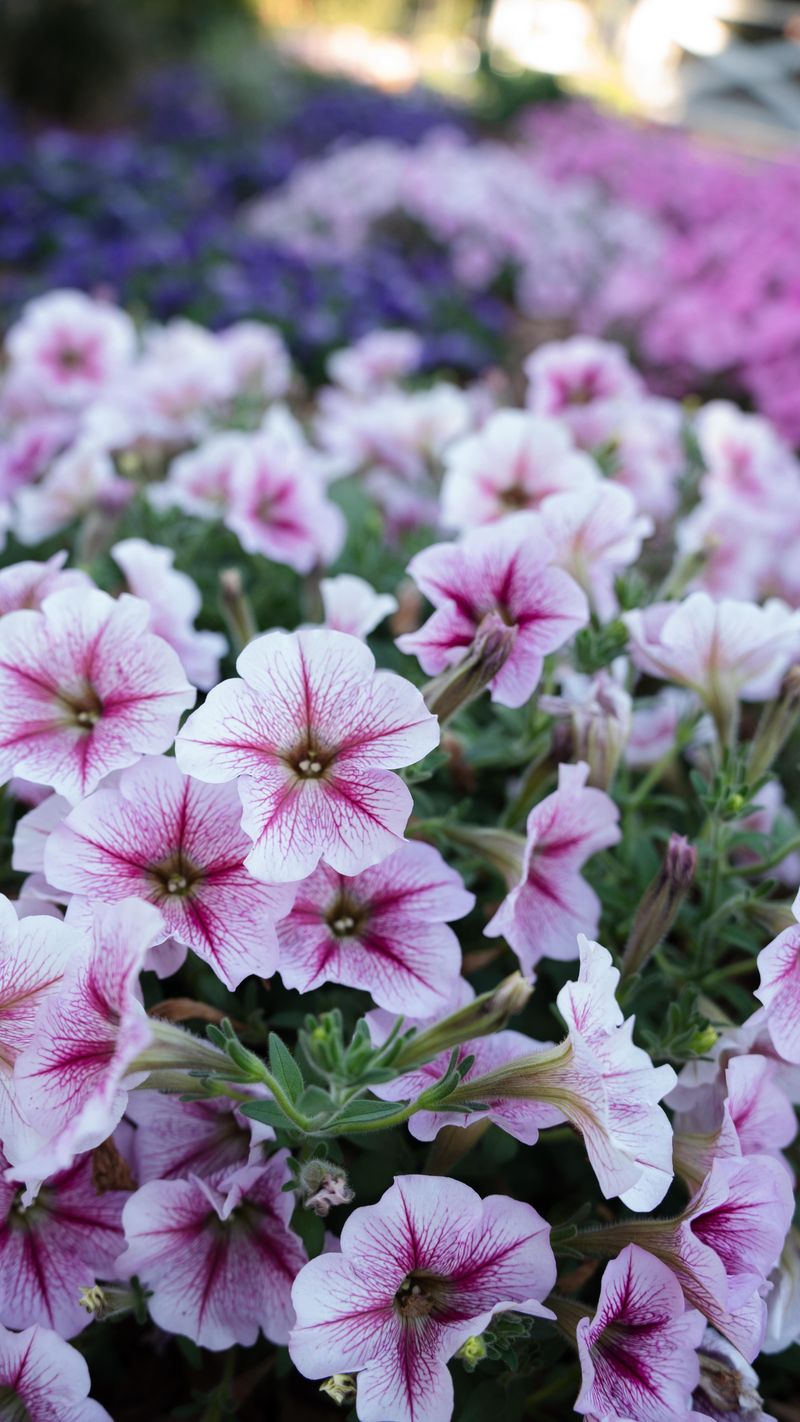
Run your fingers along a petunia stem and you will notice a slightly gluey feel almost right away. That texture comes from the plant itself, not from a problem. Petunias are simply built to feel tacky.
The stickiness comes from tiny structures called glandular trichomes. These are small hair-like growths that cover the leaves, stems, and even the area near the blooms. At the tip of each one sits a little gland that releases a sticky substance.
Think of trichomes like miniature sap factories. They constantly ooze out oils and other compounds that coat the surface of the plant. When you brush against them, some of that coating transfers onto your skin.
Michigan gardeners often notice this more during warm, sunny stretches. Petunias can feel noticeably tacky during the growing season because of these natural secretions. That is still normal behavior.
Because this stickiness is part of the petunia’s regular biology, it does not mean your flowers are struggling. A healthy, blooming petunia can feel just as gluey as a weaker one. The texture alone tells you very little about the plant’s overall condition.
Knowing this can save you a lot of worry. Instead of panicking the first time you feel that tackiness, you can remember that petunias are supposed to feel that way. It is one of their built-in traits.
So the next time your hands feel a bit sticky after deadheading, relax. Your petunia is just being a petunia, doing exactly what nature designed it to do.
2. The Stickiness Can Be Part Of The Plant’s Defense
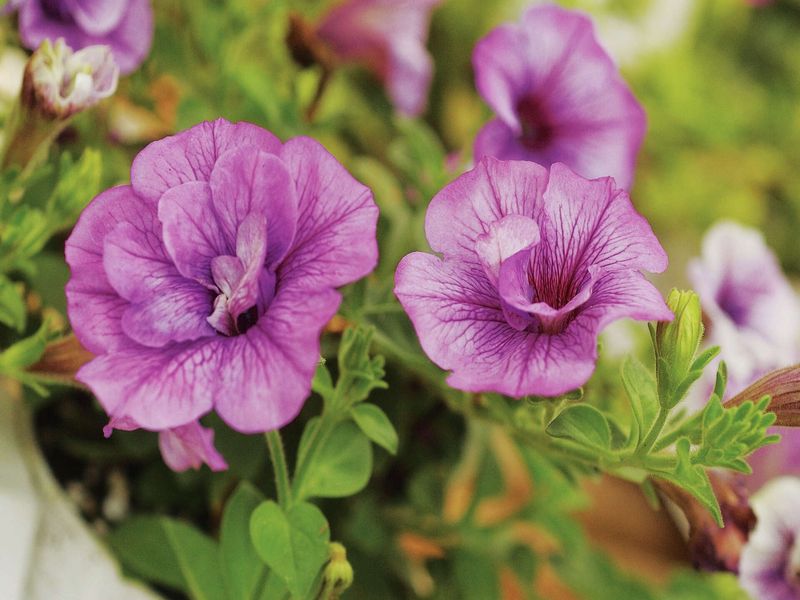
Nature rarely wastes a good tool, and petunia stickiness is a perfect example. That gluey coating is more than a quirk. It actually helps the plant protect itself from tiny pests.
Small insects that want to snack on petunia leaves face a real challenge. When they land on those sticky trichomes, their legs and mouthparts can become trapped in the goo. That makes feeding difficult and uncomfortable.
Scientists who study plant biology have found that these secretions can slow down or discourage small plant-eating bugs. The stickiness acts almost like flypaper spread across the surface of the plant.
For a tiny insect, getting stuck is a big deal. Even if it manages to pull free, it may decide the meal is not worth the trouble and move along to an easier target. That gives the petunia a natural edge.
Your Michigan Garden Changes Every Week. Your Plan Should Too.
Gardening in Michigan changes quickly throughout the season. Every Friday you’ll receive a simple weekly plan showing exactly what to plant, prune, fertilize, harvest, and protect so you never miss the right timing.
This built-in shield works without any help from you. Your petunia does not need chemicals or special care to make its coating. It produces this defense on its own as it grows.
Understanding this can change how you view that tacky feel. Instead of seeing it as a nuisance, you can appreciate it as a clever survival trick that keeps certain pests away.
Of course, no defense is perfect, and some insects still manage to feed. Even so, the sticky trichomes give petunias an extra layer of protection that many other garden plants do not have.
Next time you touch that gluey surface, you can smile knowing your flower is quietly guarding itself against unwanted visitors.
3. Some Petunias Are Much Stickier Than Others
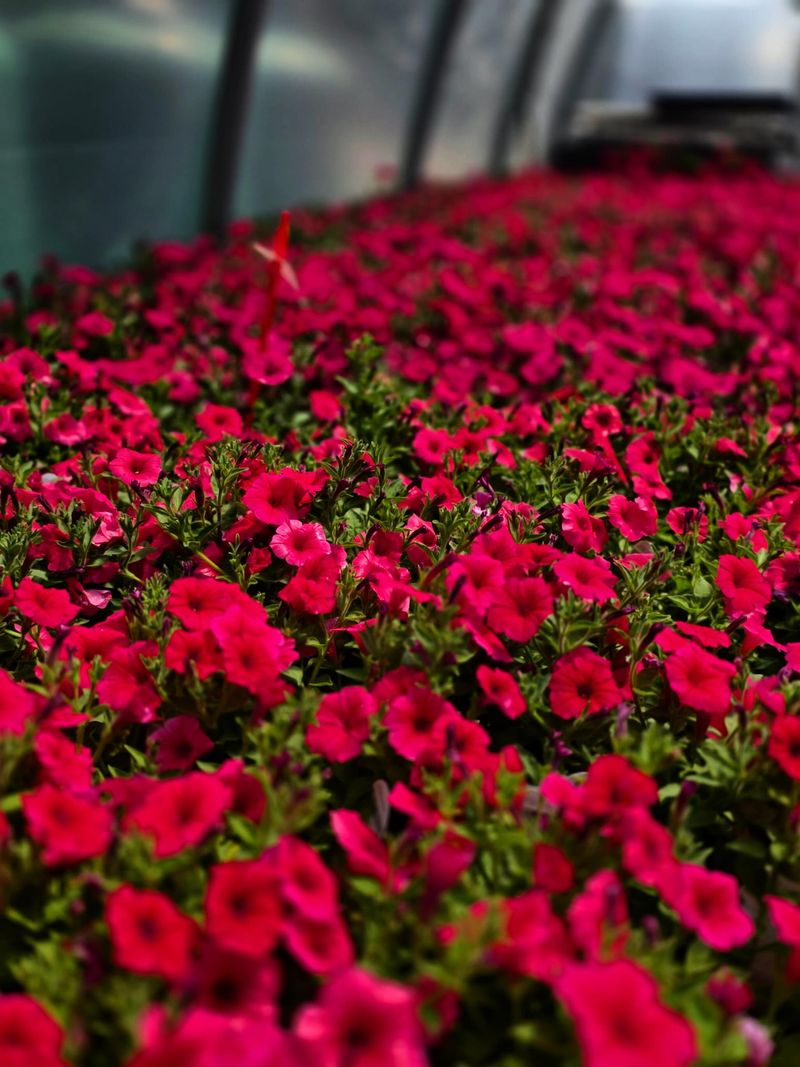
Not all petunias feel the same when you touch them. Some varieties leave your fingers noticeably gluey, while others feel only slightly tacky. That difference is completely normal.
Plant breeders have created hundreds of petunia types over the years. Along the way, traits like flower color, size, and yes, stickiness, can vary quite a bit from one variety to the next.
One kind might have dense, active trichomes that pump out plenty of sticky secretion. Another might have fewer of those tiny glands, so it feels drier to the touch. Both can be perfectly healthy.
Growing conditions play a role too. Warmth, sunlight, and even soil moisture can nudge a plant to produce more or less of that coating. A petunia in a hot Michigan garden bed may feel stickier than the same type grown in a cooler, shadier spot.
Because of all this variation, you cannot judge a plant’s health by stickiness alone. A very tacky petunia is not automatically better or worse than a less sticky one. It is just showing its natural traits.
If you buy petunias from different nurseries or try new varieties each spring, expect some to feel gluier than others. That is part of the fun of experimenting with plants.
Rather than worrying about which one feels tackiest, focus on the things that truly show good health. Look for strong stems, steady blooms, and green leaves. Those signs matter far more than how sticky the plant happens to feel.
4. Check For Aphids If The Stickiness Suddenly Increases
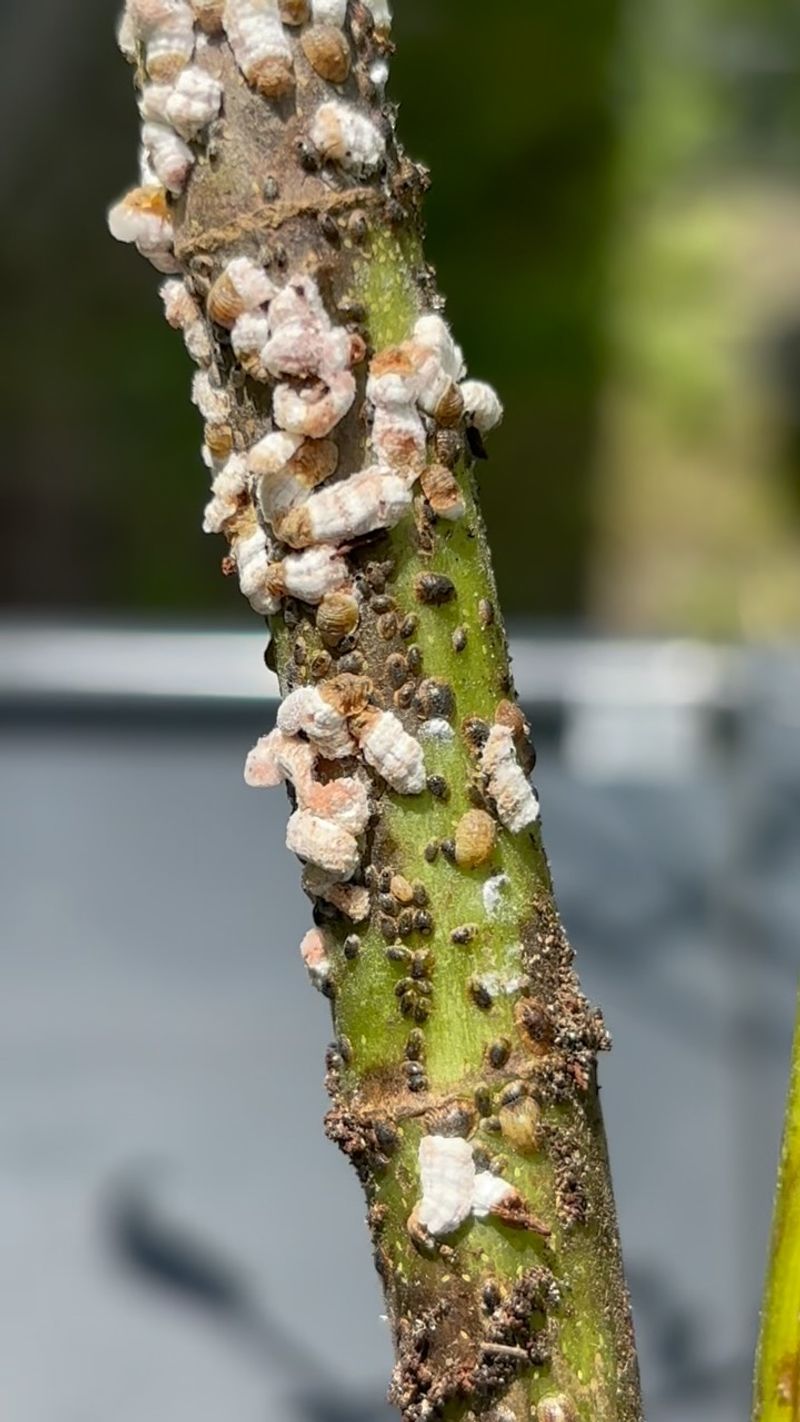
Here is a helpful rule to remember. If your petunia feels far stickier than usual, and the change came on fast, aphids might be the reason.
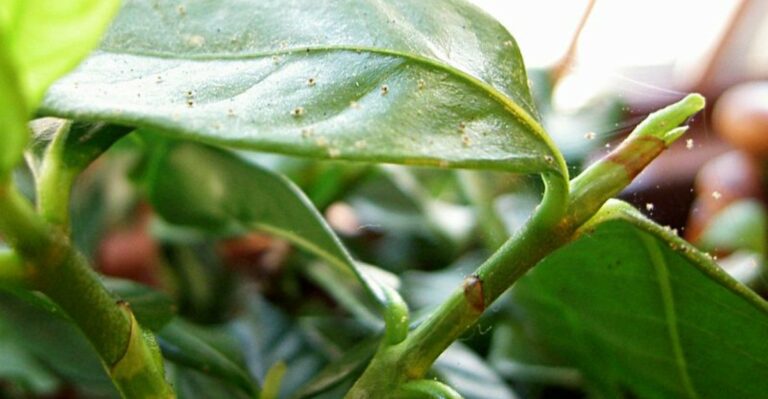
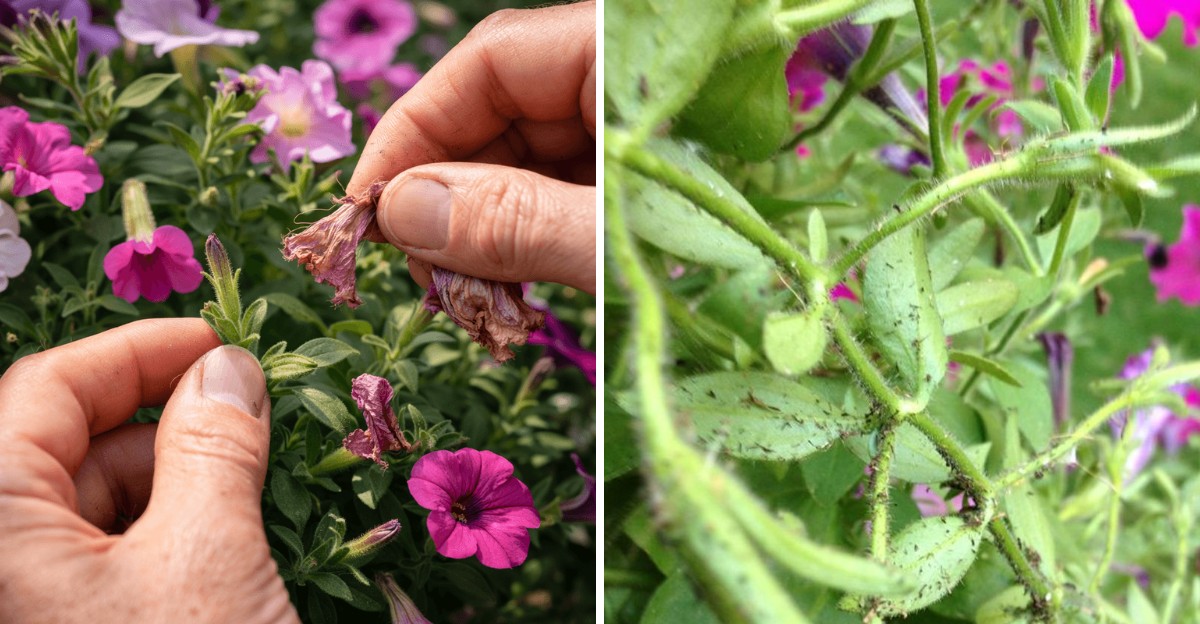
Aphids are tiny soft-bodied insects that gather on plants and drink the sap. As they feed, they release a sweet, gluey liquid called honeydew. That honeydew coats leaves, stems, and blooms with a shiny, sticky film.
The key clue is the sudden change. Natural petunia stickiness stays fairly steady. A quick jump in tackiness often points to pests rather than normal plant biology.
To check, look closely at the new growth first. Aphids love tender young shoots and buds. You may spot little green, black, or even pinkish bugs clustered together.
Do not forget to flip the leaves over. Aphids often hide on the undersides where they feel protected. Peeking underneath can reveal a whole colony you never noticed.
Run your eyes along the stems as well. Heavy aphid activity leaves a glossy, wet-looking coating that feels much stickier than the plant’s usual texture. That coating can even drip onto surfaces below the plant.
If you find them, do not panic. A strong spray of water from the hose can knock many aphids off. Repeating this every few days often brings the problem under control.
Catching aphids early makes a big difference. The sooner you notice that sudden stickiness and investigate, the easier it is to keep your petunias looking healthy and bright all season long.
5. Look For Whiteflies Too
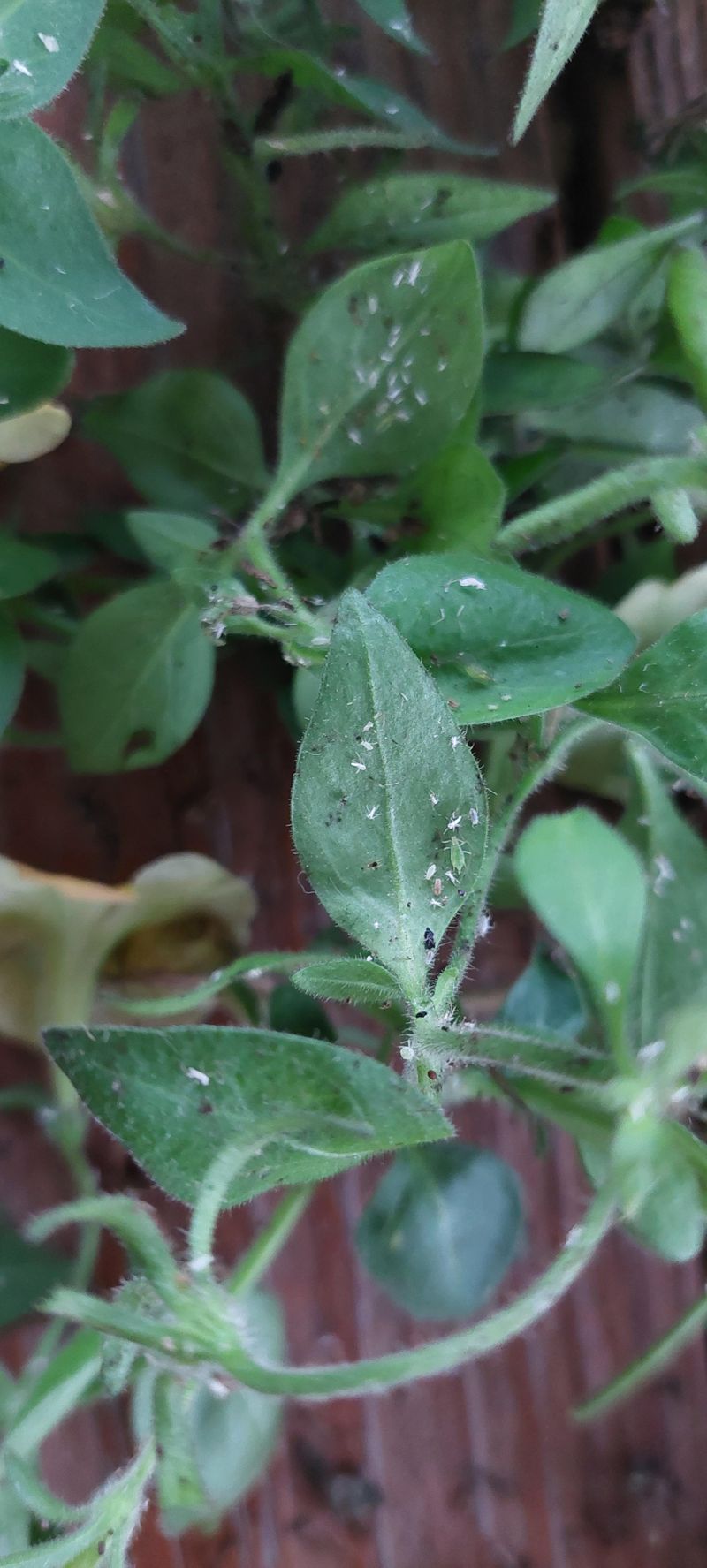
Aphids are not the only bugs that can leave a sticky mess. Whiteflies are another common culprit, and they can be sneaky about it.
These pests are tiny and, as the name suggests, mostly white. They cluster on the undersides of leaves and quietly feed on plant sap, just like aphids do.
As whiteflies feed, they also produce honeydew. That sweet, sticky liquid drips onto the leaves and blooms below, giving your petunia that unexpected gluey feel.
The easiest way to spot whiteflies is with a gentle shake. If you tap or brush the plant and a little cloud of tiny white insects flutters up into the air, you have found them.
Take a moment to turn a few leaves over as well. Whiteflies tend to hide underneath, where you might see clusters of the small adults or even their pale, scale-like young.
Michigan gardeners often notice whiteflies more on plants grown close together or in warm, sheltered spots. Crowded, humid conditions can help their numbers grow quickly.
Once you confirm whiteflies are present, you can act. Yellow sticky traps placed near the plants catch many of the flying adults. A firm spray of water also helps knock them loose.
Checking regularly is your best defense. A quick shake test every few days lets you catch whiteflies before they build up. The earlier you find them, the less honeydew ends up coating your petunia blooms, and the happier your flowers will stay.
6. Sticky Blooms Do Not Automatically Mean Disease
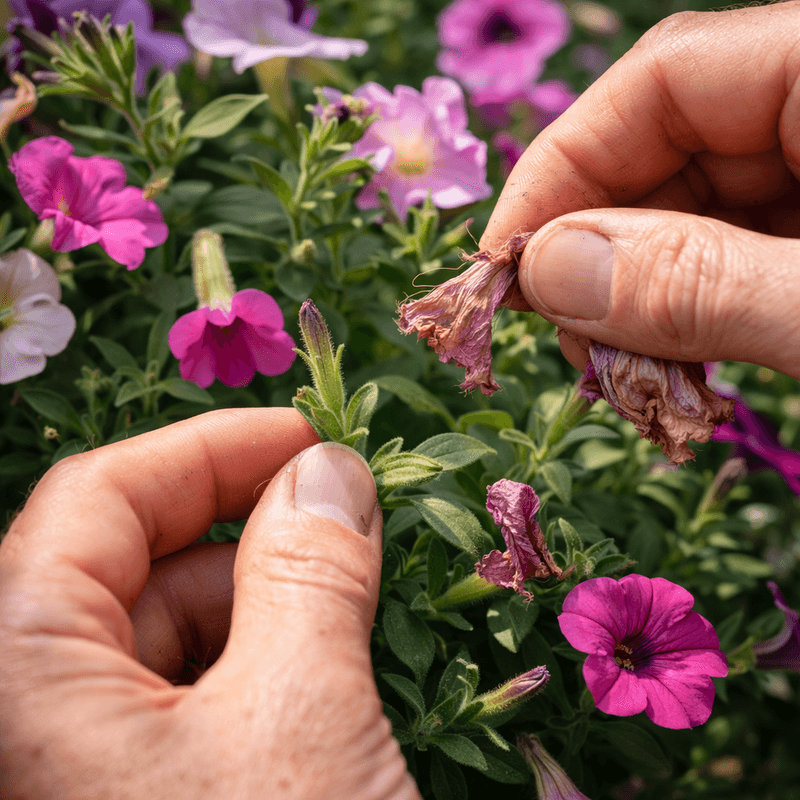
It is easy to see a shiny, sticky petunia and jump straight to worry. Many gardeners assume that tackiness must mean a fungus or some kind of illness. Most of the time, that is not the case.
Remember, petunias are naturally sticky thanks to their trichomes. That normal texture has nothing to do with disease. A healthy, glossy leaf can feel just as gluey as a struggling one.
The trick is learning to tell ordinary stickiness apart from pest-related honeydew. Natural tackiness feels fairly even across the plant and stays consistent over time. It does not suddenly get worse overnight.
Honeydew, on the other hand, tends to look wet and shiny in patches. You might see it dripping onto lower leaves or onto surfaces beneath the plant. That uneven, glossy coating is a clue that bugs are involved.
True fungal problems usually show different signs entirely. Look for spots, fuzzy patches, powdery films, or mushy areas on leaves and stems. Those symptoms, not simple stickiness, point toward disease.
So before you reach for a fungicide, pause and observe. Ask yourself whether the plant is just naturally tacky or whether something else is going on. Checking closely saves you time and effort.
Michigan gardeners deal with plenty of humidity, so fungal worries are understandable. Even so, stickiness by itself is rarely the warning sign people fear.
When you know the difference, you can treat your petunias with confidence. Instead of guessing, you respond to what you actually see, and that keeps your plants thriving.
7. Ants Can Be A Clue
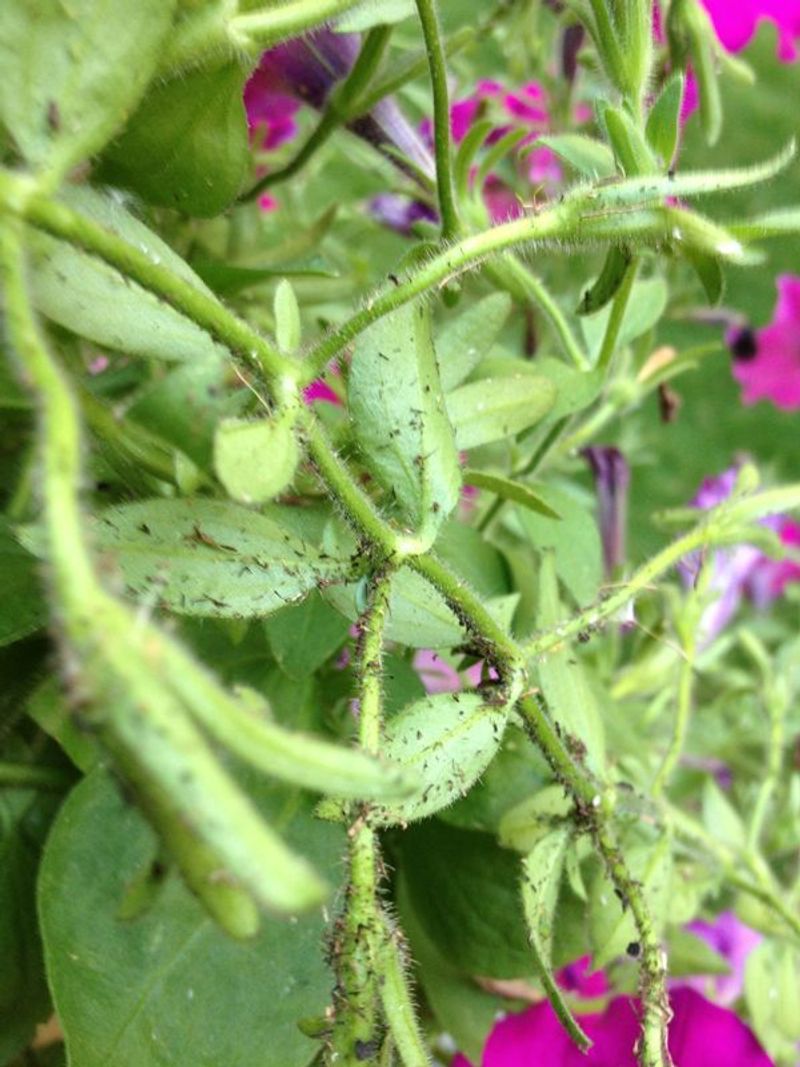
Ever notice ants marching up and down your petunia stems? Those busy little visitors can actually tell you something important about your plant.
Ants have a sweet tooth, and honeydew is one of their favorite treats. When aphids or whiteflies feed and leave behind that sticky liquid, ants show up to collect it.
In fact, ants and honeydew-making insects often work together in a strange partnership. The ants gather the sweet honeydew, and in return they sometimes protect the aphids from other bugs. It is a real teamwork situation in your garden.
Because of this, a trail of ants on a sticky petunia is a helpful warning. The ants themselves are not harming the flower. They are simply a sign that honeydew-producing pests may be nearby.
When you spot ants climbing the plant, take it as your cue to investigate. Follow their path and see where they are heading. Often they lead you straight to a cluster of aphids or whiteflies.
Check the new growth, the stems, and the undersides of leaves along the ant trail. That is usually where the honeydew makers are hiding and feeding.
Michigan gardens have plenty of ants, so seeing a few now and then is normal. The concern comes when many ants suddenly focus on one sticky plant.
Treat the ants as free detectives. Instead of ignoring them, let their behavior guide your inspection. By following the ants, you can find and address the real pests faster and keep your petunias in great shape.
8. Treat The Pest Only If A Pest Is Actually Present
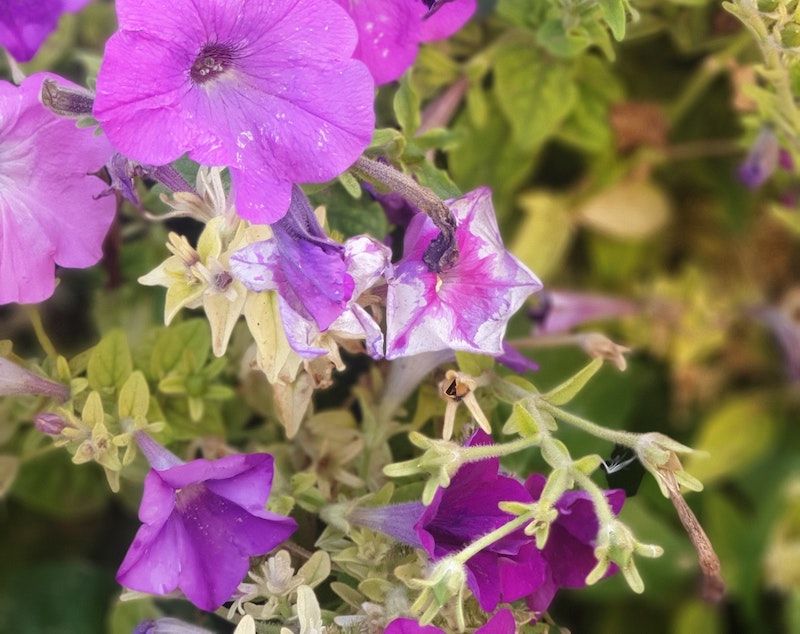
Before you grab a spray bottle, take a deep breath and look closely. Reaching for insecticide the moment you feel stickiness is a common mistake that can do more harm than good.
Remember, naturally tacky petunia leaves do not need any treatment at all. If the stickiness is just the plant’s normal trichomes at work, spraying it accomplishes nothing useful.
The smart move is to identify a real pest first. Search for aphids on new growth, check the undersides of leaves for whiteflies, and watch for ant trails that hint at honeydew. Confirm the problem before acting.
Spraying insecticide without a reason can backfire. These products can affect helpful bugs like ladybugs and bees that visit your garden. Losing those good insects makes future pest control harder.
When you do find a true pest, start with gentle methods. A strong blast of water often knocks aphids and whiteflies loose. Sticky yellow traps and insecticidal soaps are good next steps for stubborn cases.
Save stronger treatments for times when gentle options are not enough and the pests are clearly causing damage. Even then, follow the label directions carefully and treat only the affected plants.
Michigan gardeners get the best results by watching their plants closely all season. Regular checks help you catch real problems early and skip unnecessary spraying.
The bottom line is simple. Match your response to what you actually find. A naturally sticky petunia needs no rescue, while a genuinely bug-covered one deserves careful, targeted help. That balanced approach keeps your flowers and your garden healthy.