Stop Overwatering Your North Carolina Thyme As Temperatures Finally Drop
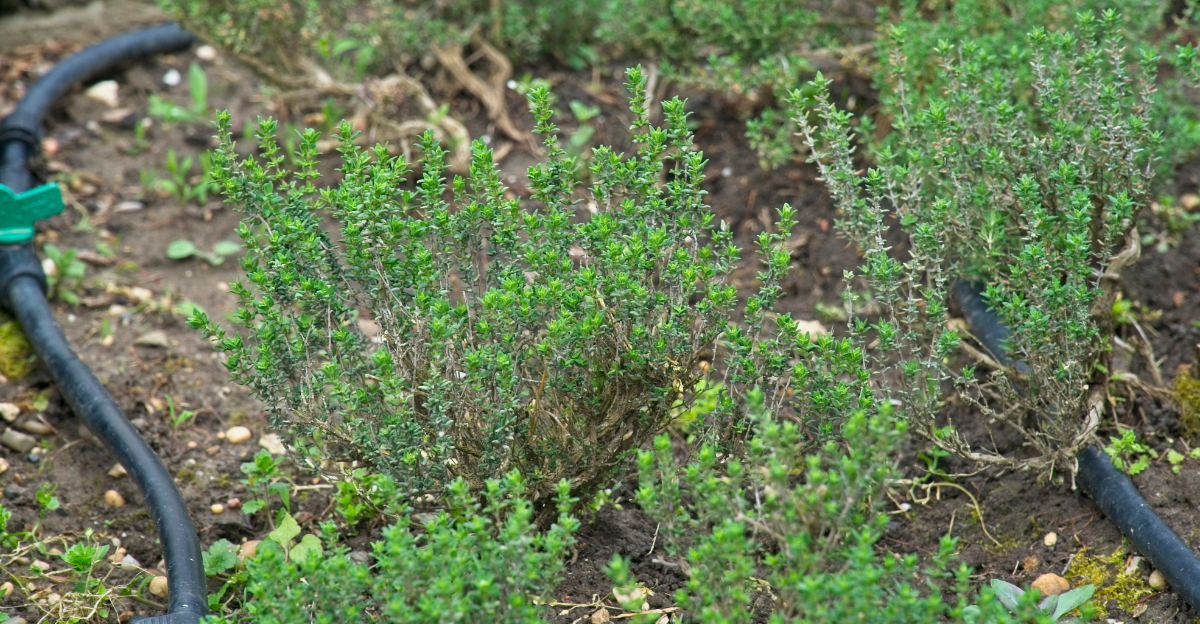
Once fall settles into North Carolina and the air turns crisp, your thyme starts winding down for the season, and that shift matters a lot more than most gardeners give it credit for.
The watering habits that kept your thyme thriving through hot summer days can actually start working against it once temperatures drop.
Thyme has always been a plant that prefers things dry and sunny, so it’s easy to forget that its needs change along with the weather. Stick to your old routine, and you risk leaving the roots sitting in soil that’s far too soggy for comfort.
That kind of moisture buildup is exactly what invites root rot and other problems that are hard to reverse once they take hold. The fix is simpler than it sounds, though.
A few small adjustments to how and when you water can make all the difference between a thyme plant that struggles through fall and one that stays healthy right up until it’s time to go dormant.
1. The Mistake Is Keeping Summer Watering Habits
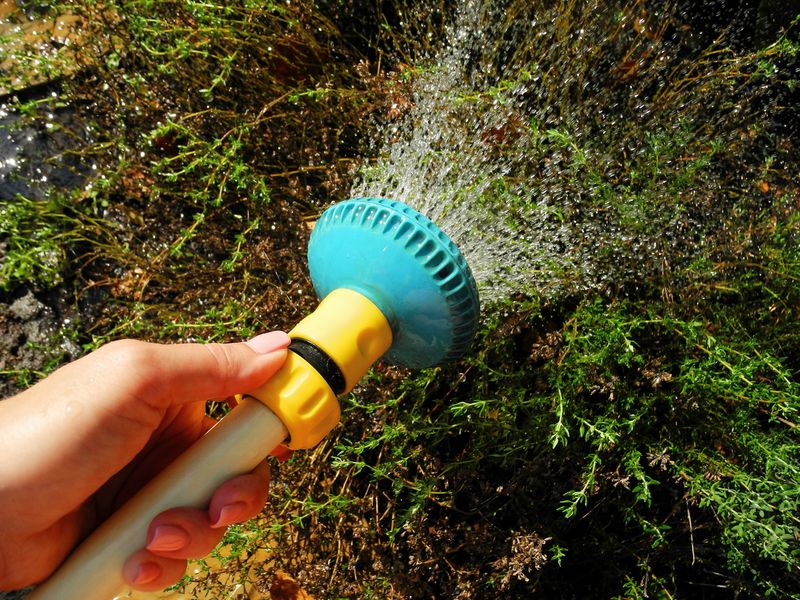
Summer heat pushes thyme to drink up water fast, so many gardeners water often to keep the plant happy. That routine feels natural, and it usually works great when temperatures climb into the eighties and nineties.
Once fall arrives in North Carolina, everything changes. The sun sits lower, the days grow shorter, and the soil stays damp for much longer after each watering.
Your thyme simply does not need as much moisture because its growth has slowed way down.
Plants in cooler weather use far less water than they do during peak summer. When you keep pouring water on a schedule built for July, the extra moisture just lingers around the roots with nowhere to go.
A good habit is to stretch out the time between waterings as the weeks cool off. What worked as an every-other-day routine in August might only be needed once a week or even less by October.
Pay attention to how the weather feels and how the soil looks. Cooler mornings, heavy dew, and cloudy afternoons all mean your thyme is losing water slowly, so it can wait longer for a drink.
Think of fall watering as gentle maintenance rather than daily care. Your thyme is settling into a calmer phase, and it wants a lighter touch.
By breaking away from summer habits early, you set your plant up for a strong, healthy season. Adjusting now saves you from soggy soil headaches later.
2. Thyme Does Not Like Wet Roots
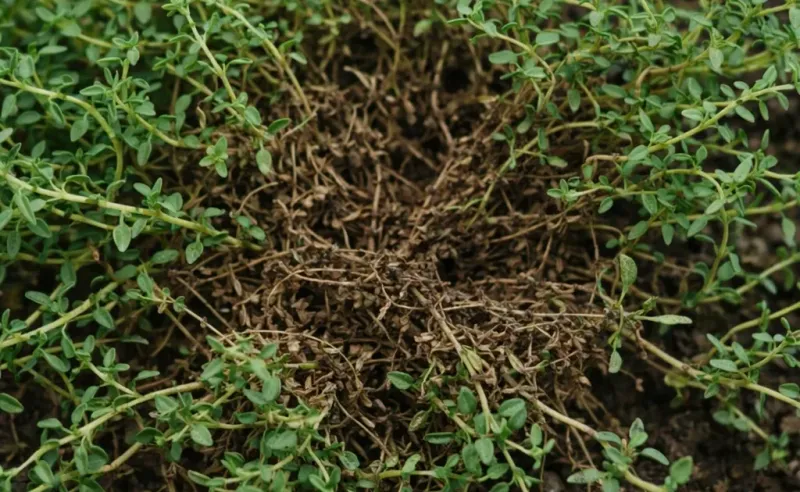
Thyme comes from the rocky hillsides of the Mediterranean, where the soil drains fast and rain is rare. That background shaped this herb into a plant that loves dry feet and hates staying wet.
Wet roots are one of the biggest struggles thyme faces in a home garden. When soil stays soggy for days, the roots cannot breathe properly, and problems start to build underground where you cannot see them.
Roots need air just as much as they need water. Soil that never dries out fills all those tiny air pockets with moisture, leaving the roots gasping and weak.
Your North Carolina Garden Changes Every Week. Your Plan Should Too.
Gardening in North Carolina changes quickly throughout the season. Every Friday you’ll receive a simple weekly plan showing exactly what to plant, prune, fertilize, harvest, and protect so you never miss the right timing.
Constant dampness also invites fungus and rot to move in. Once those problems take hold, the thyme starts looking sad, with yellowing leaves and drooping stems that no amount of sunshine can fix.
A healthy thyme plant actually likes being a little thirsty between waterings. That short dry spell keeps the roots strong and encourages them to grow deep in search of moisture.
You can picture thyme as a plant that would rather be too dry than too wet. If you ever feel unsure, holding off on water is almost always the safer choice.
Giving the soil time to dry out mimics the natural home this herb loves. That simple change keeps the roots happy and the whole plant thriving.
Respecting what thyme wants underground makes everything above ground easier. Dry roots lead to fuller growth, richer flavor, and a plant that lasts.
3. Check The Soil Before You Water
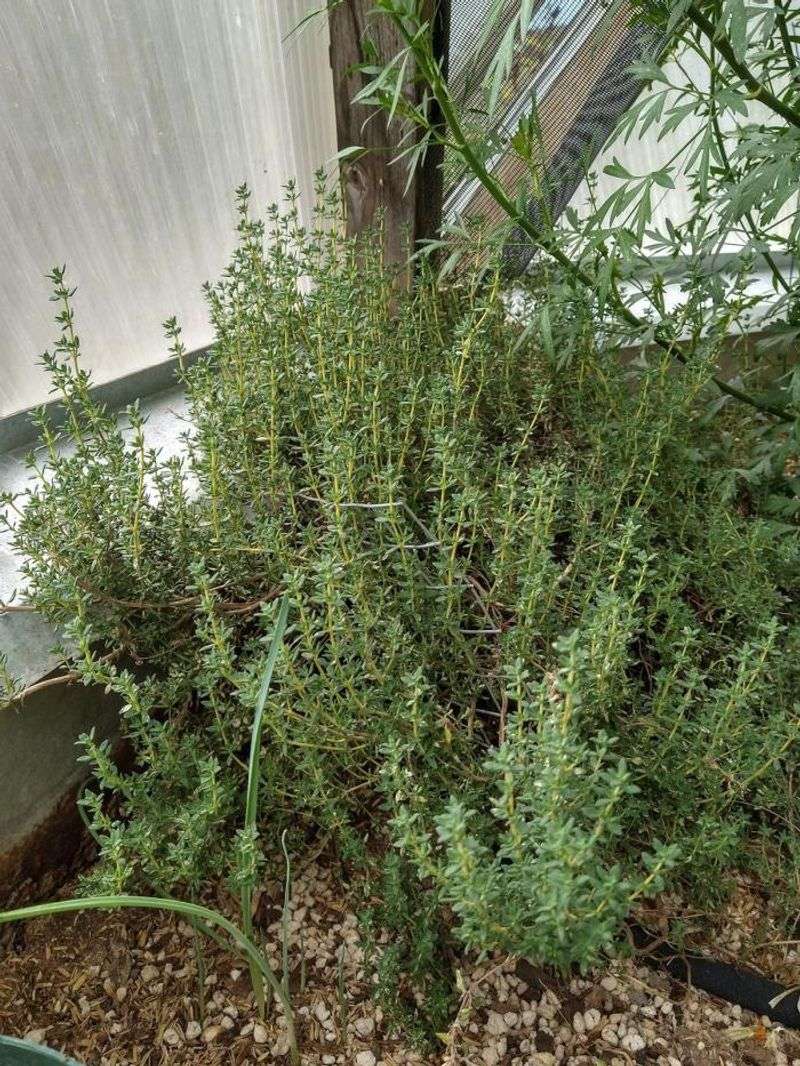
Watering on a fixed schedule sounds simple, but it can trick you into giving your thyme more than it needs. The weather changes constantly, and a calendar cannot tell you what is happening in the soil.
The smartest gardeners let the ground make the decision. Before you reach for the hose, take a moment to feel the soil and see what it is really telling you.
Push your finger a few inches down into the dirt near the base of the plant. If it feels damp or cool, your thyme has plenty of moisture and can wait a while longer.
Only when that soil feels dry several inches deep should you think about watering. This little test takes seconds and saves you from drowning the roots by accident.
Surface soil can fool you because the top layer dries out quickly in the breeze. Meanwhile, the soil underneath might still be holding water from days ago.
Checking deeper gives you the real picture. It keeps you from watering out of habit when the plant is already satisfied down below.
Some gardeners like using a wooden stick or a small moisture meter for the same job. Both work fine, but your finger is always free and surprisingly accurate.
Over time, this habit teaches you how your particular soil behaves through the seasons. You start to trust your senses instead of a strict timetable. Letting the soil guide you is the easiest way to avoid overwatering all fall long.
4. Fall Rain Can Be Enough
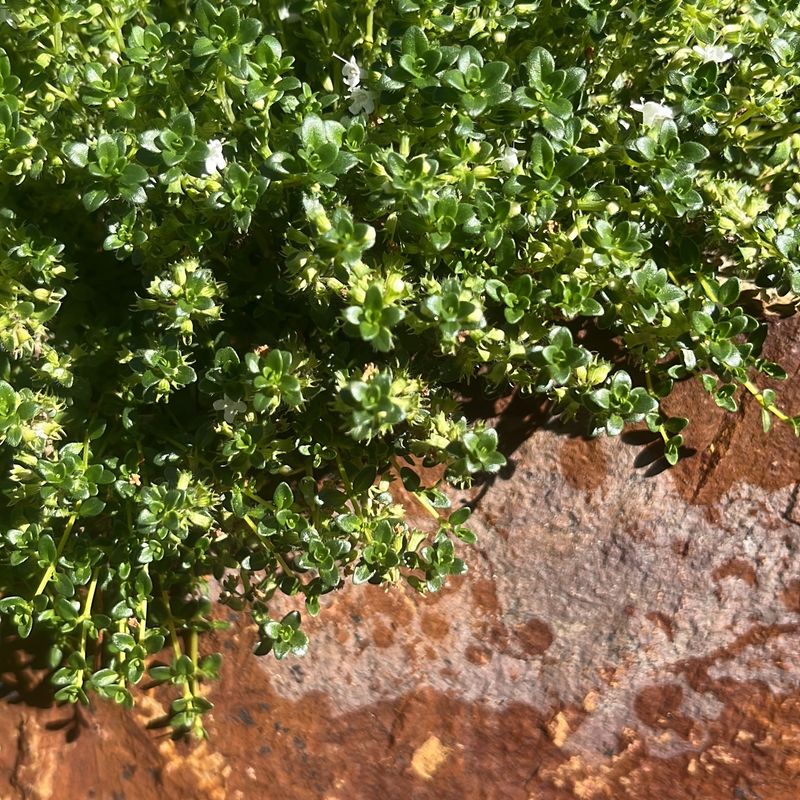
North Carolina falls often bring steady, gentle rain that soaks the ground nicely. That natural moisture is usually all your thyme needs to stay comfortable through the cooler months.
Many gardeners forget to count the rain when planning their watering. They keep adding water on top of what the sky already provided, and the soil never gets a chance to dry.
Rainfall in autumn tends to linger longer because the sun is weaker and the air is cooler. A single rainy afternoon can keep the soil damp for several days afterward.
When you water right after a rain, you pile moisture onto already wet ground. That extra water has nowhere to drain, and it puts real stress on the roots.
A quick glance at the weather forecast can save your plant a lot of trouble. If rain is coming, skip the watering and let nature do the work for free.
After a good soaking, wait several days before you even think about watering again. Check the soil first, and you will often find it still holds plenty of moisture.
Rain also delivers water in a slow, even way that plants love. It reaches deep into the soil without flooding the surface the way a heavy hose can.
By treating fall rain as your main watering source, you cut your workload and protect your thyme at the same time. Letting the clouds help you is one of the smartest gardening moves you can make.
5. Heavy Clay Makes The Problem Worse
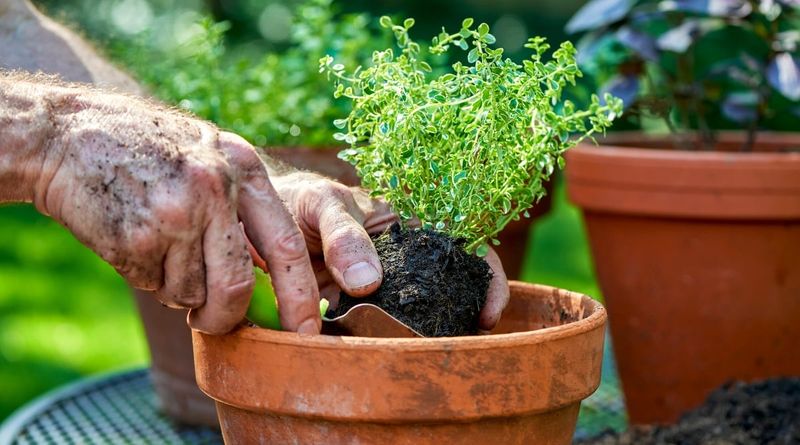
Much of North Carolina sits on thick red clay that holds water like a sponge. That kind of soil is a real challenge for a plant like thyme, which craves fast drainage.
Clay packs together tightly, leaving almost no room for water to move through. After a rain, moisture stays trapped around the roots instead of soaking away.
For thyme, that trapped water spells trouble. The roots end up sitting in soggy conditions long after the rain has passed, and the plant slowly weakens.
You might water carefully and still see problems if your soil is heavy clay. The issue is not how much you water but how poorly the ground lets water escape.
Raised beds offer a simple fix for this stubborn soil. By building up a mound or bed filled with looser material, you give the roots a dry, airy space to grow.
Mixing in sand, gravel, or compost also helps break up the clay. These additions create tiny channels that let water flow through instead of pooling.
Even a slight slope can make a difference by encouraging water to run off rather than gather. Small changes in the ground shape water in big ways.
Improving drainage is worth the effort because it solves the root of the problem. Once water can move freely, your thyme finally gets the dry conditions it loves.
Working with your clay instead of fighting it keeps your herb strong all season. A little digging now pays off for years.
6. Containers Need Extra Attention
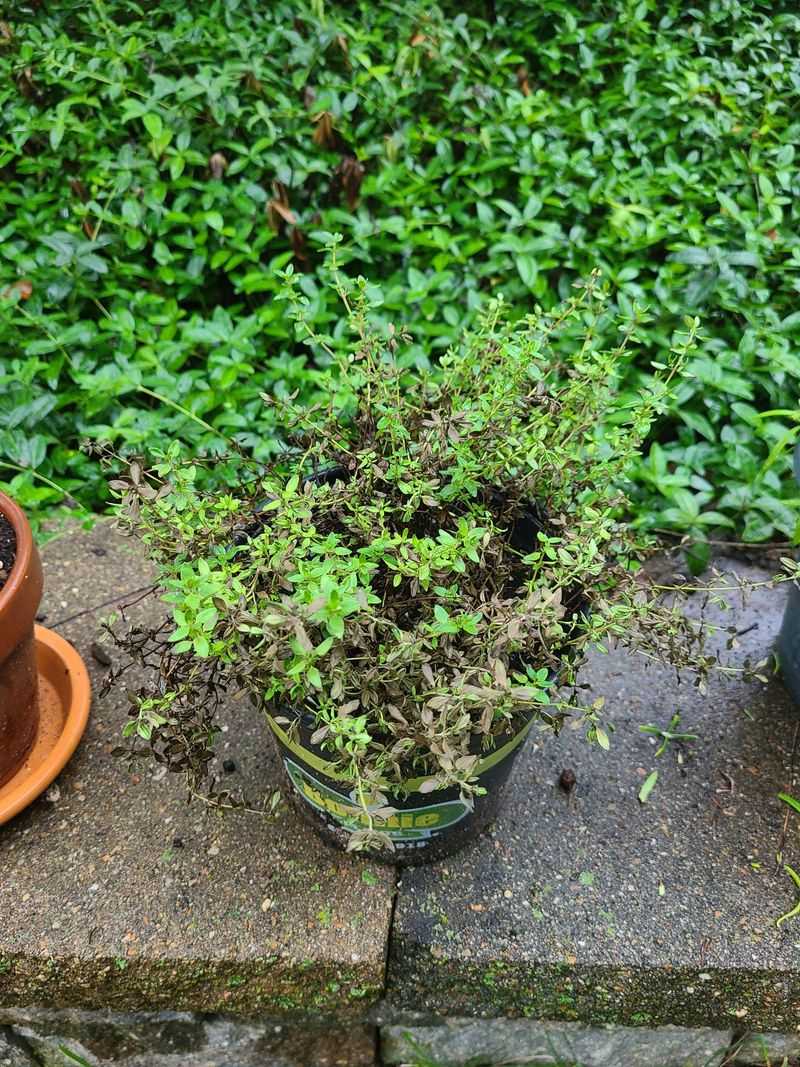
Growing thyme in a pot gives you great control, but it also comes with a hidden risk. Containers can trap water fast, and that spells trouble for a plant that hates wet roots.
The biggest issue is drainage. A pot without proper holes turns into a little bucket, holding water at the bottom where the roots sit and struggle.
Always choose a container with open drainage holes. Those holes let extra water escape freely instead of pooling around the base of your thyme.
Terracotta pots work especially well for this herb. Their clay walls actually breathe and pull moisture out of the soil, helping it dry faster between waterings.
Watch out for saucers that catch runoff water. If that tray stays full, the soil soaks it right back up, and your plant ends up sitting in a puddle.
Empty the saucer a little while after watering to keep things dry. That one small step prevents a lot of root trouble down the line.
Potting mix matters too. A blend made for herbs or cactus drains quickly and keeps the roots airy, unlike dense garden dirt that holds water.
Since cooler fall weather slows evaporation, potted thyme needs even less water than it did in summer. Check the soil often and water only when it feels dry.
With good drainage and a light touch, your container thyme will stay healthy and full. A well-drained pot is the secret to happy roots.
7. Protect Thyme By Improving Drainage
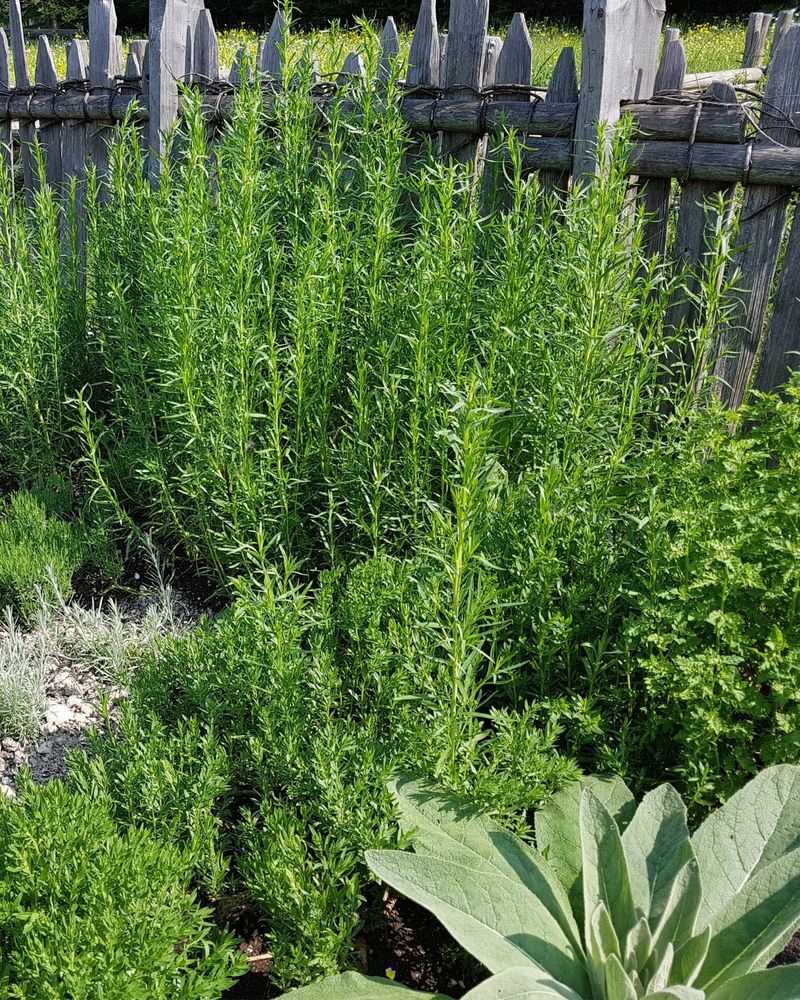
The single best thing you can do for fall thyme is give it a place to dry out. Good drainage solves more problems than any watering schedule ever could.
Start by looking at where your thyme grows. If water tends to gather there after rain, moving the plant or reshaping the bed can make a huge difference.
Adding gravel, coarse sand, or compost loosens the soil and helps water flow through quickly. Loose ground keeps the roots airy and comfortable all season long.
Cutting back on unnecessary watering is just as important. Once the soil drains well, you will find your thyme rarely needs help beyond the rain that falls naturally.
Sunlight plays a big role too. A bright, sunny spot warms the soil and speeds up drying, which keeps the roots from staying damp too long.
Aim for at least six hours of direct sun each day. That warmth and light keep your thyme sturdy and full of flavor even as temperatures drop.
Avoid crowding your thyme with other plants that block airflow. Good air movement around the leaves helps everything dry faster after rain or dew.
Think of these steps as building the perfect home for a plant that loves dry, sunny hillsides. When drainage, sunlight, and light watering come together, your thyme thrives.
Small improvements now set your herb up for a strong finish to the year. A dry, sunny spot with loose soil is truly all thyme asks for.