The One Thing North Carolina Fall Greens Need Now Before 90 Degree Heat Damages Them
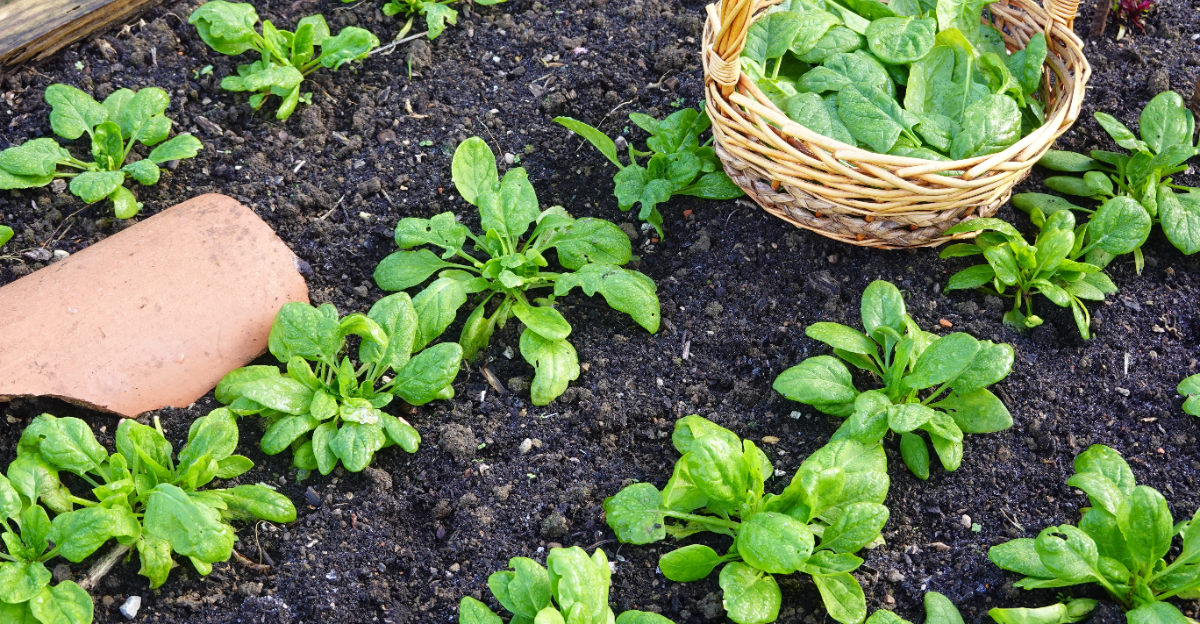
Fall greens in North Carolina have a rough start most years. Gardeners plant lettuce, spinach, and kale expecting cooler days, but a stubborn heat wave can push temperatures back into the 90s and stop that progress fast.
Leafy greens are especially sensitive to this kind of late-season heat. Their thin leaves wilt quickly, and the stress can cause bitter flavors or early bolting, ruining a crop before it even gets going.
So what actually protects these plants during a surprise hot spell? The answer isn’t complicated, but timing matters more than most gardeners realize. A few simple steps now can help your fall garden handle unexpected heat.
North Carolina gardeners who get ahead of this heat spike often see stronger, more resilient greens once temperatures finally settle into true fall conditions. Here’s the one thing worth doing before that next warm stretch arrives.
1. Give Fall Greens Afternoon Shade
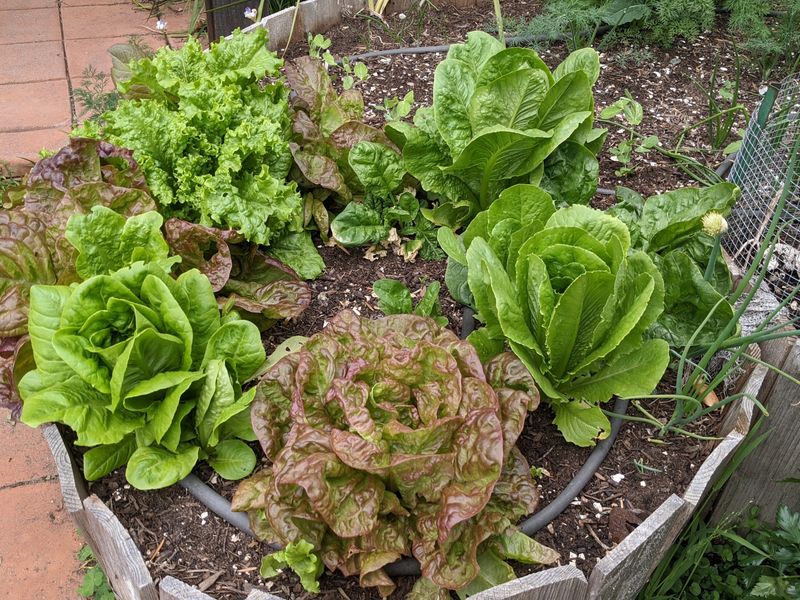
Morning sun is a friend to fall greens, but that harsh afternoon light can turn into their biggest challenge.
When temperatures push toward 90 degrees, the hottest part of the day sits between noon and about 4 in the afternoon. Blocking some of that light gives your crops a real break.
Cool season greens grew up loving mild weather. Their leaves are thin and full of water, so intense heat pulls moisture out faster than the roots can replace it. That is when you see wilting, brown edges, and sad, droopy plants by dinnertime.
Placing your greens where a fence, tall crop, or building casts shade during the late afternoon helps them stay cool. Even a few hours of relief lets the plants hold onto water and keep growing steadily.
Newly seeded beds benefit the most because the soil surface heats up quickly under direct sun. Cooler soil means better sprouting and stronger early roots.
You do not need anything fancy to make this work. A spot on the east side of your house often gets bright morning light and shady afternoons, which is close to perfect for September greens in North Carolina.
Think of afternoon shade as a comfort zone that helps young plants settle in during a warm stretch. Once cooler days arrive, they will already be established and ready to take off. A little planning now sets you up for baskets of tender leaves later.
2. Shade The Plants Without Blocking All Light
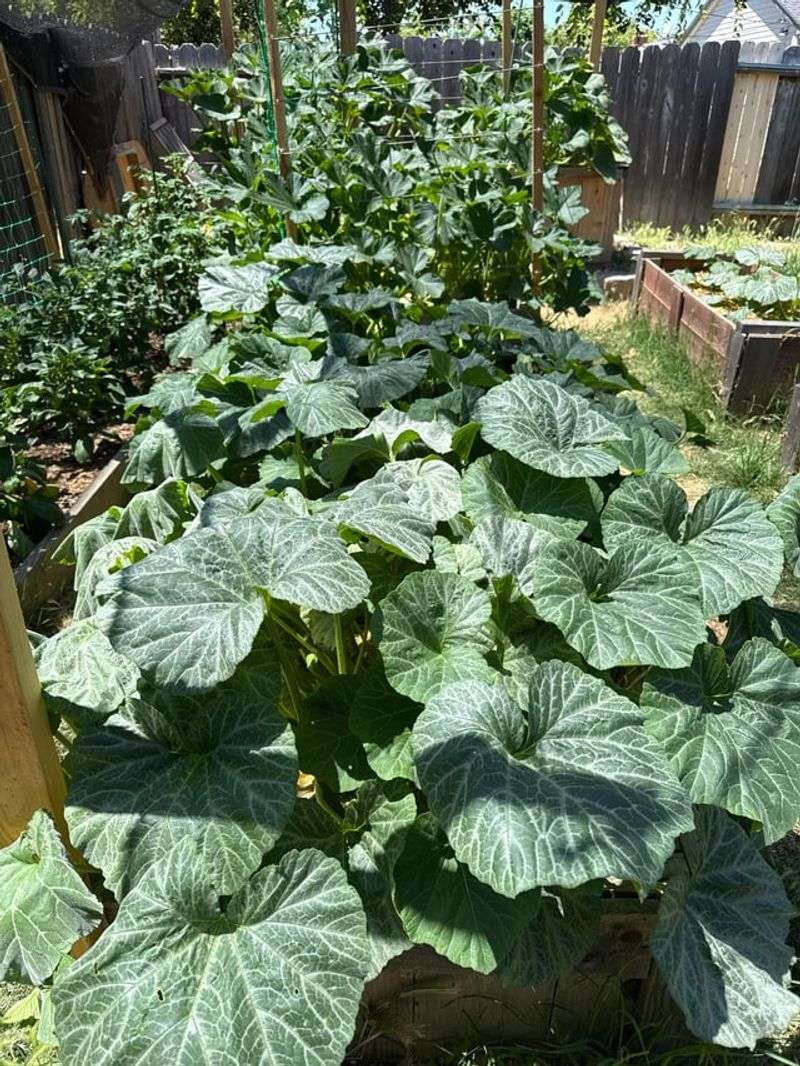
There is a fine line between cooling your greens and starving them of the light they need. Plants still make their food from sunshine, so total darkness slows everything down. The goal is gentle filtering, not a full blackout.
Shade cloth is the easy answer here. A lightweight cloth that blocks around 30 to 40 percent of sunlight cuts the heat while letting plenty of light through. Drape it over simple hoops or stakes so air can move freely underneath.
Nature offers help too. Taller companion plants like pole beans, corn, or sunflowers throw dappled shade across shorter greens during the afternoon. The tall plants soak up the strongest rays while your lettuce enjoys the cooler pocket below.
Your North Carolina Garden Changes Every Week. Your Plan Should Too.
Gardening in North Carolina changes quickly throughout the season. Every Friday you’ll receive a simple weekly plan showing exactly what to plant, prune, fertilize, harvest, and protect so you never miss the right timing.
Location matters as much as any cover. A garden bed tucked near an east facing wall or under the high branches of a tree gets bright light in the morning and softer light later on. That natural rhythm suits cool season crops beautifully.
Keep the shade temporary. Once the September heat fades, pull the cloth back or thin out the tall plants so your greens soak up the full autumn sun. Cool weather greens actually grow sweeter and faster in that brighter, milder light.
Try to check how the shade falls at different times of day before you set anything up. A quick look in the early afternoon tells you exactly where the sun lands hardest. With the right balance, your greens stay cool, well fed, and happy.
3. Protect Young Seedlings First
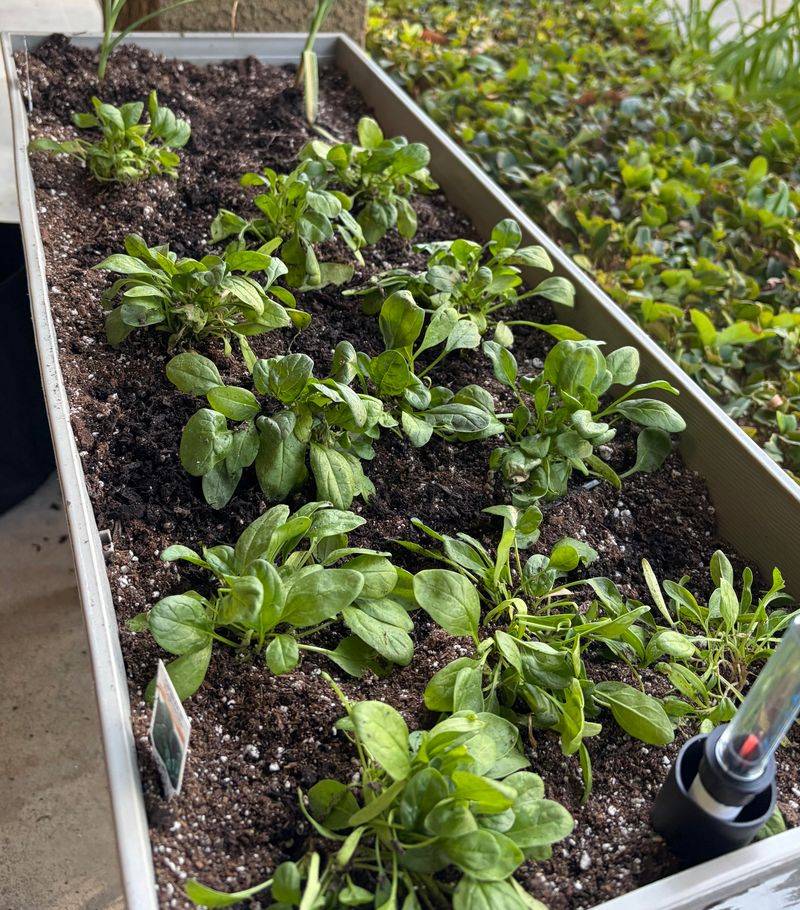
Baby greens are the most delicate members of your garden family. When lettuce, spinach, and kale first poke through the soil, their tiny roots reach only a short way down. That shallow start makes them quick to feel every spike in temperature.
Established plants have a big advantage. Their roots dig deeper and pull moisture from cooler soil, while their broader leaves can handle a warm afternoon without folding. Seedlings simply have not built up that strength yet.
Heat also dries the very top layer of soil fastest, and that is exactly where young sprouts live. A single hot afternoon can dry out a seedling bed before you even notice. Giving those little plants extra care during their first two weeks pays off big.
Focus your shade, water, and attention on the newest beds. A light board propped on one edge, a bit of shade cloth, or even a leafy neighbor plant can shield tender sprouts during the harshest hours.
Watering gently and often keeps the surface moist for these small roots. A soft spray works better than a heavy blast that can wash tiny plants sideways.
Once your seedlings grow their second and third sets of true leaves, they toughen up fast. At that point they can take more direct sun and handle a warm day with ease.
Think of the seedling stage as the moment your crop needs the most babysitting. A little patience now leads to sturdy plants that thrive when the cool weather rolls in.
4. Heat Can Trigger Early Bolting
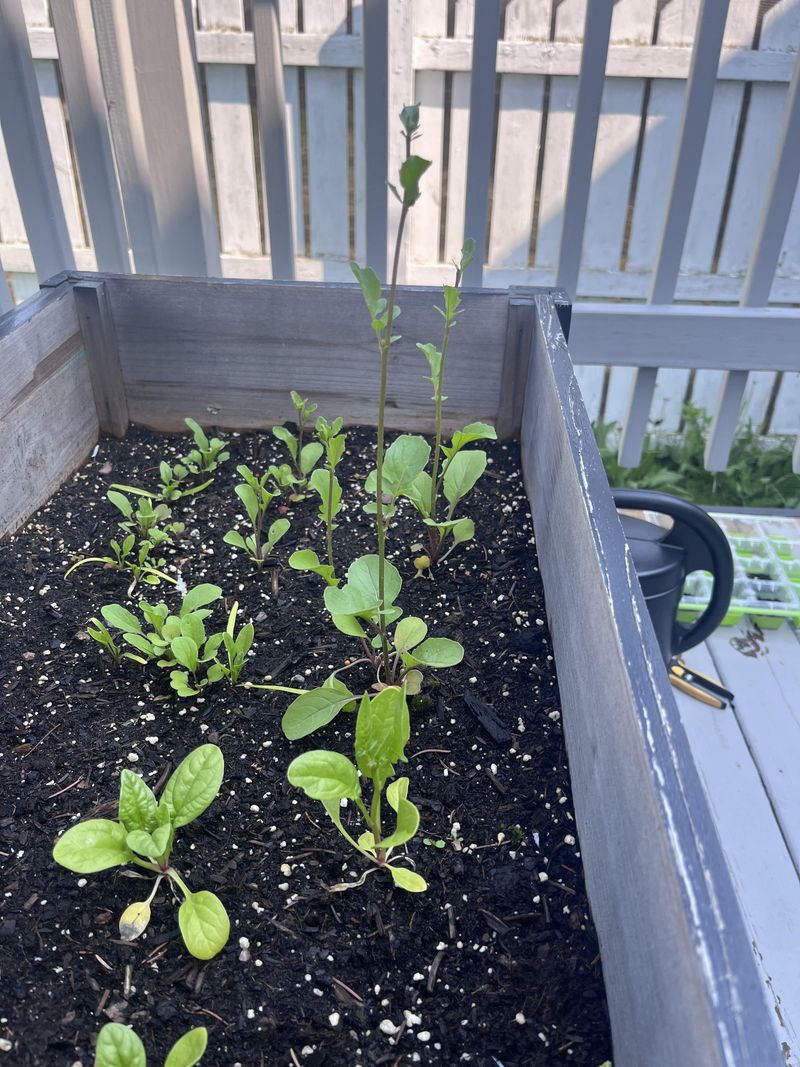
Bolting is the sneaky trick heat plays on cool season greens. When temperatures climb, plants like spinach, lettuce, and cilantro think their time is short, so they rush to make flowers and seeds. Once that happens, the good eating days are mostly over.
The change shows up fast. A tidy head of lettuce suddenly shoots up a tall center stalk, and the leaves turn bitter almost overnight. Spinach does the same, sending up a stem that pulls energy away from the tasty foliage.
Warm nights push bolting along just as much as hot afternoons. When the air never really cools down, the plant stays stressed and keeps sprinting toward flowering.
Keeping things cool is your best defense. Shade during the hottest hours, steady moisture, and choosing bolt resistant varieties all slow the flowering rush. Seed packets often mark these tougher types, so look for words like slow to bolt.
Cilantro is famous for bolting the moment heat arrives, so plant it where afternoon shade keeps it comfortable. Frequent harvesting also helps, since snipping leaves signals the plant to keep growing rather than flower.
Timing plays a role too. Planting a little later in September, once the worst heat has passed, gives greens a smoother start with less bolting pressure.
If you do spot a flower stalk forming, harvest that plant quickly before the leaves turn too sharp. Catching it early means you still enjoy a decent meal instead of losing the whole crop to bitterness.
5. Keep Soil Moist But Not Saturated
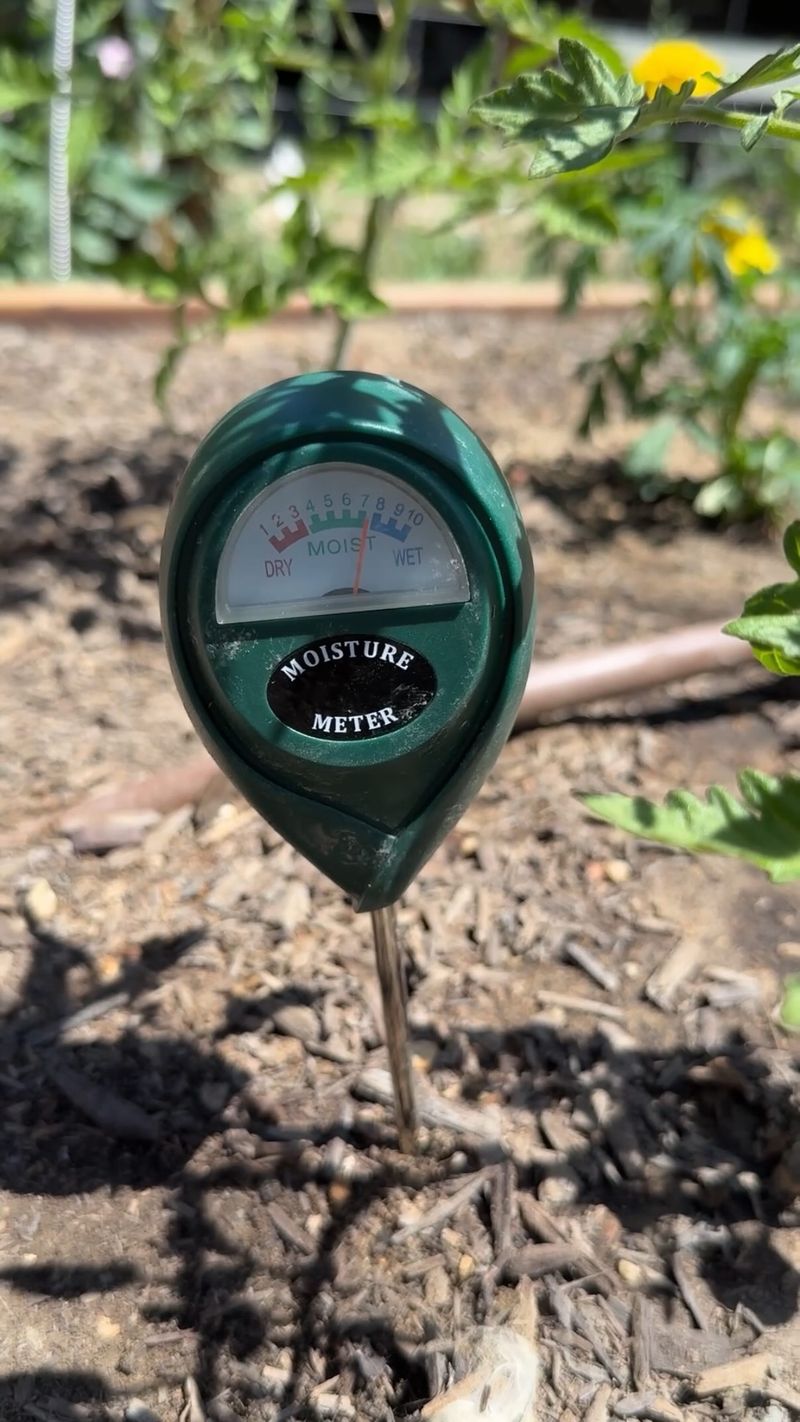
Water is the secret weapon against heat, but too much of it causes its own trouble. Cool season greens want soil that feels like a wrung out sponge, damp all the way through yet never soggy. Hitting that balance keeps them steady on warm days.
When soil dries out during a hot spell, roots cannot pull up the moisture leaves need. The plant wilts and slows its growth almost immediately. Regular watering keeps that supply flowing so greens stay firm and fresh.
Check the soil with your finger before you water. If the top inch feels dry, it is time to add some. If it still feels damp, wait a bit longer and let the plant use what it has.
Morning is the best time to water. Plants drink deeply before the afternoon heat, and the leaves dry off quickly, which lowers the chance of disease.
Overwatering brings problems you do not want. Soggy soil pushes out air, and roots need air to stay healthy. Constant wetness leads to weak, floppy growth and can invite root rot.
Deep, less frequent watering beats a quick daily splash. Soaking the bed encourages roots to grow downward toward cooler, steadier moisture, which makes plants tougher during heat.
Pay attention to how your garden drains, too. Raised beds and loose, rich soil let extra water escape while holding just enough for thirsty greens. With steady moisture and good drainage, your crop rides out the warm days in comfort.
6. Use Mulch To Keep Roots Cooler
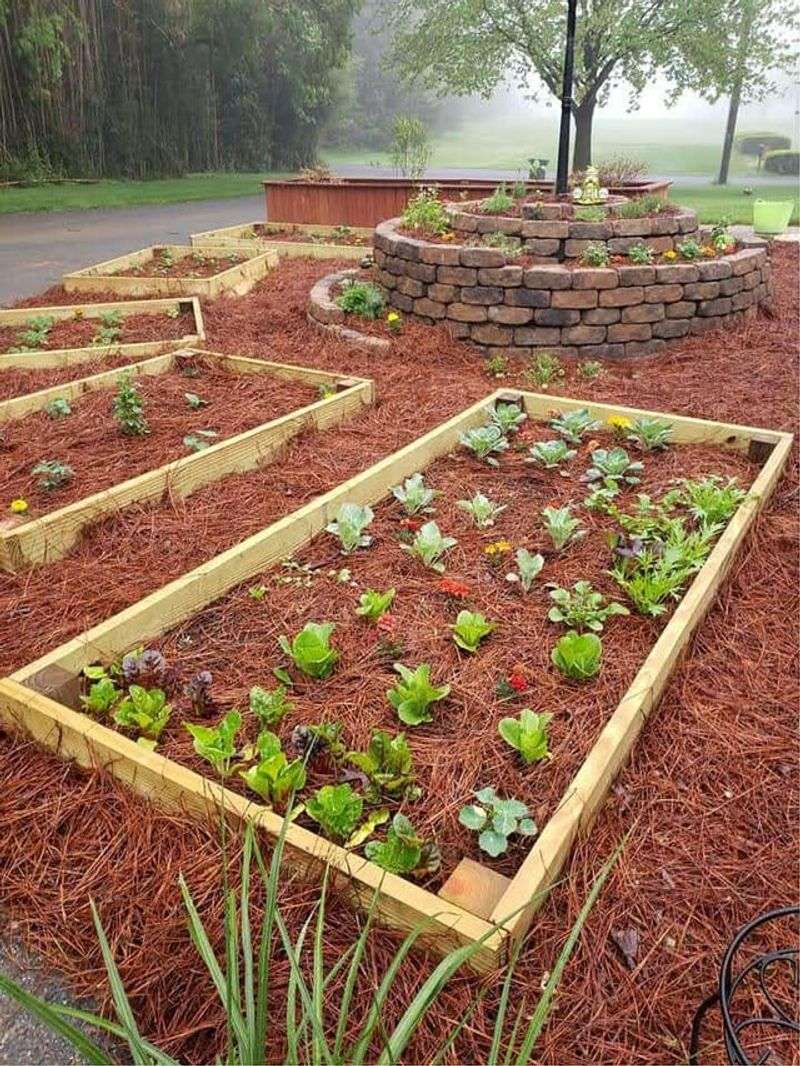
Mulch acts like a cozy blanket that works in reverse, keeping roots cool instead of warm. A thin layer of organic material spread over the soil shields it from the beating sun. That simple step can lower soil temperature by several degrees.
Heat swings stress plants more than steady conditions. Bare soil bakes during the day and cools at night, and roots feel every change. Mulch smooths out those swings so your greens grow in a calmer environment.
Moisture stays put under mulch, too. Instead of the sun pulling water out of the ground, the covering slows evaporation and keeps the root zone damp longer. You end up watering less often and worrying less about dry spells.
Straw, shredded leaves, grass clippings, and fine bark all make great choices. Spread about one to two inches around your greens, leaving a small gap right at the base of each stem so air can reach it.
Weeds hate mulch, which is a bonus for you. A good covering blocks sunlight from reaching weed seeds, so fewer unwanted plants pop up to compete for water and nutrients.
As organic mulch breaks down over the season, it feeds the soil and improves its texture. Your greens get a slow, gentle supply of nutrients while the ground grows richer.
Keep the layer light on young seedlings so tiny sprouts are not smothered. Add more once the plants stand a few inches tall. With mulch in place, your fall greens enjoy cooler roots and steadier growth.
7. Wait For Cooler Weather To Judge Success
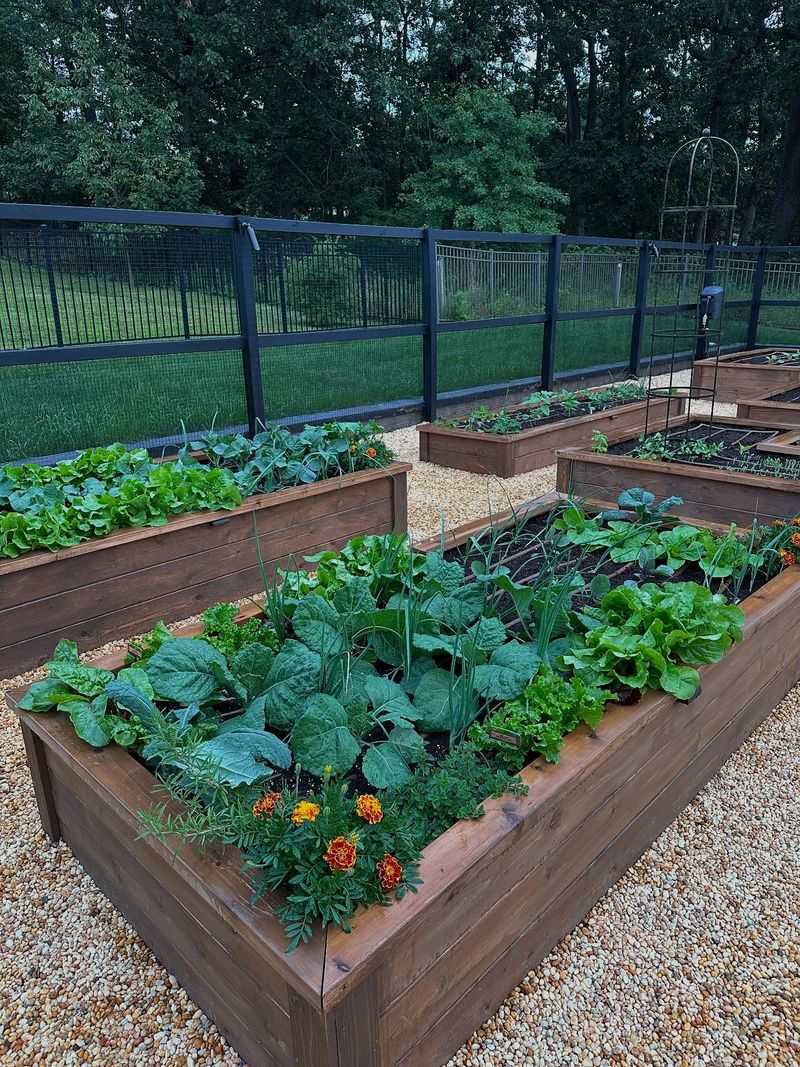
Patience pays off in a big way with fall greens. Those first warm weeks in North Carolina can look rough, with slow growth and a few tired leaves. That early struggle rarely means the crop has failed.
Cool season greens truly shine as temperatures drop. When the real fall weather arrives, growth speeds up, leaves get bigger, and flavors turn sweet and tender. Many gardeners are amazed how quickly a slow bed bounces back.
Cold even improves the taste. Kale, spinach, and collards make extra natural sugars when nights turn chilly, which is why fall greens often taste better than spring ones. A light frost can make them downright delicious.
Do not give up on a bed just because it looks stressed in September. Keep watering, keep the shade in place, and let the plants settle in. They are simply waiting for their favorite weather to show up.
Watch for fresh growth as the days shorten. New leaves in the center of the plant tell you the crop is healthy and gearing up for a strong finish.
Once cooler air settles in, you can remove the shade cloth and let your greens soak up the milder sun. That extra light fuels a burst of leafy growth just in time for harvest.
Judging your garden during a heat wave is like rating a race at the starting line. Give your greens the full season, and they will reward your patience with baskets of crisp, flavorful leaves all through autumn.