Why Small Snakes Suddenly Start Showing Up Around Florida Homes In September
Something shifts in a Florida yard once September rolls in. The air stays thick, the afternoon storms keep rolling through, and the mulch by the front step barely dries out.
That is when homeowners start noticing movement near the hose reel. A quick ripple through the grass, a shape sliding under a potted fern, gone before you can look twice.
Nothing about your house changed. The calendar did, and so did the ground under your feet.
Neighbors trade stories, and someone swears the whole block is overrun. The truth is far less dramatic and much easier to manage.
Late summer sets off a quiet chain reaction across the state, and it ends with slender little visitors turning up on porches, patios, and garage floors. Learn what sets it off, and the sightings stop feeling random and start making perfect sense.
September Is Hatching Season, Not A Sign Of Trouble
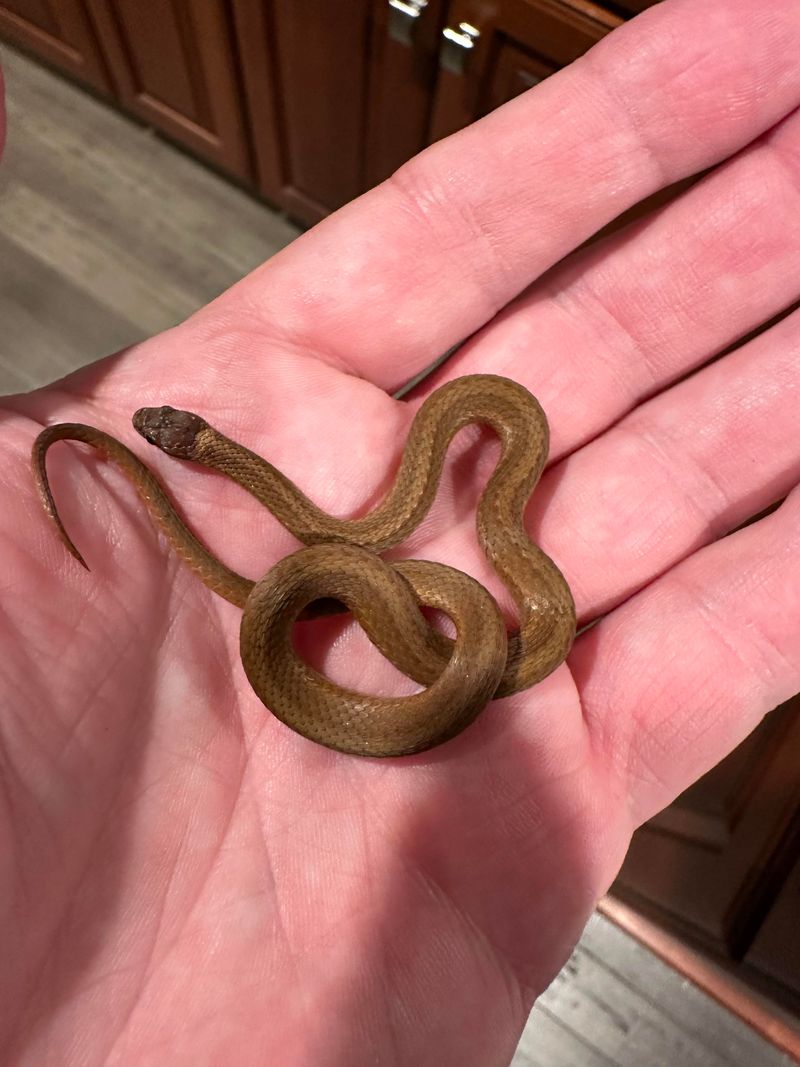
Late summer in Florida works like a nursery reveal for reptiles, and September is when the youngsters wander out into view. Most of the pencil-thin snakes near your porch steps hatched only days or a few weeks earlier.
Many Florida species lay eggs in June and July, tucked into warm mulch, compost, rotting logs, or loose sand. Incubation often runs six to ten weeks, so the timing lands right at the start of fall.
Others, like water snakes, give birth to live young in late summer. Either way, the result is the same: a wave of tiny, independent hunters with no parents to follow.
Hatchlings get no lessons and no shelter from mom, so they scatter right away in search of food and hiding spots. A single clutch can hold five to twenty eggs, which explains why you might spot several small ones in one week.
Because they are so small, they slip through gaps you would not think twice about, like the space under a garage door sweep. Their size also makes them look unfamiliar, since many young snakes wear brighter patterns that fade with age.
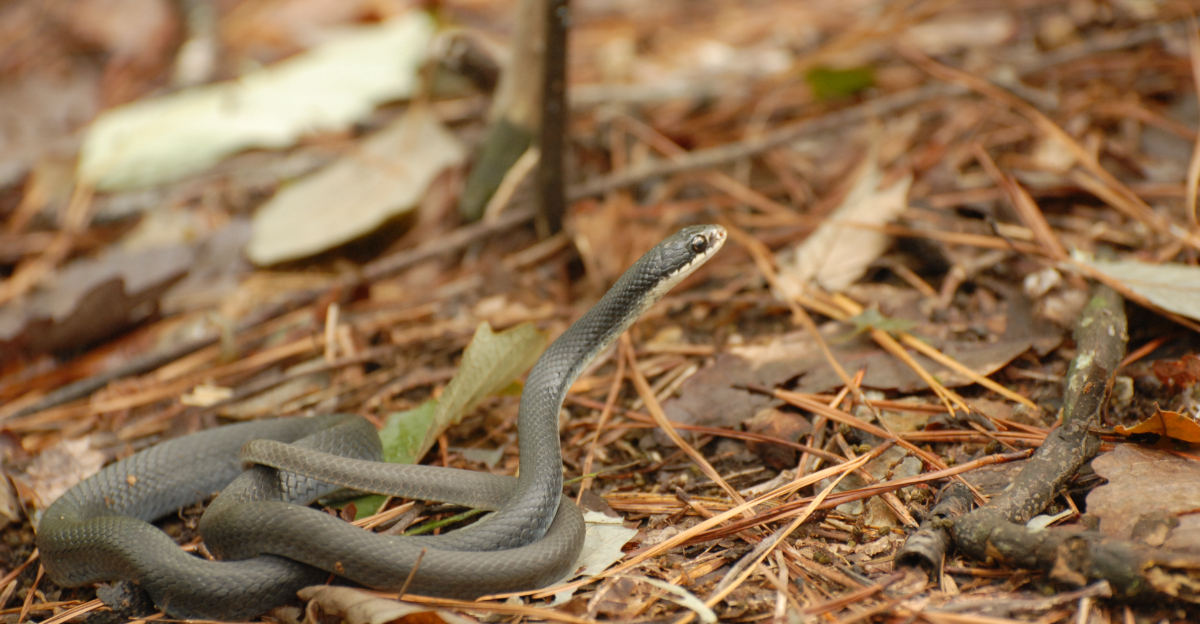
Ring-necked snakes and young black racers are frequent September finds, and both are harmless to people. Their appearance says more about your mulch bed than about any real threat to your household.
Knowing the calendar helps you stay calm. What feels overwhelming is usually one seasonal hatch spreading out across the neighborhood.
Storm Water Pushes Young Snakes Toward Your Slab
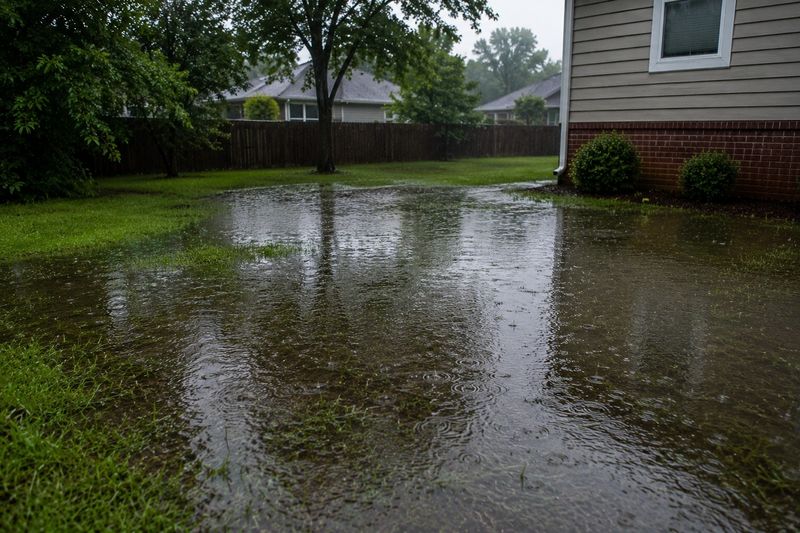
Ask anyone who has watched a Florida yard turn into a shallow pond, and they will tell you water moves everything. September sits in the wet, storm-heavy stretch of the year, and heavy rain floods the low spots where small reptiles shelter.
Burrows, hollow root channels, and mulch pockets fill with water fast. Young snakes leave those spaces and climb toward drier, higher ground.
Your home happens to be the highest, driest island around. Foundations, sidewalks, patios, pool decks, and sheds shed water and warm quickly once the sun returns.
Storm debris adds to the pull. Piles of fallen branches, soggy leaves, and displaced palm fronds create instant cover that did not exist the week before.
Your Florida Garden Changes Every Week. Your Plan Should Too.
Gardening in Florida changes quickly throughout the season. Every Friday you’ll receive a simple weekly plan showing exactly what to plant, prune, fertilize, harvest, and protect so you never miss the right timing.
Rain also stirs up the food supply. Earthworms, slugs, frogs, and insects surface after downpours, and the small snakes trailing them follow the buffet right into your flower beds.
Watch the day or two after a big storm and you will notice the pattern. Sightings spike, then settle as puddles drain and yards dry out.
The fix is mostly drainage. Regrade puddling areas, clear clogged gutters, and move soggy debris piles away from the walls of the house.
Irrigation timers matter too. Sprinklers running daily keep the soil damp enough to feel like storm season, even during a dry stretch.
Fewer wet hideouts near the slab means fewer reasons to visit. Small changes to how water leaves your yard can quietly change your September.
The Cozy Hiding Spots Hidden In Plain Sight
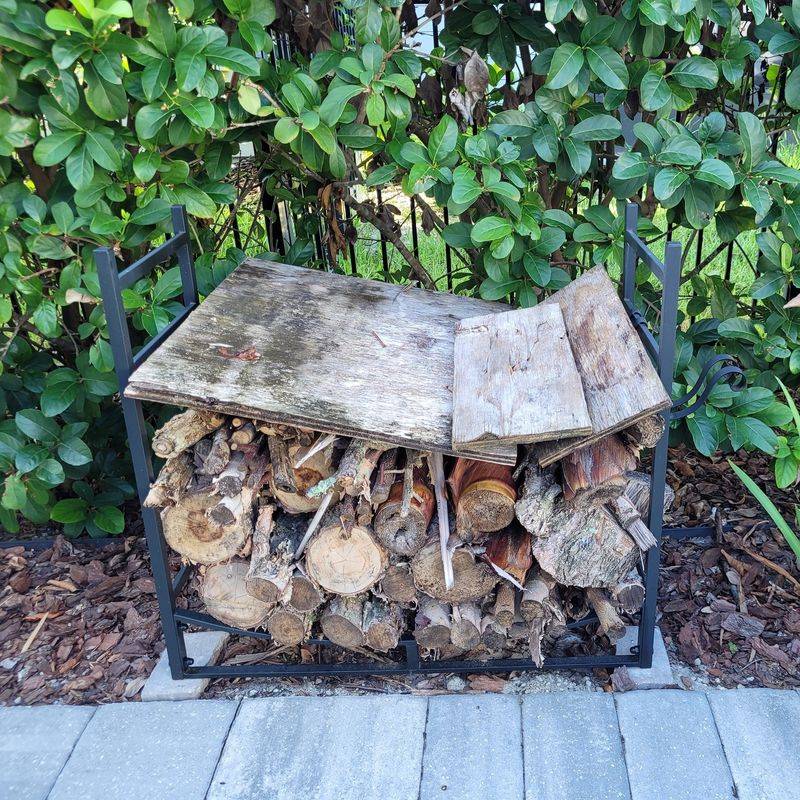
Here is the uncomfortable truth about tidy landscaping: it can still be an ideal hideout. A young snake needs a gap about the width of a pencil, plus shade and something to eat.
Mulch spread thick against the foundation ranks near the top of the list. It holds moisture, hides beetles and worms, and stays cool through a brutal afternoon.
Stacked pavers, firewood, potted plants on saucers, and coiled garden hoses all do the same job. Each one creates a dark, humid pocket at ground level.
Then there are the overlooked spots: the gap behind a downspout, the space under a pool pump, the underside of a warm A/C pad. Screened porches with a torn corner turn into accidental doorways.
Food drives the whole thing. Anole lizards basking on your walls are a favorite meal for young racers, and damp mulch keeps insects plentiful.
Try a slow lap around your house at knee height. Look for anything offering a cool, moist, hidden pocket touching the wall.
Pull mulch back a few inches from the slab and switch to gravel in that strip. Raise firewood and hose reels off the ground and store them away from entry doors.
Trim shrubs so sunlight reaches the soil beneath them. Dry, bright, open ground is far less inviting than damp shade.
Ground covers like Asiatic jasmine hide reptiles well, so keep them a couple of feet from the house. A clear border also lets you spot a visitor before you reach down.
The Reaction That Turns A Harmless Snake Into A Problem
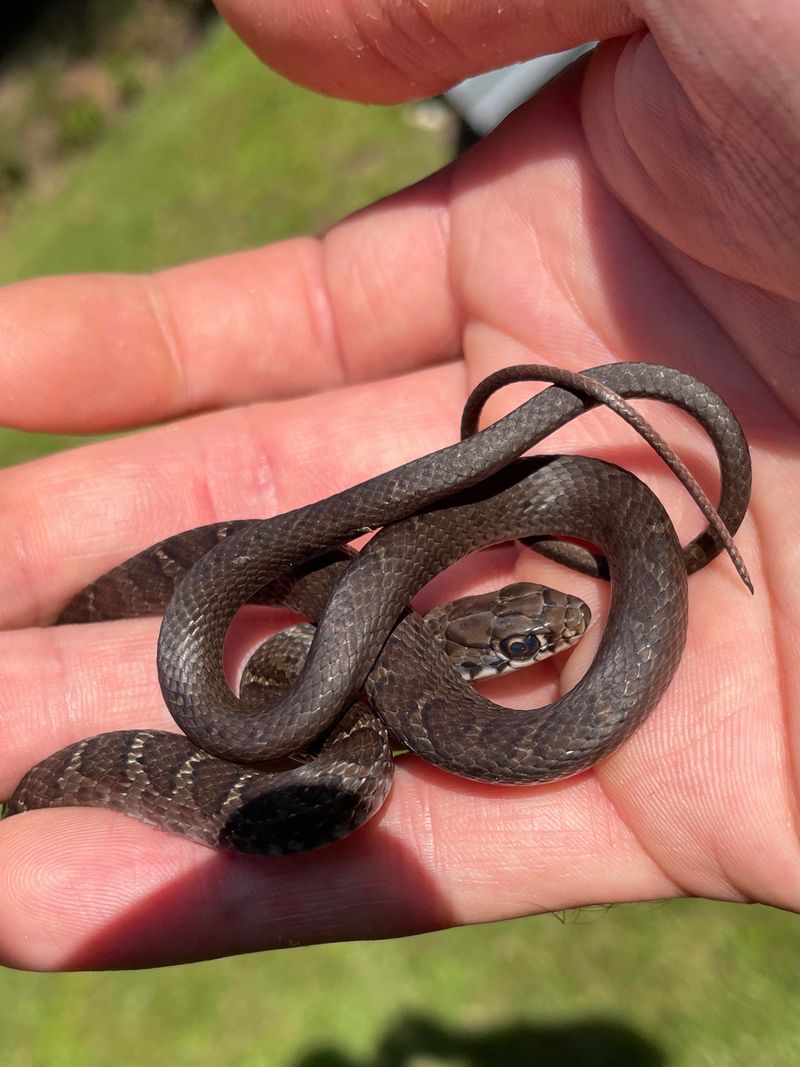
The most common September mishap is not a snake problem, it is a reaction problem. People reach, sweep, or grab before they know what they are looking at.
Most small snakes in Florida yards belong to harmless species, and a startled one wants distance more than trouble. Nearly every bite happens when someone tries to pick one up or move it by hand.
Misidentification runs both ways. A young black racer looks blotchy and unfamiliar, while a harmless scarlet snake gets mistaken for something risky.
Glue boards are another regret. They catch lizards, frogs, and beneficial snakes without discrimination, and cleaning them up is unpleasant.
Sprayed repellents rarely earn their price tag. Sulfur and naphthalene products have weak support in testing, and they can bother pets and children more than reptiles.
Skipping the yard audit is the quiet mistake. Relocating one visitor changes little if the mulch bed, hose pile, and damp shade stay exactly the same.
Better plan: step back, take a photo from several feet away, and let it move along on its own. Keep pets inside for a few minutes and watch from a window.
If a snake gets indoors, close interior doors and guide it toward an exterior door with a broom. For anything you cannot identify, or if a bite occurs, call a wildlife removal service or medical help right away.
Patience settles most of these encounters. Rushing turns a five-minute non-event into a story you would rather not tell.
Closing Gaps And Drying Out The Welcome Mat
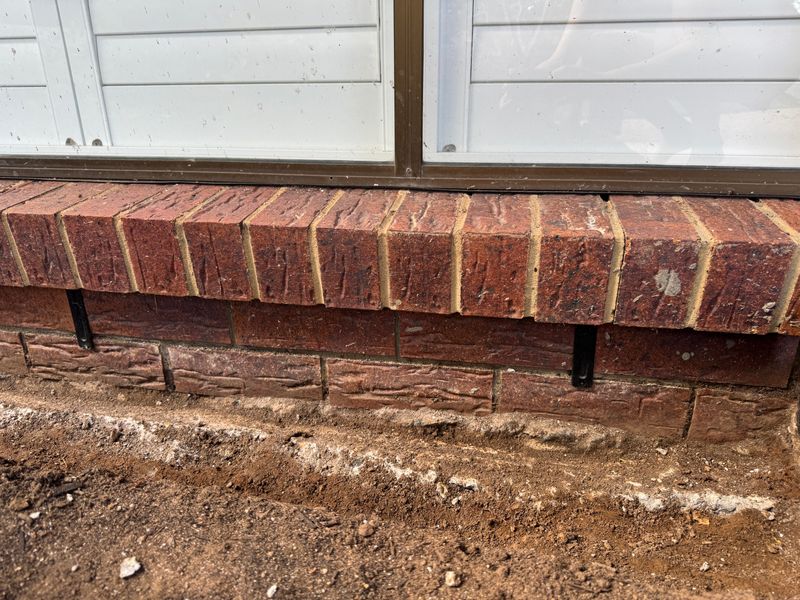
Sealing and simplifying beats chasing. A hatchling can squeeze through a quarter-inch gap, so the work is detail work.
Start at the ground line. Replace worn garage door sweeps, fit door thresholds tightly, and pack gaps around pipe and cable entries with steel wool plus sealant.
Check weep holes, soffit corners, and vent screens for tears. Fine metal mesh holds up better than plastic in Florida humidity.
Screened enclosures need attention along the bottom track, where lawn equipment often nicks the mesh. A repair patch takes ten minutes and saves several surprises.
Outside, shorten the food chain. Store pet food in sealed bins, sweep up spilled bird seed, and rinse grill drip trays that draw insects.
Mow before the grass gets shaggy and keep the strip along the foundation short. Move woodpiles, pavers, and buckets at least a few feet from the walls.
Lighting choices help too. Bright porch bulbs pull in moths, moths pull in frogs and lizards, and those bring hungry hunters closer, so warm-toned bulbs are the smarter pick.
Gravel or river rock in a twelve-inch border along the slab dries fast and offers little cover. It also makes tracks and shed skins easy to notice.
Keep a flashlight by the back door for evening trips to the trash can. Seeing the ground clearly prevents most accidental close calls.
Do the sweep in August if you can. Fixing gaps before hatchlings disperse gives you a much calmer month.
October Rewards Homeowners Who Got Ahead Of It
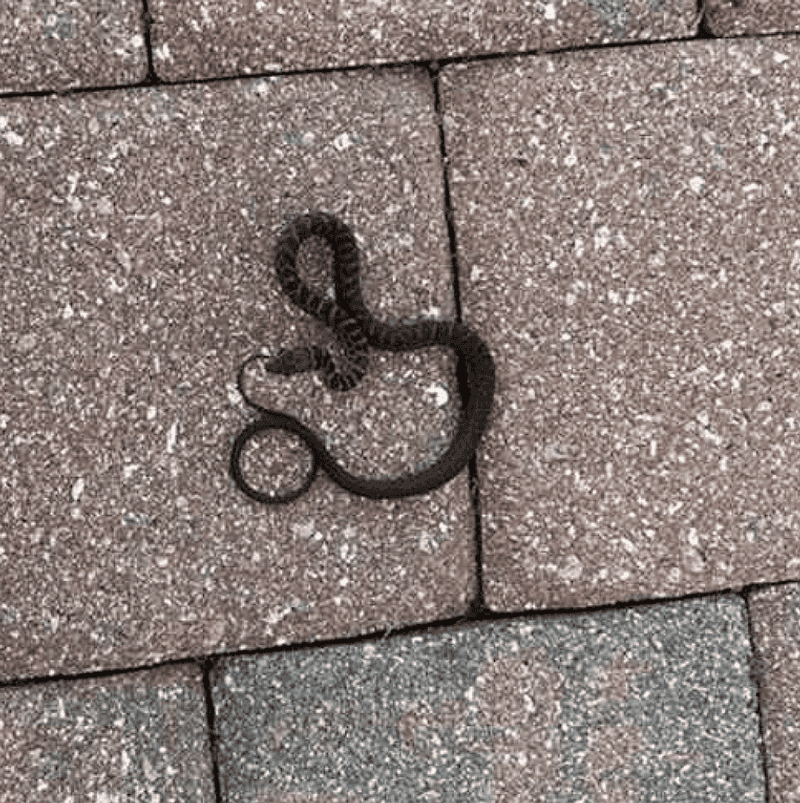
Give it a few weeks and the September rush usually settles down on its own. Cooler, drier air arrives, young snakes spread into wilder ground, and yard sightings taper off.
The visitors that stick around earn their keep. A single ring-necked snake works through slugs and insects, while a racer patrols for rodents near the shed.
Homeowners who tidy the damp corners often notice a real difference by October. Same yard, same neighborhood, far fewer surprises by the front step.
Expect a small second wave if a late-season storm floods the area. That is normal, and it passes as the ground drains.
Teach kids the simple rule: look, back up, tell an adult. Curiosity is fine from six feet away.
Learn the handful of venomous species found in the state so you can relax about the rest. Rattlesnakes, cottonmouths, and coral snakes have distinct looks worth studying on a reputable Florida wildlife site.
Neighbors matter as well. If the lot next door stays overgrown, keep your own border clear and check your screens twice a season.
Photos help future you. A quick snapshot builds a personal reference file, and it makes identification easy the next time something slender slides past the hose reel.
Keep the number for a licensed wildlife trapper saved in your phone. Knowing who to call turns anxiety into a two-minute task.
September is a season, not a crisis. Manage moisture, close the gaps, and let the yard settle back into its usual rhythm.