Why Copperheads Are Showing Up Near Tennessee Homes This Season
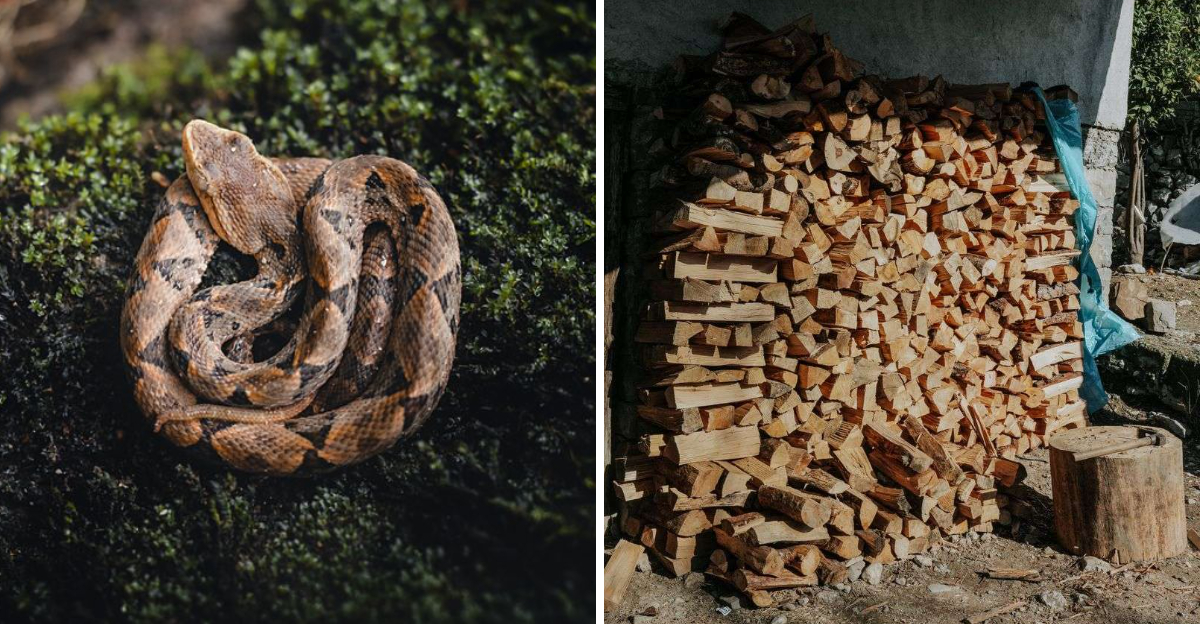
A copper flash near the woodpile freezes you mid-step. Silence returns fast, but your unease lingers. Tennessee yards have quietly become prime shelter for you this season.
Warm nights and loose soil pull hungry visitors toward your porch. Rodents, frogs, and beetles crowd damp corners near your home. Mulch hides motion better than you might expect.
Landscaping habits you barely notice send loud invitations outward. Snakes treat your property like an open menu. Knoxville porches and Jackson driveways share the risk with you.
Firewood piles near your home look like shelter to them. Your gutters, sheds, and crawl spaces offer quiet cover too. Heat and moisture across Tennessee keep activity high near you.
Specific features in your Tennessee yard quietly roll out an invitation. Small changes on your end cut that invitation off fast.
Understanding the pattern gives you real control back. You need each reason before dusk brings them closer.
1. Mild Winters Extended Their Active Season
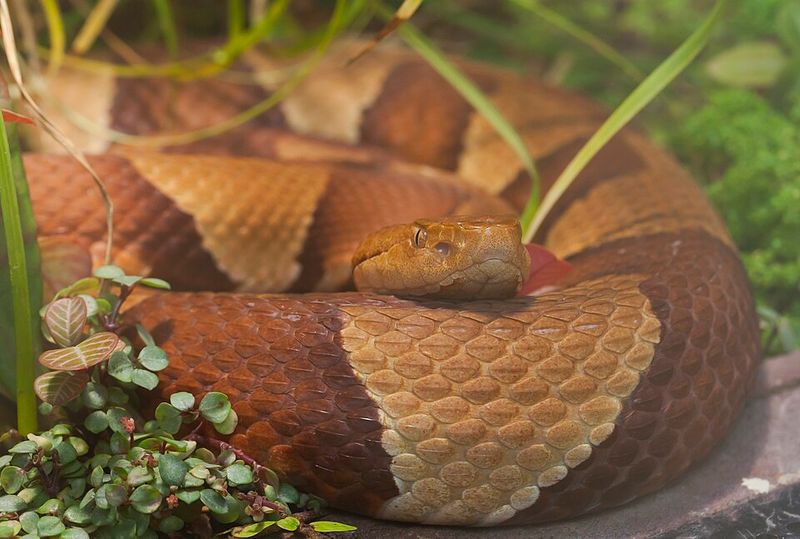
Winters across Tennessee have felt milder in recent years, and snakes have adjusted accordingly. Copperheads brumate rather than truly hibernate, meaning they settle into a slow, drowsy state and can stir on mild afternoons.
When a mild stretch hits in late winter, those snakes crawl out of rock crevices weeks earlier than usual. An extended active season gives them more time to hunt, mate, and wander into neighborhoods that back up to woods.
Longer autumns work the same way on the other end. Instead of settling in by mid-October, many stay out well into November, which overlaps with leaf raking and firewood stacking season for homeowners.
Fun bit of trivia: copperheads often return to the same rocky den year after year, sometimes sharing it with rat snakes and timber rattlers. If a den sits on the ridge behind your subdivision, the same bloodline may have used it for decades.
What helps? Stay alert during warm spells outside the typical summer window, especially in early spring and late fall.
Wear closed shoes when you step outside at dusk, and use a flashlight on porch steps and walkways.
Check under tarps, kiddie pools, and porch cushions before grabbing them, since those spots hold warmth. A little caution during shoulder seasons prevents the surprise encounters that catch people off guard when they assume snake season has wrapped up.
2. Mulch Beds Double As Ideal Hideouts
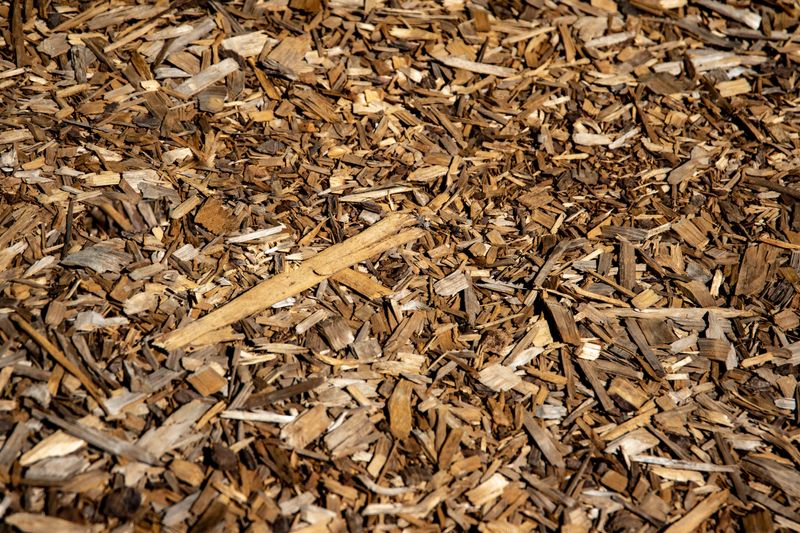
Landscapers love shredded hardwood mulch, and so do copperheads. The color match is striking: a coppery, hourglass-patterned snake laid across brown bark chips becomes nearly invisible.
Beyond camouflage, mulch holds moisture and stays cooler than open ground. That combination attracts toads, slugs, crickets, and small rodents, which is the exact grocery list a young copperhead shops from.
Deep beds also give snakes something they crave, which is cover with easy tunneling. Three or four inches of loose material lets them slip below the surface and disappear the moment a lawn mower fires up.
Consider trimming mulch depth to about two inches and pulling it back several inches from your foundation. Gravel or river rock along the house edge creates a strip that offers less concealment and less prey.
Your Tennessee Garden Changes Every Week. Your Plan Should Too.
Gardening in Tennessee changes quickly throughout the season. Every Friday you’ll receive a simple weekly plan showing exactly what to plant, prune, fertilize, harvest, and protect so you never miss the right timing.
Reach into flower beds with gloves and a hand tool rather than bare fingers. Weeding while kneeling puts your face close to the ground, so scan the area first and tap around with a rake handle.
Solar lights placed along bed edges help you spot movement during evening watering. Keep hostas, liriope, and low-spreading junipers thinned out, since dense ground cover doubles the hiding potential.
Neighbors who swapped heavy mulch for tighter, tidier beds often report fewer sightings within a season. Your Tennessee garden still looks sharp, and the resident wildlife simply finds a less convenient place to lounge.
3. Rodents Around The House Attract Unwanted Attention
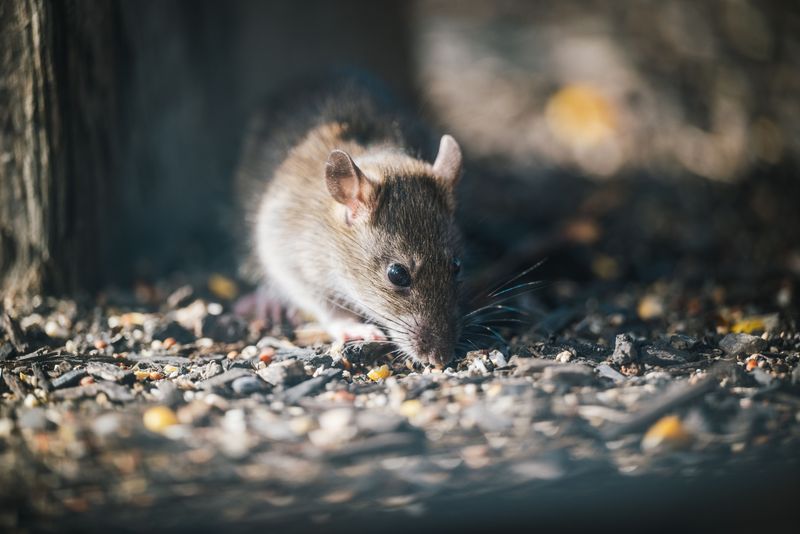
Snakes go where the food is, and nothing draws them faster than a healthy mouse population. Bird seed spilling under feeders, pet kibble left on the deck, and unsecured trash bins all keep rodents fed and multiplying.
A single copperhead can patrol a surprisingly small territory when prey stays plentiful. If your shed harbors a mouse nest, that snake has little reason to travel farther.
Young copperheads add a twist. They eat insects, small frogs, and even use a yellow-green tail tip as a wiggling lure, which means a yard full of crickets supports the little ones just fine.
Start with the pantry side of things. Store birdseed in sealed metal containers, sweep the ground below feeders weekly, and bring pet bowls inside after meals.
Seal gaps around crawl space vents, dryer ducts, and garage door corners with steel wool and hardware cloth. Rodents squeeze through openings the width of a pencil, and snakes follow the same routes.
Compost piles deserve attention too. Kitchen scraps attract mice, so use an enclosed tumbler instead of an open heap near the back door.
Cut the rodent buffet and copperhead sightings usually drop within a few weeks. It’s common for the same property to generate both rodent and snake concerns, which reflects the connection between the two.
4. Firewood Stacks And Junk Piles Offer Convenient Shelter
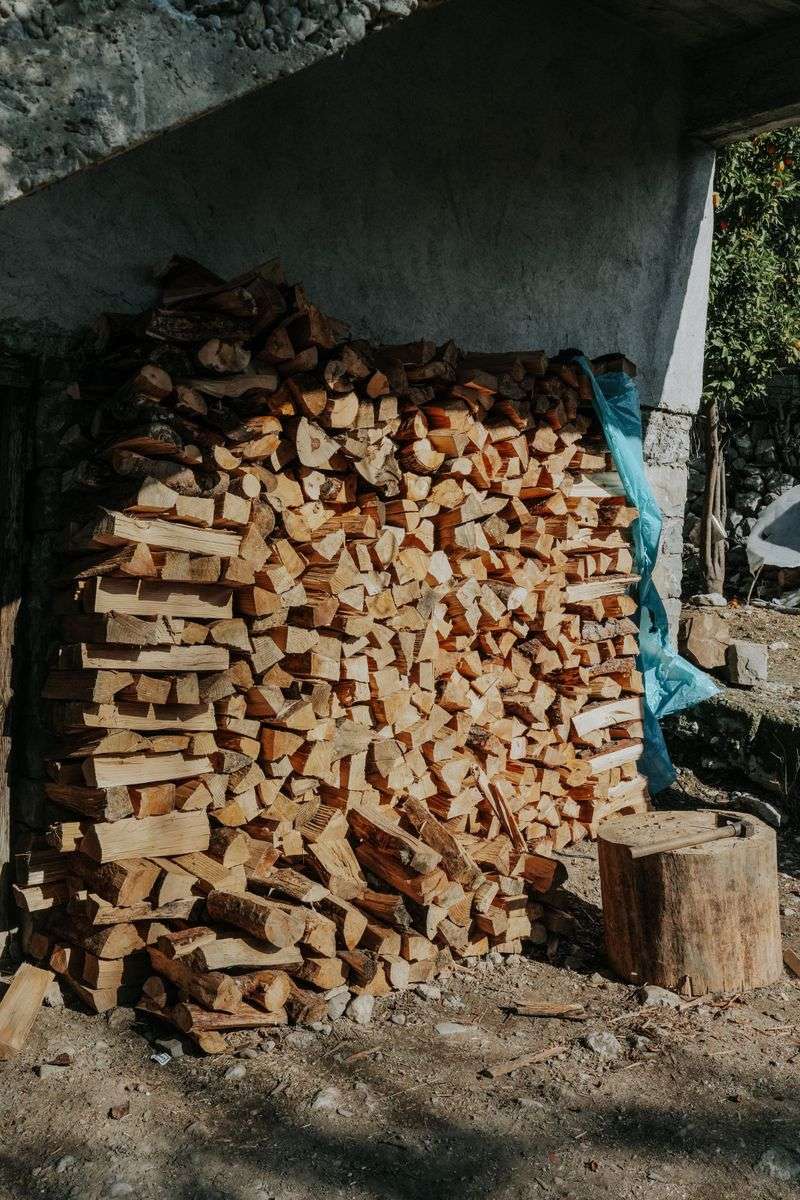
Ask any long-time Tennessean where they last saw a copperhead, and firewood comes up fast. Stacked logs create dark, dry pockets that stay cool in July and warm in October.
Mice move into those gaps first, and snakes follow the scent trail. By the time you reach for a log in November, the pile has become a small ecosystem.
The same logic applies to lumber scraps, old tires, sheets of plywood leaning on a shed, and that pile of bricks left from a patio project. Anything flat and low creates a perfect hidey-hole.
Raise firewood at least a foot off the ground on a metal rack, and park it well away from the house rather than against the siding. Distance matters more than people expect.
Grab logs with gloves on and a boot planted firmly, and roll each piece toward you before lifting so anything underneath has an exit route. Never reach blindly into the middle of a stack.
Haul off construction leftovers instead of tucking them behind the garage for a future project. If storage is unavoidable, use sealed bins on shelving rather than ground-level heaps.
One weekend of cleanup removes dozens of shelter options at once. Homeowners often describe a noticeable drop in reptile encounters after clearing the corner of the yard everyone had ignored for years.
5. New Construction Pushes Wildlife Into Older Neighborhoods
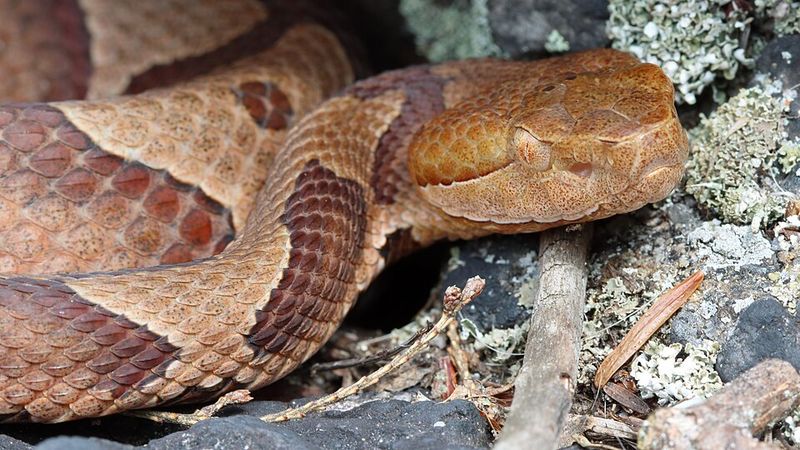
Middle Tennessee has been growing steadily, and new subdivisions often replace habitat that held snakes for generations. Bulldozers clear brush, break up rock outcrops, and scatter the residents.
Displaced copperheads do not disappear. They travel until they find cover, and the closest option is usually an established neighborhood with mature landscaping, retaining walls, and shady beds.
Counties around Nashville, Chattanooga, and Knoxville have seen this pattern repeat. Longtime residents notice more sightings the same summer a nearby field gets graded.
Greenways and drainage corridors act as highways. A snake can follow a creek bank for a quarter mile and end up behind a house that never had visitors before.
If building is happening near you, expect a temporary uptick and prepare accordingly. Walk your property line and look for openings under fences, gaps in retaining walls, and unmanaged brush at the edges.
Trim back the transition zone where lawn meets woods, keeping grass short for several feet. Open, sunny ground feels risky to a snake that prefers cover, so it becomes a soft barrier.
Talk with neighbors about coordinated cleanup, since one overgrown lot can supply an entire street. Community effort works better than a single tidy yard surrounded by tangled brush.
Growth is not slowing down, so treating your Tennessee yard edge as a buffer zone pays off year after year.
6. Rainy Stretches Send Them Looking For Higher, Drier Ground

Heavy spring rains soak the ground and flood the burrows, rock crevices, and hollow logs where snakes normally rest. When their usual quarters fill with water, they move upslope toward whatever stays dry.
Patios, porch foundations, garage thresholds, and raised garden beds all sit above the waterline. Those spots suddenly look appealing to a soggy reptile.
Storm runoff also flushes frogs, toads, and salamanders out of low areas. More amphibians hopping across a wet lawn means more reason for a hungry snake to linger.
Following a big rain, check around the house before letting kids or pets loose in the yard. Look under the grill cover, along the AC unit pad, and beneath the deck stairs.
Improve drainage where you can. Extend downspouts away from the foundation, fill low spots that hold puddles, and clear clogged gutters that dump water against the wall.
Crawl space doors deserve a tight seal, since damp crawl spaces attract both rodents and snakes seeking a stable temperature. A simple weather strip and a latch handle much of the problem.
Keep an eye on window wells and basement stairwells, which act like pits that animals drop into and cannot climb out of. Covers solve that cheaply.
Wet weeks tend to produce clusters of sightings, so a quick walk-around after storms keeps surprises to a minimum.
7. Late Summer Brings Baby Copperheads Into The Mix
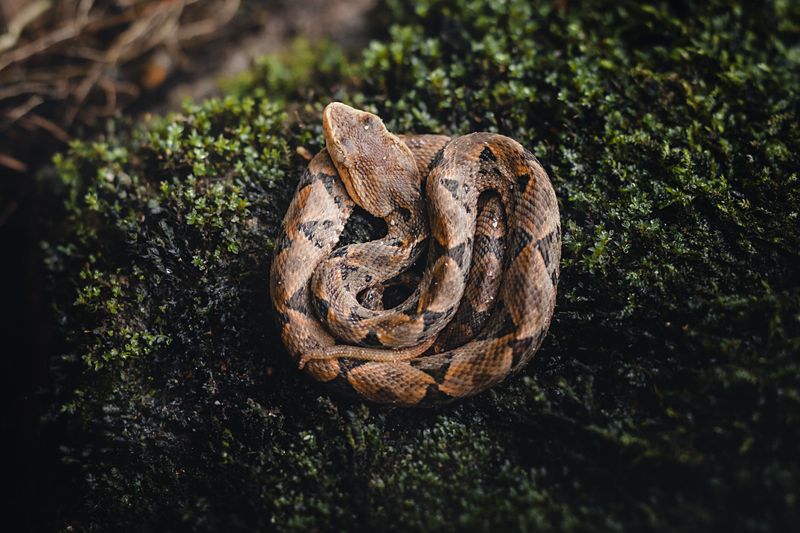
August and September mark birthing season, and copperheads deliver live young rather than laying eggs. A single female may produce several babies, typically seven to ten inches long.
Those newborns carry venom from day one and have not learned to avoid people. They also sport a bright yellow-green tail tip they wiggle like a worm to lure lizards and frogs.
Small size makes them easy to overlook. A juvenile can stretch across a sidewalk crack or curl beside a step and read as a twig at a glance.
Late-summer yard work calls for extra care. Wear boots and long pants while trimming, and give the string trimmer a slow first pass through tall grass.
Teach children the look-before-you-reach habit for retrieving balls from under bushes. A simple rule works well: if you cannot see the ground clearly, use a stick or ask an adult.
Dogs get curious at exactly the wrong moment, so keep them leashed near brushy areas during these weeks. Nose-level snouts and coiled snakes make a rough combination.
Sightings usually spike for about six weeks, then taper as cooler nights arrive. Knowing the calendar helps you stay watchful without staying anxious all year.
Should you find one, back away and give it room. Copperheads generally freeze and rely on camouflage rather than pursuing anyone.
8. Warm Pavement And Stone Walls Act Like Heated Loungers
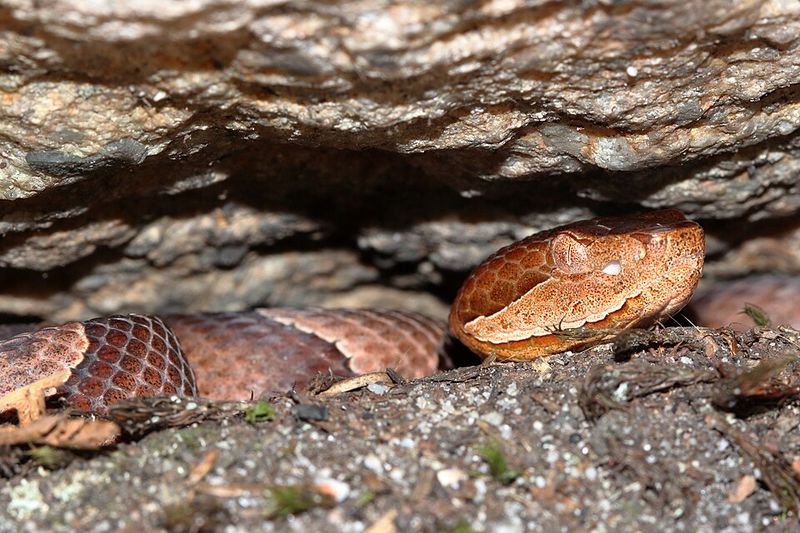
Reptiles borrow heat from their surroundings, and your hardscaping stores it beautifully. Concrete driveways, flagstone patios, brick steps, and dry-stack retaining walls soak up sun all afternoon and release warmth for hours after sunset.
Copperheads become most active during warm evenings from late spring through early fall. A stretch of still-warm sidewalk offers comfort and a clear view of passing crickets and mice.
Retaining walls deserve special mention. The gaps between stacked stones create ready-made shelters with built-in temperature control, plus rodent tenants next door.
Reduce the appeal by sealing large voids in walls with mortar or tight-fitting chinking stones where the structure allows. Keep vegetation from draping over wall faces, since shade plus cover equals a better hideout.
Motion-sensor lighting along walkways gives you a heads-up when something moves at ankle level. Path lights also help you notice a shape stretched across the concrete before you step.
Sweep patios clear of leaf litter and potted plant clutter, which snakes use as stepping-stone cover between the wall and the yard. Elevate pots on stands rather than setting them flat.
Evening habits matter as much as landscaping choices. Slip on real shoes for a trip to the mailbox, carry a light, and take a slow look before letting the dog bound off the porch. Small routines like these turn a risky hour into an uneventful one.