7 Texas Shrubs That Actually Prefer Being Planted In Fall
Planting shrubs in Texas can feel tricky when summer heat bakes the ground and stresses new plants. Many gardeners wait for spring, but fall is often the smartest season to get shrubs into the soil.
Cooler air and warm earth give roots time to grow strong before the next hot spell arrives. That head start means healthier, tougher shrubs that need less watering and fuss down the road.
If you want plants that settle in fast and reward you with color, blooms, and shade, autumn is your friend. The list below covers shrubs that truly thrive when tucked into Texas gardens during the fall.
Each one handles our tricky weather well and gets a real boost from cool-season planting. You will learn what makes each shrub special, how to care for it, and why fall gives it the best possible start.
Grab your gloves, and let us look at some fantastic choices for your yard.
1. Texas Sage (Cenizo)
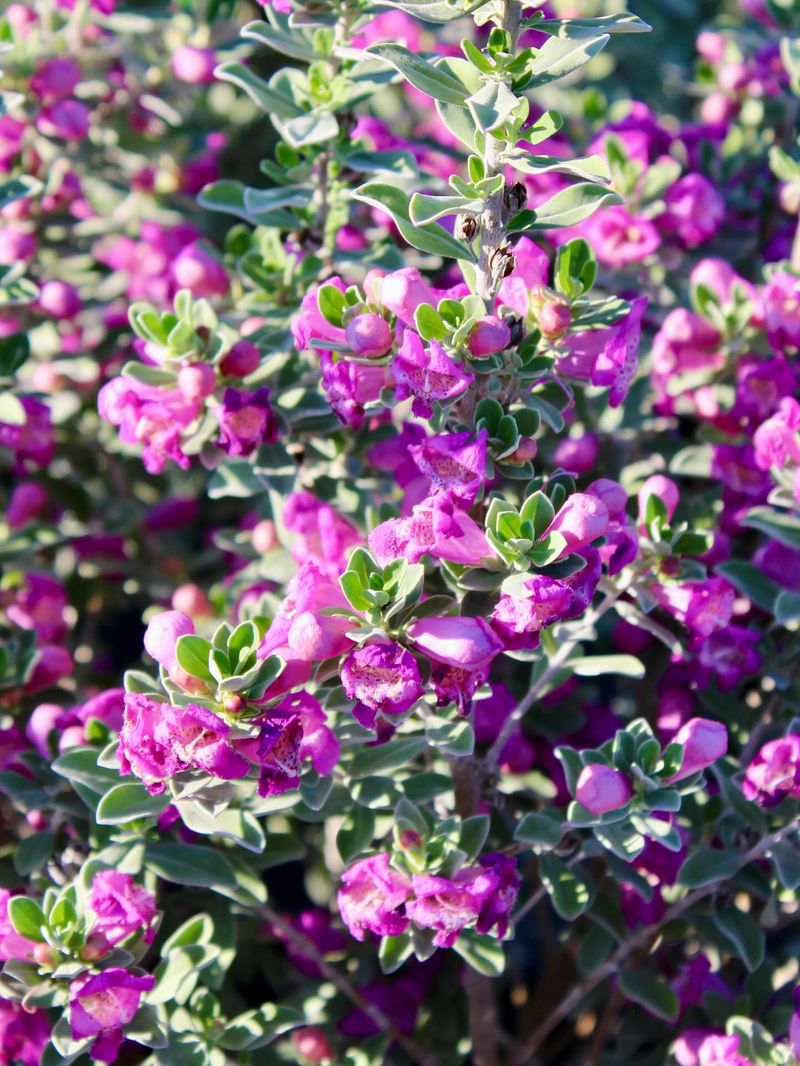
Silvery leaves and bursts of purple flowers make Texas Sage a showstopper in any yard. Gardeners often call it a barometer plant because it blooms after rain or humidity rolls in.
Fall planting suits this native beauty perfectly. The cooler months let its roots dig deep without battling summer scorch.
By the time hot weather returns, the shrub stands ready to shrug off heat and drought like a champ.
You will love how little water it needs once settled. In fact, too much moisture can cause trouble, so plant it in soil that drains fast. A sunny spot works best, and it even handles rocky ground that other plants refuse.
Depending on the cultivar, Texas Sage can grow about three to eight feet tall and wide. That size makes it great for hedges, borders, or a single accent piece. Trimming is optional, though a light shaping in late winter keeps it tidy.
One reason this shrub earns its keep is the wildlife it attracts. Bees and butterflies flock to the blooms, adding gentle movement to your garden.
When you plant in fall, water it a few times to help roots take hold. After that, nature does most of the work. Skip heavy fertilizer, since this tough plant prefers lean soil.
Give Texas Sage room to breathe and plenty of sunshine, and it rewards you for years. Its low needs and high color make it a favorite across the state.
For anyone new to gardening, this hardy shrub offers an easy, forgiving start with big visual payoff.
2. Flame Acanthus
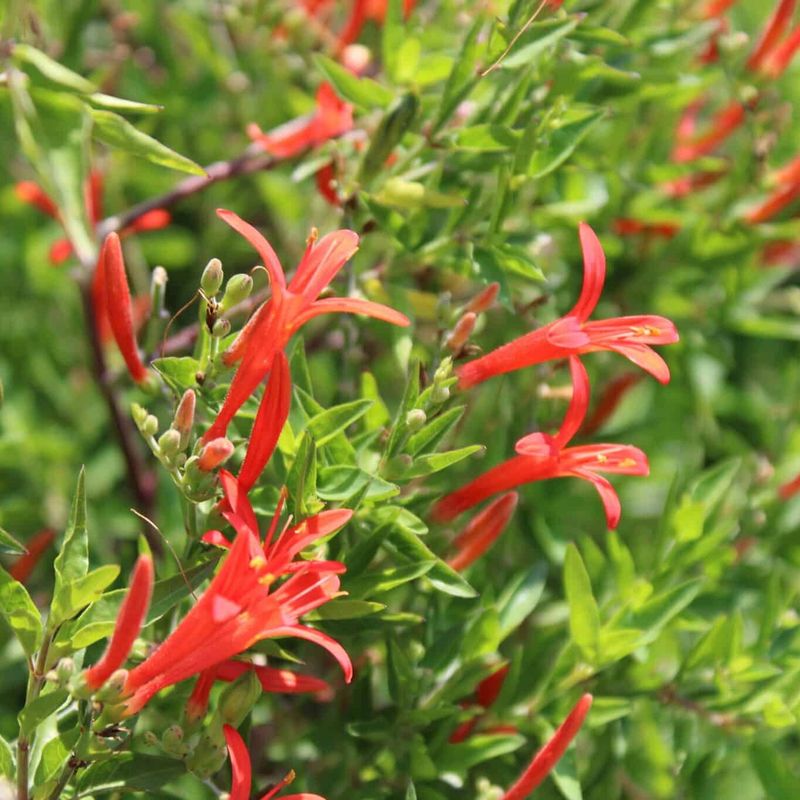
Hummingbirds treat Flame Acanthus like their own private diner. Its slim orange-red flowers seem built just for their long beaks, and the show lasts from summer into fall.
Getting this shrub in the ground during autumn pays off big. Roots spread through cool, moist soil and settle in before the next growing season.
The result is a plant that bounces back strong each spring with barely any help.
Native to Central and West Texas, Flame Acanthus loves the sun and laughs at dry spells. Once established, it handles poor soil and long stretches without rain. That toughness makes it a dream for busy or forgetful gardeners.
Your Texas Garden Changes Every Week. Your Plan Should Too.
Gardening in Texas changes quickly throughout the season. Every Friday you’ll receive a simple weekly plan showing exactly what to plant, prune, fertilize, harvest, and protect so you never miss the right timing.
Expect a loose, airy shape that reaches around three feet tall. It can look a little wild, which many folks find charming in a natural garden. If you prefer neatness, a quick trim in late winter tidies things up nicely.
The blooms are the real star, glowing like tiny flames against green leaves. Butterflies join the hummingbirds, turning your yard into a busy pollinator hotspot.
After fall planting, give it steady water for the first few weeks. Once roots grab hold, you can ease way back on the hose. This shrub actually prefers being left alone rather than pampered.
Plant Flame Acanthus near a patio or window where you can watch the visitors it draws. Its long bloom season and easygoing habits make it worth every inch of space.
For gardeners who want life and color with minimal effort, this native gem delivers again and again.
3. Dwarf Yaupon Holly
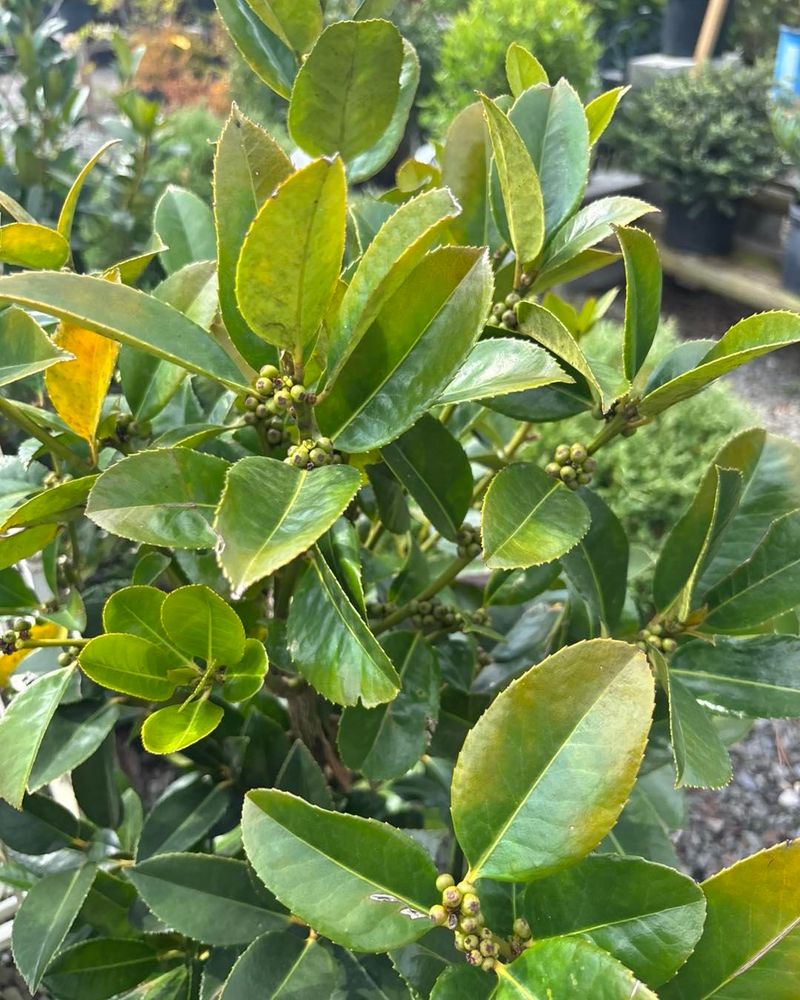
Neat, rounded, and reliable, Dwarf Yaupon Holly is the little green cushion of the shrub world. It keeps its shape with almost no fuss, which is why landscapers plant it everywhere.
Fall is the ideal time to add this evergreen to your beds. Cool weather helps roots grow while the top of the plant rests. Come spring, it wakes up ready to fill in fast and look full.
This Texas native handles both sun and part shade, so tricky spots are no problem. It tolerates clay, sand, and even a bit of soggy ground now and then. Few shrubs adapt so easily to different yards.
Because it stays small, usually around three feet, it works great for edging walkways and framing flower beds. You can shear it into tidy globes or let it grow soft and natural. Either way, it looks sharp all year.
Birds appreciate the shelter its dense branches provide. The tiny leaves stay green through winter, giving your garden structure when other plants fade.
Watering after fall planting helps the roots settle before cold nights. Once it is established, this holly needs very little extra care or moisture. A yearly trim keeps it looking crisp, though it is not required.
Dwarf Yaupon Holly pairs beautifully with colorful bloomers, acting as a calm green backdrop. Its steady nature makes it a smart pick for foundation plantings around your home.
For anyone who wants dependable greenery that thrives with little attention, this compact shrub is a rock-solid choice season after season.
4. Autumn Sage (Salvia Greggii)
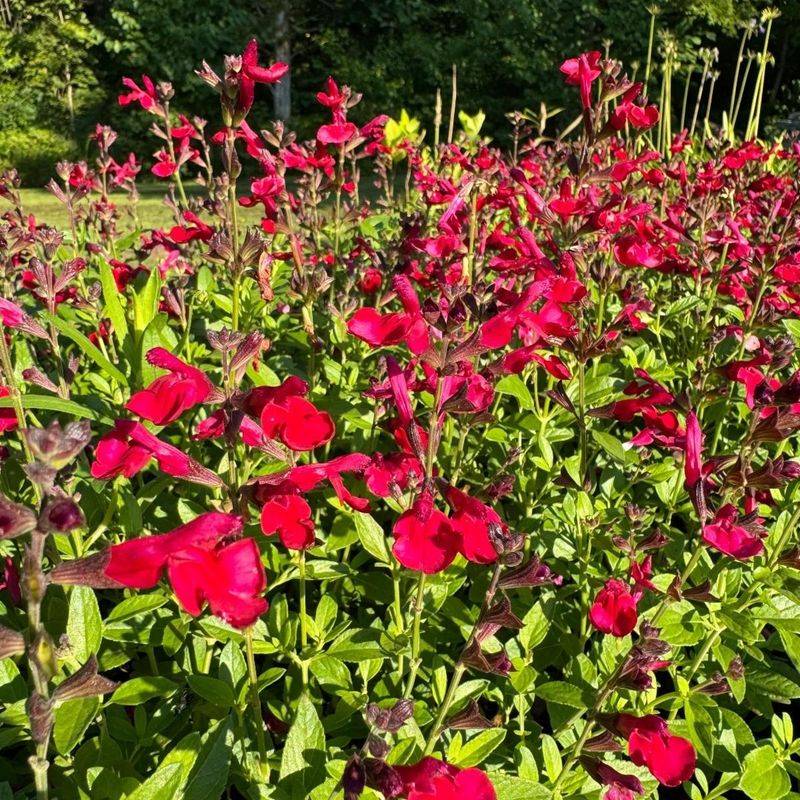
Do not let the name fool you, because Autumn Sage blooms for much of the year. Still, its fall show is spectacular, with flowers in red, pink, coral, and white.
Planting it in autumn gives this shrub a smooth transition into your garden. The mild weather lets roots stretch out while the plant keeps flowering. That combination sets it up for a strong, blossom-filled future.
Native to Texas and Mexico, Salvia greggii thrives in heat and shrugs off drought once settled. It wants full sun and soil that drains well, nothing fancy or rich. Overwatering is one of the few things it dislikes.
The shrub stays compact, usually two to three feet tall, making it easy to fit almost anywhere. Its many blooms act like magnets for hummingbirds and butterflies. Your yard will hum with gentle activity all season long.
A light trim after heavy blooming keeps the plant bushy and encourages fresh flowers. Come late winter, cutting it back harder refreshes the whole shrub. It responds to this care with vigorous new growth.
After fall planting, water it regularly for a few weeks to help roots grip the soil. Once anchored, it becomes wonderfully low maintenance and forgiving of neglect.
Autumn Sage works well in mixed borders, containers, or mass plantings for a river of color. Its long bloom time and toughness make it a garden workhorse.
For gardeners wanting steady flowers without steady effort, this cheerful native shrub earns a spot in nearly any Texas landscape.
5. Texas Barberry
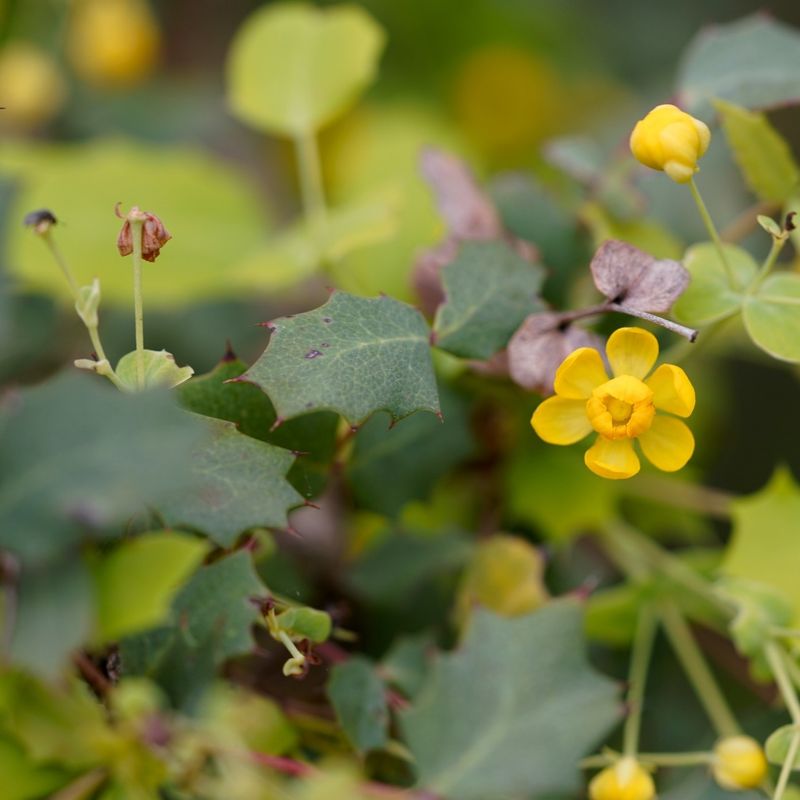
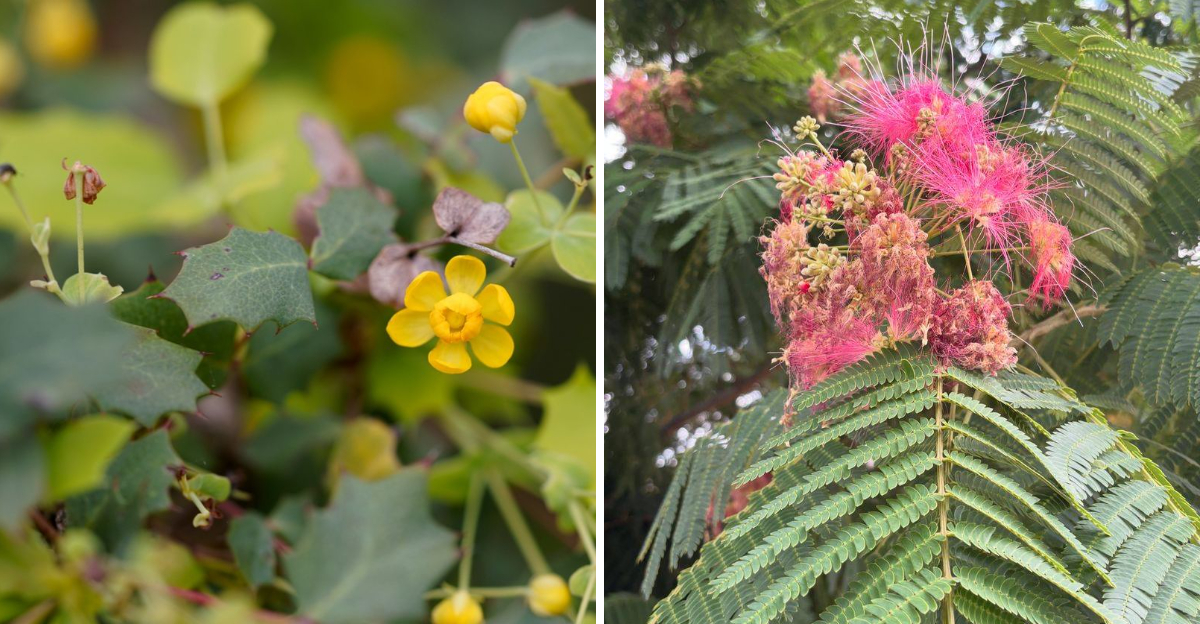
Tough as nails and rare in the wild, Texas Barberry brings a bold, spiky texture to gardens. Its holly-like leaves have a blue-green tint that stands out among softer plants.
Autumn planting suits this rugged shrub because it wants a calm start. Roots settle into cool soil without the stress of blazing sun. By spring, the plant is anchored and ready to grow.
Found naturally in the rocky hills of West Texas, this barberry loves dry, sunny spots. It handles poor, gravelly soil that would frustrate many other shrubs. Drought barely fazes it once it is established.
Small yellow flowers appear in spring, later giving way to dark berries that birds enjoy. The spiny leaves also make it a handy natural barrier along fences or property lines.
Expect a slow, steady grower that reaches around three to five feet over time. Patience pays off, since it rarely needs pruning or fussing. Its neat, layered look keeps the garden interesting through every season.
Water it during the first few weeks after fall planting to help roots take hold. After that, this shrub practically takes care of itself, needing little more than sunshine.
Because it is somewhat uncommon, planting Texas Barberry adds a special touch to your yard. It supports local wildlife and celebrates the state’s native flora at the same time.
Pair it with other drought-loving plants for a low-water landscape that still looks lush. For gardeners who want something unusual, hardy, and truly Texan, this spiky standout is a rewarding and memorable choice.
6. Fragrant Mimosa
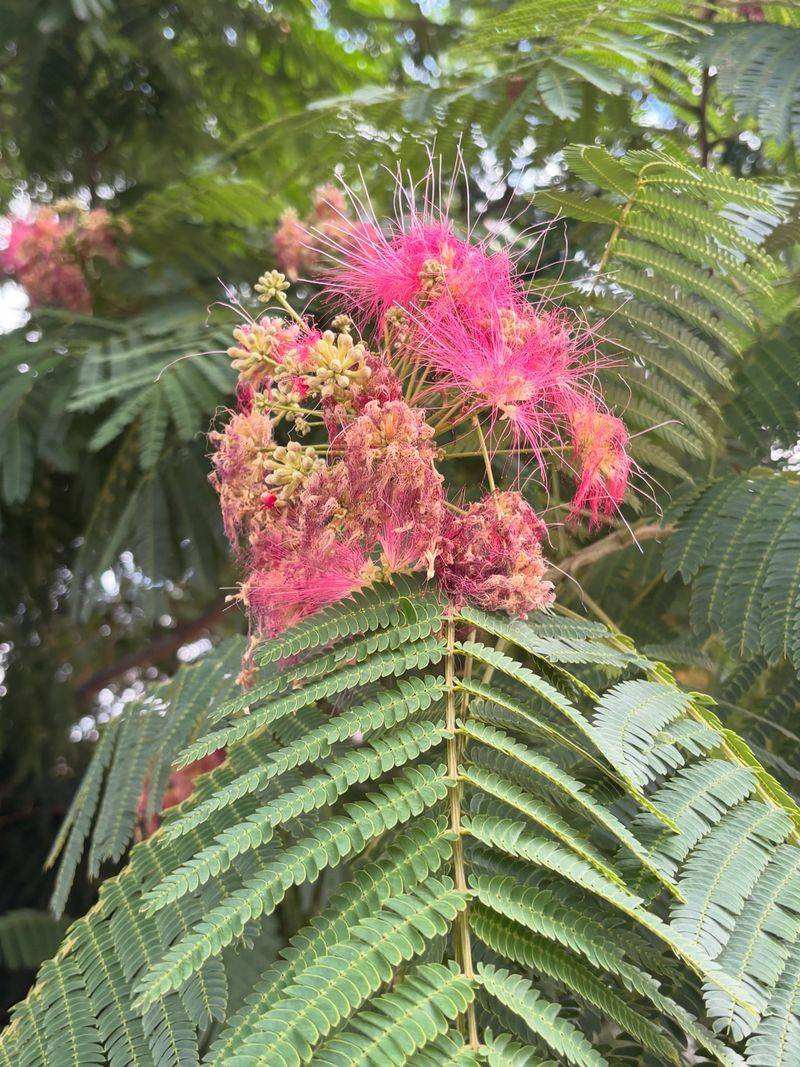
Fluffy pink puffballs and a sweet scent make Fragrant Mimosa a delightful surprise in the garden. Bees and butterflies adore its soft, round blooms.
This native shrub really appreciates a fall start. Cooler months let roots grow deep while the plant conserves energy. That preparation helps it burst into bloom when warm weather returns.
Growing wild across Central and West Texas, Fragrant Mimosa thrives in heat and dry conditions. It asks for full sun and soil that drains easily, nothing more. Once settled, it rarely needs watering at all.
The delicate, fern-like leaves fold up when touched, which kids find fascinating. Small thorns line the branches, so give it space away from busy walkways. Those thorns also make it a decent living fence.
Expect a rounded, spreading shrub that can reach roughly six to eight feet tall, with considerable variation in spread. A light trim keeps it manageable, though it looks lovely left a bit wild.
Its low needs make it perfect for relaxed gardeners. After the pink blooms fade, small seed pods form and feed local wildlife. The plant drops its leaves in winter, then leafs out fresh each spring.
Give it a few weeks of regular water after fall planting so roots can grip the soil. After that, ease off and let this drought lover do its thing.
Fragrant Mimosa fits beautifully into pollinator gardens and native landscapes. Its charming flowers and sweet smell draw people and insects alike.
For anyone wanting a soft, fragrant, and truly local shrub, this cheerful bloomer is hard to beat.
7. Turk’s Cap
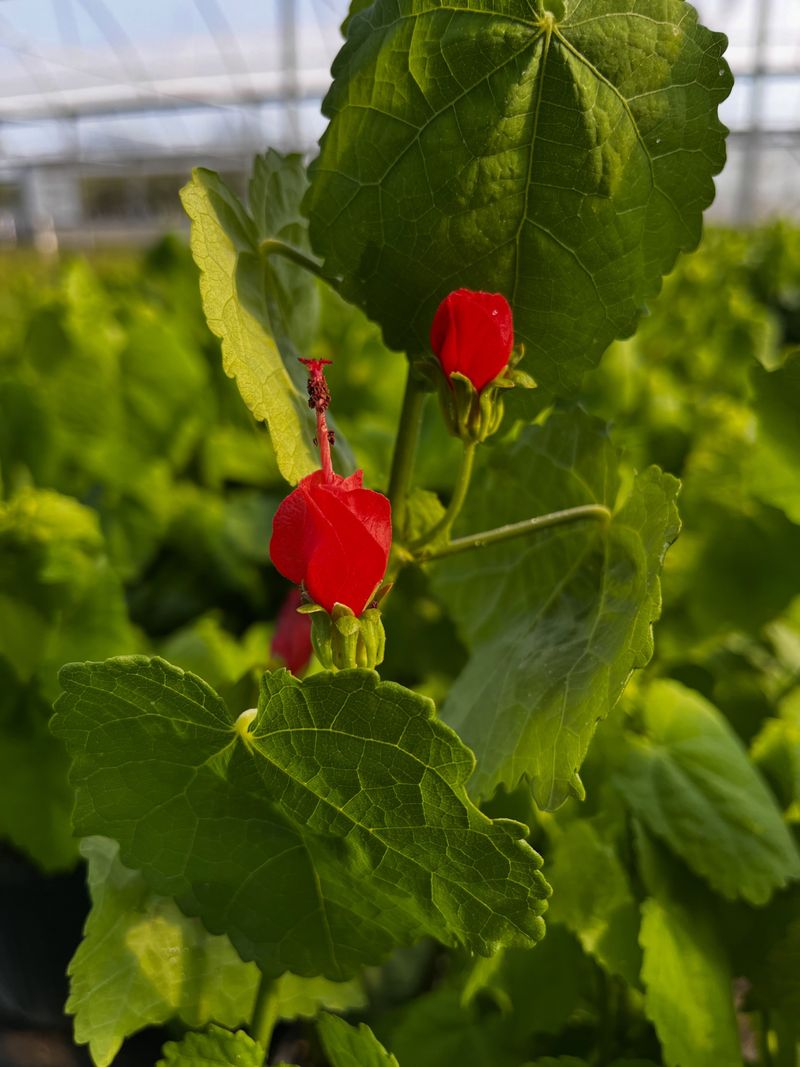
Bright red flowers that never quite open give Turk’s Cap its quirky charm. Each bloom twists like a little turban, hence the fun name.
Fall planting sets this shade-friendly shrub up for success. Roots spread in the cool soil while the plant takes a gentle rest. When spring arrives, it grows quickly and blooms for months.
Unlike many shrubs on this list, Turk’s Cap actually enjoys shade and part sun. That makes it a lifesaver for those tricky spots under trees. It also tolerates a wide range of soils without complaint.
Hummingbirds cannot resist those curled red flowers, and butterflies stop by too. Later, small red fruits appear that birds happily gobble up. Some folks even eat the mild, apple-like berries.
The shrub grows soft and full, often reaching two to four feet in gardens. Its large green leaves add a lush, tropical feel to shady corners. A trim in late winter keeps it bushy and neat.
Water it well during the first weeks after fall planting to help roots establish. Once settled, it handles both dry spells and occasional wet ground with ease.
Turk’s Cap spreads slowly over time, filling in bare areas nicely. If it wanders too far, digging out extra shoots is simple. This easygoing habit makes it forgiving for beginners.
Plant it where you can watch hummingbirds visit throughout the warm months. Its long bloom season, wildlife appeal, and love of shade make it a standout. For a colorful, low-fuss shrub in dim spots, Turk’s Cap truly shines.