Popular Landscaping Plants That Could Be Attracting More Scorpions To Your Texas Yard
Most Texas homeowners dealing with scorpions focus on sealing the house, removing wood piles, and keeping the perimeter treated, all reasonable steps that address part of the problem.
What rarely gets examined is the landscaping itself, and whether the plants growing around the yard are actively making the situation worse.
Scorpions are drawn to specific conditions, shelter at ground level, moisture, and the concentration of insects they feed on, and several of the most common Texas landscaping choices create all three without the homeowner making any connection to the scorpion sightings that follow.
Some of these plants are staples of Texas residential landscapes, showing up in yard after yard precisely because they are easy to maintain and look good year-round.
The same qualities that make them popular in the nursery also make them ideal scorpion habitat, and that is a trade-off worth understanding before the next planting season gets underway.
1. Lantana
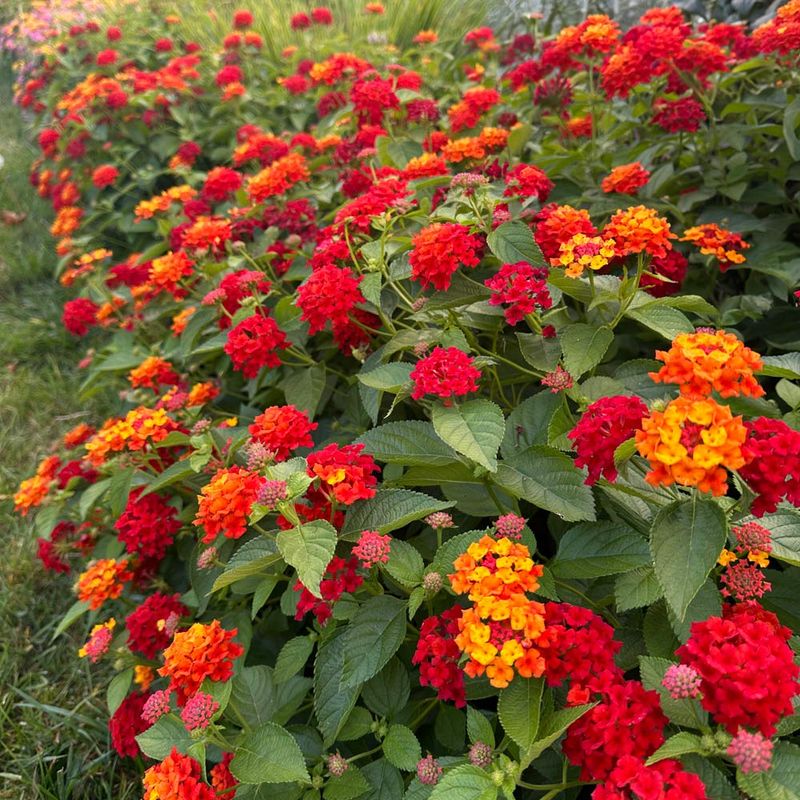
Walk through almost any Texas neighborhood and you will spot lantana growing in flower beds, along pathways, and spilling over garden borders. It is one of the most popular landscaping plants in the state, and for good reason.
Lantana is tough, colorful, and drought-tolerant, making it a favorite for busy homeowners who want big curb appeal without a lot of work.
But here is something many people do not realize: that same dense, low-growing foliage that makes lantana look so lush is also exactly what scorpions are looking for.
The thick mat of leaves sits close to the ground, creating cool, shaded pockets that scorpions use to shelter during the blazing Texas afternoons.
Scorpions are nocturnal hunters, so they spend the daytime resting in dark, moist spots, and lantana patches check every box on their list.
Flower beds filled with lantana also tend to attract insects, which are a primary food source for scorpions. More bugs mean more scorpions showing up to hunt. It becomes a bit of a chain reaction that starts with one pretty plant.
You do not have to remove your lantana entirely to reduce the risk. Trimming it regularly so it does not grow into a thick, sprawling mass makes a big difference.
Keep lantana pulled back at least a foot from your home’s foundation and walls. Remove old, dry stems and leaf debris from underneath the plant, since that organic matter piles up and creates even more hiding spots.
A well-maintained lantana can still be a beautiful, scorpion-discouraging addition to your yard.
2. Texas Sage
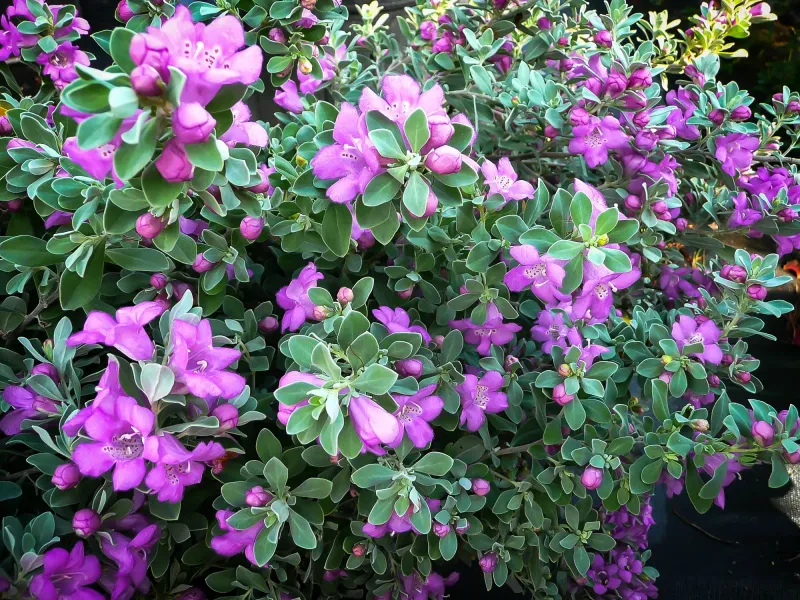
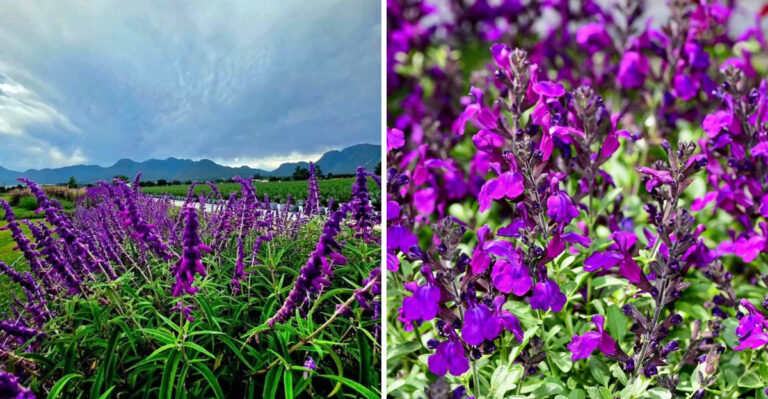
Texas Sage, sometimes called purple sage or cenizo, is practically a symbol of Texas landscaping. Its silvery-green leaves and bursts of purple blooms after summer rains make it a go-to choice for low-water gardens across the state.
Homeowners love planting it along fences, near foundations, and as natural privacy hedges because it grows full and thick over time.
That fullness, though, is a double-edged situation when it comes to scorpions. A mature Texas Sage shrub can grow quite dense and wide, creating a shadowy interior that stays noticeably cooler than the surrounding air.
Your Texas Garden Changes Every Week. Your Plan Should Too.
Gardening in Texas changes quickly throughout the season. Every Friday you’ll receive a simple weekly plan showing exactly what to plant, prune, fertilize, harvest, and protect so you never miss the right timing.
Scorpions gravitate toward exactly these kinds of spots. When the shrub is planted close to a home’s foundation or along a fence, it creates a direct bridge between the yard and potential entry points into your house.
Fun fact: scorpions can squeeze through gaps as small as a credit card’s width. So when a dense Texas Sage sits right against your exterior wall, it essentially gives scorpions a shaded runway leading straight to your home.
Managing this risk is not complicated. First, plant Texas Sage at least two to three feet away from your foundation rather than right up against the wall.
Prune the interior branches occasionally to open up airflow and reduce that cool, dark shelter effect. Rake out any leaf litter and debris that collects underneath the shrub.
Also check the ground beneath the plant regularly, especially after rains, when scorpion activity tends to spike. Small changes in placement and maintenance go a long way toward making your Texas Sage less of a scorpion magnet.
3. Rosemary
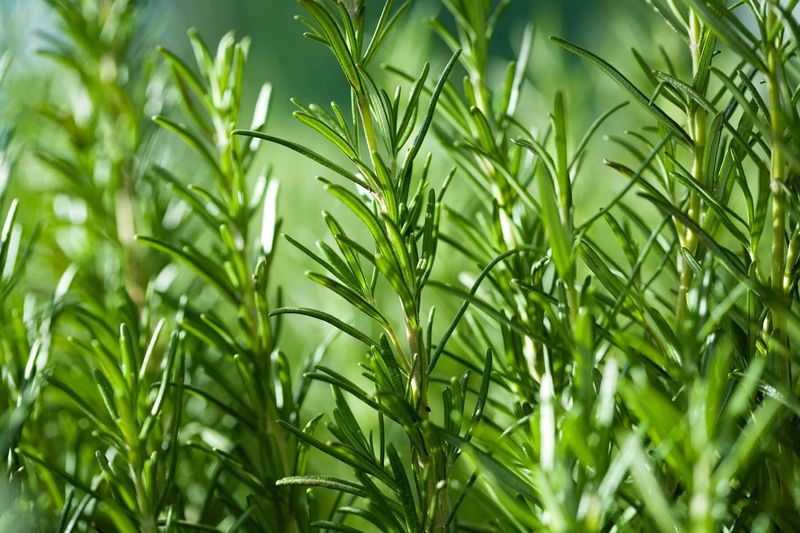
Most people think of rosemary as something that belongs in the kitchen, but in Texas it doubles as a tough, fragrant landscaping plant that thrives in the heat.
Gardeners plant it along walkways, in raised beds, and as low borders around patios. It smells wonderful, repels some insects, and stays green year-round. What is not to love?
Well, scorpions might actually love it quite a bit. Rosemary grows into a woody, bushy shape with dense branches that layer over each other and create a surprisingly shaded interior.
At the ground level, the thick stems and accumulated leaf debris form a cool, sheltered zone that scorpions find very comfortable. Unlike some plants that sit loosely on the soil, rosemary tends to trap moisture and organic matter underneath, which also attracts the insects scorpions feed on.
Another thing worth knowing is that rosemary planted in clusters or long hedge rows creates an even more inviting environment. The longer and denser the planting, the more interior shade and ground-level cover it produces.
This is especially risky when those hedge rows run along the side of your house or along a back patio wall.
Keeping rosemary well-trimmed is the most effective strategy. Prune the lower branches so there is open space between the bottom of the plant and the ground.
This reduces the sheltered hiding area significantly. Clear out any dry wood, since old woody stems are particularly attractive to scorpions looking for tight crevices.
Also consider spacing rosemary plants farther apart so they do not merge into one continuous dense mass that creates an extended scorpion-friendly zone along your garden bed.
4. Bougainvillea
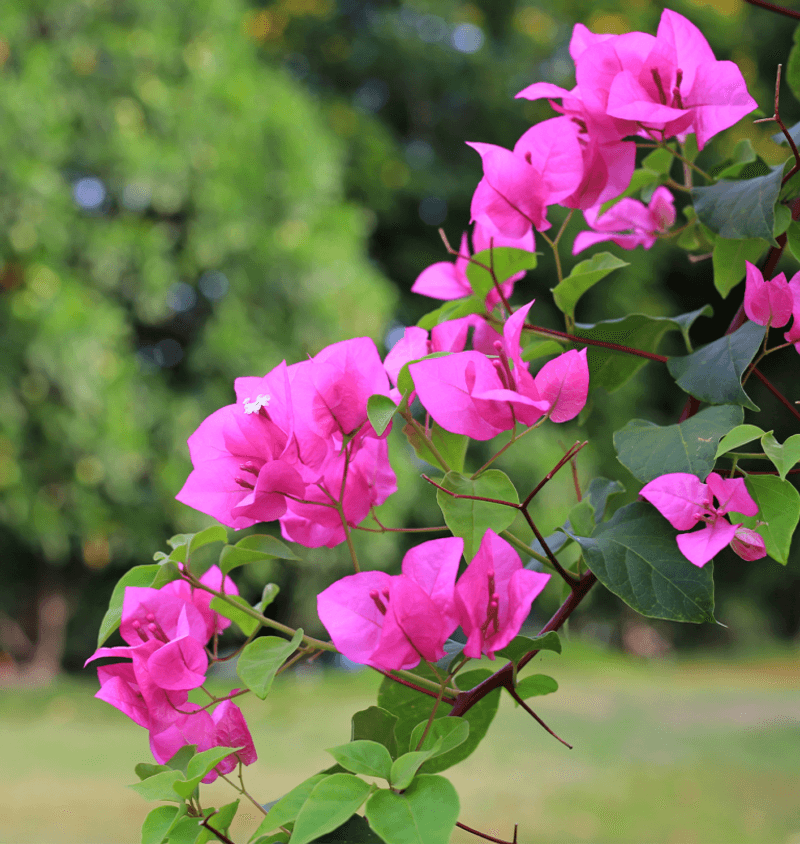
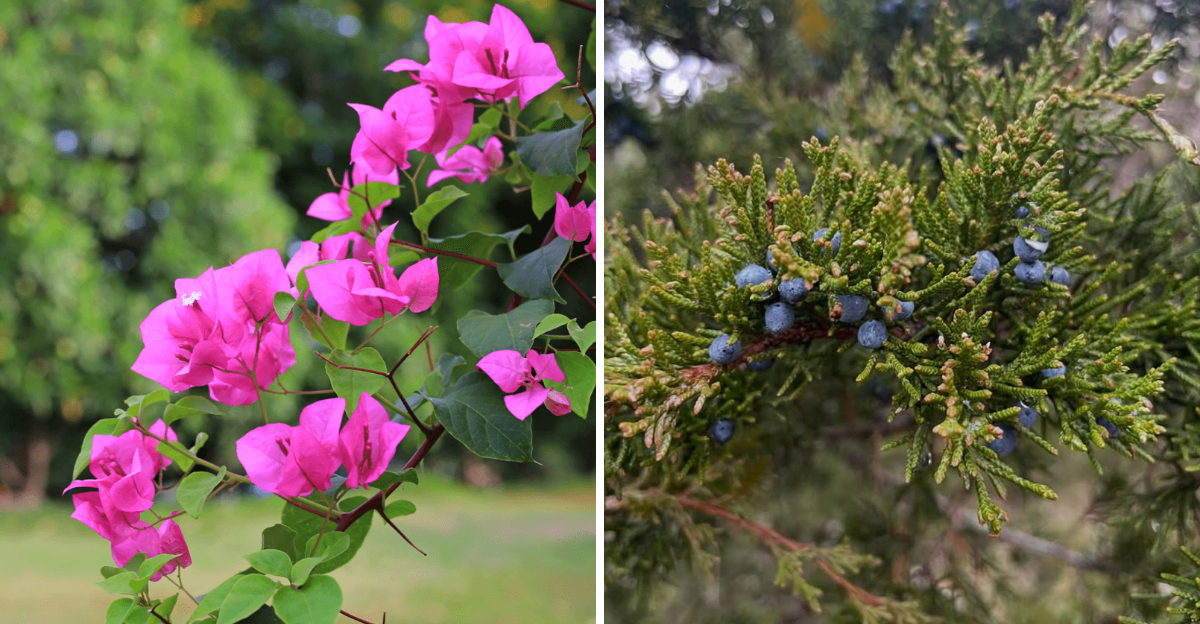
Few plants make a Texas yard look as dramatic as bougainvillea. Those brilliant bursts of pink, orange, red, and purple bracts cascading over fences and trellises are genuinely stunning.
It is one of those plants that makes neighbors slow down for a second look. Bougainvillea is also incredibly hardy, handling Texas heat with ease and blooming repeatedly through the growing season.
Here is the part that might surprise you: down at ground level, where all those thorny, twining vines pile up and tangle together, bougainvillea creates some of the most scorpion-friendly real estate in your yard.
The dense, layered base of a large bougainvillea is dark, cool, and full of tight crevices formed by the thick, woody stems.
Scorpions are drawn to exactly this kind of environment. The thorns also make it uncomfortable for predators and people to reach in and disturb the area, giving scorpions an extra layer of security.
Did you know that scorpions are actually quite territorial? Once one finds a good hiding spot, it tends to return to the same location repeatedly.
A well-established bougainvillea base can become a regular scorpion hangout spot season after season.
To reduce this, train your bougainvillea upward as much as possible rather than letting it sprawl along the ground. Clear the base regularly by removing dry canes and debris that accumulate at soil level.
Wear thick gloves when working around bougainvillea, both because of the thorns and because of what might be hiding in there. Keeping the base open and airy removes much of its appeal as a scorpion shelter.
5. Agave
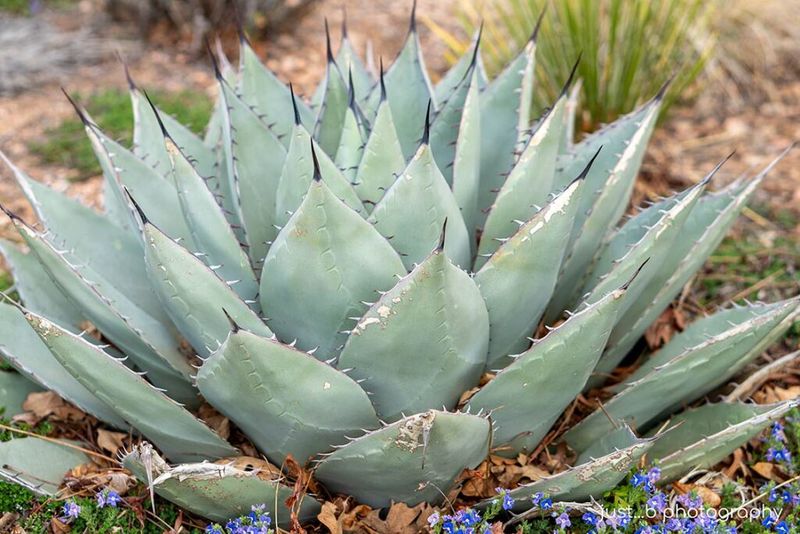
Agave is almost synonymous with Texas landscaping. Its bold, sculptural shape adds a dramatic focal point to any yard, and its extreme drought tolerance makes it practically care-free.
Many Texas homeowners plant agave as a centerpiece specimen, along driveways, or in rock gardens where it thrives with almost no attention. It is rugged, striking, and very Texan.
What most people overlook is what is happening down inside that rosette. The thick, overlapping leaves of an agave create deep pockets and crevices right at the base of the plant.
These interior spaces stay significantly cooler and more humid than the surrounding air, even on the hottest Texas days. Scorpions absolutely take advantage of this.
They tuck themselves into those leaf pockets during the day and emerge at night to hunt. Agave also tends to collect debris like dry leaves, dirt, and organic matter in those crevices, which adds to the appeal for both scorpions and the insects they prey on.
Larger agave species with wide, sprawling rosettes create even more interior space for scorpions to occupy comfortably.
Because agave leaves are edged with sharp spines, reaching in to clean out the base is not exactly easy or pleasant. Use a long-handled tool to carefully remove debris from the interior of the rosette a few times each year.
Wearing thick leather gloves is a must. If agave is planted near your home’s entry points or along pathways where people walk barefoot, consider relocating it to a less trafficked area of the yard.
Placing a layer of coarse gravel around the base can also make the surrounding ground less hospitable to scorpions seeking shelter.
6. Juniper
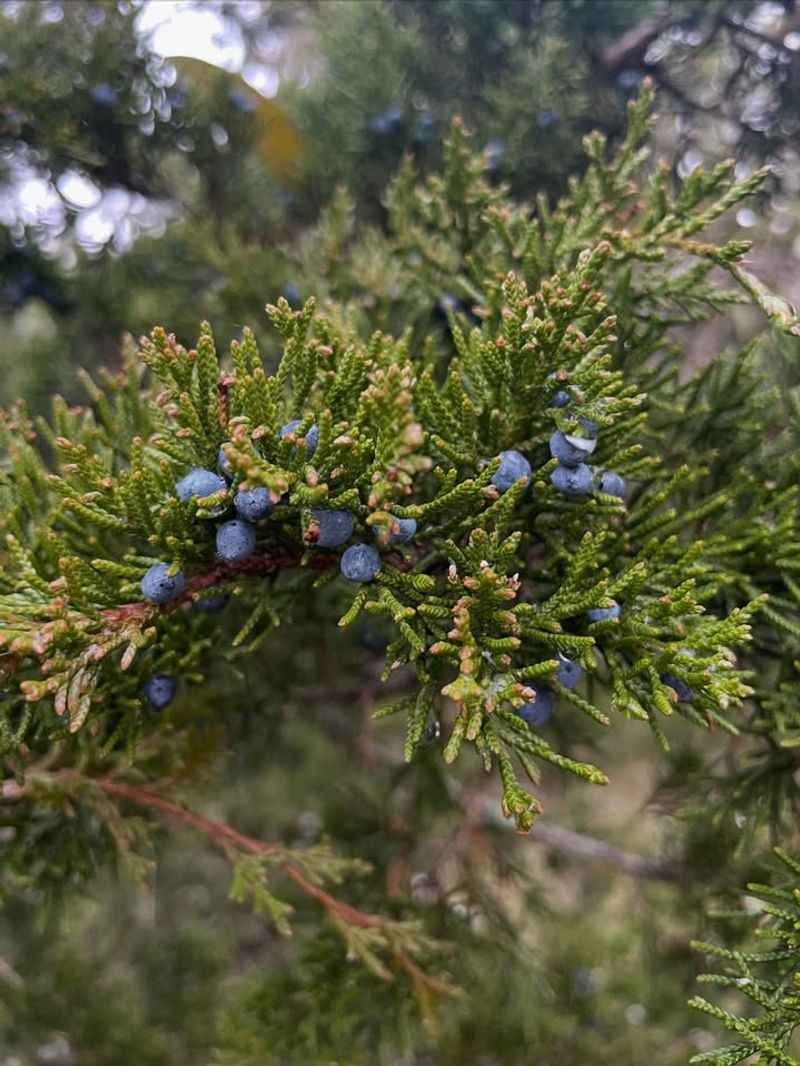
Junipers are everywhere in Texas. From sprawling ground-cover varieties to tall, columnar types used as privacy screens, juniper is one of the most widely planted evergreens in the state.
Homeowners love it for its year-round green color, low water needs, and ability to cover large areas of bare ground quickly. It is a practical, reliable landscaping staple.
Scorpions, it turns out, also appreciate juniper quite a bit. The thick, layered branches of spreading juniper varieties create a dense canopy that blocks sunlight and keeps the ground underneath noticeably cool and dark.
That shaded ground space, combined with the moisture that collects beneath the foliage, is ideal scorpion territory.
Scorpions are cold-blooded and need external sources of warmth and shade to regulate their body temperature, making the cool shadow of a juniper shrub a perfect daytime retreat.
Ground-cover junipers planted along a home’s foundation are especially concerning. They create a continuous sheltered corridor right against the wall, giving scorpions easy, protected access to any gaps or cracks that lead inside.
The interior of a mature juniper is also very difficult to inspect or clean out because of its dense branching structure.
Thinning out your junipers periodically is a smart move. Remove the lower branches so there is visible clearance between the foliage and the soil.
This opens up airflow and eliminates the cool, dark ground-level shelter that scorpions prefer. Keep junipers trimmed back from your foundation by at least two feet.
Removing any accumulated dry needles and debris from the soil beneath the plant also reduces habitat for both scorpions and the insects that draw them in.
7. Muhly Grass
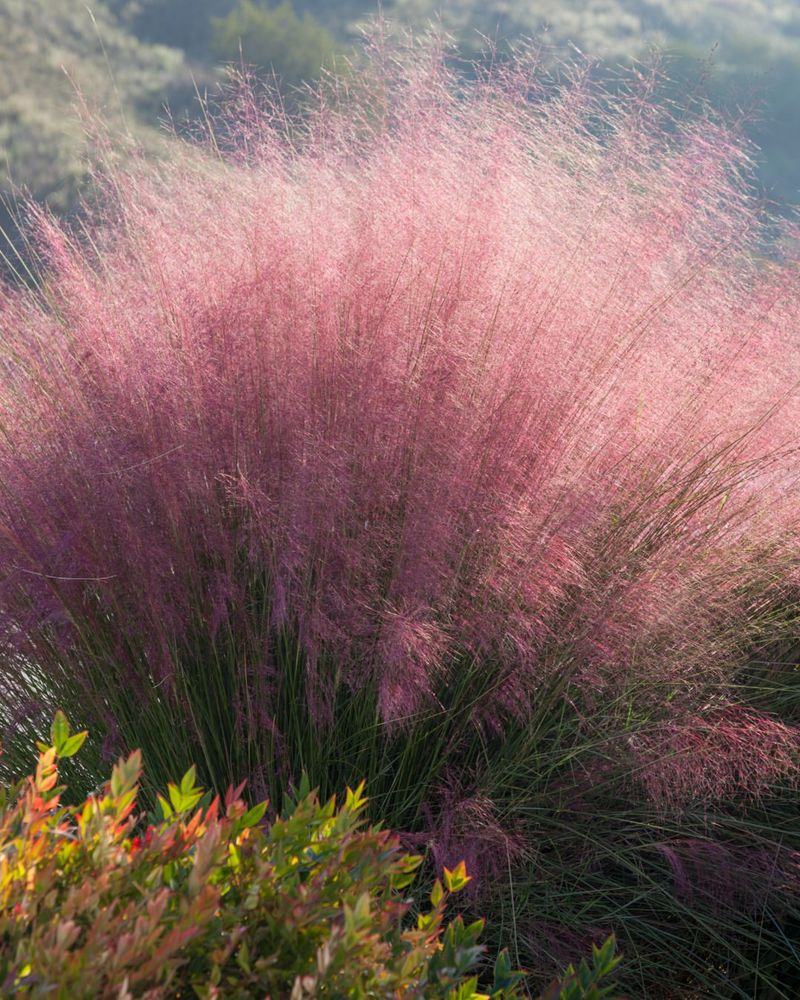
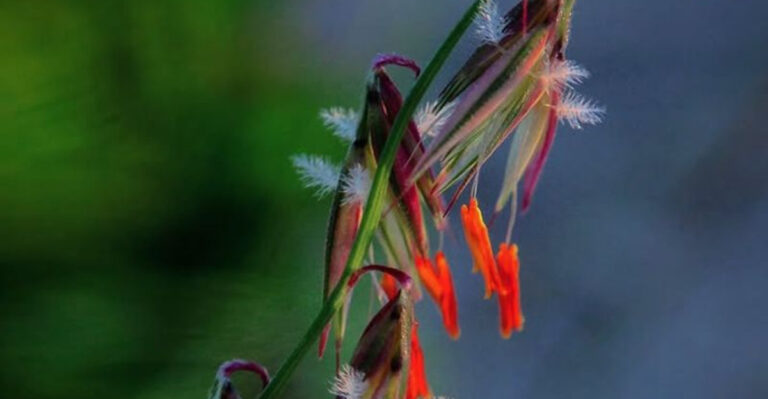
Muhly grass has become one of the trendiest landscaping plants in Texas over the past decade, and it is easy to see why. In the fall, it erupts into clouds of soft pink and purple plumes that look almost like something from a fantasy garden.
It is also native to Texas, drought-hardy, and requires very little maintenance, which makes it incredibly popular in both residential and commercial landscapes.
The base of a clumping ornamental grass, though, is a different story than its beautiful tops. Down at soil level, the thick, tightly packed stems of muhly grass and similar ornamental grasses create a dense, humid microenvironment that is surprisingly welcoming to scorpions.
The interior of a mature clump is dark, cool, and protected from the wind. Organic debris like old grass stems and shed leaves accumulates inside the clump over time, adding to its appeal as a nesting and resting spot.
Ornamental grasses planted in clusters or drifts, which is how designers typically recommend them, multiply this effect.
A large grouping of muhly grass clumps essentially creates an extended network of ground-level hiding places that scorpions can move between freely and safely.
Cutting ornamental grasses back hard once a year, usually in late winter or early spring, is the single most effective way to disrupt scorpion habitat in these plants.
Cutting them down to just a few inches above the ground removes the accumulated debris and opens up the base completely.
Rake out all the old material thoroughly after cutting. Also avoid placing ornamental grasses right along your home’s walls or near doorways, since their dense bases can serve as a launching pad for scorpions looking to move indoors.