September Is The Month To Start Moving Ohio Houseplants Back Indoors
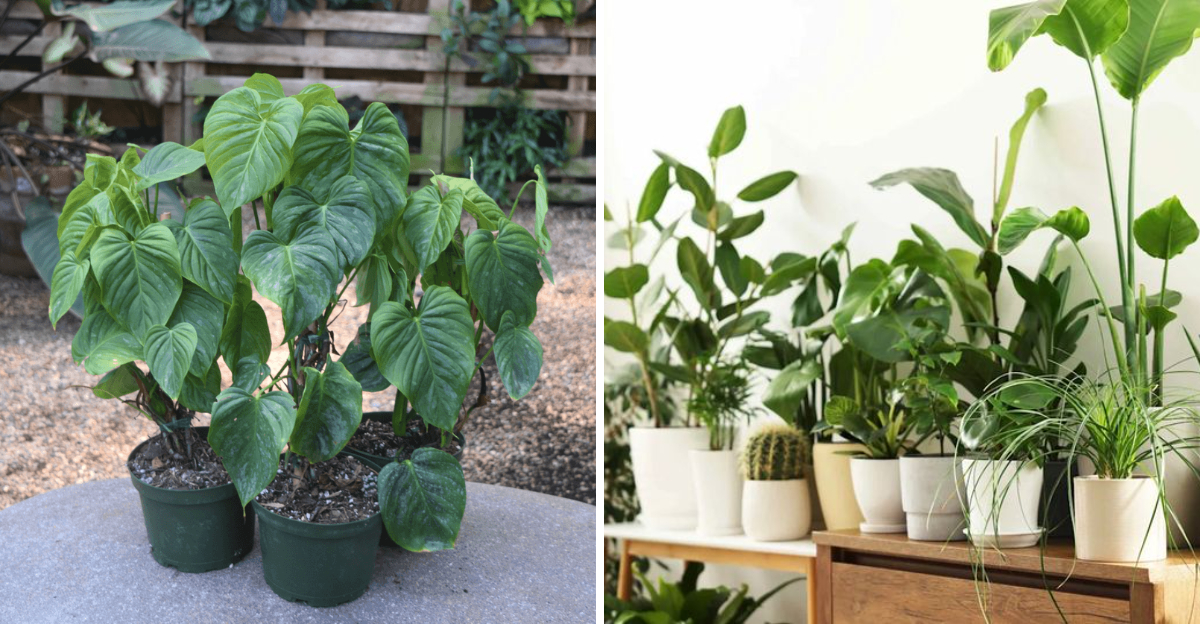
If your houseplants have been living their best life out on the porch or patio all summer, good for them. Fresh air, natural light, the whole outdoor experience: they probably look incredible right now.
But here is the thing about Ohio in September: the season shifts faster than most people expect, and houseplants that stayed out a little too long have a way of making their feelings about cold nights very clear, very quickly.
Wilting, dropping leaves, general dramatic behavior: not ideal.
The good news is that September gives gardeners a genuinely comfortable window to get ahead of all that.
Nighttime temperatures are cooling, daylight is shortening, and now is exactly the right time to inspect, clean up, and start transitioning plants back indoors before the weather makes that decision for you.
Let’s get them ready.
1. Cooler September Nights Can Signal That It Is Time To Bring Plants Inside
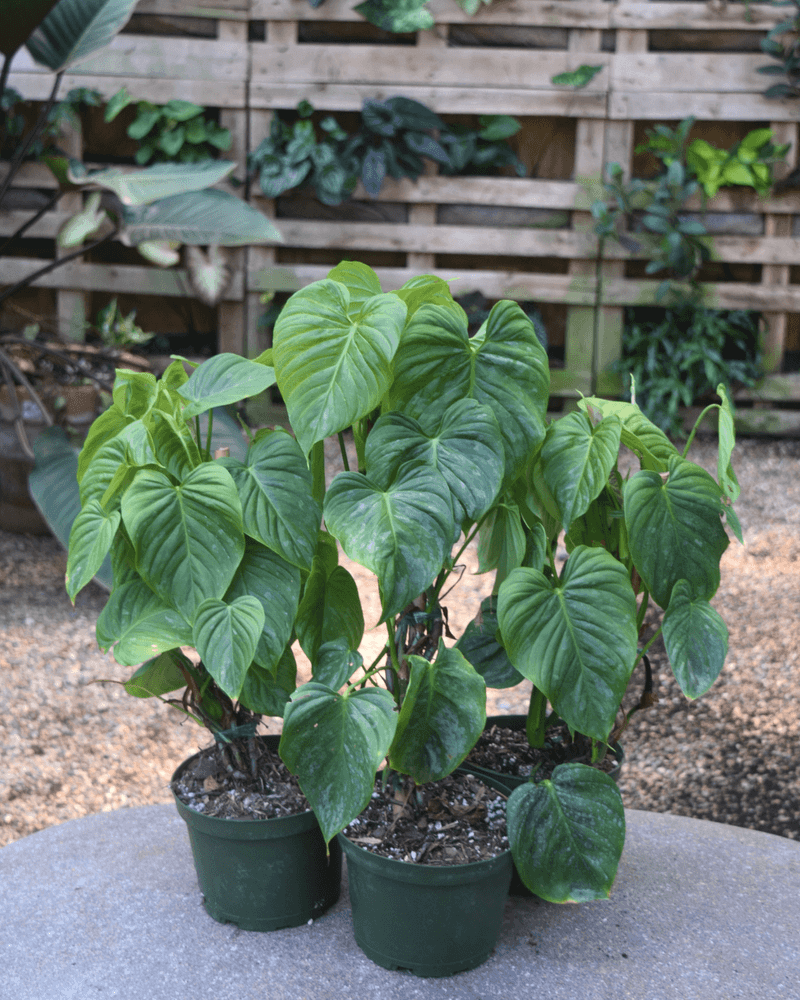
Those evenings when you step outside and reach for a jacket are also a signal worth paying attention to if you have houseplants spending the summer outdoors.
Across Ohio, September nights can cool down faster than many gardeners expect, especially in northern parts of the state where temperatures shift earlier in the season.
Central and southern Ohio may stay warmer a bit longer, but local conditions, including shade, elevation, and nearby structures, can affect temperatures in any yard.
Many tropical and tender houseplants are sensitive to cool air. Research-based horticultural guidance suggests that a number of common houseplants can begin to show stress when nighttime temperatures drop toward 55 degrees Fahrenheit.
Plants like pothos, philodendrons, and peace lilies are accustomed to warm, stable environments and may not handle prolonged cool nights well.
Checking your local forecast regularly in September is a practical habit. Rather than waiting for a dramatic temperature drop, watching for nights that are consistently cool can help you plan ahead.
Moving plants before they experience repeated exposure to cold air generally leads to a smoother transition back indoors.
The goal is not to rush every plant inside on September 1, but to stay aware of the changing conditions and act before cooler weather creates problems for temperature-sensitive plants in your collection.
2. A Gradual Transition Can Help Plants Adjust To Indoor Conditions
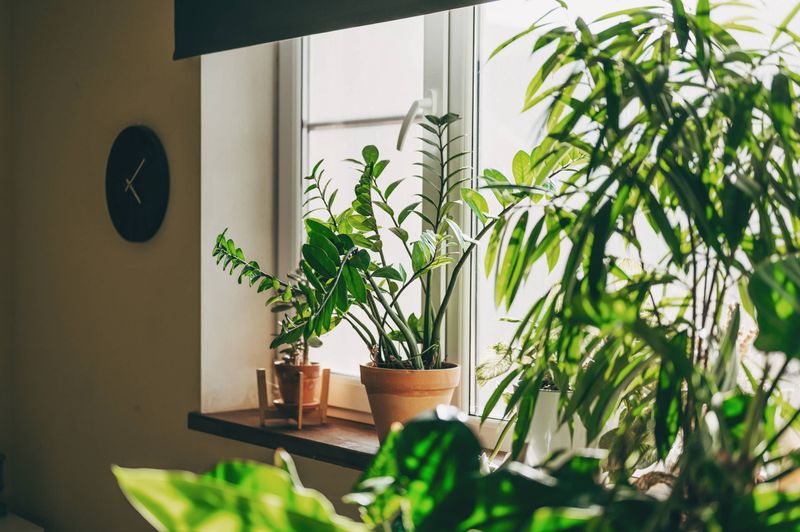
Plants that have spent months outside in bright light, moving air, and variable temperatures are stepping into a very different world when they come back indoors. The change in light intensity alone can be significant.
Outdoor light, even in a shaded spot, is generally far stronger than the light available near most windows inside a home.
On top of that, indoor air is often drier, less circulated, and more temperature-stable than the outdoor environment plants have adapted to over the summer.
A gradual transition can give plants time to adjust rather than forcing an immediate shift. One approach is to begin bringing plants indoors during the day and returning them outside in the evening for a period of time, then eventually leaving them inside full-time.
Your Ohio Garden Changes Every Week. Your Plan Should Too.
Gardening in Ohio changes quickly throughout the season. Every Friday you’ll receive a simple weekly plan showing exactly what to plant, prune, fertilize, harvest, and protect so you never miss the right timing.
Some gardeners start by moving plants to a shaded outdoor spot first, which can help reduce the light contrast before the plant enters the home.
Not every plant requires the same adjustment period. Faster-growing plants or those already in lower light outdoors may adapt more quickly than plants that spent the summer in full sun.
Paying attention to how individual plants respond, whether leaves look stressed or the plant seems to be settling in, can guide your timing better than following a fixed schedule.
Flexibility and observation tend to work better than a one-size-fits-all approach when it comes to transitioning plants back indoors in Ohio’s fall season.
3. Inspect Leaves And Soil For Pests Before Bringing Plants Indoors
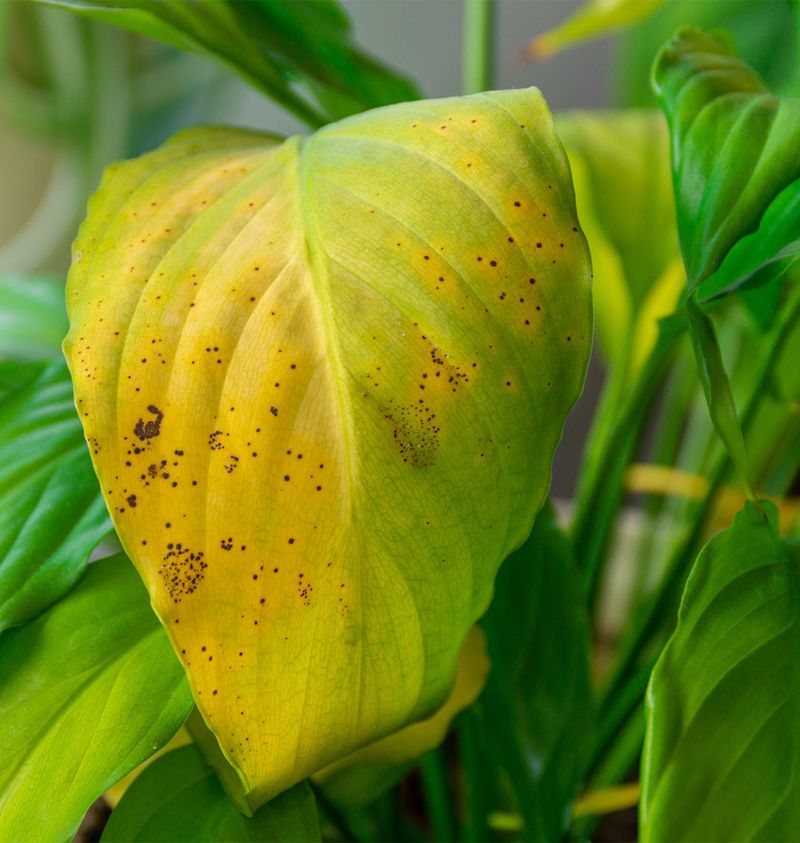
One of the most important steps before any plant crosses the threshold back into your home is a thorough inspection.
Plants that have been outside all summer have had plenty of exposure to insects and other pests that would love a warm indoor environment to settle into.
Common hitchhikers include aphids, mealybugs, whiteflies, fungus gnats, and spider mites, and some of them are small enough to be easy to overlook at a quick glance.
Good light is your best tool during inspection. Take plants to a bright spot and check the undersides of leaves, along stems, in the joints where leaves meet stems, and at the surface of the growing medium.
Soil can harbor fungus gnat larvae and other pests that are not immediately visible on the plant itself. Gently moving the top layer of potting mix and watching for any movement can reveal problems hiding below the surface.
Finding a pest does not automatically mean a plant cannot come inside. Accurate identification of the pest and the extent of the infestation helps determine whether the plant needs treatment before moving indoors.
Some minor pest issues can be addressed with a careful rinse or targeted treatment depending on the plant and pest involved.
Inspection does not guarantee a completely pest-free outcome, but it significantly reduces the chance of introducing a pest population into your indoor plant collection.
Skipping this step is a risk that experienced Ohio gardeners generally prefer to avoid.
4. Clean Plants And Pots Before They Return To The House
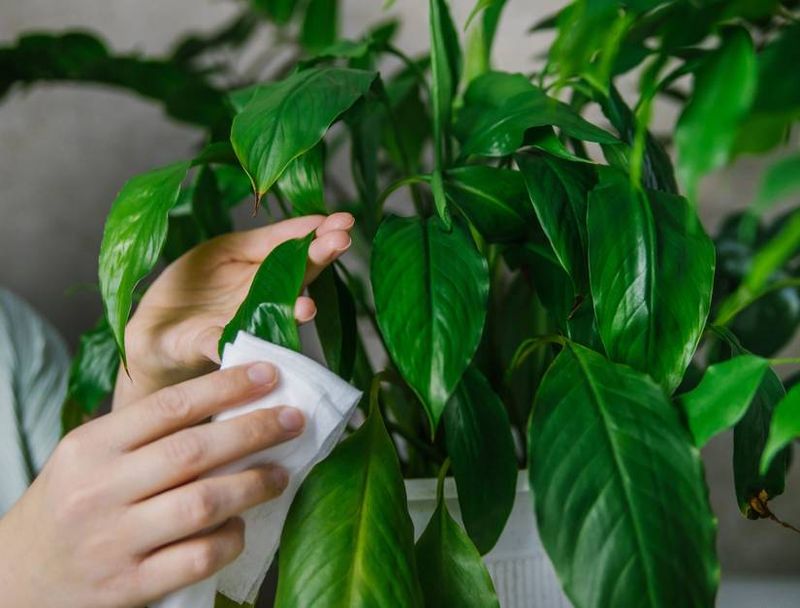
Beyond checking for pests, giving plants and their containers a good cleaning before they come indoors is a step that can make a real difference.
Outdoor plants tend to collect dust, dirt, bird droppings, cobwebs, and other debris on their leaves and pots over the course of a summer.
Bringing all of that into your home along with the plant is easy to avoid with a little preparation before moving day.
Rinsing foliage gently with water can help remove surface debris and dislodge some insects that may be clinging to leaves. For plants with larger, sturdier leaves, wiping each leaf with a soft, damp cloth can be effective.
Plants with delicate or fuzzy foliage may need a lighter touch, since some leaves do not respond well to being wet or rubbed. Knowing your plant’s sensitivities helps you clean it without causing unnecessary stress.
Pots and saucers deserve attention too. Scrubbing the outside of containers and the inside of saucers can remove algae, mineral deposits, and any insects or egg masses that may be hiding in cracks or on rough surfaces.
Replacing the top inch or two of potting mix is another option some gardeners choose, since it can reduce the number of soil-dwelling pests that make it indoors.
Clean containers also simply look better on windowsills and shelves, which is a small but satisfying bonus after a summer spent outside in the garden.
5. Indoor Light Will Be Much Different From Summer Outdoor Light
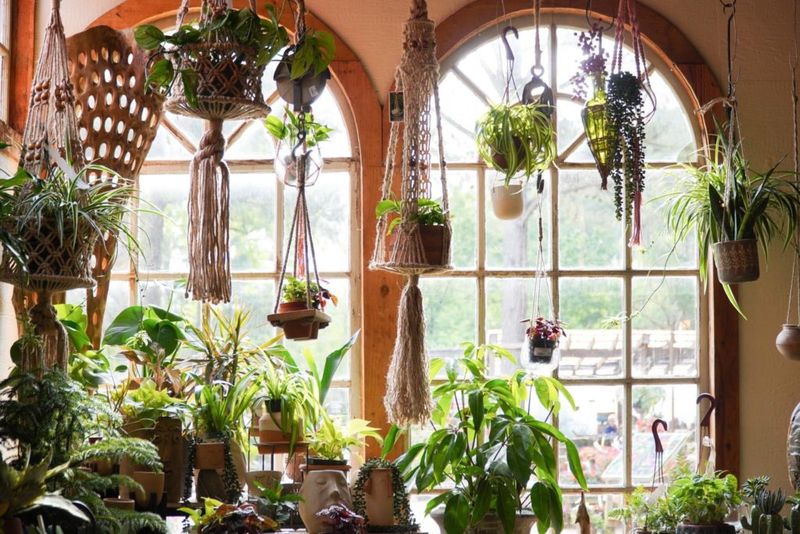
Light is one of the biggest adjustments houseplants face when they come back inside after a summer outdoors. Even a shaded porch receives far more light than most interior rooms can provide.
The intensity of outdoor light on a partly cloudy day can still exceed what reaches a plant sitting a few feet from a window inside your home. This difference can affect how a plant grows, how it uses water, and how its leaves look over time.
Plants that thrived in bright outdoor conditions may need to be placed near the brightest window available indoors, often a south- or west-facing window, to come close to meeting their light needs.
Some plants may do well near an east-facing window if their light requirements are moderate.
Others that were in deep shade outdoors may actually adjust more easily to typical indoor light levels.
Supplemental lighting is an option worth considering if natural indoor light is limited. Grow lights designed for houseplants have become more accessible and come in a range of styles, from simple bulb replacements to dedicated fixtures.
Matching light levels to a plant’s actual requirements, rather than guessing based on where the plant looks decorative, tends to produce better results.
Some plants may drop older leaves as they adjust to lower light, which is a natural response to changed conditions rather than a sign that something has gone seriously wrong.
Patience and placement adjustments can help plants find their footing indoors.
6. Watering Needs Often Change After Plants Come Indoors
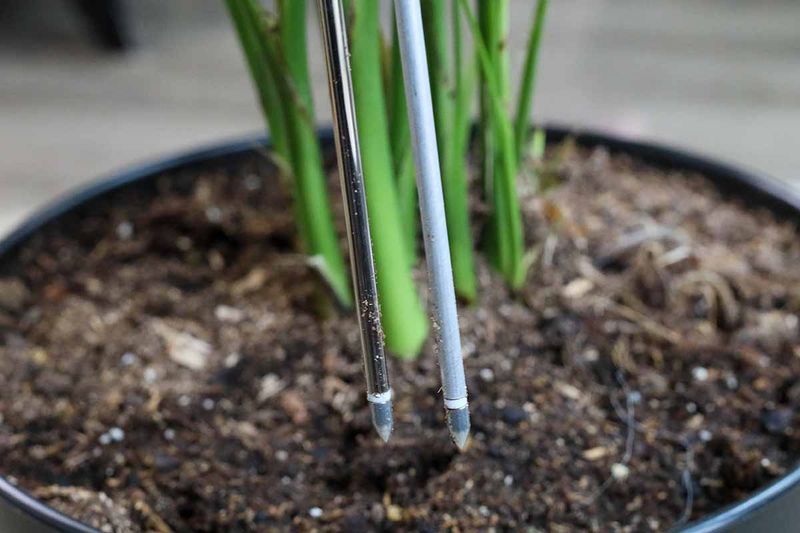
Watering is one area where many gardeners get tripped up after moving plants indoors, and it is easy to understand why. Outside during summer, heat, wind, and direct sun can dry out a pot quickly, sometimes requiring water every day or two for smaller containers.
Once that same plant is sitting in a cooler, less breezy indoor environment with reduced light, the potting mix holds moisture much longer.
Continuing the same summer watering routine indoors can lead to soggy soil conditions that many houseplants do not handle well.
The right approach is to check the growing medium before watering rather than following a fixed schedule. Sticking a finger about an inch into the potting mix gives a quick read on moisture levels.
Some plants prefer to dry out somewhat between waterings, while others like more consistent moisture. Knowing the preferences of the plants in your collection helps you water more accurately than any calendar-based routine can.
Indoor temperature, pot size, humidity levels, and light intensity all influence how quickly potting mix dries. A plant in a small clay pot near a sunny window will dry out faster than one in a large plastic pot in a dim corner.
Seasonal changes in home heating can also affect humidity and soil drying rates as fall turns to winter.
Adjusting your watering habits based on observation rather than habit is one of the most practical things Ohio gardeners can do after bringing plants back inside for the season.
7. September Is A Good Time To Prune Or Propagate Some Plants Before Moving Them Inside
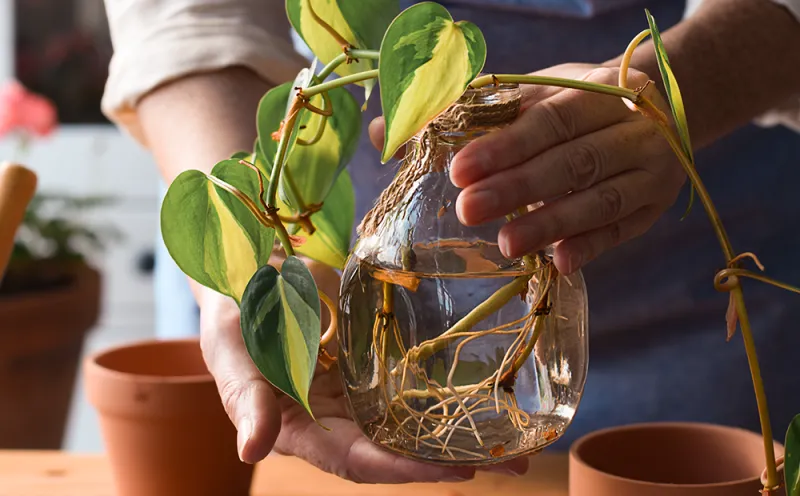
After a full summer of outdoor growth, some houseplants come back looking a little wild. Stems may have stretched out, the plant may have grown much larger than the space it will occupy indoors, or some branches may have become leggy or damaged.
September, while plants are still outside and easy to work with in good light, can be a practical time to do some light pruning before moving them in.
Trimming plants back to a more manageable size before they return indoors can make the transition easier and help them fit comfortably on a windowsill or shelf.
Plants like coleus, geraniums, and begonias are examples of species that gardeners often prune or take cuttings from in late summer or early fall, based on Extension recommendations.
Cuttings from healthy stems can be rooted to create new plants, which is a useful way to carry a favorite variety through the winter without maintaining a very large container.
Not every houseplant benefits from pruning before coming inside, and heavy pruning at the wrong time can stress certain species. Focusing on removing spent, damaged, or overly long growth rather than drastically reshaping a plant tends to be a safer approach.
If you are unsure whether a particular plant tolerates pruning well, checking a reliable horticultural source before cutting can save you from a mistake.
A few careful snips in September can set a plant up for a more compact, manageable indoor season ahead.
8. Keep Newly Returned Plants Separate While You Watch For Problems
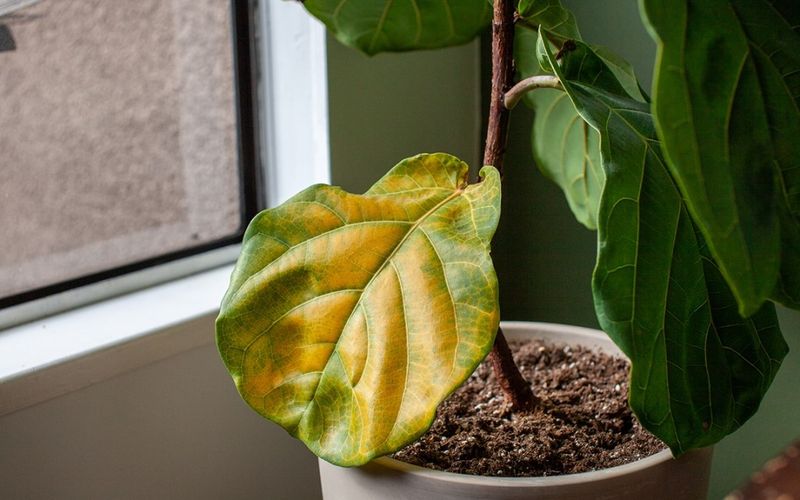
Bringing a plant back indoors after a summer outside is a bit like welcoming a traveler home after a long trip. It is wise to give them a little space and a closer look before they mingle with everyone else.
Keeping newly returned plants separate from your established indoor collection for a period of time allows you to watch for pest activity, stress symptoms, or other issues without risking spread to plants that have been thriving indoors all summer.
A spare room, a bathroom with decent light, or a section of a sunroom can work well as a temporary holding area. The goal is simply to have a place where you can observe new arrivals closely before integrating them into the rest of your indoor plant collection.
Checking them every few days for signs of insects, unusual leaf changes, or soil problems gives you the chance to catch and address issues early.
There is no single isolation period that applies to every plant or every situation.
Some Ohio gardeners watch newly returned plants for a couple of weeks, while others feel comfortable integrating plants sooner if inspection and cleaning went well and no problems appear.
The key is staying observant rather than assuming everything is fine just because a plant looks healthy at first glance.
Some pests take time to become visible in larger numbers, so a watchful eye in the first few weeks after a plant comes inside can make a meaningful difference for your entire indoor collection.
9. Tender Plants Should Come Inside Before Frost Threatens
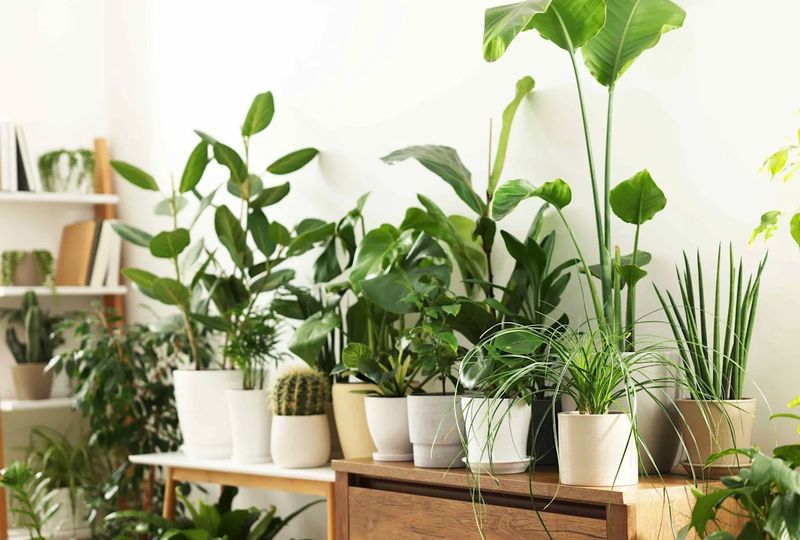
For plants that are truly frost-sensitive, the conversation about timing becomes more urgent as September moves along.
Tender tropical plants like mandevilla, elephant ears, bougainvillea, and similar species can suffer significant damage from even a brief exposure to freezing temperatures.
Waiting until the first frost is predicted and then scrambling to move plants in the dark is a stressful situation that is easy to avoid with a little planning earlier in the month.
Ohio weather varies considerably from one part of the state to another.
Northern Ohio near Lake Erie can experience frost earlier in the fall than central or southern areas of the state, though local conditions in any yard, including low spots, open fields, or elevated areas, can affect frost risk as well.
Monitoring local forecasts rather than relying solely on general calendar dates gives you the most accurate picture of when frost may become a concern in your specific location.
Tender plants that are not practical to bring indoors, whether because of size or other reasons, may need to be cut back, stored in a garage or basement, or handled differently depending on the species.
For plants that do come inside, getting them moved before frost threatens rather than after a damaging cold event gives them the best chance of recovering well and continuing to grow through the indoor season.
A little urgency in late September is far better than the alternative of dealing with cold-damaged plants once first frost has already arrived.