8 Reasons Louisiana Is Seeing A New Wave Of Mosquitoes This Late Summer
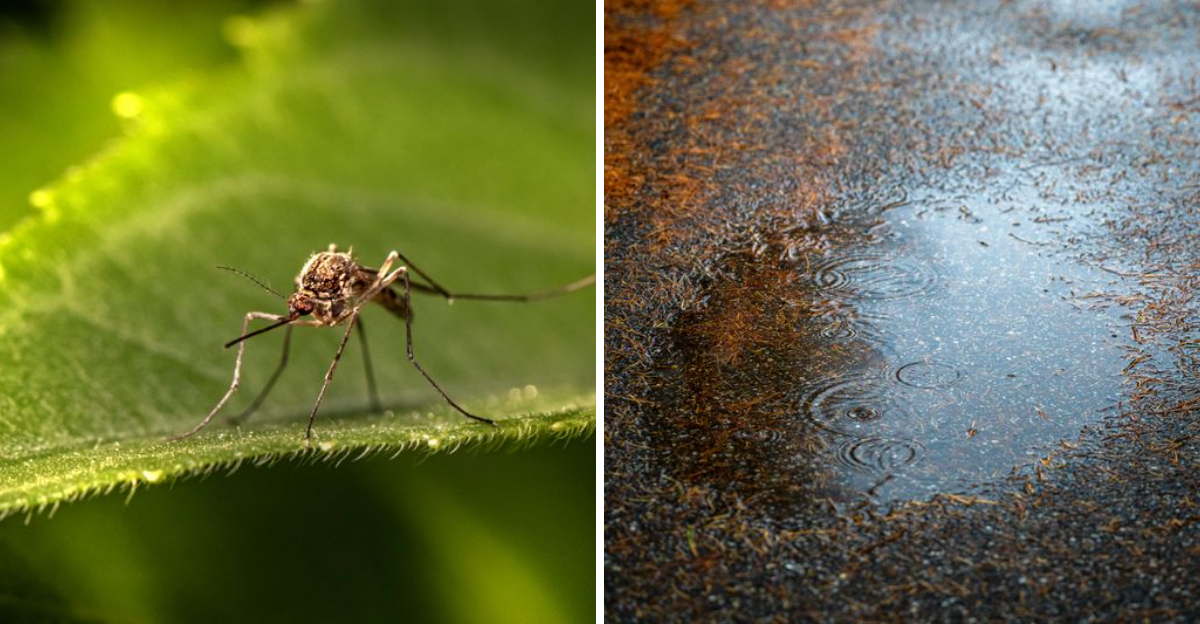
Mosquitoes have taken over your quiet evening. Louisiana feels this shift especially early in the season. Heat climbs, humidity thickens, and populations grow quickly. Rain leaves puddles that hatch fresh generations overnight.
Tides push saltwater mosquitoes deep into coastal towns. Screen doors slam shut against the hum. Citronella candles reappear across porches statewide tonight. Backyards near Shreveport feel it just as sharply.
Marsh edges near Houma turn into mosquito hotspots. Your ankles become the target this particular evening. Bites arrive quicker than you can react. Something shifts fast, and Louisiana feels it deeply.
Each porch light doubles as a mosquito magnet. Warm nights stretch longer, giving swarms more time. Standing water hides in gutters, tires, and buckets. Forgotten trash lids become hotspots within days.
Wind drops at dusk, letting mosquitoes roam freely. Dusk becomes peak activity time for females. You deserve the full story before mosquitoes take over.
1. Warm Nights Keep The Life Cycle Racing
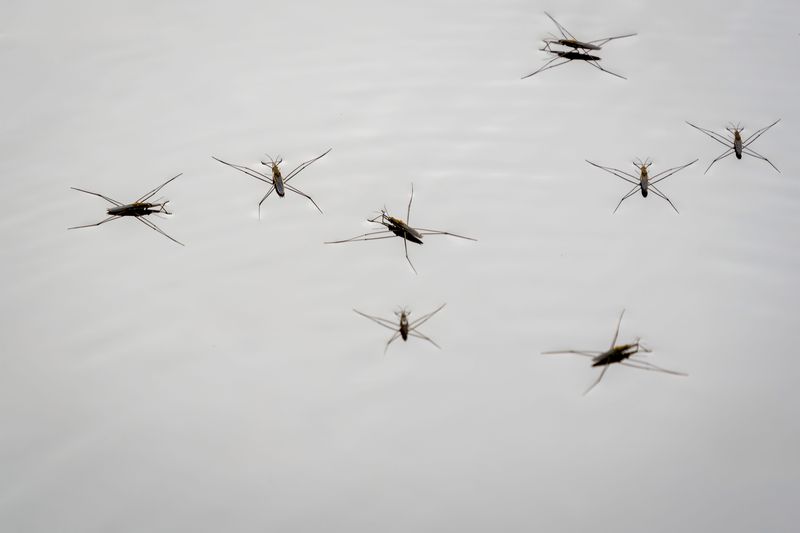
Temperature acts like a gas pedal for insect development, and Louisiana keeps that pedal pressed well past Labor Day. Humid air holds heat overnight, so soil and standing water barely cool off before sunrise.
When nighttime lows stay warm, larvae mature noticeably faster than they would in cooler weather. Shorter cycles squeeze more generations into a single month.
Warmth also stretches the active season. Coastal parishes have reported activity continuing well into fall in past seasons. Mild autumns push that window even later.
There is a health angle worth knowing. Viruses such as West Nile develop quicker inside warm insects, which is one reason state health officials watch trap counts closely in August and September.
What helps at home? Fans on the porch, since these weak fliers struggle against moving air. Long sleeves in light fabrics and repellent containing DEET, picaridin, or oil of lemon eucalyptus handle the rest.
Plan outdoor chores for mid-morning, when heat drives many species into shady rest spots. Dusk and dawn remain their most active windows, so save mowing and weeding for the middle of the day when your schedule allows.
Air conditioning helps indoors, though screens do the real work. A tear the width of a pencil is an open invitation, so patch it before company arrives.
2. Tropical Storms Leave Floodwater Behind
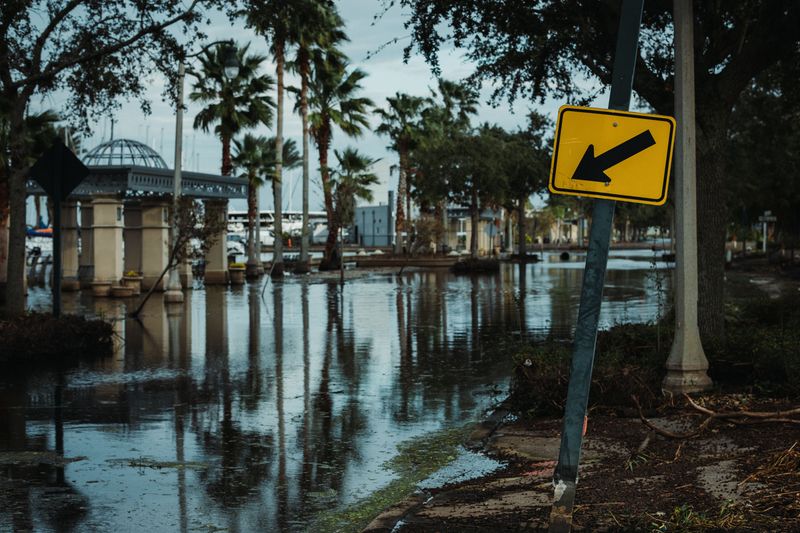
Hurricane season peaks in September, and even a storm that stays offshore can soak half the state. Days later comes a second wave: floodwater species emerging from soggy fields and ditches.
Psorophora columbiae, often called the dark rice field mosquito, is famous for these booms. Females lay eggs on damp soil, and those eggs sit tight until sheet flooding wakes them in enormous numbers.
Storm debris makes the problem stickier. Tarps, overturned buckets, boat wells, tire piles, and blocked culverts hold water for weeks after cleanup crews leave.
Power outages add another layer, since damaged screens and propped-open doors invite fliers indoors while families run generators. Control trucks also struggle on flooded roads, delaying treatments right when they are needed.
Your Louisiana Garden Changes Every Week. Your Plan Should Too.
Gardening in Louisiana changes quickly throughout the season. Every Friday you’ll receive a simple weekly plan showing exactly what to plant, prune, fertilize, harvest, and protect so you never miss the right timing.
If a storm passes through, put water removal on the cleanup list beside fallen limbs. Flip anything hollow, unclog gutters, and pump out low corners of the yard.
Recovery crews often wear permethrin-treated shirts and head nets, and that is sensible during a post-storm surge. Treated clothing gives hands-free protection while your hands stay busy with a rake.
Aerial larviciding after big storms has become routine along the coast, with aircraft covering thousands of acres in one evening. Louisiana has coordinated with federal agencies for aerial mosquito control support following major hurricanes.
Parish hotlines take spraying requests, and calls really do shape routes. Reporting a hot spot is one of the easiest ways to help your street recover.
3. Late-Season Downpours Reload Backyard Puddles
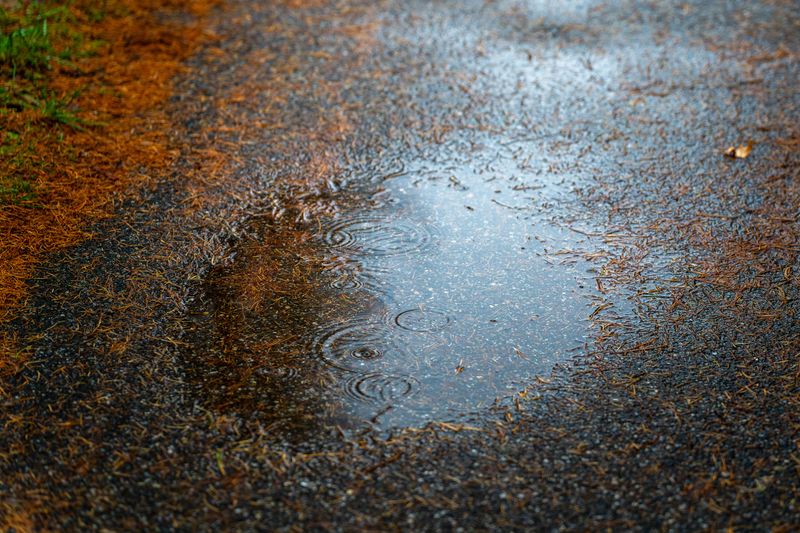
Ask anyone near Baton Rouge about August, and they will describe the afternoon thunderstorm that shows up almost on schedule. A short, heavy burst can drop significant rainfall in a matter of minutes.
Water pools in plant saucers, kiddie pools, wheelbarrows, boat covers, and the low dip near the driveway. A container no bigger than a bottle cap can hold dozens of wrigglers.
Eggs laid weeks ago hatch the moment water touches them, so a quiet yard can buzz within days.
Some eggs sit glued to bucket walls through dry stretches, waiting for their cue. Repeated late-summer storms hand them one opportunity after another, which is why numbers climb instead of fading.
Here is the practical part: walk the property the morning after rain and tip out anything holding water. Swap open saucers for gravel trays, and drill drain holes in toy bins and recycling carts.
Weekly checks work well, since eggs typically need about a week of calm water to develop into flying adults, depending on species and temperature.
Neighbors count too, because these fliers cruise a few hundred feet without effort. A friendly heads-up about an unused pool or a sagging tarp next door helps the whole block relax outside.
Rain gauges across south Louisiana keep filling into September, so the routine matters more than one big cleanup day. A few minutes of yard cleanup each week helps prevent weeks of itchy ankles and disrupted evenings outside.
4. Saltmarsh Broods Push Inland From The Coast
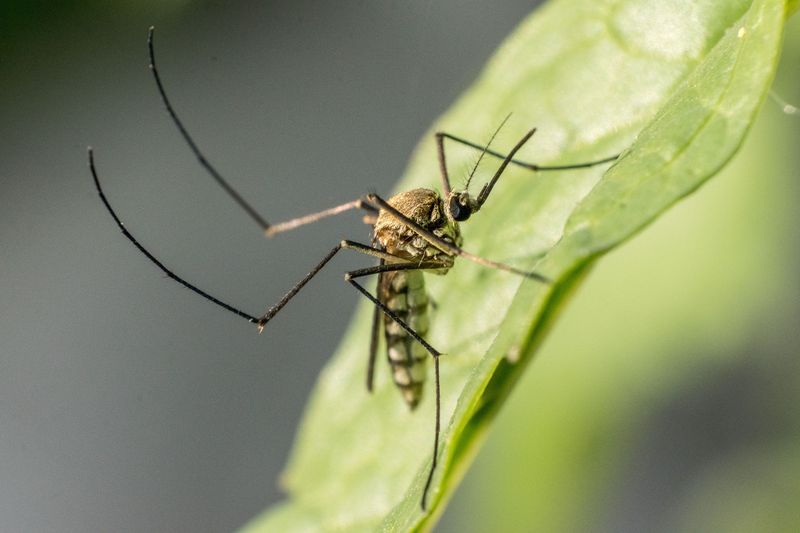
Coastal residents in Cameron and Terrebonne Parishes describe it plainly: the biters arrive with the wind. The species behind that complaint, Aedes sollicitans, breeds in salt marsh mud rather than backyard buckets.
Saltmarsh mosquitoes are marathon fliers. Broods can travel a significant distance inland, and they cross open water without trouble, which explains sudden large numbers in towns far from any marsh.
Late summer stacks the deck in their favor. Higher seasonal tides, plus surge from passing tropical systems, flood marsh flats that sat dry for weeks. Marsh soil stores eggs through those dry spells, sometimes for months.
Wind direction decides who feels it. A steady south breeze after a flooding tide can carry a brood over Lafayette or Lake Charles within a day or two. Cooler evenings feel like an invitation for them to spread out.
Because the source sits miles away, yard cleanup alone will not settle the issue. Coastal parishes lean on aerial larviciding over marshes, timed to tide charts, to reduce broods before they take wing.
For families, timing and gear carry the load. Watch parish spray notices, keep porch fans running, and pick repellent with picaridin, which holds up in humidity and stays gentle on plastic sunglasses.
Fun bit of history: organized mosquito control in Louisiana’s coastal parishes dates back decades, driven in part by persistent saltmarsh mosquito activity.
5. Yard Clutter Creates Ideal Breeding Conditions
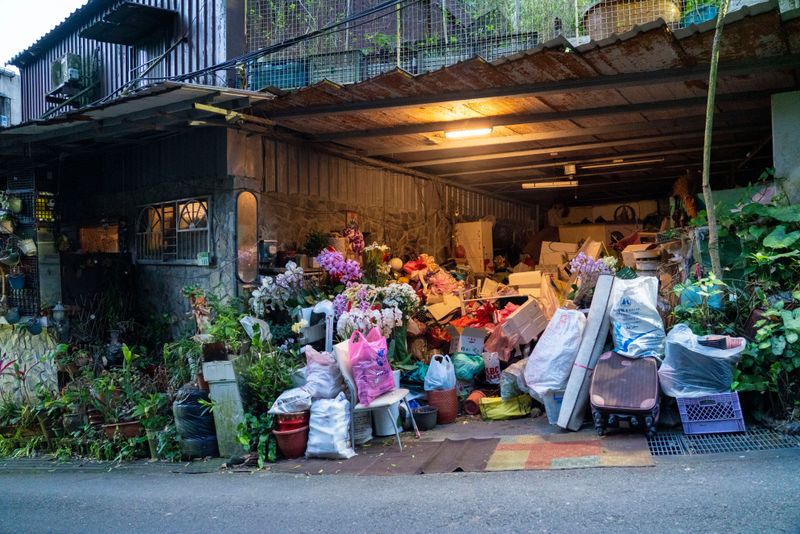
A tire leaning against the fence looks harmless. In a Louisiana August it offers ideal breeding conditions, holding warm water and leaf tea that larvae adore. Rainwater sits in that rim for weeks, gently warmed by the sun.
Take a slow lap around the house and count the water holders: clogged gutters, sagging tarps, pet bowls, bird baths, French drain openings, and the tray beneath the air conditioner.
Container specialists such as Aedes albopictus, the Asian tiger mosquito, thrive in those spots. They bite during daylight, stay near home, and rarely travel beyond a few hundred feet.
Because their range is short, cleanup pays off quickly. Dumping and scrubbing containers weekly interrupts the cycle, and scrubbing matters because eggs cling to inner walls.
For water you want to keep, like rain barrels or ornamental ponds, try Bti dunks. The bacteria inside target larvae, sell for a few dollars at hardware stores, and stay safe around pets, birds, and vegetable beds.
Bromeliads deserve a mention, since their leaf cups hold water beautifully. Flush them with the hose weekly, or drop a pinch of Bti granules into the center.
Ladder duty comes next: gutters packed with pine needles create long, hidden channels of still water. Clear them in late summer and again after the first fall leaf drop.
One more trick from control crews is checking tarps over boats and trailers. A single sagging fold can hold a gallon, and a gallon produces hundreds of adults.
6. Rice Fields, Crawfish Ponds, And Brimming Ditches
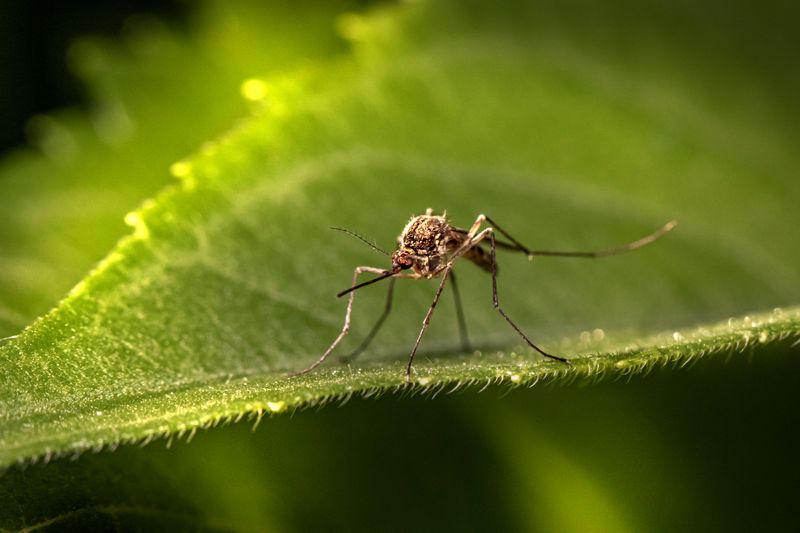
Farming shapes water across south Louisiana, and water shapes insect numbers. Flooded rice fields, crawfish ponds, and roadside ditches all offer shallow, calm surfaces where larvae grow. Rain adds to it, and drainage across flat terrain takes its time.
Second-crop rice, called ratoon, gets flooded in late summer just as heat peaks. Toss hurricane rain on top and thousands of acres stay wet for weeks.
Psorophora and Anopheles species take full advantage of those flooded acres. Their eggs rest in dry soil until flooding arrives, then hatch in one big wave. Field workers usually notice the surge first, within days of a fresh flood.
Ditches share the blame. When grass, silt, and litter slow the flow, moving water becomes still water, and still water becomes a nursery.
Farmers and parish crews use several smart tools. Water management that avoids long, shallow standing periods, plus Bti or methoprene treatments, holds larval numbers down without harming crops.
Homeowners can pitch in. Keep the ditch along your property clear of clippings, report culverts holding water, and skip dumping yard waste where it blocks drainage. Small actions across a neighborhood add up fast.
Mosquito fish are used in ponds and stock tanks, and some parishes may offer them to residents, though availability varies by area.
Curious detail: local counts often rise and fall with irrigation schedules, so growers and control districts trade notes each season.
7. Sticky Humidity Stretches Their Daily Shift
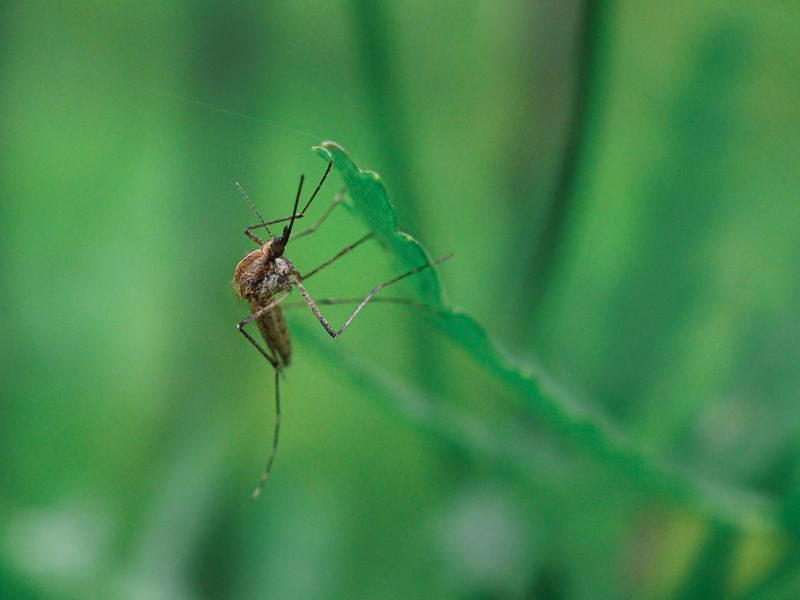
Ever notice how the biting lasts longer in Louisiana than in drier states? Blame humidity, which keeps these small insects from drying out.
A mosquito’s body loses moisture quickly in dry air, so hot afternoons usually send them into deep shade. When dew points climb, that limit relaxes considerably.
Cloudy, muggy days stretch feeding time into mid-morning and late afternoon. Overcast conditions after a storm can feel like dusk to them, which is why porch plans get interrupted.
Sweat and breath play a role too. Carbon dioxide, body heat, and skin bacteria create a scent trail they can detect from a distance.
Simple counters work surprisingly well. Two box fans on the patio create airflow they struggle to push through, and loose, light-colored clothing makes you harder to spot.
Shower before evening plans, choose unscented lotions, and apply repellent to exposed skin plus clothing edges. Reapply after swimming or heavy sweating, since humidity thins that layer faster.
For gatherings, set a fan low near ankles, because many species stay active close to the ground. Guests may joke about the wind tunnel, then notice how few bites they collect.
Landscaping matters as well. Dense monkey grass, ivy, and shrubs pressed against the house trap moisture and give adults cool daytime hiding places, so trimming opens things up. One more habit: water the lawn in the morning so blades dry before biting hours begin.
8. Spray Schedules, Resistance, And Timing Gaps
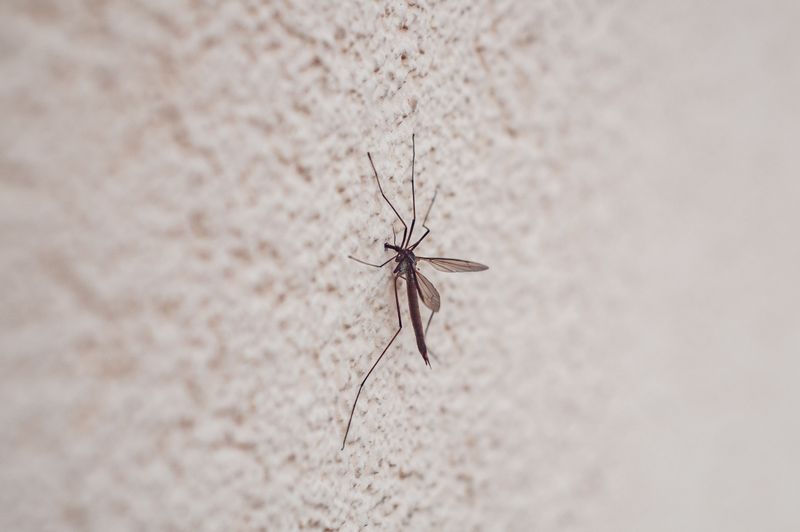
Control crews work hard, yet late summer tests their limits. Budgets stretch thin by August, back-to-back storms scramble spray routes, and teams juggle floodwater blooms and coastal broods at once.
Truck-mounted foggers treat flying adults in the air, not larvae swimming in your flowerpot. That is why yard cleanup and district spraying need to work as a team.
Resistance adds another wrinkle. Populations exposed to the same pyrethroid products year after year grow harder to treat, so districts rotate ingredients and run lab tests on local samples.
Weather limits applications as well. Fogging performs best on calm, warm evenings, so windy or rainy nights push schedules back while numbers build.
Trap counts guide decisions. Parish workers set light traps and gravid traps, sort species, and send samples for virus testing before choosing where to send trucks.
You can help the system function better. Report hot spots to your parish mosquito control office, allow yard access during inspections, and mention abandoned pools or tire piles nearby.
Timing tip: spray notices usually appear on parish social media pages, so following yours tells you when to close windows and bring pets inside.
Personal protection stays your steadiest tool. Repellent, screens in good shape, fans, and weekly water dumping give you control that does not hinge on a truck schedule.
Encouraging note: Louisiana has a long-running, well-organized mosquito control system across its parishes.