The One Thing North Carolina Fall Brassicas Need Now To Protect The Harvest From Heat
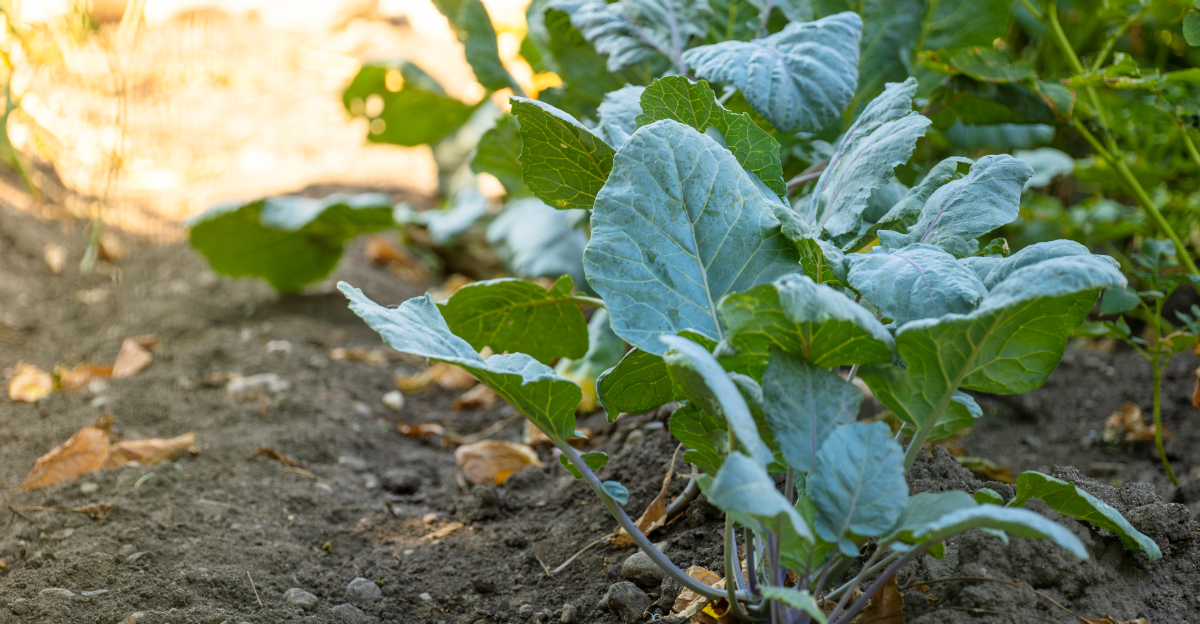
Brassicas like broccoli, cabbage, and Brussels sprouts are some of the most rewarding crops North Carolina gardeners grow in fall, but the shift away from summer heat is often the hardest part to manage.
These plants need cool, steady temperatures to form tight heads and good flavor, and a lingering warm spell can throw that whole process off track.
Unlike quick-growing greens, brassicas take weeks to mature, so any stress they face early on can show up in the harvest much later.
A stalled or wilted plant during a hot stretch doesn’t always recover fully, even once temperatures drop. That makes the next few days more important than they might seem.
There’s one simple adjustment North Carolina gardeners can make right now that helps brassicas push through lingering heat and keep developing properly. Skipping it can cost real progress. Here’s what to do before the next warm day arrives.
1. Give Young Brassicas Afternoon Shade
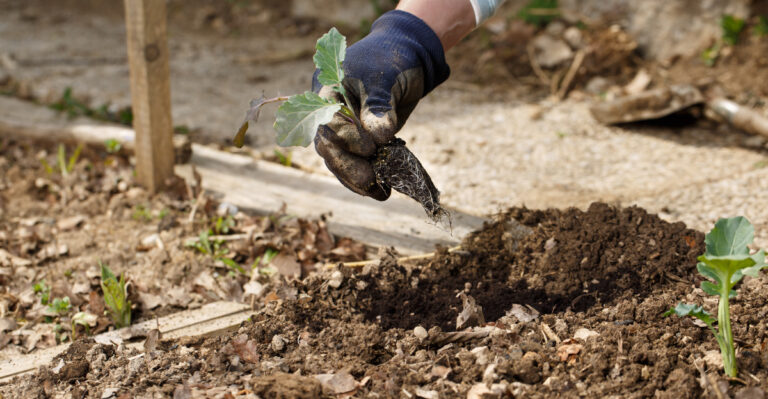
Baby brassica plants have a rough time when they first go into the ground during hot weather. Broccoli, cabbage, cauliflower, kale, and collards all prefer cooler days, so September sun can feel like too much too fast.
A simple layer of temporary shade works like sunglasses for your plants. It softens the strong light and lowers the heat around tender leaves while roots dig in and grow.
During this early stretch, plants spend most of their energy building a strong base instead of fighting the sun.
Setting up shade is easier than you might think. A piece of shade cloth on stakes, an old bedsheet, or even a row cover held up with hoops can do the job.
You want to filter the light, not block it completely, so the plants still make food through their leaves.
Morning sun is usually gentle and helpful, so the goal is guarding against the harsh afternoon rays. Placing shade on the west and south sides gives the best protection when the day gets hottest.
Once your plants look sturdy and start pushing out fresh growth, they are handling the heat better. That is a sign the shade did its job during the hardest part of their young lives.
Think of this step as a warm welcome for your seedlings. A few weeks of extra care now sets them up to grow fast and full once autumn cools things down and the real growing season begins.
2. Protect The Plants During The Hottest Hours
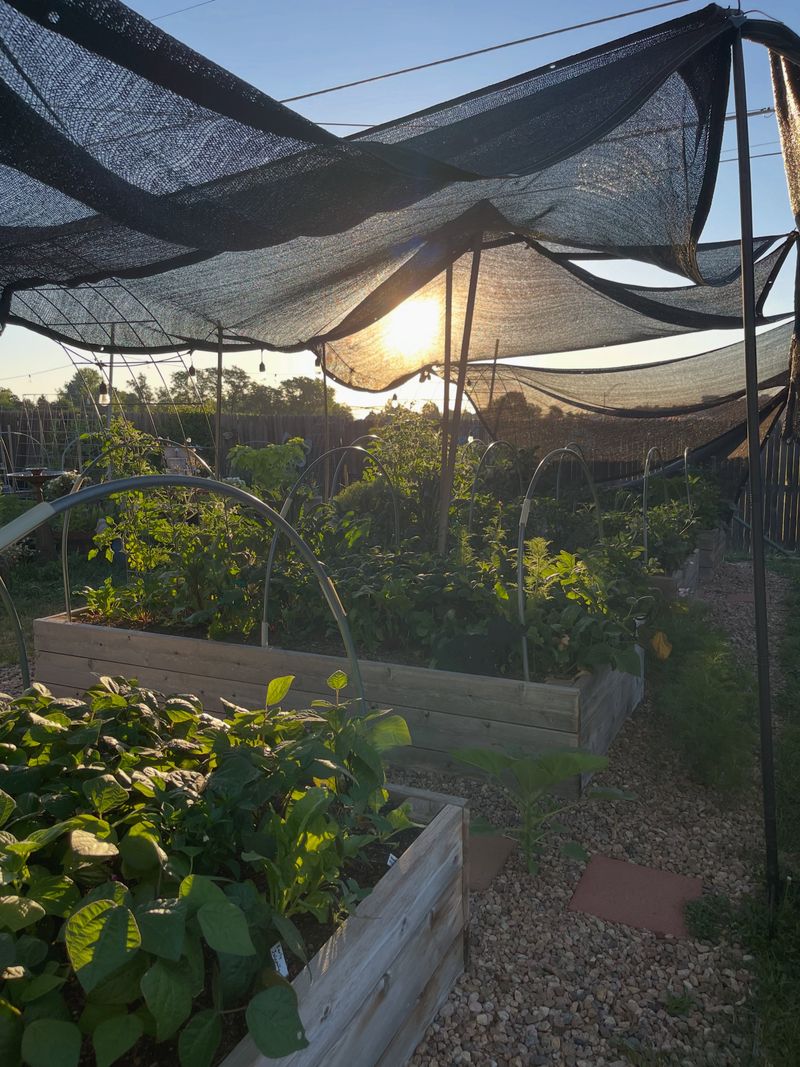
Not all sunlight hits with the same strength. Early morning rays are mild and friendly, but the afternoon sun packs a punch that can leave young brassicas wilting and stressed.
Between about noon and five in the afternoon, temperatures climb and the light grows fierce. That window is when your plants need the most backup.
A shade cloth rated around thirty to fifty percent works well because it cuts the harshest light while letting enough through for healthy growth.
You do not need fancy gear to make this happen. Clip shade cloth to garden hoops, drape it over a simple frame, or lean a piece of lattice on the sunny side. The idea is to break up the intense rays without turning your garden into a dark cave.
Your North Carolina Garden Changes Every Week. Your Plan Should Too.
Gardening in North Carolina changes quickly throughout the season. Every Friday you’ll receive a simple weekly plan showing exactly what to plant, prune, fertilize, harvest, and protect so you never miss the right timing.
Watch how your plants act during those hot hours. Leaves that droop midday but perk back up in the evening are telling you the heat is heavy. A cover during peak sun often stops that daily struggle.
Airflow matters too. Leave the sides open so warm air can move through instead of getting trapped underneath. Stuffy, still heat can cause just as many problems as direct sun.
As the afternoon fades and temperatures drop, your plants soak up the softer evening light happily. By focusing protection on the toughest part of the day, you save time and materials while still giving your fall crop the shield it needs to thrive.
3. Keep Soil Moist But Not Saturated
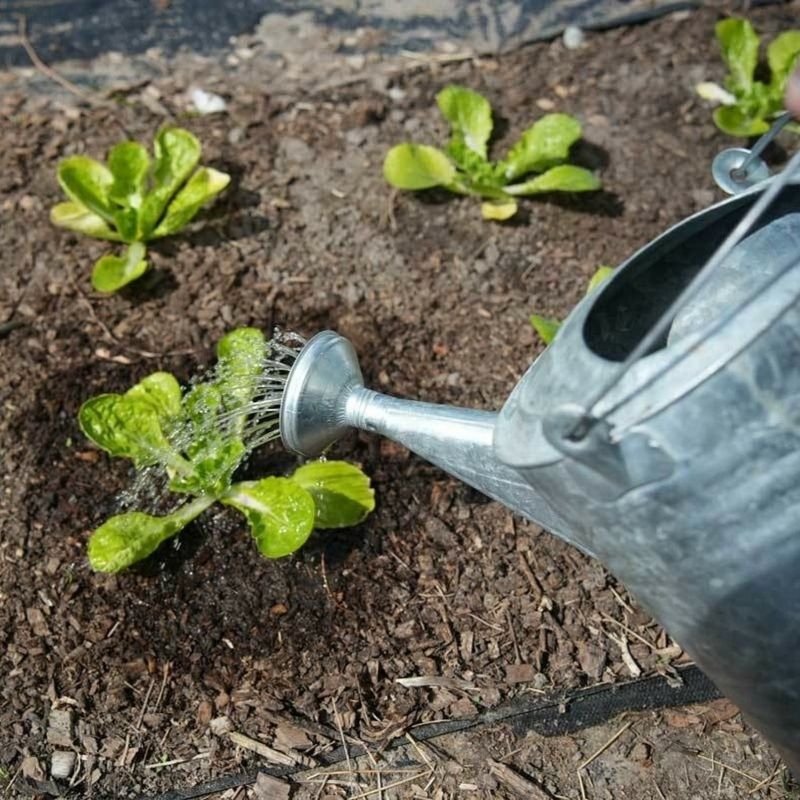
Water is your best friend when the weather turns hot. Steady moisture keeps brassica roots cool and helps the plants stay strong even when the sun is blazing overhead.
The trick is finding the middle ground. Soil that dries out completely leaves plants gasping, while soil that stays soggy all the time causes trouble of its own.
Roots need air pockets in the ground to breathe, and constant wetness fills those spaces with water.
Too much moisture can weaken roots and open the door to rot and fungus. That is why the goal is damp, not drenched.
A good check is to poke your finger about an inch into the soil. If it feels dry there, it is time to water. If it still feels moist, wait a bit longer.
Watering in the early morning gives plants a fresh drink before the heat arrives. It also lets leaves dry out during the day, which keeps problems away.
Deep, slow watering beats quick sprinkles every time. When you soak the ground well, roots grow downward to reach that moisture, building a stronger plant. Light splashes only wet the surface and encourage lazy, shallow roots.
During really hot spells, you may need to water more often since the ground dries faster. Just keep checking rather than guessing.
Balance is the whole game here. Give your brassicas enough to stay comfortable, and they will handle the heat far better while they settle into their new home.
4. Mulch Around The Plants
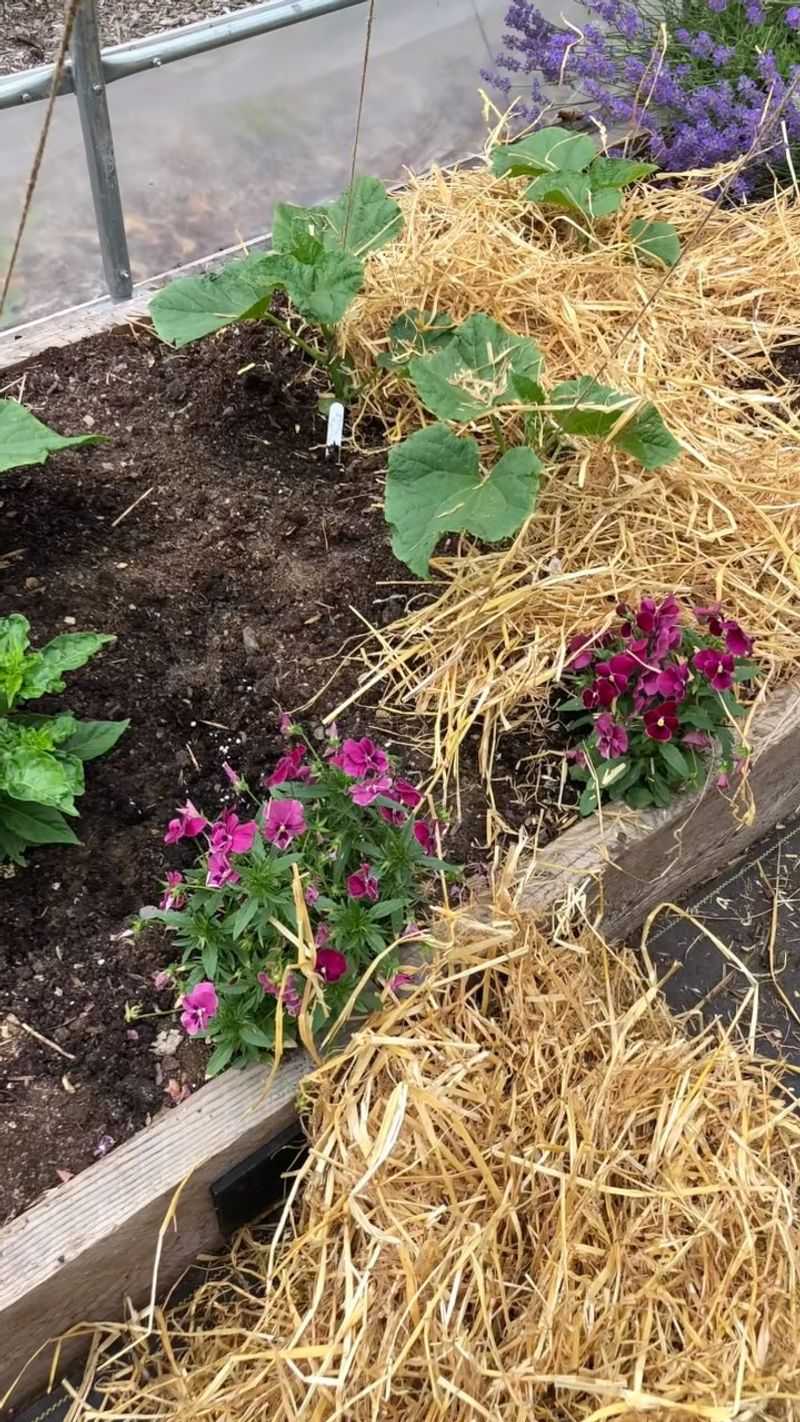
A layer of mulch might be the easiest win in your whole fall garden. Spread around your brassicas, it acts like a cozy blanket that keeps the soil steady when the weather bounces between hot and mild.
Organic mulch such as straw, shredded leaves, or grass clippings shields the ground from direct sun. That keeps the roots below noticeably cooler, which matters a lot for crops that love chilly weather but got planted during heat.
Beyond cooling, mulch holds moisture in place. Water that would normally evaporate under the sun stays trapped in the soil where roots can use it. That means less watering for you and less stress for your plants.
Spread a layer about two to three inches thick, but keep it a little away from the plant stems. Piling mulch right against the stem can trap too much dampness and cause rot.
Mulch also does double duty by slowing down weeds. Fewer weeds mean less competition for water and nutrients, so your brassicas get more of what they need.
As the season rolls on, organic mulch slowly breaks down and feeds the soil. Your garden gets richer over time, which helps future crops too.
On the hottest afternoons, mulched soil stays far more comfortable than bare ground. You can feel the difference just by touching it.
Adding this simple layer now creates steadier growing conditions and takes pressure off your plants during the toughest stretch of the season.
5. Avoid Heat Stress From Dry Roots
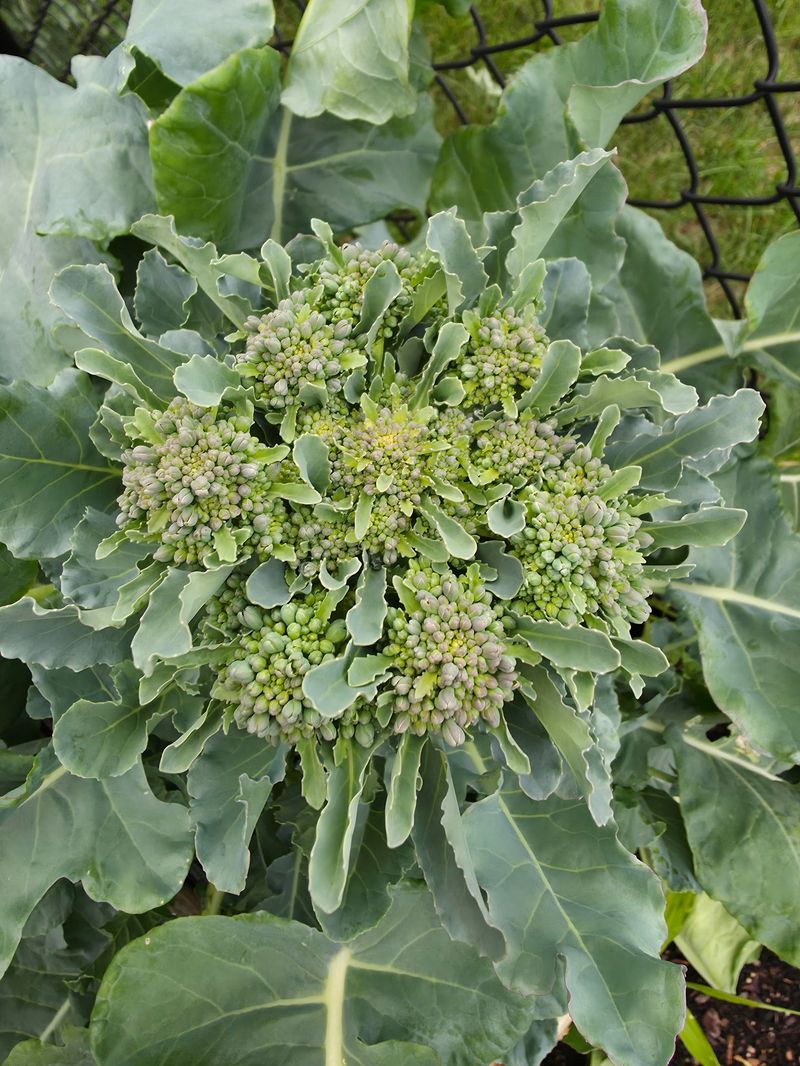
Newly planted brassicas come with tiny root systems that have not spread out yet. Those small roots can only reach a little bit of soil, so they dry out much faster than you might expect.
During North Carolina heat, this becomes a real concern. Older plants with deep roots can pull moisture from farther down, but young transplants depend on the top few inches of soil. When that layer bakes dry, the plant quickly feels the stress.
You can spot dry root trouble when leaves wilt, curl, or turn a dull color during the day. Sometimes a plant that looked fine in the morning droops badly by afternoon simply because its roots ran out of water.
Checking the soil often is the smart move while plants are young. A quick finger test near the base tells you if things are drying out.
In peak heat, you might need to water once in the morning and again if the ground dries by late day.
Watering close to the base helps too. Getting moisture right where the small roots sit means less waste and faster relief for the plant.
As roots grow and stretch outward over a few weeks, plants become much tougher and need less babysitting. That early stage is simply the time to stay watchful.
Keep those young roots happy and hydrated, and your brassicas power through the heat without missing a beat, setting themselves up for strong fall growth.
6. Watch For Heat Related Growth Problems
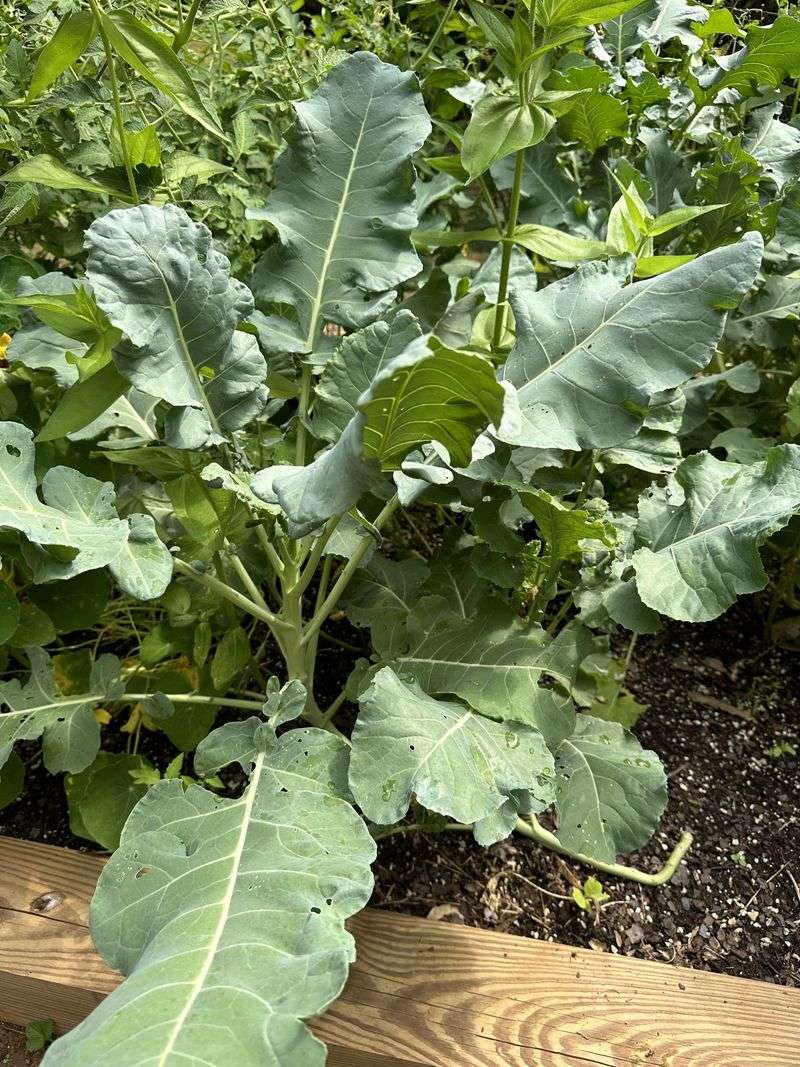
Heat does more than make plants droop. When temperatures stay high, brassicas can act in odd ways that affect the harvest you are hoping for.
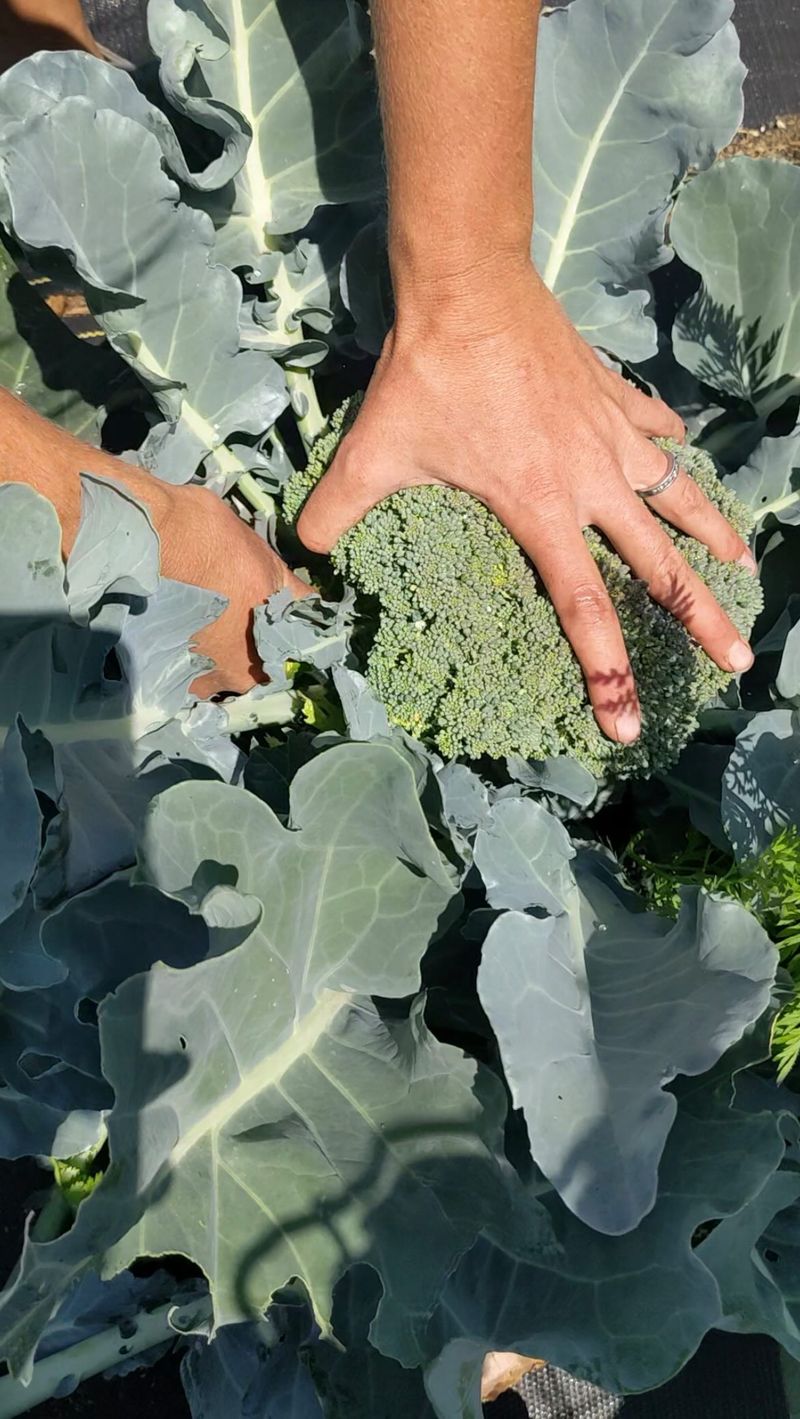
Broccoli and cauliflower especially dislike hot conditions while they form heads. Too much heat can cause them to make small, loose heads or even skip proper heading altogether.
Sometimes broccoli buds open into tiny yellow flowers way too early, which is the plant reacting to stress.
Cabbage can struggle too. Warm weather may slow the tight round head from forming, leaving you with leafy plants that take longer to come together.
Flavor changes are another sign to watch. Kale, collards, and other leafy brassicas often taste more bitter when grown in heat.
The good news is that cool weather later smooths out that sharp taste and brings back the sweetness.
Slowed growth is common during hot spells. Plants may seem to sit still and barely change for a couple of weeks. That is normal, and they usually take off again once temperatures ease.
Keeping up with shade, water, and mulch helps reduce these problems before they start. The more comfortable your plants feel, the more normally they grow.
If you notice early flowering or stunted heads, do not panic. Trim off any bolting parts and keep caring for the plant. Many recover nicely as the season turns.
Paying attention to these signals lets you step in early and steer your fall crop back toward a happy, healthy finish.
7. Remove Shade As Weather Cools
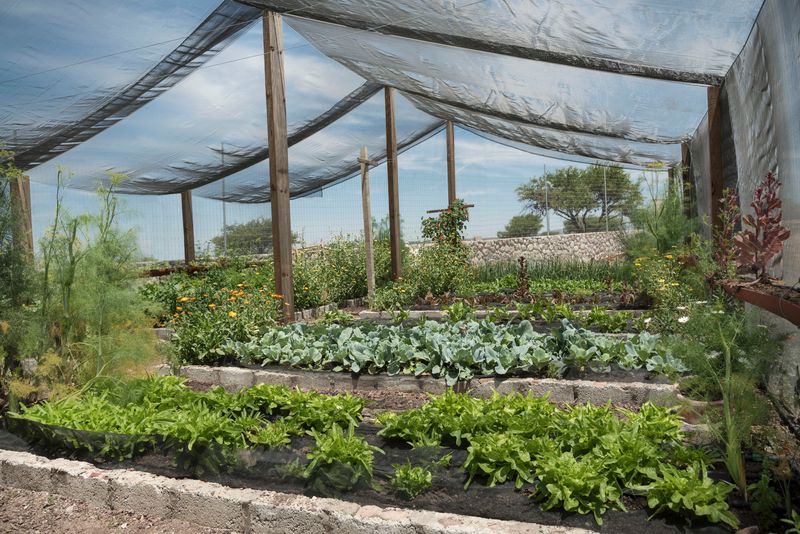
Shade is a helper during the hot early weeks, but it is not meant to stay forever. Once the weather starts cooling, your brassicas actually crave bright, strong sunlight.
These crops make their food through their leaves, and sunlight powers that whole process. When temperatures drop into a comfortable range, plants can soak up full sun without the risk of stress.
More light at that point means faster, fuller growth. Timing the change is simple if you watch the forecast. As daytime highs settle into the seventies and lower, the harsh heat that hurt your plants fades away.
That is your cue to start pulling back the cover. You do not have to yank it off all at once. Removing shade gradually lets plants adjust to brighter light over a few days. Try taking it off for longer stretches each day before removing it completely.
Plants that stay shaded too long can grow tall, thin, and weak as they stretch toward light. Full sun keeps them stocky and strong instead.
Broccoli and cabbage forming heads especially benefit from good light during cool weather. It helps them build the tight, full heads you want at harvest.
Keep the shade cloth handy just in case a random hot afternoon pops up again. Fall weather can swing around, so it is nice to have backup ready.
Matching your care to the changing season keeps plants thriving. As the heat lets go, letting the sun back in pushes your crop toward a strong, satisfying finish.
8. Let Cool Weather Finish The Crop
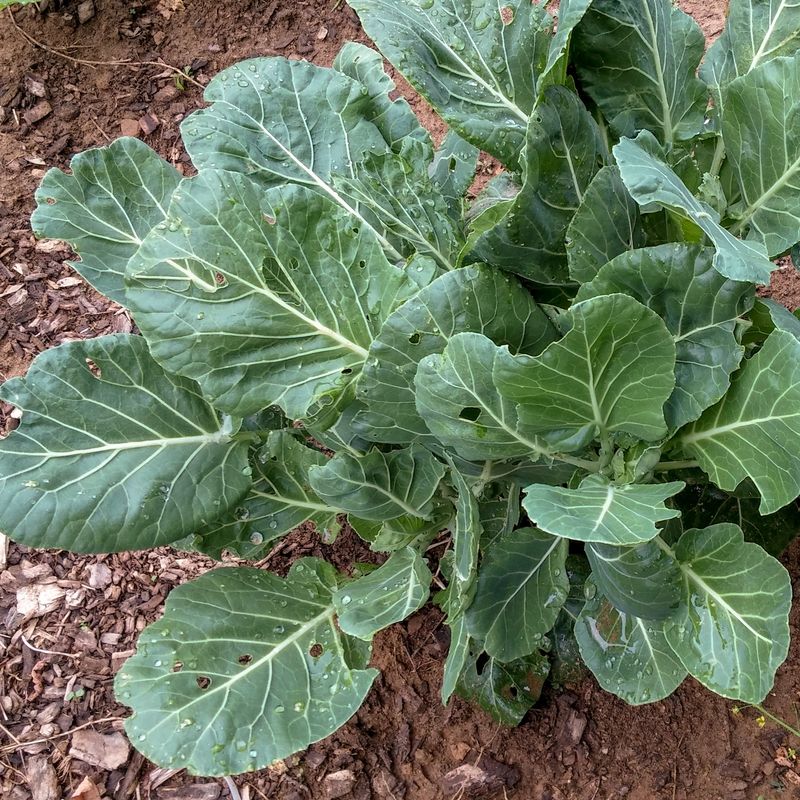
Here is the best part about growing fall brassicas: they get better as the weather gets cooler. All that early effort during the heat pays off once autumn truly settles in.
Cool air is exactly what these crops love. Broccoli, cabbage, kale, and collards grow faster and healthier as temperatures drop, forming fuller heads and richer leaves.
The struggle of late summer fades into a strong stretch of growth. Flavor improves too. A light chill actually makes many brassicas taste sweeter.
Kale and collards especially turn tender and mild after a cool snap, losing the bitterness they may have picked up in the heat.
If your plants looked rough during those hot weeks, do not count them out. Brassicas are tough and often bounce back beautifully once conditions improve. Early heat stress rarely means the whole crop is lost.
Keep watering and caring for them as fall moves along. Plants that seemed stuck will often surge with new growth once the cool days arrive.
Some gardeners even find that a bit of light frost sweetens the harvest more, especially for greens. These crops handle chilly nights far better than summer vegetables ever could.
Patience really is the secret weapon here. The rough start is just one chapter, not the whole story of your garden season.
Trust the cool weather to do its work, and your fall brassicas will reward you with a crop that tastes fresh, sweet, and totally worth the wait.