What It Means When Yellow Jackets Keep Appearing In Your Pennsylvania Garden Beds
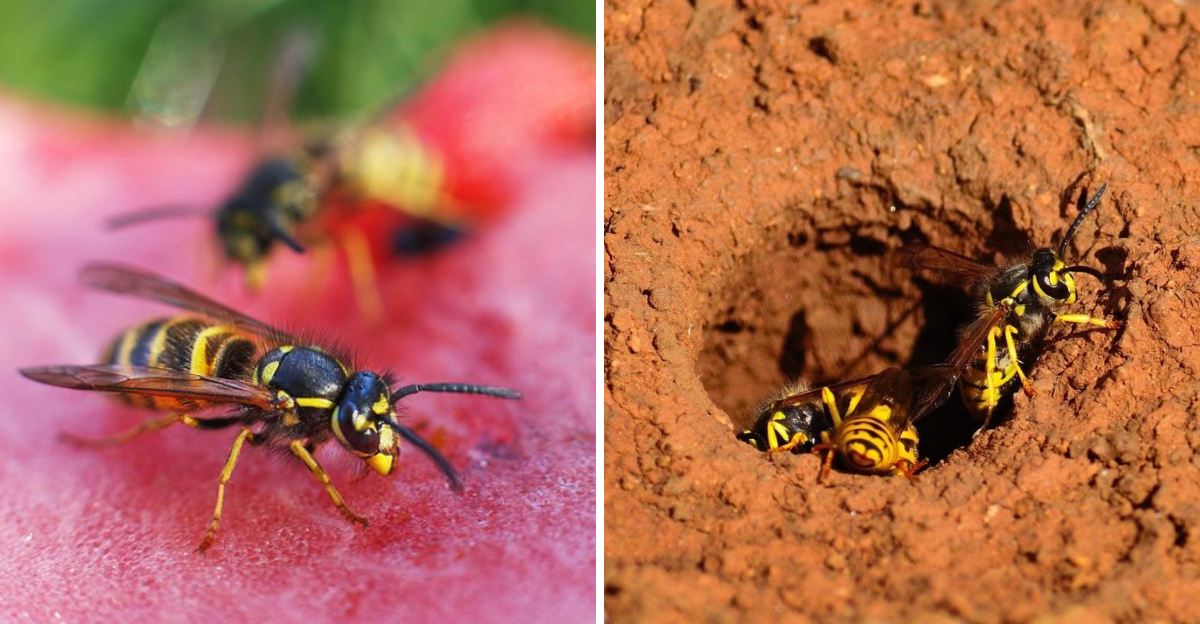
Yellowjackets showing up repeatedly in your Pennsylvania garden beds starts as a mild annoyance and can escalate quickly. Most people’s instinct is to treat them as a nuisance to eliminate.
But yellowjackets appearing consistently in the same garden area are almost always there for a reason, and understanding that reason is more useful than reaching for the spray. Their presence is not random.
Yellowjackets return to specific locations because those locations are offering something reliable. A food source, a nesting opportunity, or conditions that make the area consistently attractive at this point in the season.
What’s drawing them to your garden beds tells you something practical about what’s happening in that space.
Fall is when yellowjacket colonies are at their largest and most aggressive, which makes understanding what’s pulling them in right now both more urgent and more worthwhile.
Here’s what yellowjackets in your Pennsylvania garden beds are really telling you and what to do about it.
1. Your Garden Has Plenty Of Food For Them
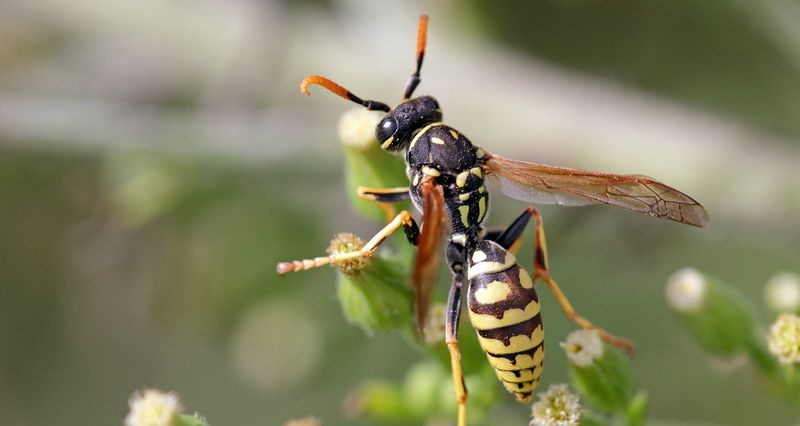
Gardens are basically all-you-can-eat buffets for yellow jackets. These insects are hunters, and they love snacking on smaller bugs that live among your plants.
When you see them again and again, it often means your garden is packed with food they enjoy. Yellow jackets feed their young with protein, and they get that protein from other insects.
A yard full of beetles, spiders, and grubs becomes a prime hunting ground. They also enjoy sweet things later in the season. Sugary nectar, plant juices, and even spilled soda can bring them in fast.
If your garden has flowering plants or ripe produce, expect more visitors. Pennsylvania gardens tend to stay busy with insect life through summer. That steady supply of prey keeps yellow jackets circling back. The more food available, the more often they show up.
You can reduce their interest by keeping food scraps covered and cleaning up sugary spills quickly. Tightly sealed trash cans make a big difference too. Yellow jackets have a sharp sense of smell, so hidden snacks still draw them.
Try not to leave sweet drinks or fruit sitting outside during meals. Even a small amount can turn into an open invitation. Being tidy is one of the easiest ways to keep numbers down.
Remember that yellow jackets do help control pests naturally. They eat many bugs that damage plants, so they are not all bad.
Still, if the crowd grows too large, it is smart to limit what attracts them. Balancing their benefits with your comfort keeps your garden healthier and calmer.
2. There May Be A Nest Nearby
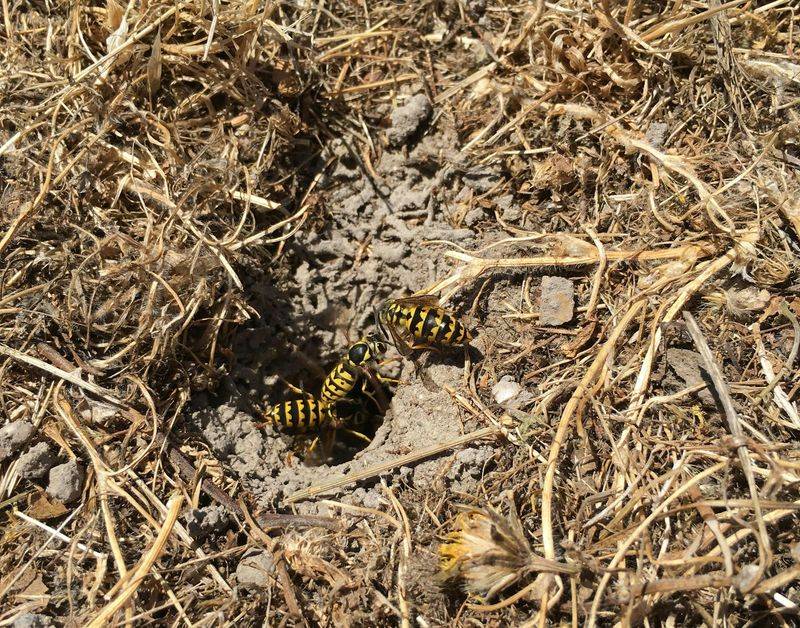
One big clue that a nest is close by is heavy traffic in a single spot. If yellow jackets keep flying to and from the same area, something is likely built there.
Nests can hide in surprising places. Some are underground in old animal burrows or soft soil. Others tuck into wall gaps, under decks, or inside thick bushes.
Your Pennsylvania Garden Changes Every Week. Your Plan Should Too.
Gardening in Pennsylvania changes quickly throughout the season. Every Friday you’ll receive a simple weekly plan showing exactly what to plant, prune, fertilize, harvest, and protect so you never miss the right timing.
In Pennsylvania, underground nests are very common in garden beds. The loose, rich soil makes an easy home. You might notice a steady stream of insects disappearing into a small hole in the dirt.
Watching their movement helps you locate the source. If dozens fly toward one corner all day, a colony is probably close. The busier the path, the larger the nest may be.
Do not try to block the hole or spray it yourself. Disturbing a nest can make the insects defensive and lead to stings. Yellow jackets protect their homes strongly.
Instead, keep your distance and take note of the exact location. Mark it in your memory or with a nearby object placed safely away. This information helps professionals act quickly.
A pest control expert can remove nests safely and completely. They have the right gear and know how to handle large colonies. Calling early prevents the nest from growing bigger through the season.
Keep children and pets away from the busy zone until it is handled. Nests can hold thousands of insects by late summer.
Staying cautious protects everyone while you wait for help. Spotting a nest early is always better than facing a huge one later on.
3. Your Plants May Be Supporting Their Prey
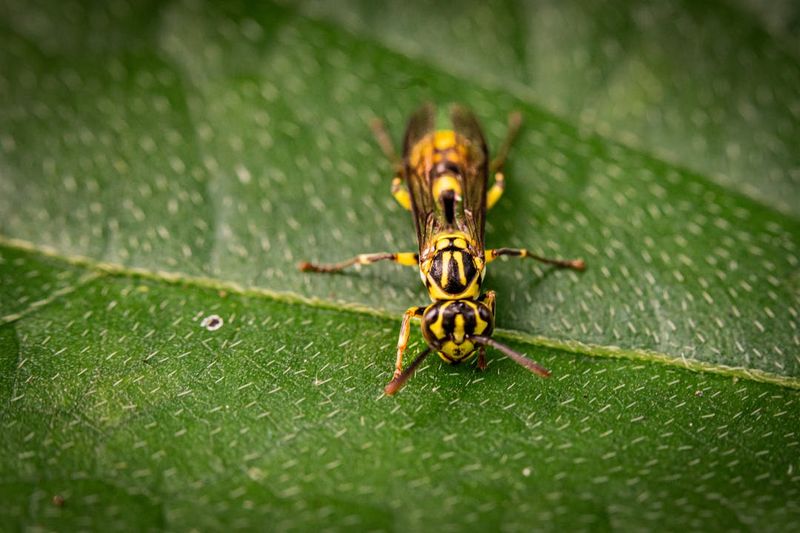
Plants that attract other insects also attract yellow jackets. It works like a chain: bugs come for your plants, and yellow jackets come for those bugs.
Aphids, caterpillars, and flies are favorite meals. If your garden has these pests, you have basically set the table for hungry hunters. The more prey around, the more often yellow jackets patrol.
Leafy vegetables and soft-stemmed plants often draw crowds of small insects. Yellow jackets notice this activity and come looking for an easy catch. Their visits often mean your plants are hosting a bug population.
Checking the undersides of leaves can reveal what is going on. Clusters of tiny aphids or chewed leaves are common signs. Where pests gather, predators soon follow.
You can lower prey numbers with gentle care. Spraying leaves with water knocks off many aphids. Removing damaged foliage cuts down hiding spots for caterpillars.
Encouraging helpful insects like ladybugs also keeps pests in check. A balanced garden has fewer soft-bodied bugs for yellow jackets to hunt. Fewer targets usually mean fewer visitors.
Try not to over-fertilize your plants either. Too much fresh, tender growth invites aphids in large numbers. Healthy, steady growth is less tempting to pests.
Keep in mind that yellow jackets are doing part of your pest control for free. They snatch up many bugs that harm your crops.
Still, if their numbers feel overwhelming, reducing prey is a smart step. Managing the insects your plants support gives you more control over how many yellow jackets show up each day.
4. Fallen Or Overripe Fruit Is Attracting Them
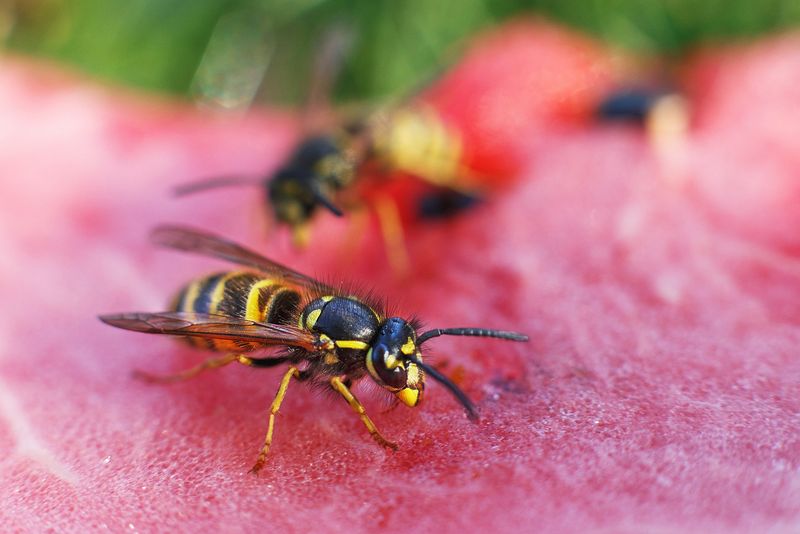
Sweet, juicy fruit is like candy to yellow jackets. As fruit ripens and falls, it releases sugary juices that these insects cannot resist.
Late in the season, gardens often have apples, pears, or berries dropping to the ground. That fallen fruit ferments and grows even more tempting. The stronger the smell, the more yellow jackets arrive.
Overripe fruit still hanging on branches also draws them in. Cracks and soft spots leak sugar that insects love. A single ripe pear can attract a busy little crowd.
In Pennsylvania, fruit trees and berry bushes are popular garden additions. Their harvest season lines up with the time yellow jackets crave sugar most. This overlap leads to plenty of sightings.
Cleaning up dropped fruit is one of the best fixes. Pick up anything on the ground regularly, especially near seating areas. Fewer sweet snacks mean fewer flying visitors.
Harvest ripe produce before it becomes too soft. Leaving fruit to rot only feeds the insects longer. Prompt picking keeps your garden tidy and less inviting.
Compost piles can be a hidden magnet too. Cover fruit scraps with soil or leaves to hide the smell. Closed bins work even better at keeping insects out.
You might also rinse away juice stains from patios and tables. Sticky residue keeps drawing yellow jackets back. A quick wipe-down removes the temptation.
Staying on top of fruit cleanup protects both your garden and your comfort. It cuts off a major food source with little effort.
Small habits like these make a big difference in keeping yellow jacket numbers under control.
5. Their Activity Can Increase In Late Summer And Fall
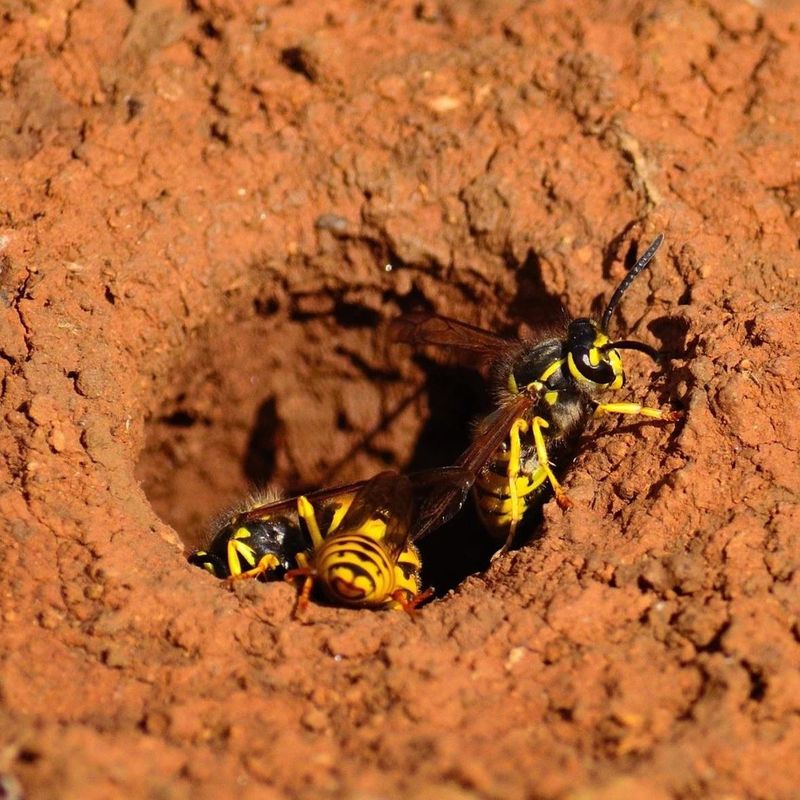
Timing plays a huge role in how often you see yellow jackets. As summer fades into fall, their behavior shifts and they become far more noticeable.
Early in the year, colonies are small and quiet. By late summer, they have grown into large groups with many workers. More insects means more activity buzzing around your beds.
The colony reaches its peak size during this stretch. Hundreds or even thousands of workers may be out searching for food. That is why sightings often spike in August and September.
In Pennsylvania, cooler fall weather also changes their diet. They start craving sugary foods more than protein. This shift sends them hunting for fruit, drinks, and sweets.
Yellow jackets can seem bolder and more aggressive during fall. Their food sources shrink as plants fade, making them more determined. Hungry insects are more likely to bother people.
Knowing this pattern helps you stay prepared. Expect extra visitors during outdoor meals late in the season. Keeping food covered becomes even more important now.
Avoid swatting at them when they come close. Quick movements can make them feel threatened. Staying calm and slow lowers your chance of getting stung.
Sweet drinks in open cans are especially risky in fall. A yellow jacket could crawl inside without you noticing. Use lids or straws to stay safe.
The good news is that this busy period does not last forever. Colonies naturally wind down as temperatures drop.
Understanding their seasonal cycle helps you know what to expect and when to be extra careful around your garden beds.
6. Repeated Sightings Mean You Should Watch Where They’re Coming From
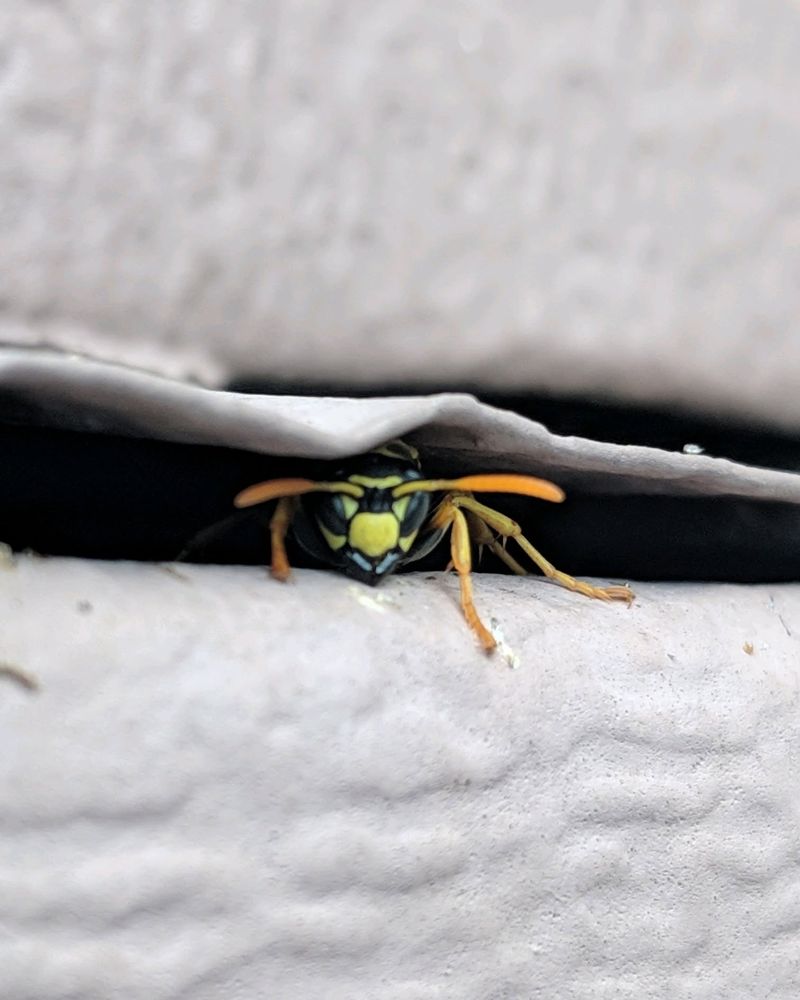
Paying attention to patterns can teach you a lot. When yellow jackets keep showing up, watching their flight paths is your best move.
Instead of reacting with fear, become a quiet observer. Notice which direction they fly and where they seem headed. Their routes often point straight to a hidden home.
Steady traffic to one location is a strong signal. If insects travel the same path repeatedly, a nest is likely at the end of it. This clue helps you find the source safely.
Stand a good distance away while you watch. There is no need to get close or disturb them. A calm, patient look tells you everything you need.
Try observing during the busiest times of day. Mornings and late afternoons often show heavy movement. Watching then makes patterns easier to spot.
Never poke at or block a suspected nest. Disturbing yellow jackets can trigger a defensive swarm. Keeping your hands off is the safest choice.
Once you know where they gather, call a professional. Pest control experts remove nests with the right tools and training. They handle the risky work so you do not have to.
Sharing the exact location speeds up their job. Point out the spot from a safe distance when they arrive. Clear information leads to faster, safer removal.
Meanwhile, keep family members and pets clear of the area. A busy nest deserves plenty of space until it is gone. Caution now prevents painful surprises later.
Being a careful watcher turns a stressful situation into a solvable one. Observing wisely protects you and helps solve the mystery in your garden.