The Pennsylvania Fall Flowers That Create Color From September All The Way Through November Frost
Most Pennsylvania gardens peak in summer and then begin a long, slow retreat toward the end of the season.
By September, a lot of beds are running on foliage and faded blooms, and by October most of the color that made the garden worth looking at through June and July is long gone.
Most gardeners accept this as the natural way of things. But it doesn’t have to end that way.
There are flowers that carry genuine color from September all the way through the first frost in November, filling the gap that most Pennsylvania gardens leave empty and providing some of the most beautiful blooms of the entire year at a time when almost everything else has stopped performing.
Pennsylvania’s cool fall temperatures actually bring out richer color, deeper tones, and longer lasting blooms in these plants than the summer heat ever allows.
The gardens that look most spectacular from September through November are the ones planted with exactly this window in mind.
Here are the Pennsylvania fall flowers worth growing for color that lasts all the way to the frost.
1. New England Aster
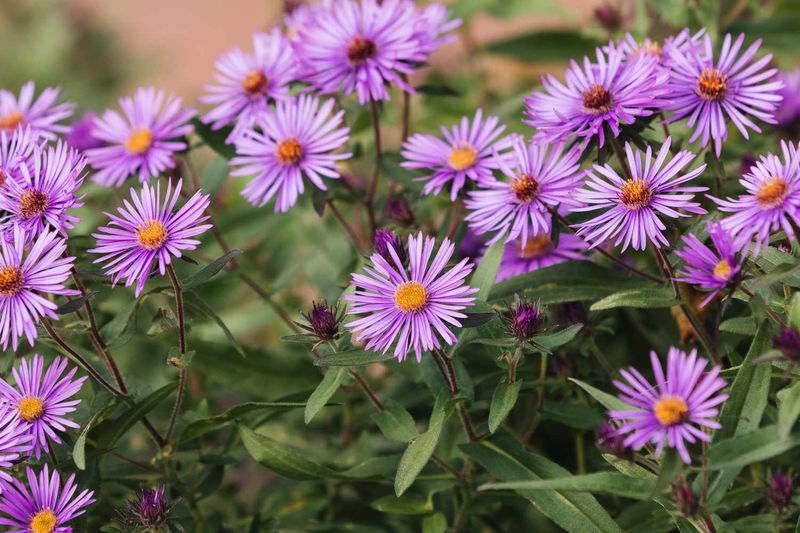
Walk through any Pennsylvania meadow in late September and you will likely spot the cheerful purple-pink blooms of the New England Aster waving in the breeze. Few plants capture the spirit of fall quite like this one.
Native to the eastern United States, it has been brightening landscapes long before anyone thought to plant it on purpose.
New England Asters typically begin blooming in early September and can hold their color well into October. They grow tall, often reaching three to six feet in height, so they work beautifully as a back-of-the-border plant.
Their daisy-like flowers attract monarch butterflies that are migrating south, making them as helpful to wildlife as they are lovely to look at.
Planting them in full sun gives you the best flower production. They prefer well-drained soil and do not need a lot of extra fertilizer to thrive. In fact, too much fertilizer can make them grow floppy and tall without as many blooms.
Dividing clumps every two or three years keeps the plants healthy and encourages more flowers. Pinching the stems back in early summer, around the Fourth of July, helps create a bushier, more compact plant with even more blooms come fall.
You can find them in shades ranging from deep violet to soft lavender and even rosy pink. Once established, New England Asters are surprisingly tough. They handle Pennsylvania’s unpredictable fall weather well and bounce back after light frosts.
If you want a reliable, native, low-maintenance flower that carries your garden into October with style, this is your plant.
2. Garden Mums
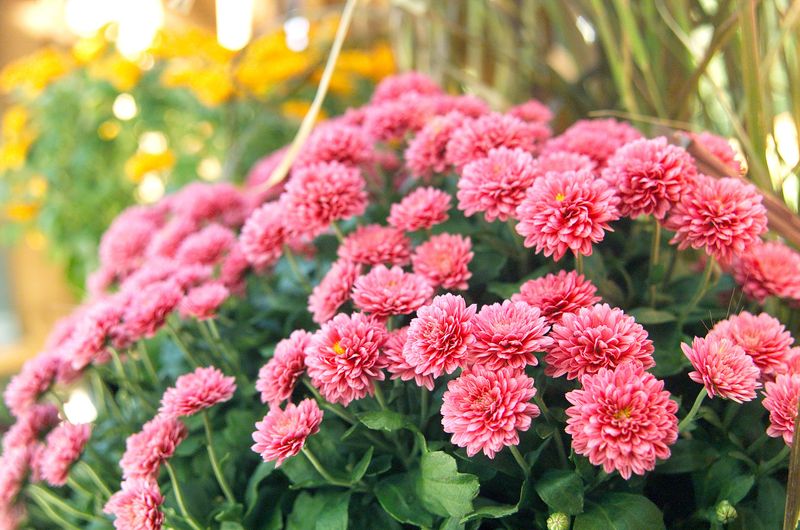
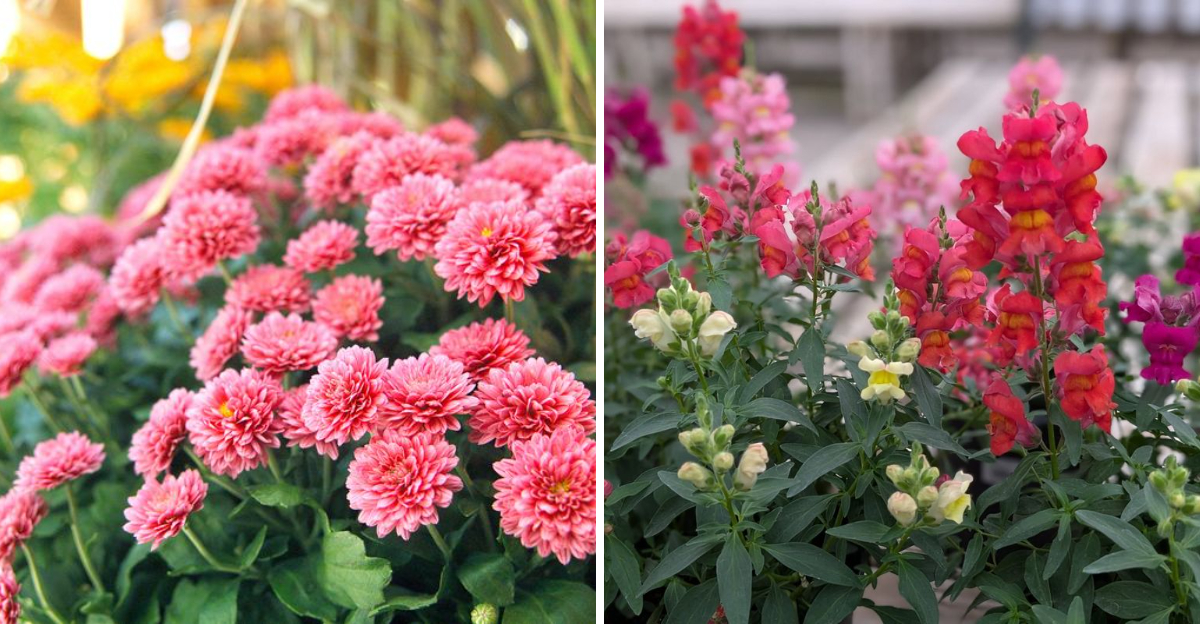
If there is one flower that practically defines Pennsylvania fall, it is the garden mum. Drive down almost any suburban street in September and you will see them lined up on porches and tucked into garden beds, bursting with color.
They come in nearly every shade imaginable, from deep burgundy and burnt orange to sunny yellow and soft white.
Your Pennsylvania Garden Changes Every Week. Your Plan Should Too.
Gardening in Pennsylvania changes quickly throughout the season. Every Friday you’ll receive a simple weekly plan showing exactly what to plant, prune, fertilize, harvest, and protect so you never miss the right timing.
Garden mums are technically perennials, but many people treat them as annuals and replace them each season.
The good news is that if you plant them early enough in September and mulch the roots well before winter, they have a solid chance of returning the following year.
Choosing hardy varieties labeled for your specific growing zone gives you the best shot at seeing them come back.
Different cultivars bloom at different times throughout fall. Early-season types start flowering in late August, while later varieties can push blooms all the way into November before frost finally stops them.
Mixing a few different cultivars in your garden stretches the show out beautifully over many weeks.
Keep mums watered consistently, especially right after planting. They have shallow roots and can dry out quickly.
Deadheading spent blooms, which simply means pinching off old flowers, encourages the plant to keep producing fresh ones throughout the season.
Garden mums pair wonderfully with ornamental kale, pumpkins, and hay bales for classic fall displays. They are also excellent in containers, making them flexible for any garden space.
Whether you are decorating a front stoop or filling a large flower bed, mums deliver dependable, cheerful color all season long.
3. Pansies
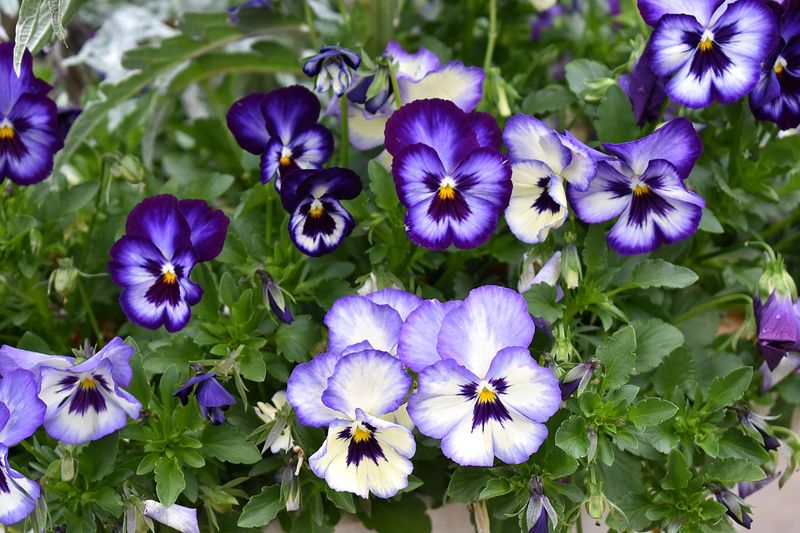
Pansies have a secret superpower that most people overlook. While summer flowers are packing it in as temperatures drop, pansies are just getting warmed up.
These cheerful little blooms actually prefer cooler weather, making them perfect for Pennsylvania’s September through November growing window.
You can plant pansies as early as late August or early September and watch them flourish as the days get shorter and cooler.
Their velvety, face-like flowers come in an almost endless range of colors, including purple, yellow, orange, white, and bi-colored combinations that look almost painted by hand. They bring a whimsical, old-fashioned charm to any garden space.
One of the most impressive things about pansies is their frost tolerance. A light freeze that would finish off most summer annuals barely slows a pansy down.
They can handle temperatures dipping into the mid-20s Fahrenheit for short periods and bounce right back once the sun comes out.
Plant them in well-drained soil with at least six hours of sunlight each day. They do especially well in containers and window boxes, where you can move them to a sheltered spot on particularly brutal nights.
Regular watering and a light application of balanced fertilizer every few weeks keeps them blooming strong.
Deadheading spent flowers regularly encourages continuous bloom production. As the season moves deeper into November, pansies may slow down but often keep a few cheerful blooms going right up until a hard, repeated freeze finally puts them to rest.
For a low-effort, high-reward fall flower, pansies are hard to beat.
4. Snapdragons
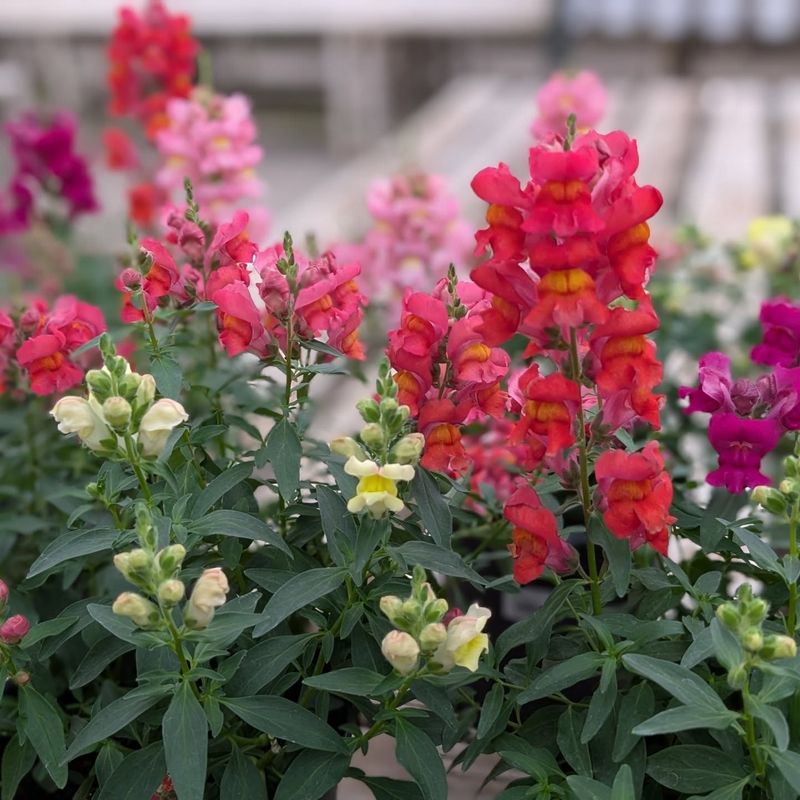
Snapdragons have a playful personality that makes them stand out in any fall garden. Kids love squeezing the sides of the flowers to make the little mouth open and snap shut, a trick that has delighted generations of young gardeners.
But beyond the fun factor, snapdragons are genuinely one of the toughest cool-season flowers you can grow in Pennsylvania.
Summer heat actually causes snapdragons to slow down and stop blooming. So when September arrives and temperatures cool off, these plants get a second wind.
They begin pushing out fresh flower spikes in shades of red, pink, orange, yellow, white, and bi-colored combinations that look absolutely stunning against a backdrop of falling leaves.
Snapdragons can tolerate light frost better than most summer annuals. A brief dip into the upper 20s Fahrenheit will not stop them in their tracks.
They may look a little limp the morning after a cold night, but they typically perk back up once the temperature rises again during the day.
Plant them in a sunny spot with well-drained soil. They grow best when they are not crowded, so give each plant a little breathing room.
Pinching off spent flower spikes encourages the plant to send up new ones, which keeps the color going longer into the season.
Tall varieties work beautifully as cut flowers and make gorgeous fall bouquets. Dwarf varieties are excellent for borders and containers.
Either way, snapdragons bring a vertical element and rich color to the fall garden that few other plants can match from September all the way through October.
5. Autumn Joy Sedum
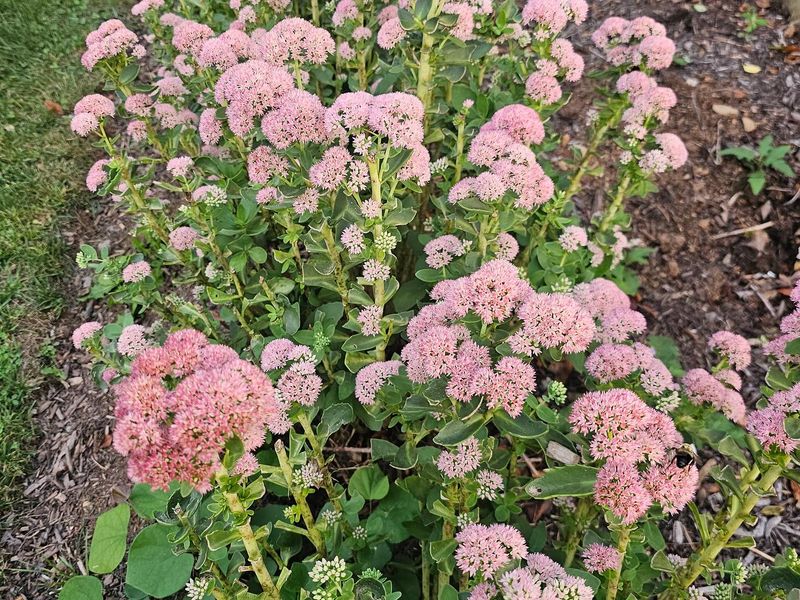
Autumn Joy Sedum is the kind of plant that earns its keep from summer all the way through winter. It starts the season with flat-topped flower heads that open in a soft pink color in late summer.
As fall deepens and temperatures drop, those flower heads slowly transform, shifting through salmon, rose, and finally settling into a rich, rusty red that looks almost bronze by November.
This color transformation is one of the most satisfying things to watch in a fall garden. No other plant gives you quite the same slow, dramatic shift from one end of the season to the other.
Even after the blooms have fully faded and dried, the structure they leave behind adds texture and visual interest to the winter garden.
Autumn Joy Sedum is incredibly easy to grow. It thrives in full sun and tolerates dry, poor soil better than most perennials.
Overwatering is actually the biggest mistake people make with sedum. Let the soil dry out between waterings and the plant will reward you generously.
It is also highly attractive to late-season pollinators. Bees and butterflies visit the flower heads regularly through September and into October, making it a valuable plant for the fall ecosystem.
Leaving the dried flower heads standing through winter provides food for birds and adds structure to an otherwise bare garden bed.
Clumps can be divided every few years in spring to keep them vigorous and to spread them to new areas of the garden. Autumn Joy Sedum pairs beautifully with ornamental grasses, asters, and mums for a layered, textured fall display that looks intentional and polished.
6. Goldenrod
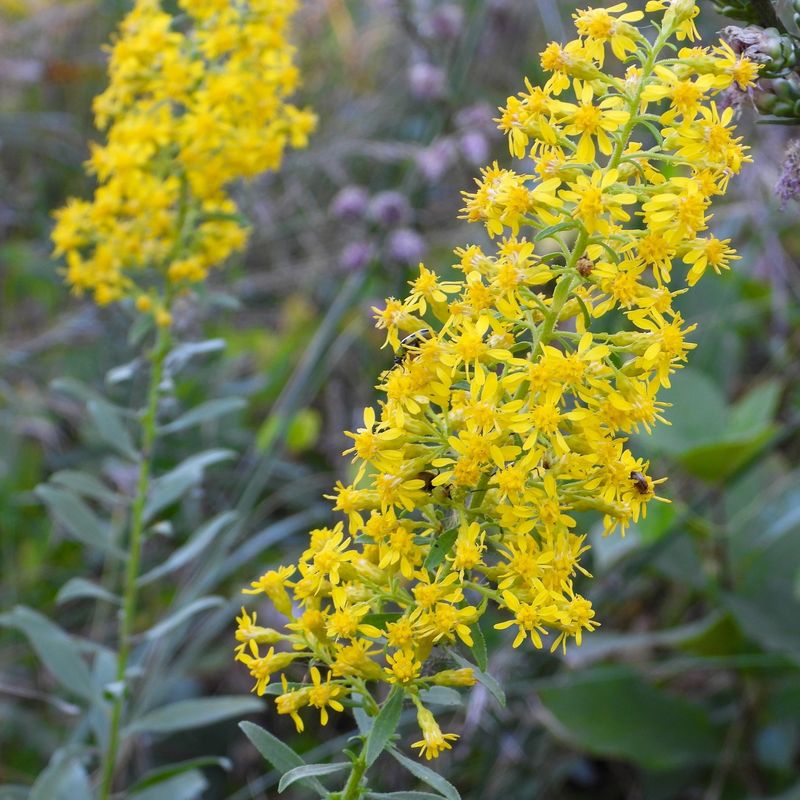
Goldenrod gets blamed for a lot of things it did not do. Many people assume it causes hay fever because it blooms at the same time as ragweed, which is the real culprit.
Goldenrod’s pollen is actually too heavy to be carried by wind. It depends on insects for pollination, which means it is not responsible for your sneezing at all.
Once you clear goldenrod’s good name, it is easy to appreciate just how stunning it looks in a fall landscape. Tall plumes of bright, golden yellow light up Pennsylvania roadsides, meadows, and garden beds throughout September.
Few colors in nature are as cheerful and warm as a mass planting of goldenrod catching the low autumn sunlight.
There are actually many different species and cultivars of goldenrod, and some bloom later than others. Choosing a mix of early and late-blooming varieties can extend your golden display from late August all the way into October or even early November in mild years.
Goldenrod is a powerhouse for pollinators. It supports hundreds of bee species, butterflies, and beneficial insects at a time of year when other food sources are becoming scarce. Planting it is one of the best things you can do for your local ecosystem heading into winter.
Garden-variety goldenrods are not the aggressive spreaders that wild roadside types can be. Named cultivars like Fireworks or Crown of Rays stay tidy and well-behaved in a garden setting.
They combine beautifully with purple asters for a classic fall color combination that is hard to improve upon.
7. Sweet Alyssum
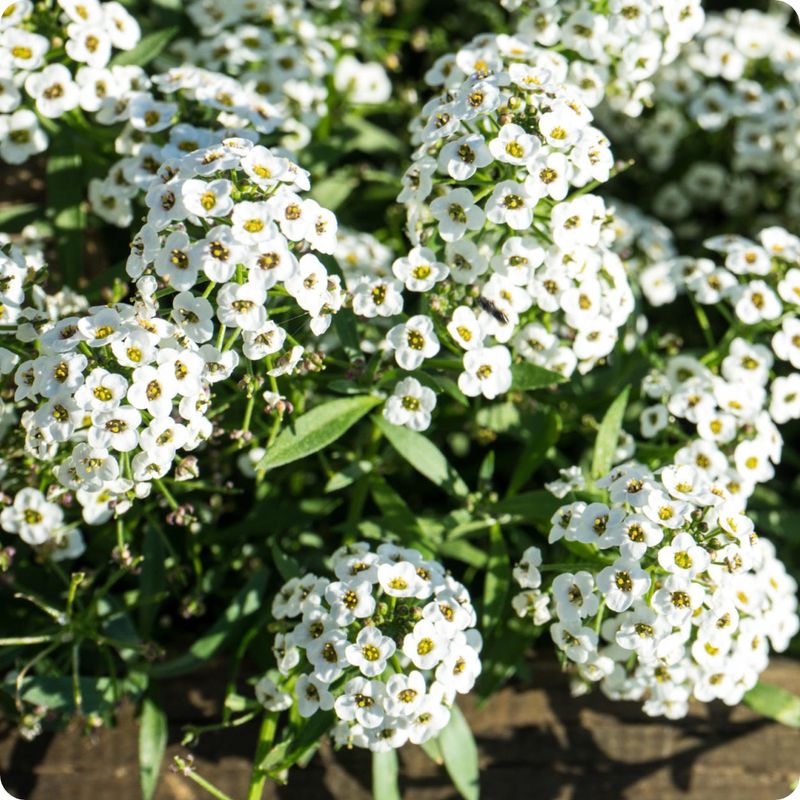
Sweet Alyssum might be one of the most underrated fall flowers in Pennsylvania. Most gardeners plant it in spring and forget about it once summer heat causes it to fade.
But here is the thing: as soon as cool weather returns in September, Sweet Alyssum wakes right back up and puts on a fresh, fragrant show that can last for weeks.
The flowers are small but they bloom in such dense clusters that the effect is impressive. Colors range from crisp white to soft pink and light purple.
The honey-like fragrance is subtle but genuinely lovely, especially on a warm fall afternoon when the scent drifts across a porch or patio.
Sweet Alyssum grows low to the ground, rarely reaching more than six to eight inches tall. That makes it perfect for edging pathways, filling in gaps between taller plants, or spilling over the sides of containers and window boxes.
It softens hard edges in the garden beautifully without taking up much space. Plant it in full sun to partial shade with well-drained soil. It does not need a lot of fertilizer and actually performs better in leaner soil.
Shearing plants back lightly in midsummer encourages fresh growth that will be ready to bloom again when fall arrives.
Frost tolerance is one of Sweet Alyssum’s best qualities. Light frosts slow it down but rarely stop it completely.
In a sheltered spot near a south-facing wall or under a covered porch, it can keep blooming right up until repeated hard freezes arrive in late November, giving you color long after most other annuals have finished for the season.