9 Signs A Groundhog Is Visiting Your New Jersey Vegetable Bed Before Winter
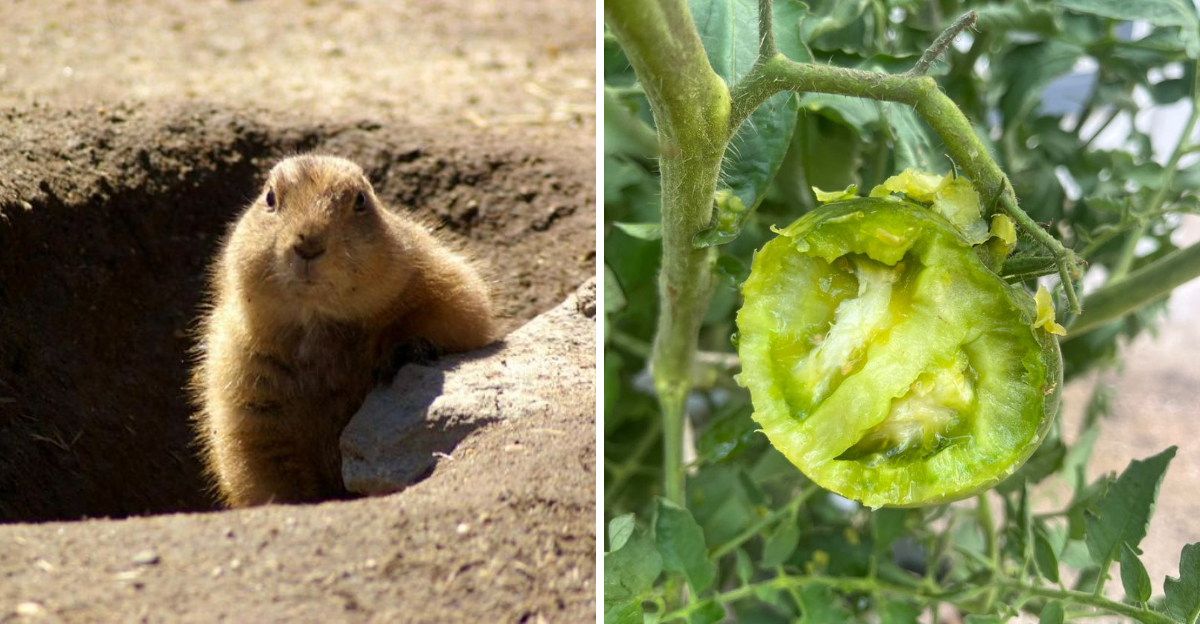
You step outside and find your bean row stripped clean. Deer take initial blame, until details stop fitting. Bite marks sit low for rabbits, clean for deer. Your fence looks untouched, yet pods disappeared without a trace.
Timing feels off too, since feeding activity hits your garden before dusk. New Jersey gardens feel a hungry rush before cold weather arrives. Wildlife across the state hunts calories before frost hits.
Broccoli, chard, and your half-ripe tomatoes sit along that route. Somebody walks that route nightly, calm, careful, and unseen. Paw prints, droppings, and chew angles whisper different names.
Soil left smooth and undisturbed hints at the suspect. Trusting the right signs keeps you well ahead. Local New Jersey soil hides clues people often miss.
Small details separate a mystery from a solved case. Confidence comes easy once you spot the right pattern. Miss these signs, and your last harvest disappears by morning.
1. Clean, Angled Bites Low On Your Bean Plants

Snap a photo of the stem stubs sometime, because they tell a story. A slanted, smooth cut, sheared at roughly a 45-degree angle, points to strong front teeth rather than a chewing insect.
Rabbits leave similar clips, but they usually work below knee height and take thinner stems. Larger raiders can reach up higher than rabbits and clip thicker stalks, though exact height varies by animal size.
Insects, by contrast, leave ragged holes and lacy edges in leaves. Slugs shred tissue and leave a shiny trail, while deer tear rather than slice, since they lack top front teeth.
In New Jersey gardens, bush beans, soybeans and young broccoli tend to get hit first in late summer. The plant may look pruned instead of trampled, which throws people off the trail.
Check the cut height across the bed and write it down. Consistency matters, and a row of stems clipped at the same level suggests one animal working a steady route.
Look for what is left, too. A tidy diner grazes a plant down and leaves the woody base standing, roots intact and soil undisturbed.
If cuts appear on plants inside a low fence, measure the gap at the bottom. A three-inch space at ground level is plenty of room for a determined visitor.
Marking damaged plants with bamboo stakes helps you track fresh activity night by night, and that record makes your next fencing decision much easier. Photos dated on your phone work just as well.
2. Greens Disappear Between Breakfast And Lunch

Here is the odd part about the damage: it shows up while you are awake. Raccoons, deer and skunks usually visit after dark, so gardeners assume midnight mischief.
A daylight grazer flips that logic, feeding hard from sunrise to mid-morning and again in the last hours before dusk. Try a simple test on a Saturday. Count the leaves on a row of chard at 7 a.m., then check the same plants again at 11 a.m.
Missing greens in that window narrow the suspect list quickly. Late summer feeding gets heavier as cold weather approaches, since the animal is packing on weight for a long sleep underground.
Your New Jersey Garden Changes Every Week. Your Plan Should Too.
Gardening in New Jersey changes quickly throughout the season. Every Friday you’ll receive a simple weekly plan showing exactly what to plant, prune, fertilize, harvest, and protect so you never miss the right timing.
Morning dew helps as well. Fresh tracks and bent leaves in wet grass at 8 a.m. mean the visit happened within the hour.
Neighbors in towns like Morristown or Cherry Hill often spot the culprit crossing a lawn around brunch time. Ask around, because a sighting two yards over counts as useful evidence.
A cheap trail camera aimed at the bed settles the question overnight, and battery-powered models cost less than a tray of seedlings.
Set it about 18 inches off the ground, angled along the bed rather than straight at it. Low placement captures a stocky body that walks below deer-height sensors.
Once you know the schedule, you can time harvests earlier and cover tender rows during peak feeding hours. That small shift protects lettuce, beans and broccoli during the busiest weeks of the season.
3. A Fresh Dirt Mound Beside The Shed Or Fence Line
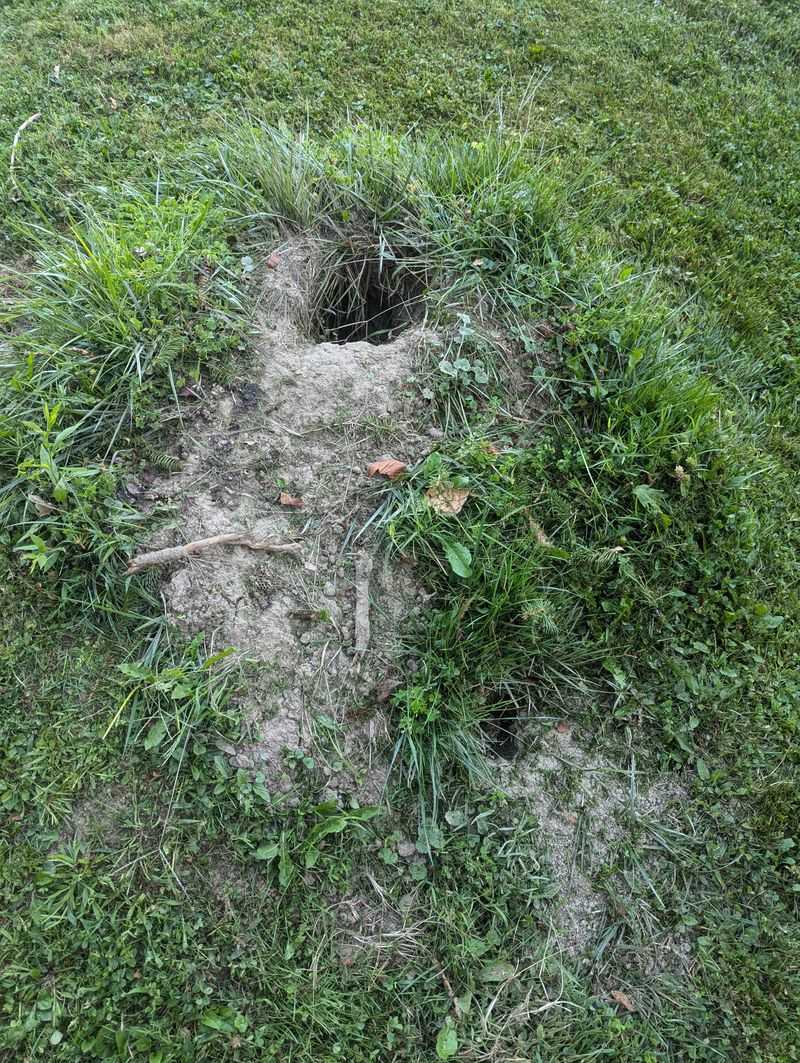
Follow the damage back far enough and you often find real estate. A main burrow entrance sits under a shed, deck, brush pile or old stone wall, with a fan of loose soil spilling out front.
The hole runs about 10 to 12 inches across, wide enough to fit a soccer ball. Its shape stays round and worn smooth, unlike the ragged pits squirrels dig for acorns. That soil mound is the giveaway. A tunnel system can move a large amount of soil over time.
New Jersey clay holds a burrow shape well, so entrances near foundations, along fence lines and beside old sheds tend to last for years. Check the sunny south side of structures first.
Look for a smooth apron of packed earth just outside the opening. Repeated trips flatten it into something like a doormat.
Distance matters when you plan defenses. Burrows usually sit within a reasonable distance of a favorite food source, which in your case is the vegetable bed.
Sprinkle a thin layer of flour or sand across the entrance in the evening. Fresh prints by morning tell you the burrow is active rather than empty.
Tunnels near patios and stoops can loosen soil over time, so noting the location protects more than your carrots. Mark the spot on a rough sketch of your yard, including fence gaps and brush piles nearby. Those notes save time when you install a barrier later.
4. Hidden Back Doors With No Soil Pile

Clever tunnel design includes emergency exits. Beyond the front door with its dirt mound, a burrow often has several extra openings dug from the inside out.
Those secondary holes have no soil pile at all. The animal pushes dirt out the main entrance, then hollows the rest upward, leaving a clean, plug-like hole in the lawn.
Gardeners walk past them constantly. A six to eight inch opening tucked in tall grass, under a hosta or beside a raised bed looks like a random gap.
Finding one changes your strategy. Blocking a single entrance while the others stay open accomplishes very little.
Walk your fence line slowly with a stick and probe likely spots: goldenrod patches, compost bins, the shady side of a garage. Hidden holes often line up in a rough triangle around the main burrow.
A spy hole sits low and level with the grass, which is why lawn mowers sometimes find them first. Flagging each one with a golf tee keeps you from losing track.
Stuff a loose wad of newspaper into every opening you locate. Reopened paper the next day confirms which routes stay in use.
In older Jersey neighborhoods, stone walls and rotting stumps make convenient cover for these back doors. Poison ivy patches do too, so wear gloves and long sleeves.
Map them all before you decide anything, because a fence that ignores a spy hole inside the garden simply gives the animal an easy food source.
5. Flattened Runways Pressed Through Grass And Mulch
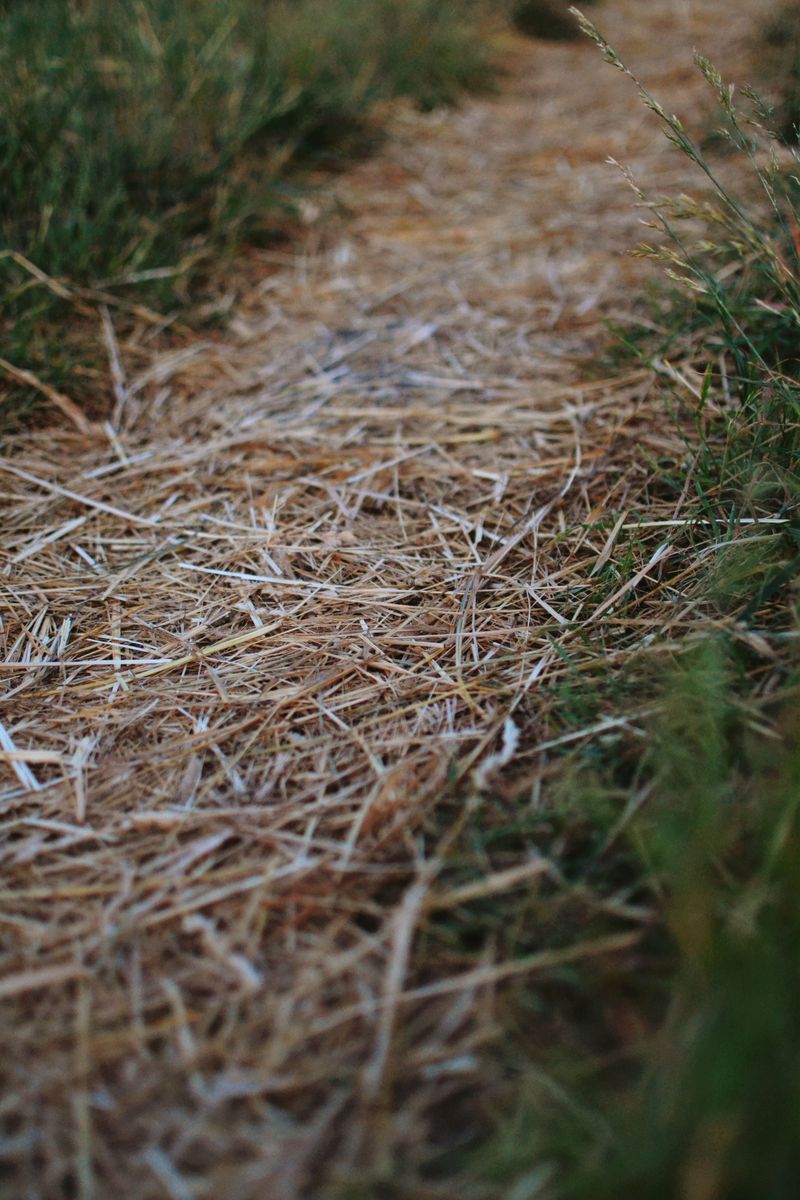
Grass tells tales. A steady traveler wears a narrow path about four to six inches wide, pressed flat through lawn, mulch and weedy edges.
Look at the line these trails follow. They tend to hug fences, foundations and hedge bases rather than crossing open ground, since cover feels safer.
Mulch shows the pattern beautifully. Wood chips get shoved aside into little berms, and the exposed soil underneath packs down hard as a sidewalk.
Where a path meets a fence, check the bottom rail. A worn gap, a pushed-up section of wire or a shallow scoop of dug soil marks the doorway.
Morning dew makes tracking easy. Wet grass holds a dark, glossy line where a low body brushed through minutes earlier.
Follow the trail in both directions. One end usually leads to a burrow entrance, and the other lands squarely in your beans.
Cross paths appear where several routes join, forming a small hub near a shed corner or woodpile. That junction is a prime spot for a camera or a barrier.
Kids are surprisingly good at spotting these lines, so bring one along. A quick sketch of the trails turns guesswork into a plan.
Once you see the layout, defense gets cheaper. Reinforcing 15 feet of the busiest route beats fencing the whole yard, and you can add an L-shaped apron of wire only where it counts.
6. Coarse Grizzled Fur Caught On Fence Wire
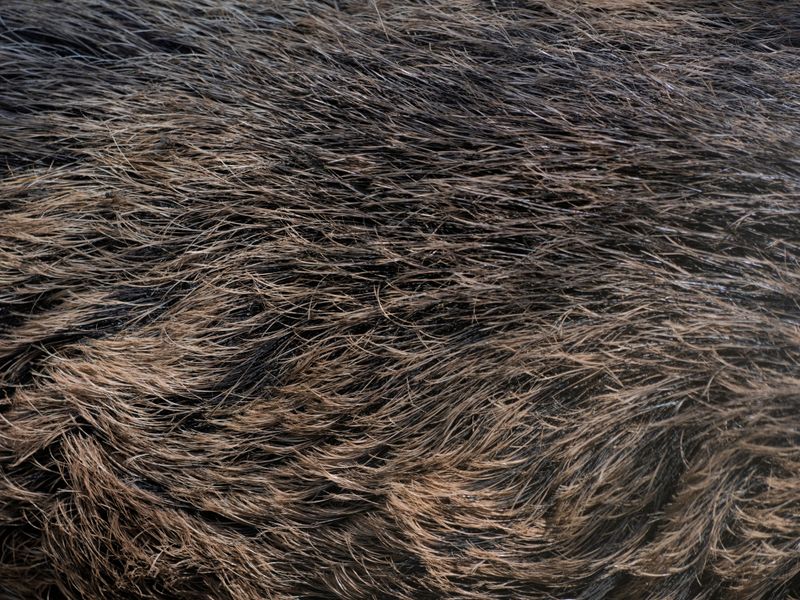
Evidence sometimes hangs in plain sight. Coarse guard hairs, grizzled brown with pale frosted tips, snag on wire, splintered wood and the lattice under a deck.
The texture feels stiff and bristly between your fingers, closer to a scrub brush than a cat’s coat. Length runs roughly one to two inches.
Color helps you rule out other visitors. Rabbit fur is soft and grayish, deer hair is hollow and brittle, and raccoon hair shows dark banding.
Check the height where hairs catch. Snags at four to eight inches above the ground point to a low, wide body squeezing through, not a leggy animal stepping over.
Favorite snag spots include the bottom strand of chain link, gaps beneath gates and the rough edge of a raised bed board. Old shed skirting collects tufts too.
Tuck a piece of double-sided tape or a strip of hook-and-loop fastener at a suspected crossing. Collected hair the next morning confirms the route without any guesswork.
Late summer shedding and fattening go together, so hairs show up more often during August and September in New Jersey yards.
Bright morning light makes the frosted tips easy to spot against dark wire. A phone flashlight works well under decks and porches.
Save a sample in a labeled envelope if you plan to call a wildlife control pro. A quick look at fur and hole size speeds up their diagnosis. Keep a small notebook of where each tuft turns up.
7. Half-Eaten Tomatoes And Gnawed Squash Left Behind
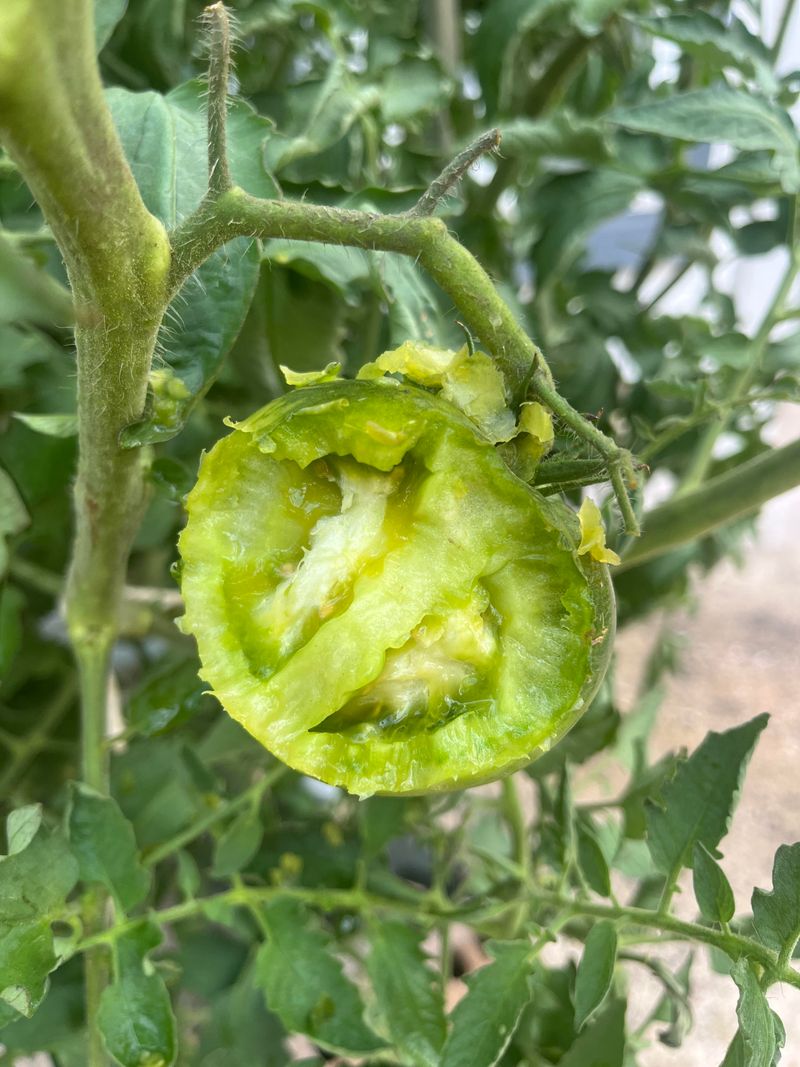
Finding a tomato with one large bite taken out can be frustrating. Sampling behavior is common, and fruit gets tested and left behind on the spot.
Bite marks measure wide, roughly an inch across, with paired grooves from big front teeth. Compare that to the small, pointed nibbles voles leave or the beak punctures birds make.
Squash and melon rinds often show shallow scraping instead of deep holes. Cucumbers get chewed at the stem end and then dropped in the path.
Look for produce moved a short distance. A pepper found six feet from its plant, partly eaten and coated in soil, suggests a mammal carrying a snack toward cover.
Sweet corn takes a distinctive hit. Stalks get pulled sideways to reach the ear, which is then stripped from the bottom up while the husk hangs loose.
Broccoli, kale, chard and beans usually disappear before fruiting crops, since leaves are the preferred course. Fruit damage often means the greens ran short.
Harvest ripe items a day early during heavy raiding weeks. A slightly firm tomato ripens fine on the counter and keeps your crop out of reach.
Clearing fallen fruit each evening lowers the reward, which makes your bed a less appealing stop on the daily route.
Set damaged fruit aside in a covered bucket rather than an open compost pile near the garden. Open compost acts like a welcome sign.
8. Claw Scrapes And Digging Along Raised Bed Edges
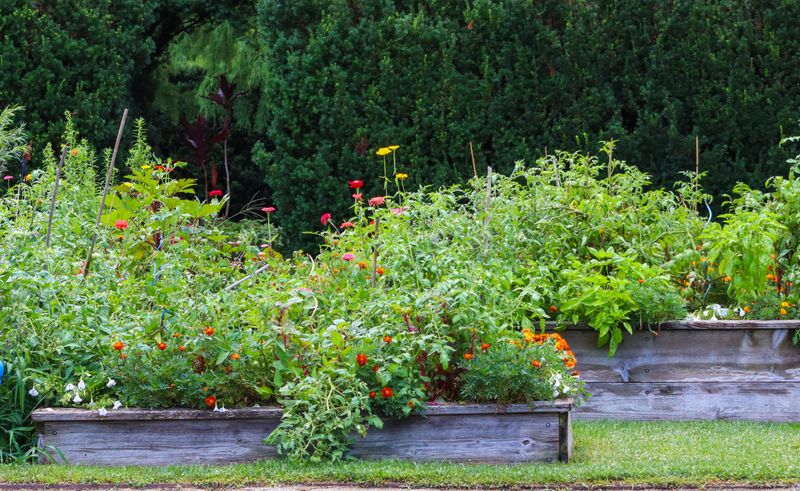
Wooden bed frames keep receipts. Sets of shallow scratch marks, four narrow lines close together, streak the outside boards where a climber hauled itself up.
Claws on this animal are built for digging, thick and slightly curved. They leave narrow, evenly spaced scrapes in soft cedar or pine.
Soil inside the bed shows evidence as well. Shallow scoops near the edge, pushed mulch and flattened seedlings hint at a body scrambling over the rail.
Check the base of the frame for test digs. A three or four inch depression at a corner means someone tried going under before going over.
Container gardens and grow bags take damage too. Tipped pots, torn fabric sides and spilled potting mix show up in yards from Trenton to Toms River.
Run your thumb across the marks to judge age. Rough, splintery edges mean recent work, while smooth grooves have been there a while.
Add a slick barrier where the scratches appear. A strip of sheet metal or smooth plastic on the outside board removes the grip a climber needs.
Fence aprons help at ground level. Bending the bottom 12 to 18 inches of wire outward in an L shape discourages digging without any concrete work.
Fresh scratches look pale against weathered wood, so a weekly check tells you whether your fixes are holding or whether the route shifted. Photograph the boards once a month for comparison, since that habit turns a mystery into a manageable routine.
9. A Plump Sunbather On The Woodpile Come September
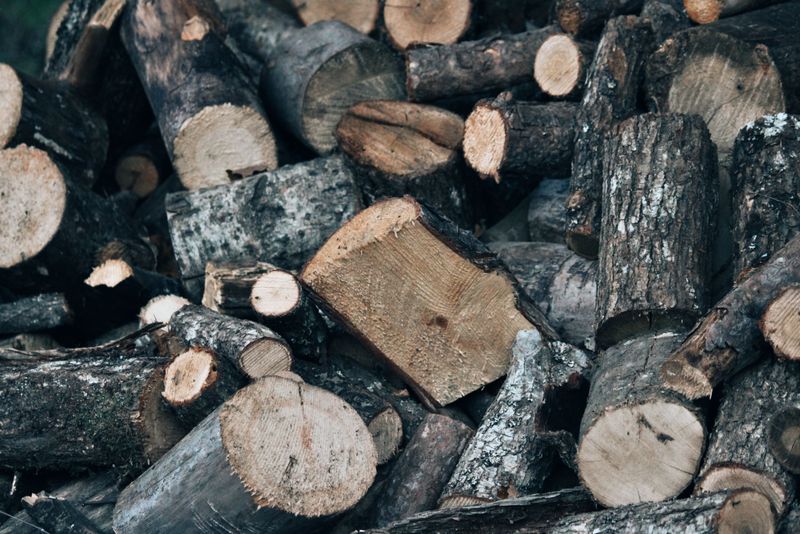
Sometimes the animal can be seen directly, sunbathing. A stocky, low-slung animal weighing 8 to 13 pounds sprawls on a woodpile, stone wall or fence post in the late summer sun.
Body shape stands out: short legs, a bushy short tail, rounded shoulders and a waistline that keeps expanding through September. Weight climbs noticeably before cold weather settles in.
Movement gives it away too. Walking looks like a waddle, and a startled dash back to a burrow happens with surprising speed.
Listen for a sharp whistle when your dog runs the fence. The nickname whistle-pig comes from that alarm call, which carries across a quiet yard.
Fun fact: these animals are the largest members of the squirrel family in New Jersey, and they climb better than their build suggests. Low tree branches and deck rails are fair game.
Sightings peak in late summer as feeding intensifies before a long winter rest underground. Activity drops sharply once October cools down.
Note the direction it runs when spooked. That escape route points straight at the burrow you have been hunting for.
Binoculars from a kitchen window keep the visit peaceful for both of you. A quick phone video also helps a neighbor confirm what is roaming the block.
Use the remaining warm weeks wisely. Repair fence gaps, add a wire apron and clear brush piles now, so next spring finds your beds much harder to enter.