Kentucky’s Largest Native Fruit Is Ripening Right Now And Most People Walk Past It
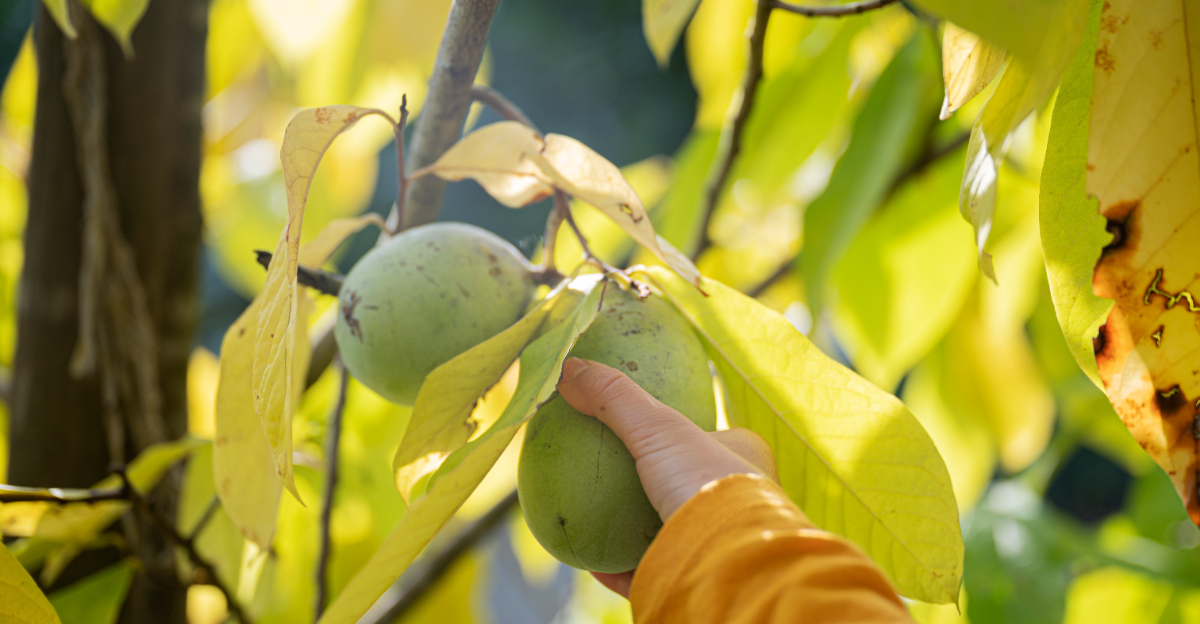
Walk a shady Kentucky creek bank in early September and something smells like a tropical fruit stand. Most hikers sniff, shrug, and keep going.
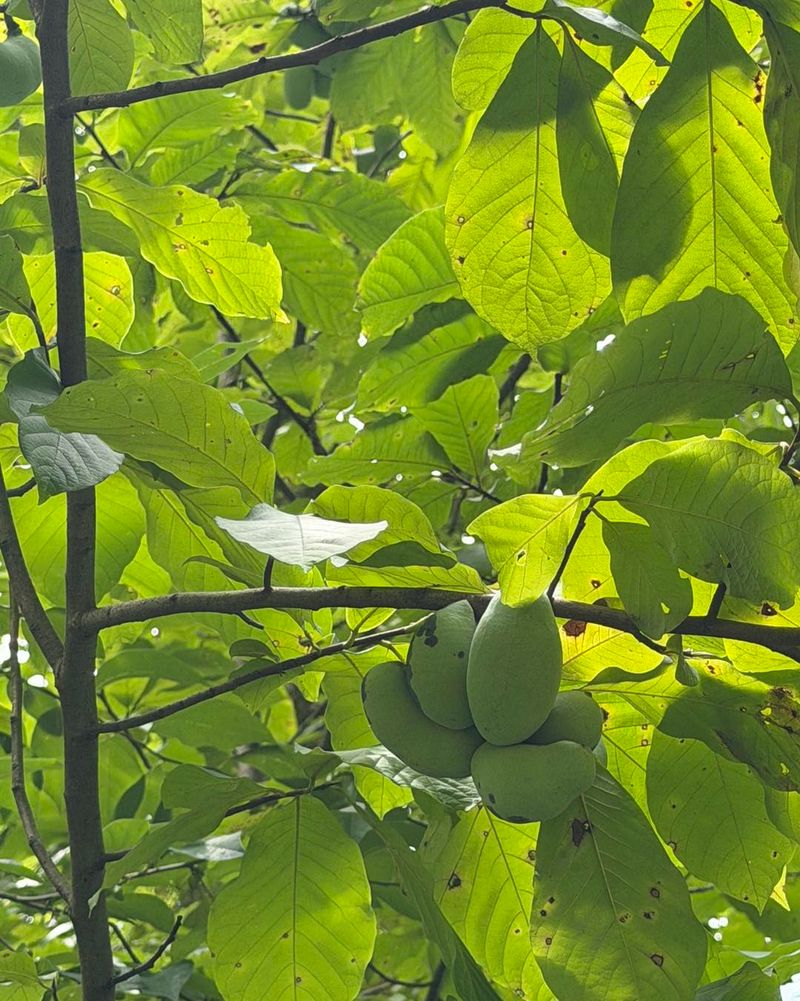
Overhead, wide droopy leaves hang like green fingers, and under them sit lumpy green fruits the size of a potato. They blend in so well that people step right over the fallen ones.
The flavor hiding inside has been compared to banana custard with a splash of mango. Early settlers ate it, Native communities harvested it for centuries, and chilled spoonfuls of it once traveled in a president’s lunch basket.
The catch is timing, because the window lasts only a few short weeks. Learn what to look for, and a free wild dessert is waiting along the state’s shaded creek banks.
The Custard Fruit Hiding In Kentucky’s Woods
Kentucky’s biggest homegrown fruit is not the apple or the peach. It is the pawpaw, a mango-shaped fruit that grows wild from the Ohio River bottoms to the hills of Appalachia.
A single pawpaw can weigh half a pound or more. The largest ones stretch six inches long, which makes them the heftiest edible fruit native to North America.
Slice one open and you will find pale yellow flesh with the texture of thick pudding. The taste sits somewhere between banana, mango, and vanilla custard, with a faint hint of melon.
Botanists place the pawpaw in the custard apple family, a group that mostly lives in the tropics. Its cousins include the cherimoya and soursop, which explains why a Kentucky woodlot can suddenly smell like a fruit market in Costa Rica.
The trees themselves are small and understory-loving, usually topping out around twenty-five feet. Their leaves are long, broad, and drooping, giving patches a strangely jungle-like look during summer.
Pawpaws grow in colonies because the roots send up suckers, so where you find one tree you will often find twenty. Locals call these thickets pawpaw patches, and yes, that is the same patch from the old children’s song.
Kentucky State University hosts pawpaw workshops and an annual conference dedicated to the fruit. For a fruit most shoppers have never tasted, it holds a surprising amount of local pride.
Late Summer Sets The Ripening Clock
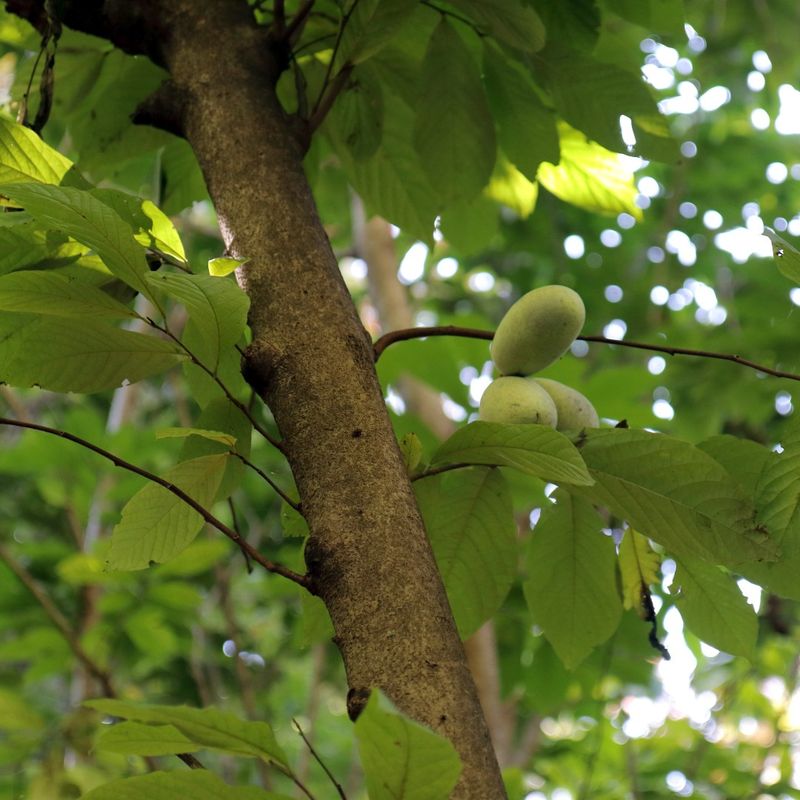
Timing is the whole game with this fruit. Kentucky pawpaws generally ripen from late August through the first half of October, with mid-September being the sweet spot in most counties.
Warmer western Kentucky patches tend to come in first. Higher elevations in the eastern part of the state can run a week or two behind, which stretches the season for anyone willing to travel.
The window stays narrow because ripe pawpaws hold quality for only two or three days at room temperature. Refrigeration buys you about a week, and frozen pulp keeps for months.
Weather nudges the calendar around each year. A wet spring with good pollination usually means a heavier crop, while a late frost during bloom can thin the harvest considerably.
Flowers appear in April before the leaves fully open, and they are maroon, drooping, and faintly funky-smelling. Flies and beetles do the pollinating, not bees, which is why fruit set can be spotty in isolated trees.
Your Kentucky Garden Changes Every Week. Your Plan Should Too.
Gardening in Kentucky changes quickly throughout the season. Every Friday you’ll receive a simple weekly plan showing exactly what to plant, prune, fertilize, harvest, and protect so you never miss the right timing.
Once fruit forms, it spends the whole summer swelling quietly under the canopy. Most people never notice because the green skin blends perfectly with the green leaves above it.
Then, almost overnight, the patch shifts. Fruit softens, fragrance spreads, and the ground below starts collecting windfalls.
Check your local patch twice a week starting in late August. Miss ten days in September and the raccoons, opossums, and box turtles will have handled the harvest for you.
The Reason Hikers Stroll Right Past A Loaded Tree
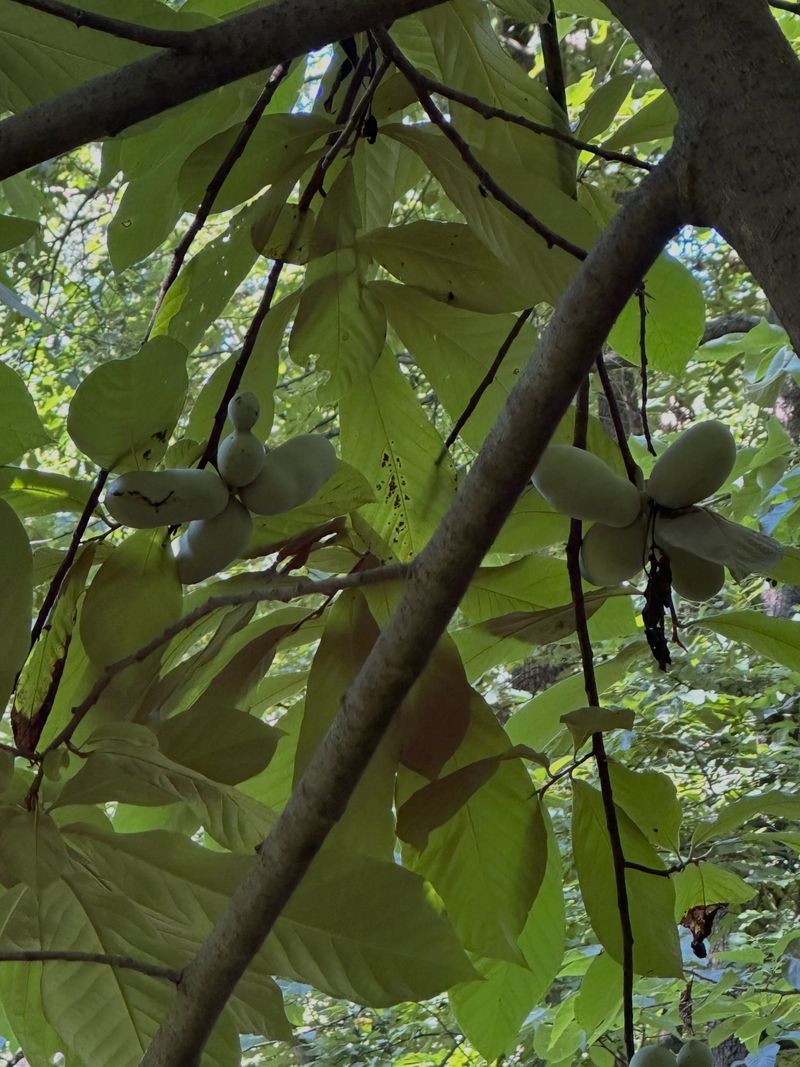
Camouflage explains most of it. Pawpaw skin stays a dull green until the very end of ripening, and it hangs directly under leaves that are the same shade.
Add in the fruit’s habit of growing in shady bottomland, and it disappears against the background. Your eyes read the whole scene as generic green brush.
Height plays a role too. Fruit often dangles at eye level or slightly above, right where hikers are watching the trail instead of the branches.
Another reason is simple unfamiliarity. Grocery stores have never carried pawpaws because the fruit bruises easily and spoils fast, so shoppers have no mental picture to match.
Many people assume any wild fruit in the woods is either poisonous or worthless. Pawpaw suffers from that guilt-by-association problem more than most.
Some walkers do notice the smell and never connect it to the trees overhead. The fragrance is strongest when fruit drops and splits open on damp ground.
Try this trick instead of scanning branches. Look down first for soft yellowish lumps in the leaf litter, then look up to find the tree that dropped them.
Learn the leaf shape and you will start spotting patches from a moving car. The leaves are long, tapered, and hang limply, almost like a small tropical plant that wandered north by mistake.
Once your brain learns the pattern, pawpaw patches seem to appear everywhere along Kentucky greenways and creek trails.
Picking It Too Green Ruins The Flavor
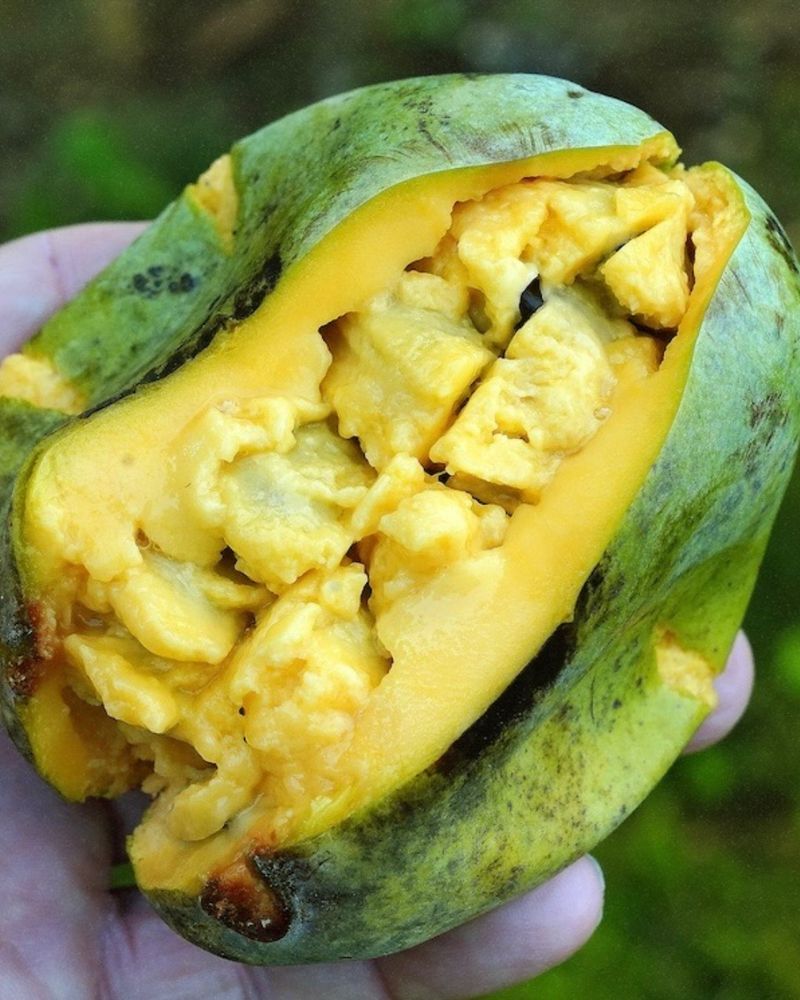
Here is the error nearly every first-timer makes. They spot fruit on a branch, tug hard, and walk away with a rock-solid pawpaw that will taste bitter and chalky.
Unlike bananas, pawpaws do not improve much once separated from the tree while firm. Pick too early and you get astringency instead of custard.
Ripeness shows up in three ways. The fruit gives slightly when squeezed, the skin may develop yellow or brown blotches, and the fragrance turns rich and sweet.
The best test costs nothing. Cup the fruit gently and give the branch a light shake, and a ready pawpaw will drop into your hand with almost no effort.
Ground fruit is often the best fruit, provided it is still firm-soft rather than mushy and split. Wildlife works fast, so fresh drops are usually only hours old.
Bruised spots turn brown quickly but do not mean the fruit is bad. Scoop around them the same way you would with an overripe banana.
Skip the skin and the seeds. Both contain compounds that upset some stomachs, and the seeds are large, dark brown, and shaped like lima beans.
A few people react to the pulp with mild stomach discomfort, so a small first taste is smart. Cooking does not remove that possibility, since the flavor compounds break down with heat anyway.
Handle every fruit like a ripe peach. Rough treatment shortens an already short shelf life.
Where To Search Along Kentucky Creeks And Trails
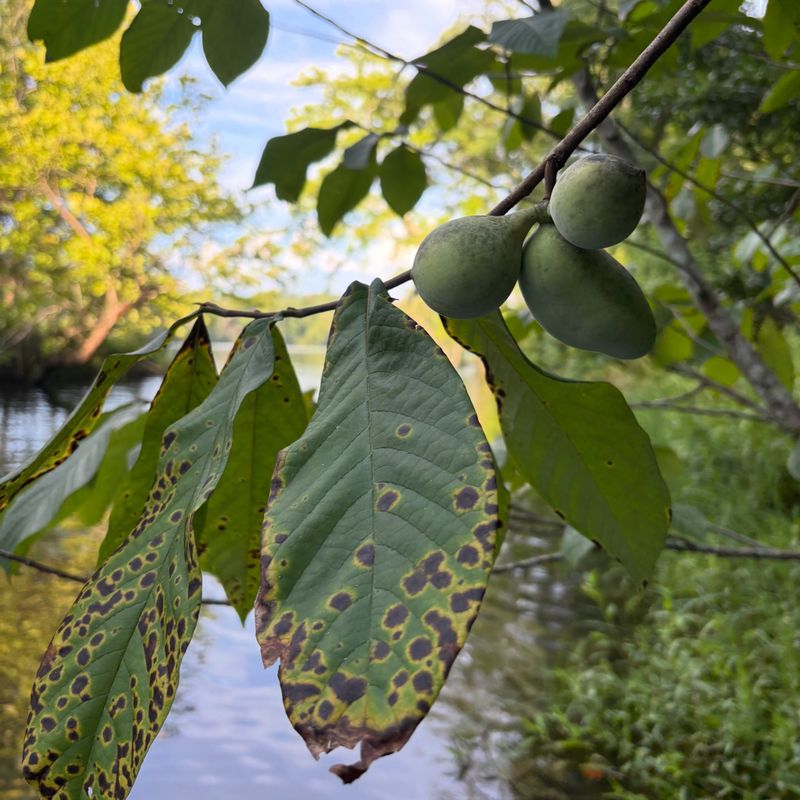
Water is your best guide. Pawpaws favor moist, well-drained bottomland, so follow creek banks, river floodplains, and the low shady edges of hollows.
They rarely grow in full sun as young trees. Look under the canopy of larger hardwoods like beech, sycamore, and maple where the light stays filtered.
Kentucky offers plenty of promising ground. Public trails in Daniel Boone National Forest, Bernheim Forest area woodlands, and riverside parks around Louisville and Lexington all host healthy colonies.
Rules matter before you fill a bag. Many state parks and nature preserves restrict foraging entirely, while national forest land often allows small personal harvests.
County parks and greenways vary widely, so a quick call to the office saves trouble. Private land needs permission, plain and simple.
Roadside ditches and railway edges may hold fruit, but skip anything near sprayed rights-of-way. Chemical drift is a real concern in those spots.
Bring a soft tote or a small bucket rather than a backpack. Pawpaws crush under their own weight when stacked deep.
September mornings are ideal because cooler temperatures slow spoilage on the walk out. Ticks and chiggers stay active into fall in Kentucky, so treat your socks and pants.
Take only part of what you find. Foxes, raccoons, deer, and the zebra swallowtail butterfly all depend on these thickets, and leaving fruit behind helps new seedlings spread along the creek.
Turning A Bag Of Pulp Into Something Worth The Walk
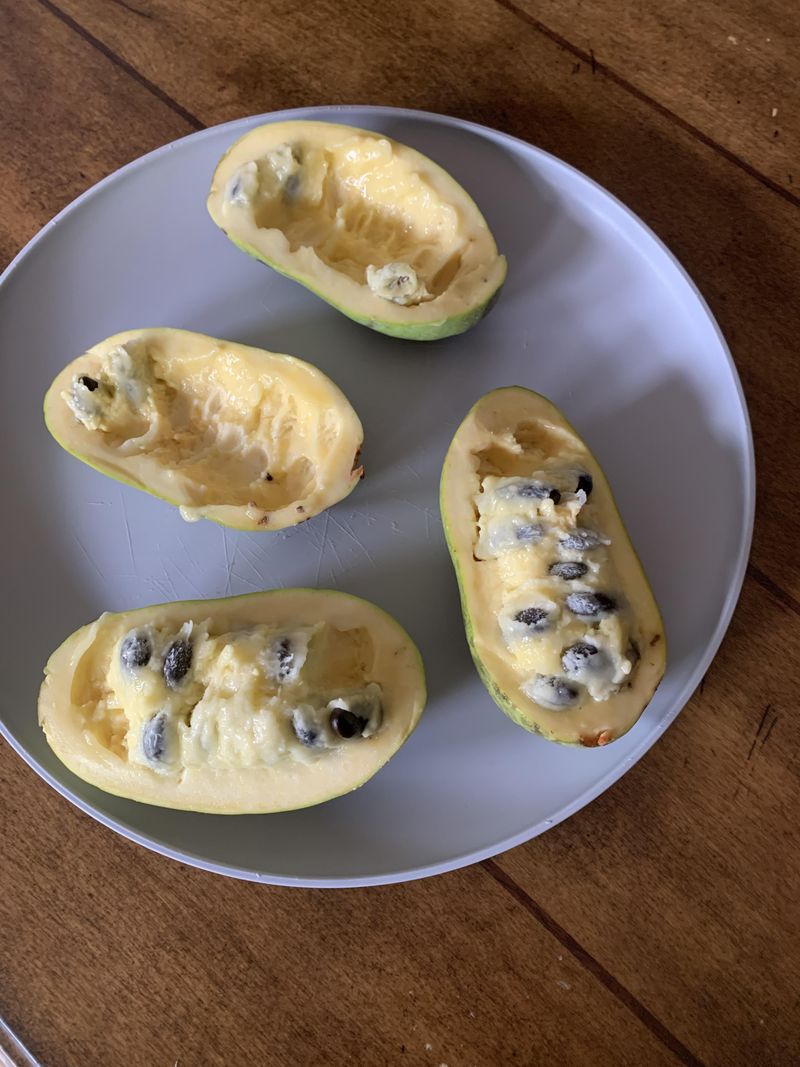
Reward time. Once you get your haul home, the fastest way to enjoy a pawpaw is to cut it lengthwise and eat it with a spoon like a small melon.
For larger batches, work the flesh through a colander or food mill to separate pulp from seeds. Ten pounds of fruit yields a surprising amount of thick golden puree.
Freeze the pulp in one-cup portions and you will have summer flavor available in February. Add a squeeze of lemon juice to help it hold color.
Baking is where pawpaw shines for beginners. Swap it one-for-one for mashed banana in quick bread, muffins, or pancakes, and cut the sugar slightly since the fruit is already sweet.
No-cook desserts work even better because heat dulls the tropical notes. Pawpaw ice cream, milkshakes, pudding, and cheesecake all keep that custard character intact.
Kentucky cooks have gotten creative over the years. Local cooks turn out pawpaw pastries in September, and a few restaurants slip the pulp into panna cotta or curd.
Save a couple of seeds if you want your own patch. They need three months of cold, moist storage in the refrigerator before planting, and they should never dry out.
Plant two seedlings from different parent trees for pollination. In six or seven years, you could be picking the state’s largest native fruit from your own backyard.