Why Your Kentucky Crape Myrtle Struggles Year After Year And How To Help It Recover
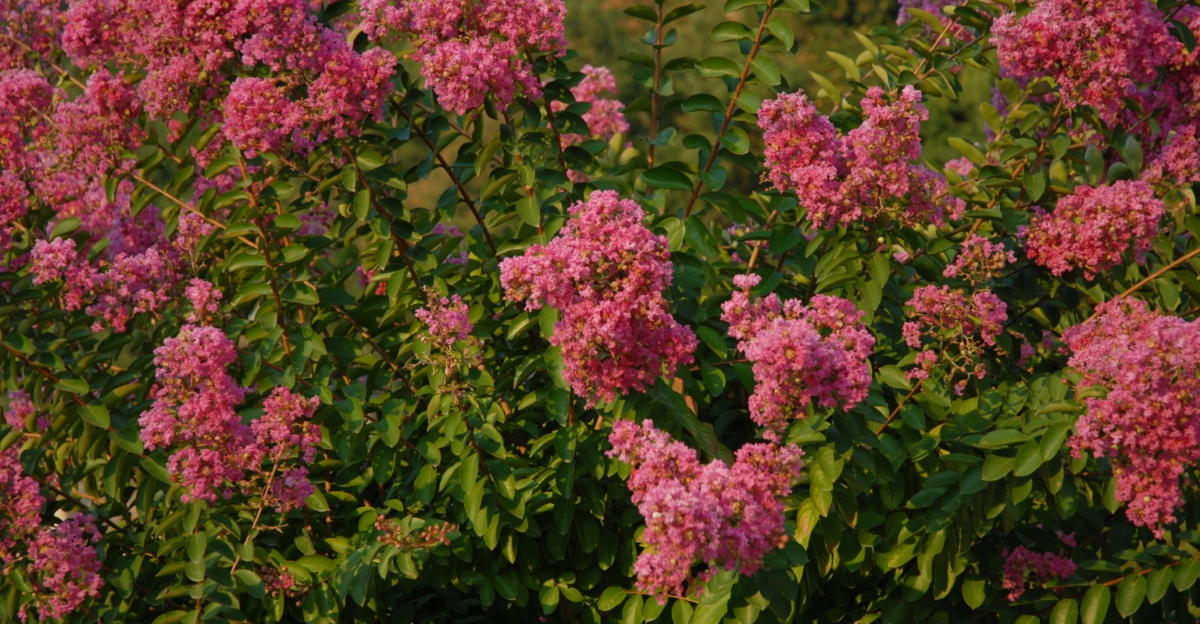
My crape myrtle looked absolutely pitiful for three straight summers. Stubby.
Stiff. Not a single dramatic bloom in sight.
I kept watering it, willing it to just do something. Turns out, my own pruning shears were doing more harm than good.
If you are growing crape myrtles in Kentucky, you have probably seen this sad little scene play out in your own yard. These trees are practically begging to be beautiful, but a few well-meaning mistakes can quietly hold them back for years.
The tricky part? Most Kentucky gardeners do not even realize the damage is happening until the tree looks more like a confused shrub than a flowering showstopper.
Here is the thing though: crape myrtles are fighters. They bounce back with surprising speed once you understand what went wrong.
So take a breath, step away from the pruning shears, and read this first.
1. Topping Ruins Natural Shape
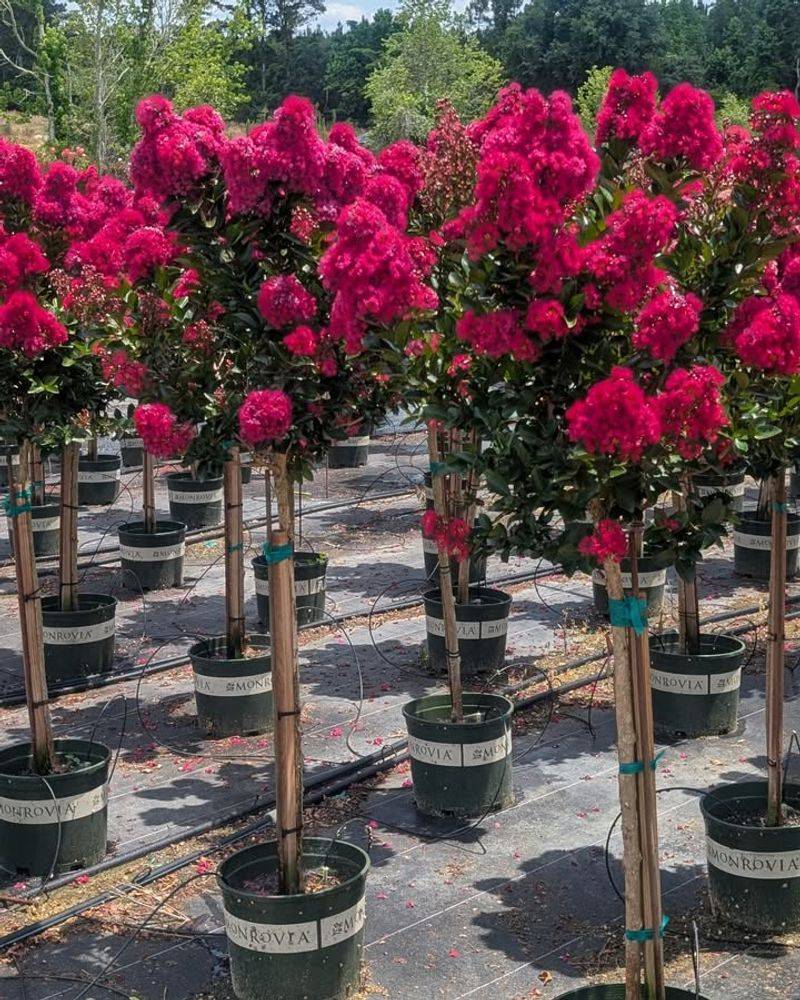
One bad haircut can haunt your crape myrtle for a lifetime. Most homeowners never see it coming.
This aggressive pruning practice removes the natural branching structure the tree spent years building. Once those upper limbs are gone, the tree panics and sends up dozens of weak, whippy shoots from the cut points.
Those weak shoots grow fast but never develop the sturdy framework of natural branches. They are floppy, crowded, and prone to breaking under the weight of blooms or a heavy rain.
The tree ends up looking like a broom head on a stick instead of the graceful, arching beauty it was meant to be.
Topping also stresses the root system, which was designed to support a much larger canopy. The tree burns extra energy trying to recover, leaving less fuel for flowering.
Stopping this habit now gives your crape myrtle a real chance to rebuild its natural silhouette over the next few seasons.
2. Cutting Too Close Creates Wounds That Take Years To Close
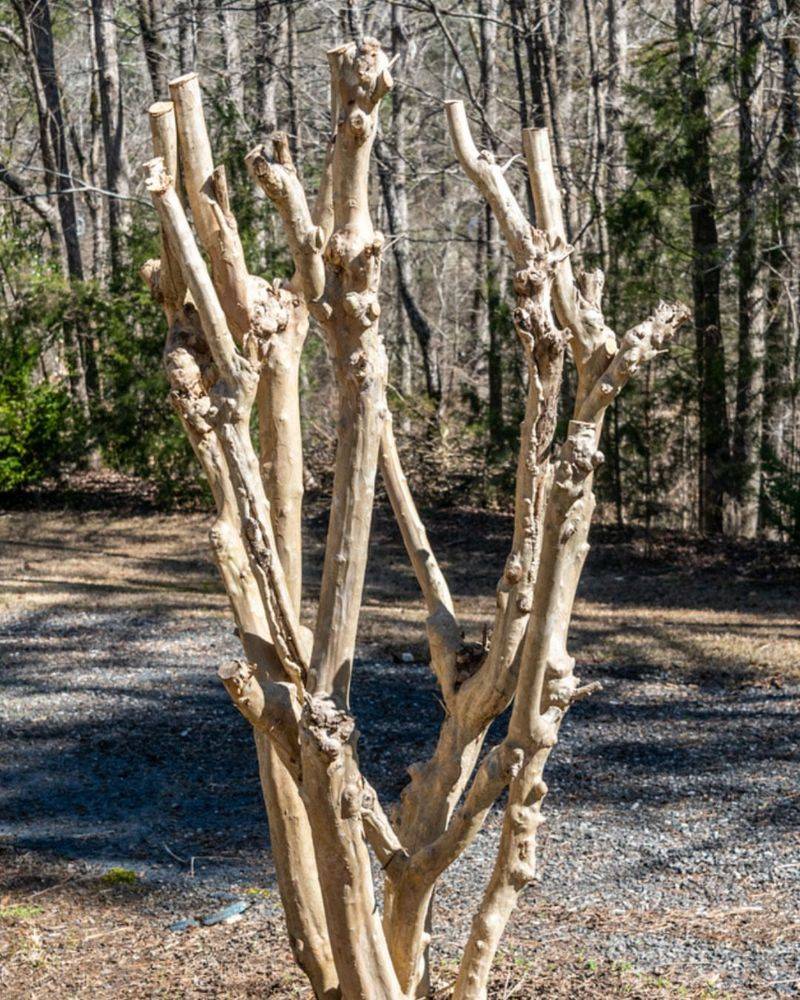
Flush cuts look clean but leave wounds the tree cannot close. That small swollen ring at the base of every branch, the branch collar, is packed with cells designed to seal off cuts.
Remove it and you have taken away the tree’s best healing tool.
Wounds that cannot close properly become entry points for fungi, bacteria, and boring insects. Over several seasons, these openings cause internal decay that spreads deeper into the trunk.
You might not see the damage right away, but the tree is quietly weakening from the inside out.
Proper cuts leave the branch collar intact and angle slightly away from the trunk so water drains off cleanly. It sounds like a small detail, but it makes an enormous difference in how fast the tree seals over.
Healthy closure means less disease, stronger wood, and a crape myrtle that actually improves year after year instead of declining. Getting this one cut right is a game changer for long-term tree health.
3. Wrong Timing Stresses The Tree

Pruning at the wrong time is like waking someone mid-deep sleep. The stress can set your tree back significantly, and timing is almost everything with crape myrtles.
Your Kentucky Garden Changes Every Week. Your Plan Should Too.
Gardening in Kentucky changes quickly throughout the season. Every Friday you’ll receive a simple weekly plan showing exactly what to plant, prune, fertilize, harvest, and protect so you never miss the right timing.
Trimming during active growth in summer removes energy the tree is actively using to push out flowers and strengthen roots. Fall cuts are equally damaging because they push the tree to produce new growth right before cold weather arrives.
That tender new growth has no time to harden before frost hits, and it dies back, forcing the tree to spend precious reserves on recovery.
The sweet spot for pruning crape myrtles in Kentucky falls between late winter and very early spring, just before new growth begins. At that point the tree is resting, sap is low, and any cuts made heal quickly once warm weather arrives.
Waiting for the right window costs nothing but patience, and it pays off with stronger, healthier growth every single season.
4. Over-Trimming Shocks The Tree
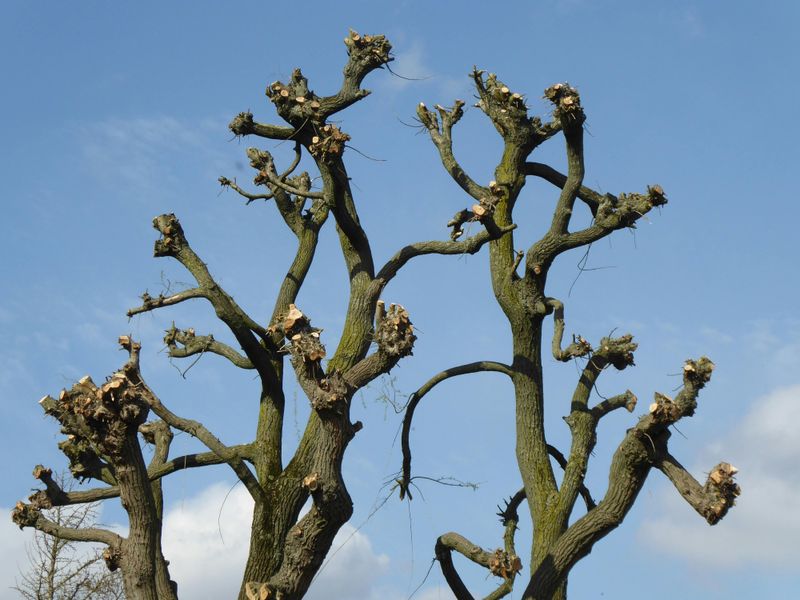
Over-stripping a crape myrtle does not thin it out, it panics it. The tree responds by throwing out a chaotic flush of weak, fast-growing shoots from every available point.
These stress sprouts are the plant’s desperate attempt to replace the photosynthesis it suddenly lost.
Heavy trimming also depletes the energy stored in the roots and main trunks. That stored energy, called carbohydrates, is the tree’s fuel for surviving winter, fighting off pests, and pushing out spring blooms.
When you take too much at once, you are essentially draining the battery at the worst possible moment.
A crape myrtle that gets shocked by over trimming often produces fewer blooms the following season, and the ones it does produce sit on weak, floppy stems that look messy. Recovery from a severe cut can take two to three full growing seasons.
Light, intentional pruning sessions protect the stored energy your crape myrtle worked hard to build. That steady energy reserve is what keeps the tree moving forward instead of bouncing between stress and recovery.
5. Dirty Tools Spread Disease

Your unwashed pruning shears may be doing more damage than the cuts themselves. Fungal spores and bacteria hitch rides on blades covered in sap and plant debris.
A single pruning session can spread pathogens to multiple cuts across the same tree.
Crape myrtles are already somewhat vulnerable to powdery mildew and Cercospora leaf spot, two common fungal problems that thrive in humid Kentucky summers.
Introducing those pathogens through dirty cuts gives the disease a direct path into fresh wounds where the tree’s defenses are temporarily lowered.
The infection spreads faster than most people expect.
Cleaning blades with a simple solution of rubbing alcohol or a ten percent bleach mixture before and after each use takes about thirty seconds. Keeping tools sharp matters just as much, because ragged cuts from dull blades take far longer to seal than clean, precise ones.
Sanitized, sharp tools are one of the easiest and cheapest upgrades you can make for your crape myrtle’s long-term health. Small habits create big results over time.
6. Repeat Cuts Create Knobby Knuckles

Year after year of cutting in the exact same spot creates something crape myrtle lovers call knuckles, and they are truly not a good look. These swollen, lumpy growths form where the tree repeatedly sends up new shoots that get chopped off again the following season.
The scar tissue builds up into unsightly knobs that permanently disfigure the trunk in ways that are hard to ignore once you know what you are looking at.
Beyond being ugly, those knuckles are structurally weak points. The wood inside them is dense but poorly organized, making them prone to splitting under the weight of heavy flower clusters or a rough Kentucky ice storm.
Once knuckles form, they cannot be removed without causing even more damage to the trunk below, which puts Kentucky gardeners in a frustrating spot.
Breaking the cycle is the only real solution. Stop cutting in the same place each year and instead select a few well-placed branches slightly above the old cut points to redirect growth.
Over several seasons, the tree will begin developing a more natural branching pattern above those old scars. It takes patience, but the payoff is a crape myrtle that gradually regains the elegant, layered structure it was always meant to have.
7. Ignored Withered Branches Cause Crowding
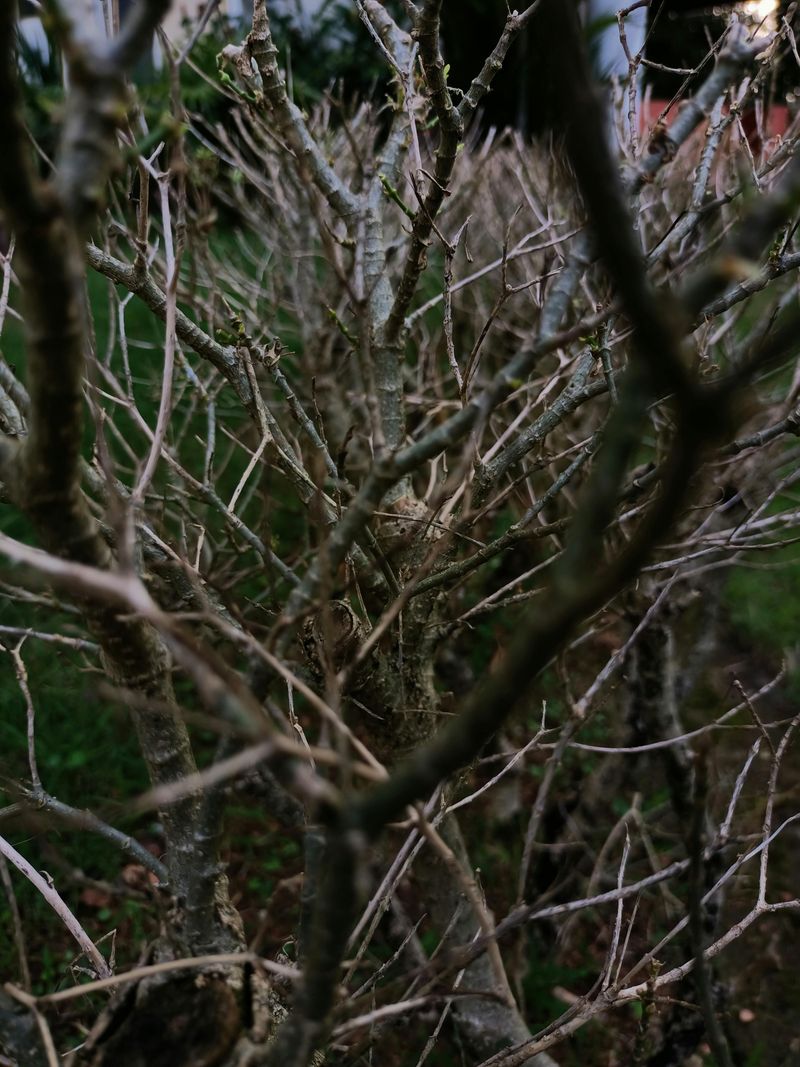
That dried, spent wood buried inside your crape myrtle canopy is quietly causing more trouble than it looks. Those lifeless branches block sunlight from reaching healthy growth below and create a tangled mess that traps moisture and invites fungal problems.
Leaving them in place year after year compounds the problem until the whole canopy looks chaotic.
Crowded interiors invite poor air circulation, powdery mildew, and insects that love hiding in dense, neglected canopies. A little thinning goes a long way toward keeping your tree healthy.
The damage creeps along slowly, which is exactly why so many people miss it until the tree looks genuinely rough.
Removing spent, crossing, and inward-growing branches opens up the canopy and lets light and air move freely through the tree.
This simple cleanup, done during the late winter pruning window, dramatically reduces disease pressure and gives healthy branches room to develop properly.
A cleaner canopy means stronger growth, better blooms, and a tree that actually looks like it is thriving rather than just surviving another season.
8. Fast Recovery Is Unrealistic
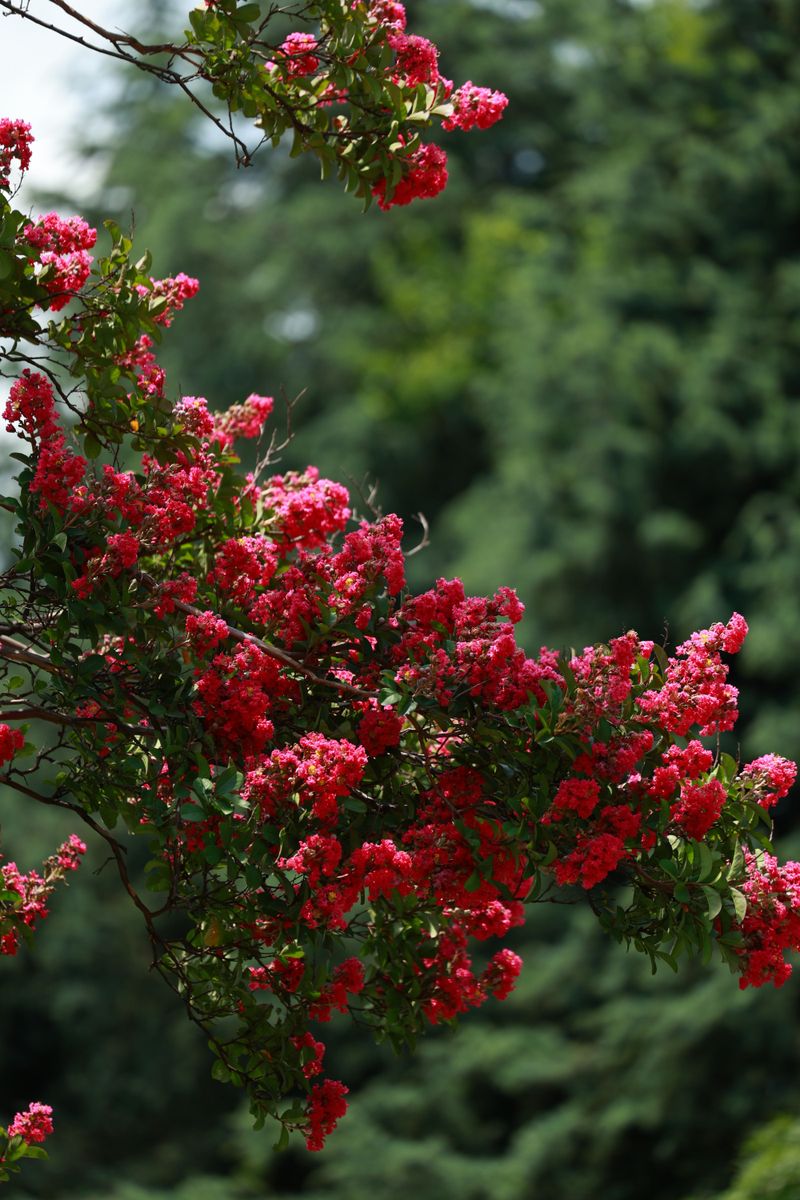
Crape myrtles are tough, but even they cannot undo years of damage in a single season. The tree needs time, and rushing the process with aggressive cuts or heavy fertilizing only piles more stress onto an already struggling plant.
Patience is genuinely the most powerful tool you have here.
Recovery happens in stages. The first season after changing your care approach, you might notice modest improvements in leaf size and color.
By the second season, branching patterns start to normalize and bloom counts often increase in a way that actually gets exciting.
Full recovery of the natural shape and vigor can take three to five years depending on how much prior damage the tree absorbed, and that timeline is completely normal for Kentucky crape myrtles working through years of tough love.
Keeping expectations realistic helps you stay consistent with good habits instead of throwing in the towel when the tree does not transform overnight.
Document your progress with photos each spring so you can actually see how far things have come, because gradual change is easy to miss when you walk past the same tree every single day.
Kentucky’s growing season gives your tree a real fighting chance each year, so let it work. Slow and steady improvement beats a dramatic intervention that sets everything back even further.
Trust the process and let the tree lead the way.
9. Wrong Size Variety Forces Constant Cutting

Plant the wrong size crape myrtle and you will be fighting that tree for the rest of your life. The tree will always try to reach its genetic size, and no amount of pruning will change that fundamental drive.
Constant cutting to control size is exhausting for you and genuinely harmful to the tree.
Kentucky homeowners often inherit these mismatched plantings from previous owners who either did not know the mature size or did not plan ahead.
The result is a tree that gets hacked back every single year just to keep it from swallowing the driveway or blocking the windows.
Each round of heavy cuts adds more damage and pushes the tree further from its natural health.
Choosing the right variety for your specific space from the start eliminates this problem entirely. Dwarf and semi-dwarf crape myrtle varieties top out at six to twelve feet and never need size-control pruning.
Sometimes the kindest thing you can do for an oversized crape myrtle in the wrong spot is simply start fresh with a better-suited variety.
10. No Fertilizer Slows Recovery
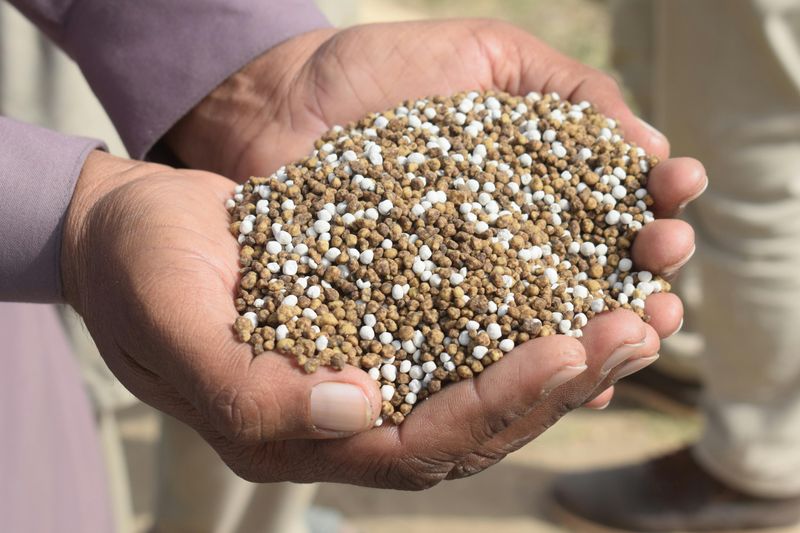
A recovering crape myrtle is hungry, and depleted soil gives it absolutely nothing to work with. Without adequate nutrients, the tree cannot push out strong new growth, repair damaged tissue, or produce the flush of blooms it is capable of delivering.
Skipping fertilizer during recovery is like asking someone to run a marathon without eating breakfast.
Nitrogen is the nutrient most directly tied to leafy growth and overall vigor, but balance matters. Too much nitrogen pushes excessive green growth at the expense of flowers, while too little leaves the tree pale, sparse, and struggling to fill out.
Phosphorus supports root development, and potassium helps the tree handle stress and disease pressure, both of which matter greatly during recovery.
A soil test from your local Kentucky cooperative extension office gives you exact numbers for what your soil is actually missing. Testing costs very little and removes all the guesswork.
Knowing exactly what your soil is missing takes all the guesswork out of choosing the right fertilizer. Feeding with purpose accelerates recovery in a meaningful way.
11. Use Light Selective Trimming Only

Less is genuinely more when it comes to pruning a crape myrtle, especially one that is already struggling. Light selective trimming means removing only what has run its course, crossing, or growing in the wrong direction, and then stepping back.
The goal is to guide the tree, not to redesign it from scratch every season.
Selective pruning works with the tree’s natural growth pattern instead of fighting it. When you remove only the branches that are causing problems, the rest of the canopy continues developing its natural architecture.
Over several seasons, this approach builds a stronger, more graceful structure than any amount of heavy cutting ever could.
A good rule of thumb is to stand back and look at the whole tree before making a single cut. Identify the two or three branches that are genuinely causing issues, remove those, and stop.
Resist the urge to keep going just because you have the tools in your hand. Crape myrtles reward restraint with better blooms, cleaner shapes, and fewer problems year over year.
The best pruning session often ends sooner than you expect.
12. Cut Just Outside The Branch Collar
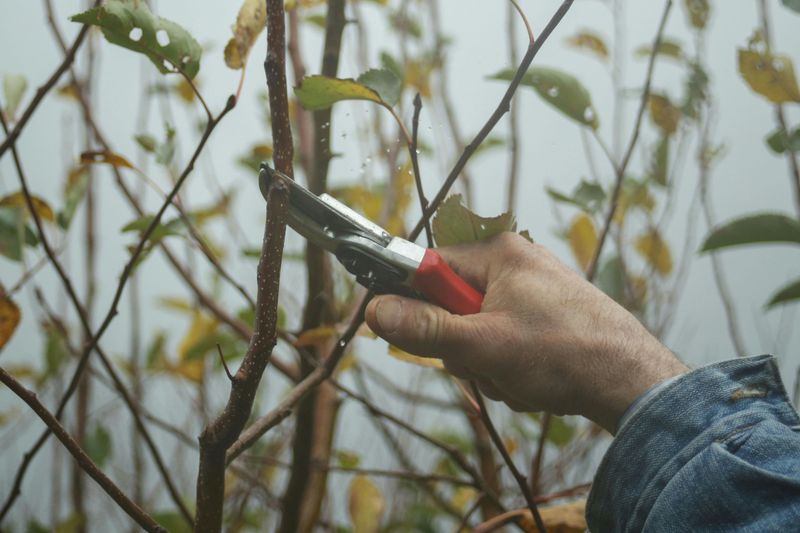
See that wrinkled ring where the branch meets the trunk? That is the branch collar, and it does all the healing work.
Cutting just outside this collar leaves those specialized cells intact so they can grow over the wound and seal it off efficiently. It is a small target, but hitting it consistently makes an enormous difference.
Cuts made too far out leave a stub that cannot seal properly and eventually rots back toward the trunk anyway. Cuts made too close remove the collar entirely and leave a wound that stays open for years, inviting decay and disease.
The correct cut angle is usually slightly downward and away from the trunk, following the natural angle of the collar itself.
Practicing this technique on a few branches before tackling the whole tree helps build muscle memory. Once you can identify the collar by sight and feel, the cut becomes intuitive rather than stressful.
A well-placed cut on a recovering crape myrtle seals noticeably faster than a flush cut ever would. Watch closely and you will often see the healing callus forming before the growing season is even over.
That visible progress is genuinely encouraging.
13. Trim In Late Winter Or Early Spring
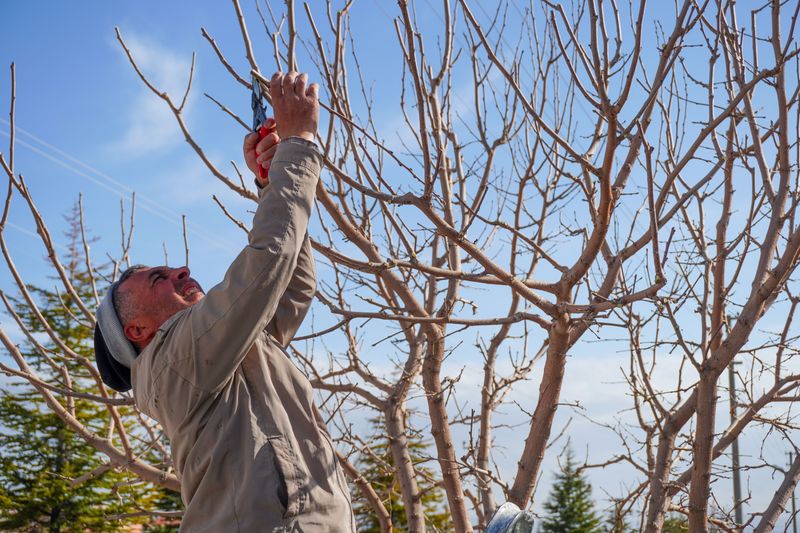
Late winter to early spring is the sweet spot for pruning, and getting that timing right changes everything.
The tree is still dormant. Sap is barely moving.
Any wounds you make will close cleanly before disease even gets a chance.
In Kentucky, this window typically falls somewhere between late February and mid-March depending on the year. The key signal to watch for is the swelling of buds, those tiny, reddish bumps that appear along branches just before new leaves emerge.
Pruning just before or right as buds swell gives the tree maximum recovery time before the growing season kicks into full gear.
Waiting until you see green leaves already opening means you have missed the ideal window, but a light cleanup is still far better than skipping it entirely. Fall pruning pushes out fresh growth right before frost hits, and that never ends well for your crape myrtle.
Summer is equally risky since the tree is busy using every single leaf to fuel flowering and root development. Timing is the easiest fix with the biggest payoff.
14. Never Remove More Than One Third At A Time

There is one pruning rule that applies to nearly every tree: never remove more than a third of the canopy at once. Break it and the tree pays for it across multiple growing seasons.
Sticking to this limit keeps your crape myrtle functional and steady on its road to recovery.
When a crape myrtle loses too much canopy too quickly, it cannot produce enough food through photosynthesis to sustain its root system. The roots begin to decline, weakening the whole tree from the ground up.
You may not see the root damage directly, but it shows up fast. Smaller leaves, fewer blooms, and branches that struggle even through a perfectly good Kentucky summer are all quiet warning signs worth paying attention to.
If your crape myrtle needs serious reshaping after years of neglect or bad cuts, spread that work across two or three seasons instead of tackling it all at once. Gradual correction gives the tree real breathing room to adapt and strengthen between sessions.
Kentucky’s growing climate gives your crape myrtle a real advantage by that third season. The canopy fills back in, the roots rebuild their strength, and the tree is ready for final shaping cuts.
What comes after that is a crape myrtle that looks intentional, elegant, and completely at home in your yard.
15. Feed With Slow Release Fertilizer Every Spring

Spring is calling and your recovering crape myrtle is hungry. Rising soil temperatures flip a switch in your crape myrtle’s root system.
Suddenly the tree is actively pulling in nutrients and ready to push out strong new growth. Give it a slow, steady food supply and it builds real strength instead of burning out fast.
Look for a balanced granular fertilizer with a ratio somewhere around 10-10-10 or a formulation specifically designed for flowering trees and shrubs.
Apply it according to package directions, spreading evenly under the canopy out to the drip line where feeder roots are most active.
Water it in well so nutrients begin moving into the root zone right away.
Feeding your crape myrtle consistently every spring, rather than sporadically or not at all, builds a compounding effect over time. Each well-fed season produces stronger wood, more robust branching, and a bigger bloom display than the one before.
A crape myrtle that receives reliable nutrition alongside proper pruning practices can show meaningful improvement within two or three years. That kind of steady, visible progress is exactly what keeps Kentucky gardeners motivated to keep going.