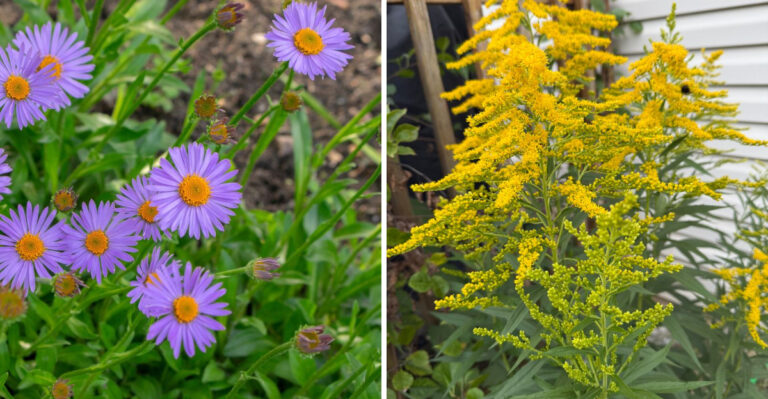
What It Means When Your Georgia Crape Myrtles Bloom Late This Summer
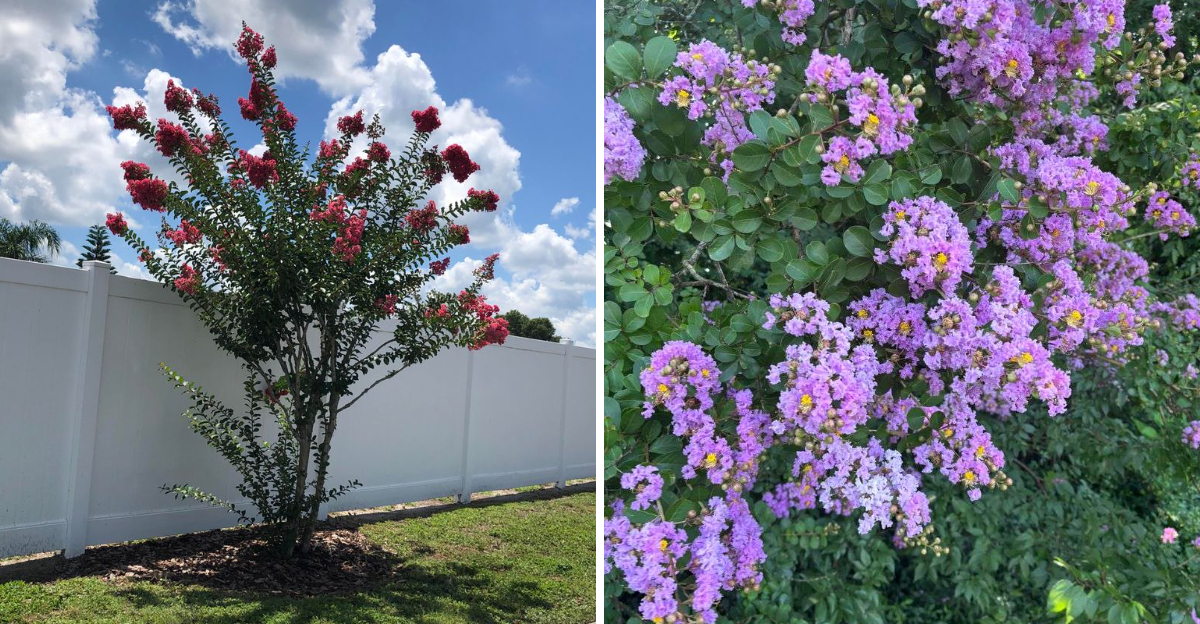
You look across the street in July and the neighbor’s crape myrtle is already covered in color.
Yours has buds. Maybe.
Same street, same weather, same summer. Something is clearly wrong with your tree.
Except probably nothing is.
Here’s what most Georgia gardeners don’t know about these plants. Crape myrtles bloom on new growth, which means anything affecting how fast that growth develops also shifts when flowers appear.
Pruning does it. Drought does it. A cool wet stretch in June does it.
Variety alone accounts for weeks of difference between two trees planted side by side.
There’s even a version where late blooming is a sign something went right rather than wrong.
The tempting response involves fertilizer, extra water, or corrective pruning. All three can make the situation worse.
Curious why your tree is running behind?
1. Spring Pruning Timing Shifted The Schedule
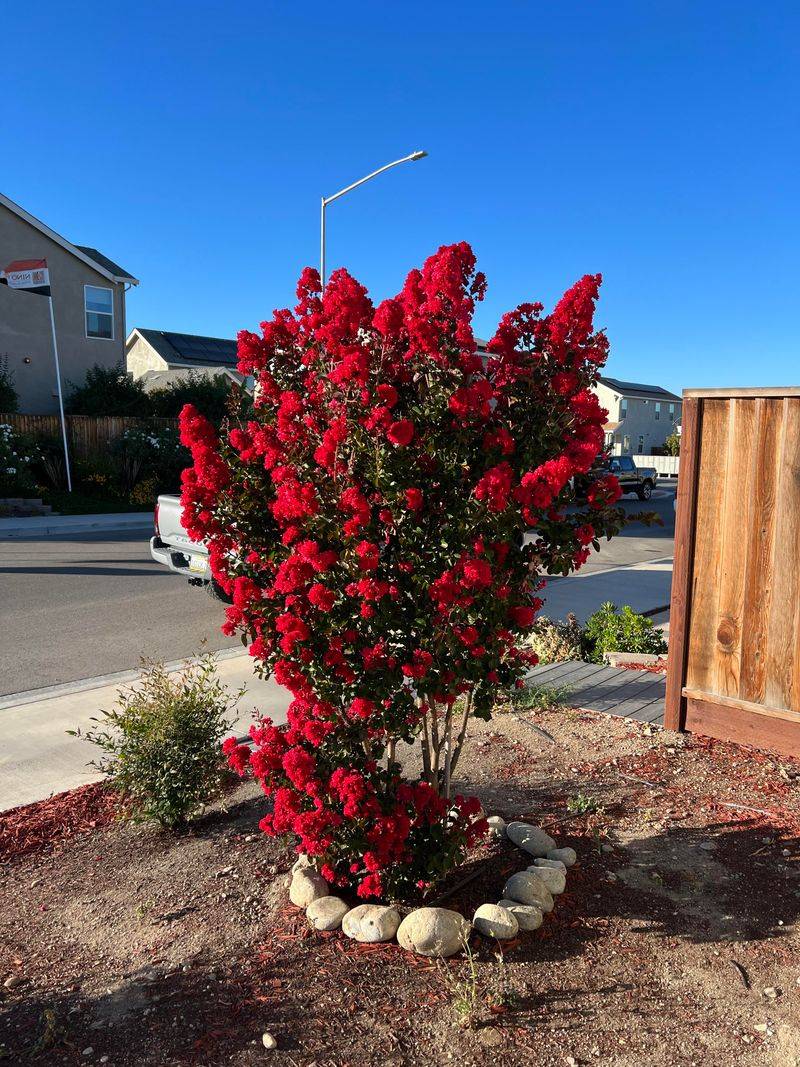
Sometimes the answer begins months earlier, back when the branches were cut. Crape myrtles bloom on new growth, so pruning in late winter or early spring can change how fast flowering wood develops that season.
When a tree is trimmed, it puts energy into replacing stems and leaves first. That extra growing time can push flower buds later, especially if pruning happened after growth had already started in Georgia.
UGA Extension guidance supports the idea that bloom timing connects closely with new growth. A plant that must rebuild part of its canopy may still bloom well, but the show often starts later.
Heavy pruning can stretch that delay more than light shaping does. Many gardeners call severe topping crape murder, and it often leads to awkward shoots, fewer natural lines, and shifted flowering.
If you pruned this year, compare the tree with one that was left mostly alone. The less-pruned plant may flower sooner simply because it did not need extra time to regrow.
That difference can look dramatic from yard to yard, even on the same street. Sun exposure, soil moisture, and variety can add more delay, but pruning timing is a common, simple explanation.
Going forward, limit cuts to removing spent wood, rubbing branches, or small shaping needs. Late winter is usually the best time, and lighter pruning often keeps blooming closer to its usual schedule.
A late bloom after spring trimming usually means your crape myrtle is following its growth pattern, not failing. Patience matters here, because flowers often arrive once that fresh growth is ready.
2. Drought Stress Delayed Normal Bud Break
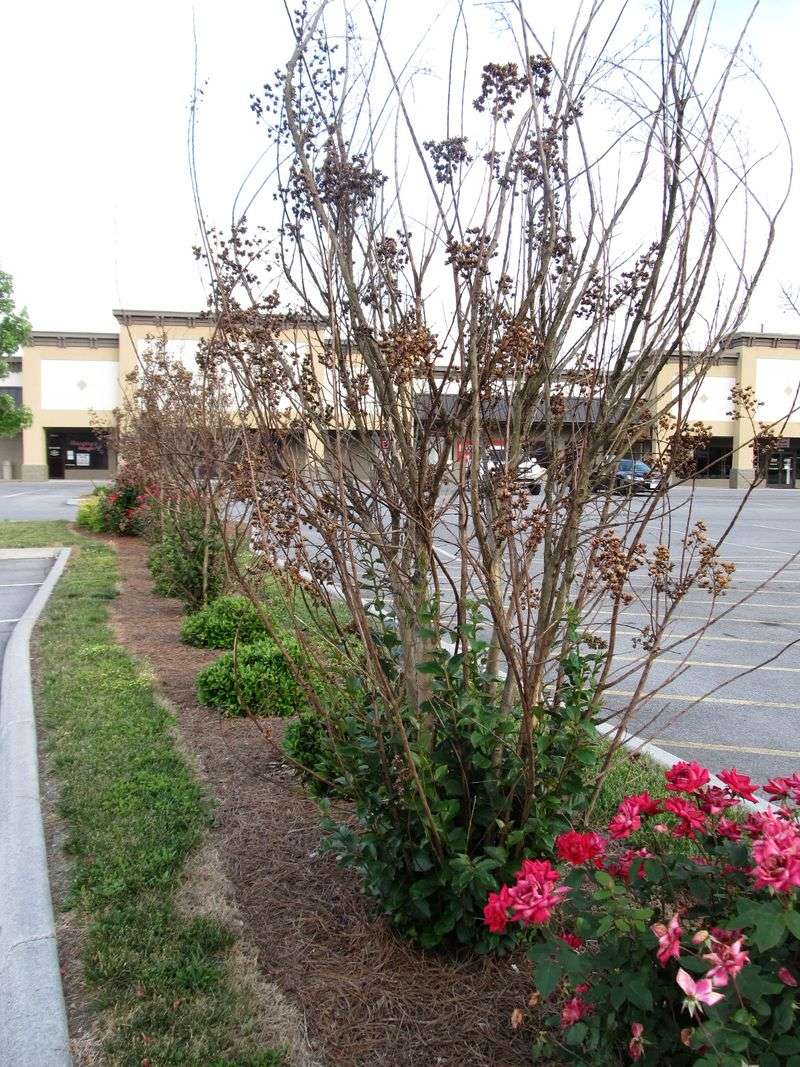
A thirsty plant often tells its story slowly, not all at once. When Georgia goes through a dry stretch in spring or early summer, crape myrtles may postpone normal bud growth while conserving energy.
Instead of racing into flowers, the tree focuses on basic survival. Roots search for moisture, leaves try to limit stress, and developing buds can pause until better conditions return.
UGA Extension materials on landscape watering and plant stress point to drought as a factor that can affect flowering. Buds may still form, but the schedule can slide later than usual.
Your Georgia Garden Changes Every Week. Your Plan Should Too.
Gardening in Georgia changes quickly throughout the season. Every Friday you’ll receive a simple weekly plan showing exactly what to plant, prune, fertilize, harvest, and protect so you never miss the right timing.
You might notice smaller leaves, drooping in the hottest part of the day, or slower new growth. Those clues matter more than bloom timing alone when you are judging plant health.
Young crape myrtles are especially sensitive because their roots are not as wide or established. Even mature trees can react if dry weather lasts long enough during active growth.
A deep soaking once or twice a week during drought is usually better than quick daily sprinkles. Mulch helps too, because it keeps soil cooler and slows moisture loss around the roots.
Keep mulch a few inches away from the trunk so bark stays dry. Watch the soil under the mulch, since the surface can look dusty while the root zone still holds moisture.
Late flowers after a dry spell usually mean the plant waited for better conditions. Once rain returns or watering improves, many Georgia crape myrtles catch up and still put on a nice show.
3. Trimming Encouraged A Second Flush
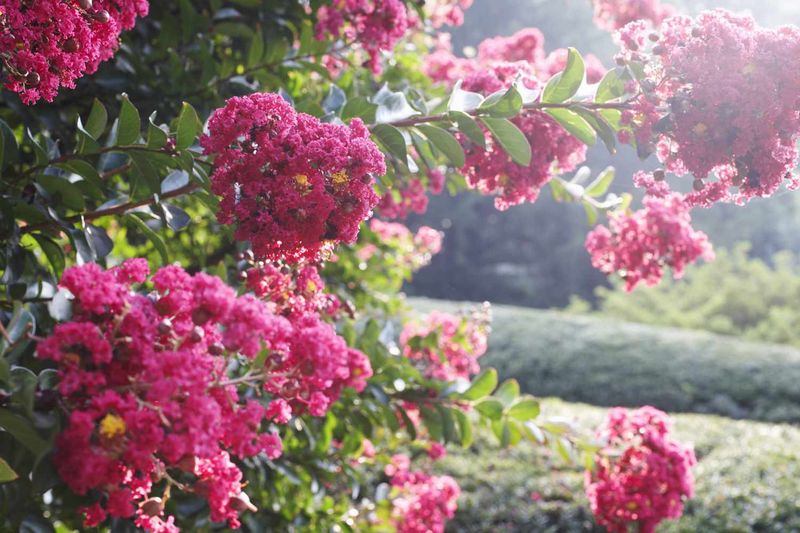
Here is the pleasant surprise version of late blooming. Sometimes flowers show up later simply because someone removed the first spent flower clusters, which can encourage a second round of blooming.
That practice is called trimming, and many gardeners do it to keep trees tidy. On crape myrtles, it can also nudge the plant to produce another flush on fresh growth.
UGA Extension notes that seedhead removal may stimulate additional flowering on some crape myrtles. The second bloom usually comes later than the first, so a tree can look behind when it is actually reblooming.
The later color may be lighter or less heavy than the first wave, but it is still normal. Warm Georgia weather often gives the plant enough time to try again.
If your tree bloomed earlier, then seemed quiet, then started up once more, trimming is a strong clue. Look for old cut flower stems beneath the newer clusters.
Not every crape myrtle responds the same way, and some varieties rebloom more eagerly than others. Weather, watering, and overall tree health also affect how strong that second flush becomes.
Use clean hand pruners and clip only the spent bloom cluster, not large branches. Cutting too deeply can remove developing shoots and reduce the very flowers you hoped to encourage.
So if blossoms appear late after an earlier show, do not assume trouble right away. Your crape myrtle may simply be taking a second lap, giving your yard extra color before fall arrives.
4. Variety Differences Explain Some Of The Wait
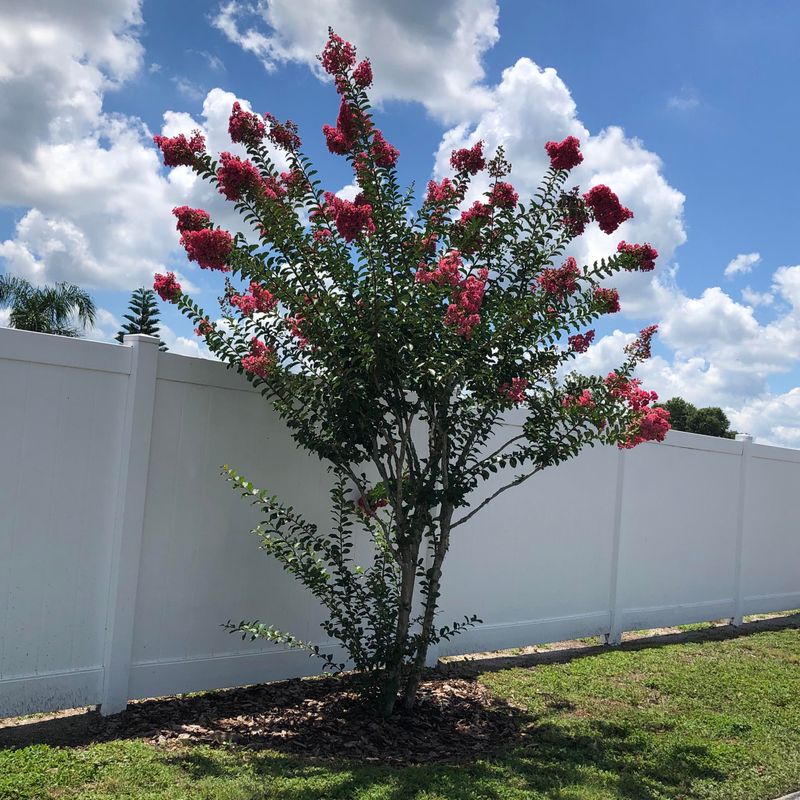
Not all crape myrtles keep the same calendar, even when planted side by side. One variety may start early while another waits weeks longer, leaving homeowners puzzled for no serious reason.
That timing difference is built into the plant’s genetics. Cultivars vary in mature size, flower color, disease resistance, and bloom season, so comparing one tree to another can be misleading.
Across Georgia neighborhoods, it is common to see white, pink, red, and purple forms flowering at different times. A later-blooming type may simply be following its normal pattern.
UGA and other Southern Extension sources often recommend selecting cultivars carefully for size and performance. Bloom period is part of that package, even if labels at stores do not always explain it clearly.
A neighbor’s tree bursting with color does not automatically mean yours is late in a bad way. It may be a different cultivar that naturally opens flowers sooner under the same weather.
Older landscapes add another wrinkle because many homeowners do not know the variety name. Without that label, normal bloom timing can look mysterious when it is actually just a trait.
If you are curious, take clear photos of bark, leaves, flowers, and overall shape. A local Extension office or knowledgeable nursery may help narrow down the type.
For future planting, choose cultivars with bloom windows that fit your goals. Mixing early and later varieties can stretch color across summer, making your Georgia yard look lively longer without extra effort.
5. Cooler Wet Weather Slowed Things Down
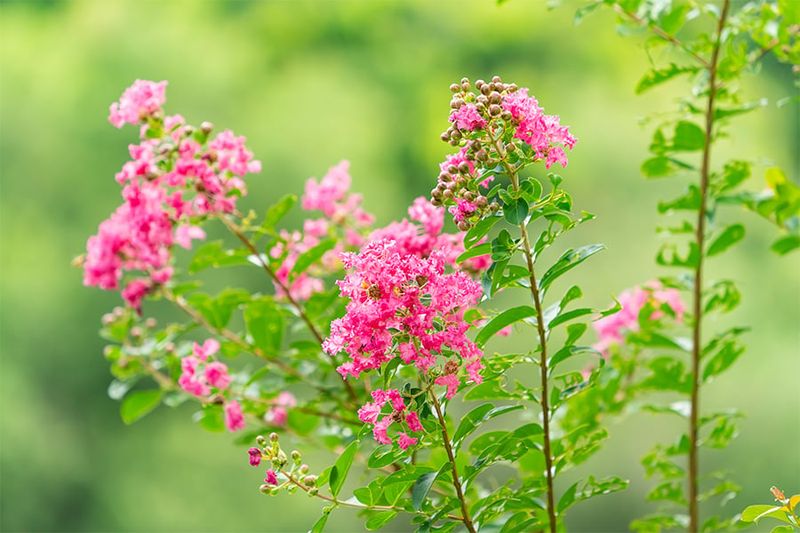
Weather can change a plant’s pace more than people expect. A cooler or wetter stretch in late spring or early summer may slow growth and delay the moment when crape myrtles are ready to flower.
Crape myrtles like warmth, sunshine, and decent airflow. When clouds linger and temperatures stay lower than usual, the plant may spend more time growing leaves and stems before forming full bloom clusters.
Extra rain can help in drought years, but soggy periods are not always ideal. Wet soil can reduce oxygen around roots, and repeated cloudy days can limit the energy plants make from sunlight.
That does not mean your tree is doomed or diseased. It usually means the seasonal rhythm got nudged off its usual track, much like a garden tomato that ripens slower in cool weather.
In Georgia, summer often turns hot enough for crape myrtles to catch up later. Once warmth returns, buds may develop quickly, creating what looks like a delayed but healthy bloom cycle.
Look at the overall plant, not just the flowers. If leaves appear mostly green and growth is active, the tree is often simply waiting for better blooming conditions.
Avoid adding fertilizer just to force blooms after cool or wet weather. Too much fertilizer can encourage leafy growth, and that may delay flowers even more.
Good drainage, full sun, and patience are the best helpers here. When the weather steadies, many crape myrtles resume normal flowering and still provide plenty of color before the season ends.
6. Late Blooms Are Rarely Cause For Worry
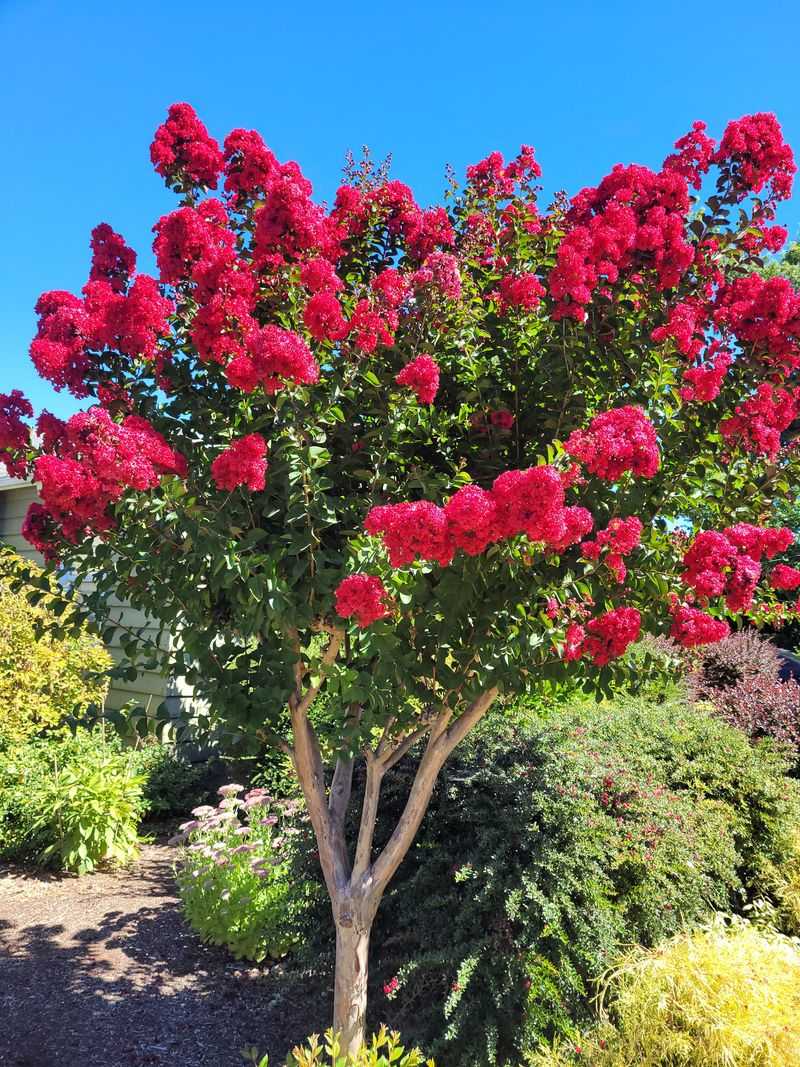
Seeing flowers later than expected can feel unsettling, especially if nearby trees bloomed weeks ago. Still, late bloom by itself is usually not a red-flag problem for Georgia crape myrtles.
Several harmless reasons can shift the schedule, including pruning, drought, weather swings, reblooming after trimming, and simple variety differences. That is why one late tree does not automatically signal disease or decline.
A healthier way to judge the plant is by looking at the whole picture. Check for normal leaf color, steady new growth, sound bark, and branches that are alive and flexible.
If those parts look good, the tree is probably fine. Serious trouble usually comes with other symptoms such as blackened tips, widespread dieback, severe leaf spotting, or peeling bark beyond normal patterns.
Crape myrtles are tough landscape plants in much of Georgia, which is one reason people love them. They often handle heat and bounce back from minor stress better than many ornamentals.
That toughness can make gardeners worry less, but it should also encourage patience. A plant may pause, reset, and flower later without needing rescue treatments from the garden center shelf.
Skip panic pruning, avoid overwatering, and do not pile on fertilizer as a quick fix. Too much attention can create new problems while the tree was only running late.
When in doubt, compare symptoms with trusted Extension guidance or ask your county Extension office. Most of the time, a late summer bloom is simply a timing issue, not a reason to expect disaster.
7. Expect Normal Timing To Return Next Year
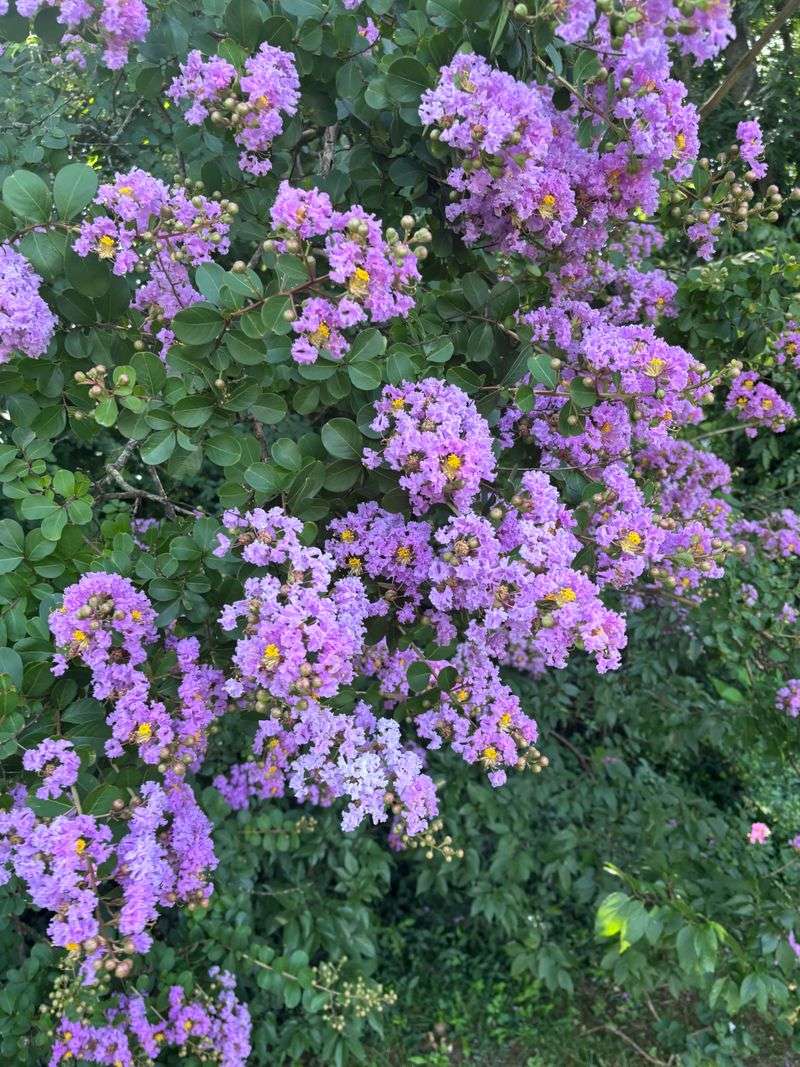
Gardeners love patterns, so a changed bloom season can feel personal. The good news is that many crape myrtles return to their usual timing the next year after weather and growth conditions settle down.
Plants respond to the season they are having, not the one we expected. If pruning, drought, or strange weather pushed flowering later this summer, that does not mean the delay becomes permanent.
Once the tree goes through fall, winter rest, and a fresh spring start, it often resets. New growth begins on a more typical schedule, and blooms follow closer to the familiar summer window.
You usually do not need special products or major corrective work. Good basics matter most, including full sun, sensible pruning, mulch over the root zone, and steady watering during long dry spells.
It also helps to keep notes from year to year. Write down pruning dates, rainfall patterns, and first bloom week so you can spot simple causes instead of assuming the worst.
If your crape myrtle stays healthy but blooms a little differently every so often, that still fits normal garden life. Georgia weather is rarely identical from one year to the next.
Call your county Extension office if late blooming comes with major decline, not just a changed schedule. Otherwise, patience is often the smartest response, and your tree may surprise you beautifully.