When To Plant Pansies In Arizona For Cool-Season Color That Lasts Into Spring
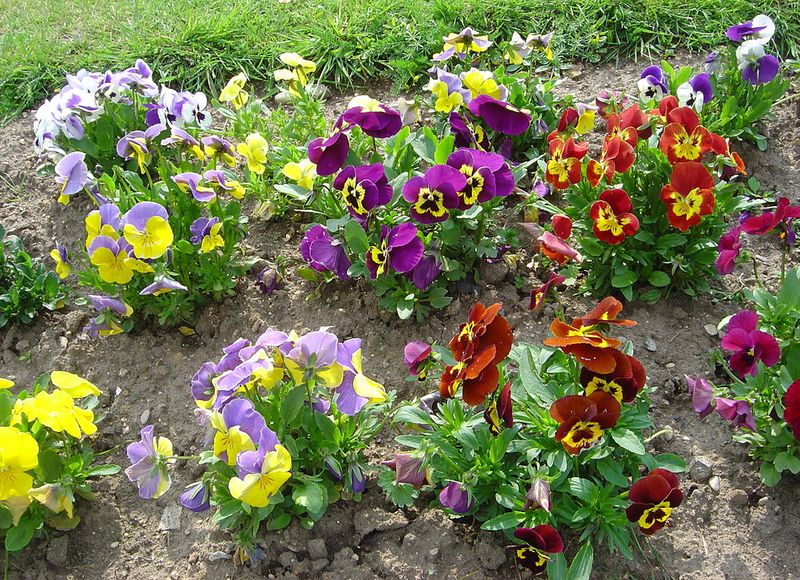
Pansies are one of the few flowers that actually thrive during Arizona’s mild winters, bringing cheerful color to beds and containers when most other plants take a break. Getting the timing right in the low desert makes a real difference in how long those blooms stick around.
Plant too late and the heat catches up before the roots are settled. Aim for the right fall window and you give your pansies a genuine shot at color that carries into spring.
Use October Through November as Arizona’s Low-Desert Rule of Thumb
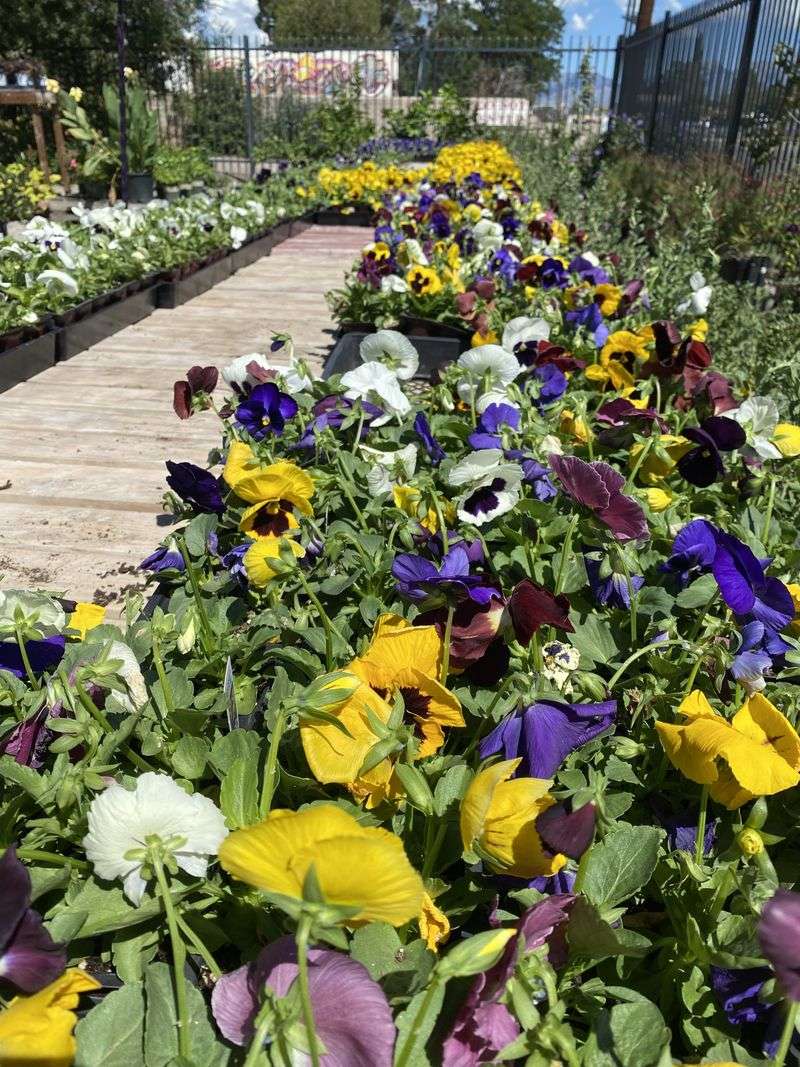
For low-desert Arizona gardeners, October through November is the most practical planting window for nursery pansy transplants. October is the best-supported target in University of Arizona Cooperative Extension guidance for Pima County, which recommends planting cool-season annual flowers that month for spring flowering.
That guidance is tied directly to Tucson-area and Pima County conditions, so it applies most clearly to gardeners in that part of the Arizona low desert.
November remains a practical Arizona option, especially while daytime temperatures are still moderate. Planting in fall gives transplants time to establish their root systems before winter sets in and before the heat of late spring shortens the display.
December can still work in mild low-desert conditions, and the University of Arizona specifically lists pansies among flowers suitable for December planting in Arizona’s low desert.
Phoenix-area gardeners should treat October through November as a useful regional guideline rather than a verified Maricopa County calendar. The dossier of evidence behind this article is rooted in Pima County guidance, and Arizona’s low-desert communities can vary enough that confirming timing with current local temperatures or Maricopa County extension recommendations makes sense before you plant.
The core advice holds: fall planting gives Arizona pansies time to settle in before winter and before the heat that eventually ends the show.
Check Your Arizona Elevation Before You Plant
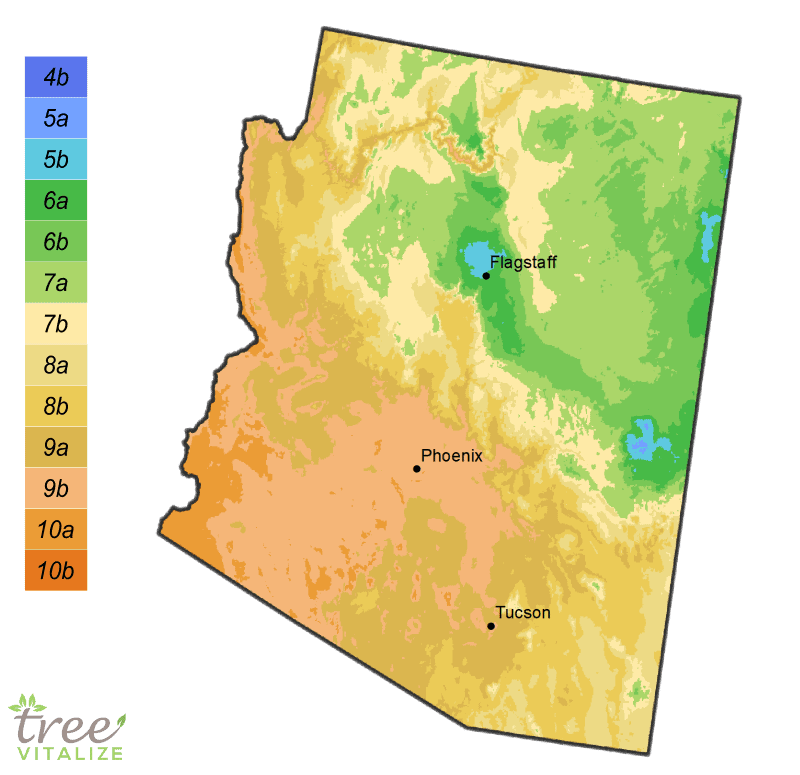
Arizona’s geography makes a single planting date impossible to apply statewide. The low desert around Phoenix and Tucson enjoys mild winters with only occasional light freezes, while Flagstaff, Prescott, the White Mountains, and other higher-elevation Arizona communities experience earlier and harder freezes, shorter growing seasons, and entirely different planting windows.
As University of Arizona guidance on Arizona climate zones makes clear, the state’s elevation differences create major climate contrasts that affect what you plant and when. A low-desert October planting schedule that works well in Tucson or the Phoenix metro would arrive far too late for a gardener in Flagstaff, where the growing season and freeze calendar operate on completely different terms.
Before using the October-November Arizona rule of thumb from this article, confirm that you are gardening in the low desert. If your Arizona community sits at higher elevation or experiences regular hard freezes in fall, the timing here does not apply to you.
This article offers regional low-desert guidance, not a statewide calendar, and the evidence behind it does not verify one exact optimal date even for all Phoenix neighborhoods. Identify your Arizona climate zone first, then use local extension resources to fine-tune your planting window.
Your Arizona Garden Changes Every Week. Your Plan Should Too.
Gardening in Arizona changes quickly throughout the season. Every Friday you’ll receive a simple weekly plan showing exactly what to plant, prune, fertilize, harvest, and protect so you never miss the right timing.
Fall Planting Can Improve the Chance of Spring Color
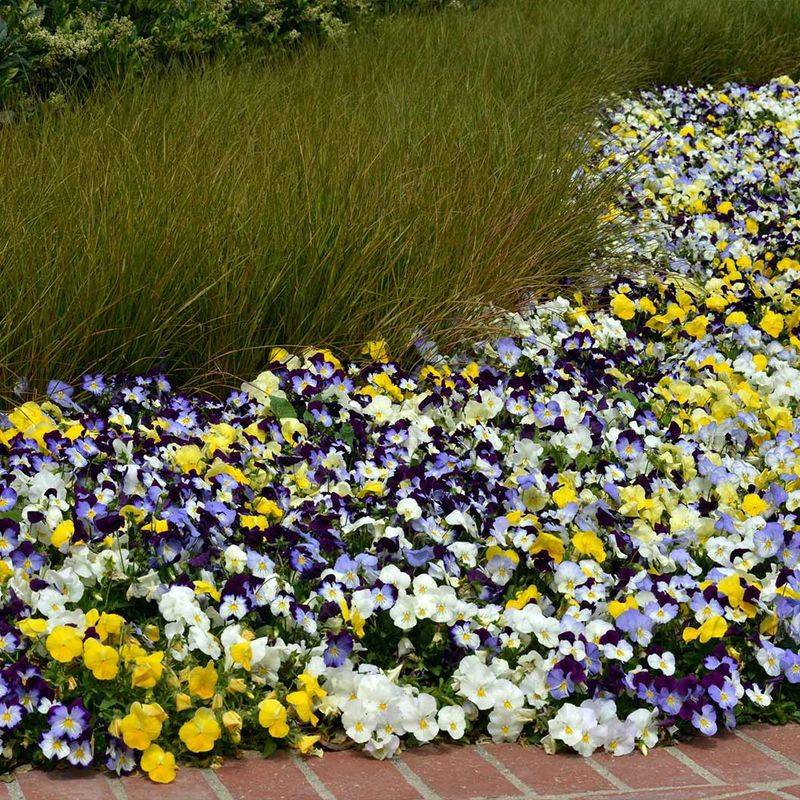
Pansies are cool-season annuals, and in Arizona’s low desert that classification matters more than almost anywhere else. The University of Arizona low-desert flower planting guide identifies pansies as cool-season annuals with a fall planting period and flowering that extends through the cool months.
Fall planting in Arizona gives transplants time to establish before winter and positions them to keep blooming as long as temperatures stay favorable.
Heat is the main limit on pansy performance in Arizona. As spring warms, flowering slows and plants eventually decline.
How far into Arizona spring your pansies carry depends on the cultivar you choose, when you planted, how well you manage irrigation, the exposure of your site, and how quickly Arizona temperatures climb that particular year. An unusual late freeze can also cut the display short before heat becomes a factor.
A well-timed fall Arizona planting can genuinely improve the chance of color into spring, but no source establishes a guaranteed bloom endpoint for every yard or cultivar. Treat spring color as a favorable possibility rather than a scheduled outcome.
Gardeners who plant in October and manage their Arizona beds well tend to see longer displays than those who plant in late winter, when there is simply less cool weather left before Arizona’s heat takes over.
Choose Winter Sun That Does Not Turn Into Spring Scorch
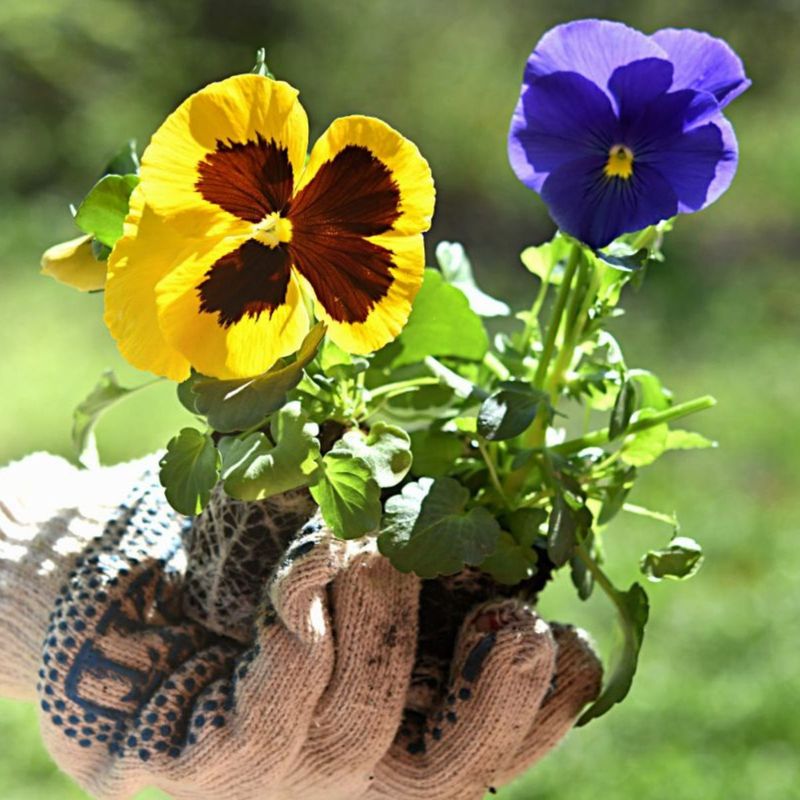
Sunny placement supports better flower production for Arizona pansies during the cool months. The University of Arizona recommends a sunny location for Arizona cool-season annual flowers, and general pansy guidance supports full sun to part sun when temperatures are mild.
In Arizona’s low desert, a spot that receives good winter sun is a reasonable starting point for beds and containers.
The complication arrives as Arizona spring warms. Reflected heat from pavement, gravel, masonry, and west-facing walls can raise temperatures at the plant level well above the air temperature, stressing pansies earlier than the calendar might suggest.
A planting spot that feels ideal in December or January can become punishing by March or April in Arizona. Partial afternoon shade, such as from a patio cover or a nearby shrub, can extend performance in those warmer Arizona microclimates without sacrificing too much winter flower production.
Excessive shade is its own problem. Arizona pansies kept in deep shade through winter may produce fewer flowers even when temperatures are favorable.
The goal is to find a spot with good winter light and some protection from the most intense afternoon exposure as Arizona spring heat builds. Exposed containers face a related challenge: they can freeze more readily than in-ground beds during Arizona’s occasional cold nights, so placement near a wall or under a covered patio offers some protection on both ends of the temperature scale.
Build Drainage and Manage Moisture in Arizona Soil
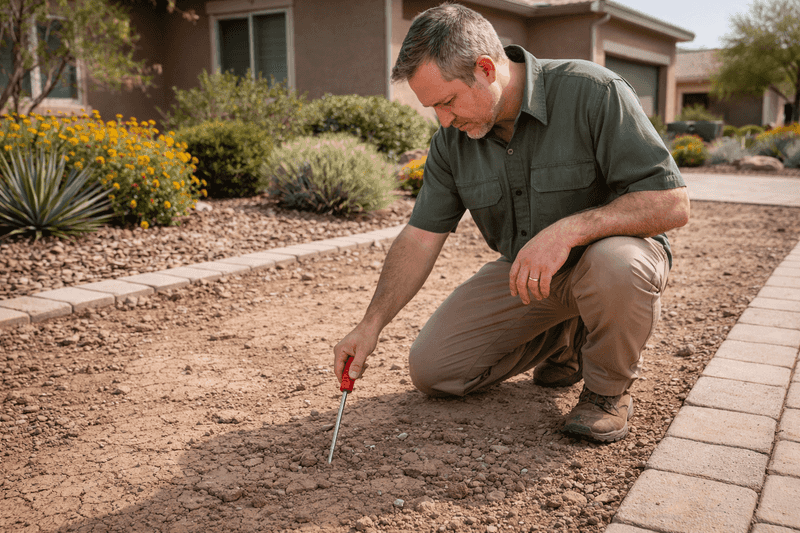
Arizona soils present real challenges for cool-season annuals like pansies. Compaction, caliche layers, high alkalinity, and low organic matter are common in low-desert Arizona yards, and any of these can interfere with drainage and root health.
The right approach is targeted correction rather than blanket heavy amendment: assess what your Arizona bed actually needs, loosen compacted areas, and address drainage barriers before planting.
University of Arizona soil guidance cautions that problems like caliche and overwatering can create conditions where roots struggle even when the surface looks fine. Adding excessive fertilizer or organic matter without first fixing drainage does not compensate for poor soil structure.
If your Arizona bed drains slowly after rain or irrigation, that problem needs to be solved before pansies go in the ground.
Water new Arizona transplants thoroughly enough to settle the root ball and make good contact with the surrounding soil. After that initial establishment watering, shift to monitoring actual soil moisture rather than running on a fixed automatic schedule.
Pansies prefer evenly moist, well-drained soil, but Arizona irrigation needs change with weather, exposure, rainfall, and the time of year. These are not drought-tolerant plants, and they need consistent supplemental water through the Arizona cool season, especially during dry stretches.
Letting Arizona soil dry out completely between waterings or running shallow automatic cycles without checking moisture levels both work against a healthy display.
Deadhead Pansies While Arizona Weather Stays Cool
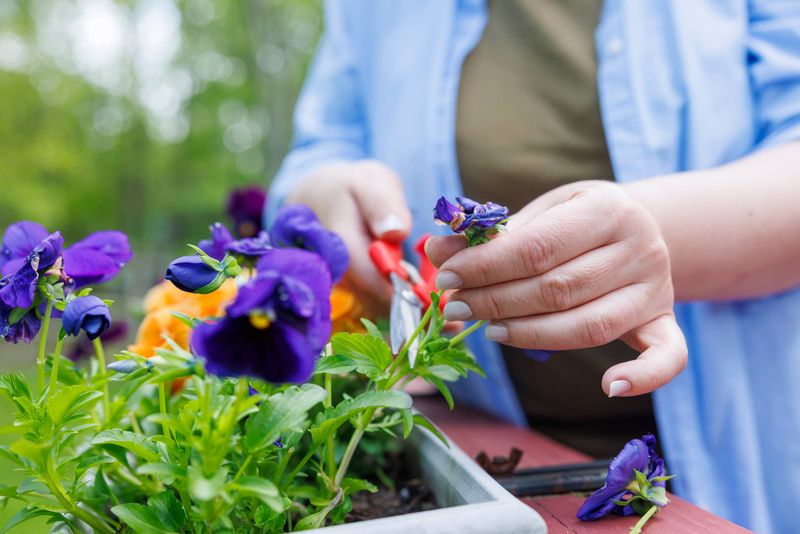
Removing fading flowers from Arizona pansies is a simple habit that can help extend the cool-season display. Deadheading reduces seed production and redirects the plant’s energy, which may support continued flowering.
Extension research from Utah State and the University of Connecticut both support regular deadheading as a practice that can lengthen blooming, though the degree of benefit varies with cultivar and growing conditions.
In Arizona’s low desert, the window for this kind of maintenance is defined by temperature rather than by the calendar. Keep up with deadheading while Arizona weather stays genuinely cool, typically through winter and into early spring.
As Arizona temperatures climb, no amount of deadheading will prevent the natural decline that heat triggers in cool-season annuals.
Pansies are not summer-proof plants in Arizona, and treating them as if they are leads to frustration. Expect performance to slow and eventually stop as Arizona’s warm season approaches.
Gardeners who accept this seasonal rhythm tend to get more enjoyment from their Arizona pansies because they focus their care on the window that actually matters rather than trying to push the plants past their limits.
Protect New Plants From Arizona’s Unusual Freezes
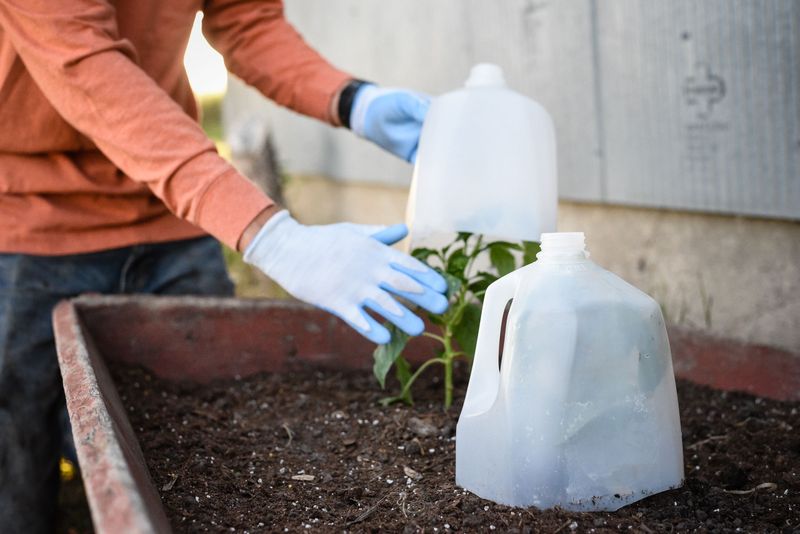
Pansies handle cool weather better than many annuals, but that resilience has real limits in Arizona. They are not frost-proof.
Flowers and foliage can suffer damage during unusual temperature drops, particularly on transplants that have not yet established and on plants growing in exposed containers where roots have less insulation than in-ground beds.
Arizona microclimates can vary significantly within a single yard. A bed near a south-facing masonry wall may stay several degrees warmer than an open container on the same patio.
University of Arizona guidance for Arizona gardeners specifically notes that early or late freezes can damage plants even when broader hardiness expectations seem favorable for the region. Watching local Arizona forecasts and being ready to cover vulnerable plants during predicted cold nights is more reliable than assuming the low desert will always stay above damaging temperatures.
New Arizona transplants are especially vulnerable in their first few weeks before roots have spread and the plant has adjusted to its new site. If you plant in November or December in Arizona, keep frost cloth or an old sheet on hand for the nights when temperatures drop unexpectedly.
Freeze risk and heat risk together define the real performance window for Arizona pansies, and both deserve attention when you choose your planting site and timing.
The Practical Arizona Pansy Decision
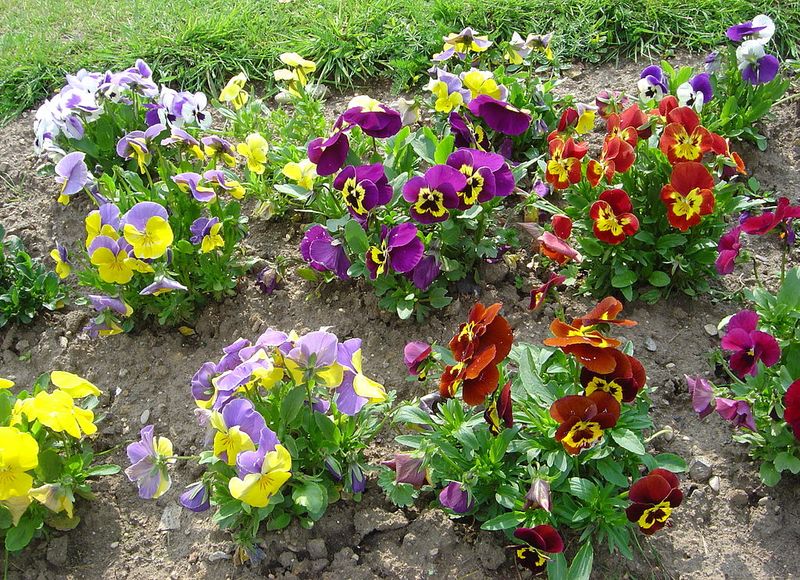
For low-desert Arizona gardeners, October is the best general target for nursery pansy transplants, with November still practical while daytime temperatures remain moderate. December can work in mild Arizona low-desert conditions.
Late winter planting is possible but leaves less cool weather for the plants to perform before Arizona heat shortens the display.
Timing alone does not carry the full weight of a successful Arizona pansy season. Well-drained soil, monitored moisture, appropriate sun exposure, regular deadheading, and freeze awareness all contribute to how long the color lasts.
Fall planting gives Arizona pansies a better chance of carrying color into spring, not a guaranteed duration or a fixed final bloom date.
Phoenix-area gardeners should confirm local timing with current temperatures or Maricopa County resources, since the strongest guidance in this article comes from Pima County and Tucson-area sources. The low-desert Arizona window is real and useful.
Use it well, and pansies can be one of the most rewarding cool-season choices your Arizona yard makes all year.