What Brings Bobcats Closer To Arizona Homes During Summer
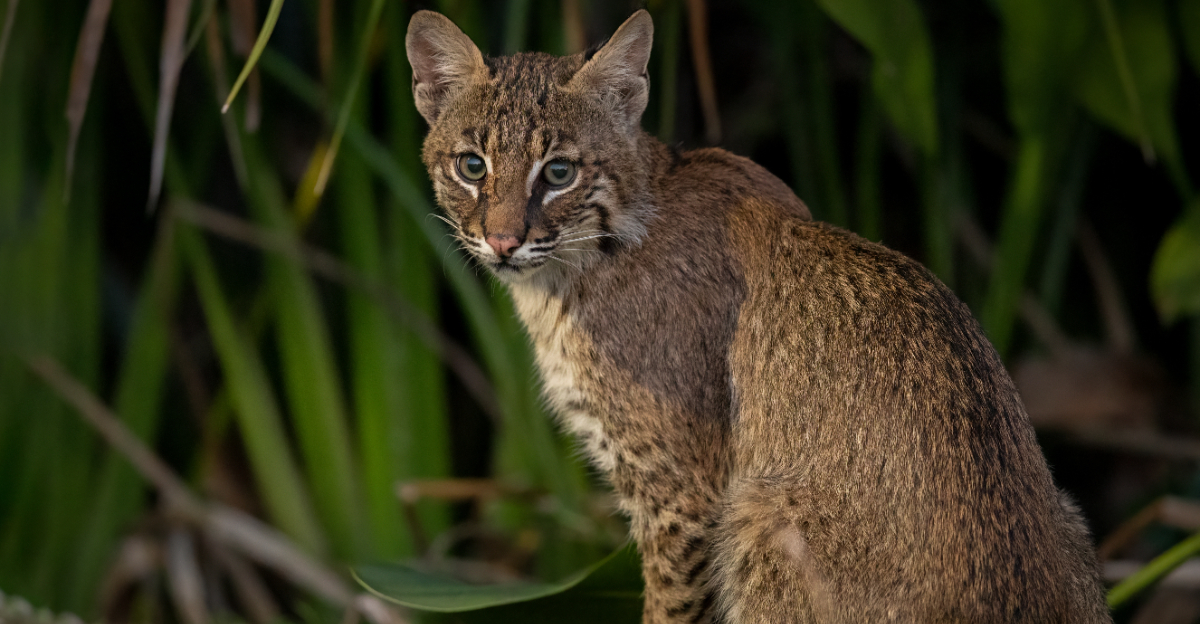
Seeing a bobcat near your home can be surprising, especially when it happens in the middle of summer.
One quiet evening everything seems normal, and the next you catch a glimpse of a wild cat moving through the yard before it disappears just as quickly.
Moments like that leave many homeowners wondering why it showed up in the first place.
Summer changes the way wildlife moves across the landscape. As natural food, water, and shelter become harder to find, some animals begin exploring places that offer what they need.
Yards can sometimes provide those resources without homeowners even realizing it. Arizona’s desert environment makes these seasonal changes especially noticeable.
Understanding what draws bobcats closer to residential areas can help you enjoy local wildlife while making your property less inviting for unexpected visits.
1. Easy Food Sources Attract Bobcats
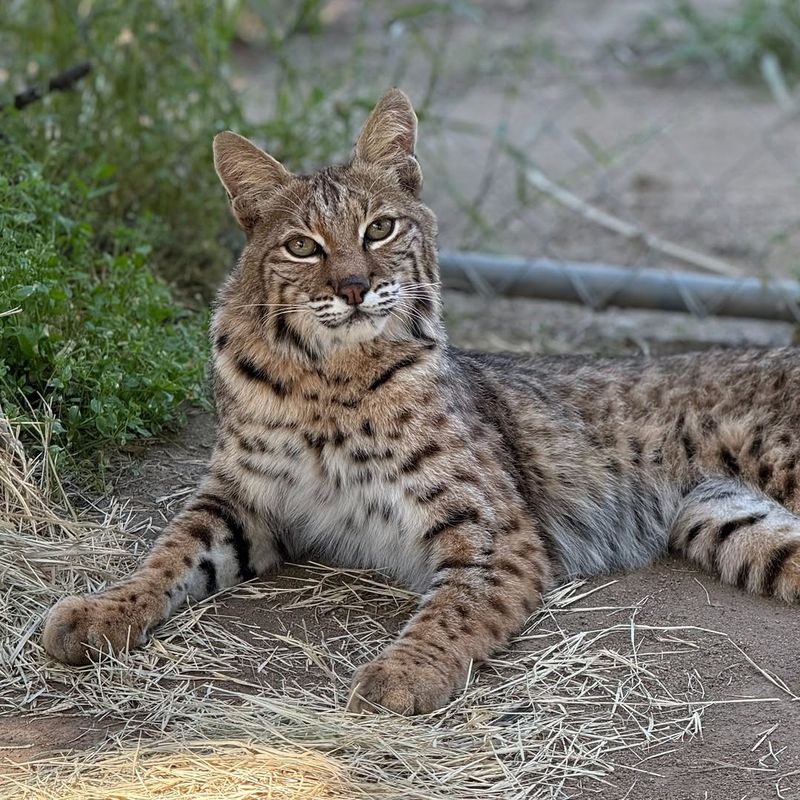
Bobcats follow food, plain and simple. When prey is easy to find near homes, wild cats stop avoiding people and start showing up regularly.
Bird feeders are a big part of the problem. Feeders pull in pigeons, sparrows, and doves.
Bobcats notice quickly and start patrolling yards where birds gather daily.
Rabbits are another top target. Lush grass, garden plants, and water all draw cottontails into neighborhoods.
Where rabbits go, bobcats follow.
Backyard chickens, small dogs, and outdoor cats can also attract bobcats. A hungry bobcat will take advantage of any easy meal left unguarded.
Compost piles and open trash bins attract rodents first. Mice and rats move in fast, and bobcats track them right to your property line.
Reducing food sources is one of the most effective ways to stop visits. Bring pet food inside at night.
Secure trash cans with locking lids. Skip open compost bins near the house.
Remove brush piles where rabbits and rodents like to nest. Fewer prey animals nearby means fewer reasons for a bobcat to linger around your yard.
2. Dense Shrubs Provide Cool Shelter
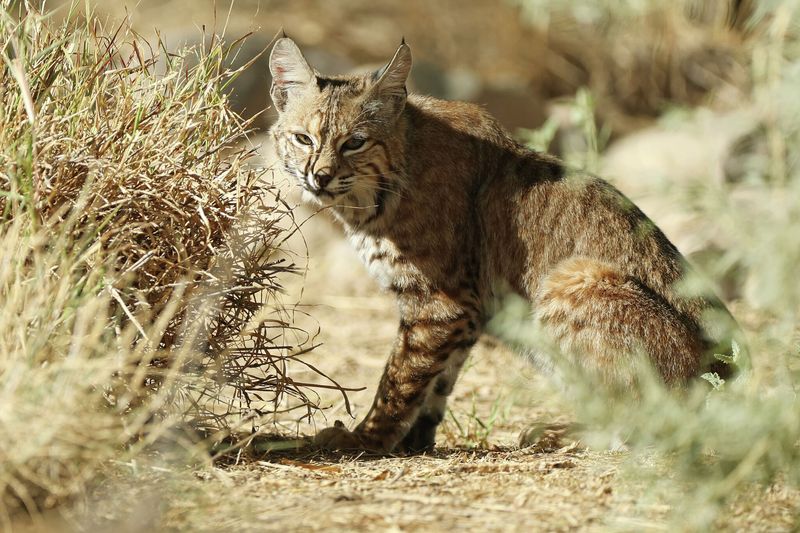
Shade is precious in an Arizona summer. Temperatures push past 110 degrees, and wild animals need relief just as much as people do.
Dense shrubs planted along fences and walls create exactly the kind of cover bobcats prefer. Cool, dark, and hidden spots are hard to resist when the sun is relentless.
Native plants like desert willow, mesquite, and oleander grow thick and low. Bobcats use these plantings to rest during the hottest parts of the day without being seen.
Overgrown yards offer even more hiding spots. Tall grass, stacked wood, and cluttered corners near walls can shelter a bobcat for hours without you knowing.
Trimming shrubs regularly removes that appeal. Keeping plants pruned up from the base reduces ground-level cover where cats like to crouch and rest.
Check under decks and along fence lines regularly. Bobcats will return to a comfortable resting spot repeatedly once they find one that feels safe and cool.
Yard structure matters more than most homeowners realize. Open sightlines and tidy landscaping make your yard feel exposed to wildlife instead of inviting.
A cleaner yard is a less appealing one for a bobcat looking for shade.
Your Arizona Garden Changes Every Week. Your Plan Should Too.
Gardening in Arizona changes quickly throughout the season. Every Friday you’ll receive a simple weekly plan showing exactly what to plant, prune, fertilize, harvest, and protect so you never miss the right timing.
3. Backyard Water Draws More Bobcats
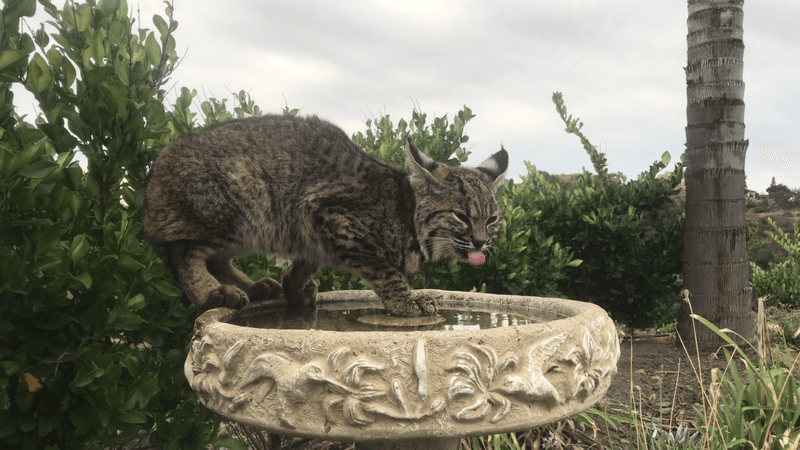
Water is rare in the desert during summer. Natural water sources dry up fast, and wildlife gets desperate.
Birdbaths, decorative fountains, koi ponds, and even puddles left by irrigation systems all become valuable resources. Bobcats will travel surprisingly long distances for a reliable drink.
Once a bobcat finds water in your yard, it comes back. Animals build habits around dependable resources, and your backyard fountain could become a nightly stop on its regular route.
Pet water bowls left outside overnight are a common draw. It seems harmless, but a bowl of fresh water near a door is an open invitation for more than just a thirsty cat.
Pool areas attract bobcats too. Shallow pool steps or wet pool decks provide easy access to water without the animal needing to lean too far over an edge.
Removing standing water when possible is a smart move. Bring pet bowls inside after dark.
Cover or drain decorative water features at night if bobcat sightings have been frequent in your area.
Drip irrigation puddles are easy to overlook. Adjust your watering schedule so the ground dries before nightfall, reducing the chance of drawing thirsty wildlife to your property after dark.
4. Hot Days Lead To More Night Activity
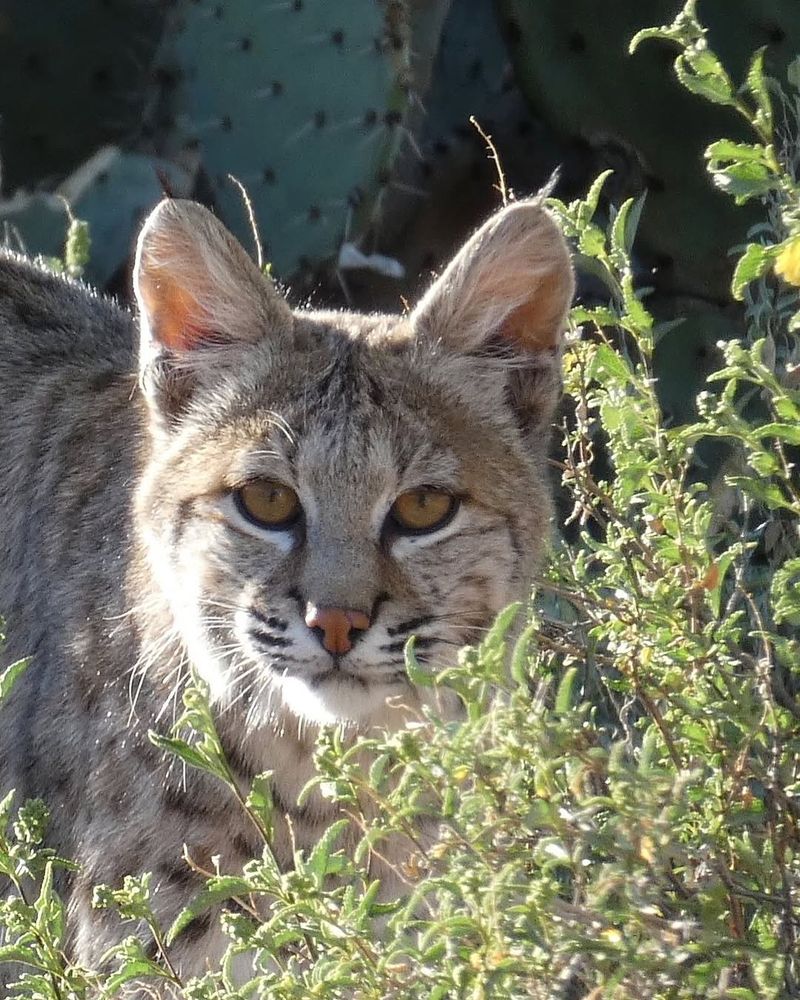
When daytime heat becomes extreme, wildlife adjusts its schedule. Bobcats are naturally crepuscular, meaning they are most active around dawn and dusk.
But brutal summer heat pushes more activity into the full night hours.
Arizona summers regularly hit record highs. Bobcats respond by resting through the worst heat and moving through neighborhoods after dark when temperatures drop to something manageable.
Residential streets at night offer cooler pavement, fewer people, and easy movement between properties. Bobcats take advantage of quiet nights to cover a lot of ground quickly.
Homeowners often miss these visits entirely. A bobcat can pass through a yard, check for food and water, and leave before sunrise without leaving much trace behind.
Motion-activated lights and cameras help track nighttime wildlife activity. Installing one near your gate or along your fence line can reveal just how often wild visitors pass through.
Keep pets inside overnight during summer months. Cats and small dogs left outside after dark face real risk of encountering a bobcat on its nightly route.
Noise can also deter nighttime visits. Motion-sensor sprinklers or lights startle bobcats and discourage them from settling in.
Consistent deterrents help break the habit before it becomes a routine stop on their nightly patrol.
5. Backyards Near Open Space See More Bobcats
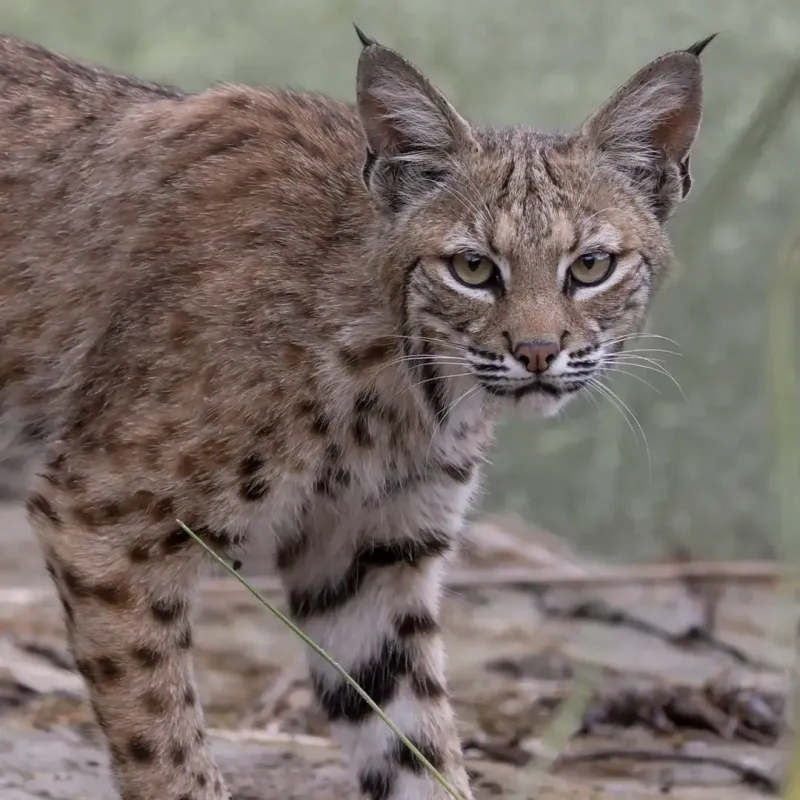
Location plays a huge role in bobcat activity. Homes built near washes, desert preserves, or undeveloped land sit directly in the path of wildlife movement corridors.
Bobcats use these open areas as home territory. Neighborhoods that border the desert are not intruding on bobcat space.
From the bobcat’s perspective, those yards are just an extension of the landscape it already roams.
Dry washes are especially important. Water flows through them during monsoons, and prey animals concentrate along their banks.
Bobcats patrol washes regularly and follow them straight into residential areas.
Subdivisions built along the edges of the Sonoran Desert face this challenge more than anywhere else. Bobcat sightings in those communities are frequent and often increase each summer as heat pushes animals to search wider areas.
Fencing helps but does not fully stop movement. Bobcats can scale standard block walls with ease.
Roller bars designed for fences can reduce how easily they climb over.
Knowing your proximity to open space is useful. Check local wildlife maps or contact your city’s wildlife management office to understand the movement patterns in your specific area.
Awareness is the first step. Neighbors who share sighting information can build a clearer picture of where bobcats are traveling and when.
6. Young Bobcats Search For New Territory
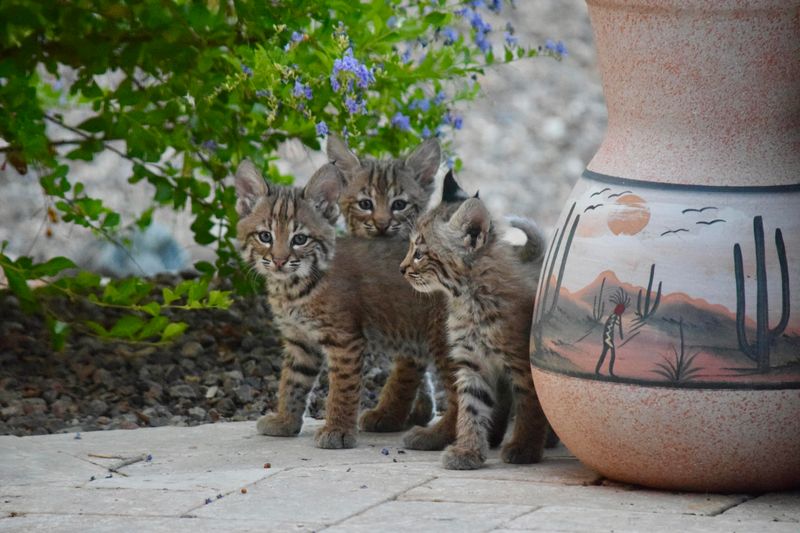
Every spring, mother bobcats raise a new litter. By summer, young bobcats are old enough to start exploring on their own.
That is when they show up in the most unexpected places.
Juvenile bobcats have not yet established a home range. They roam widely, testing different areas and learning where food and shelter can be found.
Neighborhoods are unfamiliar to them, which makes young cats bolder and less cautious than adults.
A young bobcat wandering through a yard might look confused or unafraid. Some people mistake this behavior for illness.
Most of the time, it is just a young cat figuring out its world.
Do not approach a juvenile bobcat. Even young wild cats can scratch and bite if they feel cornered.
Watch from a distance and give the animal space to move on its own.
Contact a local wildlife agency if a young bobcat appears injured, disoriented, or stays in one spot for many hours without moving. Trained professionals can assess the situation safely.
Young bobcats typically move through an area and keep going once they find better habitat. Removing food and water sources from your yard speeds up that process.
Patience matters here. Most juvenile bobcats pass through without causing any real trouble, especially when yards do not offer easy rewards to keep them around.
7. Simple Yard Changes Help Keep Bobcats Away
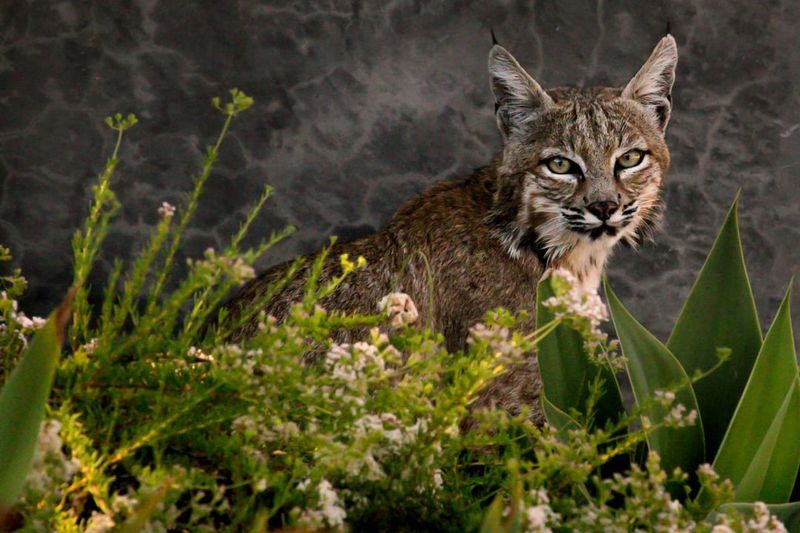
You do not need expensive equipment to make your yard less attractive to bobcats. A few practical changes go a long way.
Start with lighting. Motion-activated lights near gates, along fence lines, and by water features startle wildlife and discourage return visits.
Bobcats prefer darkness and avoid brightly lit areas.
Secure chicken coops and rabbit hutches with hardware cloth and solid latches. Standard wire fencing is not enough.
Bobcats are strong and persistent when they sense prey nearby.
Clear clutter from your yard regularly. Stacked wood, unused pots, and overgrown corners all create hiding spots that wild cats find appealing.
Open, tidy yards offer less cover and less appeal.
Coyote rollers on top of your block wall are worth considering. These spinning tubes sit along the fence top and prevent animals from getting a grip when they try to climb over.
Talk to your neighbors. Bobcat activity often covers several properties at once.
Coordinating yard changes across multiple homes creates a wider deterrent zone that is more effective than one yard alone.
Keep records of sightings with dates and times. Sharing that data with your local wildlife management office helps track movement patterns and can prompt professional support if activity becomes frequent or concerning.