Why Tennessee Backyard Feeders Are Suddenly Crowded With Hummingbirds Racing To Fatten Up Before They Head South
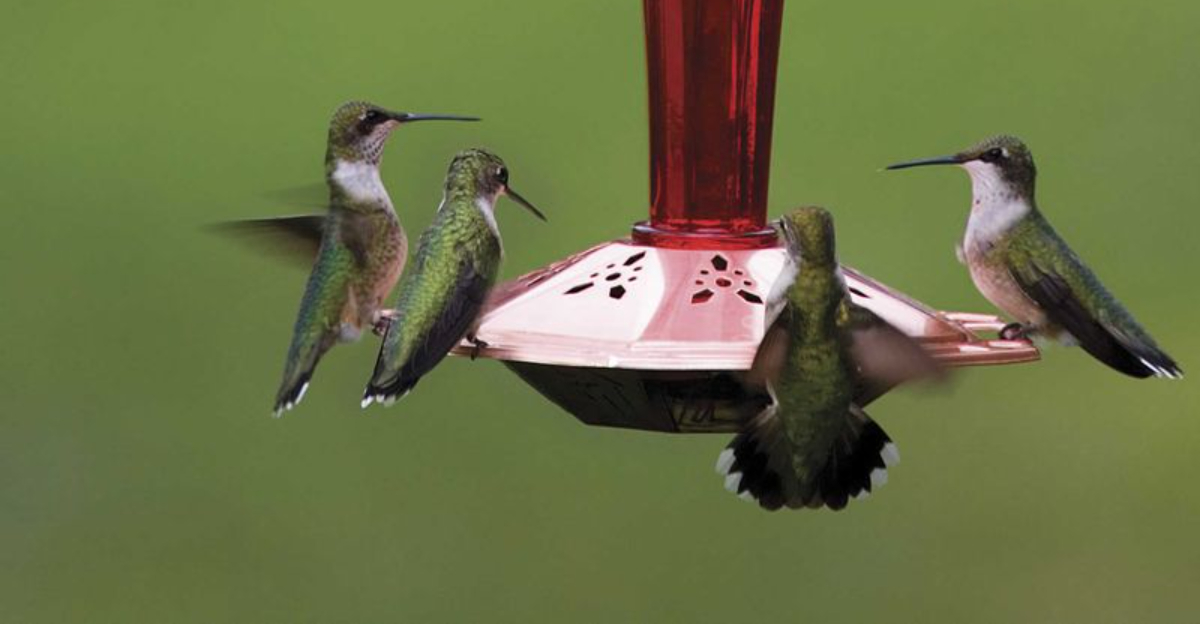
Silence lifts fast when Tennessee gardens turn humid and restless. You notice the shift, wings blurring into a steady hum. Feeders that held a single visitor now buzz with rivalry.
Wings flare, tails snap, and sugar water drops by the hour. Sugar burns fast as your body preps for flight south.
Bodies pack on fat before crossing open water without resting. Fuel matters more than manners once migration instinct takes hold.
Energy debts pile up, and each sip counts toward distance. Tiny travelers race across Tennessee skies against fading daylight hours. Feeding windows narrow, pushing birds toward feeders with real urgency.
Rivalries rise because territory matters less than raw caloric need. Patterns emerge once you watch closely enough to catch them.
Timing decides outcomes for birds flying toward Mexico or beyond. Curiosity pulls you closer, but understanding pulls you further in. Your feeder will not sound the same way again.
1. Migration Season Turns Your Yard Into A Fuel Stop
Around the last week of July, an internal alarm clock goes off inside these tiny birds. Shorter daylight hours trigger hormone changes that shift their whole behavior from raising babies to storing energy.
Ruby-throated hummingbirds are the main species nesting across Tennessee, and they face a journey that can stretch over a thousand miles or more, often toward Mexico or Central America. Many of them cross the Gulf of Mexico in one nonstop push that can last around a full day.
No rest stops exist over open water, so the fuel has to be loaded before takeoff. Your feeder becomes part of a chain of refueling stations stretching from Michigan to the Gulf Coast.
Birds passing through from states north of Tennessee join the local crowd, which is why numbers seem to double or triple overnight. A yard that hosted two regulars in June might host a dozen visitors in September.
The peak window in most of Tennessee runs from mid-August through late September, with stragglers into October. Middle and East Tennessee often see slightly later activity than the western part of the state.
Keeping feeders up through the second week of October helps late travelers, especially young birds making their first trip. The old worry about feeders delaying migration has been studied and set aside by researchers.
Day length drives the departure, not the availability of sugar water. Your job is simply to make the stopover worth their while.
2. Young Birds Fledged And Doubled The Crowd
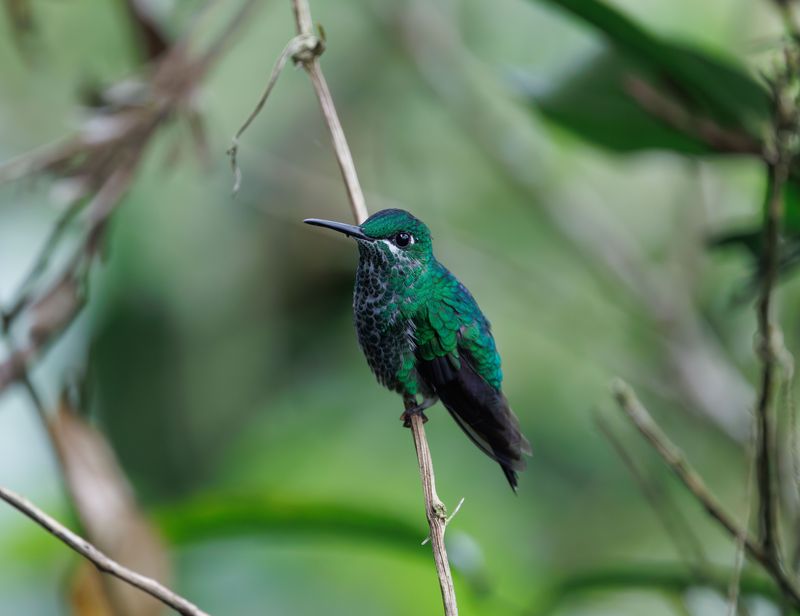
Part of the sudden traffic jam comes from a simple math problem. Female hummingbirds in Tennessee often raise two broods each summer, and each nest holds two eggs the size of navy beans.
By late July, all those chicks have left the nest and are out looking for food on their own. Suddenly the local population has grown several times over, and the newcomers are hungry.
Juveniles look a lot like adult females, with pale throats and greenish backs. Look closely and you may spot faint streaking on the throat of young males, along with a few glittering red feathers coming in.
Your Colorado Garden Changes Every Week. Your Plan Should Too.
Gardening in Colorado changes quickly throughout the season. Every Friday you’ll receive a simple weekly plan showing exactly what to plant, prune, fertilize, harvest, and protect so you never miss the right timing.
Young birds tend to be clumsy and bold at the same time. They bump into each other, land on the wrong perch, and sometimes hover right in front of your face out of pure curiosity.
Because they have not learned the local pecking order yet, they test boundaries constantly. That leads to more chasing, more squeaking, and more of the aerial dogfights people notice in August.
Adding a second or third feeder in different corners of the yard gives these rookies a fair shot. Out of sight really does mean out of mind for a territorial bird.
Watching juveniles figure out the world is one of the best parts of late summer. They are learning survival skills in your backyard, one sip at a time.
3. Packing On Body Fat Before The Gulf Crossing
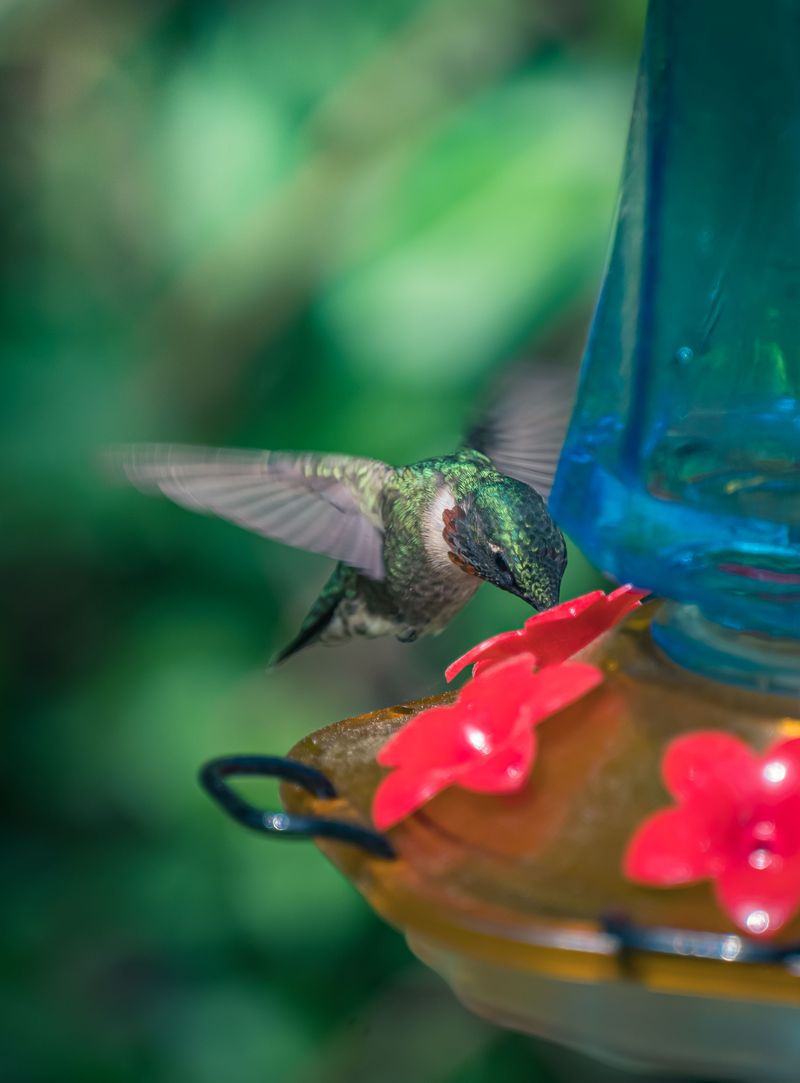
Consider this statistic. A hummingbird preparing for migration can nearly double its body weight, going from about 3 grams to 6 grams in a matter of weeks.
Imagine a 150-pound person putting on another 150 pounds in twenty days and still being able to run a marathon. That is roughly what these birds pull off each fall.
The extra weight is stored as fat, the densest fuel a bird can carry. Fat burns slowly and steadily, exactly what a long overwater flight demands.
To build those reserves, a hummingbird may visit a feeder or flower every ten to fifteen minutes from sunrise to sunset. They also eat far more insects during this period, since protein supports muscle and feather condition.
You will notice the birds looking rounder and softer in late August, almost pudgy compared to their sleek June selves. Some appear to have a small bulge near the throat, which is the crop holding a fresh load of nectar.
Fresh sugar water helps enormously during this push. A simple mix of one part plain white sugar to four parts water matches natural flower nectar closely.
Skip the honey, brown sugar, and red dye. Clear, simple nectar changed often is the most useful thing you can offer a bird counting calories.
4. Late Summer Flowers Start Fading Out
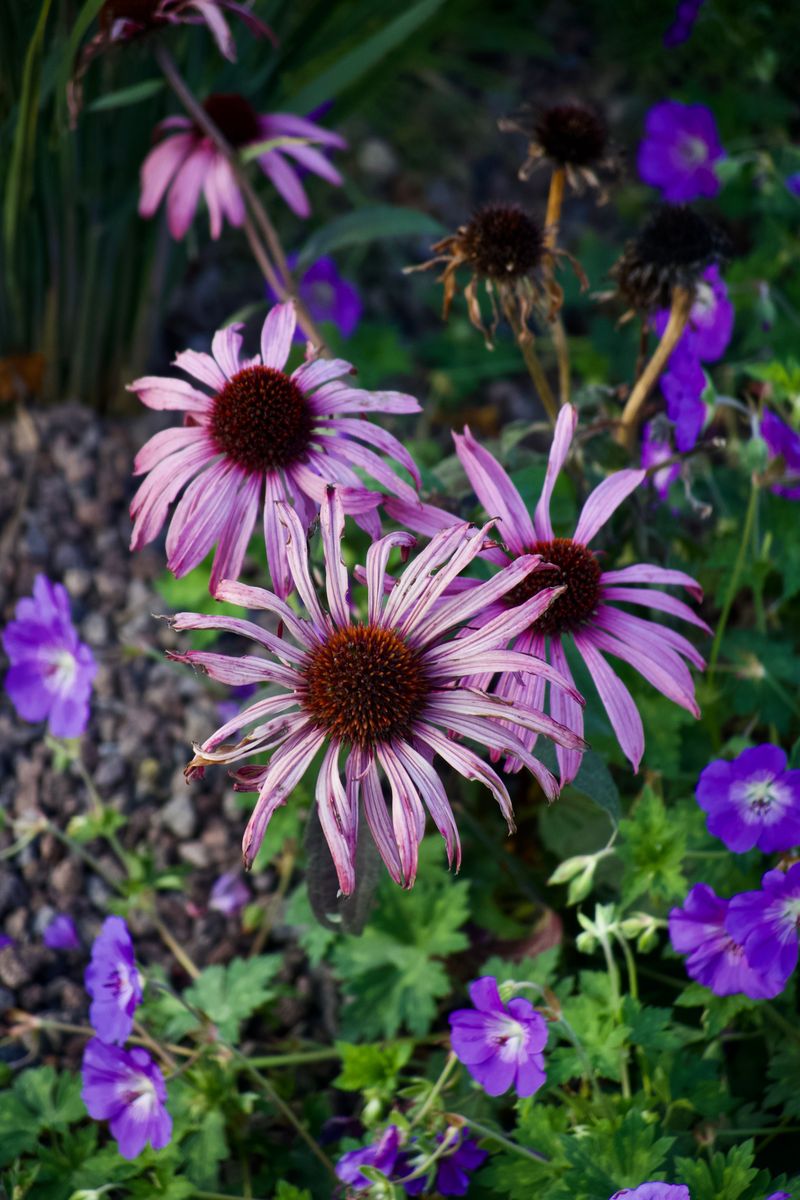
Gardens in Tennessee look tired by mid-August. The bee balm has gone brown at the edges, the trumpet vine has thinned out, and the columbine finished blooming back in May.
Natural nectar supply drops right when demand hits its yearly high. That mismatch pushes hummingbirds toward the reliable, unlimited sweetness of a backyard feeder.
Heat and drought make the situation tighter. Stressed plants often produce less nectar per bloom, so a bird has to visit far more flowers for the same reward.
Gardeners can soften the gap with a few well-chosen late bloomers. Cardinal flower, jewelweed, salvia, cypress vine, and pineapple sage all keep producing well into September in Tennessee.
Native jewelweed grows wild along creek banks across the state and is a genuine favorite of migrating birds. If you have a damp shady corner, letting it grow is free hummingbird habitat.
Planting in clusters works better than scattering single plants around the yard. Hummingbirds spot large blocks of color from a distance and remember where they found a good meal.
Feeders and flowers together beat either one alone. Flowers supply trace nutrients and attract the small insects birds need, while feeders provide dependable calories on cloudy, cool days.
A yard with both will hold birds longer during the fall rush. It also gives you far more to watch from the kitchen window.
5. Territory Disputes Get Loud And Fast
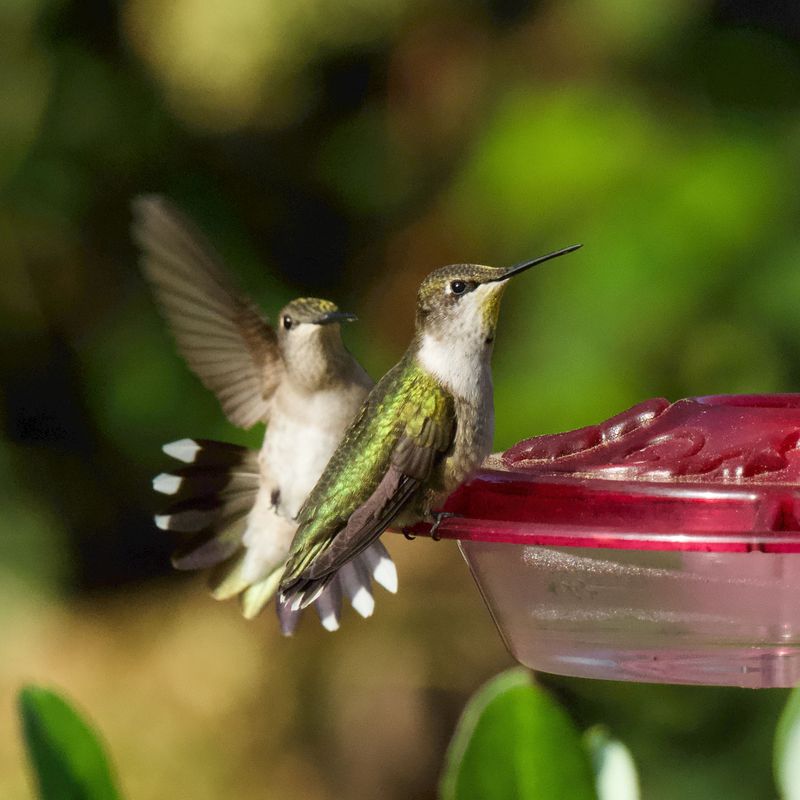
The squeaking and chattering you hear in August is not friendly conversation. Male hummingbirds in particular treat a feeder like private property and will spend hours defending it.
One bird typically claims a perch above or beside the feeder and chases off anyone who approaches. The chases involve steep dives, sharp turns, and speeds that seem impossible for something weighing less than a nickel.
Chases burn energy, which sounds wasteful during a fattening season. From the bird’s point of view, controlling a rich food source is worth the fuel cost.
The strategy breaks down when too many birds show up. Once eight or ten hummingbirds crowd a yard, the guard simply cannot keep up and gives up defending, letting everyone feed.
You can speed that surrender along by spreading multiple feeders around the property. Place them where one bird cannot see two feeders at the same time, such as opposite sides of the house.
Feeders with several ports and built-in perches also reduce conflict. Perches let birds rest while drinking, which cuts their energy use significantly.
Removing bright decorative flourishes that create a single obvious target sometimes helps too. Simplicity spreads the crowd out.
Do not worry much about the scuffles. Injuries are rare, and the noise is mostly bluff and posturing between neighbors who will be gone by October.
6. Warm Tennessee Weather Spoils Nectar Fast
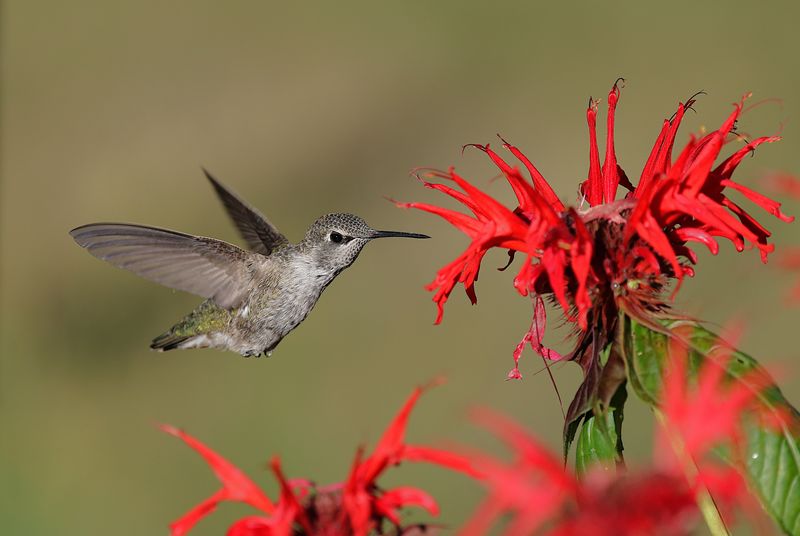
Tennessee humidity in August is no joke, and sugar water notices. At temperatures above 90 degrees, nectar can turn cloudy in a single day.
Warm sugar solution grows yeast and bacteria quickly, and black mold sometimes appears around the feeding ports. Spoiled nectar can make birds sick, which is the last thing a traveler needs.
A good rule of thumb ties changing frequency to the thermometer. Below 80 degrees, swap nectar every three days; between 80 and 90, every two days; above 90, change it daily.
Cleaning matters as much as changing. Hot water and a bottle brush handle most jobs, and a soak in a weak vinegar solution clears stubborn film.
Skip soap when possible, since residue can linger in the small parts. Rinse everything thoroughly and let it dry before refilling.
Hanging feeders in morning sun and afternoon shade slows spoilage noticeably. A spot under a porch eave or a leafy dogwood buys you extra hours.
Filling only halfway during peak heat cuts waste, though in September you may need every drop. Two smaller feeders often work better than one big one.
Making nectar in a batch and storing extra in the refrigerator saves time. It keeps well for about a week and cools the feeder slightly when poured in. Clean feeders bring birds back day after day.
7. Insects Become An Essential Side Dish
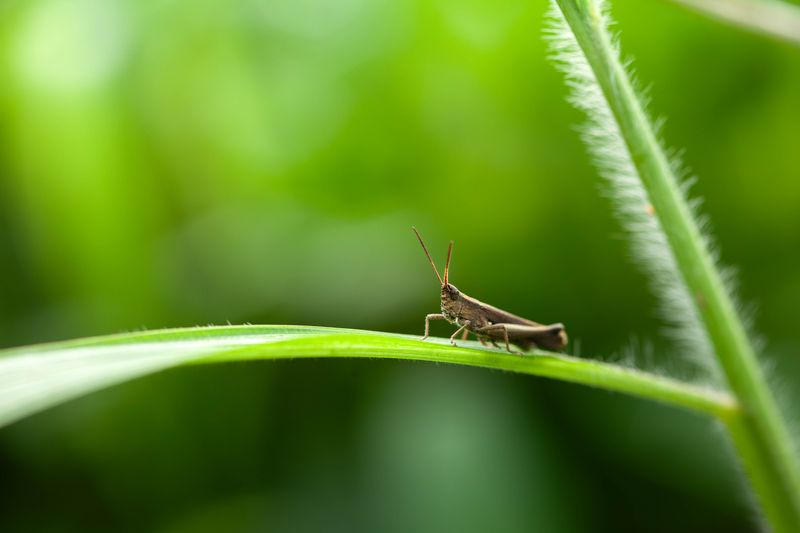
Sugar water gets all the attention, but it is only half the menu. A significant portion of a hummingbird’s diet during migration season comes from small insects and spiders.
Birds snatch them out of the air, pluck them off leaves, and even take insects from spiderwebs.
Watching a hummingbird hawk for insects over a lawn at dusk is a treat. They dart, stall, and reverse like miniature flycatchers.
Gardeners can help by easing up on broad-spectrum insecticides. Fewer sprays mean more of the tiny bugs these birds depend on.
A small pile of overripe banana or melon rind in a shaded corner attracts fruit flies within a day or two. Some birders set up a simple mesh fruit feeder for exactly this reason.
Leaving a few spiderwebs undisturbed under the eaves also pays off. Females use the silk for nests, and both sexes eat the spiders.
Native shrubs and unmowed edges host far more insect life than clipped turf. Even a small patch of goldenrod or ironweed makes a difference.
Birds that find both nectar and protein in one yard tend to stay for several days. That gives you a longer show and gives them a stronger start on the trip.
8. Keep Feeders Up For The Late Stragglers
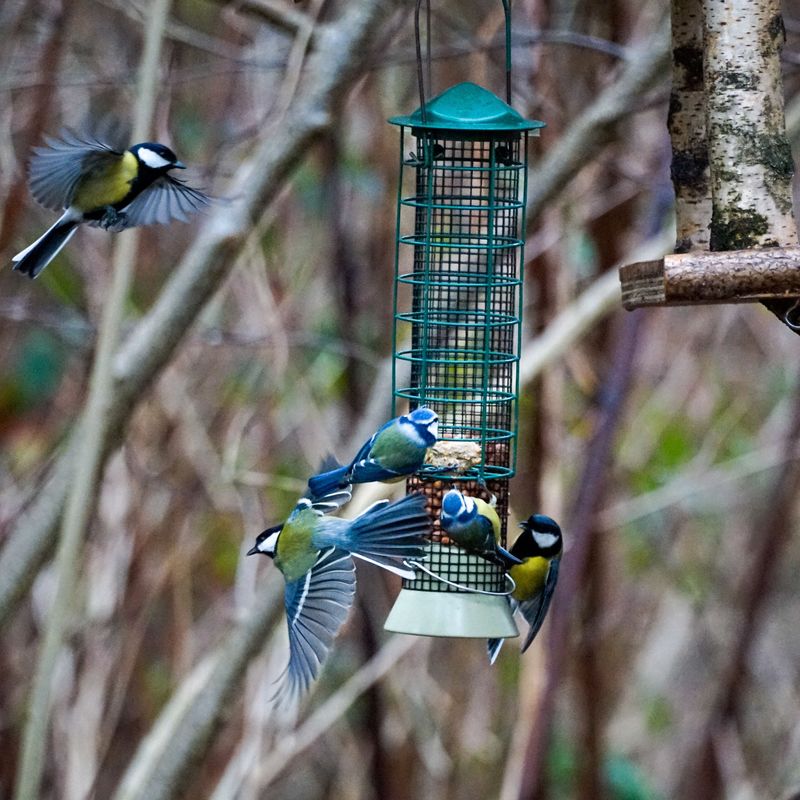
Come late September, most Tennessee yards go quiet again. The urge to wash the feeder and store it in the garage is strong, and that is exactly the moment to resist.
Late travelers keep moving through into October, often young birds or ones delayed by weather. A feeder left hanging can be the difference between an easy night and a rough one.
A common myth claims feeders convince hummingbirds to skip migration. Research shows day length controls departure, and healthy birds leave on schedule regardless of free food.
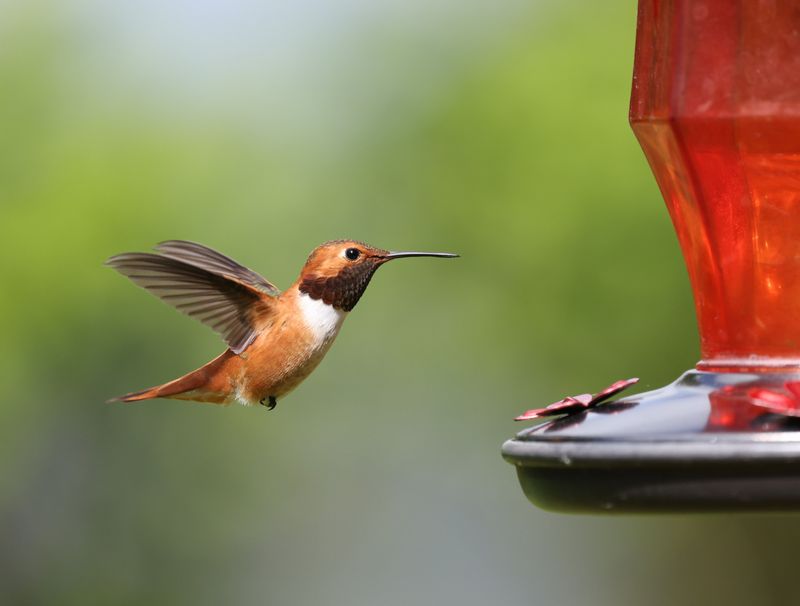
Tennessee also gets occasional winter visitors from the west. Rufous hummingbirds have occasionally shown up in Tennessee yards during the colder months, according to regional birding records.
These western wanderers are tougher than they look and handle cold surprisingly well. Reporting one to the Tennessee Ornithological Society or a local banding project helps researchers track a fascinating pattern.
If you want to try for a rare visitor, keep one clean feeder up through late fall. Change nectar weekly once temperatures drop, since cold slows spoilage.
Bringing the feeder inside overnight during a freeze and returning it at dawn prevents slush. A small outdoor bulb nearby also keeps liquid flowing.
Two extra weeks of effort costs almost nothing. The payoff might be a flash of copper feathers on a gray November morning.