These Are The Rules Of Thumb Irrigation Experts Use For Watering In Colorado
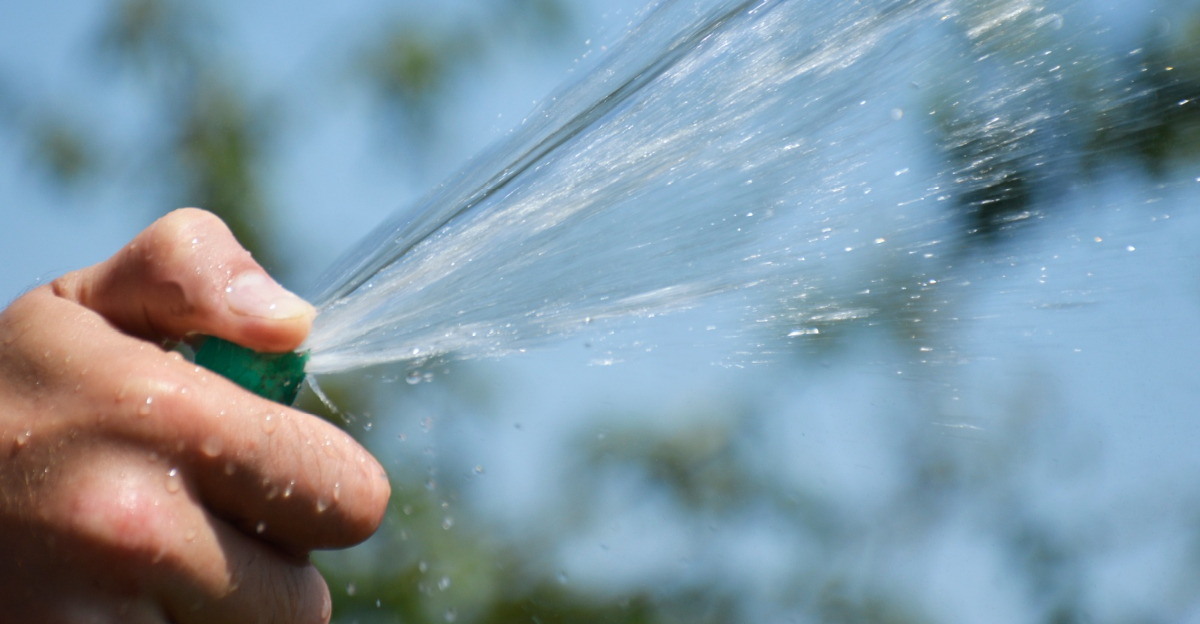
Sprinklers mislead you every single day of summer. Colorado weather changes faster than most homeowners ever expect. Grass here rarely forgives your guesswork or any careless neglect.
Altitude thins the air fast and speeds up evaporation. Wind constantly pulls moisture away before thirsty roots drink. Soil composition shifts dramatically across every single neighborhood block.
Timing decides whether your entire lawn flourishes or falters. Overwatering feels responsible while it quietly overwhelms tender roots. Underwatering feels careful while it slowly weakens your grass.
Experts spent years correcting these exact costly mistakes. Mistakes quickly drain wallets and wear down entire lawns fast.
Nobody explains why Colorado lawns fade out so quickly. Real answers exist, far sharper than common assumptions allow. Homeowners deserve strategies that genuinely hold up outdoors.
Seasoned gardeners still get surprised by shifting local conditions. You deserve clarity, not vague seasonal guessing games. What comes next will change how you water.
1. Water Early Morning Before Heat Sets In
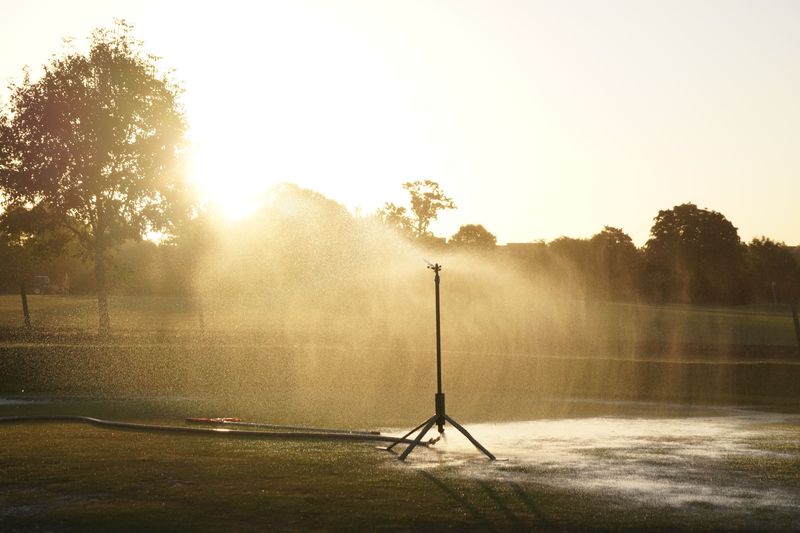
Picture this: your sprinkler kicks on at 6 a.m., the air is still cool, and every drop soaks straight into the soil. That is why early morning watering works so well, and irrigation experts across Colorado rely on it.
When you water during peak heat, a significant portion of moisture can evaporate before it even reaches the roots. Early morning temps are low, winds are calm, and your lawn actually drinks what you give it.
Watering at night might seem smart, but it leaves grass wet for hours. That lingering moisture creates the perfect breeding ground for fungal disease, which spreads fast in Colorado’s variable climate.
Experts recommend setting your irrigation timer between 4 a.m. and 7 a.m. for maximum efficiency. This window gives water time to absorb before the afternoon sun cranks up the heat.
There is another benefit most homeowners overlook: water pressure can be higher in the early hours, depending on your local system.
Municipal systems experience less demand overnight, so your sprinklers actually perform better before the neighborhood wakes up.
The rules of thumb for watering in Colorado consistently point to the morning window as non-negotiable. Start making this one simple shift, and you will notice your lawn looking greener with less water used overall.
2. Split 30 Minutes Into Two Shorter Cycles
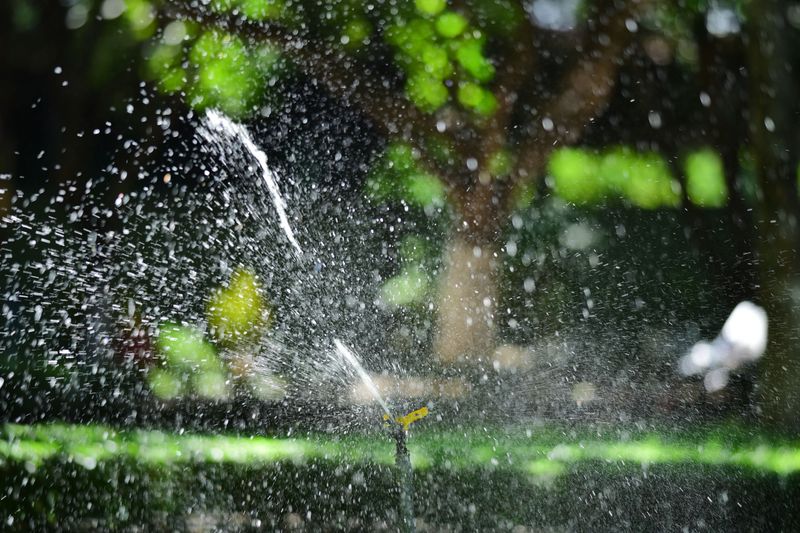
Running your sprinklers for a solid 30-minute block feels logical, but it is actually one of the biggest mistakes homeowners make. Most Colorado soils simply cannot absorb water that fast.
When you dump too much water at once, it pools on the surface and runs off into the street. You end up wasting water and starving your roots at the same time.
Irrigation professionals call the smarter approach “cycle and soak,” and splitting your runtime is the first step. Instead of one 30-minute session, try two 15-minute cycles spaced about an hour apart.
The first cycle saturates the top layer of soil and begins softening the ground below. The break gives water time to move downward before the second cycle pushes moisture even deeper toward the roots.
Your Colorado Garden Changes Every Week. Your Plan Should Too.
Gardening in Colorado changes quickly throughout the season. Every Friday you’ll receive a simple weekly plan showing exactly what to plant, prune, fertilize, harvest, and protect so you never miss the right timing.
Deep roots are tougher, more drought-resistant, and far less likely to burn during Colorado’s intense summer sun. Short, shallow watering produces weak root systems that struggle the moment temperatures spike.
Most modern irrigation controllers make this adjustment easy with a simple schedule change. You do not need new equipment, just a smarter plan and a willingness to let the science guide your timing.
The rules of thumb for watering in Colorado are built on efficiency, and splitting your cycles is one of the fastest ways to see real results. Your yard will reward the change almost immediately.
3. Check Soil Moisture Before Every Watering Session
Before you ever touch the irrigation timer, stick your finger two inches into the soil. If it feels damp, put the schedule on hold and walk away.
Overwatering is the number one irrigation mistake in Colorado, and it happens because people run on a fixed schedule instead of reading the soil. Your lawn will tell you exactly what it needs if you pay attention.
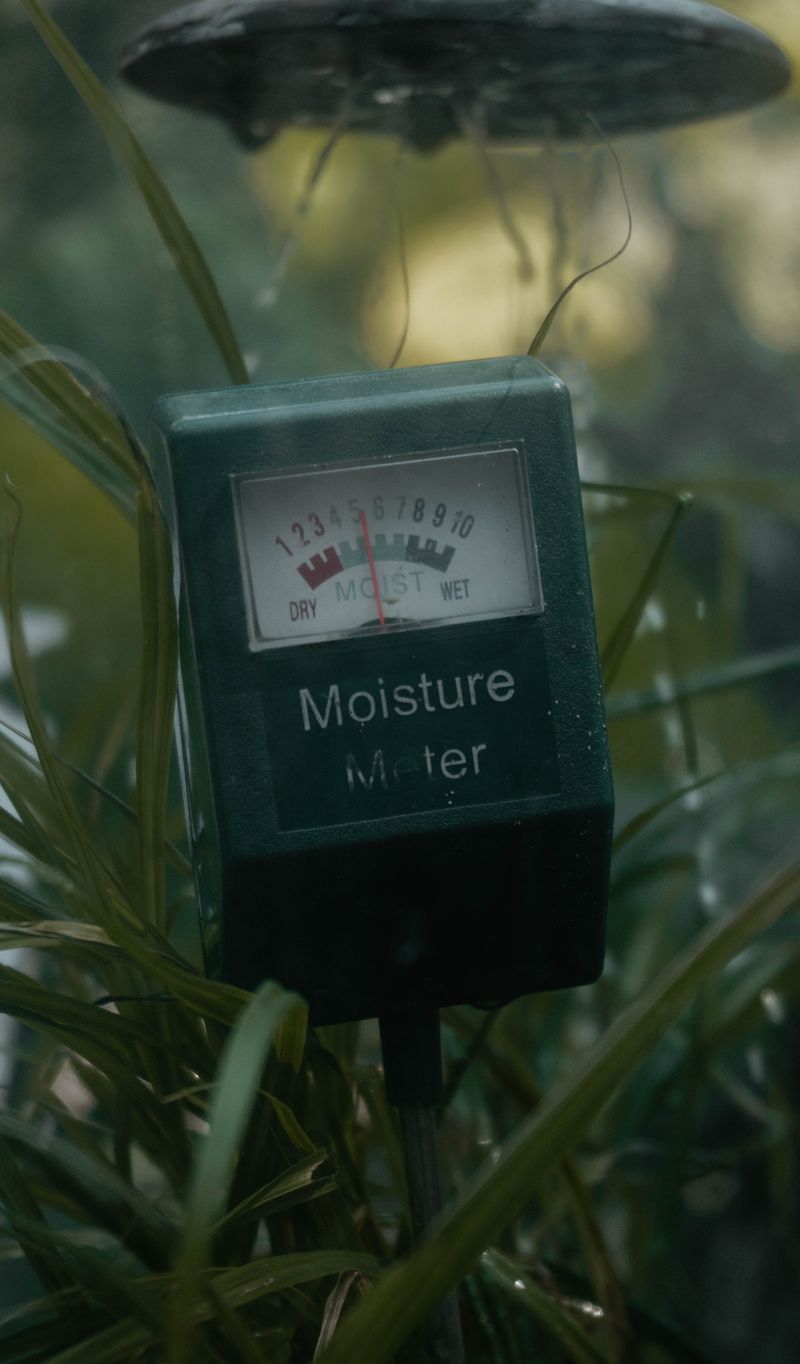
A simple soil moisture meter is relatively inexpensive. Slide the probe into the ground, check the reading, and decide from there whether watering makes sense today.
Clay soils, which are common across the Front Range, hold moisture much longer than sandy soils. What looks dry on the surface might actually be plenty wet just a few inches down.
Experts recommend checking at least three different spots across your yard before making a decision. Irrigation coverage is rarely perfectly even, and dry patches can hide right next to soggy zones.
Skipping this step is like filling your gas tank without checking the gauge first. You might be spending time, money, and water on a lawn that does not actually need any help right now.
The rules of thumb for watering in Colorado are grounded in observation, not assumptions. Checking moisture before every session keeps you in control and keeps your water bill from climbing unnecessarily high.
4. Adjust Runtime Based On Sprinkler Head Type
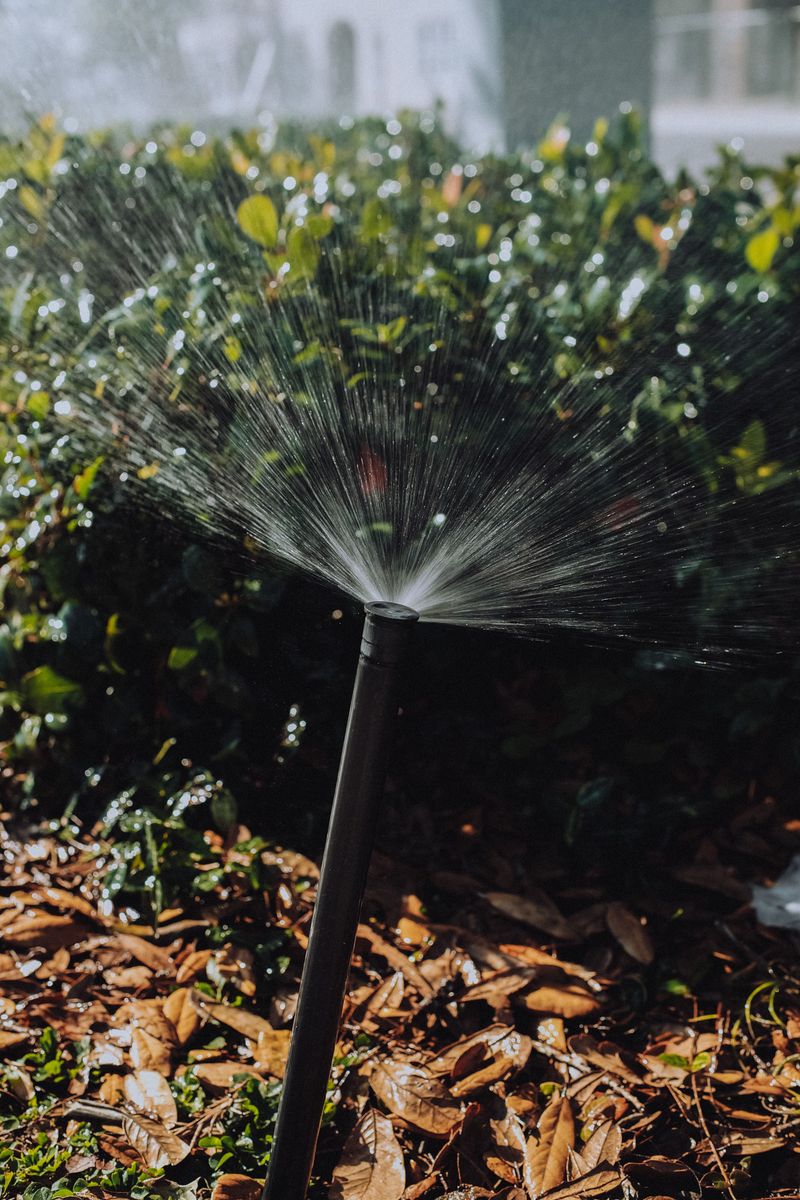
Not all sprinkler heads are created equal, and treating them like they are will cost you. The type of head in your yard determines exactly how long each zone should run.
Fixed spray heads apply water fast, generally on the higher end as a rule of thumb, though exact rates depend on the nozzle. Run them too long and you will see water sheeting off your lawn before it ever soaks in.
Rotary or rotor heads move slowly and apply water at a much gentler rate, often significantly lower, depending on the model. These heads need longer runtimes to deliver the same amount of moisture as a spray head.
Confusing the two is a classic setup error that leads to either overwatering or underwatering the same yard. Irrigation pros always identify head types before programming a single zone.
MP Rotator heads have become popular across Colorado because they apply water slowly and reduce runoff on slopes. If your yard has elevation changes, these heads are often the smarter choice for efficient coverage.
Check your irrigation map or count head types zone by zone. Then look up the precipitation rate for each model and set runtimes accordingly.
Most manufacturers post this data right on their websites, and it takes about ten minutes to find. Following the rules of thumb for watering in Colorado means matching your schedule to your equipment, not just guessing until the grass looks okay.
5. Reduce Frequency During Cooler Fall Months
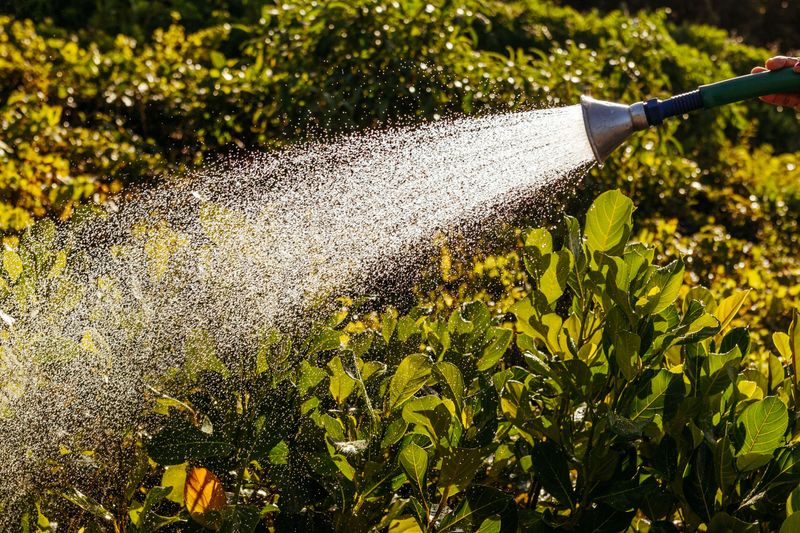
September arrives in Colorado and everything shifts. Temperatures drop, days shorten, and your lawn quietly starts needing a lot less water.
Many homeowners keep their summer schedule running straight through fall, and that is an inefficient habit. Overwatered grass heading into winter is far more vulnerable to freeze damage and disease.
Irrigation experts recommend dropping watering frequency noticeably once daytime highs fall below 70 degrees. Evaporation slows dramatically, and cool-season grasses like Kentucky bluegrass naturally slow their growth rate.
Reducing frequency does not mean abandoning your lawn entirely. Grass still needs consistent moisture during fall to build strong root systems before the ground freezes hard.
Watch for morning frost as your signal to start winding down. If you see frost on the grass two or three mornings in a row, it is time to seriously reduce or pause your irrigation schedule.
Most irrigation professionals recommend scheduling a full system winterization between late October and mid-November across most of the Front Range.
Leaving water in your lines through a freeze can crack pipes and damage heads in ways that are expensive to fix come spring.
Fall is also a great time to evaluate your system while it is still running. The rules of thumb for watering in Colorado include using this season to spot broken heads, uneven coverage, and leaks before shutting everything down for winter.
6. Increase Watering During Colorado’s Driest Summer Stretches

July in Colorado can bring intense, dry heat. Temperatures can push past 95 degrees in many lower-elevation areas, humidity drops sharply, and your lawn can show stress quickly.
During these intense dry stretches, standard watering schedules simply fall short. Grass loses moisture through its blades at a much higher rate when heat and wind combine forces.
Irrigation experts track something called evapotranspiration, or ET, which measures how much water plants lose on any given day. When ET rates spike in midsummer, your system needs to compensate by running longer or more frequently.
A good rule of thumb is to consider adding an extra watering day during extended stretches of extreme heat. Grass under heat stress cannot wait for a fixed schedule to catch up.
Look for signs of drought stress early: grass blades folding lengthwise, a blue-gray tint to the lawn, or footprints that stay visible instead of bouncing back. These are visible signs of stress in your lawn.
Responding quickly prevents permanent damage to your turf. Grass that gets too stressed can enter dormancy, and pulling it back from that state takes weeks of careful recovery watering.
The rules of thumb for watering in Colorado always include flexibility during peak summer heat. Rigid schedules break down when the climate gets extreme, so staying observant and ready to adjust is what separates a thriving lawn from a struggling one.
7. Follow The Cycle And Soak Method For Clay Soil
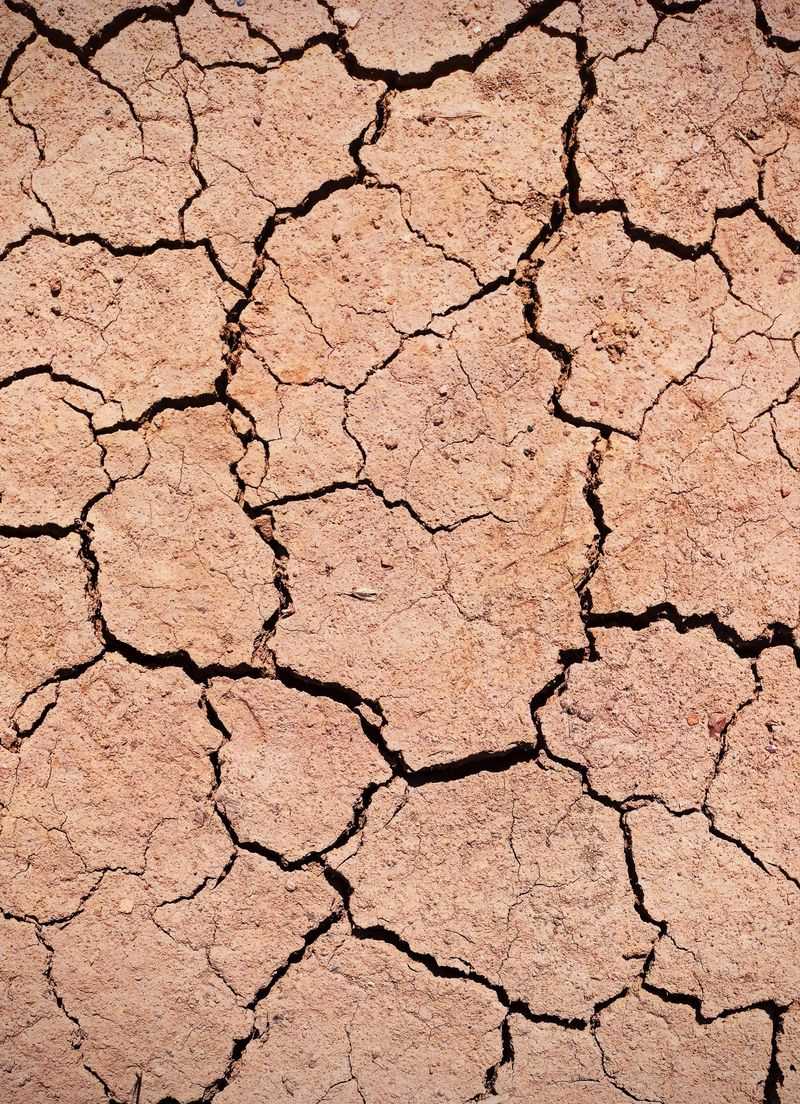
Clay soil is dense, slow-draining, and common across Colorado’s Front Range. Pour water on it too fast and it just sits there, pooling on the surface instead of soaking in.
The cycle and soak method was designed specifically for this problem. Instead of one long watering session, you run short cycles with rest periods in between to let water penetrate slowly.
As one example, you might run each zone for a short interval, pause for a longer rest period, then run again for another short interval. That rest period is where the key process happens.
During the soak phase, water gradually moves downward through the dense clay structure. By the time the second cycle starts, the soil is ready to accept more moisture without pushing it sideways or onto the surface.
Skipping the soak phase on clay soil wastes water and creates shallow root systems. Roots follow water, and if water never goes deep, neither do the roots that hold your lawn together during drought.
This method requires a controller that supports multiple start times per zone, which most modern smart controllers handle easily. If your current timer only allows one start time per zone, it may be time for an upgrade.
Irrigation experts across Colorado consider cycle and soak a foundational technique. The rules of thumb for watering in Colorado treat this method not as optional but as essential for anyone dealing with heavy clay beneath their grass.
8. Test Output Using A Simple Rain Gauge
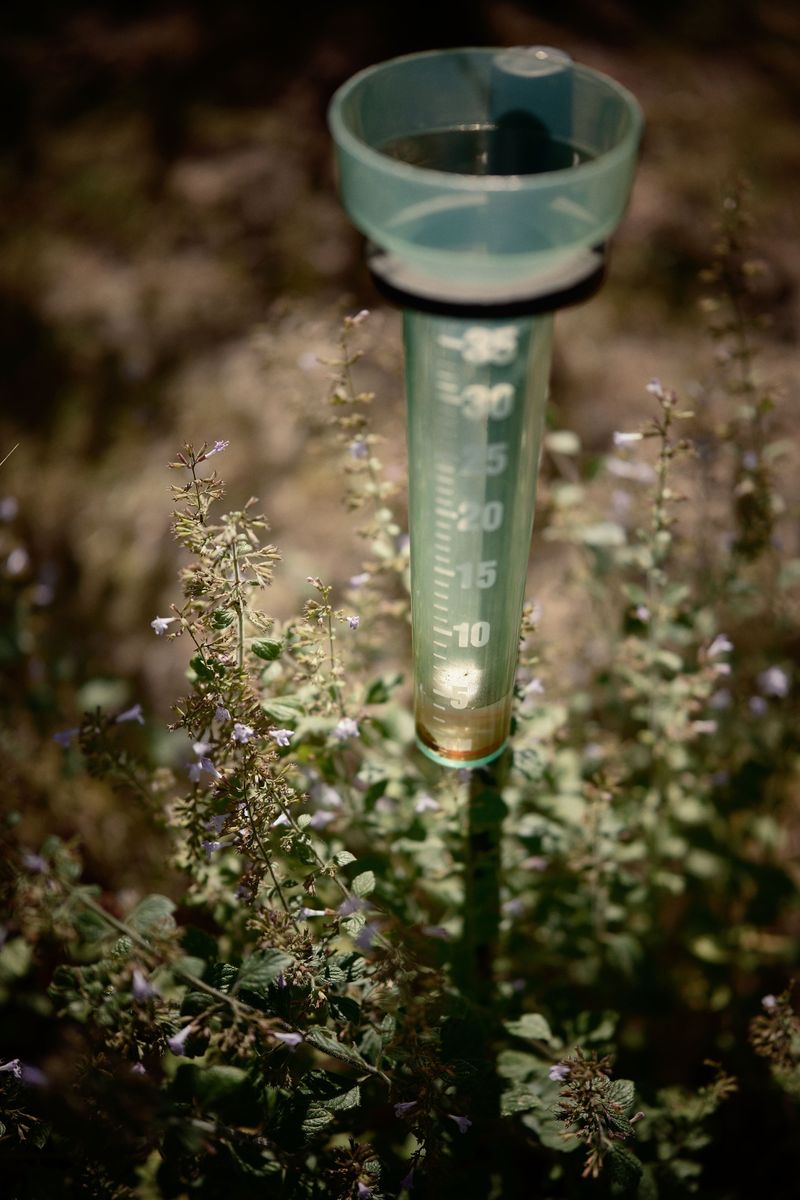
Here is a test most homeowners have never tried: place an empty tuna can in your yard, run your sprinklers for 15 minutes, and see how much water collected inside. That test gives you a useful baseline reading.
A standard rain gauge works even better, giving you precise measurements you can track over time. Most lawns in Colorado need about one inch of water per week during the growing season.
Knowing how much your system actually delivers per zone helps you set runtimes with real data instead of guesswork. Many homeowners discover their system delivers far more or far less than they assumed.
Place three or four gauges in different spots across each zone to check for uneven coverage. Sprinkler systems rarely distribute water perfectly, and gaps in coverage create dry spots that no amount of extra watering seems to fix.
If one gauge collects 0.3 inches and another collects 0.8 inches in the same zone, you have a distribution problem worth addressing. Adjusting head angles, replacing worn nozzles, or adding a head can even things out significantly.
Run this test at least once each spring when you start your system back up. Heads shift, nozzles clog, and pressure changes over winter in ways that are invisible until you measure the output directly.
The rules of thumb for watering in Colorado always come back to measurement and observation. An inexpensive rain gauge might be the most powerful tool in your entire irrigation toolkit, so use it every single season.