Plant These Georgia Natives In September For A Yard That Comes Alive This Fall
September does not have to signal the end of an exciting garden season. It can be your chance to give the yard fresh energy while cooler weeks are approaching.
That opportunity becomes even better when you choose plants already suited to local conditions.
Georgia natives can settle into the landscape while adding character that feels right at home. Choose thoughtfully, and your fall planting can offer much more than another temporary burst of color.
The key is knowing which native choices make sense for planting at this point in the season.
Some can bring immediate interest, while others begin building toward stronger seasons ahead. Either way, September gives you a useful window to rethink empty or tired spaces.
Put the right natives in place now, and fall can feel like a beginning.
1. Georgia Aster Brings Rich Purple Blooms In Fall
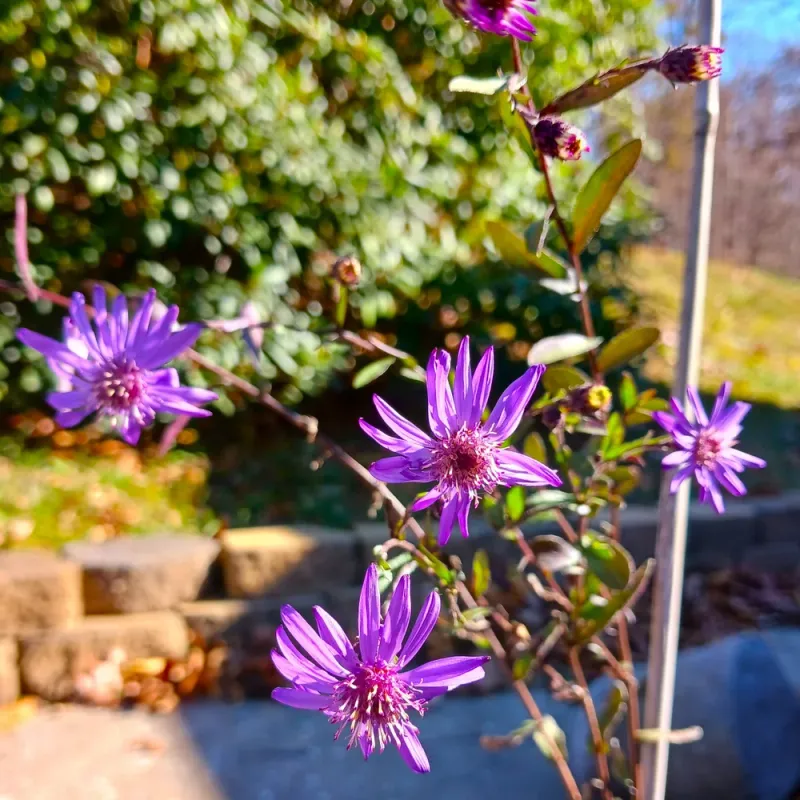
Few native perennials hold their color into late October the way Georgia aster does.
Blooms open a deep violet-purple with reddish centers, usually starting in late September and running toward the first frosts. Bees and late-season butterflies work the flowers hard when little else is open.
Give it a spot with at least six hours of sun, since shade tends to make the stems flop.
Well-drained soil matters far more than rich soil, and sandy or gravelly ground suits it fine. Heavy clay can still work if water drains away after storms.
September planting gives roots several weeks of warm soil before winter, which usually helps establishment.
Water new plants about once a week through fall unless rain handles it, then ease off as temperatures drop.
Expect two to three feet of height, sometimes more in a wet year. Pinching stems back in June keeps growth sturdier and less leggy.
Deer browse young shoots in some yards, so a wire cage during the first season is cheap insurance.
Wild populations are uncommon and the species is considered at risk, so buy nursery-grown plants instead of digging from the woods.
Leave the dry stems standing over winter when you can, because they hold seed and give small insects cover until spring cleanup. Skip fertilizer entirely, since lean ground tends to produce tighter clumps that stand up better.
2. Swamp Sunflower Lights Up The Garden With Yellow
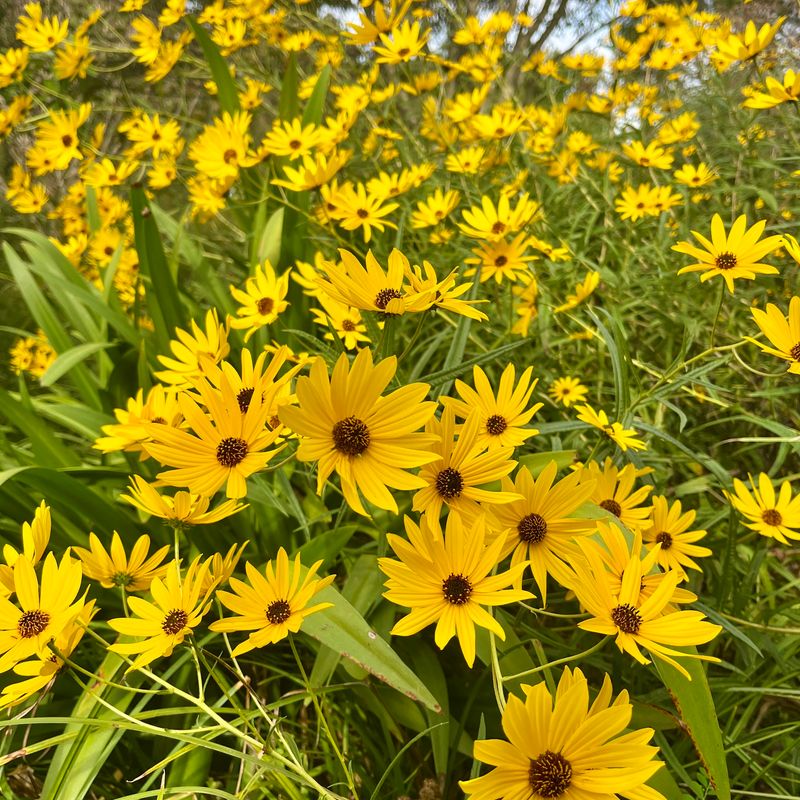
Height is the first thing people notice about swamp sunflower, which can reach five to eight feet by bloom time.
Narrow leaves line the stems all summer, then the upper growth turns into a mass of bright yellow daisies. Peak color usually lands between late September and mid-October across much of Georgia.
Damp ground is where it shines, including low spots that stay soggy after summer storms.
Average garden soil works too, though plants may need a drink during long dry stretches. Full sun keeps stems straighter and the flower count higher.
Spreading happens through underground runners, so give it room or plan on pulling strays each spring.
Cutting stems back by half in early June trims the final height without pushing bloom time much later.
Your Georgia Garden Changes Every Week. Your Plan Should Too.
Gardening in Georgia changes quickly throughout the season. Every Friday you’ll receive a simple weekly plan showing exactly what to plant, prune, fertilize, harvest, and protect so you never miss the right timing.
Clumps planted against a fence or shrub line usually hold up better in wind than ones standing alone.
September is a fine time to set out potted plants, since warm soil and cooler air reduce transplant stress.
Water deeply once or twice a week for the first month, then let fall rain take over.
Goldfinches pick at the seed heads through late fall, which is reason enough to delay cutting the stalks.
Bumblebees and skippers show up in numbers while the flowers last, sometimes into early November in mild years. Divide crowded clumps every three or four years to keep bloom strong.
3. American Boneset Adds White Flowers Through September
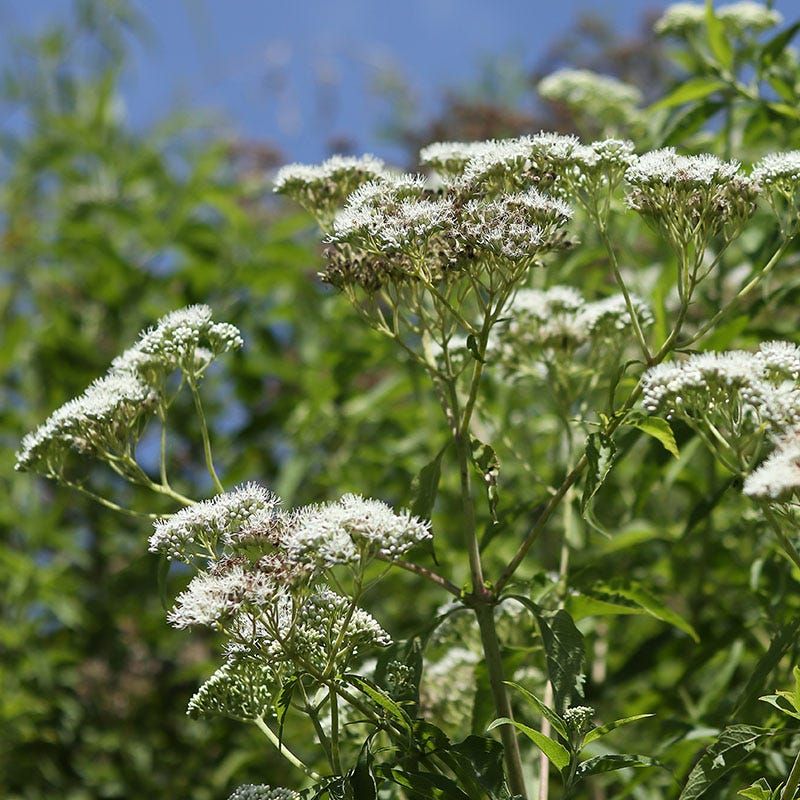
Flat clusters of small white flowers make American boneset look softer than most late bloomers.
Leaves are the giveaway, joined at the base so the stem appears to pass straight through them. That odd trait is where part of the plant’s old name came from.
Folk healers once brewed the leaves for fevers, which is history worth knowing rather than advice to follow.
Bloom runs from August through September, and the flowers pull in small native bees, wasps, and hoverflies. Those tiny visitors matter, since they pollinate plenty of vegetables and fruit crops.
Moist ground is the main requirement, so ditches, rain garden edges, and pond margins all suit it.
Dry sandy sites usually disappoint unless you water regularly. Part shade is tolerated, though bloom thins out noticeably in deep shade.
Mature height runs three to four feet, with sturdy stems that rarely need staking.
Set plants out in September while soil stays warm, spacing them roughly two feet apart in Georgia gardens.
Seedlings pop up nearby during damp years, easy enough to move or pull depending on your plans.
Cut spent stems in late winter rather than fall, since hollow stalks shelter small insects.
Deer generally leave the bitter foliage alone, which helps in rural yards where browsing runs heavy. Mulch lightly after planting, keeping the layer off the crown to avoid rot.
4. Pink-Scale Blazing Star Blooms Well Into October
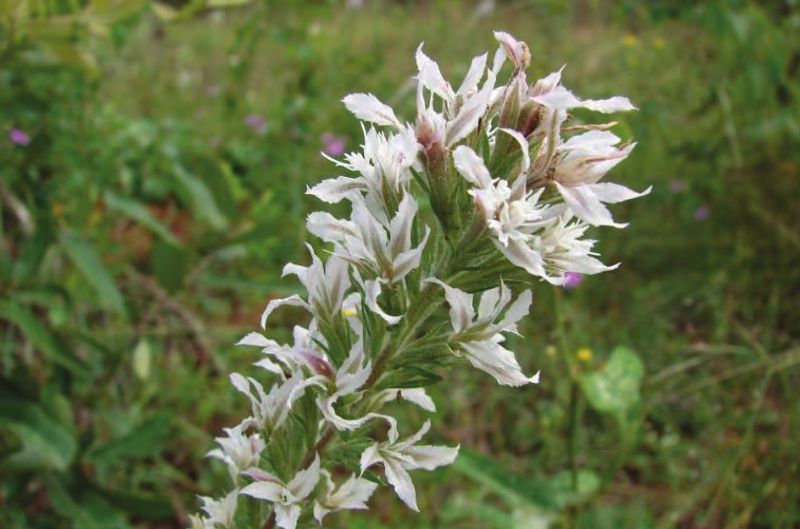
Most blazing stars glow bright purple, so pink-scale blazing star surprises people with its creamy, pinkish spikes.
Color comes mainly from papery bracts rather than the flowers themselves, an unusual arrangement among liatris. Blooms open from the top of the spike downward.
Flowering runs from late September well into October, stretching the season past most summer perennials.
Sandy, well-drained ground is essential, and the species belongs to the coastal plain of south Georgia.
Soggy winter soil is the main risk, since corms sitting in wet ground tend to rot.
Raised beds or gentle slopes solve that problem in heavier clay yards. Full sun keeps the spikes upright, while shade produces weak stems that lean into their neighbors.
Set plants out in September, water once at planting, then keep things on the dry side.
Mature height runs two to four feet, with a narrow shape that fits neatly between shrubs and grasses.
Butterflies, especially sulphurs and skippers, work the spikes, and small bees gather pollen through October.
Fertilizer usually does more harm than good here, pushing soft growth that flops in the first storm.
Seed heads dry to a tan fluff that looks decent standing in the garden or cut for winter arrangements.
Rabbits sometimes nip young shoots, so a small cage during the first spring can help. Pair it with wiregrass, prickly pear, or dwarf yaupon for a dry sunny bed that needs little fuss.
5. Eastern Silvery Aster Starts Blooming As Fall Arrives
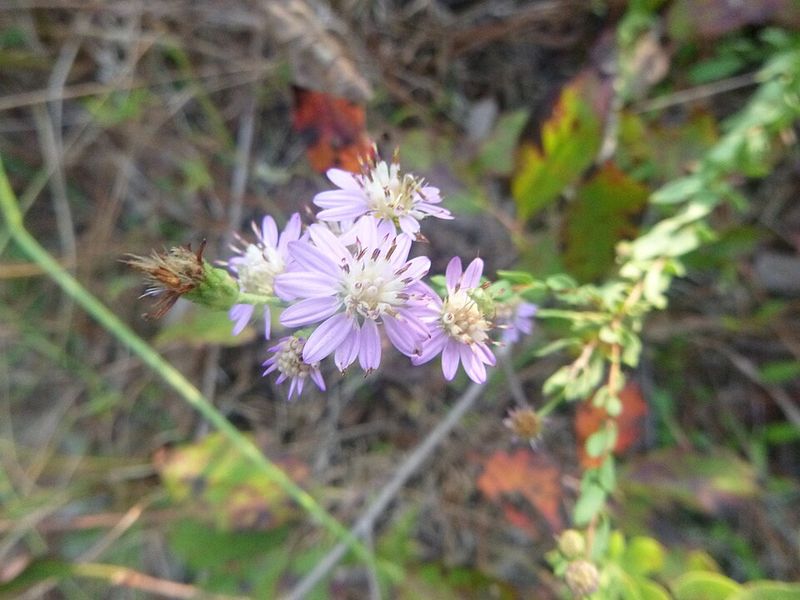
Silvery leaves catch light long before the first flower opens on eastern silvery aster. Fine hairs cover the foliage, giving the whole plant a pale gray cast that stands out against greener neighbors.
Bloom starts as September cools, with lavender flowers arranged in a narrow wand up the stem.
Slender growth means it reads more like a spike than a mound, which is useful between rounded perennials. Height usually stays between one and two and a half feet.
Dry, sandy ground is its home turf, including the sandhills and open pine woods of south Georgia.
Rich beds and steady irrigation often lead to weak, floppy stems. Lean soil with sharp drainage produces the best-looking plants.
Full sun comes close to a requirement here, since shade thins the bloom quickly.
Plant in September, water it in well, then keep moisture light and occasional while roots settle.
Drought tolerance is strong once established, which makes it handy for hot strips beside driveways and sidewalks.
Wild plants have grown uncommon in parts of the range, so look for nursery stock at native plant sales.
Pair it with little bluestem or wiregrass for a look that mimics natural sandhill openings.
Small bees and butterflies visit steadily through October, especially on warm afternoons.
Seed heads turn fluffy by November and may reseed lightly into bare sandy patches, which most gardeners welcome.
6. Gray Goldenrod Brings Bright Yellow Color In Fall
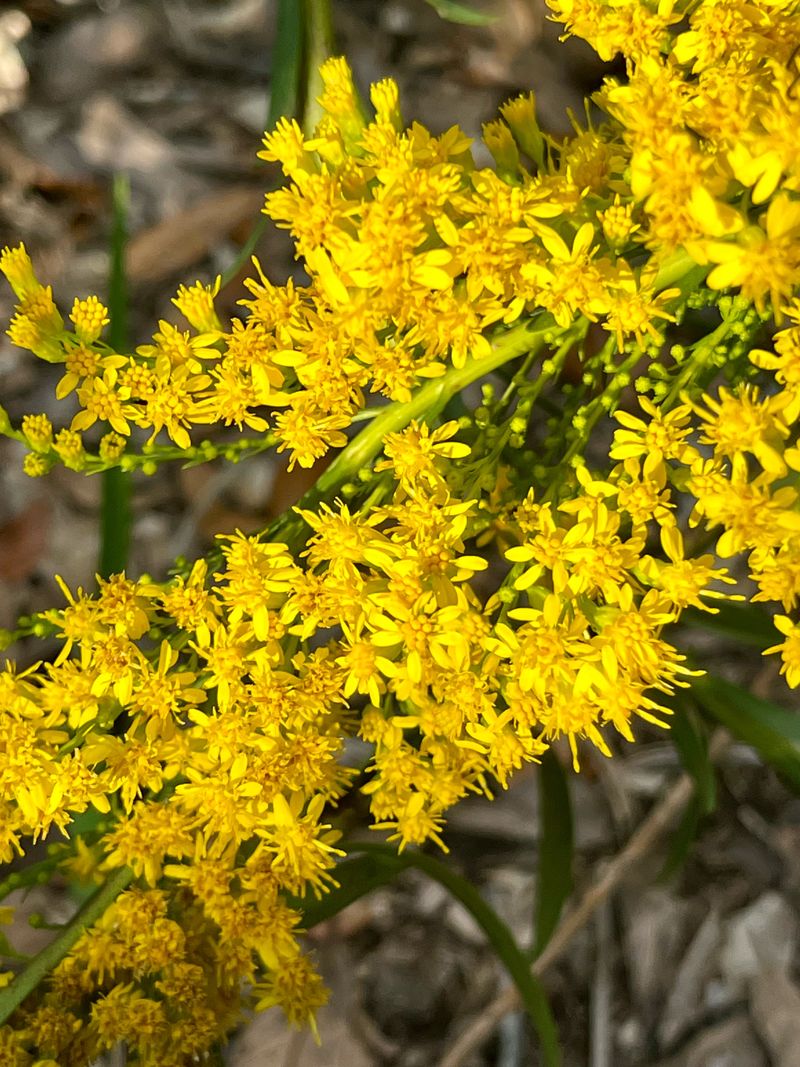
Goldenrod gets blamed for fall allergies, but its pollen is heavy and sticky, carried by insects rather than wind.
Ragweed blooms at the same time and is the usual culprit behind all that sneezing. Gray goldenrod, meanwhile, just quietly turns yellow.
Size sets it apart from its pushier relatives, topping out near one to two feet in most yards.
Flower plumes lean to one side, curving like a small golden flag above gray-green leaves.
Poor, dry, gravelly soil suits it well, and that includes the hard clay banks common across north Georgia.
Rich beds encourage floppy growth and more spreading than you probably want. Lean ground keeps clumps compact and upright.
Sun for most of the day gives the fullest bloom, generally from late August into October.
September planting works nicely because roots grow while the soil still holds summer warmth.
Water new transplants weekly for a few weeks, then treat it as a plant that prefers dry feet.
Spread happens slowly through short rhizomes, much less aggressively than Canada goldenrod. Occasional edging keeps clumps in bounds.
Bees, wasps, soldier beetles, and small butterflies crowd the flowers on warm afternoons.
Leave stalks standing into winter, since the seeds feed sparrows and finches when other food is scarce. Cut everything back in February, before new basal rosettes push up and get in the way of your shears.
7. Hardy Ageratum Adds Soft Blue Flowers In Fall
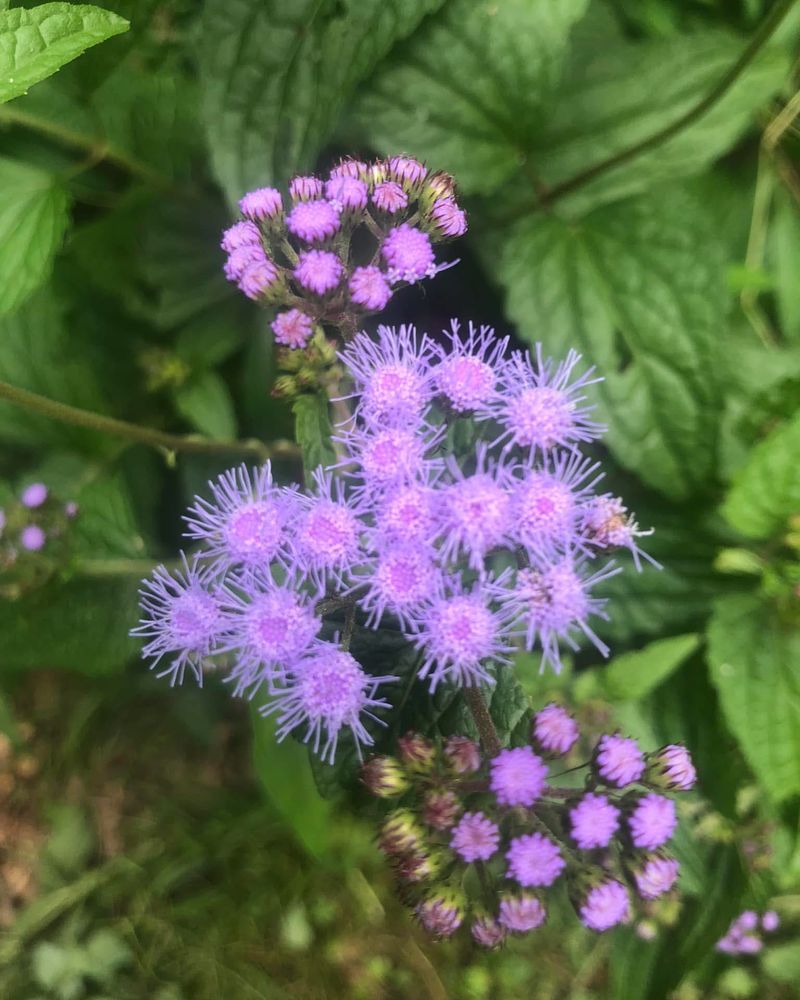
Blue is rare in a Southern fall garden, which is exactly why hardy ageratum earns its space.
Fuzzy clusters open a soft powder blue in August and often keep going right up to frost.
Butterflies treat it like a diner, especially skippers, and hummingbird moths sometimes show up at dusk.
Also called blue mistflower, it grows naturally along creek banks and damp roadside ditches throughout Georgia.
Moist soil brings the strongest performance, though it copes with average beds when summer rain cooperates.
Part shade is fine, and afternoon shade can help during heat waves. Full sun works well as long as the ground stays damp.
Spreading is the honest drawback, since runners travel and can crowd out smaller neighbors.
Give it a large bed, a damp back corner, or a spot bordered by a path where roots hit a hard edge.
Planting in September lets roots settle before winter, and a light mulch keeps the crown from drying out.
Water new divisions every few days for two weeks, then weekly until fall rain takes over.
Height ranges from about eighteen inches to three feet, and taller stems sometimes lean after heavy storms.
Shear plants by a third in June for a tidier shape without losing much bloom. Pull unwanted runners in early spring while the soil is soft, since they come out easily by hand.
Divide clumps every couple of years and pass the extras along.
8. Shaggy Blazing Star Keeps Purple Blooms Going Through Fall
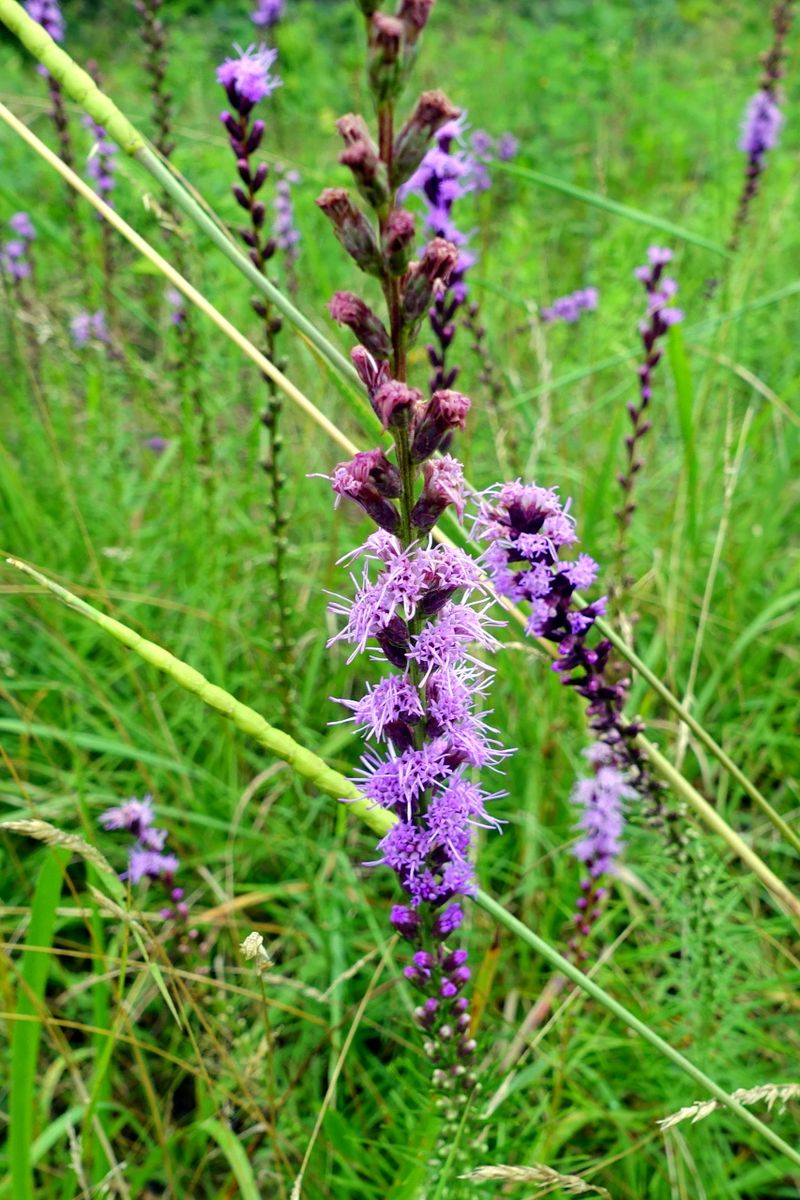
Purple keeps coming when shaggy blazing star finally opens in September.
Hairy stems give the plant its name, and narrow grassy leaves crowd the lower half. Flowers cluster in fuzzy purple tufts along the upper stem.
Bloom often continues into late October, overlapping with asters and goldenrods for a layered look.
Sun and drainage matter most, and it handles dry pine woods, sandy edges, and lean clay in Georgia yards.
Overly rich soil produces tall floppy stems, so hold back on compost and fertilizer.
Planting during September gives corms time to root while soil stays warm, and a light watering schedule is plenty.
Height usually lands between two and three feet, depending on moisture and available sun.
Grouping five or seven plants together reads far better than single stems scattered around a bed.
Monarchs passing through in October stop at the flowers, along with bumblebees and assorted small butterflies.
Voles occasionally dig at the corms, and a handful of gravel in the planting hole may discourage them.
Cut stalks in late winter, leaving seed heads standing for finches through the cold months.
Clumps expand slowly and rarely need division, though you can lift and separate corms in early spring.
Seedlings appear here and there in open ground, usually taking two or three years to reach bloom size. Mixing it with little bluestem hides the bare lower stems late in the season.