Why Georgia Homeowners Should Check Attics And Sheds For Raccoons This Fall
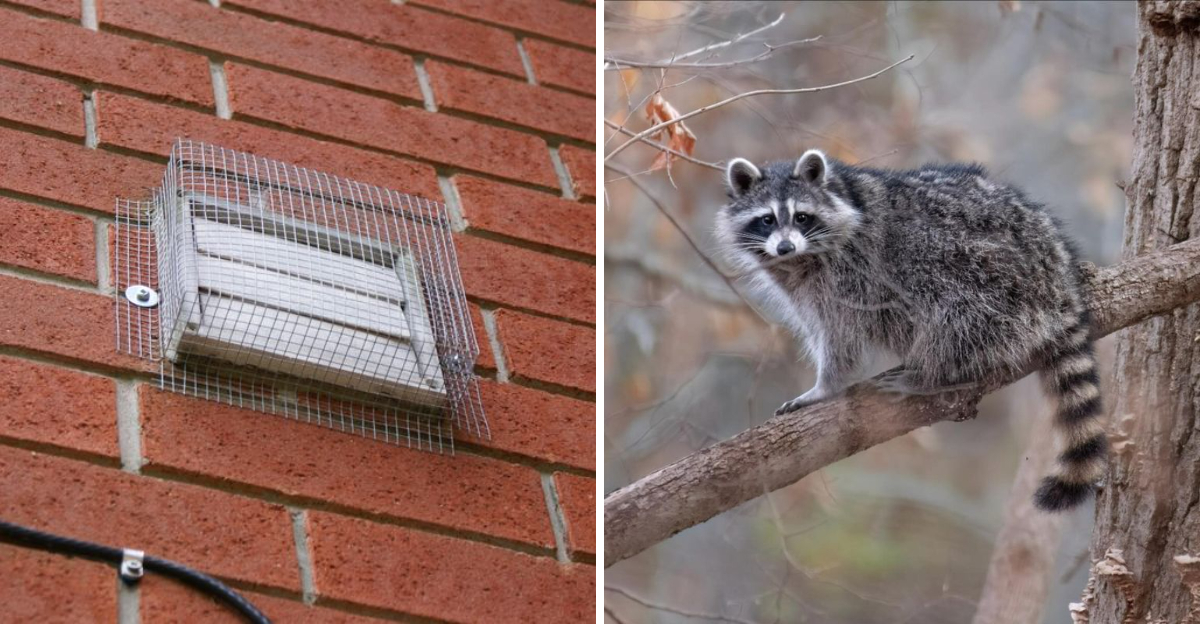
Fall can bring unexpected activity around quiet parts of your property, and attics or sheds deserve more attention than usual. Raccoons may investigate sheltered spaces when they find an easy way inside.
That makes early signs worth noticing before a regular hiding spot develops.
You might hear movement, notice something shifted, or find another clue around an opening. Georgia homeowners should take those signs seriously without assuming every sound means a raccoon.
Start by checking vulnerable areas from a safe distance and looking for clear evidence.
Finding an entry point early can help you address the property issue before the situation becomes harder to manage. It also gives you time to choose a sensible response.
Before sealing anything, however, make sure you understand what could already be using that space.
1. Fall Is A Good Time To Check The Spaces You Rarely Visit
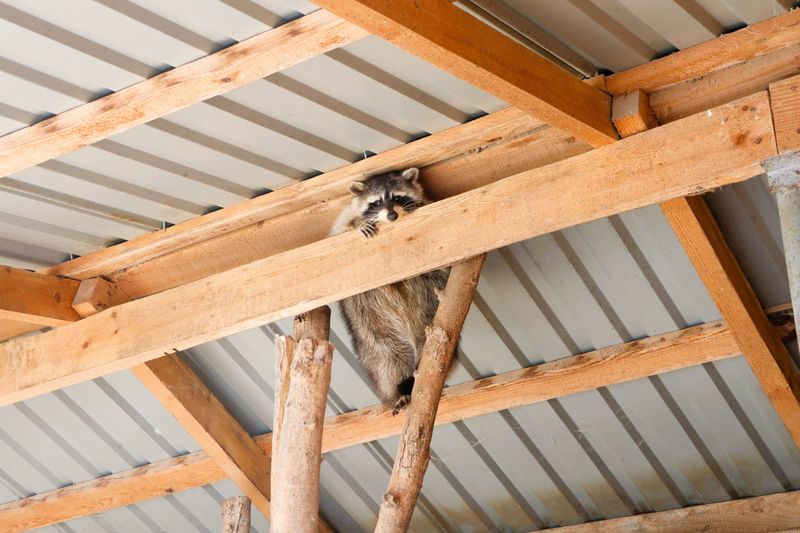
Attics get ignored for months at a time, and raccoons seem to understand that better than we do. Autumn in Georgia brings mild afternoons that make a quick inspection far more comfortable than a July attic crawl.
Start with the spaces you never open, like the crawl space, the shed corner behind the mower, or the storage area above the garage.
Bring a strong flashlight and take your time scanning the insulation for flattened trails or hollowed-out nesting spots, since those patterns are hard to mistake once you see them.
Droppings near rafters or along beams are another clear sign worth noting.
Keep in mind that raccoon waste can carry parasites, so avoid stirring up dust and wear gloves and a mask while you look around. Odd smells matter too.
A sour, musty odor that lingers in one section of the attic often points to an animal using the space regularly.
Check the shed with the same attention, especially under workbenches and behind stacked boxes where shredded material tends to collect.
Doing this in early fall gives you time to react before nights turn cold and animals settle in more stubbornly.
Write down anything unusual, even if it seems minor, because small details help a wildlife professional understand the situation later.
Twenty minutes of looking now can save you from a much bigger repair bill in January.
2. Nighttime Noises Can Be One Of The First Clues
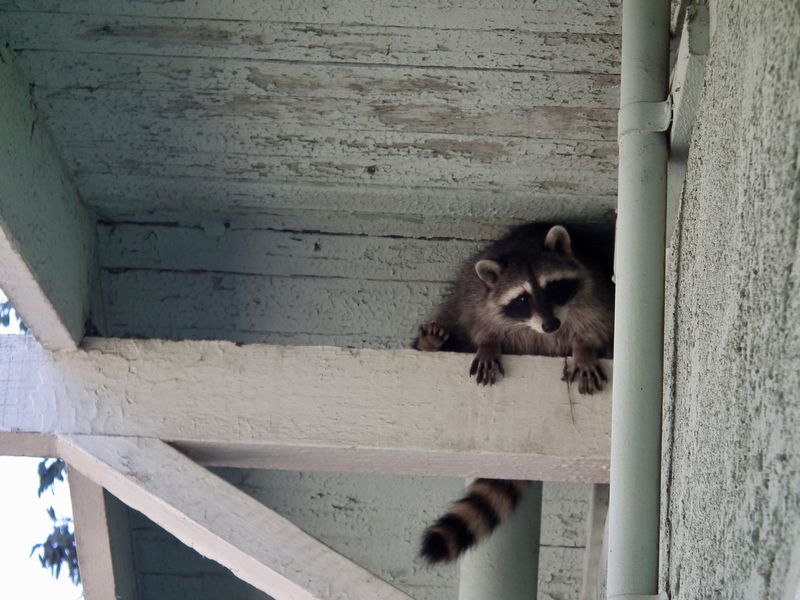
Sound travels through a quiet house, and raccoons are not subtle tenants. Heavy thumping above the ceiling around dusk usually means something larger than a mouse has moved in.
Squirrels tend to be active in daylight, while raccoons do most of their moving after sunset, which is a useful way to narrow down what you are hearing.
Listen for dragging sounds, low chattering, or a rolling noise that shifts from one side of the attic to the other.
Homes across Georgia often sit near wooded lots, and that greenery gives raccoons an easy path toward roofs and vents. Pay attention to timing.
Noises that start about the same hour each evening point to a routine rather than a random visitor passing through.
Your Georgia Garden Changes Every Week. Your Plan Should Too.
Gardening in Georgia changes quickly throughout the season. Every Friday you’ll receive a simple weekly plan showing exactly what to plant, prune, fertilize, harvest, and protect so you never miss the right timing.
If you hear high-pitched chittering during late winter or early spring, a mother may be raising young, which changes how the situation should be handled.
Try standing in different rooms to figure out where the sound is loudest, then check that section of the attic from the inside.
Recording the noise on your phone helps too, since a wildlife control technician can often identify the animal by sound alone.
Avoid banging on the ceiling to scare anything out, because a startled animal may push deeper into wall voids where removal gets complicated.
Steady observation beats guessing every time.
3. Loose Doors And Openings Can Give Raccoons A Way Inside
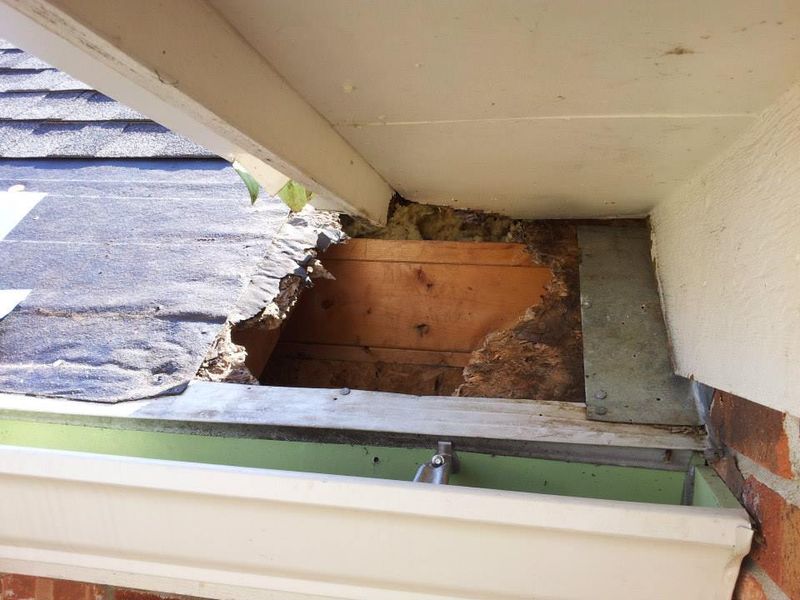
A gap the size of a grapefruit is often all it takes. Raccoons have strong front paws and enough patience to work at a weak spot until it widens.
Shed doors warp over time, and the gap at the bottom edge grows wider each humid summer.
Walk the perimeter of your house and look at soffits, gable vents, roof edges, and the seam where the chimney meets the shingles, since those areas fail quietly.
Damaged fascia boards are worth a second glance because soft, rotting wood gives way under steady pressure.
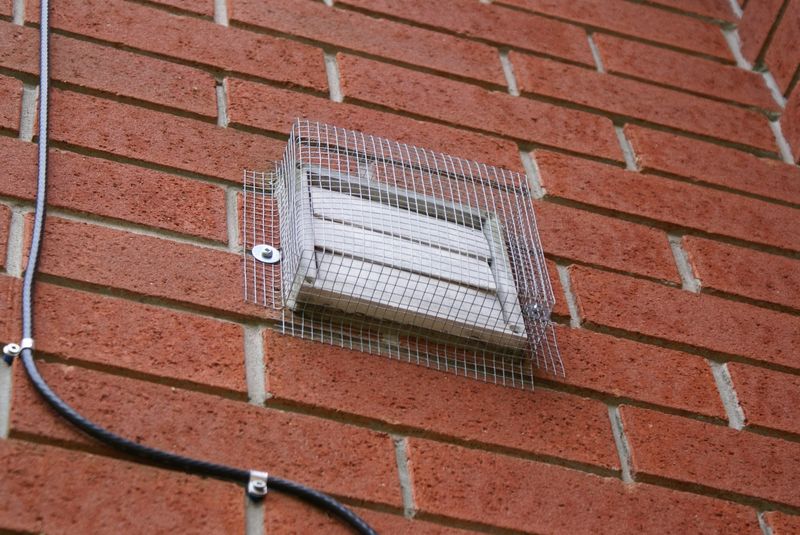
Attic vents covered only with thin plastic screening rarely hold up. Metal hardware cloth secured with screws does a much better job.
Check pet doors leading into a garage or utility room too, especially if the latch no longer catches properly.
Older homes in the Peach State often have crawl space access panels that were never resealed after a plumbing repair.
Look for smudge marks, muddy prints, or worn fur grease around openings, all of which suggest repeated use.
Fixing these spots before winter costs far less than replacing chewed wiring or soaked insulation later on.
Bring a ladder and a helper if the roofline is steep, and skip the climb entirely if the pitch feels unsafe. Photograph anything questionable so you can compare it after storms.
4. Pet Food And Trash Can Keep Them Coming Back
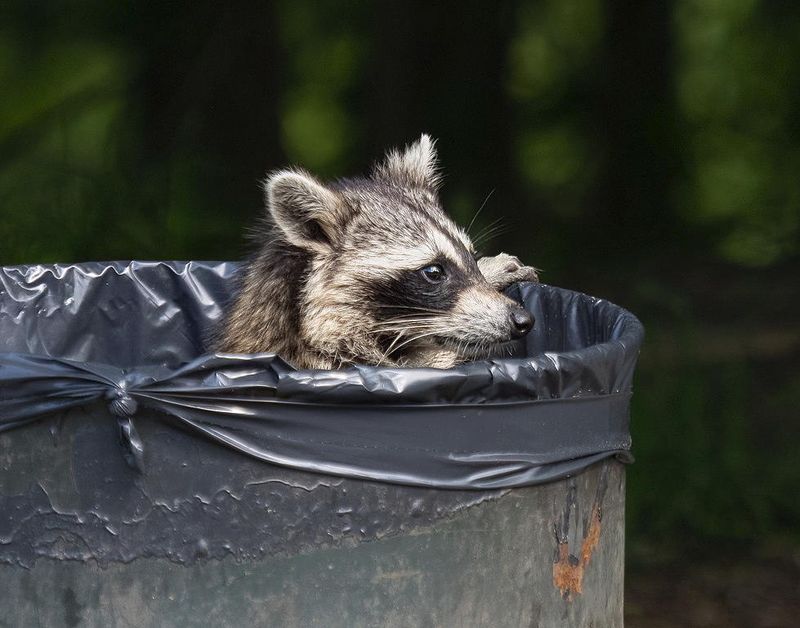
Food is the reason most raccoons stop by in the first place. A bowl of kibble left on the back porch overnight works like an open invitation.
Bring pet dishes indoors before dark, and rinse them if grease or crumbs are left behind.
Garbage cans need lids that latch, since a loose lid rarely slows down an animal with hands that clever and a strong sense of smell. Bungee cords across the lid help, though a locking can works better long term.
Fallen pecans, persimmons, and figs draw them in as well, which matters in plenty of Georgia backyards where fruit and nut trees are common.
Rake up what drops and toss it in a sealed bin rather than leaving piles near the shed.
Bird feeders spill seed constantly, and that scattered mess feeds far more than birds once the sun goes down.
Compost piles with meat scraps or dairy are another draw, so stick to plant material and turn the pile regularly.
Grills matter too, since drippings in the tray hold a scent that lingers for days.
Removing food sources will not force out an animal already nesting in your attic, but it lowers the odds of new visitors showing interest.
Consistency counts more than any single fix, so keep the habit going through the whole season.
5. Tree Limbs Near The Roof Are Worth Checking Too
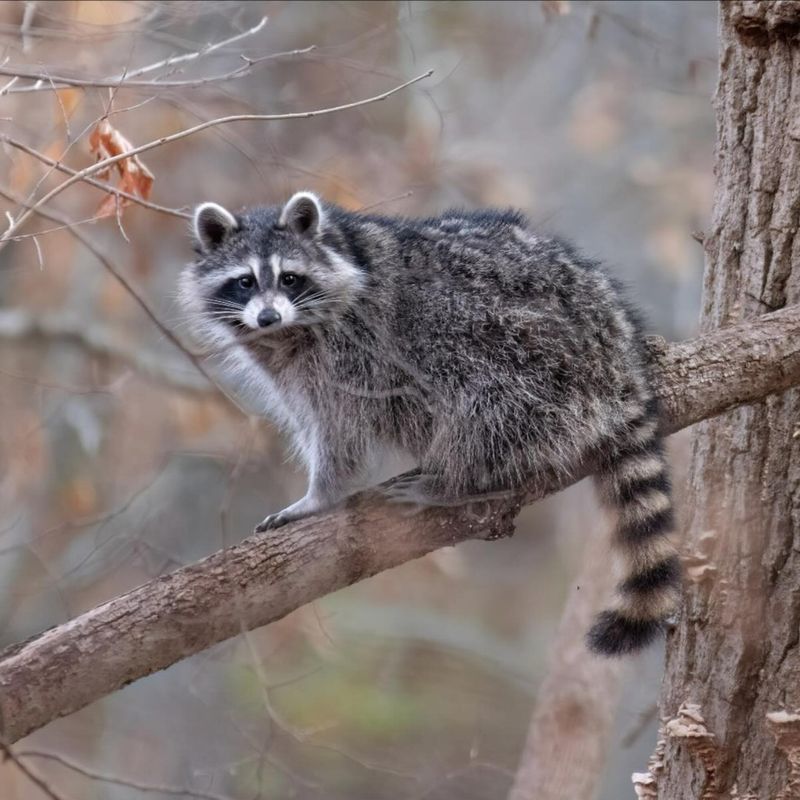
Branches are highways. Raccoons climb well, and a limb resting near the gutter gives them a direct route onto your shingles.
Stand back in the yard and look at the roofline from a few angles, paying attention to anything hanging within six to eight feet of the edge.
Oaks, pines, and water oaks grow fast in this part of the South, and a limb that seemed harmless two summers ago may now be brushing the fascia.
Trimming those branches back reduces easy access and also cuts down on storm damage.
Hire an arborist for anything large or near power lines, since improper cuts can weaken a tree or create real hazards. Fences, trellises, and stacked firewood work the same way when they sit against a shed wall.
Move woodpiles a few feet away from structures, which also helps with insects and moisture problems.
Downspouts and lattice panels give a climbing animal a grip, so check whether anything vertical touches your roof edge.
Trimming does not solve everything on its own, because determined raccoons can still climb siding and gutters in some cases.
Combining pruning with sealed entry points gives you a much better result than either step alone.
Fall is a reasonable time for light pruning in most of the state, though heavy cuts on some species are better left for late winter.
6. Seal Entry Points Only After Making Sure The Space Is Empty
Sealing too early creates a worse problem than the one you started with. An animal trapped inside a wall or attic will chew, claw, and search for another way out.
Confirm the space is empty before closing anything, and give yourself several days of observation rather than rushing the job.
A simple trick involves loosely stuffing crumpled paper into the suspected opening and checking daily to see whether it gets pushed aside.
Tracking powder or flour spread near the entry shows prints just as clearly.
Timing matters most during spring, when young may be tucked away in a nest and unable to leave on their own.
Sealing a mother out at that point leaves babies behind, which is both cruel and a serious mess to deal with.
One-way exclusion doors let an animal leave without returning, and they are the standard approach used by licensed professionals.
Wildlife rules in Georgia require permits for certain removal and relocation activities, so checking with the Department of Natural Resources is a smart first step.
Hiring a licensed wildlife control operator often saves money once you factor in repairs done wrong.
Once the space is confirmed clear, close gaps with heavy-gauge steel mesh or metal flashing rather than foam or wood alone. Screws hold better than nails, especially on vents and soffit returns that see steady pressure.
7. Fixing Access And Food Sources Can Prevent Another Visit
Removal alone rarely settles things. Another raccoon can find the same opening within weeks if the underlying weak spots stay untouched.
Think of the repair work as the actual solution and the removal as just one step along the way.
Replace rotted fascia, reattach loose soffit panels, and cover every vent with sturdy metal screening fastened tightly at the edges.
Chimney caps deserve attention too, since an uncapped flue is one of the most common ways animals get in.
Keep gutters clear so water does not soften the wood along your roof edge, because damp trim breaks down faster and invites new damage.
Inspect the same areas twice a year, ideally in fall and again after spring storms. Shed maintenance follows the same logic, with a working latch, a solid threshold, and no gaps under the walls.
Storing birdseed and pet food in metal containers rather than bags cuts down on scent that carries across the yard.
Neighborhoods throughout north Georgia sit close to greenbelts and creek corridors, so raccoons will remain part of the landscape no matter what you do.
Aiming for a home that offers no easy meal and no open door is a realistic goal, even if nothing is foolproof.
Steady upkeep tends to work better than any single dramatic fix.