This Fall Pruning Mistake Can Weaken Georgia Crape Myrtles Before Winter
Cooler weather can make an overgrown crape myrtle seem ready for a serious trim, especially after months of vigorous growth. Yet fall is not the time to reshape it heavily.
Once the tree begins shifting toward dormancy, aggressive pruning can create problems instead of solving them.
Fresh cuts and new growth encouraged at the wrong time can leave the tree less prepared for cold weather. That matters in Georgia, where temperatures can change quickly once fall settles in.
Save major pruning decisions for a more suitable point in the tree’s yearly cycle.
For now, resist the urge to remove healthy branches simply because the growing season is winding down. Your crape myrtle does not need to look freshly trimmed before winter.
Knowing when not to prune is part of good tree care.
1. Fall Is Not The Right Time For Heavy Pruning
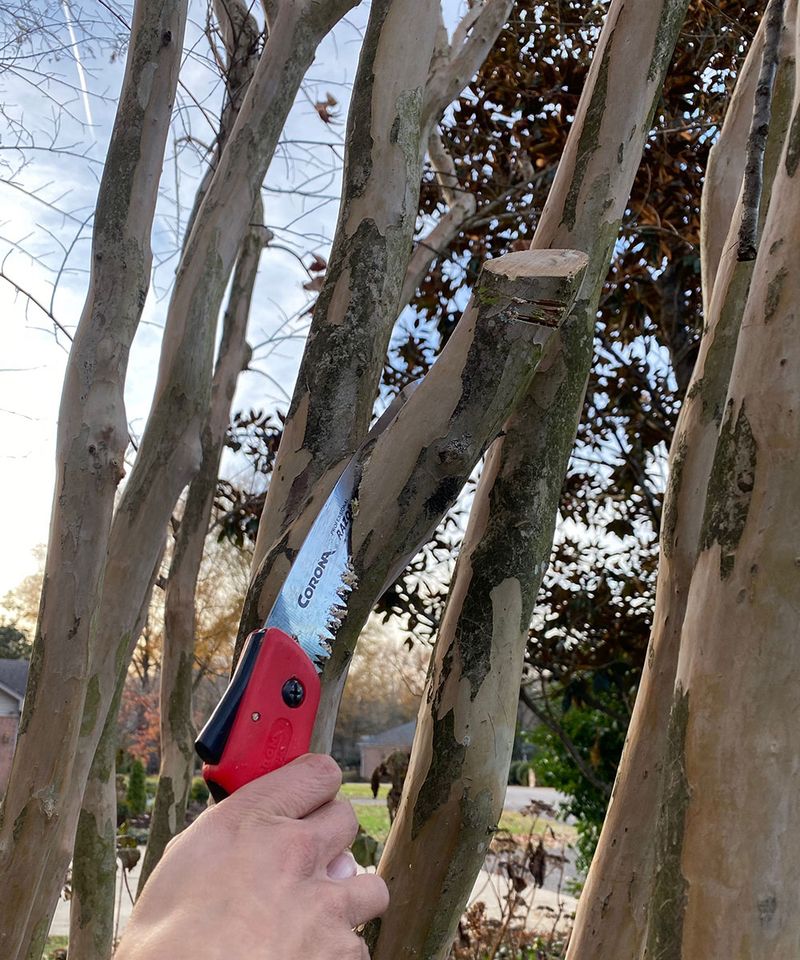
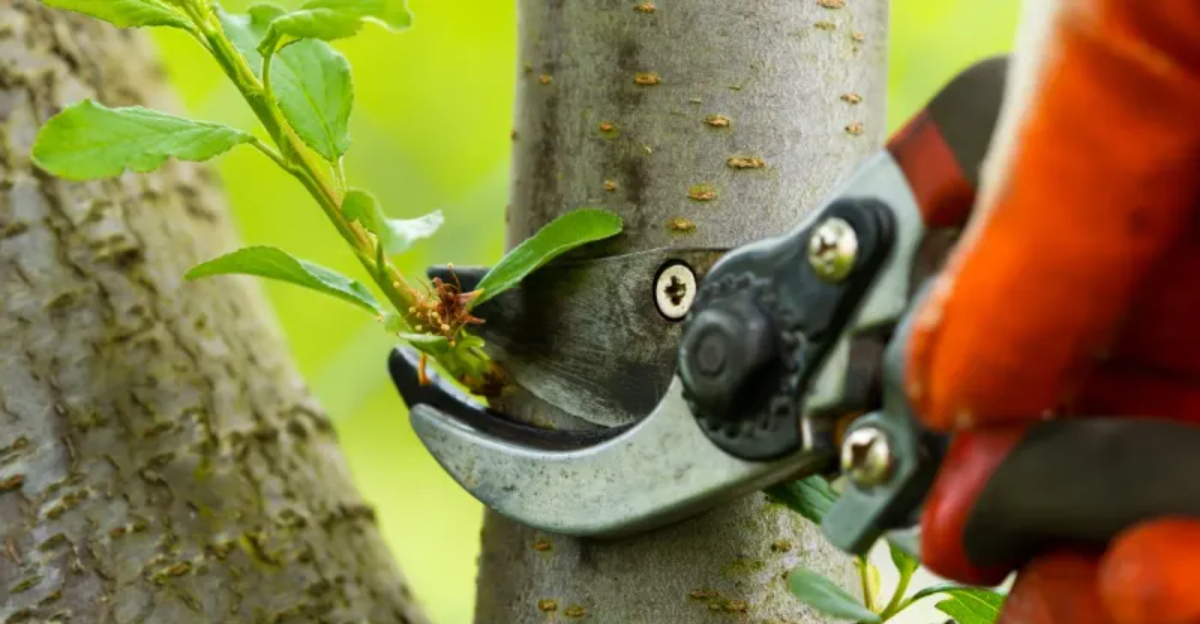
Pruning shears in October cause more problems than they solve. Crape myrtles are winding down then, not gearing up.
Growth slows as days shorten across Georgia.
The tree starts moving energy into roots and stored reserves instead of new shoots.
Heavy cuts interrupt that process. You remove wood the plant was still drawing nutrients from, and you open several wounds at once.
Big cuts also take longer to seal. Warm, damp autumn weather in the Southeast can encourage fungal issues around those fresh wounds.
Most people prune in fall because the yard looks untidy. Leaves drop, seed heads hang on, and the shape looks scraggly.
Untidy is not unhealthy. A crape myrtle can carry old seed pods through winter without any harm at all.
Timing matters more than technique here. Even a clean, correct cut can be poorly timed if it lands in October or November.
Storm damage is the main exception. Broken or cracked limbs should come off whenever you spot them, regardless of the calendar.
Sucker sprouts at the base are also fair game year round. Snapping those off does not stress the tree the way major limb removal does.
Everything else can wait. Put the loppers away, rake the leaves, and let the tree finish its season on its own schedule.
2. Fresh Cuts Can Push New Growth Too Late
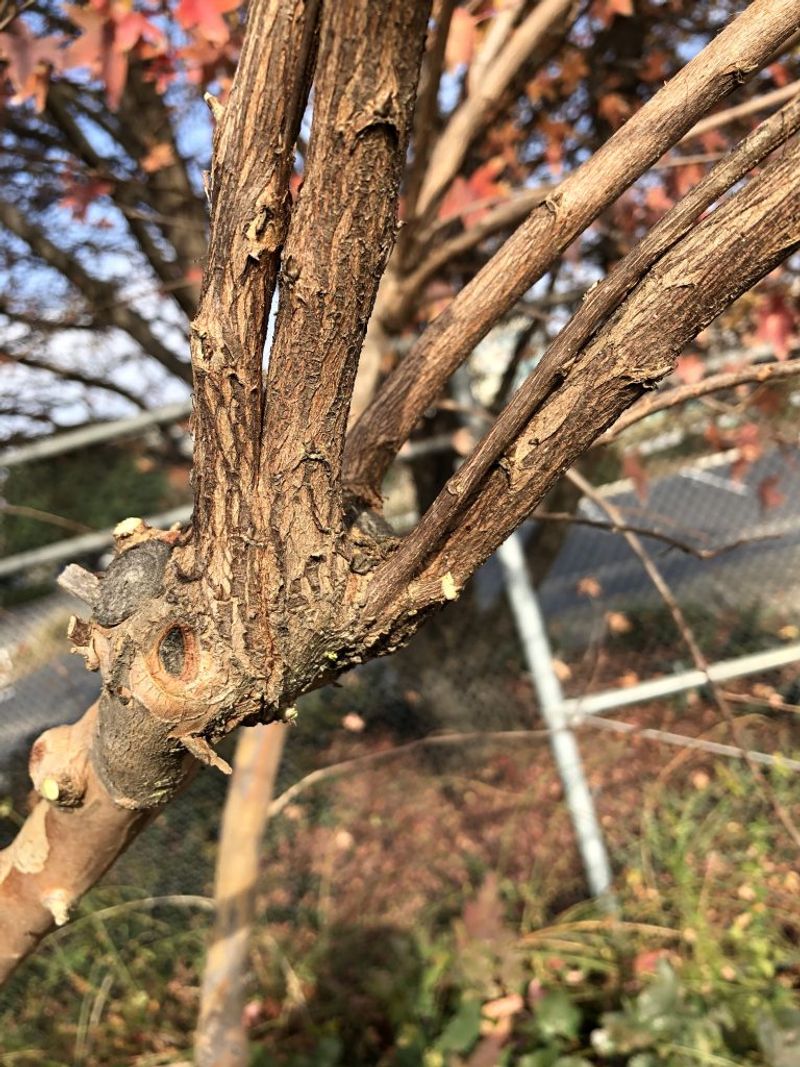
Cut a branch, and the tree answers. That response is the real risk in autumn.
Pruning removes buds that were holding back growth lower on the stem. The plant reacts by pushing new shoots near the cut.
Warm spells make it worse. Southern falls often bring 75 degree afternoons well into November, which is plenty of warmth to wake buds up.
New shoots that appear in late fall have almost no time to firm up.
Woody tissue needs weeks of steady growth to harden.
Soft green stems carry more water. Water inside plant cells freezes easily, and that is where the damage happens.
Think about how a tomato plant looks after the first frost. Tender crape myrtle shoots react in a similar way, just on a smaller scale.
The tree also spends stored energy on shoots it will lose. Those reserves were meant for spring, when growth actually pays off.
Your Georgia Garden Changes Every Week. Your Plan Should Too.
Gardening in Georgia changes quickly throughout the season. Every Friday you’ll receive a simple weekly plan showing exactly what to plant, prune, fertilize, harvest, and protect so you never miss the right timing.
Gardeners across north Georgia see this pattern often after warm October weather followed by an early cold front. Timing is unpredictable, and that unpredictability is the point.
Waiting avoids the gamble entirely. No fresh cuts means no late flush, and no wasted energy heading into the coldest months.
Patience costs you nothing but a few months of looking at an untidy silhouette.
3. Early Pruning Can Keep The Tree From Going Dormant

Dormancy is not laziness. It is how a crape myrtle survives cold weather without much drama.
Shorter days and cooler nights trigger the shutdown. Sap movement slows, leaves drop, and the wood toughens up.
Pruning sends a mixed signal.
The tree senses damage and shifts back toward repair mode instead of settling in.
That delay may only last a couple of weeks. Even so, a couple of weeks can matter when a hard freeze shows up in early December.
Young trees feel it most. A crape myrtle planted last spring has fewer reserves and thinner wood than an established one.
Container plants and newly transplanted specimens are in the same boat. Their roots are still limited, so recovery takes longer.
Weather makes results hard to predict. A mild winter in south Georgia might hide the problem entirely, while a colder one exposes it.
Skip fall feeding too. Nitrogen fertilizer in autumn pushes growth for the same reason pruning does, and the two together compound the issue.
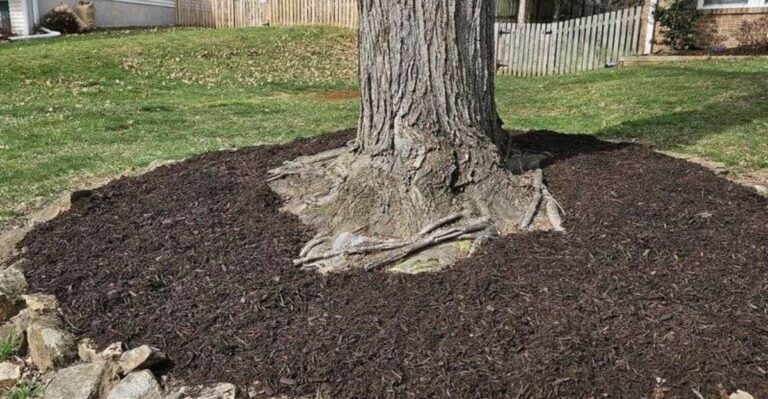
Mulch is the better fall project. A few inches spread around the base, kept off the trunk, steadies soil temperature and holds moisture.
Let the tree ease into rest. Dormancy is protection, not neglect.
4. Tender New Growth Is More Open To Cold Damage
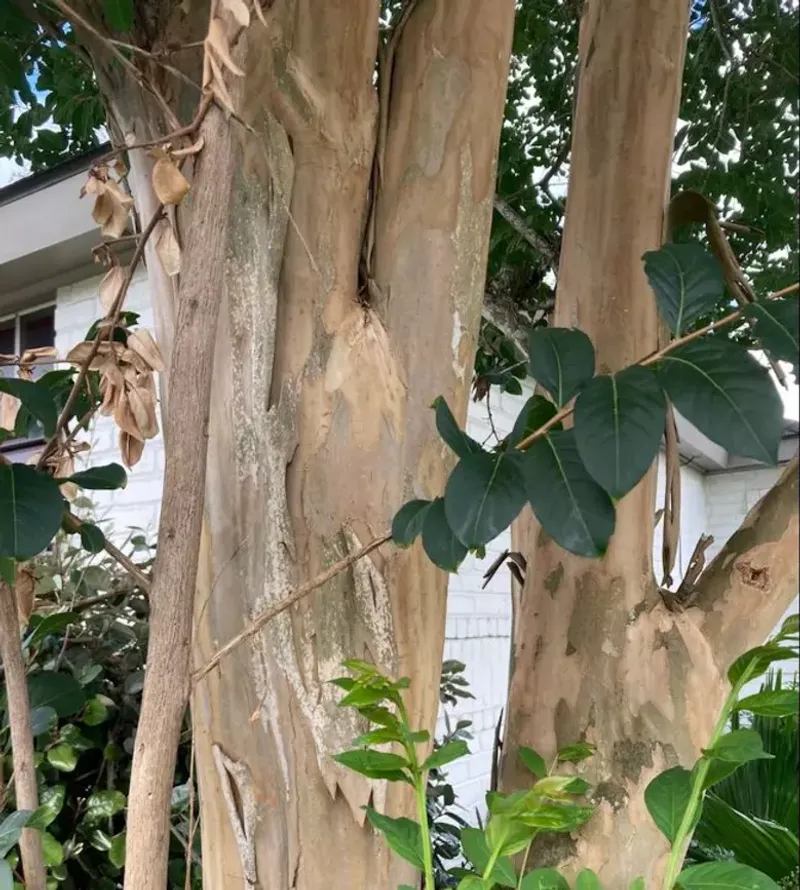
Soft wood and freezing nights do not mix. That combination is where fall pruning shows its cost.
Hardened wood has thicker cell walls and lower water content. It flexes through cold snaps without splitting.
Late shoots skip that step. They stay green, watery, and vulnerable straight into the first freeze.
Damage often looks minor at first.
Tips turn brown or black, and gardeners assume the whole tree is in trouble.
Usually it is not. Crape myrtles are tough, and most established trees push fresh growth from lower buds in spring.
Repeated damage is the real concern. A tree that loses growth every winter spends spring recovering instead of building structure.
Bloom quality can slip as a result. Crape myrtles flower on new wood, so a weakened start often means fewer or smaller flower clusters.
North Georgia yards, especially in the mountains and foothills, see harder freezes than the coastal plain. Elevation and local conditions change the risk quite a bit.
Frost pockets matter too. Low spots in a yard collect cold air and can drop several degrees below the surrounding ground.
If damage does happen, wait before cutting. Spring growth will show you exactly which wood is still viable and which is not.
5. Heavy Cutting Can Also Hurt Their Natural Shape
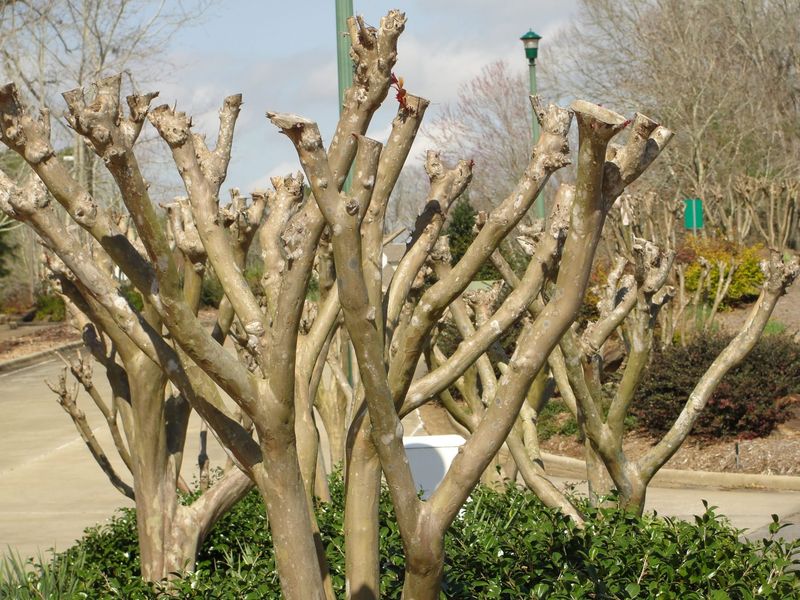
Crape murder earned its nickname honestly. Topped trees look rough, and the damage lasts for years.
Chopping trunks to the same height creates thick knobs. Those knobs push clusters of skinny shoots every spring.
Weak shoots flop under wet blooms. After a summer thunderstorm, branches bend low and sometimes crack near the joint.
The natural form is the whole appeal. Smooth mottled bark, an open vase shape, and layered branching are what make these trees worth planting.
Repeated topping erases all of it. Bark stays rough at the cut points, and the graceful outline never returns.
Height is rarely the real issue. A crape myrtle planted too close to a porch was probably the wrong cultivar for that spot.
Size selection solves it better than shears.
Dwarf types stay near three to five feet, while standard varieties can reach twenty or more.
Plenty of Georgia landscapes rely on smaller cultivars near walkways for exactly this reason. Choosing right at planting time saves years of correction.
Structural pruning should be light and thoughtful. Remove crossing limbs, inward growth, and crowded stems rather than whole trunk tops.
Once a tree has been topped, recovery is slow. Selecting a few strong shoots per knob each year helps, though the original shape may never fully return.
6. Most Pruning Can Wait Until Late Winter
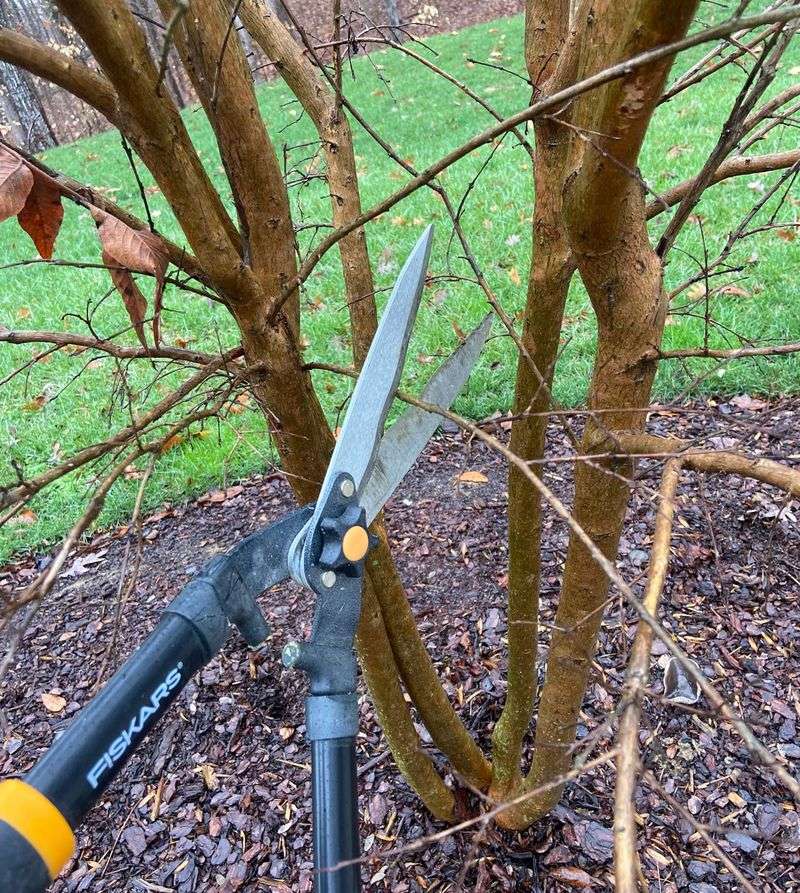
Late winter is the sweet spot. Branches are bare, buds are still tight, and the tree is close to waking up anyway.
February into early March works well across most of Georgia. Warmer southern counties may run a couple of weeks ahead of the mountains.
Bare branches make decisions easy. You can see crossing limbs, damaged wood, and awkward angles without leaves in the way.
Cuts made then heal quickly. Spring growth follows within weeks, so wounds do not sit open through cold, wet months.
Blooming is not affected either. Flowers form on new wood, so late winter pruning still leaves a full summer show.
Watch the forecast before you start.
A stretch of dry, mild days beats pruning right before a hard freeze or a soaking rain.
Tools matter more than people think. Clean, sharp bypass pruners leave smooth cuts, while dull blades crush stems and slow healing.
Wipe blades between trees if disease is a concern. Rubbing off sap and grime takes seconds and reduces the chance of spreading problems.
Start small and step back often. Walk around the tree, look at the outline, then make the next cut.
No sealant is needed on the wounds. Crape myrtles close their own cuts fine when the timing is right.
7. Light Pruning Is Usually Better Than Cutting Too Much
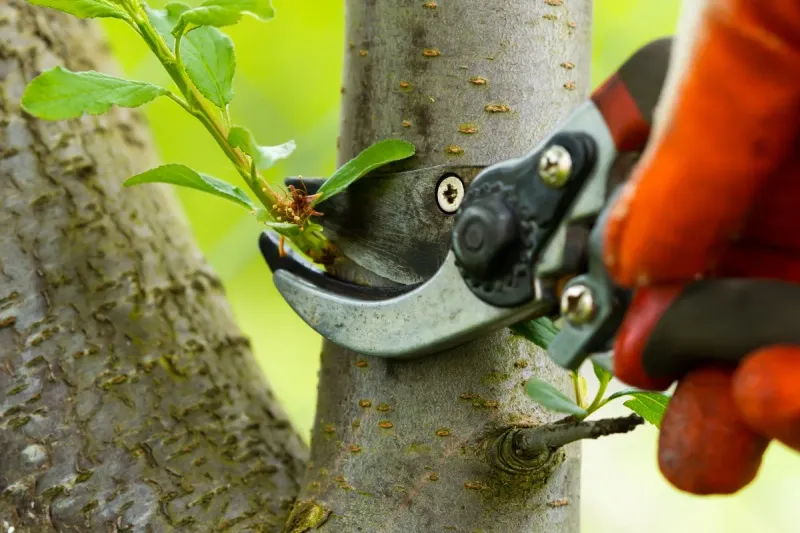
Less really is more with these trees. A light hand keeps the shape and the strength.
Start with the obvious stuff. Broken limbs, rubbing branches, and thin inward twigs come off first.
Suckers at the base go next. Pulling them by hand while young beats cutting them later with tools.
Then stop and look. Most crape myrtles need very little beyond that basic cleanup.
A common guideline is removing no more than a quarter of the canopy in one season.
Going further stresses the tree without improving anything.
Thinning beats shortening. Removing a whole small branch at its base keeps the outline natural, while cutting stems partway creates stubby regrowth.
Old seed heads are optional. Snipping them off tidies the look, though leaving them causes no harm and feeds a few birds.
Crape myrtles across Georgia thrive in yards where owners barely touch them. Full sun, decent drainage, and patience do most of the work.
Results vary with soil, water, and variety. A tree in heavy clay may respond differently than one in sandy ground near the coast.
Fixing a badly pruned tree takes several seasons of restraint. Choose a few strong shoots, remove the rest, and let time handle the shape.