Grow Several Arizona Fig Trees From One Branch With This Water Rooting Experiment
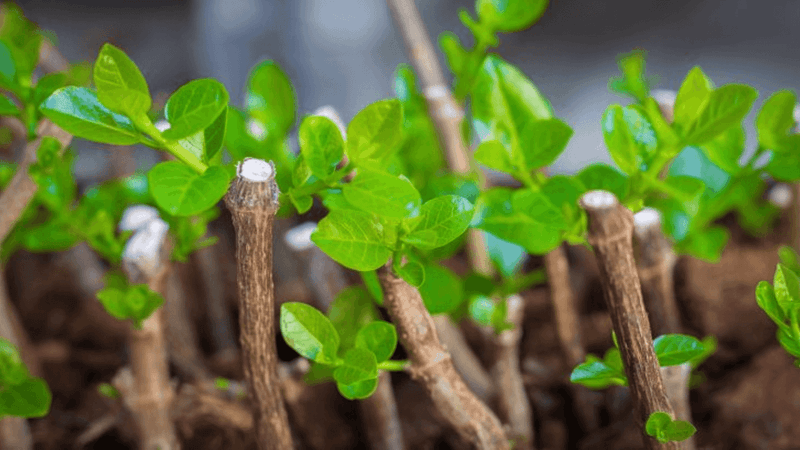
Figs are one of the most rewarding fruit trees you can grow in low-desert Arizona, and the best part is that you can start new plants from cuttings taken off a tree you already have or know. One healthy branch can yield several potential cuttings, though each one still needs the right care to survive Phoenix or Tucson summers.
Water rooting is one option worth trying, but it comes with real limits that are worth understanding before you get started.
One Arizona Fig Branch Can Produce Several Trees—not Unlimited Trees
Common fig, or Ficus carica, is genuinely well suited to low-desert Arizona. Phoenix and Tucson gardeners have grown it successfully for generations, and University of Arizona Cooperative Extension guidance on growing common figs in the low desert confirms that figs thrive in warm, dry climates when planted in well-drained soil and given adequate summer irrigation.
That combination of heat tolerance and fruit production makes the common fig one of the more practical choices for an Arizona backyard orchard.
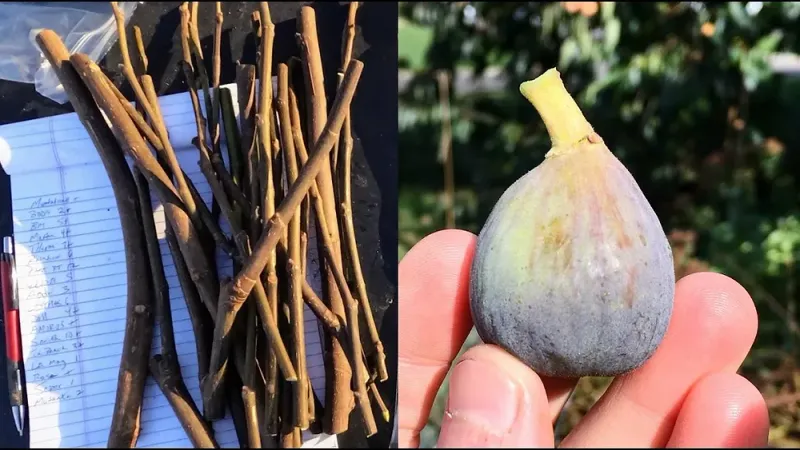
What one branch actually gives you is a finite number of potential pieces, not an unlimited supply of trees. A single dormant stem can be divided into several cuttings, each roughly 3 to 10 inches long, but every individual cutting still has to root on its own and survive the transition to soil.
Some will fail, and that is a normal part of propagation rather than a sign that something went wrong. Arizona’s extreme summer heat adds another layer of difficulty, because a young cutting with an underdeveloped root system has almost no buffer against the kind of temperatures Phoenix and Tucson regularly see from June through September.
Narrowing the claim matters for another reason: not all of Arizona is the same. The University of Arizona’s fig recommendations apply specifically to the low desert, roughly below 2,000 feet in elevation.
Higher elevations in the state have colder winters and different growing conditions that change which cultivars perform well and when to plant them.
Common figs generally self-pollinate, so you do not need two trees to get fruit from a cutting that eventually matures. However, a new plant started from a cutting may take roughly three to four years before it produces a viable crop.
Cutting quality and aftercare matter as much as the propagation method itself, and starting with wood from a healthy, correctly identified mother tree gives each cutting its best realistic chance in Arizona’s demanding low-desert climate.
Choose Healthy Fig Wood Before You Start
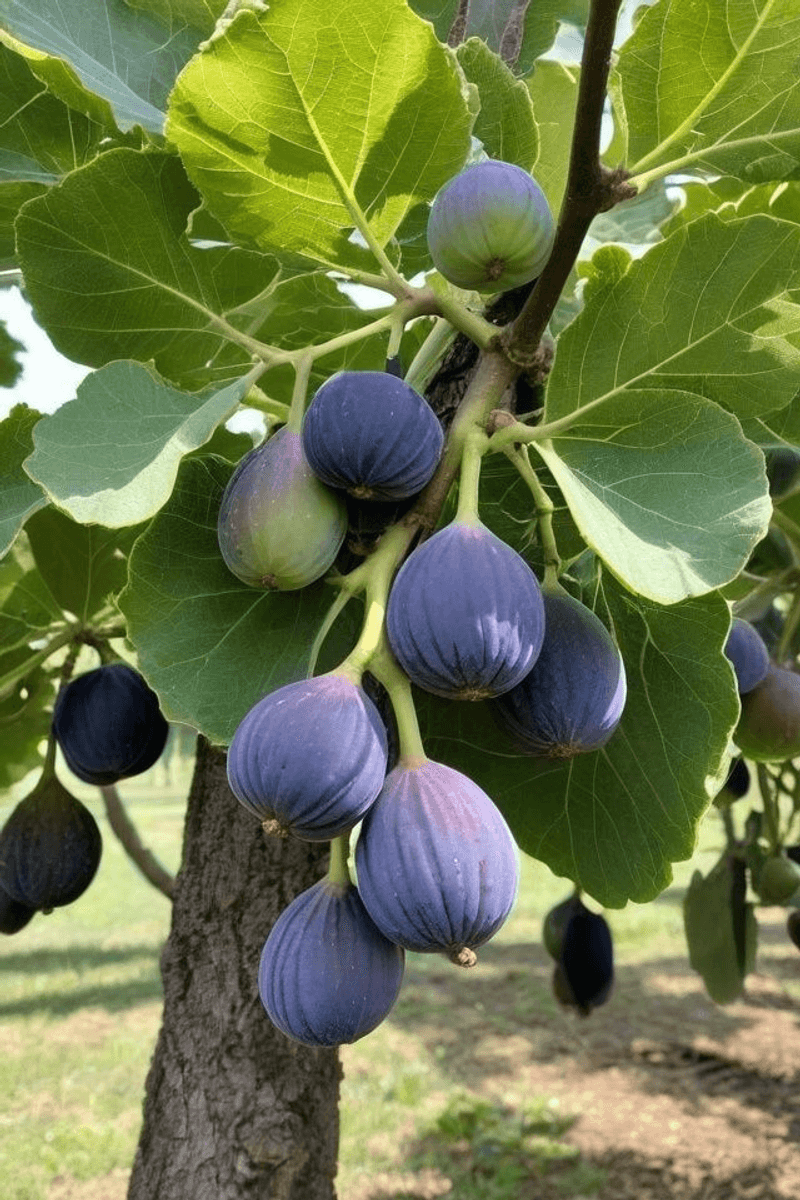
Starting with the right wood is the single biggest factor you can control before a cutting ever touches water or rooting medium. In low-desert Arizona, that means selecting a dormant or semidormant hardwood stem from a common fig that you have correctly identified and that has a track record of healthy growth and fruit production in your area.
A branch from a diseased, weak, mislabeled, or consistently underperforming tree can pass those same problems forward into every cutting you take from it.
Your Arizona Garden Changes Every Week. Your Plan Should Too.
Gardening in Arizona changes quickly throughout the season. Every Friday you’ll receive a simple weekly plan showing exactly what to plant, prune, fertilize, harvest, and protect so you never miss the right timing.
Look for stems that are approximately pencil- to finger-thick, firm, and free of lesions, galls, or soft spots. That node is where roots are most likely to emerge, so placement matters.
Each cutting should have at least one additional node above the basal cut to support any early leaf growth once rooting begins.
Avoid wood that looks stretched, discolored, or spongy. In Arizona, you also want to steer clear of any tree growing in a site known for crown gall or Texas root rot, both of which the University of Arizona identifies as serious fig problems in the low desert.
If you are not certain of the cultivar, ask a neighbor, a local nursery, or your county extension office before you take cuttings. Black Mission is well adapted below 2,000 feet in Arizona, while Conadria and White Kadota are also considered heat-tolerant options for low-desert conditions.
Fig sap deserves a direct warning. The milky latex that bleeds from a cut branch can irritate skin, and Oregon State University Extension has documented cases where fig sap on skin exposed to strong sunlight caused photosensitivity-related burns.
Wear gloves and long sleeves when taking cuttings in Arizona’s intense sun, add eye protection if you are working close to the cuts, and wash any exposed skin promptly after you finish.
Use Water as a Monitored Arizona Fig-Rooting Experiment
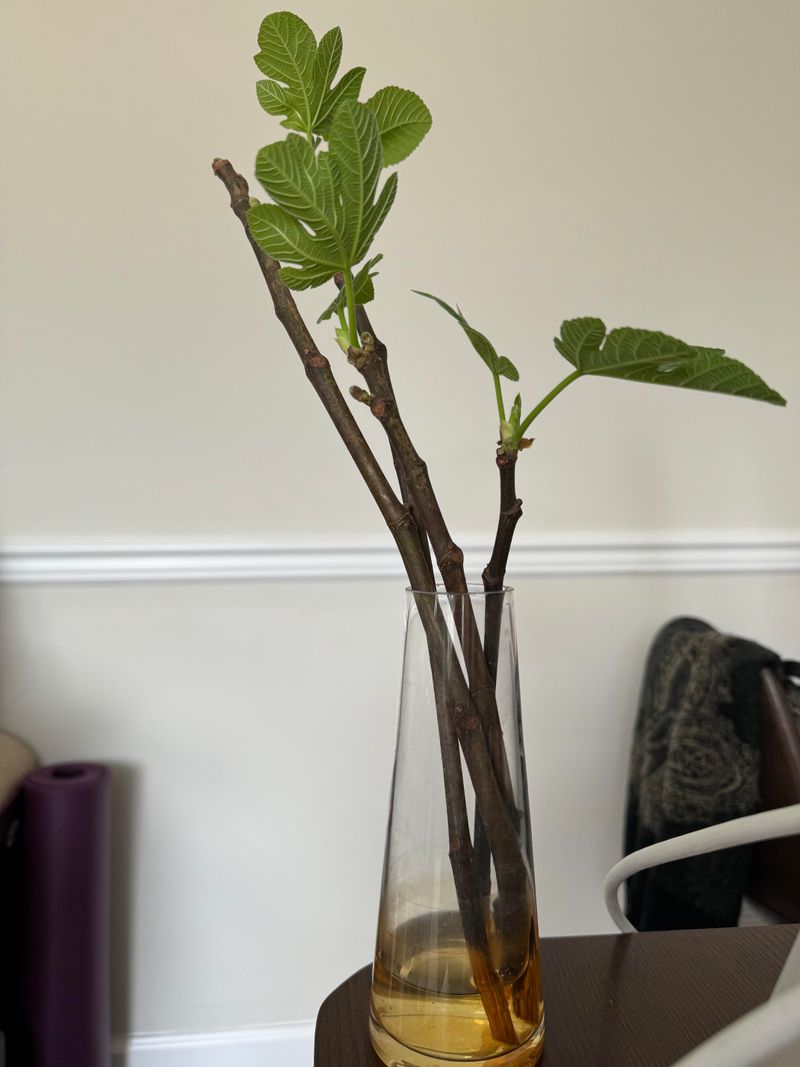
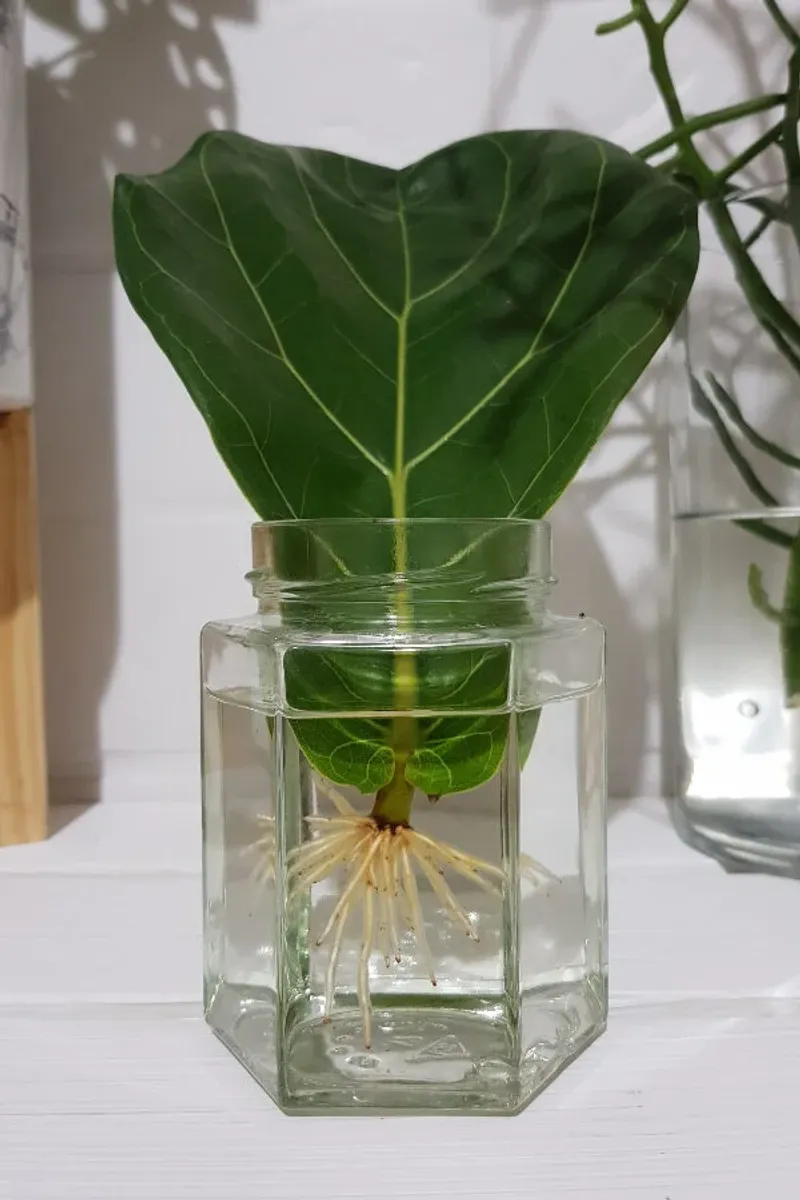
Water rooting is a legitimate option to try with fig cuttings, but calling it a trick that always works sets the wrong expectation for Arizona gardeners. North Carolina Cooperative Extension lists placing 6- to 8-inch fig cuttings in a vase of water as one propagation approach, and that is a reasonable starting point for an experiment.
What that source does not do is present water rooting as a controlled comparison against other methods or guarantee any particular success rate.
If you want to try it in Arizona, a few practical steps improve your odds. Use a clean container and submerge only the basal portion of the cutting, keeping the upper nodes and any emerging buds above the waterline.
Place the container somewhere with bright indirect light rather than the direct afternoon sun that Phoenix and Tucson deliver from late spring through early fall. Harsh afternoon exposure can stress a cutting before it has any roots to support itself.
Stagnant water is a real problem. General cutting-propagation guidance from Iowa State University Extension warns that oxygen-poor water can inhibit rooting and create conditions where rot sets in before roots form.
Changing the water every few days keeps it fresh and oxygenated, which gives the cutting a better environment to work with. That guidance comes from houseplant propagation research rather than fig-specific trials, so treat it as a practical precaution rather than a proven Arizona fig outcome.
Roots formed in water tend to be structurally different from roots that develop in a porous medium, and they can be fragile when the cutting is eventually moved into soil or potting mix. The available sources do not establish that water rooting is faster, more reliable, or superior to rooting in perlite or another airy medium.
For Arizona gardeners, the honest framing is that water is a workable short-term experiment for some cuttings, not a guaranteed shortcut to a yard full of fig trees.
Root Dormant Cuttings in an Airy Medium for the Stronger Standard
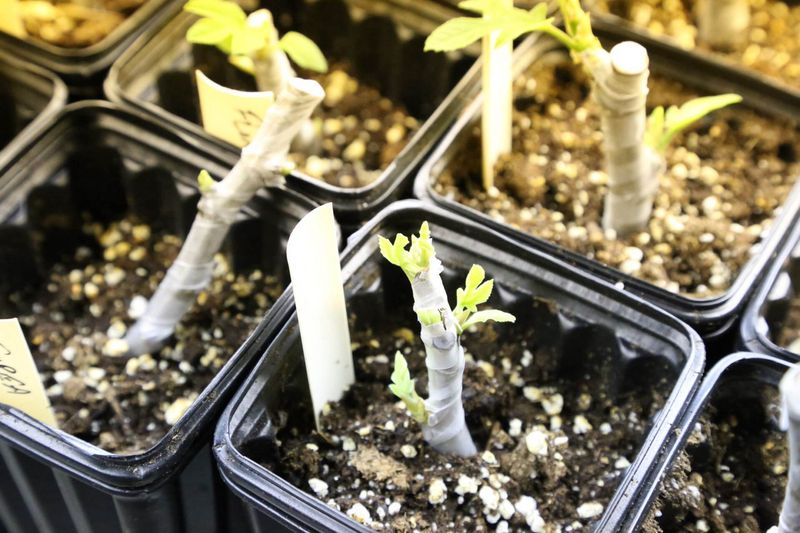
Perlite, coarse vermiculite, and similar well-aerated propagation mixes give Arizona fig cuttings a more consistently supported environment than water alone. Extension recommendations from multiple sources favor placing dormant hardwood cuttings in a moist, porous medium with at least one node buried in the mix.
That node position is where root development is most likely to begin, and the medium’s texture keeps oxygen available around the base of the cutting while still holding enough moisture to prevent desiccation.
Moisture management is the key variable to get right. The goal is a medium that stays evenly damp, not one that stays saturated.
Waterlogged conditions cut off oxygen just as effectively as a jar of stagnant water, and a cutting sitting in soggy mix is at real risk of rot before it ever produces a root. Squeezing a handful of perlite and seeing just a few drops of water is a reasonable field check; if water streams out freely, the mix is too wet.
Dormant hardwood cuttings and leafy green cuttings are different situations with different requirements. Green cuttings taken during the growing season still have leaves that lose moisture, so they need high humidity or regular misting to stay viable.
Dormant hardwood cuttings taken in late winter or early spring in Arizona have no leaves yet, which removes most of that moisture-loss pressure and makes them easier to manage without a misting setup. Mixing those two methods without understanding the difference can lead to failures that have nothing to do with the cutting quality itself.
Once cuttings are set in the medium, keep the containers in a sheltered location out of direct Arizona afternoon sun. A shaded patio, a garage with some light, or a covered porch all work.
The goal during this phase is stable, mild warmth and consistent moisture, not the full intensity of a Phoenix summer afternoon.
Treat Leaves and Tug Resistance as Clues, Not Rooting Proof
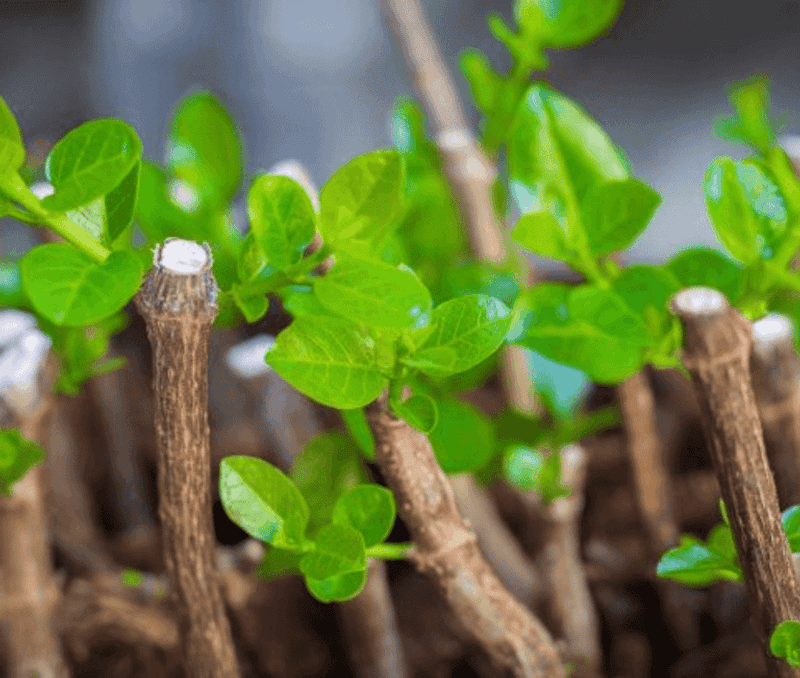
Seeing new leaves push out of a fig cutting feels like success, but stored energy inside the wood can fuel early foliage even when no roots have formed yet. A cutting can look perfectly healthy above the soil line while its base is still completely rootless.
Alabama Cooperative Extension’s fig production guidance notes that waiting for vigorous growth before assuming rooting is a reasonable precaution, and that is a useful frame for Arizona gardeners who are eager to move their cuttings along.
A gentle tug test adds another informal data point. If the cutting resists being pulled from the medium, that resistance suggests something is anchoring it, which is likely roots.
If it slides out easily, rooting has probably not progressed far enough to move forward. Neither signal is definitive confirmation of a functional root system, so where the container or medium allows it, carefully checking for actual visible roots gives you a clearer picture than surface signs alone.
Water-rooted cuttings need extra attention during the potting step. General propagation guidance from Iowa State University Extension notes that roots formed in water are structurally adapted to a liquid environment and may respond poorly to an abrupt change into potting mix.
Handle them carefully, disturb the root mass as little as possible, and move the cutting into a small container with good drainage rather than a large pot that holds excess moisture around an underdeveloped root system.
In Arizona, rushing this stage is a common mistake. The temptation to move a cutting outdoors during a warm spring week is understandable, but a cutting with fragile or minimal roots has almost no capacity to handle the low humidity and intense heat that arrive quickly in the Phoenix and Tucson areas.
Patience at this step protects the investment of time you have already put into the cutting.
Acclimate the Young Fig Before Arizona Sun and Heat
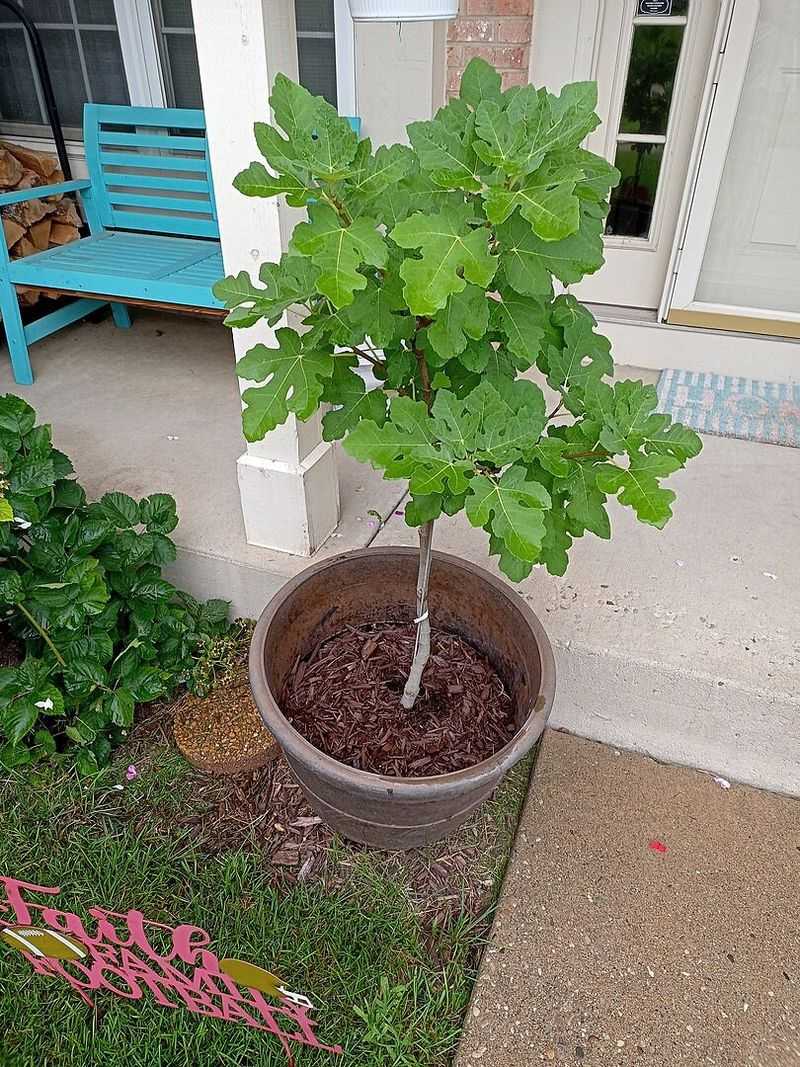
Moving a rooted cutting directly into Arizona’s full afternoon sun is one of the fastest ways to lose a plant you spent weeks developing. Young figs that have been rooting in a sheltered, lower-light environment have not yet built up the leaf structure or root mass to handle the intensity of a Phoenix or Tucson summer afternoon.
The transition needs to be gradual, with the plant spending increasing amounts of time in brighter conditions over a period of one to two weeks before it faces unfiltered direct sun.
A covered porch, a spot under a patio ramada, or the east side of a wall where the plant gets morning light but is shaded by afternoon all work well as transition zones in Arizona. Morning sun in the low desert is manageable for a young plant; afternoon sun from the west or southwest in June or July is a different situation entirely and can scorch leaves and stress an underdeveloped root system past recovery.
Timing the move to a permanent outdoor site matters as much as the location itself. University of Arizona Cooperative Extension recommends planting figs in well-drained soil with full sun exposure, at least 8 to 10 hours per day, and the best windows for establishing a young tree in low-desert Arizona are fall and early spring.
Fall planting, from roughly October through November, gives roots several months to develop before the following summer’s heat arrives. Early spring planting works too, but it leaves a shorter runway before temperatures climb.
Cultivar and elevation also affect how well a young tree handles the transition. In Arizona, Black Mission is well adapted below 2,000 feet, while Brown Turkey tends to perform better around 2,000 to 3,000 feet, according to University of Arizona guidance on deciduous fruit for the low desert.
Mature common figs can reach 10 to 30 feet tall and may spread even wider, so site selection should account for that eventual size rather than treating every cutting as a compact patio plant.
Regular Irrigation Helps Arizona Figs Produce Fruit
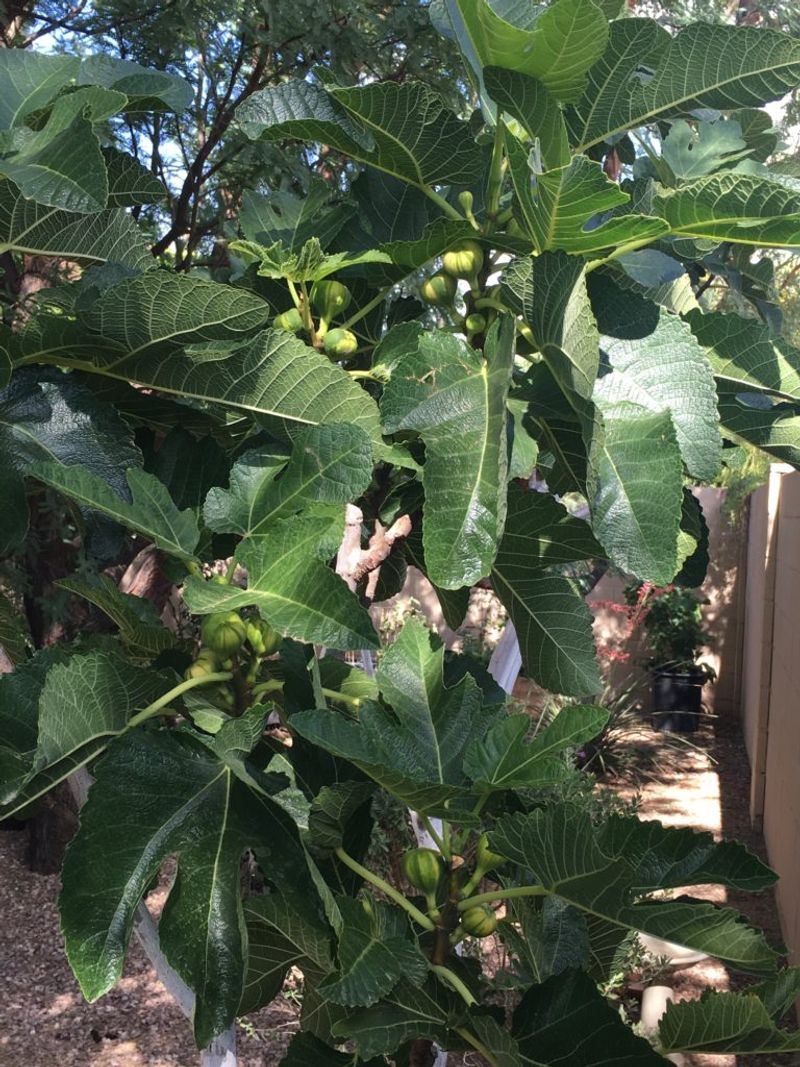
Figs tolerate Arizona’s dry heat better than many fruit trees, but tolerating heat and needing little water are not the same thing. Productive low-desert figs need consistent, deep irrigation throughout the summer, and cutting that back too far shows up in the fruit before it shows up in the leaves.
University of Arizona Cooperative Extension recommends watering established figs approximately every three to five days during normal summer heat, and more frequently during extreme heat events, which Phoenix and Tucson see regularly from June through August.
Deep watering is more effective than frequent shallow applications. The goal is to wet the root zone to roughly three feet for an established tree, which means running drip emitters or flood irrigation long enough to move water down through the soil rather than just dampening the surface.
Arizona’s alkaline soils and caliche layers can complicate drainage, so checking how far water actually penetrates after a watering session is worth doing at least once when you set up your irrigation schedule.
Mulch spread two to three inches deep over the root zone helps slow evaporation and moderate soil temperature, both of which matter during an Arizona summer. Keep mulch pulled back from the trunk itself to avoid creating conditions that encourage rot or pest activity at the base of the tree.
Consistency in moisture levels also affects fruit quality directly: extended dry periods followed by heavy irrigation can cause fruit to split, and prolonged drought stress can reduce overall fruit quality or trigger early drop.
Common figs generally self-pollinate, so one healthy tree is enough to produce fruit without a second tree nearby. A plant started from a cutting, however, may take roughly three to four years before it produces a viable crop.
Winter irrigation can be reduced significantly compared to summer, but established trees in the low desert still need occasional deep watering during dry winter stretches to maintain root health going into the next growing season.
The Real Arizona Fig-Propagation Takeaway
For Arizona gardeners in the Phoenix or Tucson area, the practical path forward starts with several healthy dormant cuttings taken from a correctly identified common fig, not a promise of unlimited trees.
Favor the airy medium as your primary method, inspect for actual roots before potting, and handle water-rooted cuttings with extra care during the transition to soil. Acclimate every young plant gradually before it faces Arizona’s afternoon sun, and time your outdoor planting for fall or early spring.
Long-term success in the low desert comes down to site selection, consistent summer irrigation, and patience. A fig tree grown from a cutting you took yourself, producing fruit three or four years from now in a Phoenix or Tucson yard, is a genuinely satisfying outcome.
That is the realistic version of the story, and it holds up.