The Native Georgia Shrub With Fall Color Most Yards Are Missing
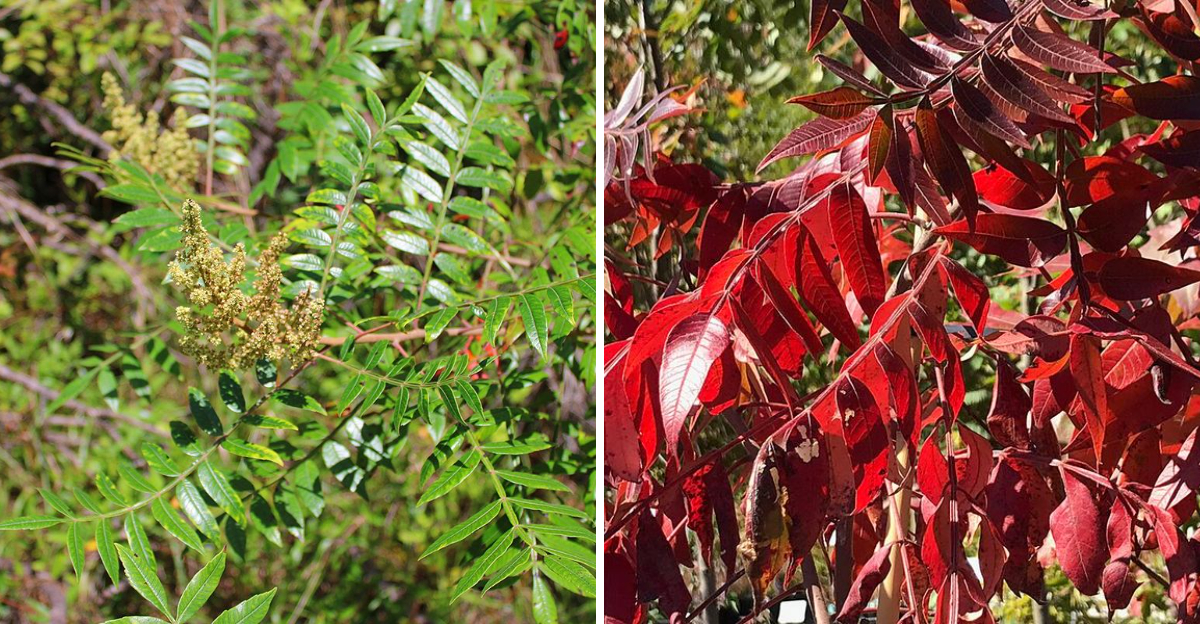
Bright fall color does not have to come from towering maples or other large trees. One native shrub can bring that same seasonal energy much closer to eye level.
That makes it especially interesting when your yard feels flat once summer flowers begin fading.
Instead of filling that gap with another familiar nursery choice, consider what native shrubs can offer. Georgia has one standout that becomes especially noticeable as its foliage starts changing.
Its fall transformation is only part of what makes this overlooked shrub worth knowing.
The right placement can bring structure and seasonal interest without demanding a huge section of your landscape. Give it enough room to show what it can do.
Once fall arrives, you may wonder why this colorful native is not growing in more yards.
1. This Overlooked Native Saves Its Boldest Color For Fall
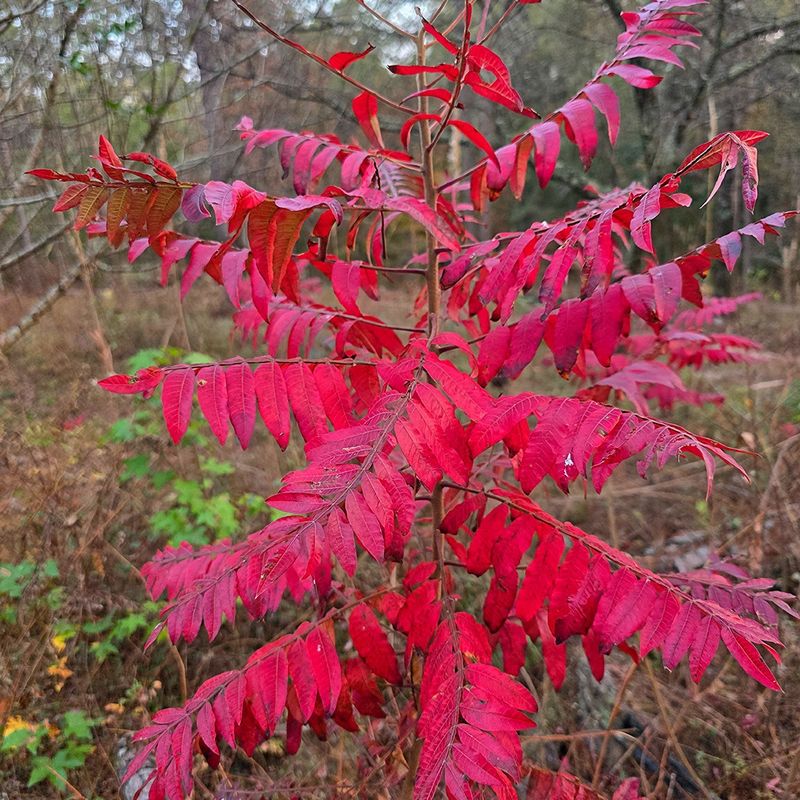
Drive any Georgia backroad in late October and you will spot it burning red along the fence lines.
Winged sumac, known to botanists as Rhus copallinum, is the shrub behind that color, and most home landscapes leave it out entirely.
Some folks call it shining sumac because the leaflets look polished, almost waxy, in summer sunlight.
Those small green flaps of leaf tissue running along the stem between each leaflet give the plant its name. Once you notice that detail, identification gets easy.
Nurseries rarely stock it, which explains part of the problem, though native plant sales and specialty growers do carry it.
Confusion with poison sumac keeps other gardeners away, but the two are not the same plant. Poison sumac grows in standing water and carries white fruit, while winged sumac prefers dry ground and holds red clusters.
Mature height usually lands somewhere between seven and fifteen feet, depending on soil and sun.
Roadside crews cut it back constantly, so people assume it is a weed rather than a landscape plant. Given room along a property edge, it behaves like a handsome large shrub.
Pollinators find the summer flowers useful, and songbirds work the fruit through winter.
2. Brilliant Crimson Leaves Turn This Shrub Into A Fall Standout
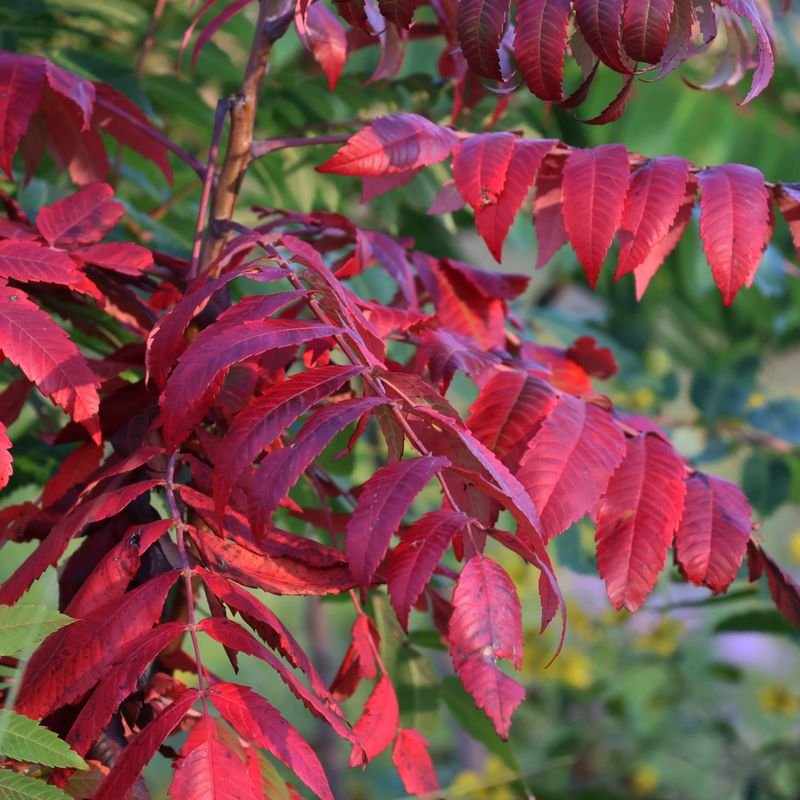
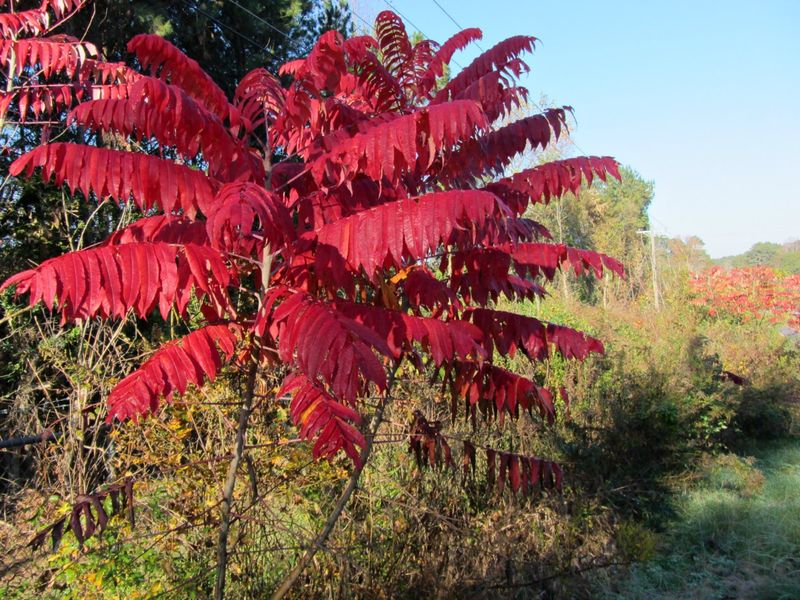
Few native shrubs match the red that shows up on winged sumac once nights turn cool.
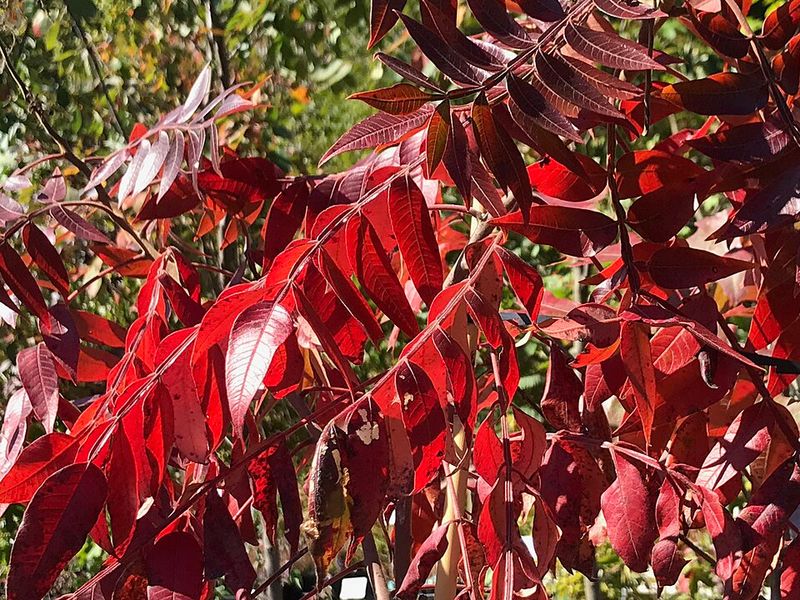
Each leaf carries nine to twenty three narrow leaflets, so the color arrives in feathery layers rather than solid blocks. Backlight from a low sun makes the whole plant glow.
Shades run from scarlet to deep burgundy, with orange showing up on some plants and not others.
Timing shifts across Georgia, with mountain counties coloring in early to mid October while the coastal plain often waits until November. Weather that season plays a role too.
Dry summers can push color earlier and shorten the show, while a mild, damp fall tends to stretch it out.
Planting against a backdrop of dark evergreens sharpens the contrast, and wax myrtle or yaupon holly both work well for that job. Red against deep green reads from across the yard.
Shade weakens the display, so a plant tucked under tall oaks may only turn a dull orange.
Your Georgia Garden Changes Every Week. Your Plan Should Too.
Gardening in Georgia changes quickly throughout the season. Every Friday you’ll receive a simple weekly plan showing exactly what to plant, prune, fertilize, harvest, and protect so you never miss the right timing.
Leaf drop follows within a couple of weeks of peak color, which is normal and not a sign of trouble. Fruit clusters stay behind on female plants.
Young shrubs color well too, so you will not wait years for the payoff.
3. Showy Red Fruit Keeps The Color Going Even Longer
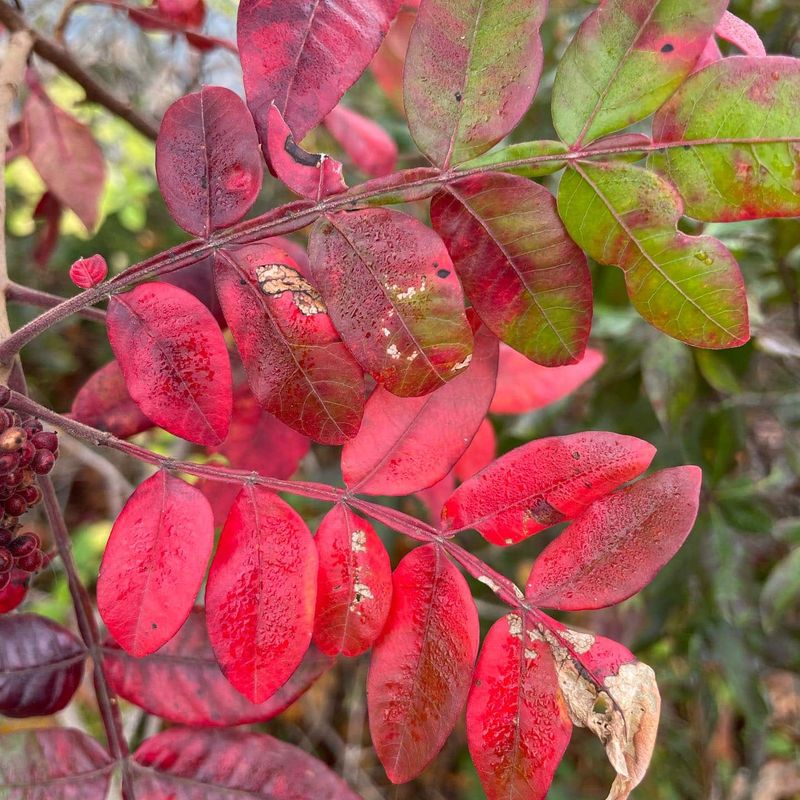
Bird traffic picks up noticeably once the fruit clusters ripen on a mature female plant.
Winged sumac carries male and female flowers on separate shrubs, so fruit only forms where a female grows near a pollen source. Nurseries rarely label sex, which is worth asking about before you buy.
Clusters stand upright at the branch tips, packed with small fuzzy drupes in a dusty crimson shade.
Ripening happens in late summer, and the clusters often hang on through winter into early spring. Rain and cold fade them slowly rather than knocking them off.
Bluebirds, mockingbirds, catbirds, and wild turkey all take the fruit, usually later in the season once softer berries are gone.
That late timing matters during a lean Georgia winter, when natural food thins out in January and February. Fruit-bearing shrubs earn their keep then.
Cut stems with fruit hold up reasonably well indoors, so a few clusters look sharp in a dried fall arrangement.
Drupes taste tart, and people have long steeped them in cool water for a lemony drink. Sample with caution and proper identification.
Seedlings show up under fruiting plants, though root sprouting spreads a colony faster than seed ever does.
4. Poor Dry Soil Does Not Keep It From Growing Well
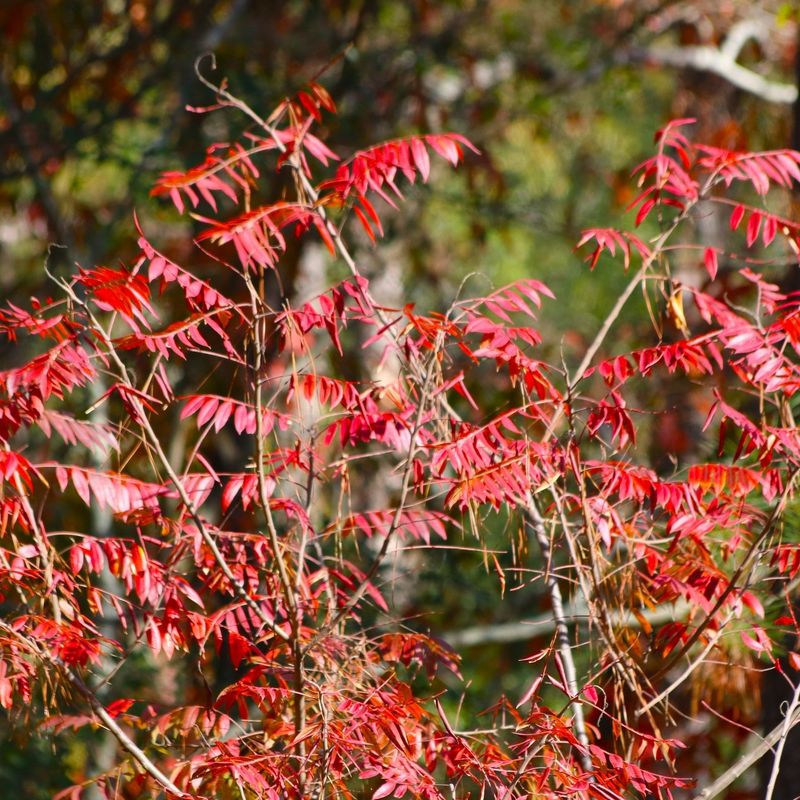
Rich garden soil is not necessary for winged sumac to establish and grow well. This native naturally turns up in places where many fussier landscape shrubs would struggle to settle in.
Dry slopes, old fields, roadsides, and other rough sites can support healthy plants.
That adaptability makes winged sumac useful when part of the yard has lean ground that has never supported demanding ornamentals particularly well.
Low fertility is rarely a reason to improve the entire planting area before giving this shrub a chance.
Heavy feeding is unnecessary, and pushing extra nutrients into the ground does not provide the kind of advantage it might with more demanding landscape plants.
Drainage still deserves attention. Winged sumac handles dry conditions far better than ground that remains saturated for long periods, so avoid low areas where water regularly collects after storms.
Once established, the shrub also has good drought tolerance. Extended dry weather can still put stress on any landscape plant, especially during extreme heat, but ordinary dry periods are generally manageable.
That combination makes difficult sections of the landscape easier to use. Instead of completely rebuilding poor ground, you can choose a native already adapted to growing where fertility and dependable moisture are limited.
5. Full Sun Brings Out The Best In This Native Shrub
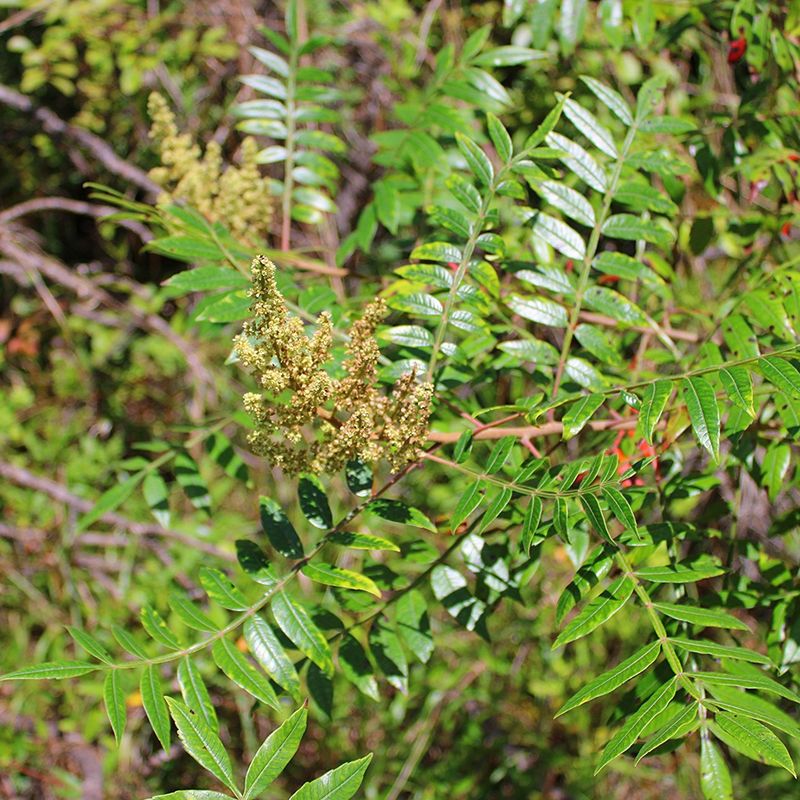
Winged sumac shows its strongest shape and fall color when it gets direct sunlight. An open location gives the branches room to fill out instead of stretching toward brighter areas.
Look along sunny fence lines, field edges, and open slopes, and this native often develops into a fuller shrub. That same exposure also helps the foliage put on the rich red color that makes the plant so noticeable later in the year.
Partial shade does not automatically rule it out, but the display may be less impressive.
Plants growing beneath larger trees can become thinner, and their fall leaves may not develop the same intensity seen on shrubs growing in brighter locations.
Choose the planting spot with the mature landscape in mind. Nearby trees can cast more shade as they grow, while buildings and tall evergreen screens may block hours of afternoon light.
Giving winged sumac an open position also makes its form easier to appreciate. The spreading branches, long compound leaves, and upright fruit clusters have enough visibility to stand out rather than disappearing beneath a canopy.
For the boldest seasonal effect, reserve a bright part of the yard where this native does not have to compete for sunlight.
6. Its Fast Growth Can Turn One Plant Into A Natural Thicket
One shrub today can be a small grove in five years.
Spread happens through underground runners that send up new stems several feet from the parent plant. Growth of one to three feet a year is common in decent conditions.
Habit like that makes it a poor choice for a tidy foundation bed next to the front door.
Back property lines, fence rows, and rough slopes are where the spreading habit turns into an advantage. Mowing around the colony keeps the edges honest.
Suckers that pop up in lawn areas disappear under a regular mower without any extra work.
Gardeners in Georgia who want tighter control sometimes install a deep edging strip, though nothing holds a running root system indefinitely. Annual patrol with loppers works better than a barrier.
Thickets pay off for wildlife, giving rabbits and ground-nesting birds real cover through winter.
Cutting the whole clump close to the ground in late winter brings back fresh stems with larger leaves. Renewal like that every few years keeps a planting from looking woody and bare below.
Older stems tend to thin out and lean, so removing a few at the base each winter helps.
Digging out an unwanted colony takes persistence, since leftover root pieces resprout. Plan placement carefully the first time and you avoid that chore.
7. Fall Gives New Shrubs Time To Build Roots Before Spring
Cool air with warm soil is the best combination a new shrub can get.
Roots keep growing well after the leaves come off, so a shrub planted in October has months to settle before summer heat arrives. Spring planting leaves far less margin.
October through early December suits most of Georgia, with the window running a bit later down south.
Dig the hole twice as wide as the root ball but no deeper, and set the top of the roots level with the surrounding ground. Planting too deep causes more problems than poor soil ever will.
Backfill with the native soil you removed rather than bagged mix, since roots need to move outward into real ground.
Two or three inches of pine straw or bark holds moisture through dry winter weeks. Keep the mulch pulled back from the stems.
Watering does not stop in November, and a deep soak every week or two during dry spells makes a real difference.
Shopping in autumn has a side benefit, because you can see the leaf color before you hand over money. Female plants in fruit are easy to spot then as well.
Smaller container plants usually catch up to larger ones within a couple of seasons and cost less.