Why Spreading Fireplace Ash Around Georgia Shrubs Can Cause Problems
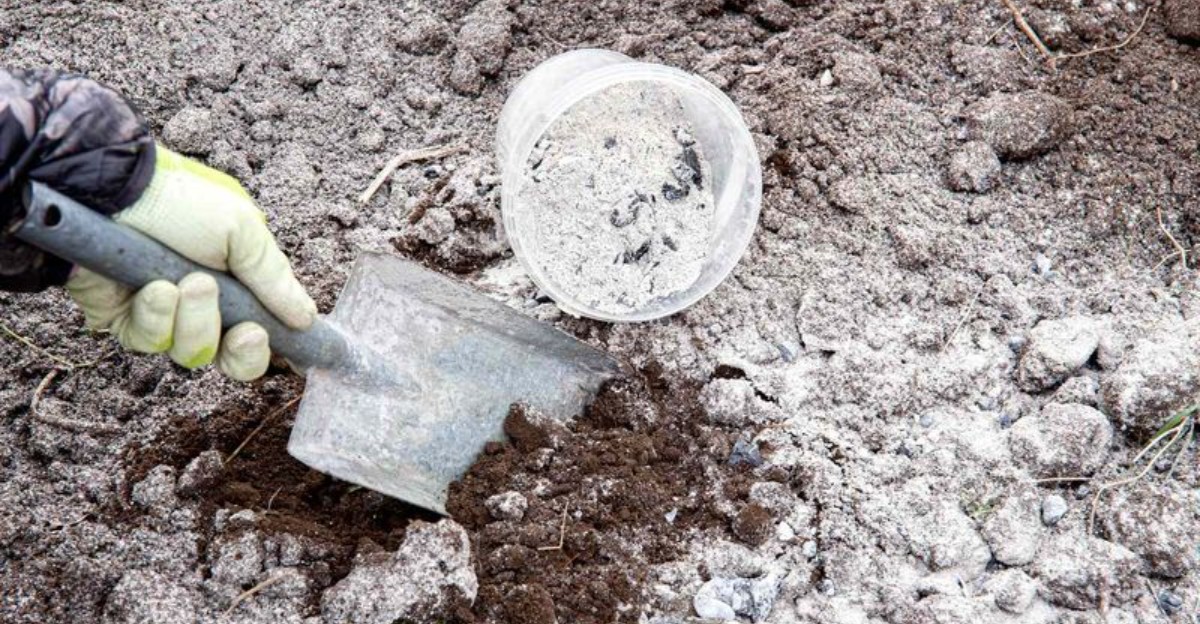
A bucket of fireplace ash might seem like something your garden could use, especially when you’ve heard that wood ash contains nutrients plants need. Spreading it around shrubs can feel like a practical way to put leftover material to work.
But what helps one plant may create trouble for another.
Wood ash can raise soil pH, changing how easily certain nutrients become available to plant roots. That becomes a concern when shrubs already grow in soil suited to their needs.
Many Georgia gardens contain acid-loving shrubs that may struggle when the surrounding soil becomes too alkaline.
The amount of ash matters, but so does the soil you’re adding it to.
Before treating fireplace leftovers as fertilizer, it’s worth understanding which shrubs are sensitive and why repeated applications can create lasting problems. What seems like a harmless garden shortcut may end up making healthy growth harder to maintain.
1. Fireplace Ash Can Change Your Soil More Than You Expect
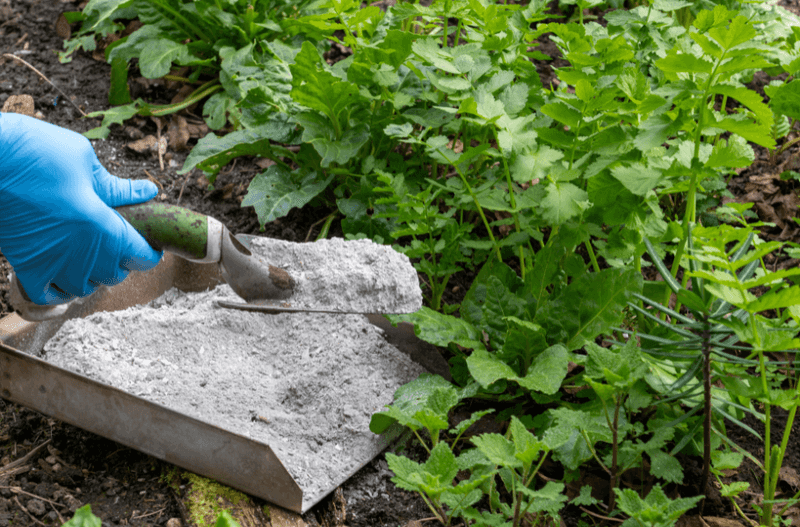
Gray powder looks harmless, but it acts more like a soil treatment than plain mulch. Wood ash works in a way that is similar to garden lime, and lime is something gardeners usually apply only after testing.
Burned hardwood leaves behind minerals such as calcium, potassium, and magnesium.
Those minerals are not bad on their own, and some soils can use them. Trouble starts when ash goes down year after year without anyone checking what the soil already holds.
Fine ash particles also react fairly quickly once they get wet from rain or watering.
That speed is part of the surprise. A shrub bed can shift in chemistry within a single season, while the effects of adding too much may take a long time to wear off.
Texture matters too, because heavy layers of ash can crust over the surface when they dry.
A crusty layer may slow how water soaks in around shallow roots. Light, thin dusting is less likely to cause that issue than a thick dump from the fireplace bucket.
Results vary with soil type, rainfall, and how much ash you use, so there is no single safe amount for every yard. Keeping that in mind helps you treat ash as an ingredient to measure, not trash to scatter.
2. Wood Ash Raises Soil pH And Can Make It Too Alkaline
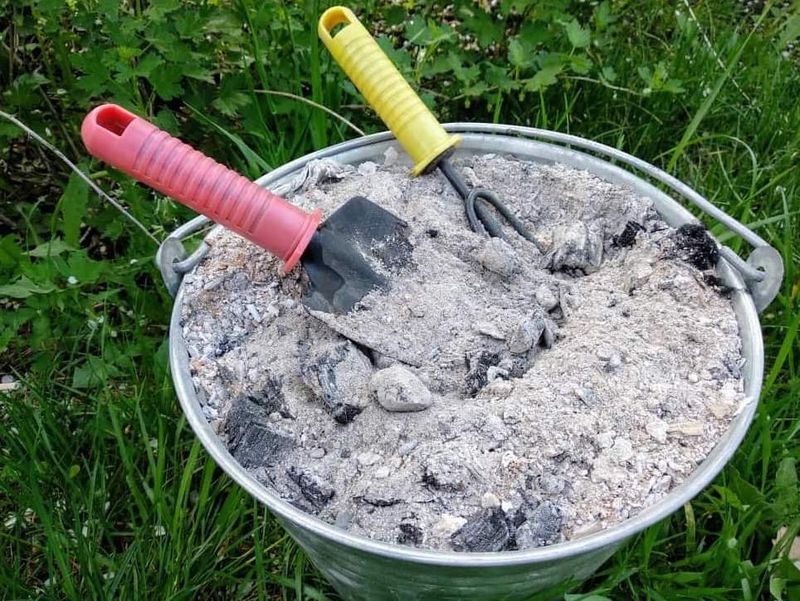
Sweet soil sounds pleasant, yet too sweet can spell trouble for shrubs. Gardeners use the word sweet to describe alkaline soil, and wood ash pushes soil in that direction.
Soil pH runs on a scale where 7 is neutral, lower numbers are acidic, and higher numbers are alkaline.
Ash contains compounds that neutralize acid, much like agricultural lime. Extension specialists often point out that ash can raise pH, though it is usually less concentrated than lime.
Plenty of soils across Georgia lean naturally acidic, especially the red clay of the Piedmont.
In some of those yards, a small amount of ash might nudge pH toward a better range. That only helps if your soil was too acidic in the first place, and you cannot tell that by looking.
Your Georgia Garden Changes Every Week. Your Plan Should Too.
Gardening in Georgia changes quickly throughout the season. Every Friday you’ll receive a simple weekly plan showing exactly what to plant, prune, fertilize, harvest, and protect so you never miss the right timing.
Going past the target is the real risk.
Once pH climbs higher than your plants prefer, bringing it back down can be slow. Sulfur products can lower pH, but they take time and work best with testing guidance.
Sandy soils in some coastal areas may respond faster to ash because they hold fewer buffering materials. Clay soils may change more slowly, though repeated applications can still add up.
Small amounts spread thinly carry far less risk than repeated heavy doses in one spot.
3. Azaleas And Other Acid-Loving Shrubs Are Especially Vulnerable
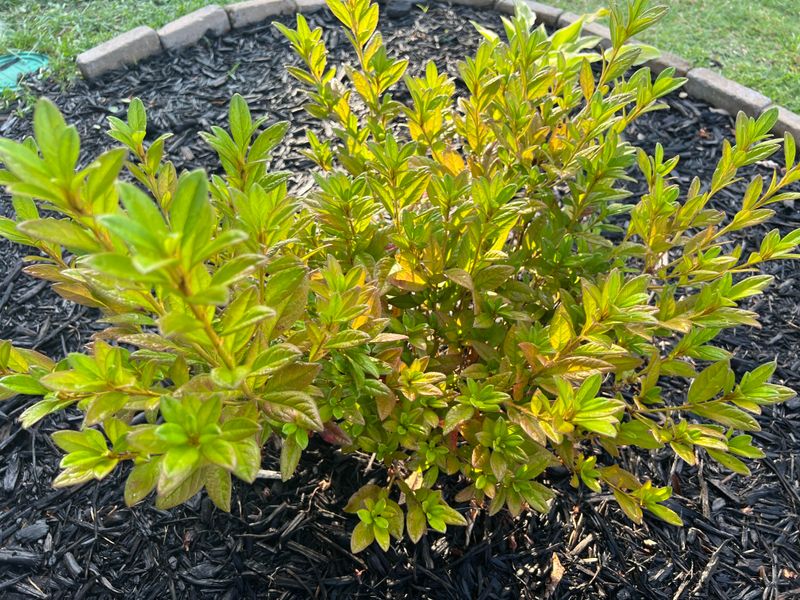
Spring in the South would look pretty bare without azaleas. These beloved shrubs, along with camellias, gardenias, and blueberries, generally prefer acidic soil.
Azaleas grow best when soil stays on the acidic side, so adding ash works against what they need.
As pH rises, azaleas can struggle to take up iron and manganese. A common sign is yellowing leaves with green veins, which is often called chlorosis.
Yellow leaves can come from other causes, though, including poor drainage, root damage, or simple nutrient shortages.
So a sad-looking azalea near your ash pile is not automatically an ash victim. A soil test helps sort out what is really going on before you change anything.
Homeowners in Georgia often plant these shrubs right along foundations, which happens to be close to where ash buckets get emptied.
Keep ash well away from acid-loving beds as a simple habit. Pine straw or shredded bark makes a better mulch for these plants and fits the look of many Southern gardens.
Blueberry growers should be just as careful, since blueberries tend to be fussy about pH.
If you already spread ash near these shrubs, stop adding more and test the soil. Recovery can take time, and results depend on how much ash went down.
4. Too Much Ash Can Interfere With Nutrient Availability
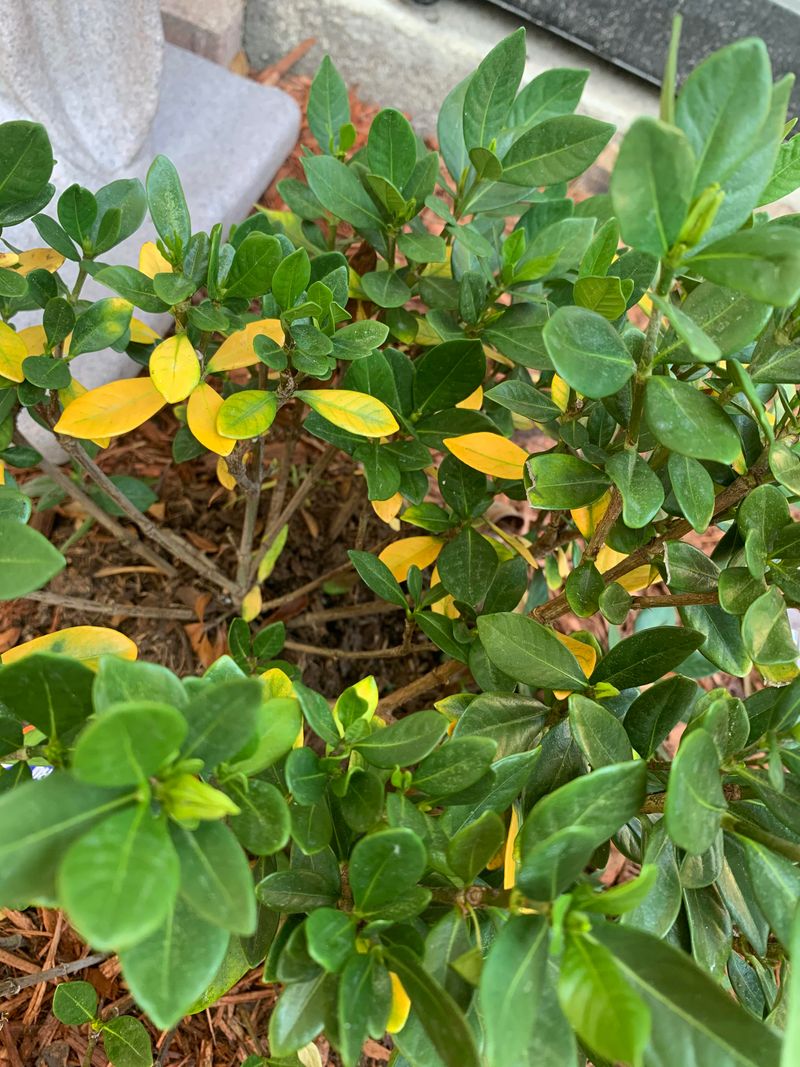
Picture a pantry full of food behind a locked door. That is roughly what happens when pH climbs too high and nutrients sit in the soil without reaching roots.
Nutrients like iron, manganese, zinc, and phosphorus become harder for many plants to absorb in alkaline soil.
Your soil may still contain them, but in forms the roots cannot easily use. Adding more fertilizer in that situation may not fix the problem and could waste money.
Excess potassium and calcium from heavy ash use can also throw nutrient balance off.
Plants need these elements in reasonable proportions. When one shows up in large amounts, it may compete with others, such as magnesium, for uptake.
Symptoms can be tricky to read. Pale leaves, slow growth, or poor flowering might point to nutrient trouble, yet weather stress, pests, and watering habits can create similar signs.
Gardeners in Georgia sometimes see these issues show up after a few winters of regular ash dumping rather than right away.
Watching for slow changes is smart. If several shrubs in the same bed start looking off, think back to what has gone onto that soil.
Testing gives the clearest answer, and it can guide whether fertilizer, pH adjustment, or simply stopping ash use makes the most sense.
5. Concentrated Ash Can Damage Tender Roots And Foliage
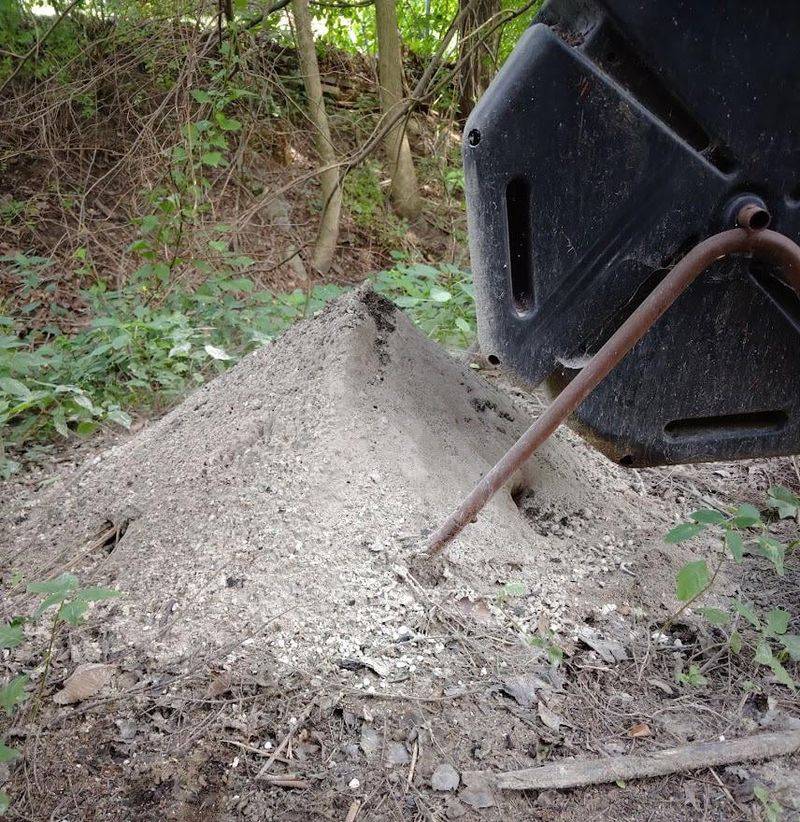
Dumping a full bucket in one spot is where many ash problems begin. Fresh wood ash can be quite alkaline and salty, and concentrated piles may harm whatever sits underneath.
Young shrubs and newly planted ones are usually more sensitive than established plants.
Their fine feeder roots sit near the surface, right where ash lands. Heavy contact may stress those roots, especially when the ash gets wet and starts leaching.
Leaves can suffer too if ash dust settles on wet foliage.
Wearing gloves when handling ash is a good idea, because it can irritate skin. If it bothers your hands, tender plant tissue may not appreciate it either.
Hot embers add another hazard worth remembering. Ash can hold heat for longer than people expect, so letting it cool fully in a metal container with a lid is a safer approach.
Pine straw and dry mulch are common across Georgia yards, and they can catch fire from warm ash.
When ash is appropriate, spread it thinly and evenly over a wide area instead of piling it. Gently working it into the top layer of soil, away from stems, also helps.
Never place ash directly against trunks or into fresh planting holes, where roots are still settling in.
6. Ash From Painted Or Treated Wood Does Not Belong In Garden Beds
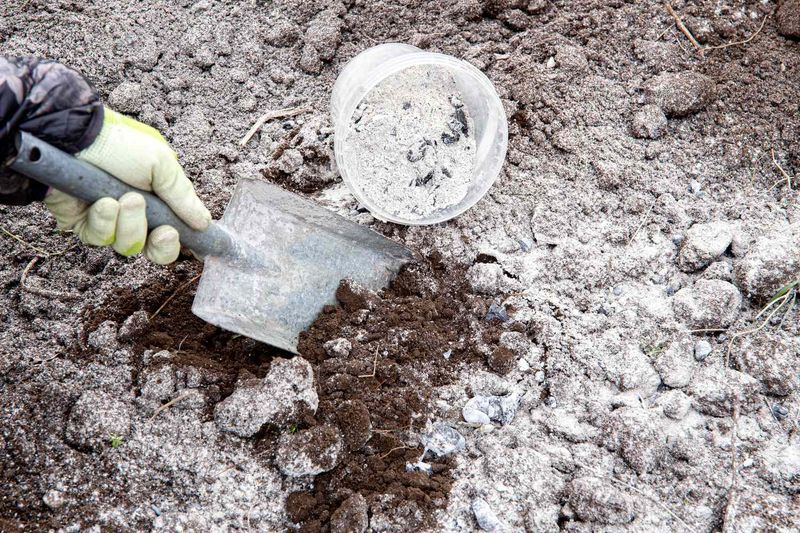
Not every fire leaves behind garden-friendly ash. What you burn matters as much as how much you spread.
Painted boards, stained lumber, and pressure-treated wood can leave unwanted residues in the ash.
Older pressure-treated wood may contain chromated copper arsenate, which was phased out for most residential uses in the early 2000s. Burning it is not recommended, and its ash should stay far from food gardens and shrub beds.
Old paint can also contain lead, especially on wood from older homes.
Plywood, particleboard, and other glued products bring their own set of concerns. Their binders and coatings were never meant to end up in soil.
Charcoal briquettes are another item to keep separate.
Many briquettes include additives, and lighter fluid residue may linger. Ash from these is best thrown out with regular trash once fully cooled.
Plenty of folks in Georgia clean up after storms or remodeling projects with a backyard burn pile. Local burn rules vary, so check county guidelines before burning anything outdoors.
Paper with glossy coatings, cardboard with heavy printing, and household trash also do not belong in the garden ash bucket.
Clean, untreated firewood is the only source worth considering. Even then, the earlier pH concerns still apply, so clean ash is not a free pass for heavy use.
7. Soil Testing Helps Determine Whether Wood Ash Is Appropriate
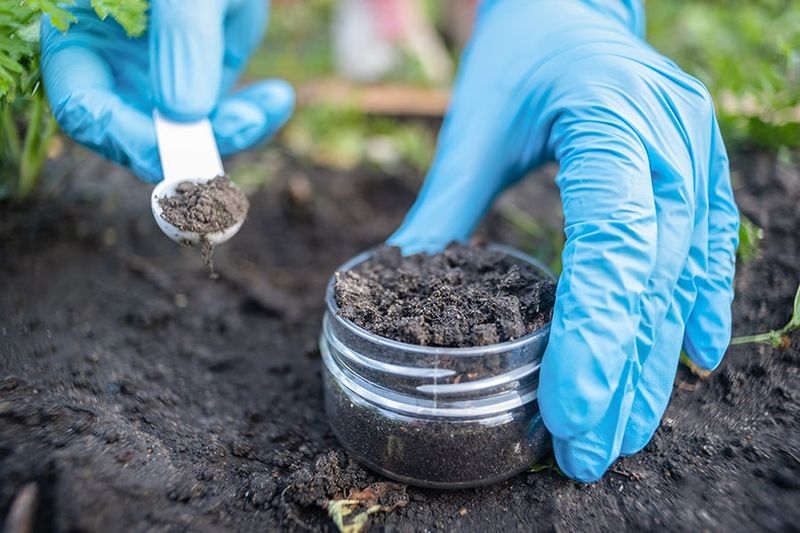
Guessing costs more than testing in the long run. A basic soil test tells you pH and key nutrient levels, which is exactly the information you need before adding ash.
University of Georgia Extension offers soil testing through county Extension offices for a modest fee.
You collect small samples from several spots in a bed, mix them, and send in about a cup of soil. Results usually include pH, nutrient levels, and recommendations based on what you plan to grow.
Sample each area separately when plant needs differ.
Azalea beds, lawns, and vegetable gardens may need very different care. Mixing them into one sample can hide useful details.
If the report says your soil needs lime, a small amount of clean wood ash might serve as a partial substitute. Your Extension agent can help you figure out whether that makes sense for your yard.
When the test shows pH already in a good range, skipping ash is likely the wiser choice.
Testing every few years helps you track changes over time. Fall and winter are handy times to sample, since results arrive before spring planting.
Extra ash that your garden cannot use can go in the trash once cooled, or into a compost pile in small amounts. Keeping records of what you add makes future decisions much easier.